The best walks and hikes around Lafitte
4.3
(6)
93
hikers
17
hikes
Hiking around Lafitte offers a landscape characterized by its waterways, including lakes and canals, alongside gently rolling terrain. The region features a mix of open paths and areas with some tree cover, providing varied scenery for outdoor activities. Elevation changes are generally modest, making many routes accessible for different fitness levels. This area is suitable for those seeking trails that explore the local aquatic environments and surrounding countryside.
Best hiking trails around Lafitte
- The most popular hiking route is Lac…
Last updated: November 22, 2026
11
hikers
Hard hike. Very good fitness required. Easily walkable paths.
3
hikers
5.74km
01:30
40m
40m
Easy hike. Easily walkable paths.

9
hikers
7.84km
02:02
50m
50m
Moderate hike. Good fitness required. Easily walkable paths.
5.0
(1)
6
hikers
14.9km
03:57
150m
150m
Moderate hike. Good fitness required. Easily walkable paths.
5.0
(1)
20
hikers
11.9km
03:00
20m
20m
Moderate hike. Good fitness required. Easily walkable paths.
Get access to more routes and recommendations from other explorers.
Already have an account?
Our route recommendations are based on thousands of hikes, rides, and runs completed by other people on komoot.
Start today with a free account
Your next adventure awaits.

Tips from the Community

The abbey and its cloister, the historic center, the Art Deco buildings, the Napoleon bridge, the towpath, and the Cacor canal bridge are must-sees. Everything can be easily discovered on foot. Moissac is a major stop on the Camino de Santiago thanks to its exceptional heritage, particularly its abbey, a UNESCO World Heritage site. Its Romanesque cloister and sculpted tympanum make it an emblematic place for pilgrims from all over the world.
0
0
The Old Carmel of Moissac, overlooking the Saint-Pierre abbey, was built between 1857 and 1858 on the initiative of the "ladies of Praslin", wealthy benefactresses. It is a major stop for pilgrims on the Way of Saint James of Compostela (via Podiensis). The architecture of the Old Carmel of Moissac perfectly reflects the spirit of poverty, contemplation, and self-sufficient life characteristic of the Carmelite order in the 19th century. Cloister with raised dormitories, open south gallery, enclosure, predominance of limestone, cut stones, stepped church, stained glass from three periods, including three signed ones from the 20th century.
0
0
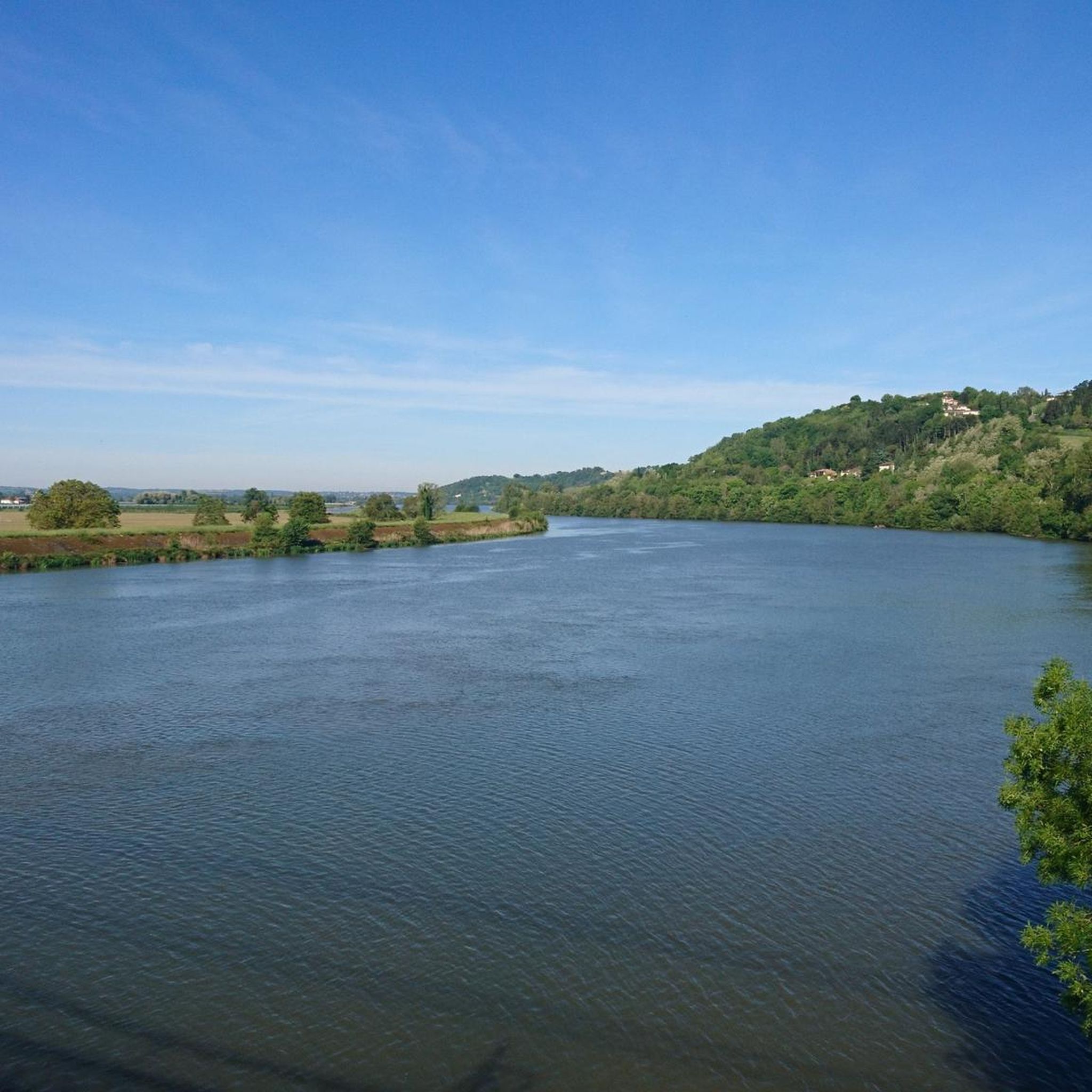
The Calvaire viewpoint in Moissac offers a lovely panorama of the town of Moissac: the Tarn river, the bell tower of Saint Pierre Abbey, the Moissac mill hotel, the Canal des 2 Mers, and the countryside with its orchards. Near the end, you will see the impressive statue of the Virgin of the Calvaire, erected in 1858. The town of Moissac was placed under the protection of the Virgin during the plague epidemic of the 18th century. Every August 15th, a commemoration takes place and a procession is organized. In order to restore it to its original state, major renovations were carried out in 2023. Today, it is in immaculate white that the Virgin proudly overlooks the town.
0
0
Abbey founded in the mid-7th century. After its affiliation with Cluny in 1047, the abbey was consecrated in 1063. Cloister built at the end of the 11th century (high altar consecrated by Urban II), portal completed between 1115 and 1135, fortifications and cloister arcades in the 13th century. After the troubles of the Hundred Years' War and the plundering due to the Wars of Religion, the abbey passed into commendam in the 17th century. After the Revolution, the abbey was bought back as national property and saved by the town hall secretary. The church was returned to worship in 1801 and was restored at the initiative of Viollet-le-Duc in 1847. In 1856, the conventual buildings located on the site of the seminary were destroyed and divided into plots for sale. The purchase of the plots allowed for the construction of the minor seminary and a chapel between 1860 and 1865. The seminary is built on medieval remains of the abbey, particularly the cistern and the Hall of the Dead, which retains painted decoration from the 14th century.
0
0
Abbey founded in the mid-7th century. After its affiliation with Cluny in 1047, the abbey was consecrated in 1063. Cloister built at the end of the 11th century (high altar consecrated by Urban II), portal completed between 1115 and 1135, fortifications and cloister arcades in the 13th century. After the troubles of the Hundred Years' War and the looting due to the Wars of Religion, the abbey came under commendatory abbots in the 17th century. After the Revolution, the abbey was bought back as national property and saved by the town hall secretary. The church was returned to worship in 1801 and was restored at the initiative of Viollet-le-Duc in 1847. In 1856, the conventual buildings located on the site of the seminary were destroyed and divided for sale. The repurchase of the plots allowed for the construction of the minor seminary and a chapel between 1860 and 1865. The seminary is built on medieval remains of the abbey, particularly the cistern and the Hall of the Dead, which retains painted decoration from the 14th century.
1
0
The abbey and its cloister, the historic center, the Art Deco buildings, the Napoleon bridge, the towpath, and the Cacor canal bridge are must-sees. Moissac is a major stop on the Camino de Santiago routes thanks to its exceptional heritage, notably its abbey, a UNESCO World Heritage site. Its Romanesque cloister and sculpted tympanum make it an emblematic place for pilgrims from all over the world.
0
0
In the early 60s, Jean Aubert, an engineer from Ponts et chaussées, worked with his team on the construction of an innovative structure to allow boats to overcome significant differences in height in a minimum of time on the lateral canal of the Garonne (municipality of Montech). vnf.fr/vnf/points-d-interetss/la-pente-deau-de-montech
0
0
In the early 1960s, Jean Aubert, a civil engineer, worked with his team on the construction of an innovative structure to allow boats to overcome significant differences in elevation in a minimum of time on the lateral canal of the Garonne (municipality of Montech). https://www.vnf.fr/vnf/points-d-interetss/la-pente-deau-de-montech/
0
0
Frequently Asked Questions
How many hiking trails are available in the Lafitte area?
There are over 10 hiking routes available around Lafitte, catering to various skill levels. The region's trails explore its distinctive waterways, lakes, and canals, alongside the surrounding countryside.
Are there easy hiking trails suitable for beginners in Lafitte?
Yes, Lafitte offers several easy hiking options. For instance, the Lac du Boulet loop from Combe-Cave is an easy 1.8-mile (2.9 km) trail that circles a local lake, perfect for a relaxed walk. Another accessible option is the Lac du Boulet – Lac de Combe-Cave loop from Saint-Sardos, which is 4.0 miles (6.5 km) and connects two lakes.
Where can I find longer hiking routes in the Lafitte area?
For those seeking longer routes, the Cacor Canal Bridge – Cacor Canal Aqueduct in Moissac loop from Castelsarrasin offers a substantial 12.9-mile (20.8 km) hike. This route provides an extended experience along the canal.
Are there any challenging hikes for experienced hikers in Lafitte?
While many trails feature modest elevation changes, the Cacor Canal Bridge – Cacor Canal Aqueduct in Moissac loop from Castelsarrasin is classified as difficult due to its length of nearly 13 miles (21 km), offering a more demanding experience for seasoned hikers.
What kind of scenery can I expect on hikes around Lafitte?
Hiking around Lafitte is characterized by its unique aquatic landscapes, including numerous lakes and canals. You'll encounter a mix of open paths and areas with some tree cover, providing varied scenery that highlights the region's waterways and gently rolling terrain.
Are there family-friendly hiking options in Lafitte?
Many of Lafitte's trails, particularly those around the lakes with modest elevation changes, are suitable for families. The easy loops like the Lac du Boulet loop from Combe-Cave are great choices for outings with children.
Can I bring my dog on the hiking trails in Lafitte?
Generally, many outdoor trails in the Lafitte area are dog-friendly, especially those through natural landscapes. However, it's always recommended to keep dogs on a leash and check for any specific local regulations or signage at individual trailheads.
What is the best time of year to go hiking in Lafitte?
Given the region's characteristics of waterways and varied tree cover, spring and autumn are often ideal for hiking in Lafitte. The weather is typically milder, and the natural scenery is vibrant, whether with spring blooms or autumn colors. Summer can also be pleasant, especially along shaded canal paths.
Are there circular walks available in Lafitte?
Yes, Lafitte features several excellent circular routes. Popular options include the Lac du Boulet loop from Combe-Cave and the Montech Water Slope loop from Saint-Porquier, which offers a unique experience along a canal with an interesting engineering marvel.
What interesting landmarks or attractions can I see near the hiking trails?
While hiking, you can explore several points of interest. The Montech Water Slope is a notable engineering marvel along the Montech Canal, and the canal itself (Montech Canal) provides scenic walking paths. These attractions offer a glimpse into the region's unique blend of nature and human ingenuity.
What do other hikers enjoy the most about hiking in Lafitte?
The hiking routes in Lafitte are highly rated by the komoot community, with an average score of 3.5 stars from over 4 reviews. Hikers often praise the accessible trails around lakes and along canals, highlighting the pleasant walks through the area's natural features and varied terrain.
Most popular attractions around Lafitte

Get inspired with the komoot mobile app


Explore more
Browse the best Hikes in other regions.
