Top 5 Castles around Saint-Orens-Pouy-Petit
Castles around Saint-Orens-Pouy-Petit offer a glimpse into the region's medieval past and historical architecture. The area features remnants of 13th-century fortified structures and 16th-century castles, reflecting its evolution over centuries. Visitors can explore preserved defensive architecture and experience the layout of historic settlements. The region provides insights into medieval village life and Gascon architectural styles.
Best castles around Saint-Orens-Pouy-Petit
- The most popular castles is Larressingle Fortified Village, a historical site that is a fine example of the region's fortified…
Last updated: May 13, 2026
Larressingle Fortified Village
Highlight • Historical Site
Translated by Google •
Tip by

Château de Madirac
Highlight • Castle
Translated by Google •
Tip by

Sign up now to discover places like this
Get recommendations on the best single tracks, peaks, & plenty of other exciting outdoor places.
Sign up for free
Château de Terraube
Highlight • Castle
Translated by Google •
Tip by

Château de Cassaigne
Highlight • Castle
Translated by Google •
Tip by
Lagardère Castle
Highlight • Castle
Translated by Google •
Tip by

Start today with a free account
Your next adventure awaits.
Login or Signup

Tips from the Community


The castle consists of two bodies placed next to each other at right angles. At the two corners of the first body, covered with a gable roof, lower than the second body, there are two cylindrical projecting turrets, the crown of which (certainly a pepperpot roof) has disappeared. Mullions appear on the upper floor, while simple openings open, probably later, on the ground floor.
3
0
The castle was built in 1582 by François Georget, sculptor and surveyor, for Bertrand du Bousquet, president of the court of Condom.
3
0

The small village is built around the castle of Terraube which dates from 1272. It itself is built in white stone typical of the region.
0
0

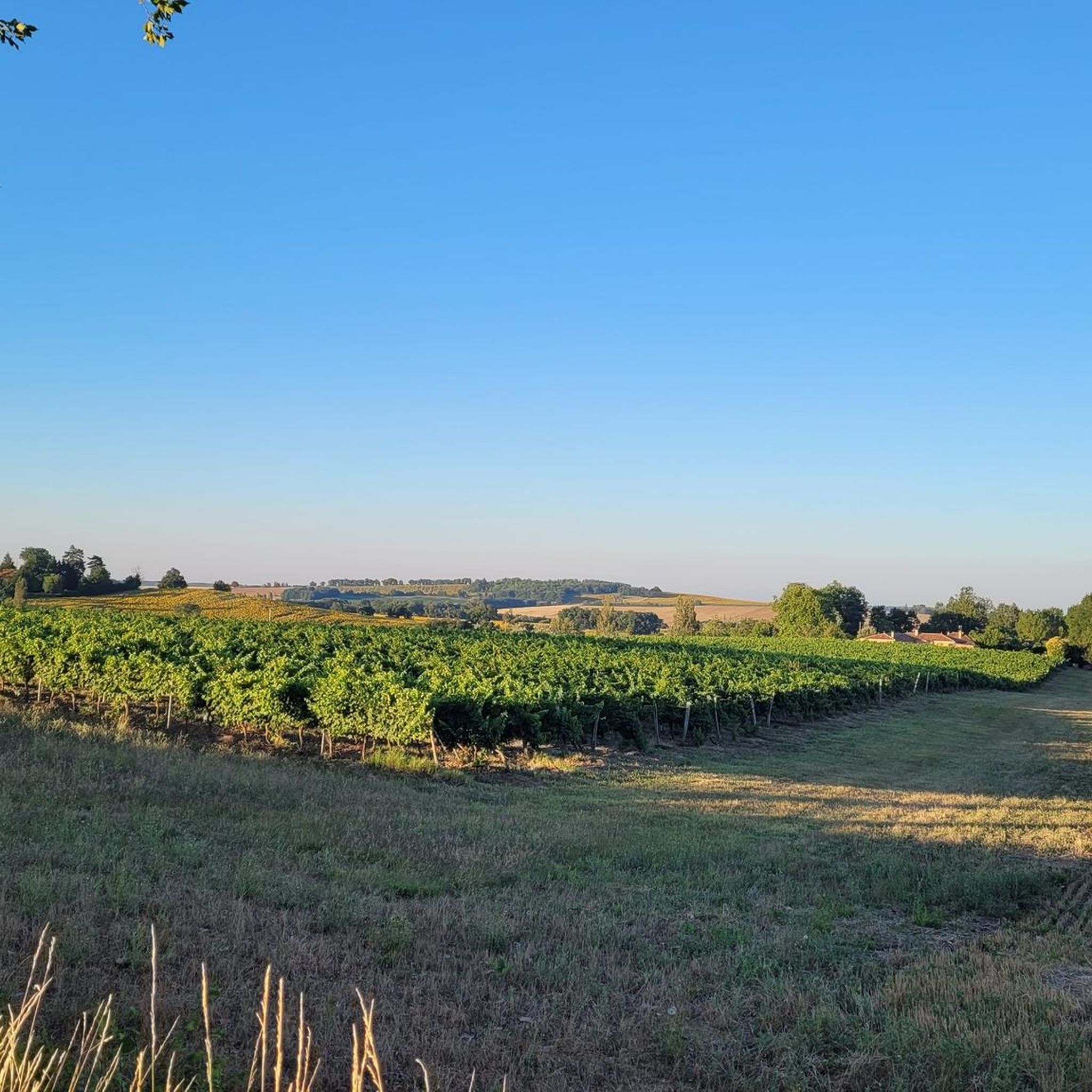
This superb chateau is the centerpiece of a magnificent vineyard. Here you can run in the middle of the vines.
2
0
Free visit to the Château with an exhibition explaining the history and techniques used to make Armagnac. The old armory, with walls more than 2 meters thick, houses one of the Armagnac aging cellars. You can watch a movie about the vine and practice sensory animation with smell organs. The old kitchen from the 16th century surprises with the originality of the vault built like a baker's oven. The walk ends with a tasting of the estate's products, for sale in the castle shop.
3
0
Visit the Château de Cassaigne! This beautiful castle from the 16th century is a beautiful sight and is located just 10 km east of the campsite La Brouquère
3
0
This superb chateau is the centerpiece of a magnificent vineyard. The vineyard offers free tours, don't hesitate to take advantage of them!
2
1
Frequently Asked Questions
What historical significance do the castles around Saint-Orens-Pouy-Petit hold?
The castles and fortified structures in the Saint-Orens-Pouy-Petit area offer a deep dive into the region's medieval past. They reflect centuries of evolution, from 13th-century fortifications built by the English to 16th-century castles and Gascon-style architecture. These sites provide insights into medieval village life, defensive strategies, and the changing roles of these structures over time.
Are there any fortified villages to explore in the area?
Yes, the region is known for its fortified villages. The village of Saint-Orens-Pouy-Petit itself features houses enclosed within its 13th-century fortifications. Additionally, Larressingle Fortified Village, often called the 'Carcassonne du Gers,' is a remarkable example. It's completely surrounded by an intact fortification wall and a moat, offering a unique glimpse into medieval architecture and village life.
What architectural styles can I expect to see in the castles?
You'll encounter a range of styles. The region features 13th-century defensive architecture, 16th-century castles like Château de Madirac with its cylindrical turrets and mullioned windows, and Gascon-style castles such as the one in Pouy-Petit. Château de Terraube, built in 1272, showcases the white stone typical of the region.
Are there family-friendly castles to visit near Saint-Orens-Pouy-Petit?
Yes, several castles offer family-friendly experiences. Larressingle Fortified Village is a great option for families to explore a medieval village. Château de Cassaigne is also noted as family-friendly, offering free visits with exhibitions, a movie about viticulture, and even a tasting of local products for adults.
What can I expect when visiting <a href="https://www.komoot.com/highlight/3770084" target="_blank" rel="noopener">Larressingle Fortified Village</a>?
When visiting Larressingle Fortified Village, you'll find a well-preserved medieval settlement, often called the 'smallest fortified town in France.' It features houses, a castle, and a church, all encircled by an intact fortification wall and a moat. You can walk through its ancient streets and appreciate its authentic Middle Ages atmosphere, nestled among vineyards.
What are the main features of <a href="https://www.komoot.com/highlight/5681633" target="_blank" rel="noopener">Château de Terraube</a>?
Château de Terraube, dating back to 1272, is built from the distinctive white stone characteristic of the region. The small village of Terraube is built around this castle, making it a central historical landmark.
Is there anything special about <a href="https://www.komoot.com/highlight/5862122" target="_blank" rel="noopener">Château de Cassaigne</a>?
Château de Cassaigne is a beautiful 16th-century castle that serves as the centerpiece of a magnificent vineyard. Visitors can enjoy a free visit to the castle, which includes an exhibition on the history and techniques of Armagnac production, a movie about vines, and a sensory experience. The visit often concludes with a tasting of the estate's products.
What is the status of <a href="https://www.komoot.com/highlight/5859972" target="_blank" rel="noopener">Lagardère Castle</a>?
The Château de Lagardère was built around 1270 in the Gascon style. It fell into ruins after 1791, but today, a local association is actively working on its restoration, preserving its historical legacy.
Are there hiking opportunities near the castles around Saint-Orens-Pouy-Petit?
Yes, the region offers several hiking routes that allow you to explore the beautiful Gascon landscapes and historical sites. You can find trails like 'Les château Gascons' or 'Flaran Abbey loop from Valence-sur-Baïse'. For more details and route options, visit the Hiking around Saint-Orens-Pouy-Petit guide.
Can I go cycling to visit castles in the region?
Absolutely. Cycling is a great way to see the castles and the surrounding countryside. Routes like 'La Romieu, Blaziert, and Marsolan Circuit' or 'Condom and Larressingle - loop in the Baïse valley' offer scenic rides. Check out the Cycling around Saint-Orens-Pouy-Petit guide for more routes.
Are there running trails that incorporate castle views?
Yes, there are running trails in the area, such as the 'Gascon Castles Trail,' which might offer views of the historical sites. You can find various running loops of different difficulties starting from nearby towns. For detailed routes, refer to the Running Trails around Saint-Orens-Pouy-Petit guide.
When is the best time to visit the castles around Saint-Orens-Pouy-Petit?
The best time to visit is generally during the spring (April to June) and early autumn (September to October) when the weather is pleasant for exploring and the landscapes are vibrant. Summers can be warm, but also offer long daylight hours. Visiting outside of peak tourist season might also mean fewer crowds.
Most popular routes around Saint-Orens-Pouy-Petit
Most popular attractions around Saint-Orens-Pouy-Petit

Get inspired with the komoot mobile app


Explore more
Looking for the best castles somewhere else? Discover other guides around Saint-Orens-Pouy-Petit:
