The best gravel rides around Fuentenovilla
14
riders
7
rides
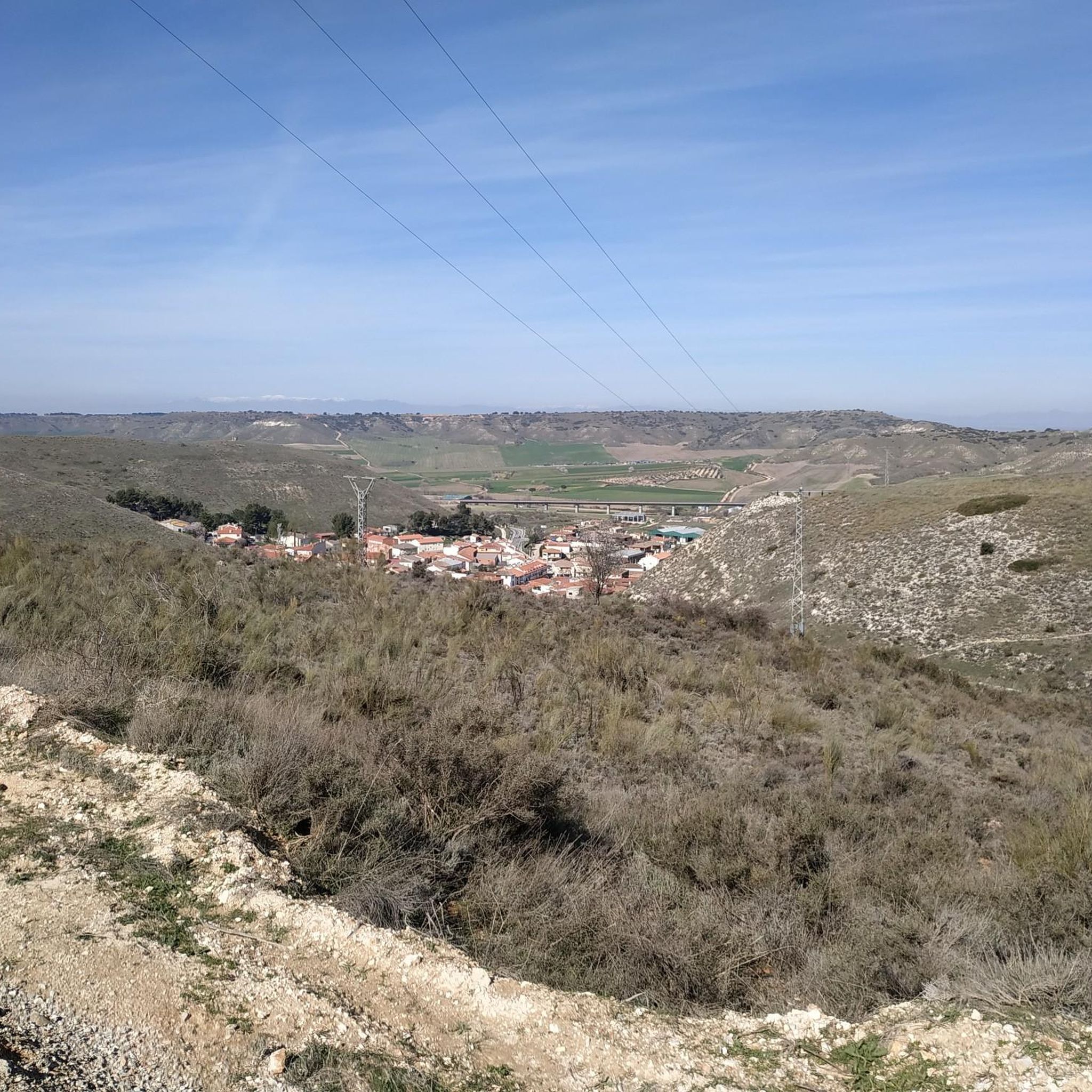
Gravel biking around Fuentenovilla features a landscape characterized by rolling hills, agricultural paths, and river valleys. The region offers a mix of open countryside and occasional wooded sections, providing varied terrain for gravel cyclists. Elevations are generally moderate, with some routes including sustained climbs and descents.
Best gravel bike trails around Fuentenovilla
- The most popular gravel bike trail is Church of Santorcaz – Plaza de Santorcaz loop from Pezuela de las Torres, a 23.5 miles (37.8 km) trail that…
Last updated: May 28, 2026
2
riders
34.9km
02:53
470m
470m
Hard gravel ride. Very good fitness required. Mostly paved surfaces. Suitable for all skill levels.
1
riders
39.4km
03:10
420m
420m
Moderate gravel ride. Good fitness required. Mostly paved surfaces. Suitable for all skill levels.

Sign up for free
3
riders
80.4km
05:29
650m
650m
Hard gravel ride. Very good fitness required. Mostly paved surfaces. Suitable for all skill levels.
1
riders
25.9km
01:52
170m
170m
Moderate gravel ride. Good fitness required. Mostly paved surfaces. Suitable for all skill levels.
2
riders
Moderate gravel ride. Good fitness required. Mostly paved surfaces. Suitable for all skill levels.
Get access to more routes and recommendations from other explorers.
Sign up for free
Already have an account?
Our route recommendations are based on thousands of hikes, rides, and runs completed by other people on komoot.
Start today with a free account
Your next adventure awaits.
Login or Signup
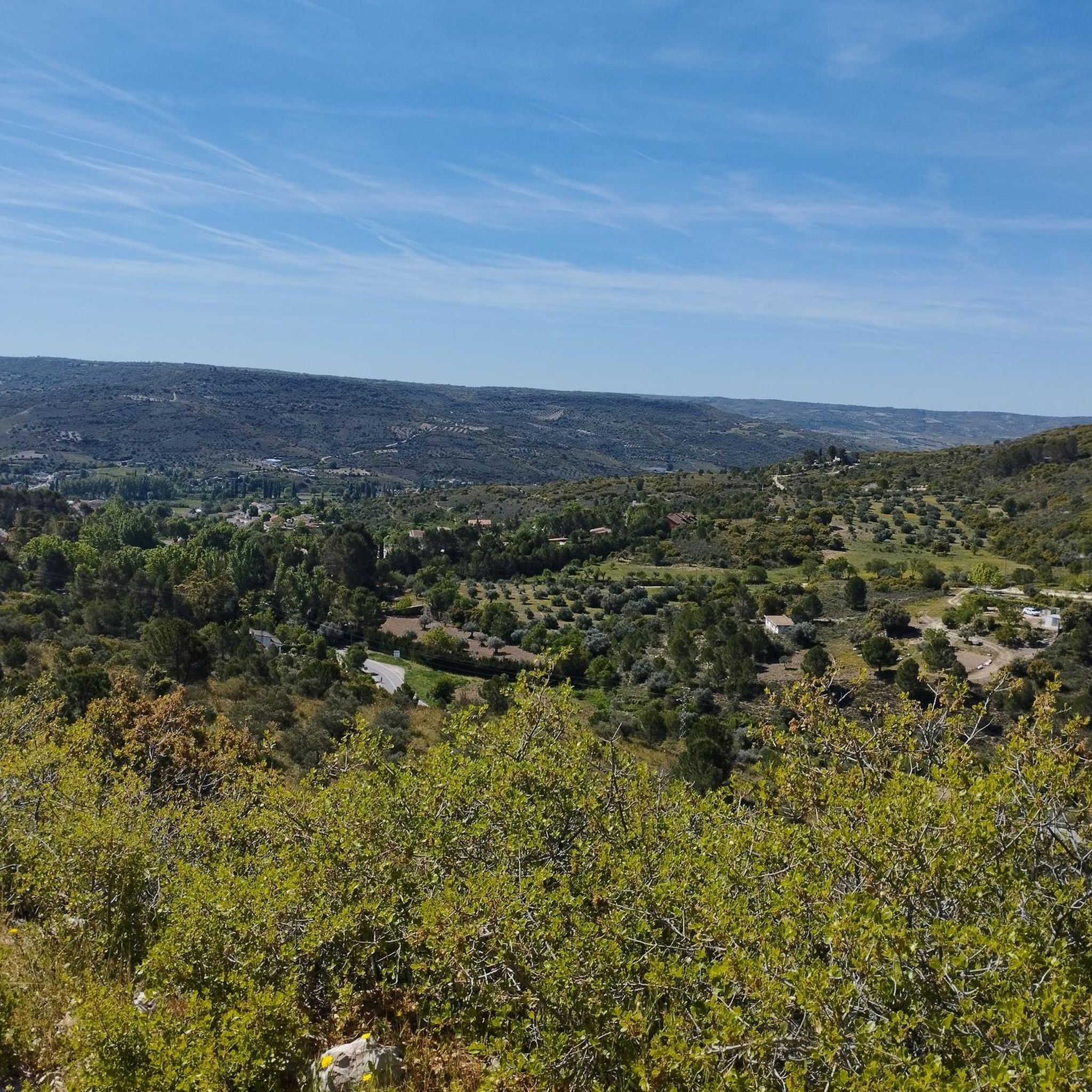
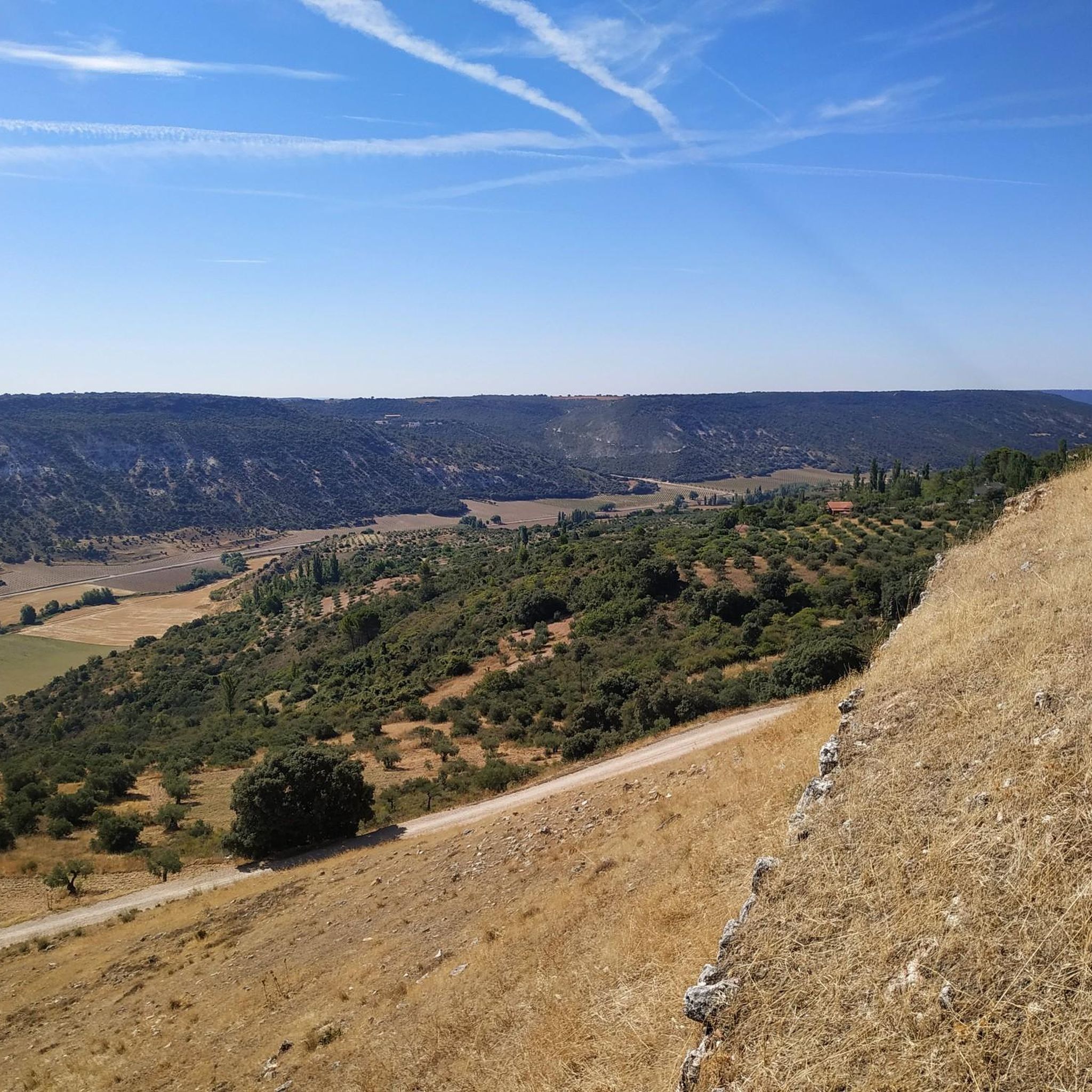
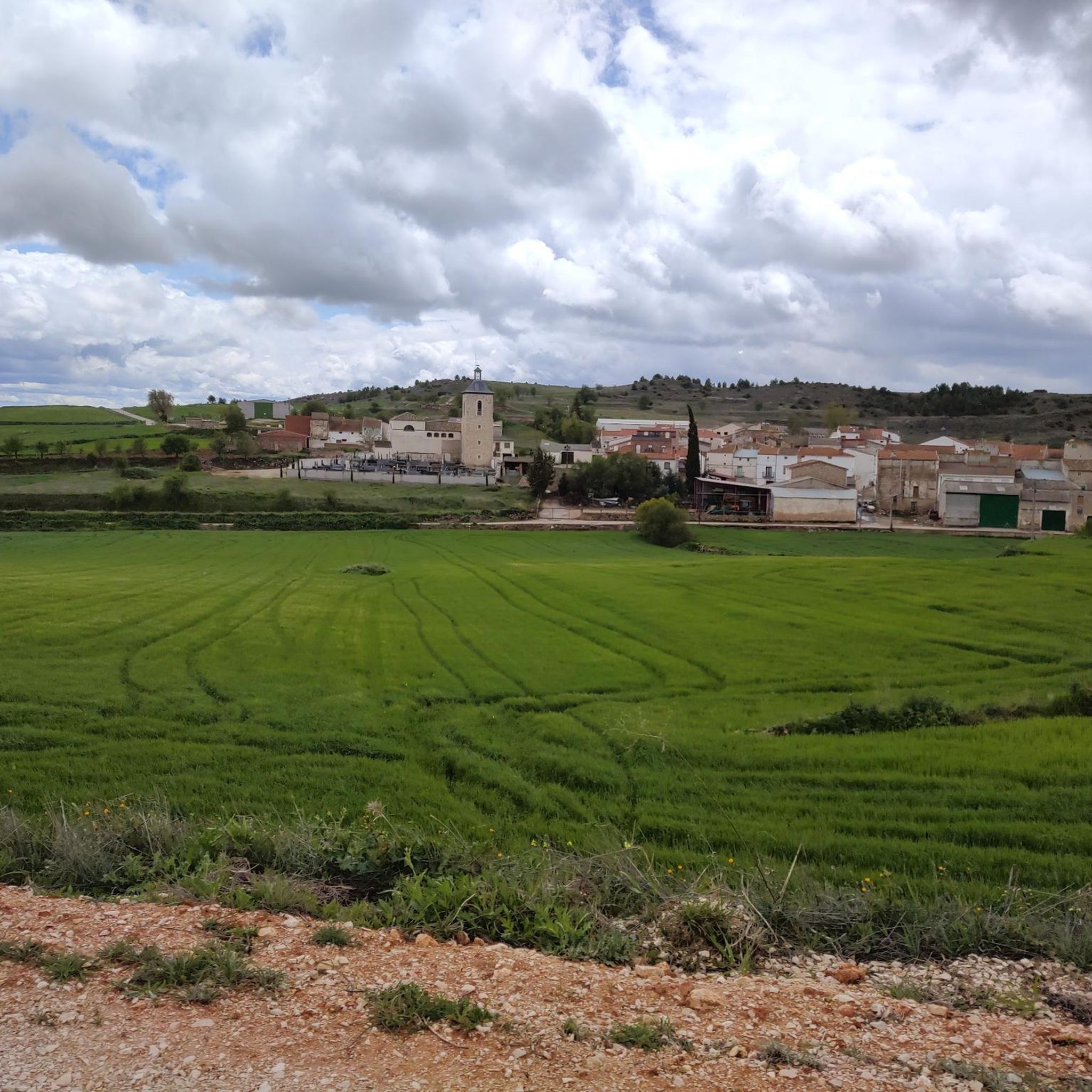
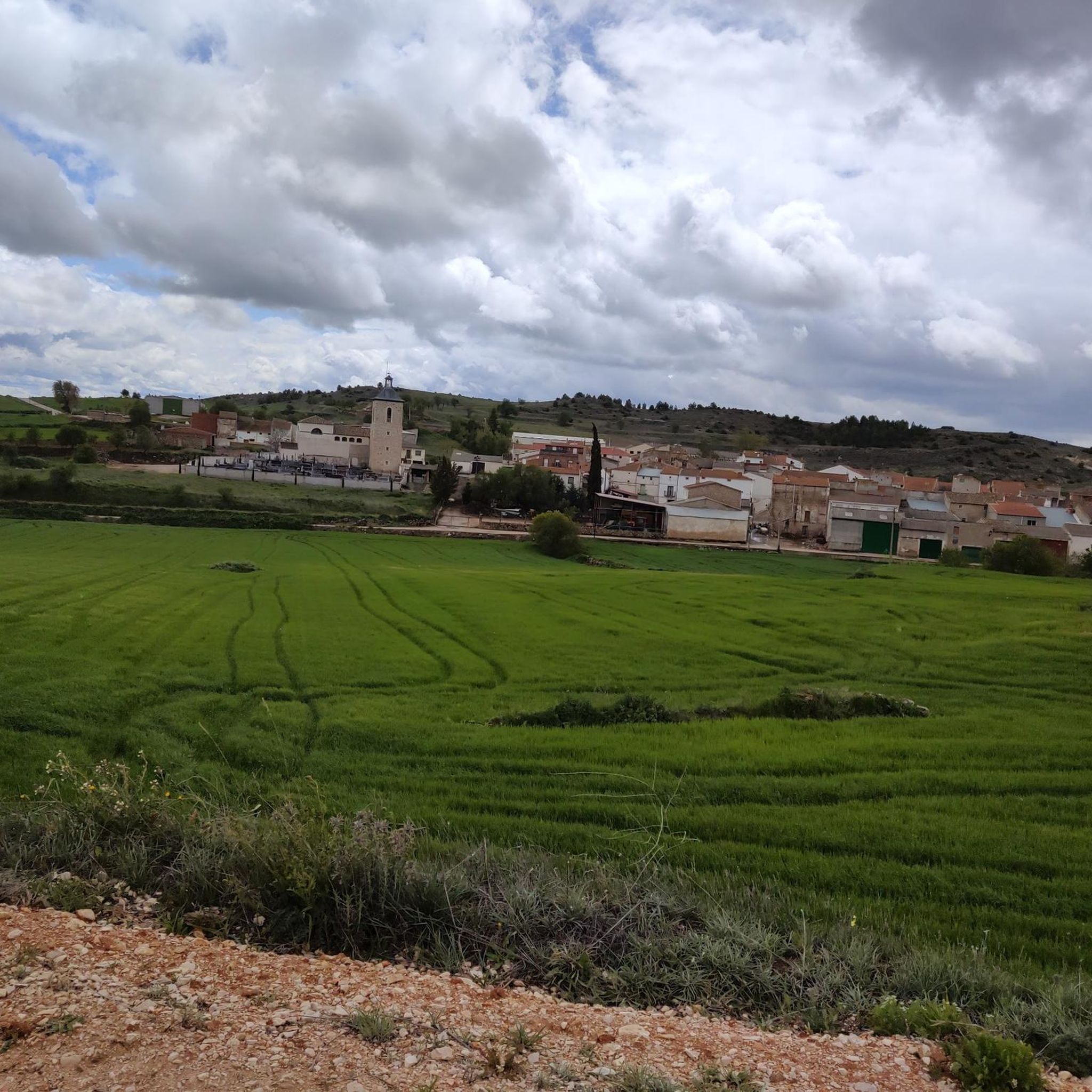
Tips from the Community

It is a beautiful town, one of those that remain with its essence.
0
0

The Valmores watering hole was restored in 2022, recovering an essential piece in the ethnographic heritage of Pezuela de las Torres. The first references to the fountain appear in the Topographic Relations of 1578. In 1735, reforms and improvements were made to the original spring, making it essential in the daily life of the countryside. The construction has a functional design to water livestock at a crossroads of the Alcarreño moor with trees and benches to take a break.
0
0
Pezuela de las Torres acquired jurisdictional independence in 1554 for the payment of one and a half million maravedis, erecting a pillory in the Plaza del Coso that represented the power to administer justice and a place for the town's residents to see criminals who were being sentenced to a pillory. The pillory is seven metres high on a pedestal of four steps and is topped with the heads of four lions. Next to it is the Plaza de la Constitución, home to the Town Hall and the Church of the Assumption, with a Romanesque apse and the rest rebuilt between the 16th and 18th centuries. It has a curious stately doorway from 1748 and a 16th century porticoed gallery, known as El Portalillo, the former meeting centre of the council. Most of the town's streets are on a slope, facing the plain, some houses retain the traditional two-storey country architecture and white facades. On Cerro del Calvario there are remains of traditional wineries used to make wine.
0
0
The unique urban style of Nuevo Baztán maintains the original Baroque model from the beginning of the 18th century, designed by José de Churriguera by order of Juan de Goyeneche, who had permission from Charles II to build glass, paper and textile factories on Spanish territory. The Navarrese businessman was originally from Arizkun, in the Baztán Valley, but spent time in Madrid because he had other properties and professional relations with the Court. He chose the site of Madrid's Alcarria to found an industrial and rural centre in honour of his homeland and commissioned the Madrid architect to build a glass factory, a farming village of half a thousand inhabitants, a palace, a monumental church and gardens with centuries-old pines and elms. The town preserves cobbled streets, stone squares, rural buildings from the time of its foundation, between 1709 and 1713, and palace gardens, a beautiful heritage complex declared a Historic-Artistic Monument in 1941 and a Site of Cultural Interest in 2000.
0
0

Comfortable stretch of greenway, which I especially recommend in February, with the flowering of the almond trees
2
0
Famous for its palm trees, Morata de Tajuña is a must-see stop for all cyclists in the south of Madrid.
2
0

Nuevo Baztán is a Baroque luxury because the urban settlement included the most advanced manufacturing complex of its time, a precursor to the great task of modernization and future industrialization of Spain, undertaken by the first Bourbons and was also the precursor of the future royal factories. Bourbon. Juan de Goyeneche developed the Nuevo Baztán project, providing local and regional labor, Castilians, and artisans brought from different places, both national and European, to activate his factories. The old town preserves the style it had in the 18th century. The Church Square, in front of the Palace, with its gardens, is framed by the town hall and the old houses of the town. The Palace is being rehabilitated, and Nuevo Baztán hopes, as a silent witness of its splendor in the 18th century, that the competent organizations will definitively conclude the rehabilitation of this Baroque jewel, a symbol of union between Navarrese and Madrid. Source: https://turismo.ayto-nuevobaztan.es/nuevo-batzan/
0
0
The Valmores fountain, an Asset of Heritage Interest of the Community of Madrid, is a good example of the historical sources existing in the region, closely linked to livestock farming and the livestock routes that facilitated the movement of herds through the territory. It is attached to the base of a bank, a wide unproductive slope that links dry fields arranged at different levels, and preserves the original catchment system intact, maintaining an acceptable flow. Source: https://www.comunidad.madrid/cultura/patrimonio-cultural/restauracion-fuente-valmores-pezuela-torres
0
0
Frequently Asked Questions
What kind of terrain can I expect on gravel bike trails around Fuentenovilla?
The gravel bike trails around Fuentenovilla feature a diverse landscape, including rolling hills, agricultural paths, and scenic river valleys. You'll encounter a mix of open countryside and occasional wooded sections, providing varied terrain for your ride. Elevations are generally moderate, with some routes offering sustained climbs and descents.
Are there any easy gravel bike routes suitable for beginners in Fuentenovilla?
Yes, Fuentenovilla offers several easy gravel bike routes perfect for beginners or those looking for a relaxed ride. A great option is the Pozo de Guadalajara Town Hall – Pioz Castle loop from Pioz, an 11.8-mile (19.0 km) path with gentle gradients that passes by local landmarks.
What are some challenging gravel bike trails for experienced riders?
For experienced gravel bikers seeking a challenge, the region offers routes with more significant climbs and longer distances. Consider the Church of Santorcaz – Plaza de Santorcaz loop from Pezuela de las Torres, a 23.5-mile (37.8 km) trail with over 485 meters of elevation gain, or the extensive Tajuña Greenway Section – Olivarejos Trail loop from Nuevo Baztán, which spans 80.0 km with over 640 meters of ascent.
Are there any circular gravel bike routes around Fuentenovilla?
Many of the gravel bike routes in the Fuentenovilla area are designed as loops, allowing you to start and finish in the same location. Examples include the Pozo de Guadalajara Town Hall – Pioz Castle loop from Pioz and the Almoguera Castle – Mondéjar loop from Pozo de Almoguera, both offering convenient circular journeys.
What kind of natural attractions can I see along the gravel bike trails?
As you cycle, you might encounter various natural monuments. Keep an eye out for unique trees like the Encina de la Pica or the La Pica Holm Oak. You could also discover natural springs such as Fuente del Arca and the San Isidro Spring, or even interesting geological formations like the Cuevas Blancas Rock Formations.
Are there any historical landmarks or points of interest along the routes?
Yes, several routes pass by historical sites and charming landmarks. You can explore the impressive Pioz Castle, which is featured on the Pioz Castle loop from La Arboleda. Other notable attractions in the wider area include the Goyeneche Palace of Nuevo Baztán and the Villar del Olmo Town Center.
What is the best time of year for gravel biking in Fuentenovilla?
The Fuentenovilla region generally offers pleasant conditions for gravel biking during spring and autumn. These seasons typically provide milder temperatures, making longer rides more comfortable. Summers can be hot, especially in open agricultural areas, while winters might bring cooler, wetter weather.
Are there any routes that pass by cafes or places to stop for refreshments?
While specific cafes directly on every trail are not guaranteed, many routes pass through or near small towns and villages where you can find local establishments for refreshments. For example, the Pozo de Guadalajara Town Hall – Pioz Castle loop from Pioz starts and ends in a town, offering opportunities for a break.
What should I wear for gravel biking in Fuentenovilla?
Given the varied terrain and potential for changing weather, it's advisable to wear layered clothing that can be adjusted. Breathable, moisture-wicking fabrics are ideal. Depending on the season, consider a windbreaker or light jacket, and always wear a helmet. Padded shorts are recommended for comfort on longer rides over gravel surfaces.
How many gravel bike routes are available in total for Fuentenovilla?
There are 7 gravel bike routes available around Fuentenovilla. These include 3 easy routes, 3 moderate routes, and 1 difficult route, offering options for various skill levels and preferences.
Is public transport available to access the gravel bike trails in Fuentenovilla?
Accessing the gravel bike trails directly by public transport can be limited, as many routes start from smaller towns or rural areas. It's often more convenient to travel by car to a starting point, especially if you're bringing your own bike. Some larger towns nearby might have bus connections, but checking local schedules for specific routes is recommended.
Where can I find parking for gravel biking in Fuentenovilla?
Many of the gravel bike routes start from or pass through villages and towns where public parking is usually available. For instance, routes like the Pozo de Guadalajara Town Hall – Pioz Castle loop from Pioz begin in a town, making it easier to find a suitable parking spot. Always check local signage for parking regulations.
Most popular attractions around Fuentenovilla

Get inspired with the komoot mobile app


Explore more
Browse the best Gravel rides in other regions.
