The best waterfall hikes and walks in Livorno
4.5
(12617)
60,500
hikers
13
hikes
Waterfall hiking trails in Livorno traverse a diverse landscape characterized by lush forests, spring waters, and historic aqueducts. The region features hills formed millions of years ago, with lively streams like the Chioma Stream and Caput Morrae. Hikers can explore trails leading to natural water features such as the Caselli Waterfalls and the Infernaccio Small Waterfall, often integrated with ancient water paths. The terrain varies from compact dirt to sections with rocks and roots, offering a range of experiences.
Best…
Last updated: May 10, 2026
4.5
(48)
159
hikers
Moderate hike. Good fitness required. Easily-accessible paths. Suitable for all skill levels.
4.7
(3)
12
hikers
Easy hike. Great for any fitness level. Easily-accessible paths. Suitable for all skill levels.

Sign up for free
5.0
(2)
19
hikers
14.0km
04:02
260m
260m
Moderate hike. Good fitness required. Mostly accessible paths. Sure-footedness required.
4.6
(5)
30
hikers
Moderate hike. Good fitness required. Easily-accessible paths. Suitable for all skill levels.
4.0
(2)
4
hikers
18.7km
05:27
490m
490m
Hard hike. Very good fitness required. Mostly accessible paths. Sure-footedness required.
Get access to more routes and recommendations from other explorers.
Sign up for free
Already have an account?
Our route recommendations are based on thousands of hikes, rides, and runs completed by other people on komoot.
Start today with a free account
Your next adventure awaits.
Login or Signup
Popular around Livorno

Waterfall hikes around Foresta della Valle Benedetta

Waterfall hikes in Parco Provinciale Dei Monti Livornesi

Waterfall hikes around Parco interprovinciale di Montioni
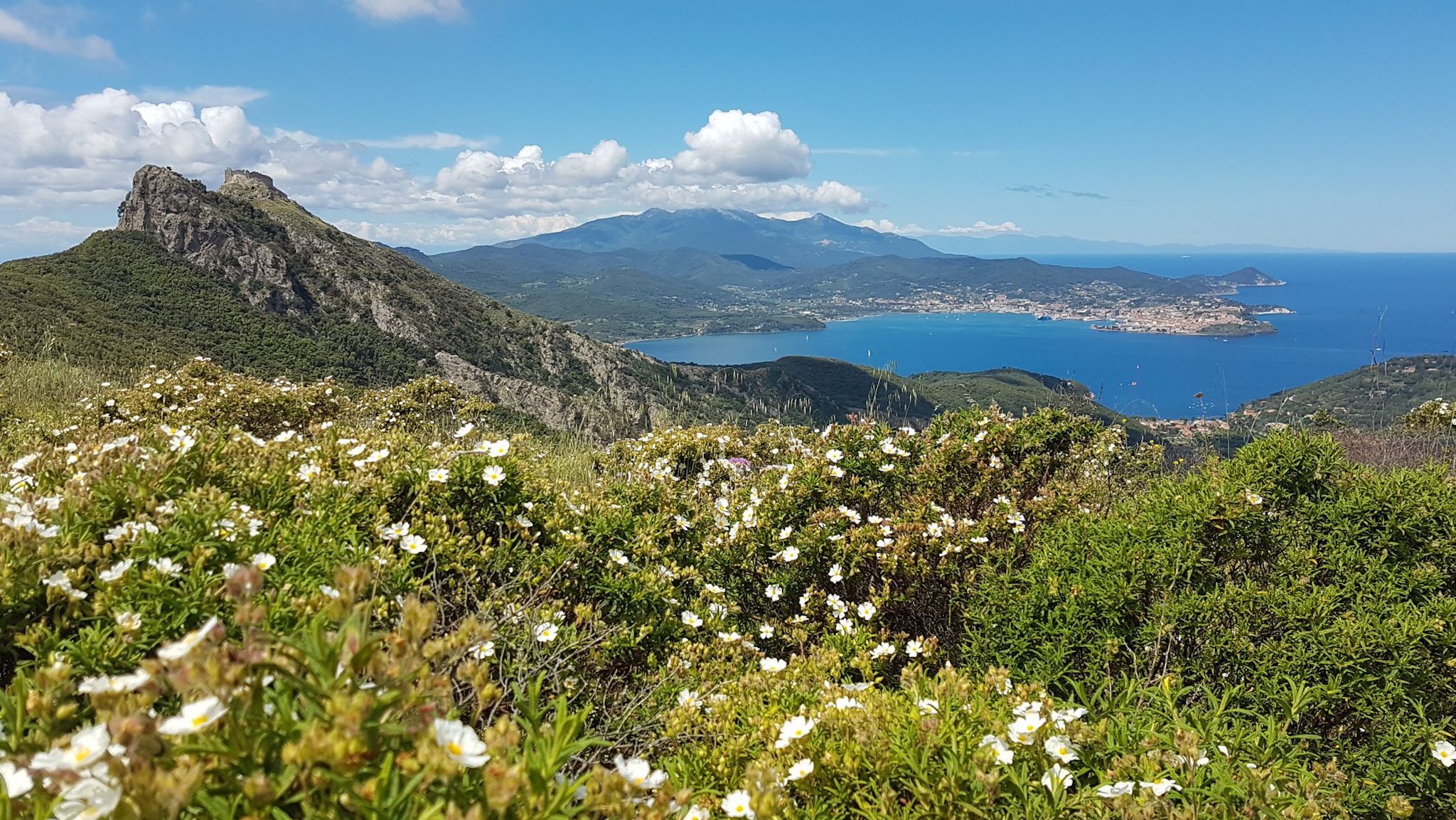
Grande Traversata Elbana — from the mountains to the sea
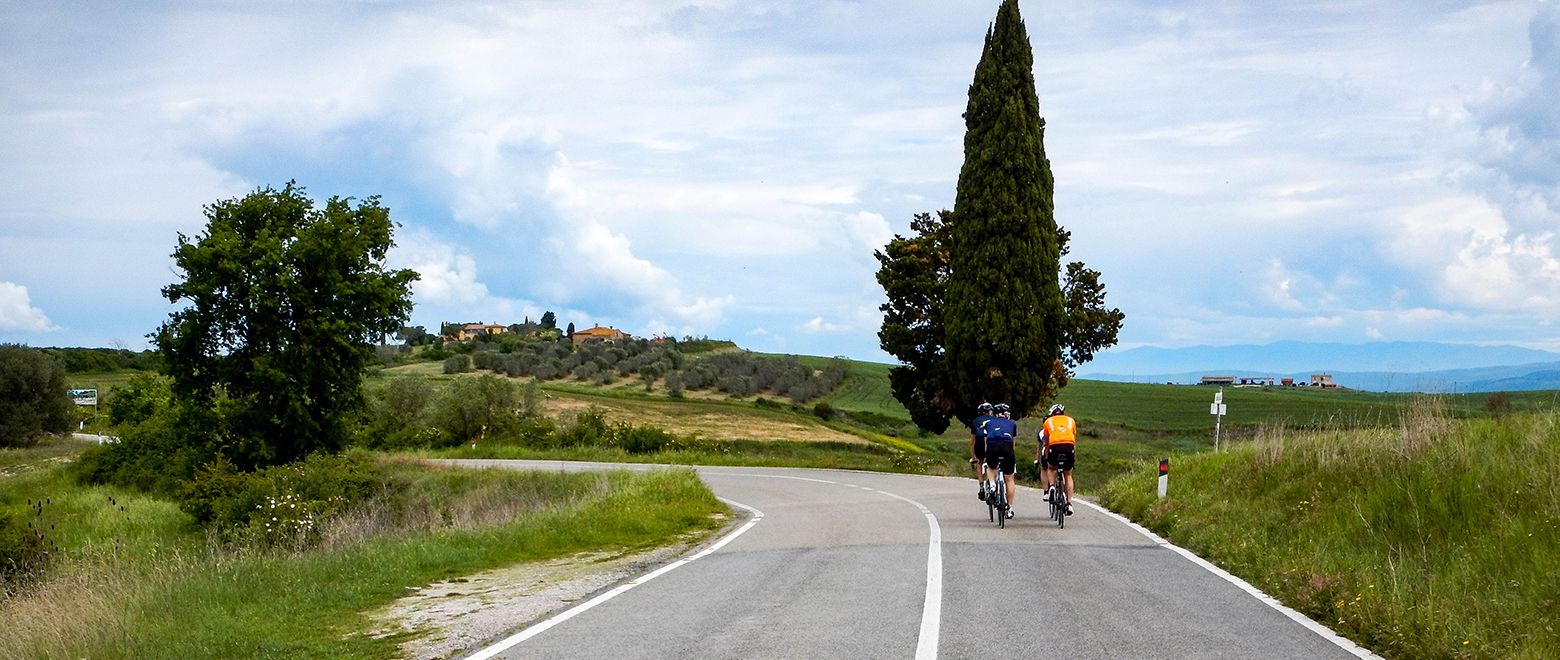
A heavenly week cycling in Tuscany
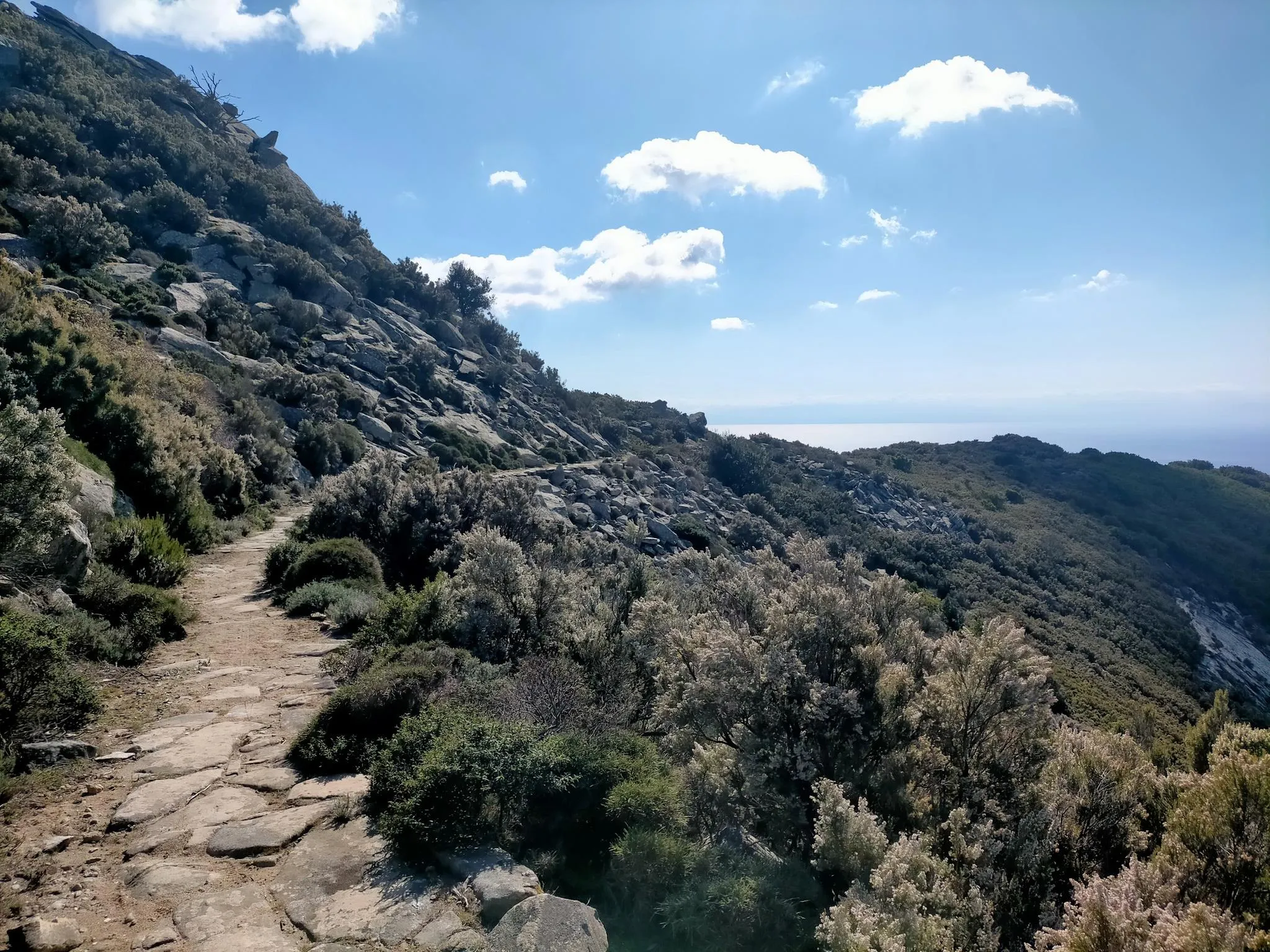
Trail running between mountain and sea – Elba Trail
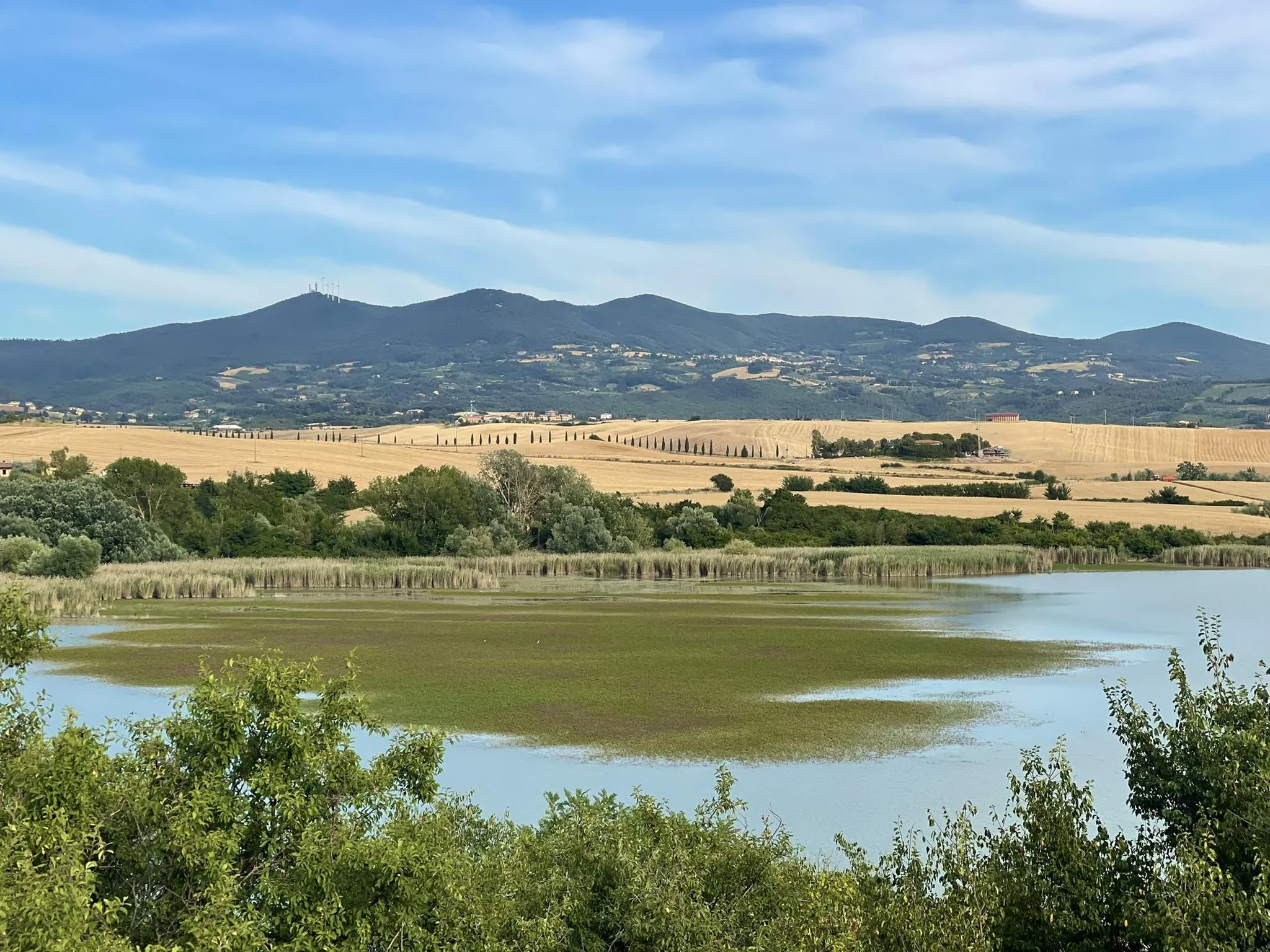
Bike touring between spas and villages – Santa Luce lake and Livorno hills
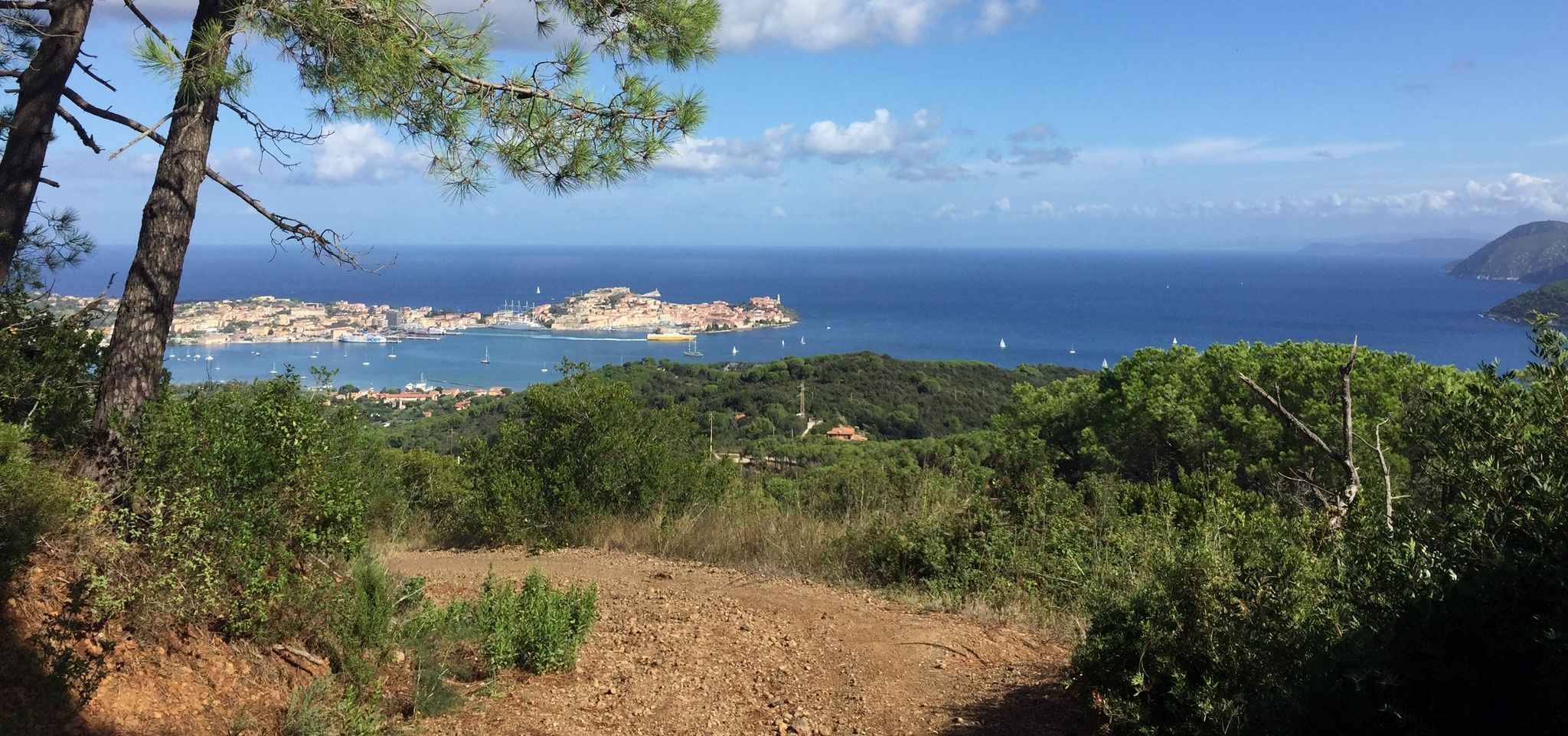
On the ridges of Elba in Italy – Great Elban Crossing by MTB
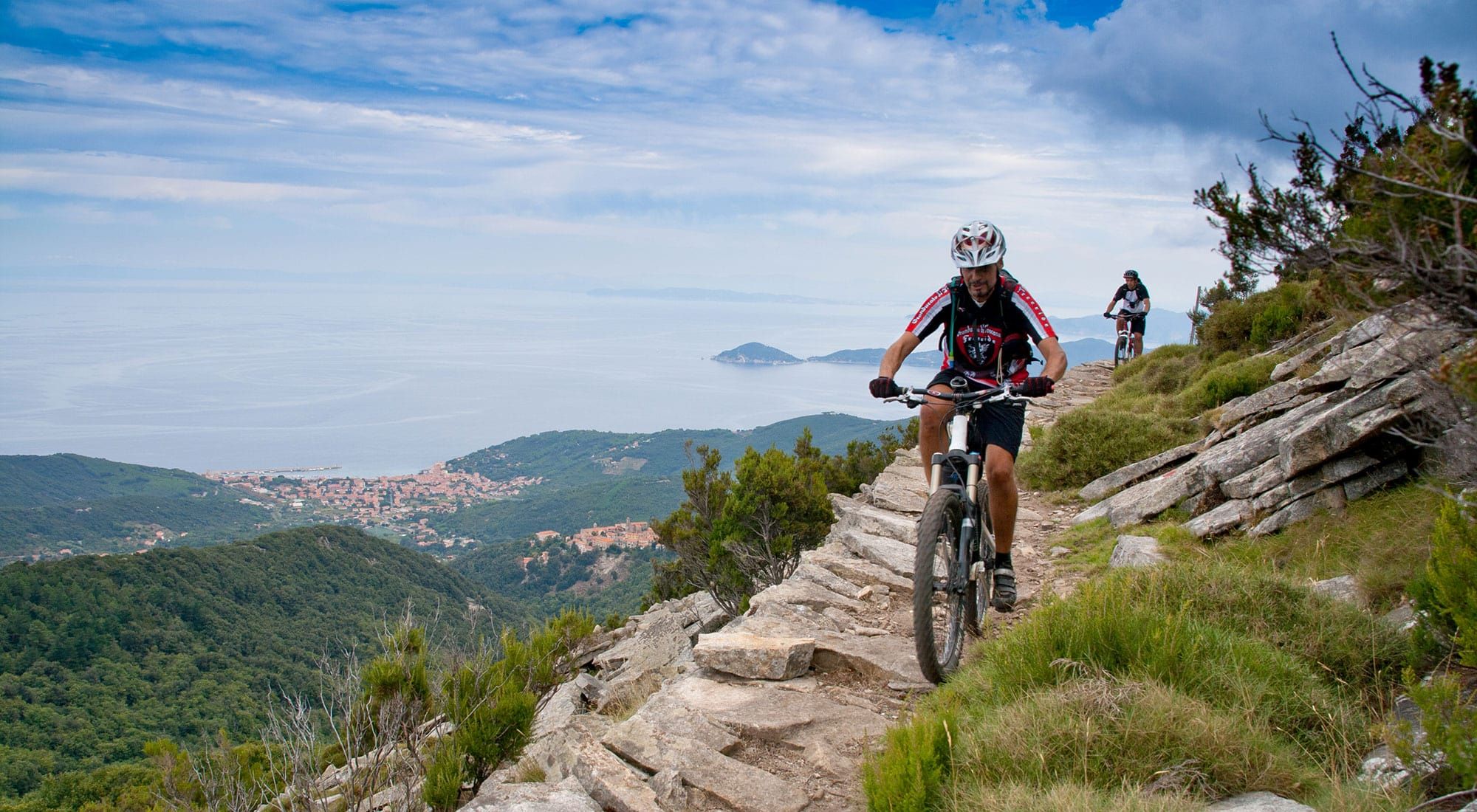
MTB on Elba and in Tuscany – trails between sea and mountains
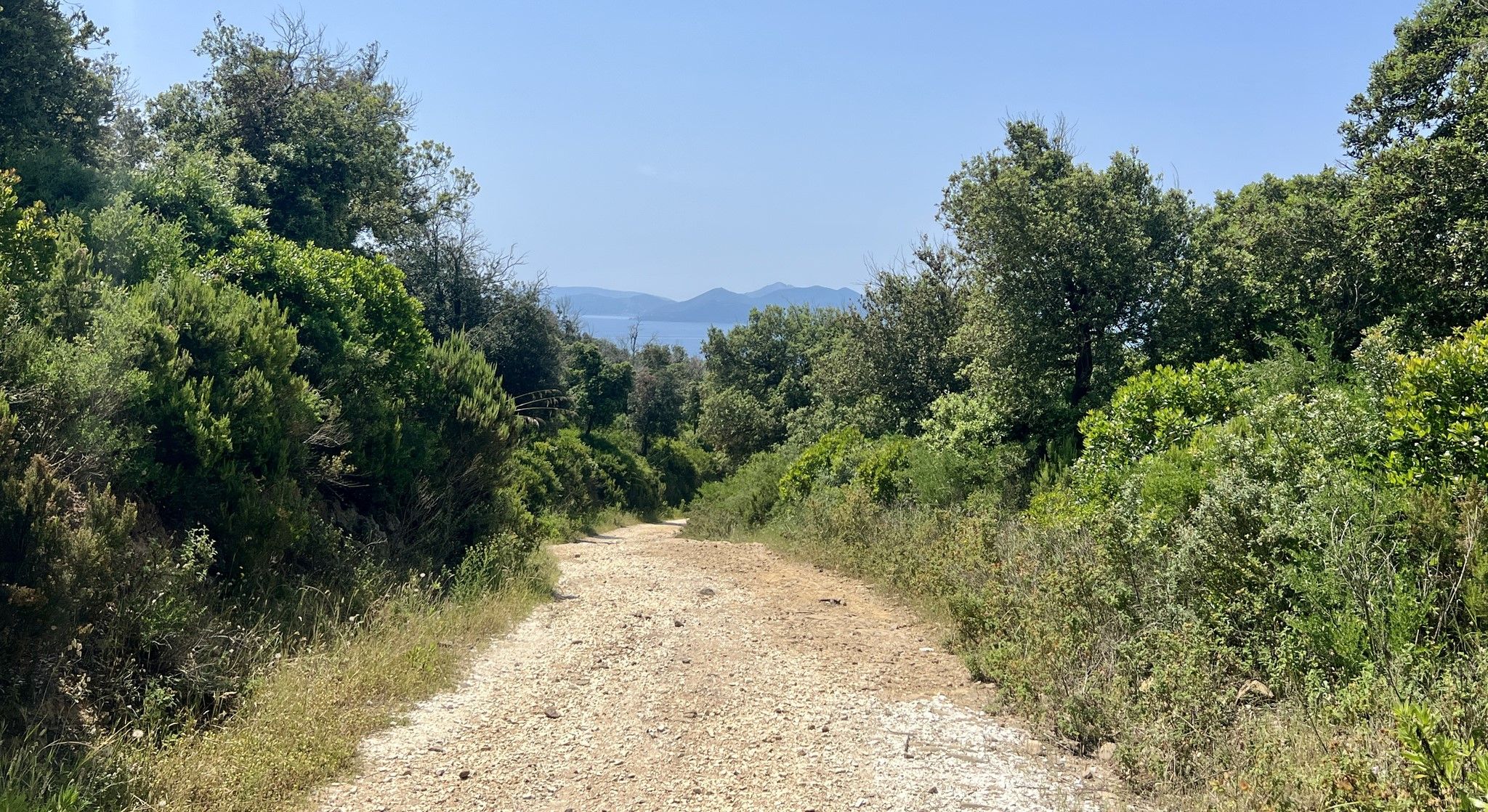
Between rocks, sea, spas and nature – the Etruscan coast by bike
Other adventures in Livorno


Tips from the Community

Please take into account that it is very technical and some roads are closed.
0
0


Nice trail suitable for everyone and fun.
0
0


Along one of the tributaries of the Ritasso torrent, in the Colline Metallifere behind Cecina and Bibbona, this bridge conceals a long mining history. In fact, in the 19th century, Val di Sterza could boast a railway line created for the transport of minerals: this stone bridge is one of those on which the minerals passed.
0
0

Eremo della Sambuca (Valle Benedetta - Livorno) The hermitage is located south of the Valle Benedetta in the forest of the Livorno Mountains. Already known in the 13th century as an Augustinian hermitage, one of the many that flourished throughout the Christian West to welcome those who wanted to retreat in prayer far from the noise of the world, in 1390 it took the name of Eremo di Santa Maria in Parrana Among others, the Gesuati penitential friars settled there. The Gesuati (not to be confused with the Jesuits) were born as an association of lay penitents founded in the 14th century by St. Giovanni de' Colombini from Siena. They preached peace, poverty and their main function, in addition to prayer, was to assist the sick, the poor and the needy. They spread throughout Italy and, in particular in Tuscany, founded many convents. The Augustinian hermitage was expanded and strengthened by them with other interventions in the vicinity (cultivations, a water mill, "icehouses"). Precisely because of the holy life that these monks led and because of its position sunken into the valley of the Ugione stream, the hermitage took the name of Santa Buca, or Sambuca. Over time, the Gesuati also took over the administration of the Sanctuary of Montenero. After the Gesuati order was suppressed in 1668 by Pope Clement IX (and their assets confiscated to support the war against the Turks), the complex passed to a series of private owners and followed a long period of decline. The structure consisting of a small church (with a single nave, divided into three bays with a circular apse, cross vaults and remains of frescoes, including an Annunciation), cells, guesthouse, refectory, kitchen, granary, cellar, is in poor condition. Since 1950 the structure has been a state-owned building of the Municipality of Collesalvetti. In 1912 it was declared a national monument and a few years ago it was entrusted to the Parish of Giovanni Gualberto in Valle Benedetta.
2
0

Villa Cristina is a scout house. In the summer of 2023 I was also lucky enough to go camping with the Salesians
1
0
Ancient Hermitage, whose oldest nucleus dates back to 1100 (small church of Santa Maria di Parrana, with a few cells, Augustinian Fathers of S. Jacopo in Acquaviva), located in the valley of the Ugione torrent, in the Provincial Natural Park of the Livornesi Mountains and in the complex regional agricultural-forestry Livornesi Hills (Valle Benedetta Forest). From 1390 the hermitage took the name of Santa Maria della Sambuca and the penitential Gesuati friars settled there (until 1668, the year of dissolution of the order), with consequent expansion of the structure (church, cells, guesthouse, refectory, kitchen, barn, cellar). A state property since 1950, the Hermitage has been partly renovated with CIPE funds, but is in a state of abandonment and the other two wings (including the beautiful cloister) require urgent conservative restoration. Of great interest for the circuit of existing routes that touch other cultural emergencies such as the remains of mills on the Ugione stream (late 1600s - early 1700s), the ice houses (late 1700s) and other historical-cultural testimonies, as well as naturalistic and geological emergencies.
2
0
Frequently Asked Questions
How many waterfall hiking trails are there in Livorno?
Livorno offers a selection of around 15 dedicated waterfall hiking trails. These routes traverse diverse landscapes, from lush forests to historic aqueducts, providing a range of experiences for different skill levels.
What is the general difficulty of waterfall hikes in Livorno?
The waterfall hikes in Livorno primarily range from easy to moderate. You'll find 2 easy trails perfect for a relaxed outing, 11 moderate routes that offer a good challenge, and 2 more difficult options for experienced hikers. The terrain can vary from compact dirt paths to sections with rocks and roots.
Are there family-friendly waterfall hikes in Livorno?
Yes, Livorno has several family-friendly options among its waterfall trails. These routes are generally easier and shorter, making them suitable for all ages. For instance, the Infernaccio Small Waterfall – Fornaci del Corbolone loop from Acquedotto Leopoldino is an easy 4.5 km trail that can be completed in about 1 hour and 18 minutes, perfect for a family outing.
Can I bring my dog on Livorno's waterfall trails?
Many of Livorno's hiking trails, including those leading to waterfalls, are dog-friendly. The region's natural parks and forest paths are generally welcoming to dogs, provided they are kept on a leash and you clean up after them. Always check specific trail regulations or local signage before heading out.
What is the best time of year to visit the waterfalls in Livorno?
The best time to visit Livorno's waterfalls is typically in spring (March to May) when the winter rains have swelled the streams, making the waterfalls most impressive. Autumn (September to November) also offers beautiful scenery with vibrant foliage and pleasant temperatures, though water levels might be lower than in spring.
Are there circular waterfall walks in Livorno?
Yes, many of the waterfall trails in Livorno are designed as circular routes, allowing you to start and end at the same point without retracing your steps. An example is the Picnic Area by the Pond – Pool Below the Waterfall loop from Canneto, a moderate 15.9 km trail that offers a diverse loop experience.
What interesting landmarks or natural features can I see along these trails?
Beyond the waterfalls themselves, you can explore a rich tapestry of natural and historical sites. The trails often follow the historic Leopoldine Aqueduct, an 18th-century marvel with smooth sandstone arches and purification basins. You might also encounter ancient oak forests, Mediterranean scrub, and areas rich in green serpentine rocks. For broader natural beauty, consider exploring highlights like the Monte Capanne Summit or the Cima del Monte, which offer panoramic views.
Are there any caves near the waterfall hiking areas in Livorno?
Yes, the Livorno region is also home to several interesting caves that can be explored. While not directly on every waterfall trail, some are within reasonable distance. Notable caves include the Buca del Fico near the Ragnaia, The Yellow Caves, and Grotta del Gallo Nero. These offer a different kind of natural exploration.
What do other hikers enjoy most about waterfall hiking in Livorno?
The komoot community highly rates the hiking experience in Livorno, with an average score of 4.5 stars from over 11,000 reviews. Hikers often praise the lush forests, the refreshing spring waters, and the unique combination of natural beauty with historical elements like the aqueducts. The variety of trails, from easy walks to more challenging routes, is also frequently highlighted.
Is public transport available to reach the waterfall trailheads?
While some trailheads might be accessible by local bus services, especially those closer to Livorno city or larger villages, many of the more secluded waterfall trails are best reached by car. For detailed information on public transport options to specific starting points like the Leopoldine Aqueduct, it's advisable to check local bus schedules or consult resources like Visit Livorno for up-to-date travel advice.
Are there opportunities for wild swimming at the waterfalls?
While the waterfalls and streams in Livorno offer refreshing sights, designated wild swimming spots are not widely promoted or regulated. The water levels and currents can vary, and the terrain around the waterfalls might be slippery. If you consider swimming, always prioritize safety and be aware of local regulations, as some areas might be protected or have specific rules regarding water access.
Most popular routes in Livorno
Most popular attractions in Livorno

Get inspired with the komoot mobile app


Didn’t find what you were looking for?
Check out more Hikes throughout Livorno below and find the perfect route in your destination.
Explore more
Browse the best Hikes in other regions.
