The best waterfall hikes and walks in Hungary
4.6
(4556)
32,924
hikers
56
hikes
Waterfall hiking trails in Hungary traverse a varied landscape, from the rolling hills of the Pilis and Mátra mountains to the dense forests and karst formations of the Bükk region. The country features numerous river valleys and streams, creating opportunities for cascades and smaller waterfalls. These natural features are often found within protected areas, offering diverse terrain for hikers.
Best waterfall hiking trails in Hungary
- The most popular waterfall hiking route is Japanese Garden – Margaret Island loop from Nyugati…
Last updated: September 29, 2026
4.5
(44)
611
hikers
Moderate hike. Good fitness required. Easily-accessible paths. Suitable for all skill levels.
4.7
(65)
262
hikers
5.74km
01:34
80m
80m
Easy hike. Great for any fitness level. Easily-accessible paths. Suitable for all skill levels.

4.5
(17)
254
hikers
12.6km
03:31
210m
210m
Moderate hike. Good fitness required. Easily-accessible paths. Suitable for all skill levels.
4.9
(25)
177
hikers
5.82km
01:38
90m
90m
Hard hike. Great for any fitness level. Sure-footedness, sturdy shoes and alpine experience required.
4.8
(25)
150
hikers
6.59km
01:58
200m
200m
Easy hike. Great for any fitness level. Easily-accessible paths. Suitable for all skill levels.
Get access to more routes and recommendations from other explorers.
Already have an account?
Our route recommendations are based on thousands of hikes, rides, and runs completed by other people on komoot.
Start today with a free account
Your next adventure awaits.
Popular around Hungary
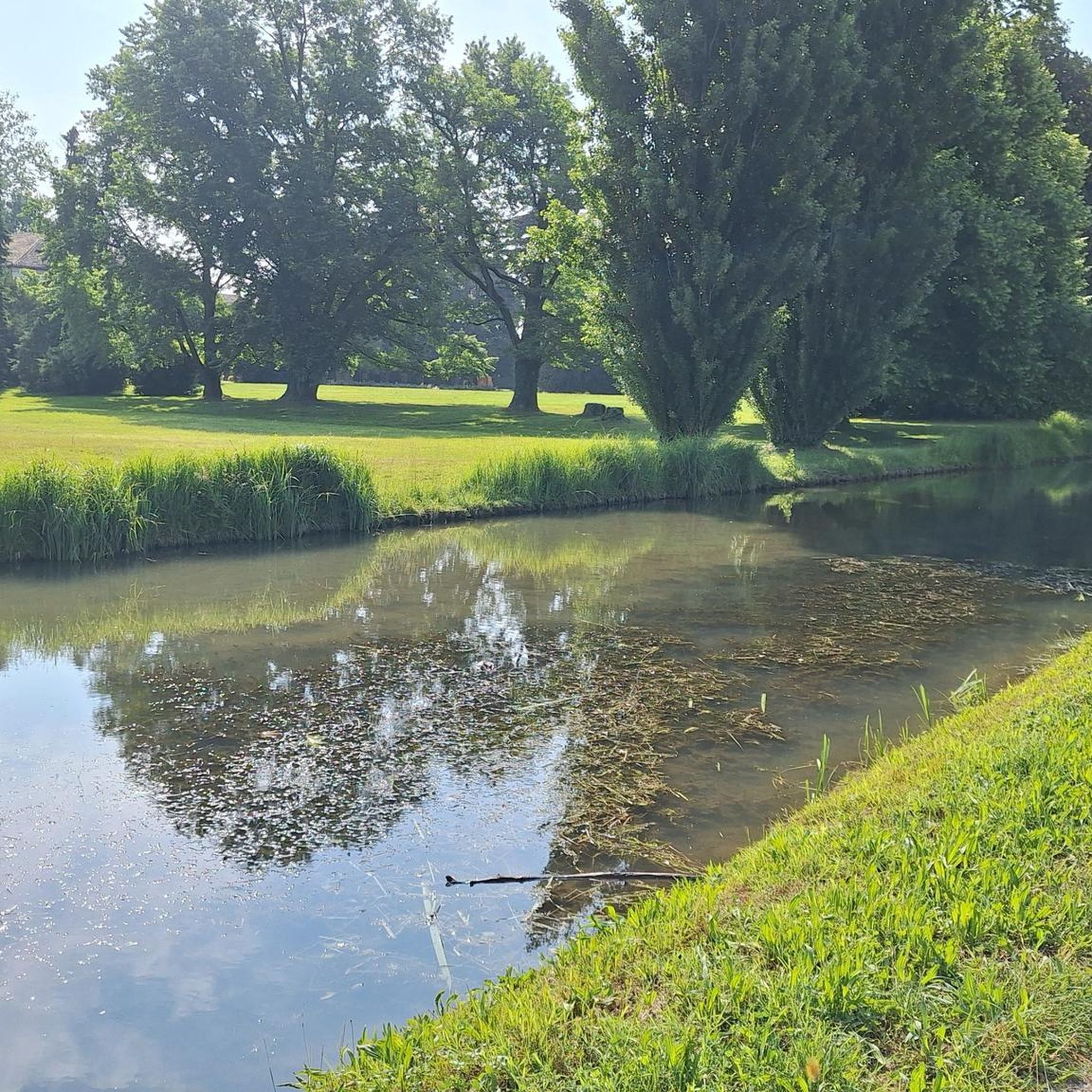
Waterfall hikes in Transdanubia

Waterfall hikes in Great Plain and North
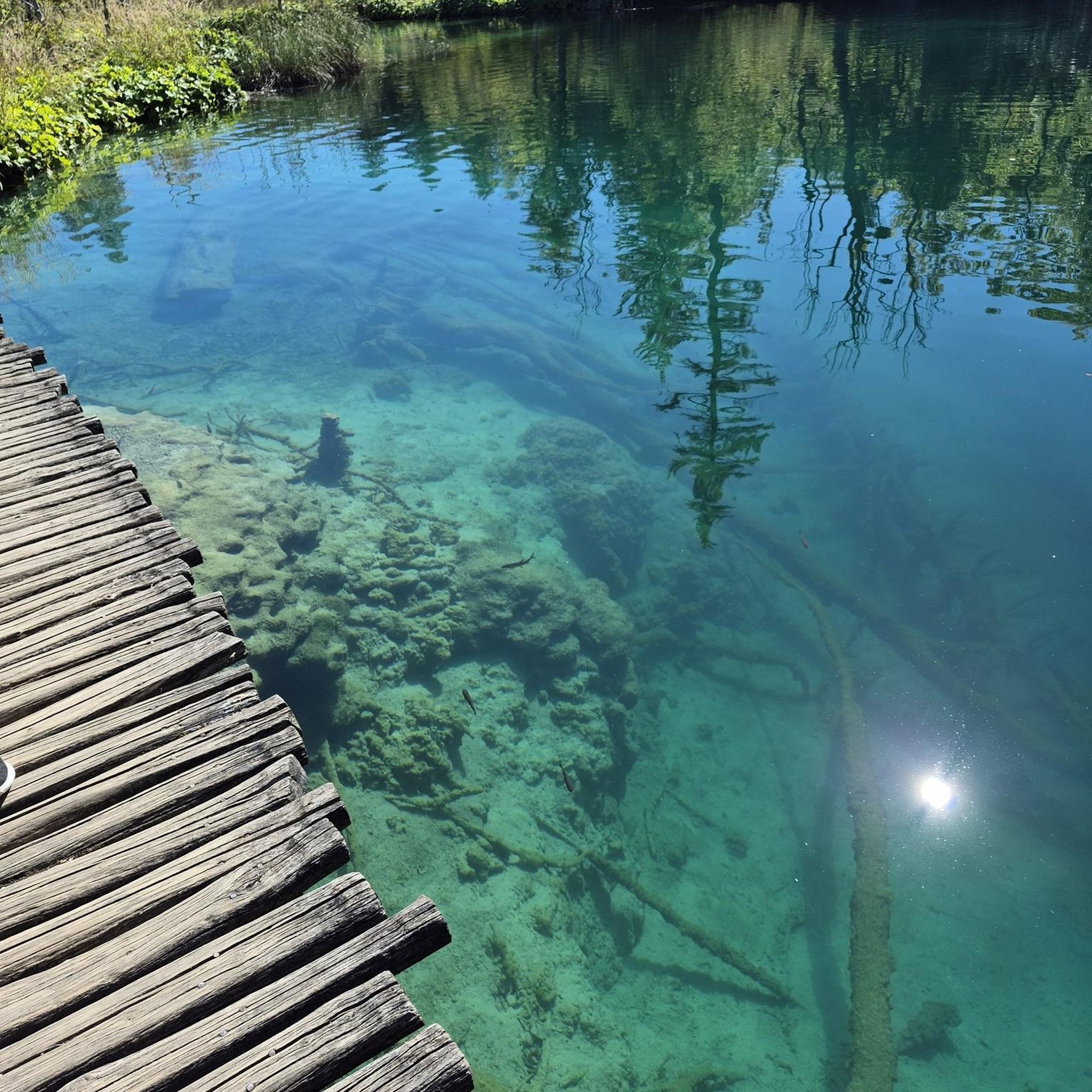
Waterfall hikes in Baranya

Waterfall hikes in Borsod-Abaúj-Zemplén
Waterfall hikes in Közép-Magyarország
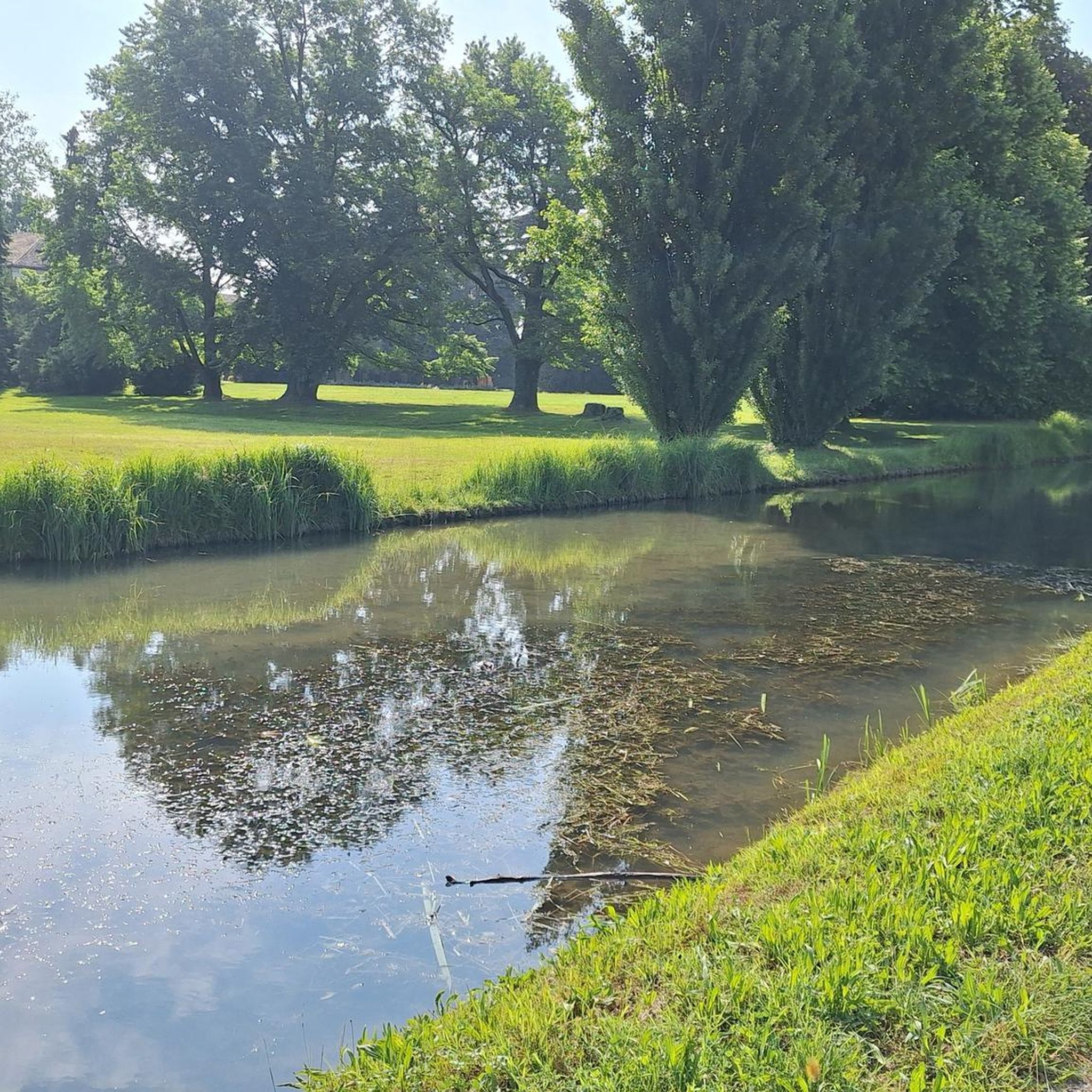
Waterfall hikes in Komárom-Esztergom

Waterfall hikes in Central Hungary

Waterfall hikes in Heves
Waterfall hikes in Budapest
Waterfall hikes in Tolna
Other adventures in Hungary


Tips from the Community

Statue: Guardian of the Carpathians Monument
0
0

The Bükk, and the most beautiful waterfall in our country. Unfortunately, it sometimes dries up. We find it in the Szalajka Valley. It is extremely popular: an asphalt road runs next to it. Anyone who is in the vicinity will surely find it.
0
0

The Kő-hegyi Menedékház (Czibulka-János-Hütte) stands on the 366-meter-high Kő-hegy near Szentendre and Pomáz in Hungary. The mountain hut was opened in 1933 and is one of the country's last classic hiking huts. It offers food and accommodation. From the hut area, you can enjoy a beautiful view of the Danube valley and the surrounding mountains.
0
0
The most beautiful sight of the Eastern Bakony. Less well known compared to that. Sometimes (during dry summer periods) the Gaja Stream "flows through" it and carved a deep gorge valley, which has created a natural beauty rarely seen in Hungary. The water cascades down over several meters, on smaller "steps", which in places seem to form "tub-like" shapes....Maybe that's where its name comes from: Roman Baths. If you haven't been here before, or are looking for the "legs" of the Bakony, put it in your hiking plan, because this is the TOP. It is easily accessible, even as part of a hiking tour. There is an S1-S2 section by bike to the rest area, but this is not a long section to the upper gravel-forestry road.
0
0
It was a castle of the Queen, which was destroyed by the Turks. It was reconstructed in 2005-2006, including the wooden observation tower and the Castle Well, which are worth highlighting (Photos attached). The view of the surroundings is impressive, especially towards the Kevélyek. It is definitely worth a visit, and you can visit the castle for an entrance ticket. The castle is easily accessible, and the surroundings are also nicely developed.
1
0

Extensive archaeological work since 2000 has confirmed that people lived in the Szalajka Valley as early as 40,000 years ago. The cave dwellers lived in the Istállós cave and even had contact with other tribes from the valley, some of which lived 500 kilometers away. People also lived in the idyllic valley during the Bronze Age, as evidenced by Celtic relics and an early earthwork. Nevertheless, there were no major settlements within the valley until the Middle Ages, as trade routes were difficult to establish in the heavily forested area. Continuous settlement in the Szalajka Valley began in the 14th century, when people settled in the village of Wárad, now known as Szilvásvárad. The high-quality timber served as a source of urban income even in the Middle Ages, leading to increasing numbers of settlements. Source: https://www.urlaub-ungarn.at/sightseeing/natuerliche-gehenswuerdigkeiten-ungarn/szalajka-tal.html
0
0
Extensive archaeological work since 2000 has confirmed that people lived in the Szalajka Valley as early as 40,000 years ago. The cave dwellers lived in the Istállós cave and even had contact with other tribes from the valley, some of which lived 500 kilometers away. People also lived in the idyllic valley during the Bronze Age, as evidenced by Celtic relics and an early earthwork. Nevertheless, there were no major settlements within the valley until the Middle Ages, as trade routes were difficult to establish in the heavily forested area. Permanent settlement in the Szalajka Valley began in the 14th century, when people settled in the village of Wárad, now known as Szilvásvárad. The high-quality timber served as a source of urban income even in the Middle Ages, attracting increasing numbers of people to settle there. Later, potash was also extracted from the valley, which ultimately gave the area its current name. Potash means "sal alcali" in Latin, and these words have been incorporated into the Hungarian language. Until the 20th century, the valley was only known regionally. With the construction of the Szilvásvárad narrow-gauge railway, the first tourists arrived to travel to the valley by train. Since the 21st century, however, the Szalajka Valley has become a purely tourist destination, with forestry operations remaining minimal. Source: https://www.urlaub-ungarn.at/sightseeing/natuerliche-sehenswuerdigkeiten-ungarn/szalajka-tal.html
0
0

Frequently Asked Questions
How many waterfall hiking trails are available in Hungary?
Hungary offers a diverse range of outdoor experiences, with over 50 dedicated waterfall hiking trails. These routes traverse varied landscapes, from the rolling hills of the Pilis and Mátra mountains to the dense forests of the Bükk region, providing options for different skill levels.
What is the best time of year to experience Hungary's waterfall hikes?
The best time to visit Hungary for waterfall hikes is typically in spring (April-May) when snowmelt contributes to fuller cascades and the surrounding nature is vibrant, or in autumn (September-October) for pleasant temperatures and beautiful fall foliage. While some trails are accessible year-round, winter conditions can make certain paths challenging or require specialized gear.
Are there any family-friendly waterfall hikes in Hungary?
Yes, many waterfall trails in Hungary are suitable for families. For an easy and enjoyable outing, consider the Waterfall Near Nagykovácsi – Sandstone Rocks loop from Solymár. This 3.6-mile (5.7 km) trail leads through woodlands and sandstone formations, offering a pleasant experience for all ages.
Can I bring my dog on waterfall hiking trails in Hungary?
Many trails in Hungary are dog-friendly, but it's always recommended to check specific park regulations or trail signage. Generally, dogs are welcome on a leash in most natural areas. The Szikla-forrás (Rock Spring) – Upper Szalajka Lake loop from Szalajkavölgy-Lovaspálya, which features forest paths and natural springs, is a popular choice where dogs are often seen enjoying the outdoors with their owners.
What kind of natural features and landmarks can I expect to see along these trails?
Beyond the waterfalls themselves, Hungary's trails often lead through diverse landscapes. You might encounter dramatic rock formations like those in the Pilis Mountains, or explore unique karst formations in Bükk National Park. Notable attractions include the adventurous Rám Gorge with its ladders and chains, or the tranquil Ördögmalom Waterfall. The Cuha Gorge also offers stunning scenery.
Are there circular routes available for waterfall hikes?
Yes, many waterfall hikes in Hungary are designed as circular routes, allowing you to start and end at the same point without retracing your steps. An example is the Japanese Garden – Margaret Island loop from Nyugati pályaudvar, which offers a scenic urban green space experience.
What are the parking options at Hungarian waterfall trailheads?
Parking availability varies by location. Popular trailheads, especially near national parks or well-known attractions like Szalajka Valley, often have designated parking lots, which may be paid. For more remote trails, roadside parking might be an option. It's advisable to research specific trailheads beforehand. For instance, near Margaret Island, you can find parking options like Margaret Island parking.
How can I reach waterfall hiking trails using public transport?
Public transport access to waterfall trails varies. Many trails closer to urban centers, like those around Budapest, are often reachable by bus or train. For example, trails in the Pilis Mountains are accessible from Budapest. For destinations further afield, such as the Szalajka Valley in Bükk National Park, you might need to combine train or bus travel with a local connection or a short taxi ride. Planning ahead with local transport schedules is recommended.
Are there any challenging waterfall hikes for experienced hikers?
Yes, Hungary offers more challenging waterfall hikes for those seeking a greater adventure. The Little Creek – Small Waterfall loop from Bakonynána is rated as difficult, featuring varied terrain and requiring a good level of fitness. The Rám Gorge, while not a single waterfall hike, offers an adventurous experience with steep sections and ladders.
What do other hikers enjoy most about waterfall trails in Hungary?
The komoot community highly rates the hiking experience in Hungary, with an average score of 4.6 stars from over 3500 reviews. Hikers frequently praise the diverse natural beauty, from dense forests and tranquil river valleys to unique rock formations. Many appreciate the well-maintained paths and the opportunity to discover hidden cascades and natural springs, such as those found on the Szikla-forrás (Rock Spring) – Upper Szalajka Lake loop from Szilvásvárad.
Are there any amenities like cafes or restaurants near the waterfall trails?
Near popular waterfall destinations and national parks, you'll often find amenities such as cafes, restaurants, and sometimes even accommodation. For instance, the Szalajka Valley, home to the Veil Waterfall, is a well-developed tourist area with dining options. In more remote areas, it's best to pack your own refreshments and snacks.
Most popular routes in Hungary
Most popular attractions in Hungary

Get inspired with the komoot mobile app


Didn’t find what you were looking for?
Check out more Hikes throughout Hungary below and find the perfect route in your destination.
Explore more
Browse the best Hikes in other regions.
