Top 20 Natural Monuments around Dinkelland
Natural monuments around Dinkelland showcase diverse landscapes in the eastern Netherlands. This region is characterized by unique geological formations, including the meandering Dinkel river and numerous natural springs. Visitors can explore varied environments such as active sand drifts, ancient river valleys, and extensive heathlands. These areas offer opportunities to experience rich biodiversity and significant historical depth.
Best natural monuments around Dinkelland
- The most popular natural monuments is The Springs, Springendal, a lake that offers a great place to take…
Last updated: May 29, 2026
Springs and Boardwalk Trail, Springendal & Mosbeek Valley
Highlight • Trail
Translated by Google •
Tip by

Dinkel River Beach in Lutterzand
Highlight • Beach
Translated by Google •
Tip by

Sign up now to discover places like this
Get recommendations on the best single tracks, peaks, & plenty of other exciting outdoor places.
Sign up for free
The Springs, Springendal
Highlight • Lake
The adjacent café serves typical Dutch snacks and cakes.
Translated by Google •
Tip by

Pond with fountain in Kurpark Bad Bentheim
Highlight • Lake
Translated by Google •
Tip by

Dinkel
Highlight • River
Translated by Google •
Tip by
Sign up for free to discover even more natural monuments around Dinkelland.
Sign up for free
Already have an account?
Start today with a free account
Your next adventure awaits.
Login or Signup
Popular around Dinkelland
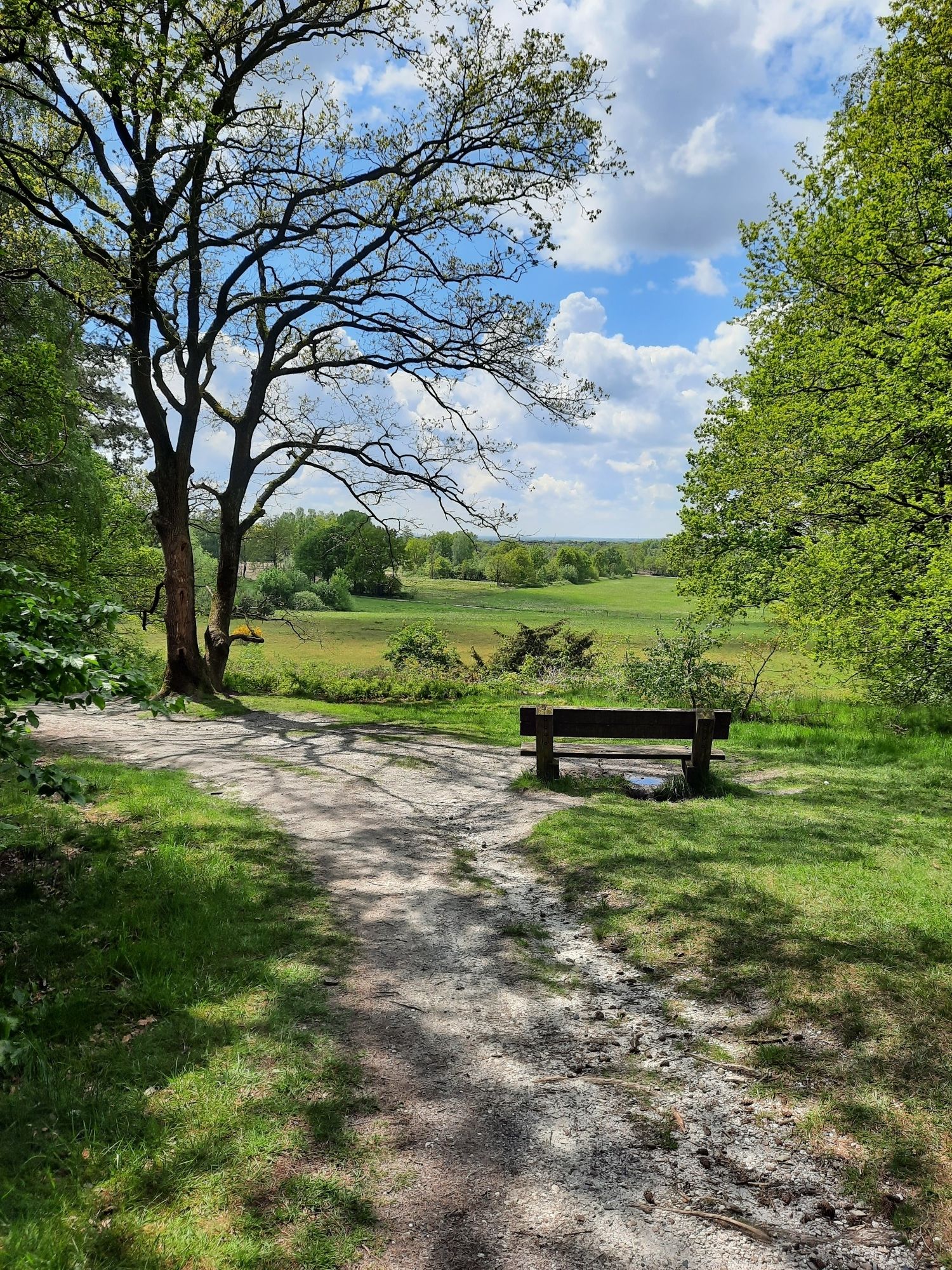
A surprising hike in the east – The Twentepad
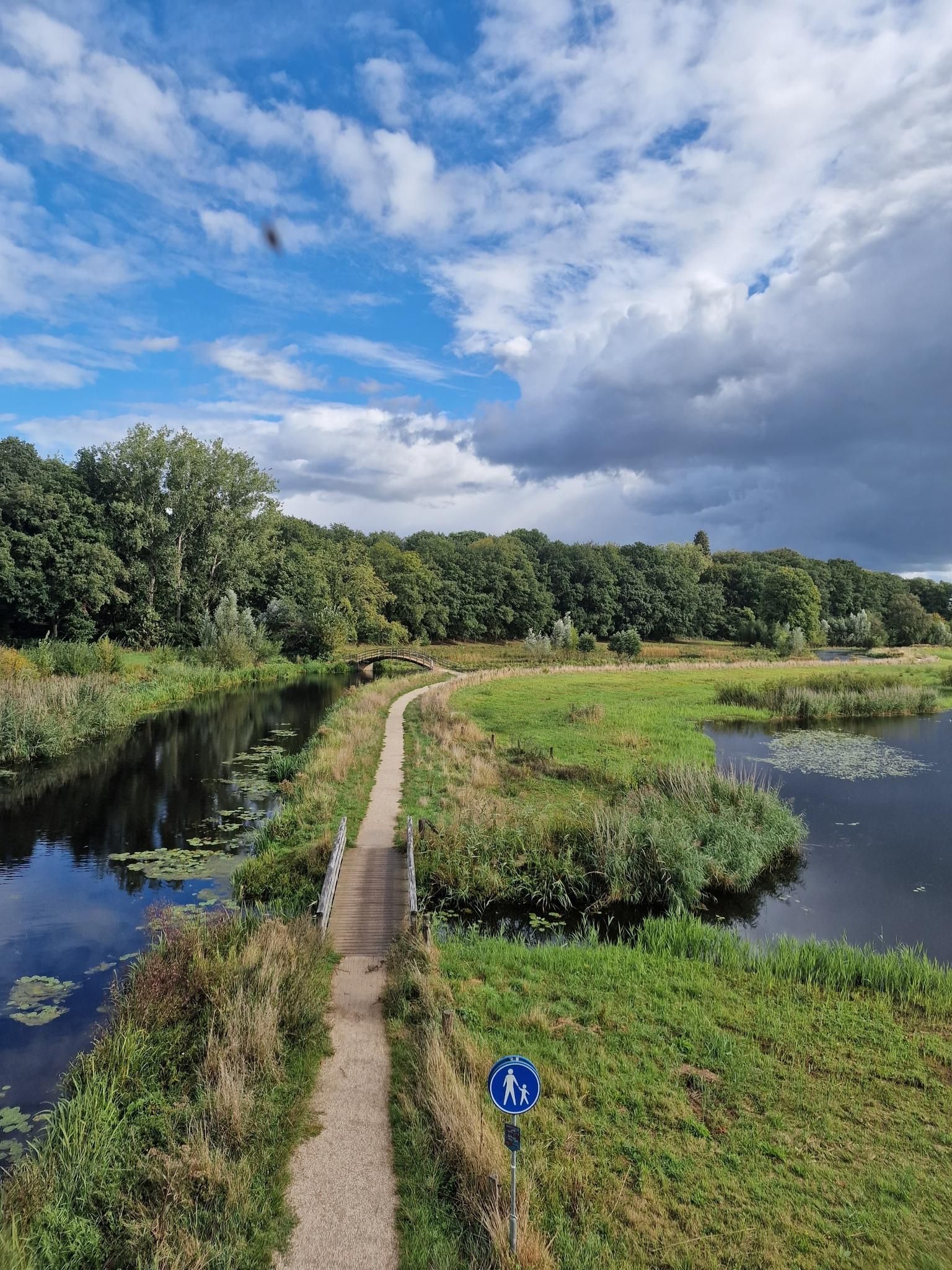
Wandelen along the Grens – Noaberpad (LAW 10)
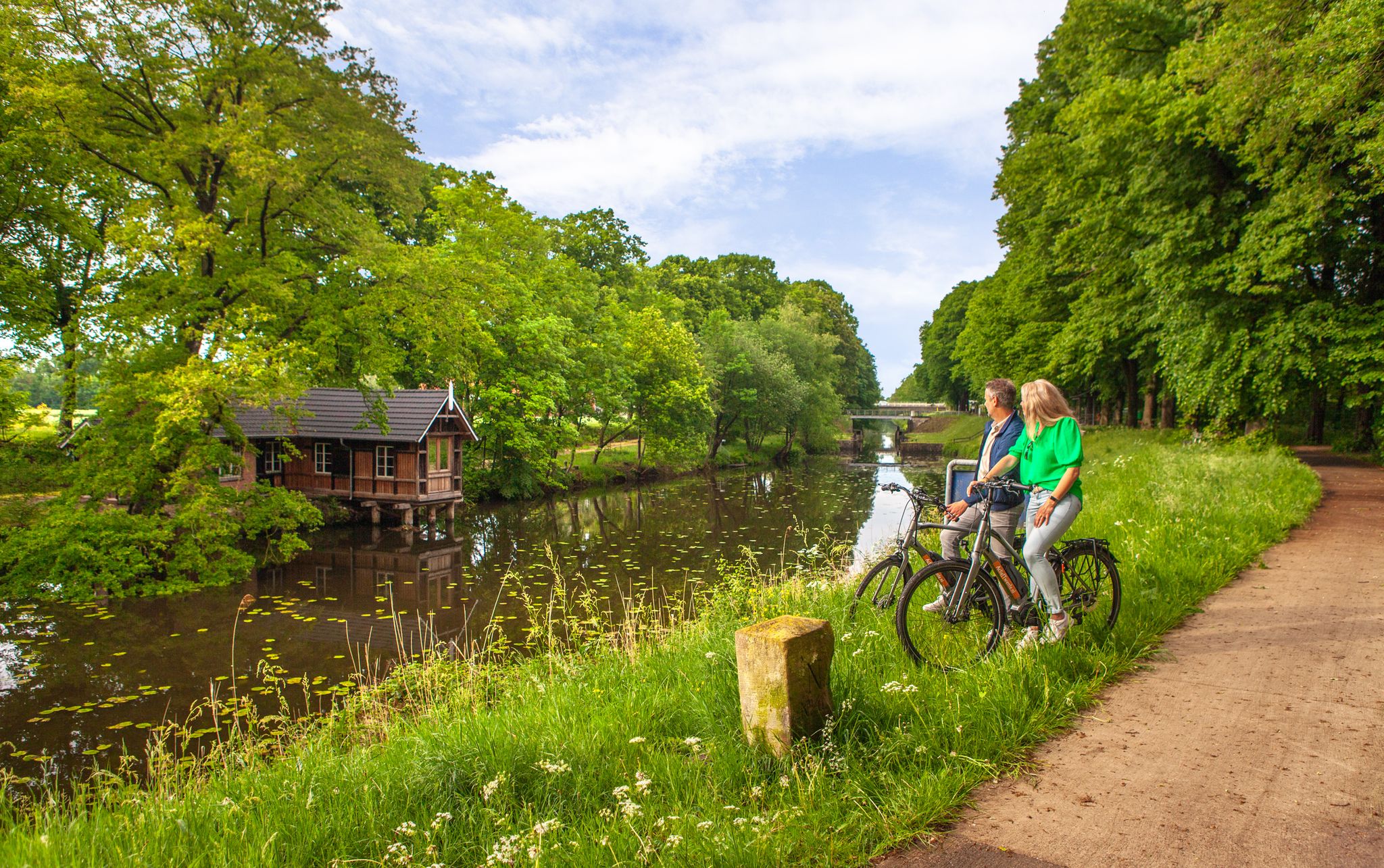
The old canal avenue – cycling along the German–Dutch border
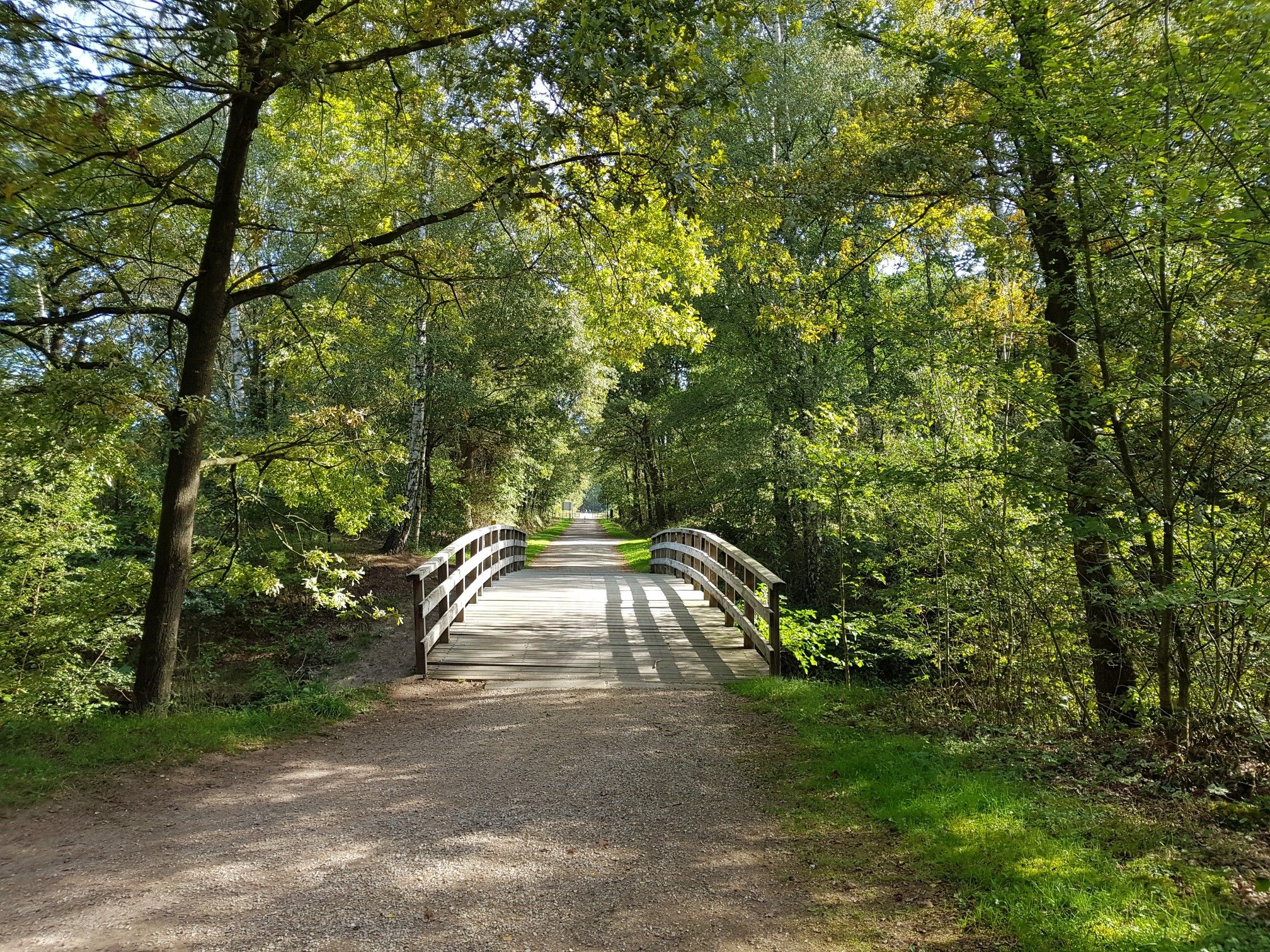
Travel back in time through beautiful nature – a new circular in Twente
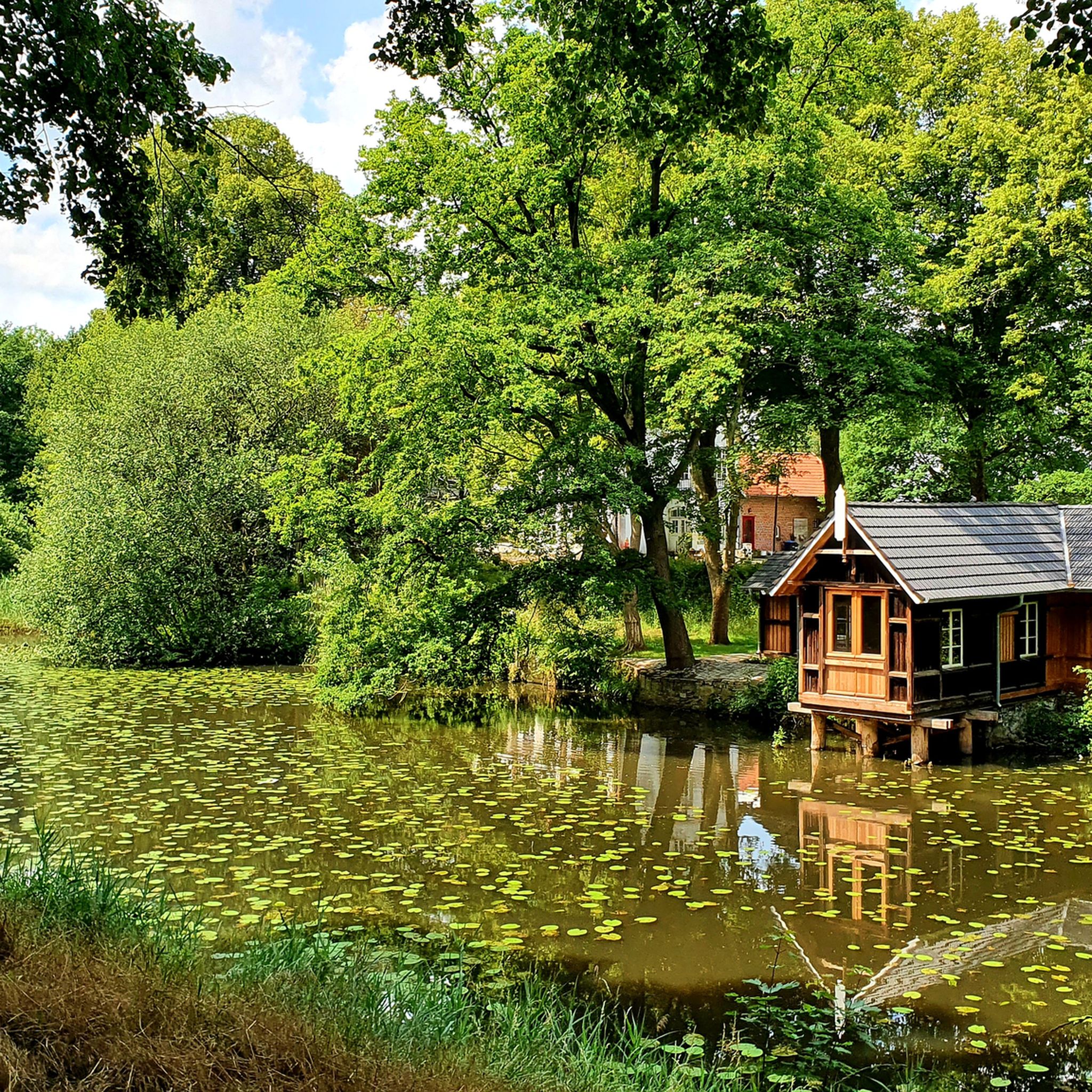
Cycling around Dinkelland
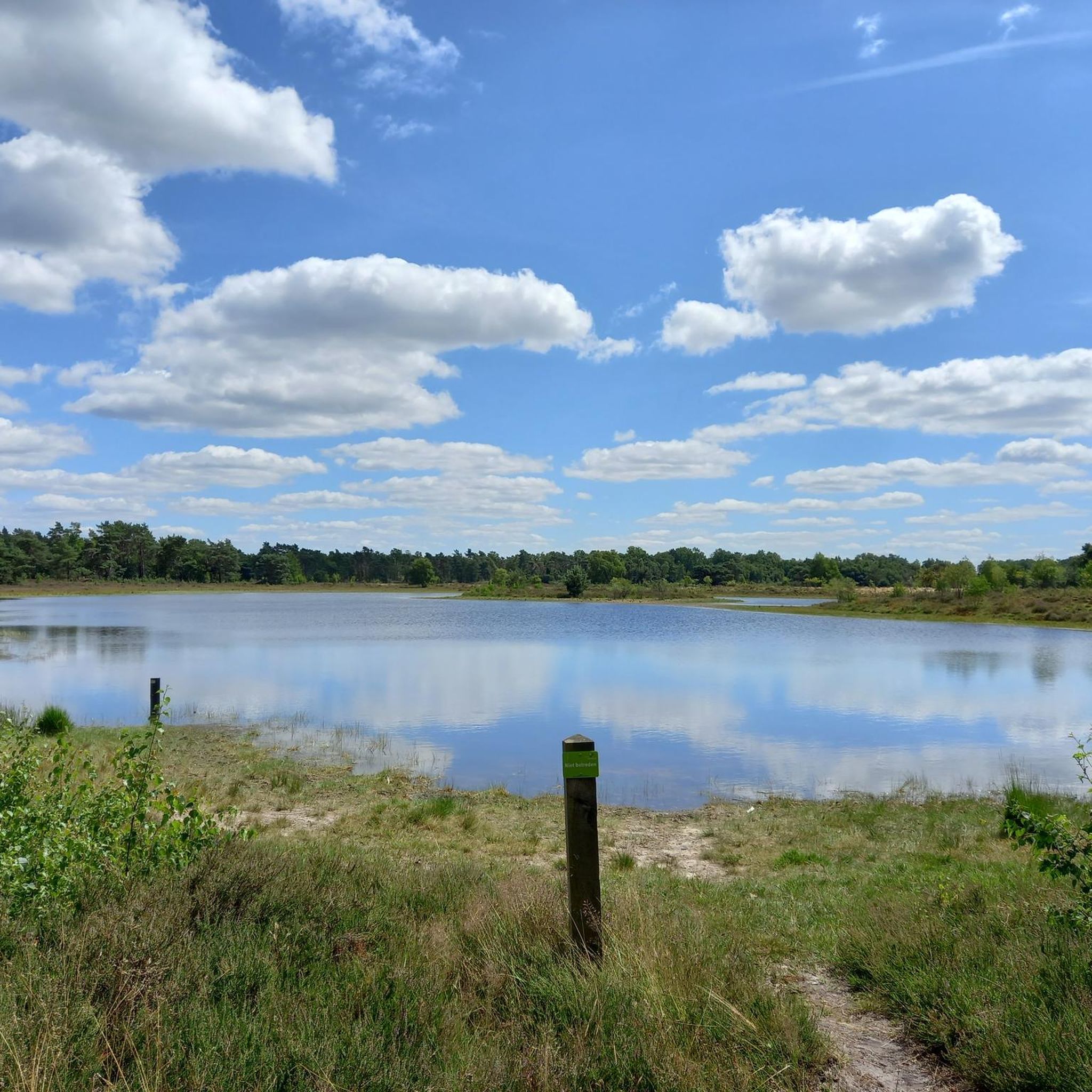
Hiking around Dinkelland
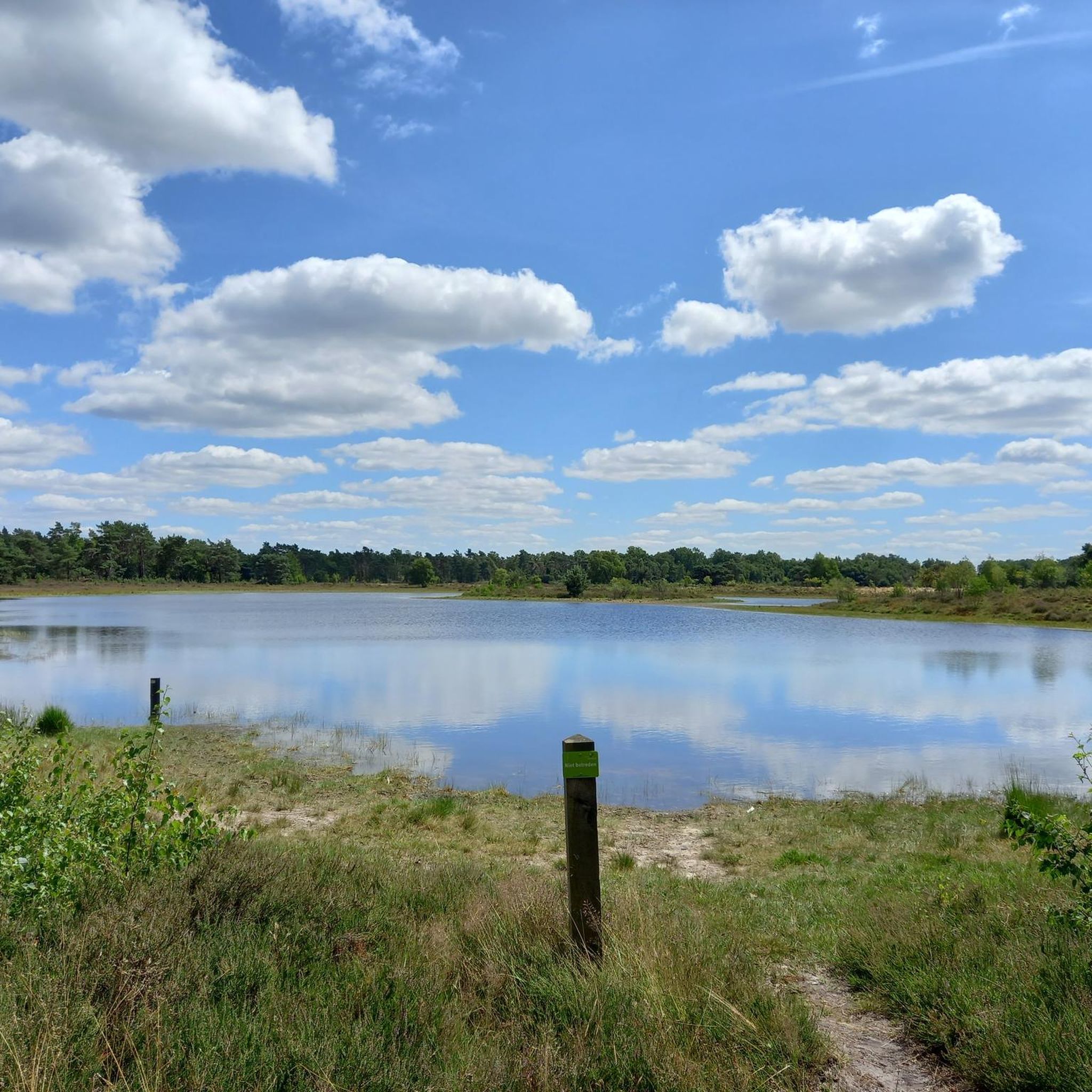
Road Cycling Routes around Dinkelland
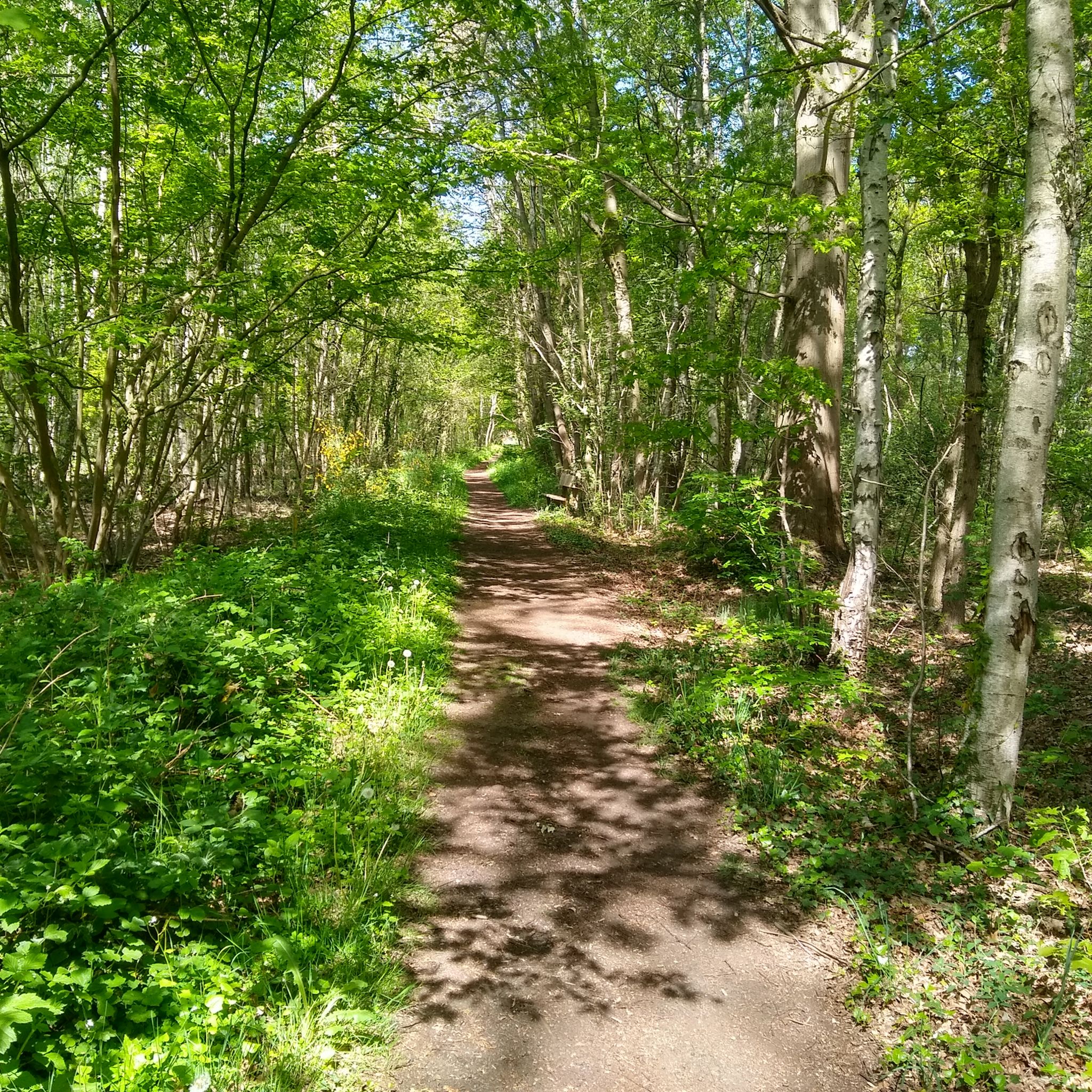
MTB Trails around Dinkelland
Running Trails around Dinkelland
Gravel biking around Dinkelland
Other adventures around Dinkelland


Tips from the Community

Beautiful route, highly recommended!
0
0

PLEASE NOTE: The Vlonderpad has been removed!
3
1

It is not for nothing that the Dinkel River is lyrically celebrated in the first verse of a Twente folk song. The partly sandy banks of the Dinkel River offer an immense wealth of flora and fauna, with the magnificently colored kingfisher, a well-known resident of the area, serving as a kind of mascot. The Dinkel River has its source in North Rhine-Westphalia in the border region between Ahaus and Coesfeld. On the German side, it flows through Gescher, Epe, Gronau, and, in the municipalities of Losser and Dinkelland, almost entirely through untouched Dutch territory. It re-enters Germany near Lage in the county of Bentheim, before flowing into the Vechte River near Neuenhaus. The Vechte River flows into the IJsselmeer. A historical landmark is the ancient hydrodynamic lock "Schivenhuisje" on the Almelo-Nordhorn Canal in Denekamp. Here, the water level of the Almelo-Nordhorn Canal is regulated together with the water of the Nebendinkel. The Nebendinkel and the lower Dinkel then flow back together to form the Dinkel River. The Dinkel has a total length of approximately 96 kilometers, of which 46 kilometers flow through the Twente region. For a longer stay, there are numerous options for a stopover. From overnight stays in luxurious hotels, cozy bed and breakfasts, and farm lodges to accommodations in the extraordinary Star Cube. There's sure to be something for everyone here!
2
0

Great hiking route, separated from the cycle paths
3
0

Walk on authentic boardwalks along unique spring ponds. Take a moment to quietly enjoy everything you see happening in and around the ponds.
4
1
It is wonderful to cycle along this charming little border river!
2
0

Fantastically beautiful place, any time of year! Dream away on the large sofa, looking out over the water.
5
0

Yes, the country needs great new trees 👍☺️🙈🙊🙉
5
0
Frequently Asked Questions
What unique natural features can I explore in Dinkelland's natural monuments?
Dinkelland offers a diverse range of natural features. At Het Lutterzand, you can witness the naturally meandering Dinkel river, active sand drifts, and steep riverbanks that reveal geological layers spanning 15,000 years. The area also features mixed forests, heathlands, and juniper bushes. In Het Springendal, you'll find numerous natural springs, brooks, hills, and a typical Twente landscape with small fields, hedgerows, and flower-rich hay meadows. The unique groundwater composition here supports a wide variety of rare plant species.
Are there any natural monuments known for their historical significance in Dinkelland?
Yes, Het Springendal is particularly rich in history, featuring ancient burial mounds, some dating back to the Neolithic or Bronze Age. A pre-Christian offering place from the 6th and 7th centuries has also been discovered there. Additionally, the Dinkel River itself has historical significance, with ancient hydrodynamic locks regulating its flow.
Which natural monuments in Dinkelland are particularly good for birdwatching or wildlife spotting?
Both Het Lutterzand and Het Springendal are excellent for wildlife. Het Lutterzand is a haven for diverse birdlife, including kingfishers, sand martins, nightjars, and various woodpeckers. Het Springendal is home to protected animal species like the stag beetle, great crested newt, and brook lamprey, alongside rare plants such as marsh gentian.
What types of outdoor activities are available near the natural monuments in Dinkelland?
The region around Dinkelland's natural monuments is ideal for various outdoor activities. You can find numerous options for hiking, including easy and moderate trails like the "Large Spring Pond – Grote Bronvijver loop from Ootmarsum" or the "Springendal Nature Reserve – The Springs, Springendal loop from Ootmarsum". There are also extensive MTB trails and gravel biking routes that allow you to explore the diverse landscapes.
Are there specific hiking trails recommended within Dinkelland's natural monuments?
Absolutely. Within Het Springendal, the Springs and Boardwalk Trail offers a varied natural environment, though note that the boardwalk has been removed. Another popular spot is The Springs, Springendal, which is great for a break. For a longer hike, consider the "Springendal Nature Reserve – The Springs, Springendal loop from Ootmarsum" which is a moderate 10.4 km route.
Can I go cycling through the natural monuments of Dinkelland?
Yes, cycling is a popular way to explore the natural monuments. You can cycle along the charming Dinkel River, which is celebrated in local folk songs. There are also numerous MTB and gravel biking routes that traverse the region's natural areas, such as the "Singraven Estate – Lage Watermill on the Dinkel River loop from Denekamp" for MTB or the "Heathland at Grenzweg – Singraven Watermill loop from Ootmarsum" for gravel biking.
Are there family-friendly natural monuments or trails in Dinkelland?
Many natural monuments in Dinkelland are family-friendly. The Springs, Springendal and the Dinkel River Beach in Lutterzand are great spots for families, offering opportunities to relax and play in nature. The Dinkel River Beach, in particular, is known for children to play in the sand and water. The Springs and Boardwalk Trail, Springendal & Mosbeek Valley is also suitable for families.
Are any natural monuments in Dinkelland accessible for wheelchairs or strollers?
While many natural areas feature varied terrain, the Pond with fountain in Kurpark Bad Bentheim, though slightly outside Dinkelland, is noted as wheelchair accessible and offers a beautiful park for walks. For other natural monuments, it's advisable to check specific trail conditions as some areas with sand drifts or uneven terrain may be challenging.
What is the best time of year to visit the natural monuments around Dinkelland?
The natural monuments around Dinkelland can be enjoyed year-round, each season offering a different charm. Spring brings blooming flora, while summer is ideal for cooling off at the Dinkel River Beach. Autumn showcases vibrant foliage, and winter offers tranquil, crisp walks. For hiking and cycling, late spring to early autumn generally provides the most pleasant weather.
Where can I find parking when visiting natural monuments in Dinkelland?
Parking facilities are typically available near the main entrances or popular starting points for trails within natural monuments like Het Lutterzand and Het Springendal. Specific parking information can often be found on local signage or by checking detailed route descriptions on komoot or local tourism websites before your visit.
Are there cafes or pubs near the natural monuments in Dinkelland?
Yes, you can often find cafes and pubs in the towns and villages surrounding the natural monuments. For instance, near Het Springendal, the town of Ootmarsum offers various options. The tip for The Springs, Springendal mentions that the adjacent café to the Ton Schulten Museum in Ootmarsum serves typical Dutch snacks and cakes, which is a good option for a break.
What do visitors enjoy most about the natural monuments in Dinkelland?
Visitors particularly appreciate the diverse and tranquil landscapes. The dynamic interplay of water and sand at Het Lutterzand, the unique natural springs and varied terrain of Het Springendal, and the opportunity to cool off at the Dinkel River Beach are frequently highlighted. The region's natural beauty and the chance to immerse oneself in nature are highly valued, as evidenced by over 940 upvotes and more than 430 photos shared by the komoot community.
Most popular routes around Dinkelland
Most popular attractions around Dinkelland

Get inspired with the komoot mobile app


Explore more
Extend your search for the best caves by checking out these guides of the top ones around Dinkelland:
