Top 20 Lakes around Wormerland
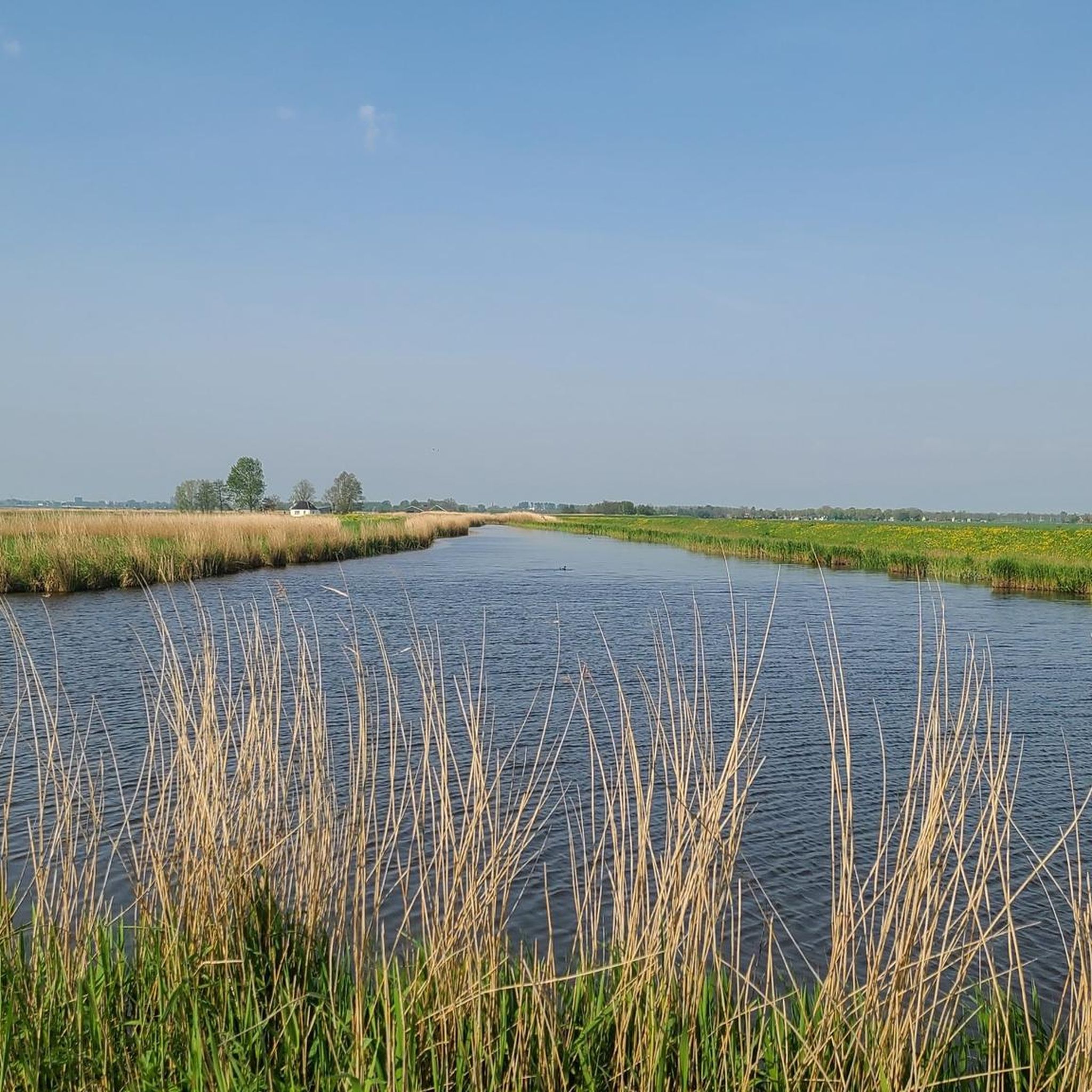
Best lakes around Wormerland are found within its water-rich peat meadow areas, which define the municipality's landscape. This region in North Holland, Netherlands, is characterized by an intricate network of waterways, polders, and natural areas. Key water bodies and associated natural landscapes include the Wormer- and Jisperveld, Het Twiske, and the Eilandspolder. These areas offer diverse opportunities for nature observation and recreation within a unique Dutch polder environment.
Best lakes around Wormerland
- The most popular lakes is Oostzanerveld Nature Reserve…
Last updated: October 11, 2026
Oostzanerveld Nature Reserve
Highlight • Natural
Translated by Google •
Tip by

Ring Canal of Het Twiske
Highlight • Lake
Translated by Google •
Tip by

Sign up now to discover places like this
Get recommendations on the best single tracks, peaks, & plenty of other exciting outdoor places.
Zuiderwoude Church
Highlight • Religious Site
Translated by Google •
Tip by

Moordenaarsbraak Nature Reserve
Highlight • Natural Monument
Translated by Google •
Tip by

Twiske Recreation Area
Highlight • Natural
Translated by Google •
Tip by

Sign up for free to discover even more lakes around Wormerland.
Already have an account?
Start today with a free account
Your next adventure awaits.

Tips from the Community


See https://www.laagholland.com/nl/locaties/3799843985/hervormde-kerk-zuiderwoude
0
0
Beautiful church built in 1877, a national monument. See https://www.laagholland.com/nl/locaties/3799843985/hervormde-kerk-zuiderwoude
0
0

The church is open at weekends and you can view an exhibition there
0
0


IJsselmeer dike between Edam and Warder. From Wikipedia
0
0
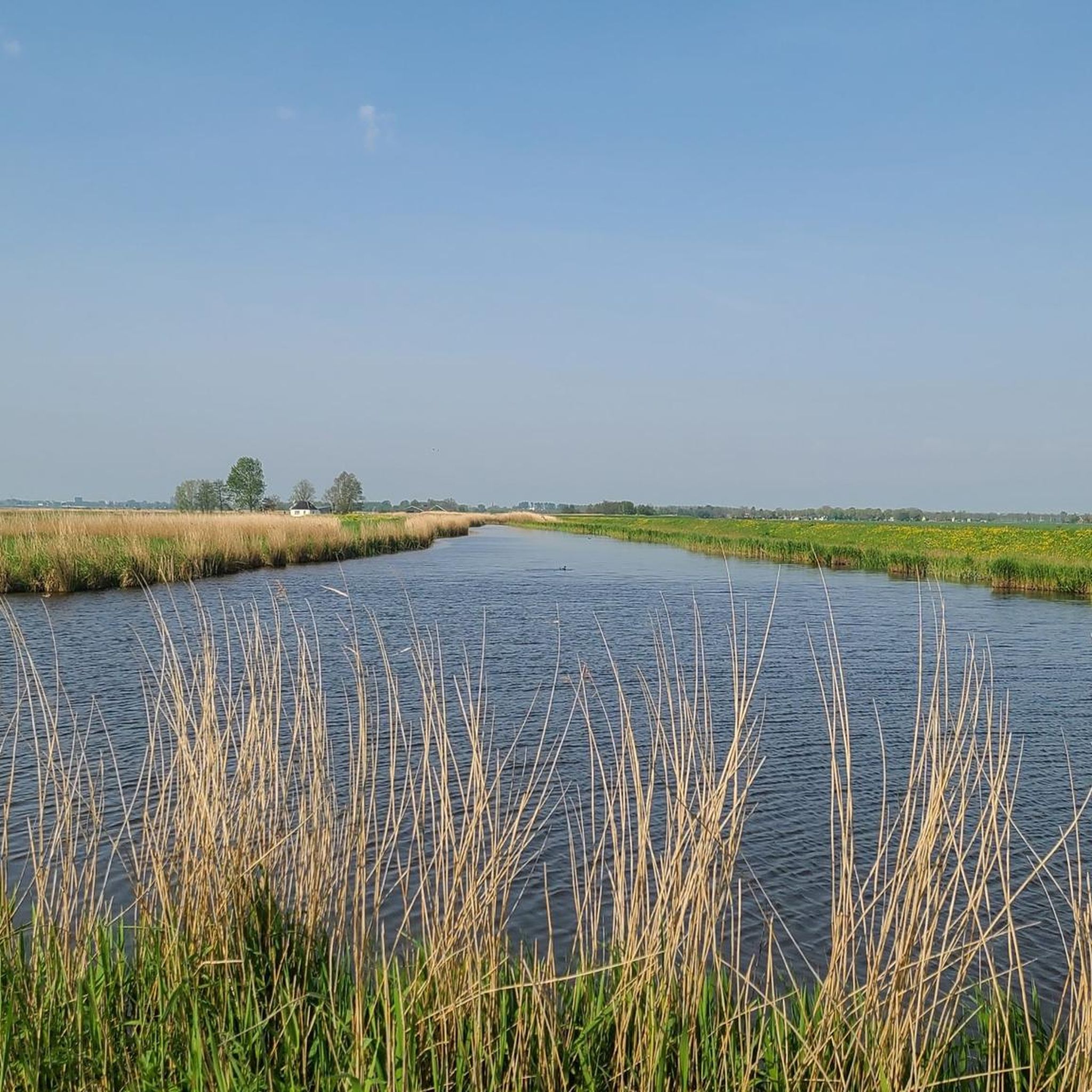
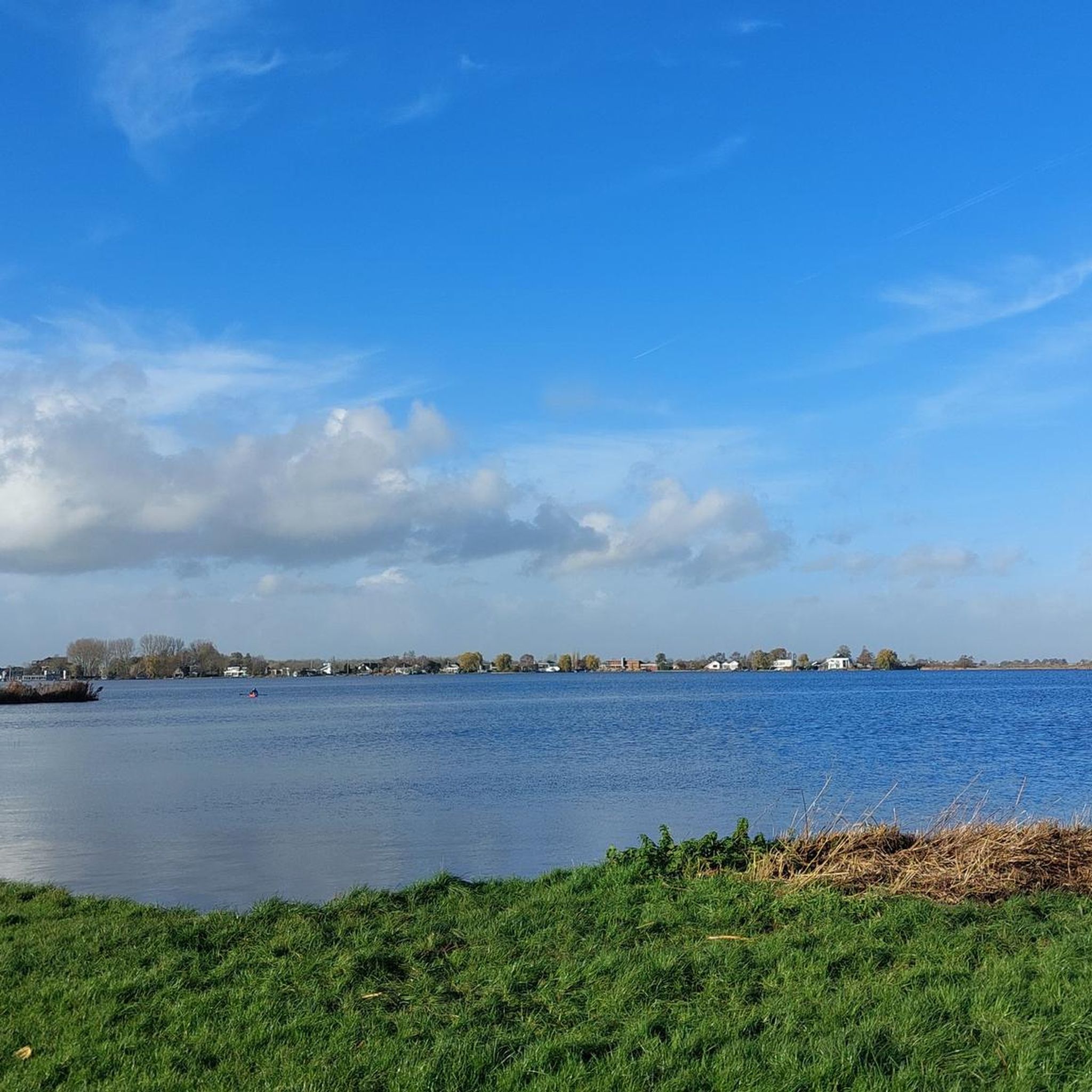
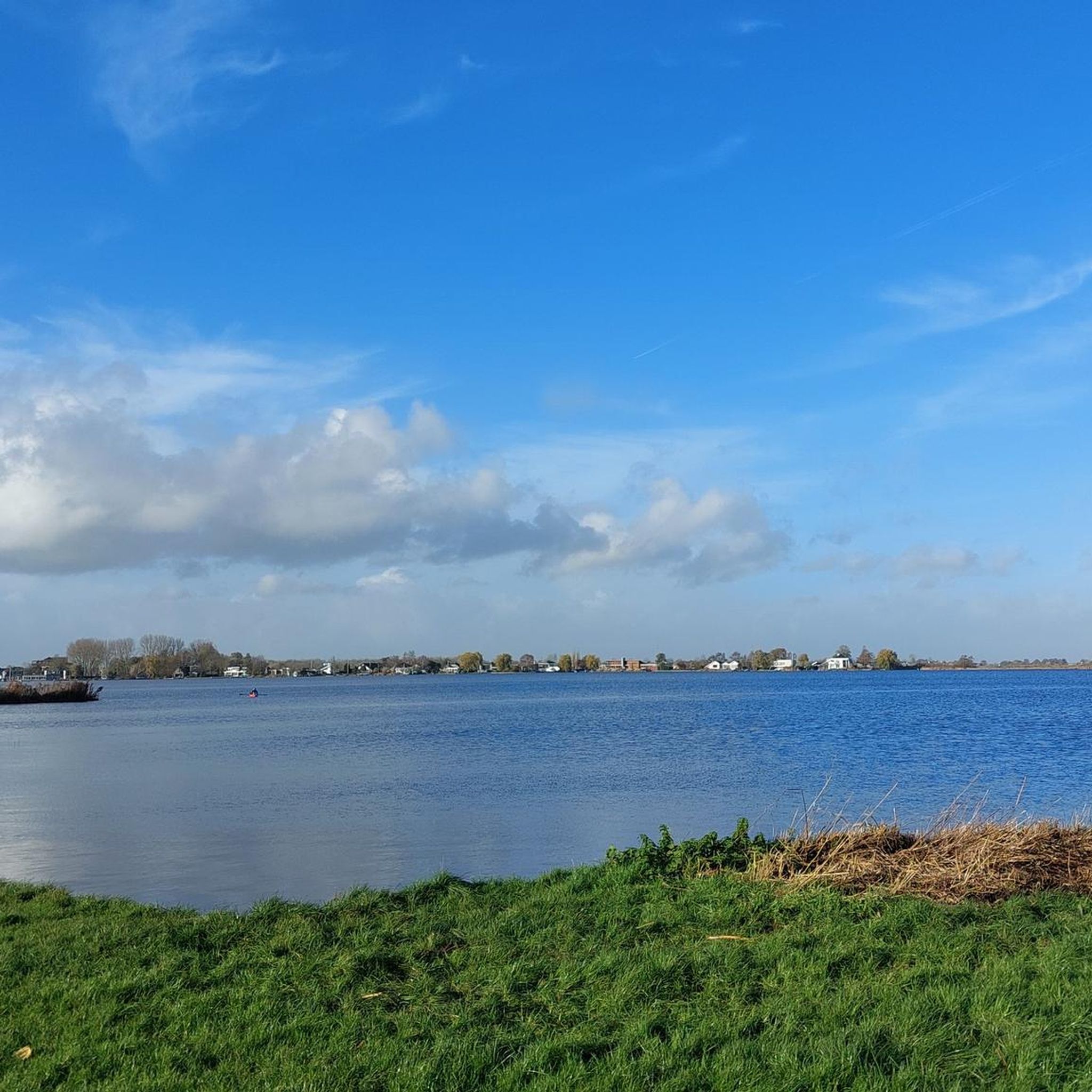
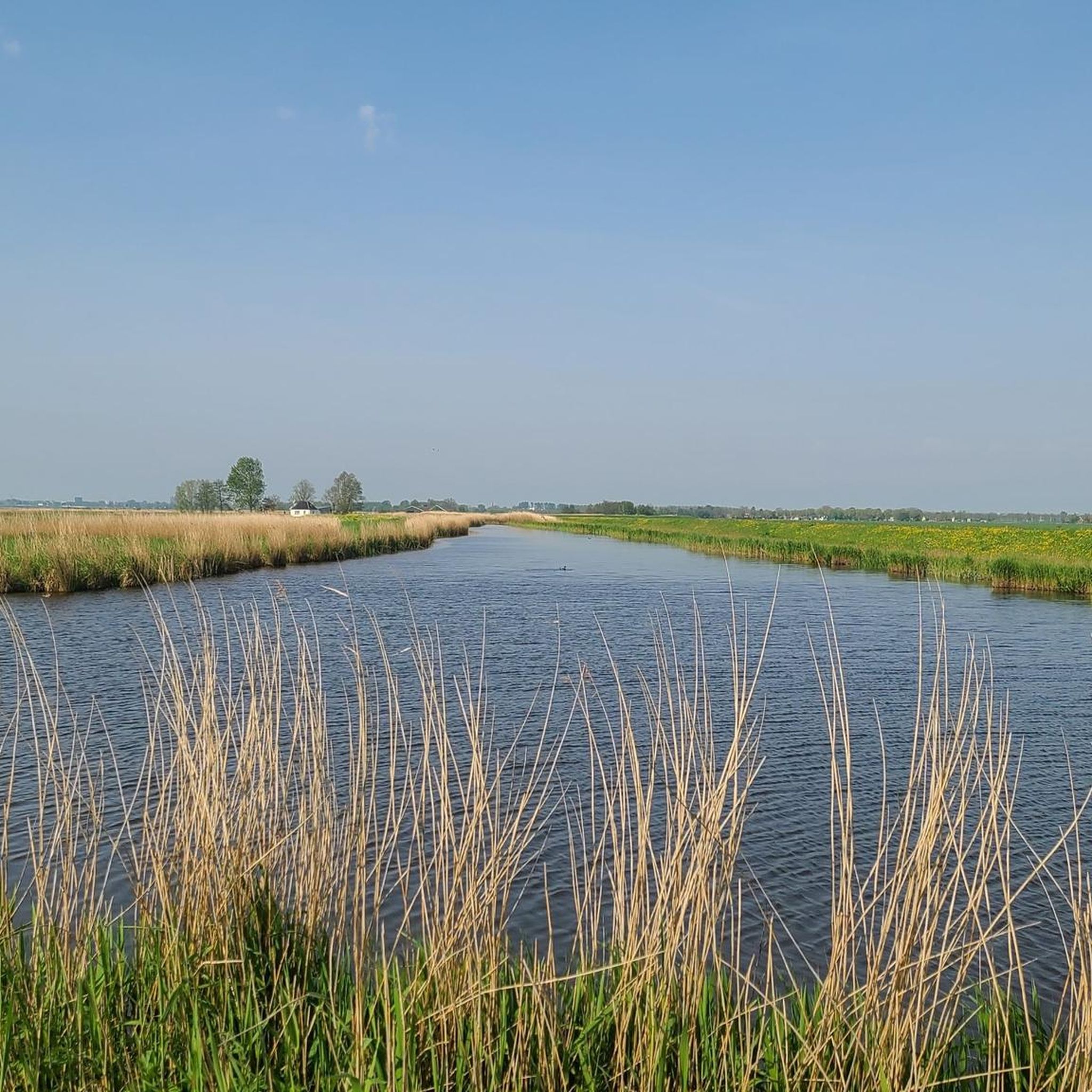
The Moordenaarsbraak is the remains of one of the many dike breaches in North Holland caused by flooding of the Zuiderzee. Between Edam and Hoorn, the IJsselmeer dike owes its winding shape to the dike breaches, which the dike was then built around. The Moordenaarsbraak probably originated in the period between 1775 and 1849.[1] The Moordenaarsbraak is a more or less circular water area, which is bordered by a reed collar. The Moordenaarsbraak has been designated as a provincial monument because it is seen as a "defining element in the North Holland Polder landscape".[2] The name Moordenaarsbraak refers to the violence of the sea, which caused people in the area to be murdered.[3] The nature reserve is managed by Staatsbosbeheer. Just south of the Moordenaarsbraak are the Groote Braak and the Kleine Braak and just north of the Zandbraak and the Hogendijkerbraak, all located within a distance of approximately 5 kilometers along the IJs
0
0

The church of Zuiderwoude dates from 1877. Zuiderwoude is the oldest village in Waterland. As early as the 11th century, a small tuff stone church stood on the site of the current church. In the 15th century, the village, together with Zunderdorp, formed the most important settlement in Waterland. The inhabitants concentrated on fishing and especially on merchant shipping. Shipping connections with the Zuiderzee via Monnickendam and the hinterland via the various diën (waterways) ensured good accessibility by water.
2
0
Frequently Asked Questions
What makes the lakes around Wormerland unique?
The lakes and waterways around Wormerland are part of a unique peat meadow landscape, characterized by an intricate network of water and land. Areas like the Wormer- and Jisperveld are the largest contiguous peat meadow areas in Western Europe, offering a patchwork of small meadows, reed beds, and historic windmills. This human-made landscape, shaped by peat extraction, provides a serene and historically rich environment.
What are the best areas for water sports and swimming?
For water sports and swimming, Het Twiske is highly recommended. Its central feature, the Stootersplas, is popular for swimming, diving, surfing, and sailing, with designated beaches like Kure-Jan strand and Doesstrand. The Wormer- and Jisperveld is ideal for canoeing and whisper boat excursions, while the Eilandspolder offers opportunities for swimming and exploring by silent electric boats.
Are there family-friendly activities near the lakes?
Yes, Het Twiske is particularly family-friendly, featuring an adventure playground, a water playground with a pirate ship, and various play equipment. The Ring Canal of Het Twiske also offers a spacious recreation area perfect for family picnics and relaxation. The Poelboerderij in the Wormer- and Jisperveld also has a water playground for children.
Where can I go for birdwatching around Wormerland's lakes?
The region is a biodiversity hotspot, especially for birds. The Wormer- and Jisperveld is one of Europe's most important bird areas, home to meadow birds like black-tailed godwits and marsh birds. The Oostzanerveld Nature Reserve is also a significant peat bog complex and habitat for many bird species, making it perfect for amateur ornithologists. Het Twiske and the Eilandspolder are also Natura 2000 areas, protecting important flora and fauna, including wintering birds.
What kind of cycling routes can I find near the lakes?
You'll find extensive cycling opportunities. Het Twiske offers varied landscapes with dedicated paths for cycling and rollerblading. For more structured routes, you can explore options like the 'Beemster Forts Trail' or 'Discover regional products from the Beemster by bike' which are part of the Cycling around Wormerland guide. There are also gravel biking routes, such as 'The Twiske Nature Reserve' loop, available in the Gravel biking around Wormerland guide.
Are there historical sites or unique natural monuments to visit?
Yes, the region is rich in history and unique natural formations. The Zuiderwoude Church, dating from 1877, is located in the oldest village in Waterland, with a history stretching back to the 11th century. The Moordenaarsbraak Nature Reserve is a provincial monument, a circular water area formed by historic dike breaches from the Zuiderzee, representing a defining element of the North Holland Polder landscape.
What is the best way to explore the Wormer- and Jisperveld?
The Wormer- and Jisperveld is best explored by water. Canoes are highly recommended for navigating its maze of shallow farm ditches. The Poelboerderij serves as a visitor center and starting point for excursions by whisper boat. The allowed sailing speed is a maximum of 6 km/hour to protect the delicate environment.
What do visitors enjoy most about the lakes around Wormerland?
Visitors frequently praise the tranquility and natural beauty of the area. Many appreciate the perfectly maintained recreation areas like Twiske Recreation Area for its absolute peace and relaxation, offering opportunities for cycling and enjoying the combination of water, grass, and sunbathing lawns. The unique peat meadow landscape and abundant birdlife are also highly valued.
Can I find walking trails near these lakes?
Yes, walking is a popular activity. Het Twiske offers hours of walking through varied landscapes of forests, meadows, and nature reserves. The Eilandspolder also has routes for walking. While specific hiking guides are not listed, the general guides for MTB Trails around Wormerland and Cycling around Wormerland often include paths suitable for walking or run alongside scenic waterways.
When is the best time to visit the lakes around Wormerland?
The best time to visit depends on your interests. Spring is excellent for observing meadow birds in areas like the Wormer- and Jisperveld. Summer is ideal for water activities like swimming and sailing in Het Twiske. The region's natural beauty can be enjoyed year-round, with winter offering unique opportunities for ice skating on rare occasions when the ice is thick enough, particularly in areas like the Oostzanerveld Nature Reserve.
Are there any natural lakes in the Eilandspolder?
Yes, the Eilandspolder, a protected wetland polder, contains several natural lakes. Notable examples include De Lei, the Arismeer, and De Knie, which provide opportunities for swimming and picnicking at designated spots within this historic landscape.
Most popular routes around Wormerland
Most popular attractions around Wormerland

Get inspired with the komoot mobile app


Explore more
Still not found your perfect lake around Wormerland? Check out the guides of these regions to see even more beautiful places.
