Top 20 Castles around Sint-Amands
Best castles around Sint-Amands are found within the broader municipality and its close vicinity, offering insights into the region's history. While Sint-Amands itself is a sub-municipality, the surrounding area features several notable historical sites. These locations provide a glimpse into past architectural styles and historical events. Visitors can explore a variety of structures, from well-preserved castles to historical forts and castle ruins.
Best castles around Sint-Amands
- The most popular castles is Wissekerke Castle, a castle that was originally a…
Last updated: May 7, 2026
Fort Steendorp
Highlight • Historical Site
Translated by Google •
Tip by

Wissekerke Castle
Highlight • Castle
Translated by Google •
Tip by
Sign up now to discover places like this
Get recommendations on the best single tracks, peaks, & plenty of other exciting outdoor places.
Sign up for free
Graventoren - Rupelmonde
Highlight • Monument
Translated by Google •
Tip by
Fort Liezele
Highlight • Historical Site
Translated by Google •
Tip by
Bornem Castle
Highlight • Castle
Translated by Google •
Tip by

Sign up for free to discover even more castles around Sint-Amands.
Sign up for free
Already have an account?
Start today with a free account
Your next adventure awaits.
Login or Signup

Other adventures around Sint-Amands

Tips from the Community

The castle was built by the Spanish nobleman Don Pedro Coloma and still exudes its former grandeur. Philippe de Marnix, Lord of Sainte Aldegonde, was the right-hand man of Prince William of Orange. He played a key role during the siege and fall of Antwerp in 1585 while mayor of the city. He is also mentioned as a possible author of the Wilhelmus, the Dutch national anthem.
7
0

Few buildings in the Waasland region hold such a mythical allure as the Graventoren (Counts' Tower) in Rupelmonde. The names associated with it certainly contribute to that. This tower, for example, is the remnant of a moated castle with no fewer than 17 towers, once owned by the Counts of Flanders. This colossal fortress protected the Scheldt River from attackers and conquerors. Mercator's Dungeon Mercator also plays a key role in this story. When he shared his revolutionary insights with the world, he was promptly sent to the dungeon by the church authorities. Guess where that dungeon was located? Exactly, in the cellars of the Graventoren. Here he was imprisoned for seven months, accused of heresy. A Bloody History Mercator, however, was not the only one to enter the cellars of the moated castle. Many dissidents suffered the same fate, and often worse. A stay in the dungeons of the Graventoren (Counts' Tower) often ended with a bloody decapitation. While the Counts of Flanders may have enjoyed legendary status in history, they were certainly not gentlemen. Count Robert of Bethune once even threw his own son in jail here, accused of high treason. A kind of chamber arrest before its time, you might say. At the end of the 17th century, the moated castle came to an end. The fortress was drastically destroyed, and the rubble was reused for other buildings. For example, the church of Rupelmonde was built with materials from the castle ruins.
8
0

Unfortunately the tower was not open, but it is still a beautiful site to walk past. A nice surprise and definitely worth taking a detour from your route.
2
1

Remains of the 12th century moated castle built by the Counts of Flanders to defend the Scheldt and the Rupel.
3
0

More information about the fort can be found at: https://www.fortliezele.be
8
0
For individual visits: From 1 April to 30 September and during school holidays Every Friday, Saturday, Sunday and Monday from 1:00 PM to 5:00 PM The castle and the castle garden are only accessible with a guide Reservations are recommended (https://www.kasteelvanbornem.be/bezoek/)
13
0

beautiful environment in the middle of nature
4
1
Frequently Asked Questions
Which castles near Sint-Amands offer the most immersive historical experience?
For a deep dive into history, Bornem Castle (Marnix de Sainte-Aldegonde Castle) is highly recommended. Its history spans a thousand years, with the current neo-Gothic structure housing valuable furniture, historical paintings, and impressive porcelain collections, including the world's largest private collection of Pieter Bruegel the Elder engravings. Another significant site is Wissekerke Castle, a moated castle with origins in the tenth century, featuring largely preserved interiors like an Egyptian room and an Empire-style salon.
Are there any castles near Sint-Amands that are family-friendly?
Yes, Wissekerke Castle is noted as family-friendly. Additionally, Fort Liezele offers a barefoot path along its fort pond, which is great for children, and its museum is undergoing renovation to provide an active historical experience.
What is the best time of year to visit the castles around Sint-Amands?
The warmer months, particularly late spring to early autumn (May to September), are generally ideal for visiting the castles. This allows for comfortable exploration of castle grounds and any outdoor features. For Bornem Castle, public access is typically limited to specific Sundays in August and September, or by appointment, so checking their schedule is essential. The walking trail around Fort Steendorp is freely accessible from sunrise to sunset, but boots are recommended in rainy weather.
Can I find good viewpoints near the castles in the Sint-Amands area?
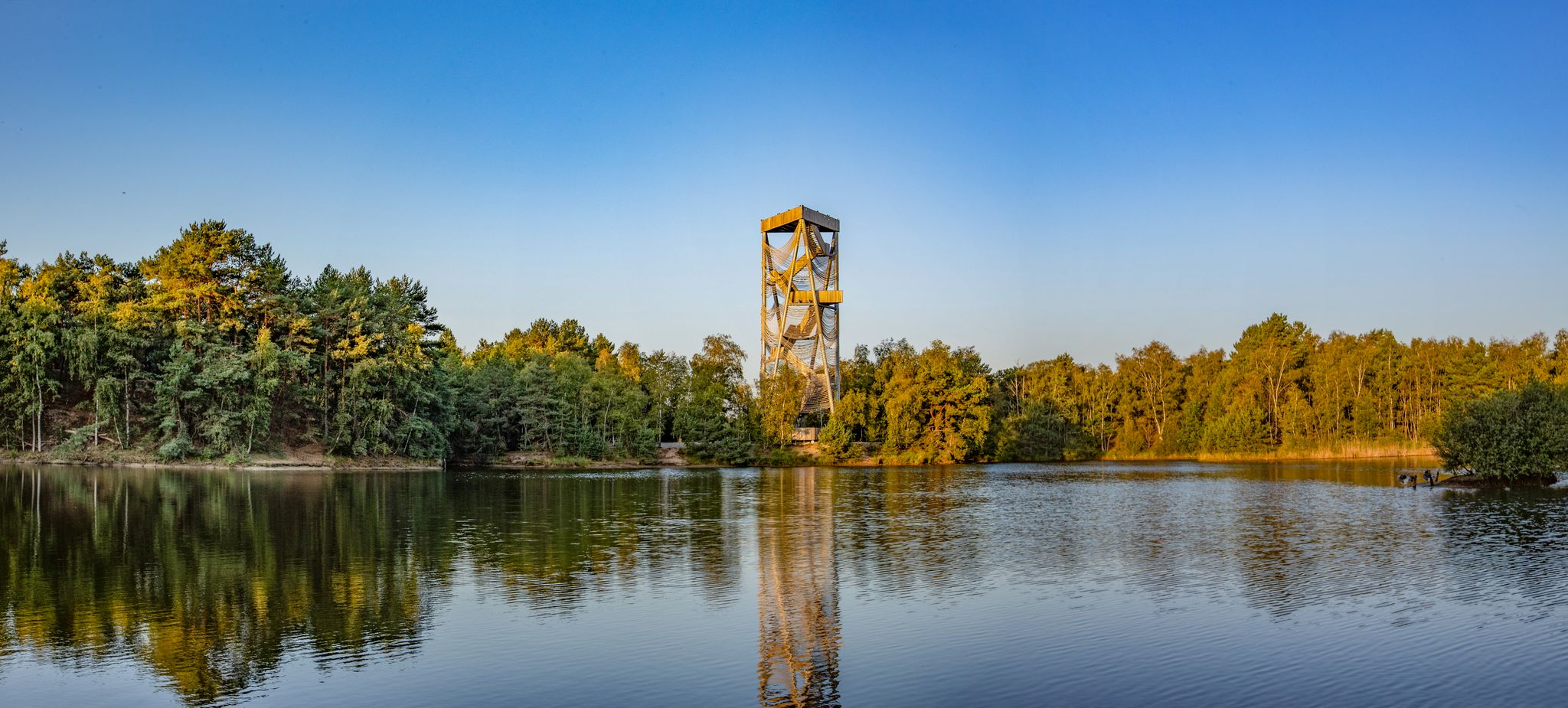
Absolutely. The Graventoren - Rupelmonde offers a fantastic opportunity for panoramic views. You can climb the tower for a 360° panorama of the entire region. Wissekerke Castle and Fort Steendorp are also listed as having viewpoints.
Are there any castles near Sint-Amands that are wheelchair accessible?
Yes, Fort Liezele is noted as wheelchair accessible. Bornem Castle also features a modern, wheelchair-friendly visitor center, though specific accessibility within the historical castle itself may vary.
What outdoor activities can I do near the castles around Sint-Amands?
The region around Sint-Amands offers various outdoor activities. You can explore road cycling routes like the 'Kalkense Meersen – Schelde Bend at Sint-Amands loop' or 'Cyclists' Bridge over the Zenne – View of Mechelen loop'. For gravel biking, options include the 'Old Durme Meander Path' or the 'Fort Liezele – Nonnenbos singletrack loop'. Mountain biking trails are also available, such as the 'Nonnenbos singletrack' or 'Breutheide Forest Path – Fort Liezele loop'. You can find more details on these routes in the Road Cycling Routes around Sint-Amands, Gravel biking around Sint-Amands, and MTB Trails around Sint-Amands guides.
Can I explore nature and walking trails near the castles?
Yes, several castles are situated within natural settings or have dedicated walking trails. Fort Steendorp, for instance, has a 1.6 km walking trail around its walls, which is freely accessible. The fort is also a significant bat sanctuary and home to over 100 bird species. Bornem Castle is beautifully situated on the Oude Schelde, offering picturesque views of the water.
Are there any castles that are not publicly accessible but still historically interesting?
Yes, 's Gravenkasteel, located within the broader Puurs-Sint-Amands municipality, has a history dating back to 1662 and features historic grounds with a moated island and a 20-hectare park. However, it currently functions as a care center for seniors and is not accessible to the public. Similarly, Kasteel Fourage in Sint-Amands, an eclectic former factory owner's villa, serves as a home for abandoned children, so public access for tourism may be restricted.
What kind of exhibitions or unique collections can I find in the castles?
Bornem Castle boasts an impressive interior with 18th-century paintings, engravings, and the world's largest private collection of Pieter Bruegel the Elder engravings. It also has a carriage house displaying 40 historic carriages. At Graventoren - Rupelmonde, you'll find an exhibition titled 'The Secrets of the Count's Castle' at the base of the tower, featuring prints, maps, and a 3D reconstruction of the former Gravenburcht.
How long does it take to visit the main castles near Sint-Amands?
For a comprehensive visit to a major site like Bornem Castle, especially if taking a guided tour, you should allocate at least 2-3 hours. Exploring the grounds and climbing the tower at Graventoren - Rupelmonde, including the exhibition, could take 1-2 hours. Shorter visits to sites like Fort Steendorp's walking trail might take about an hour. If you plan to visit multiple locations, consider dedicating a full day.
Is it possible to visit the castles using public transport?
While specific public transport routes to each castle can vary, the broader municipality of Puurs-Sint-Amands is generally accessible by public transport. For detailed travel information to Bornem Castle, it's advisable to check local transport schedules or visit the official website: kasteelvanbornem.be.
Most popular routes around Sint-Amands
Most popular attractions around Sint-Amands

Get inspired with the komoot mobile app


Explore more
Looking for the best castles somewhere else? Discover other guides around Sint-Amands:
