The 13 Most Amazing Peaks around Poperinge
Best mountain peaks around Poperinge are found within the West Flemish Hills, a region that offers scenic views and recreational opportunities despite Poperinge's relatively flat immediate surroundings. These elevations, locally referred to as "bergen," provide diverse landscapes for outdoor activities. The area features several notable hills, including historical sites and viewpoints, making it a destination for exploration.
Best mountain peaks around Poperinge
- The most popular mountain peaks is Mont Noir (West), a summit located on the French-Belgian border with…
Last updated: November 18, 2026
Mont Noir (West)
Highlight • Summit
Translated by Google •
Tip by

Hill 60 preserved Battlefield (World War I)
Highlight • Historical Site
Translated by Google •
Tip by

Sign up now to discover places like this
Get recommendations on the best single tracks, peaks, & plenty of other exciting outdoor places.
Abbey on the Katsberg
Highlight • Religious Site
Translated by Google •
Tip by

French Soldiers' Memorial (1914–1918), Kemmelberg
Highlight • Monument
Translated by Google •
Tip by

IGM Kemmelberg Summit Marker
Highlight • Monument
About 2,500 years ago, a Celtic community belonging to the Hallstatt culture settled on the Kemmelberg. The Celts built a fortress and maintained a trading relationship with the …
Translated by Google •
Tip by

Sign up for free to discover even more peaks around Poperinge.
Already have an account?
Start today with a free account
Your next adventure awaits.
Popular around Poperinge
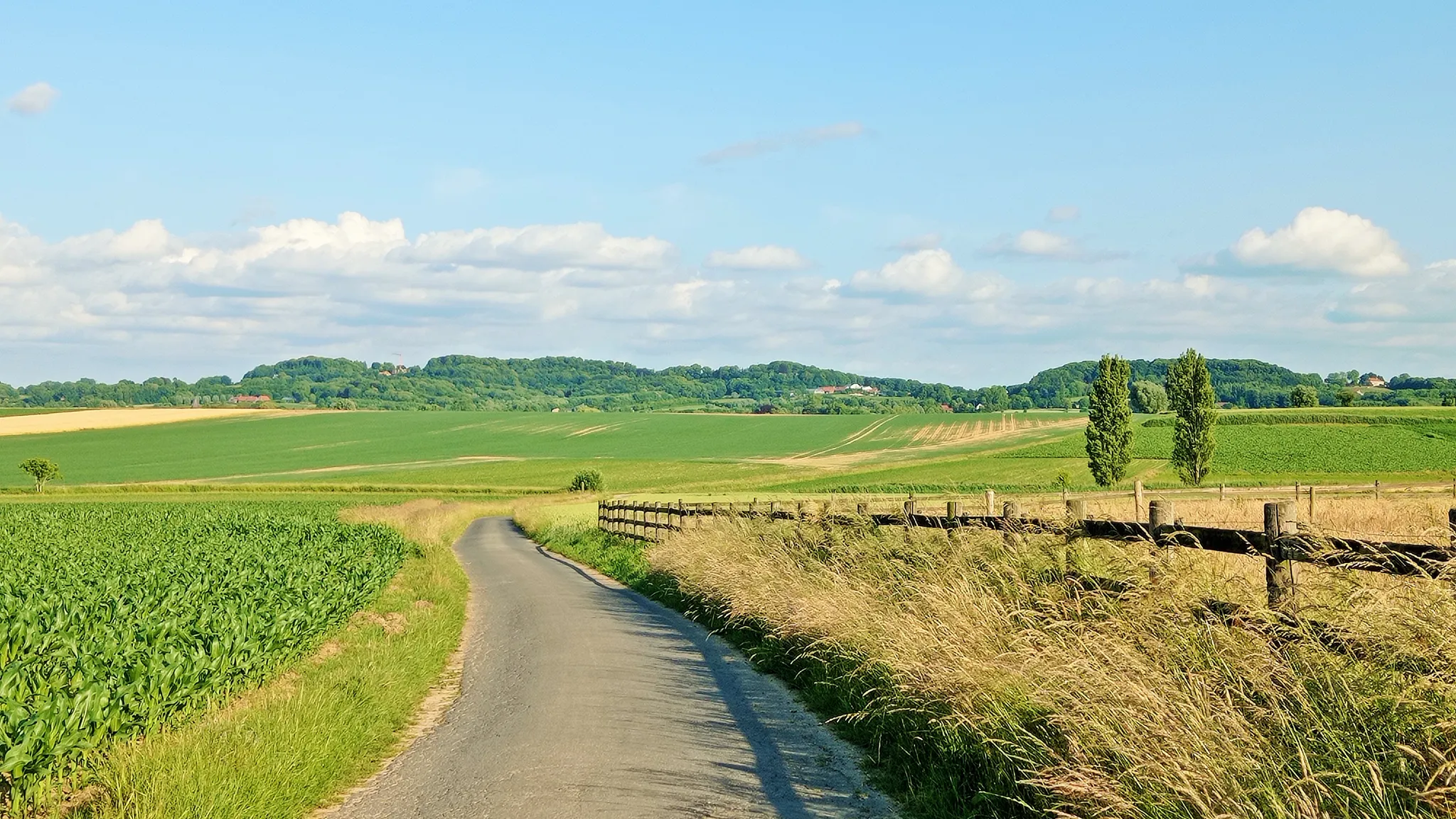
Seven-day Cycling tour through the South-Flemish hills – Hilly Route
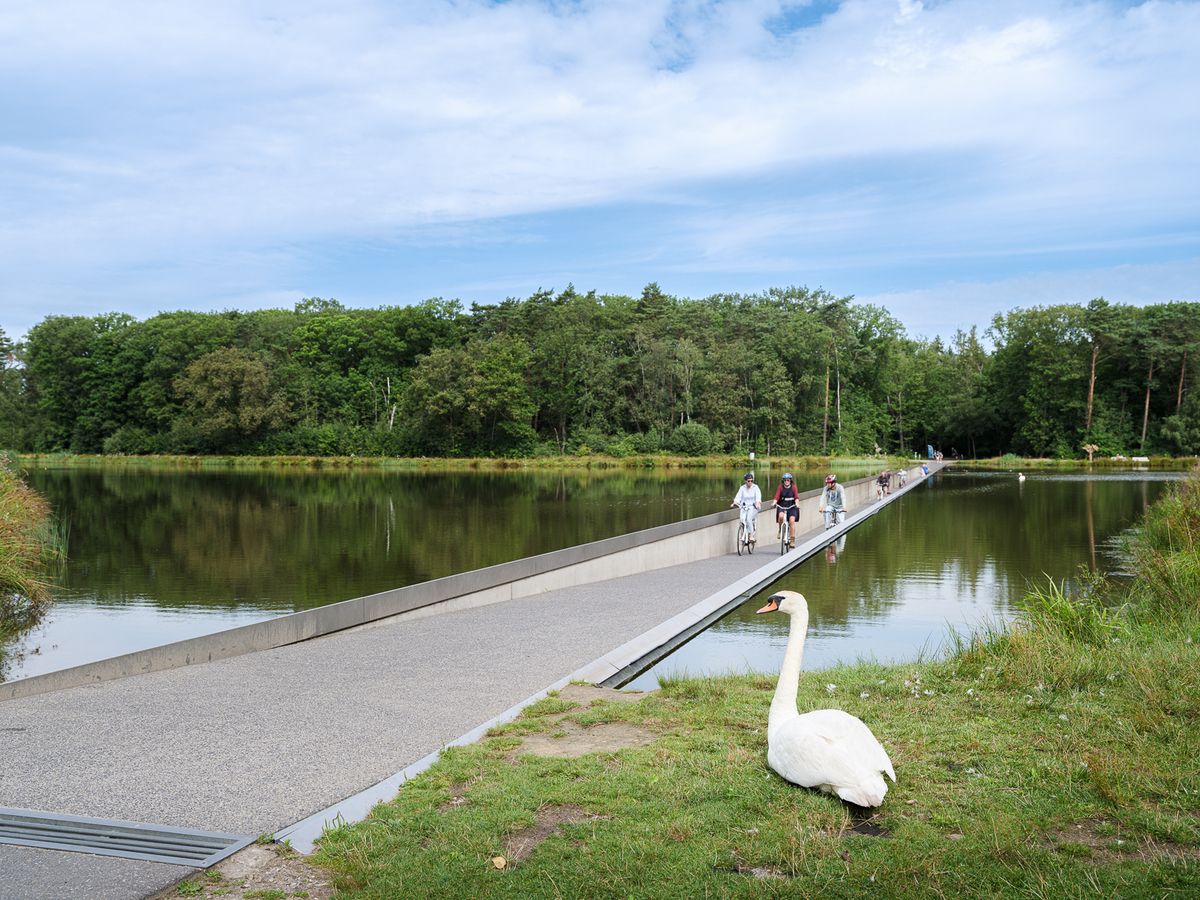
Flanders' Finest Cycle Routes: routes to discover Flemish nature and heritage
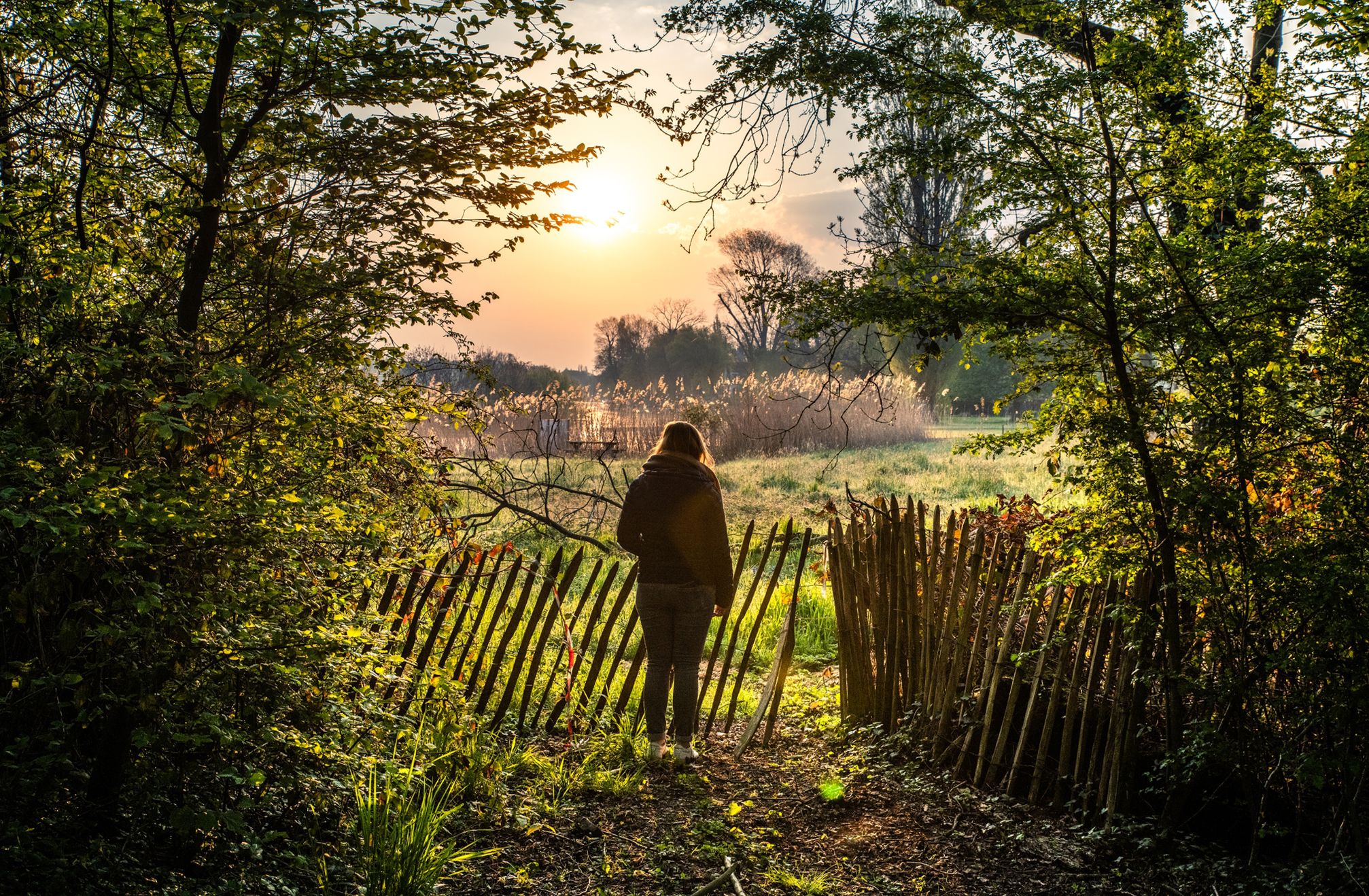
Waterside walks in Flanders
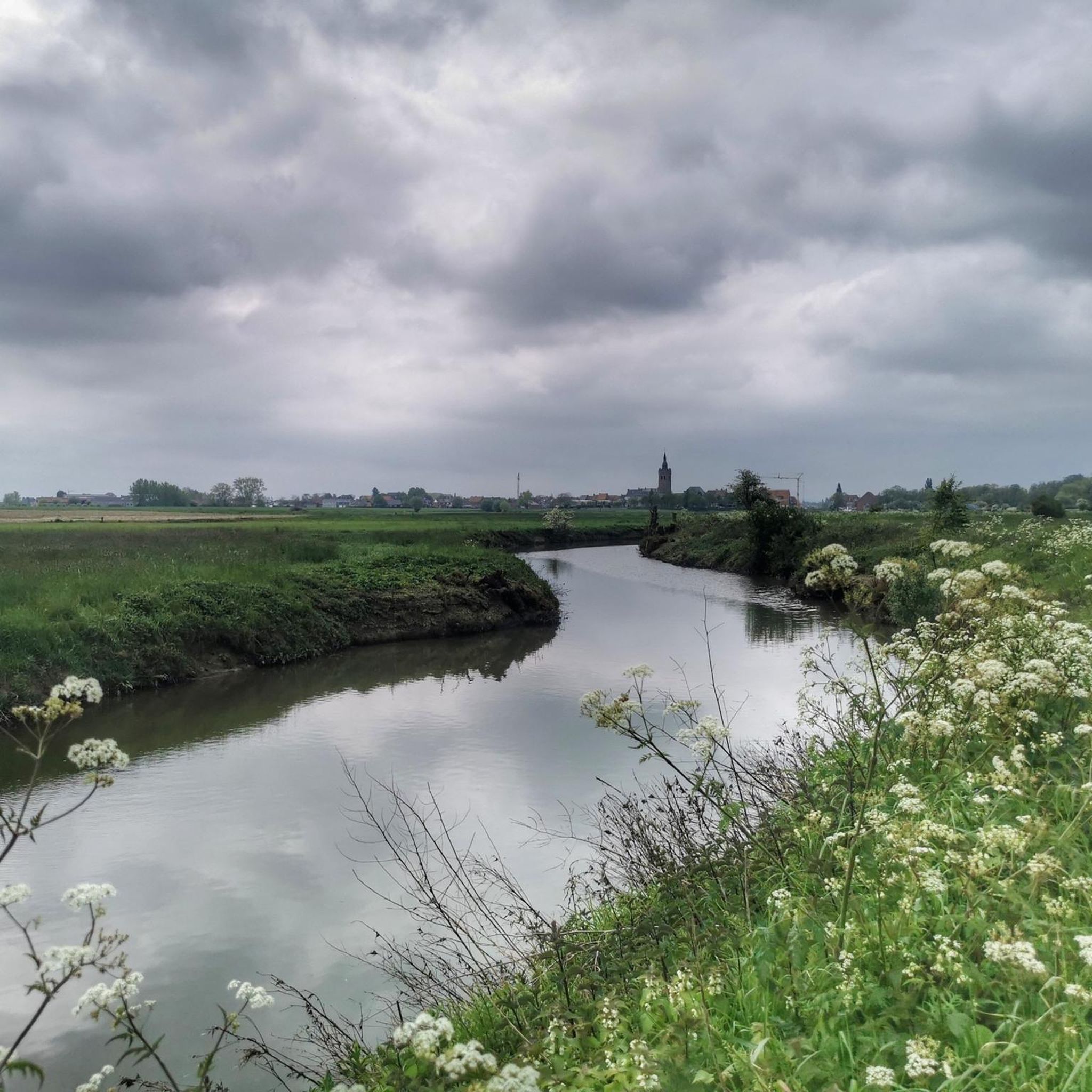
Hiking around Poperinge
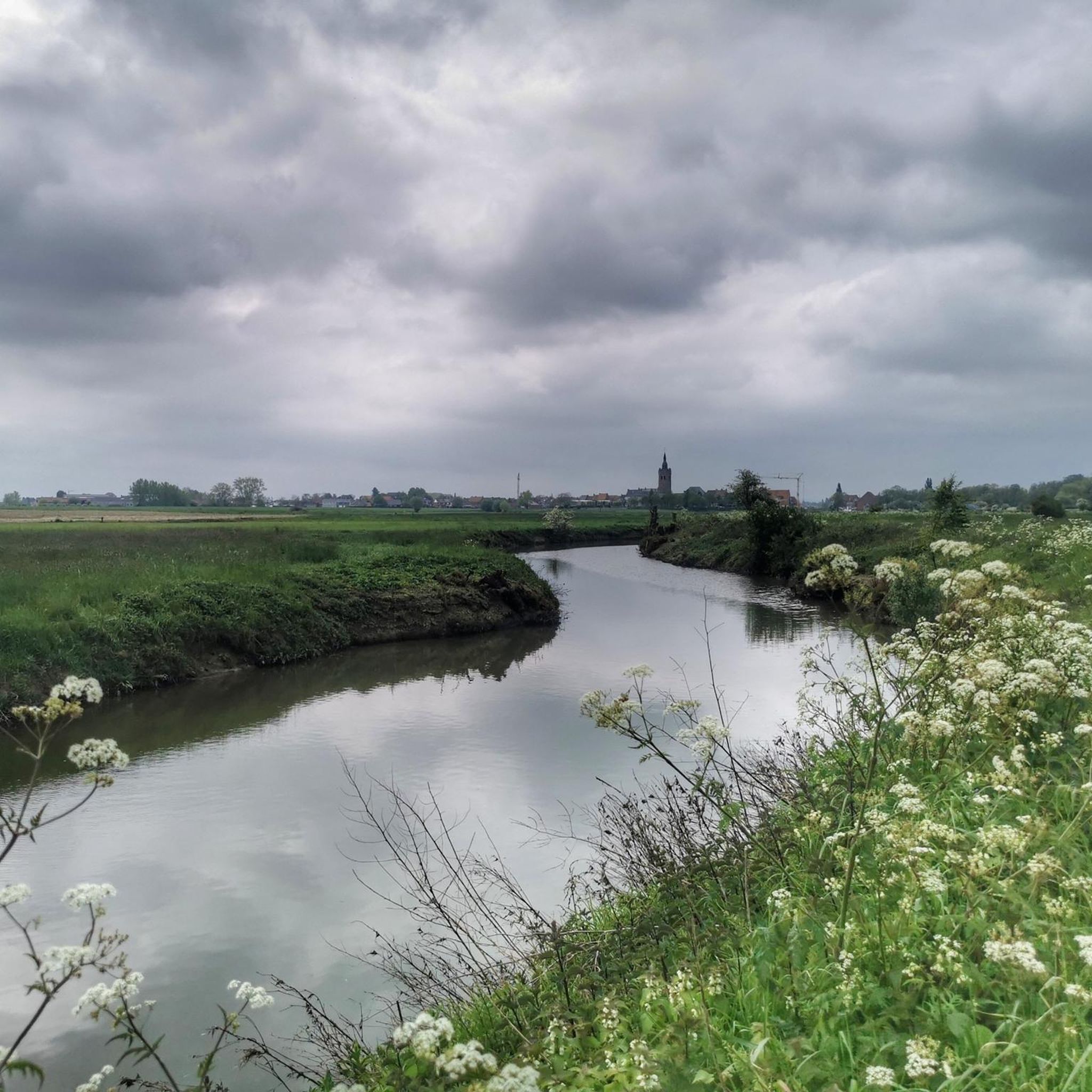
Cycling around Poperinge
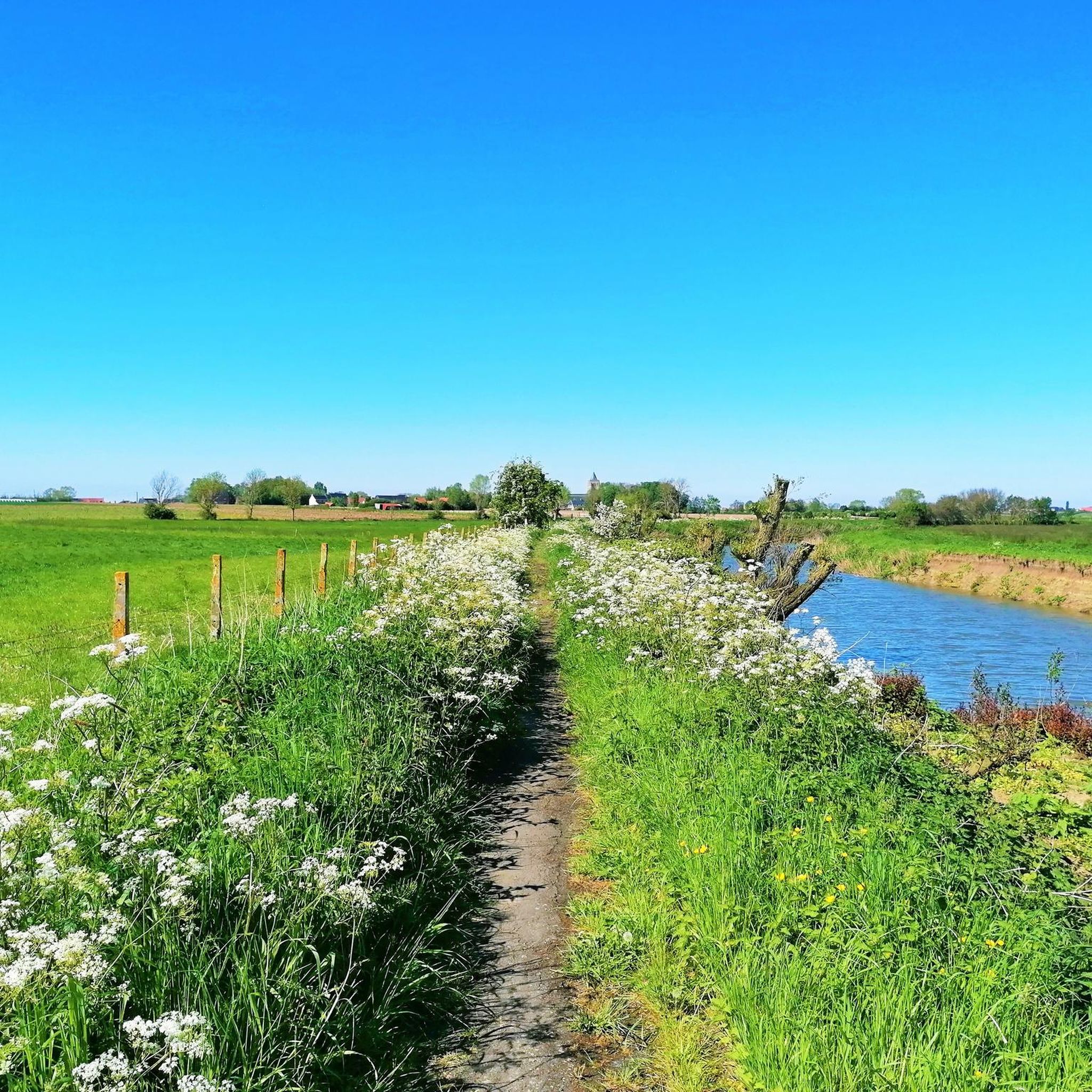
Road Cycling Routes around Poperinge
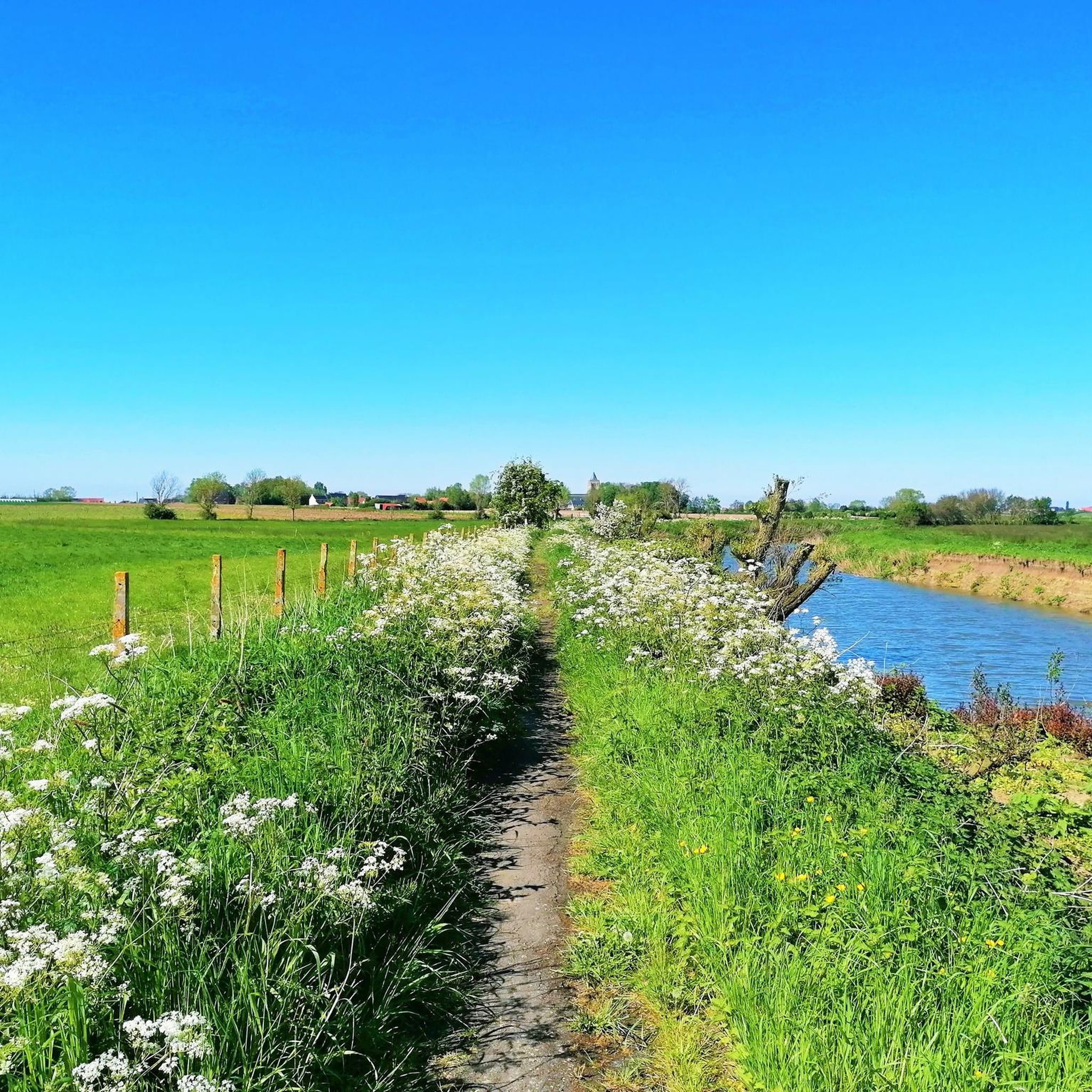
Running Trails around Poperinge
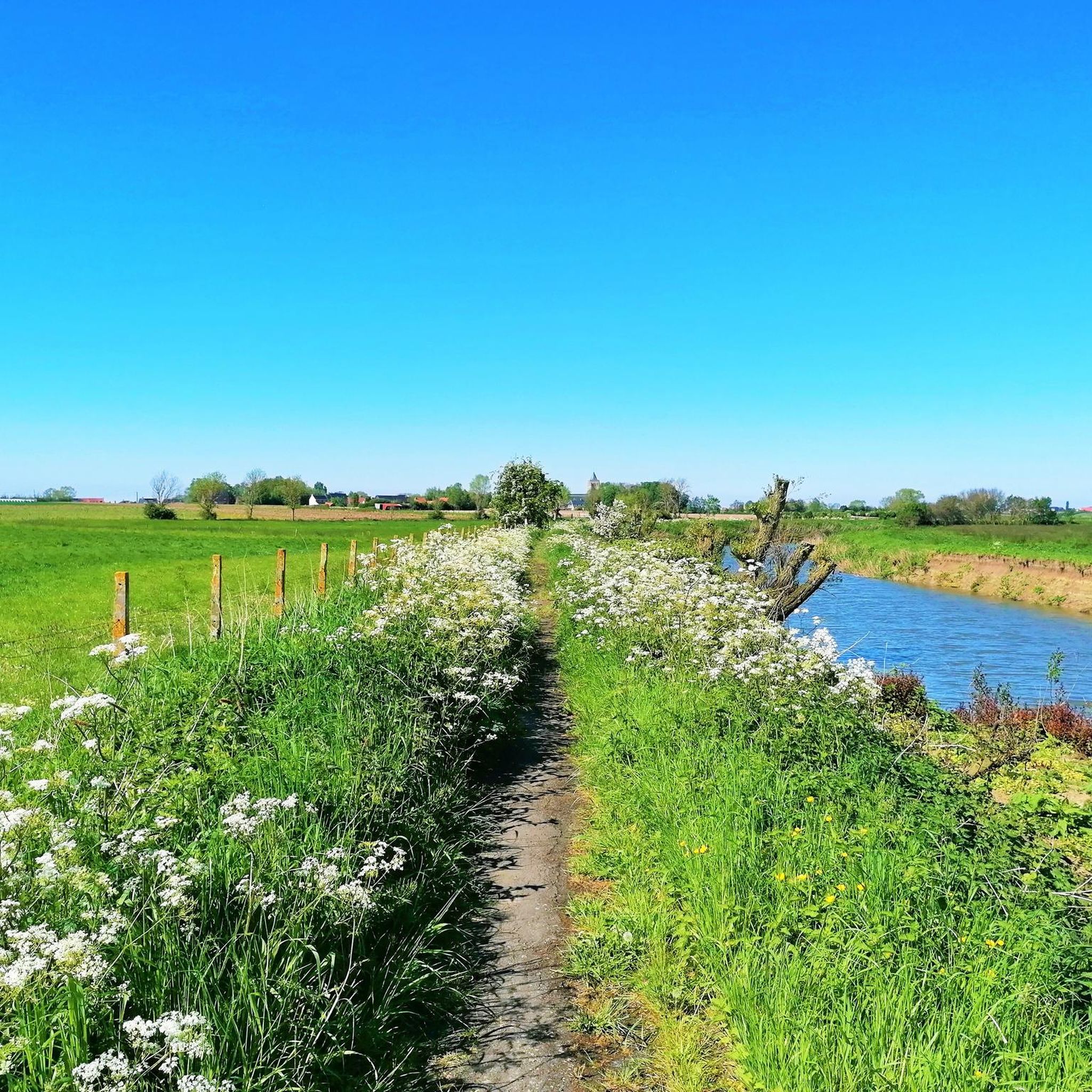
MTB Trails around Poperinge

Gravel biking around Poperinge
Other adventures around Poperinge


Tips from the Community


At the top of the Belgium mountains. Hard climb up a cobbled street but worth the effort
0
0


Very nice walk with a beautiful view at the finish
0
0


Strategic hill called Hill 60 in the First World War.
1
0
Frequently Asked Questions
What are the most prominent "peaks" or hills in the Poperinge region?
While Poperinge is in a relatively flat landscape, the surrounding West-Flemish Hills offer several notable elevations. Key prominent points include Mont Noir (West), reaching 152 meters, and Mont des Cats Abbey, situated on the Katsberg at 164 meters above sea level. The Kemmelberg, with its summit marker, is also a significant point at 159 meters.
Are there any historical sites among the peaks around Poperinge?
Yes, the region is rich in history. Hill 60 preserved Battlefield (World War I) is a poignant historical site and viewpoint, offering an impressive war history memorial. The IGM Kemmelberg Summit Marker is located on a hill with significant World War I history, including a French mass grave and a memorial column. Mont des Cats Abbey also holds historical significance, having offered refuge during World War I.
What kind of panoramic views can I expect from the hills near Poperinge?
Many of the hills, such as Mont Noir (West), offer stunning panoramic views of the West-Flemish countryside, including hop fields, vineyards, and quaint farmhouses. From the Lijstermolen on the Baneberg, you can enjoy vistas over the vineyards of Entre-Deux-Monts, stretching towards Northern France and the Belgian coastal plain.
Are there family-friendly options for exploring the hills around Poperinge?
The West-Flemish Hills offer various recreational opportunities suitable for families. Many trails are considered easy to intermediate, allowing for pleasant walks through forests and past historical sites. The chairlift connecting the Baneberg and Vidaigneberg provides a unique and enjoyable experience for all ages, offering scenic views without strenuous hiking.
What outdoor activities can I do near the peaks around Poperinge?
The region is excellent for outdoor enthusiasts. You can enjoy hiking, cycling, and road cycling. For hiking, explore routes like "The Yser at Roesbrugge" or "De Helleketel" which are generally easy. Cycling options include "De Lovie Castle Park – Hop field loop" or "Magnificent view – Ondankmeulen loop." For more details and routes, check out the Hiking around Poperinge and Cycling around Poperinge guides.
Are there specific hiking trails near the peaks around Poperinge?
Yes, there are numerous trails. The "Summit Tour Heuvelland" is a popular hiking route that traverses several local hills, including the Rodeberg and Scherpenberg. You can find various hiking routes, from easy to moderate, in the Hiking around Poperinge guide, such as "Dozinghem Military Cemetery – De Sixtusbossen Nature Reserve loop" or "St. Bernardus Brewery, Watou – De Helleketel loop."
Can I find places to eat or drink near the mountain walks in Poperinge?
Yes, especially around popular spots like Mont Noir (West), where there are many shops and catering establishments. Mont des Cats Abbey also offers a good place to take a break and enjoy the view, often with local products available.
Which peaks are known for their natural beauty or unique features?
Mont Noir (West) is renowned for its dark pine forests, which give it its name. The area around the Rodeberg and Scherpenberg is known for rolling hills and beautiful nature reserves. The region's signature feature is its rolling hills dotted with hop fields, making for picturesque walks.
What is the significance of the Kemmelberg in the Poperinge area?
The Kemmelberg is a historically significant hill, reaching 159 meters. It was a strategic point during World War I, heavily fought over by warring parties. Today, it features the IGM Kemmelberg Summit Marker, a French mass grave, and a memorial column, offering panoramic views and a poignant journey through history.
Is there a unique way to experience the views between the Baneberg and Vidaigneberg?
Yes, a chairlift called "Cordoba" connects the Baneberg and Vidaigneberg. It floats over the saddle valley between these two hills, offering unique views over the vineyards of Entre-Deux-Monts and stretching towards Northern France and the Belgian coastal plain. Near the top of the Baneberg, you can also find the Lijstermolen.
What makes Mont Noir (West) a popular peak to visit?
Mont Noir (West) is popular for several reasons. It's located on the French-Belgian border, known for its dark pine forests, and offers expansive views of the surrounding area. It has also been part of the Gent-Wevelgem cycling route multiple times, attracting cyclists and visitors looking for scenic beauty and cross-border charm.
Most popular routes around Poperinge
Most popular attractions around Poperinge

Get inspired with the komoot mobile app


Explore more
See even more amazing summits around Poperinge with these guides:
