The best mountain hikes in West Flanders
4.9
(5)
8
hikers
5
hikes
Mountaineering routes in West Flanders traverse a landscape characterized by gently rolling hills, coastal dunes, and extensive polder areas. While the region does not feature high mountain ranges, it offers varied terrain for mountaineering, particularly in areas like Heuvelland with its "witness hills" such as Kemmelberg. These routes often lead through forests, vineyards, and historic sites, providing diverse outdoor experiences across its modest elevations.
Best mountaineering routes in West Flanders
- The most popular mountaineering route is Hellegat Forest – View…
Last updated: July 31, 2026
5.0
(1)
2
hikers
10.0km
02:45
160m
160m
Moderate mountaineering route. Good fitness required. Easily-accessible paths. Suitable for all skill levels.
2
hikers
Easy mountaineering route. Great for any fitness level. Easily-accessible paths. Suitable for all skill levels.

Sign up for free
5.0
(1)
1
hikers
7.33km
02:02
130m
130m
Moderate mountaineering route. Good fitness required. Easily-accessible paths. Suitable for all skill levels.
4.5
(2)
2
hikers
8.64km
02:26
180m
180m
Moderate mountaineering route. Good fitness required. Easily-accessible paths. Suitable for all skill levels.
5.0
(1)
1
hikers
5.05km
01:18
20m
20m
Easy mountaineering route. Great for any fitness level. Easily-accessible paths. Suitable for all skill levels.
Our route recommendations are based on thousands of hikes, rides, and runs completed by other people on komoot.
Start today with a free account
Your next adventure awaits.
Login or Signup
Popular around West Flanders
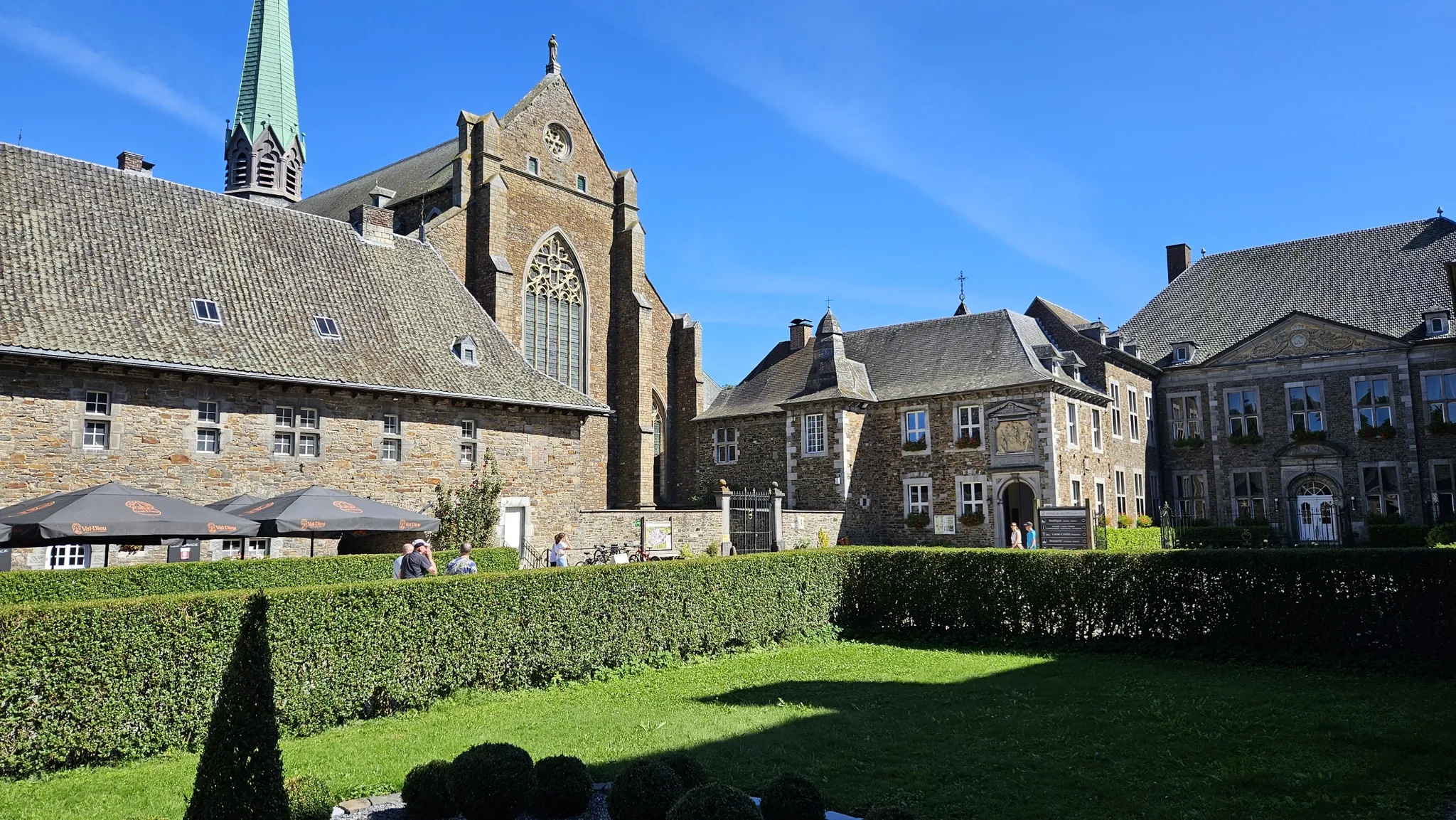
Trappist abbeys cycle route – Between beers and heritage
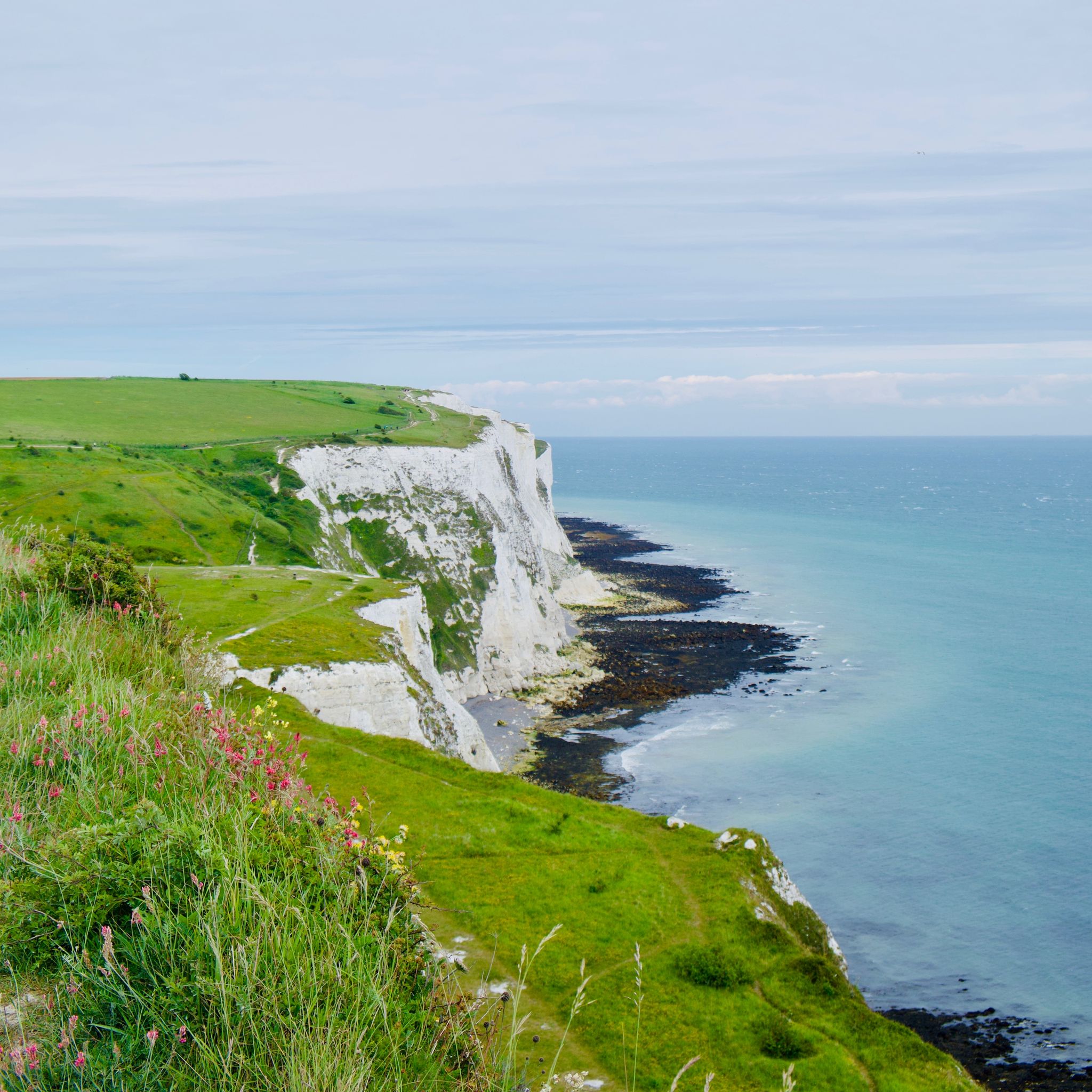
From Amsterdam to London - along the North Sea and across the water
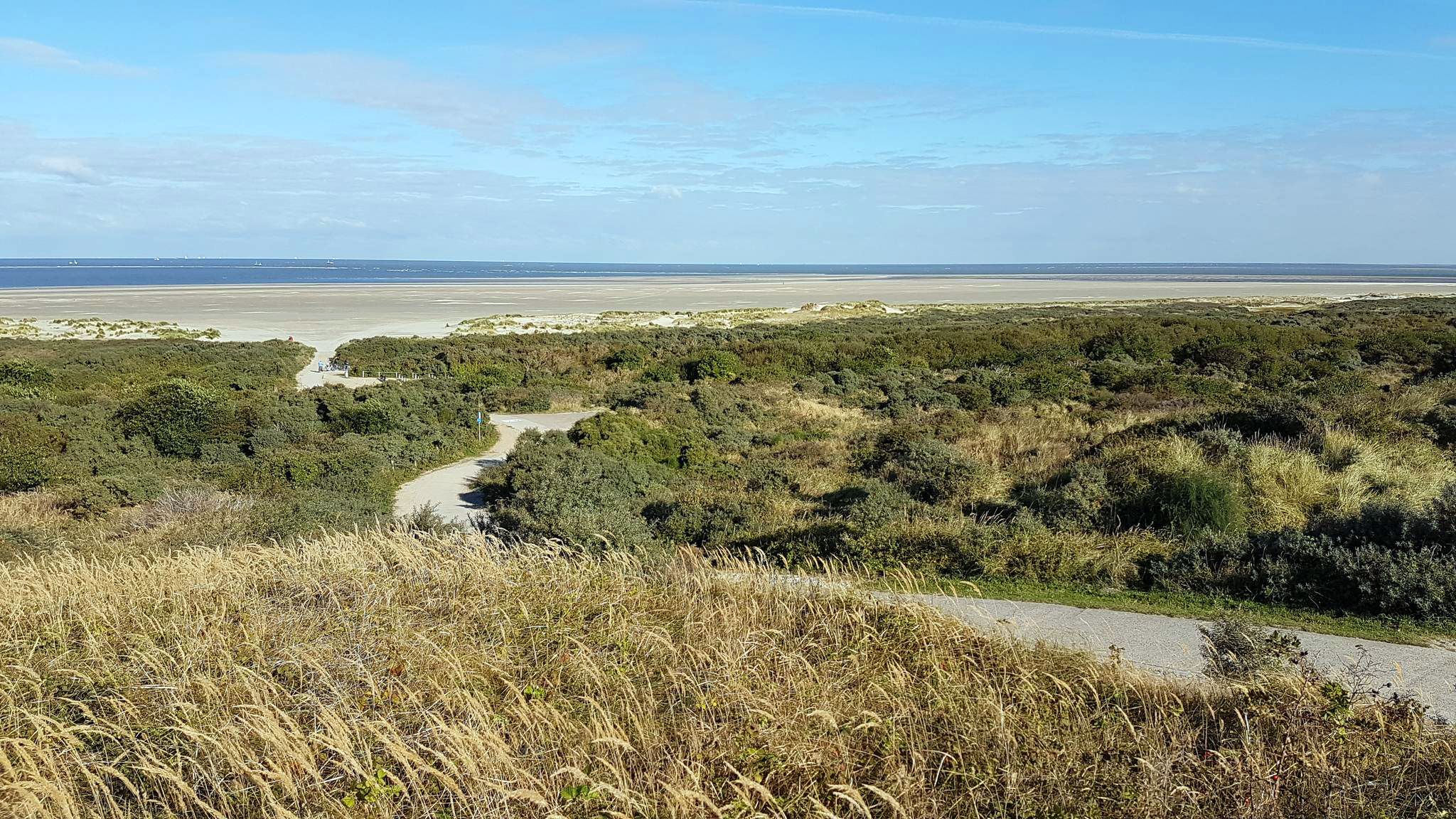
The North Sea Coast Cycle Route — Netherlands and Belgium
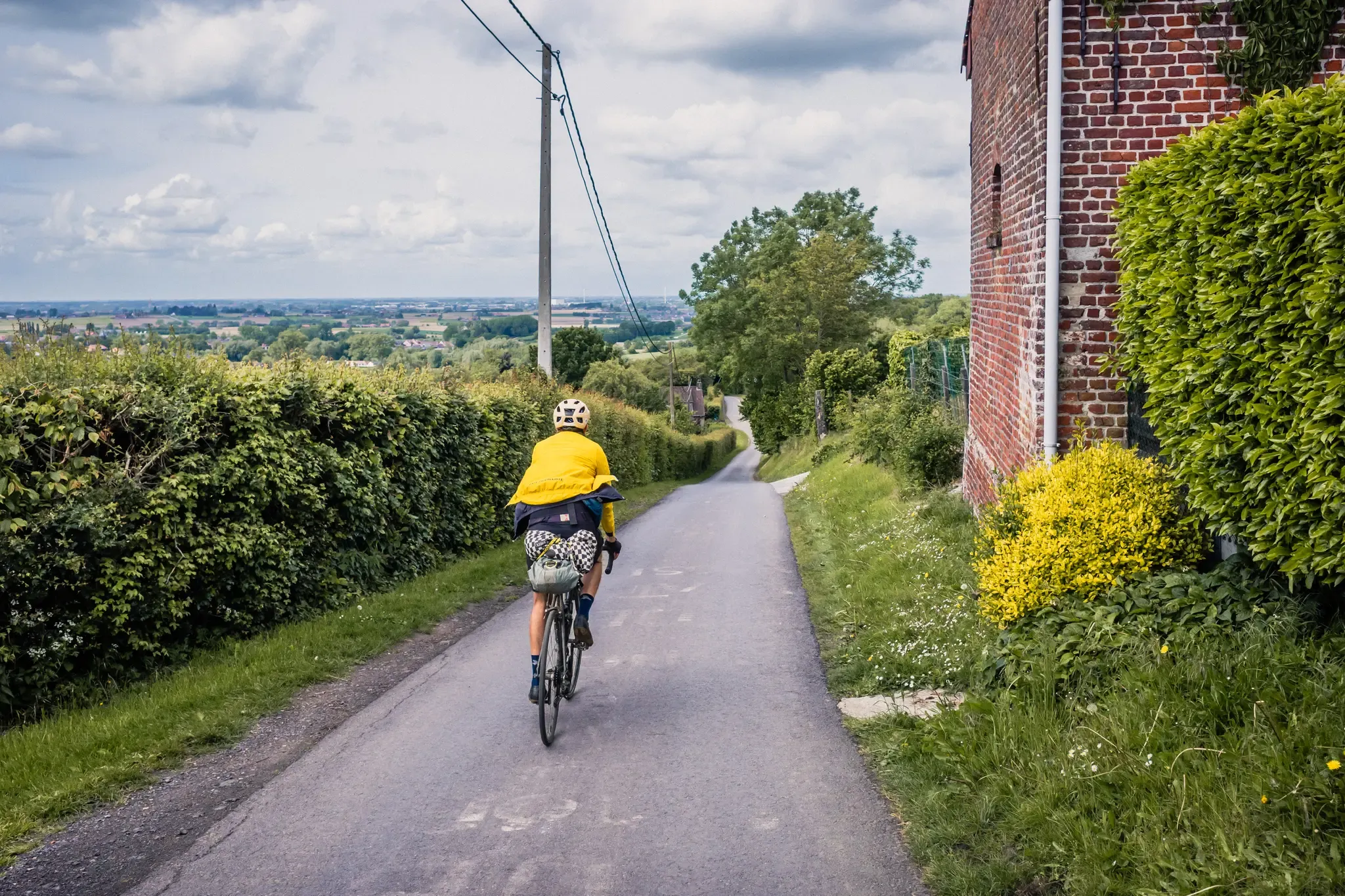
The Hilly Route from Brussels to Poperinge – bikepacking in Flanders
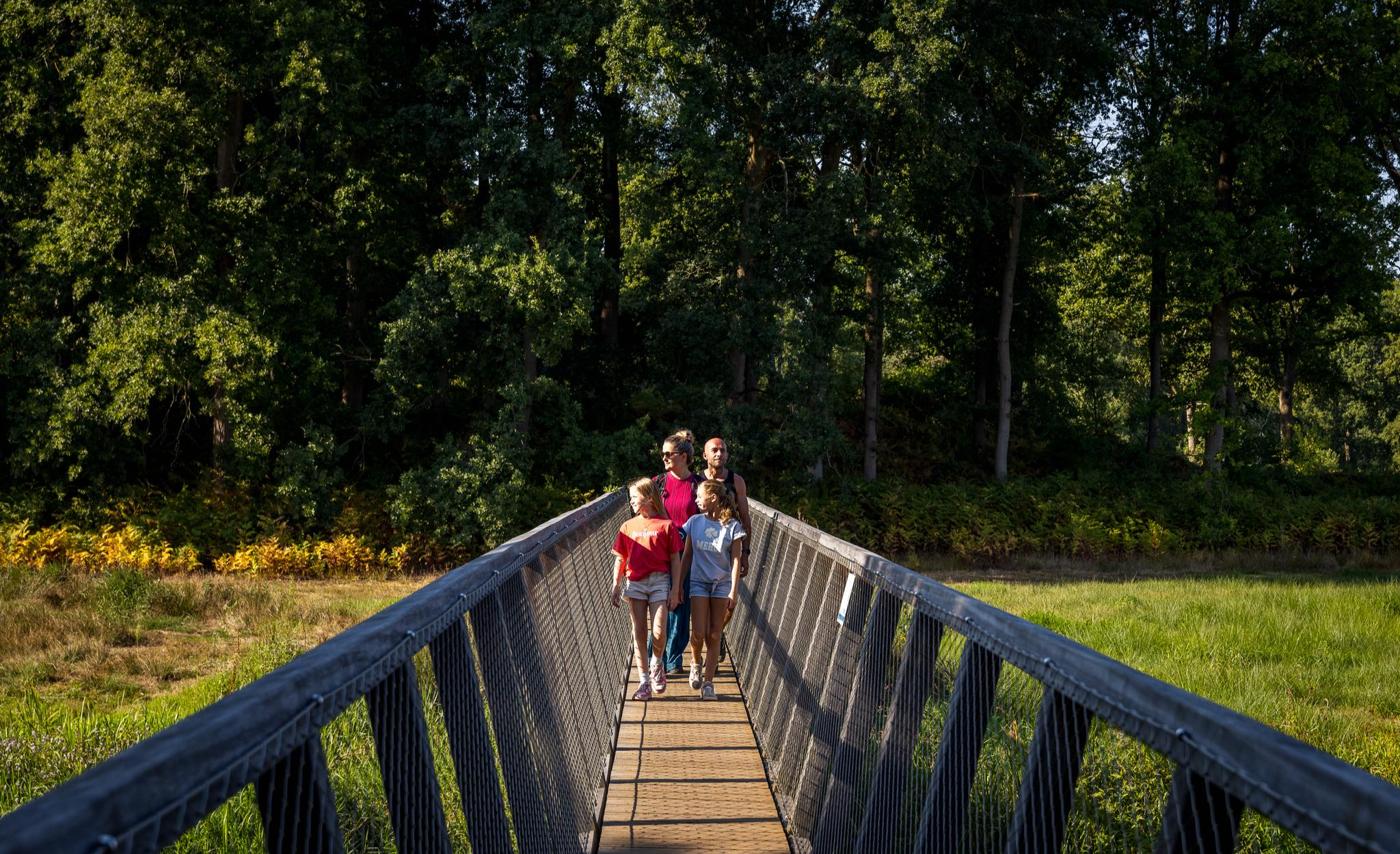
Flanders’ Finest Hiking Routes
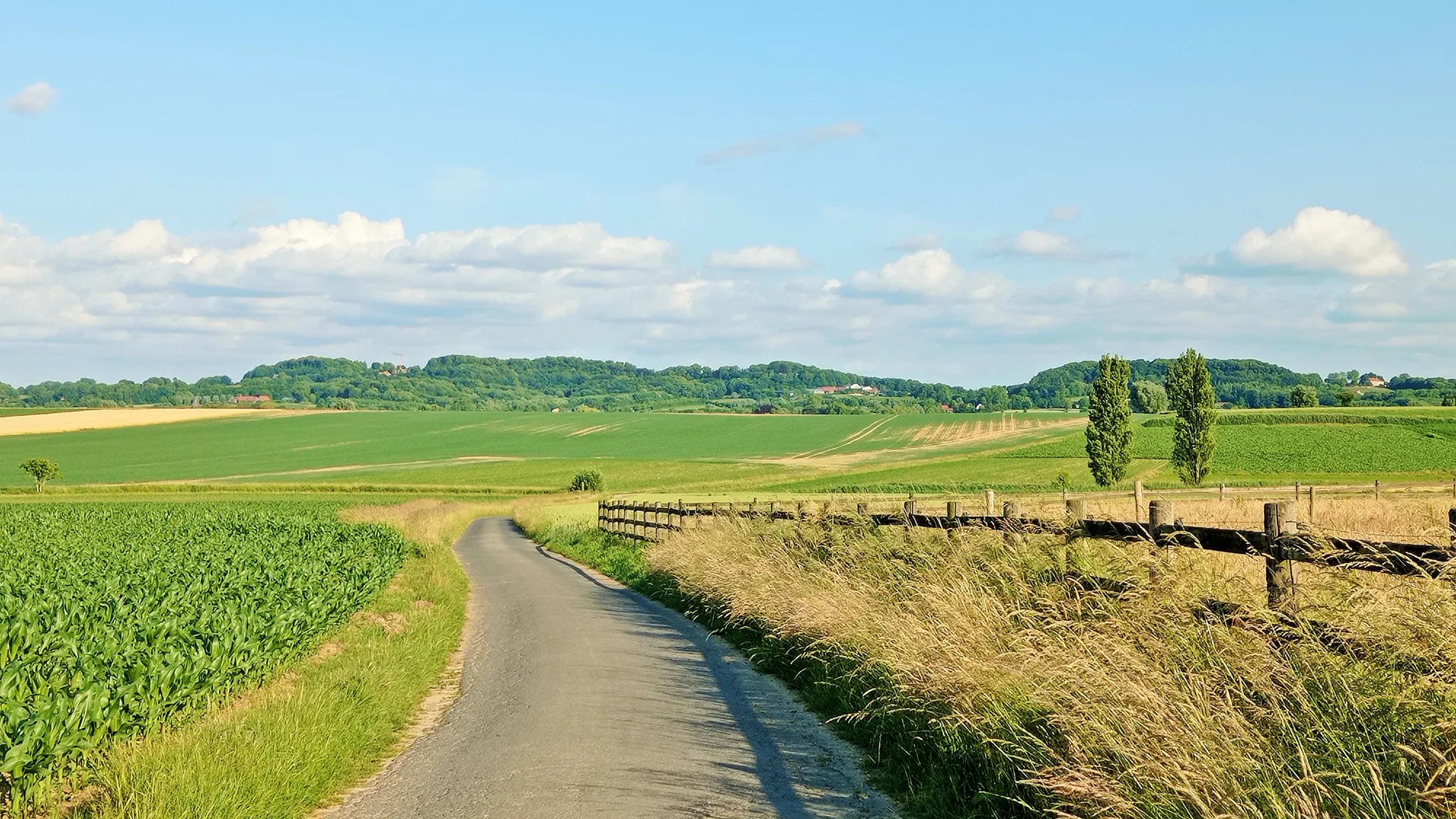
Seven-day Cycling tour through the South-Flemish hills – Hilly Route
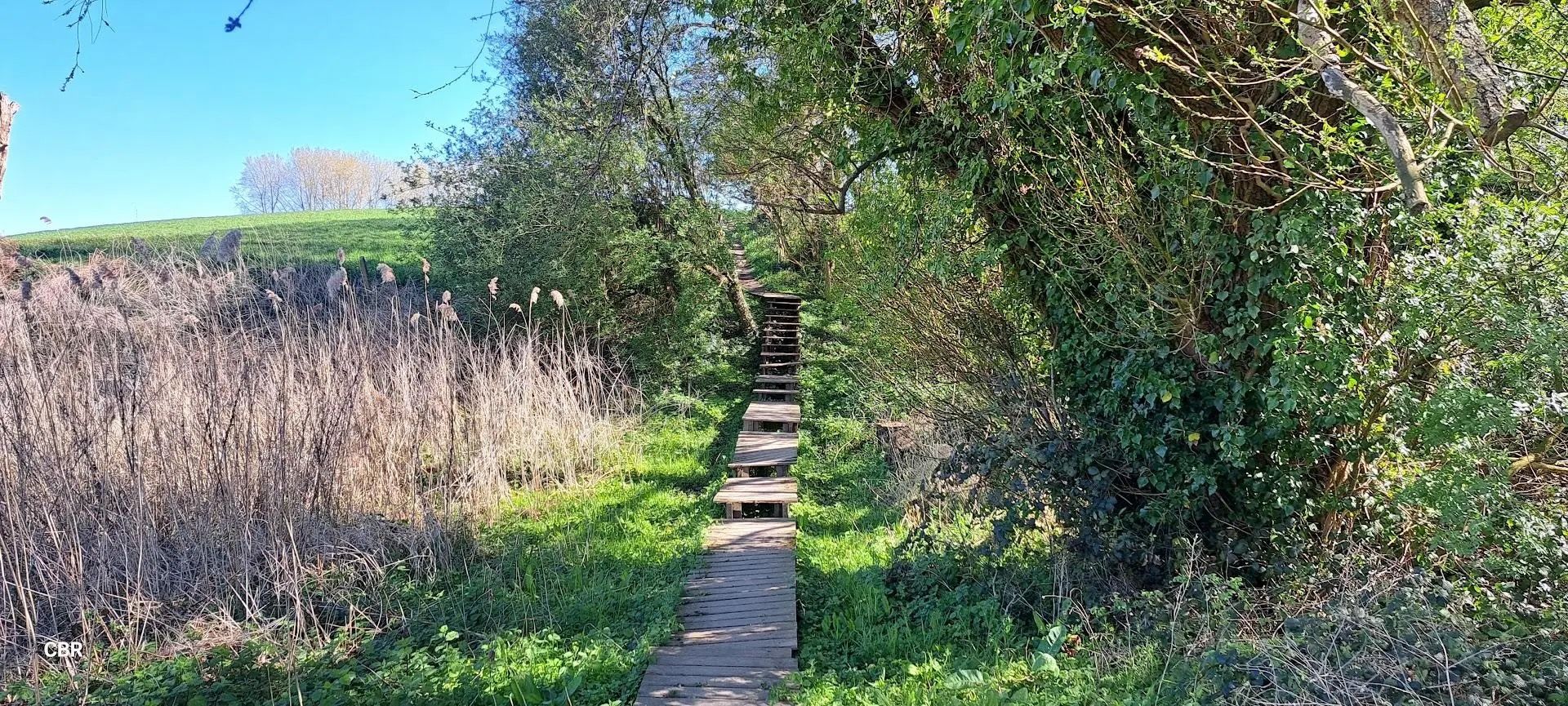
At the pace of the Westhoek - Streek-GR Heuvelland
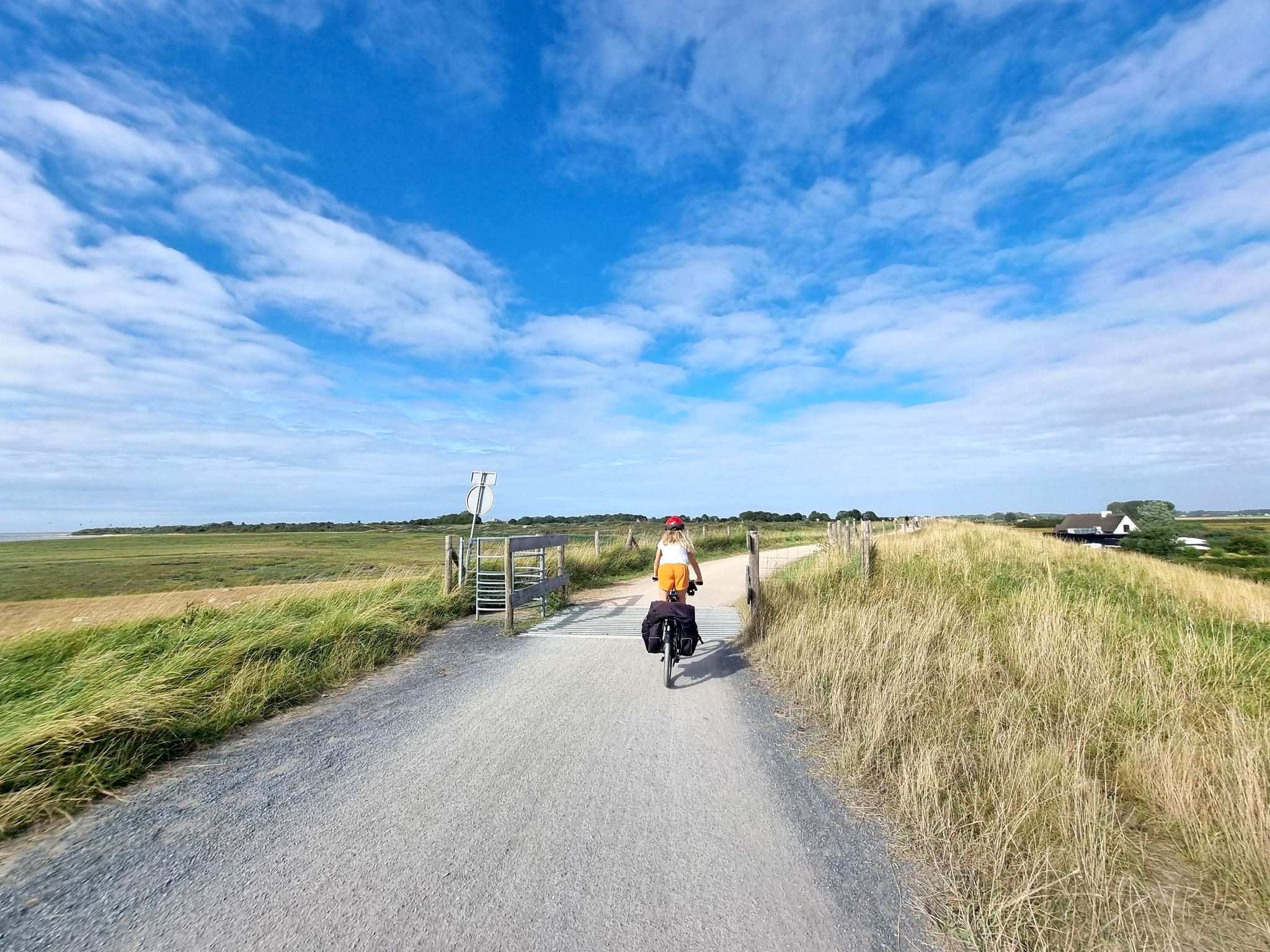
Sea, sand, and saddle – Coastal Route
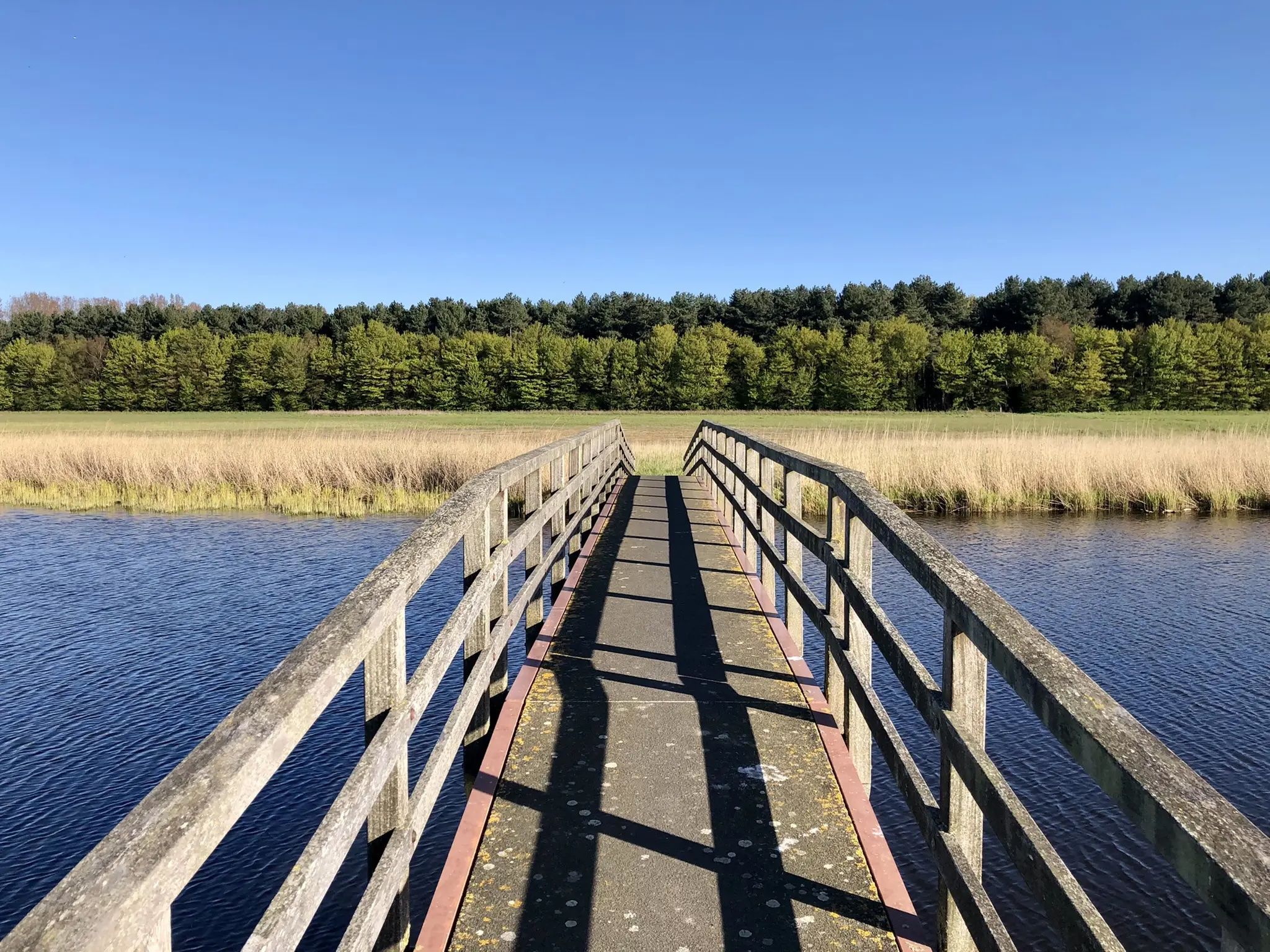
By West, East and Zeeuws-Vlaanderen — GR Uilenspiegel
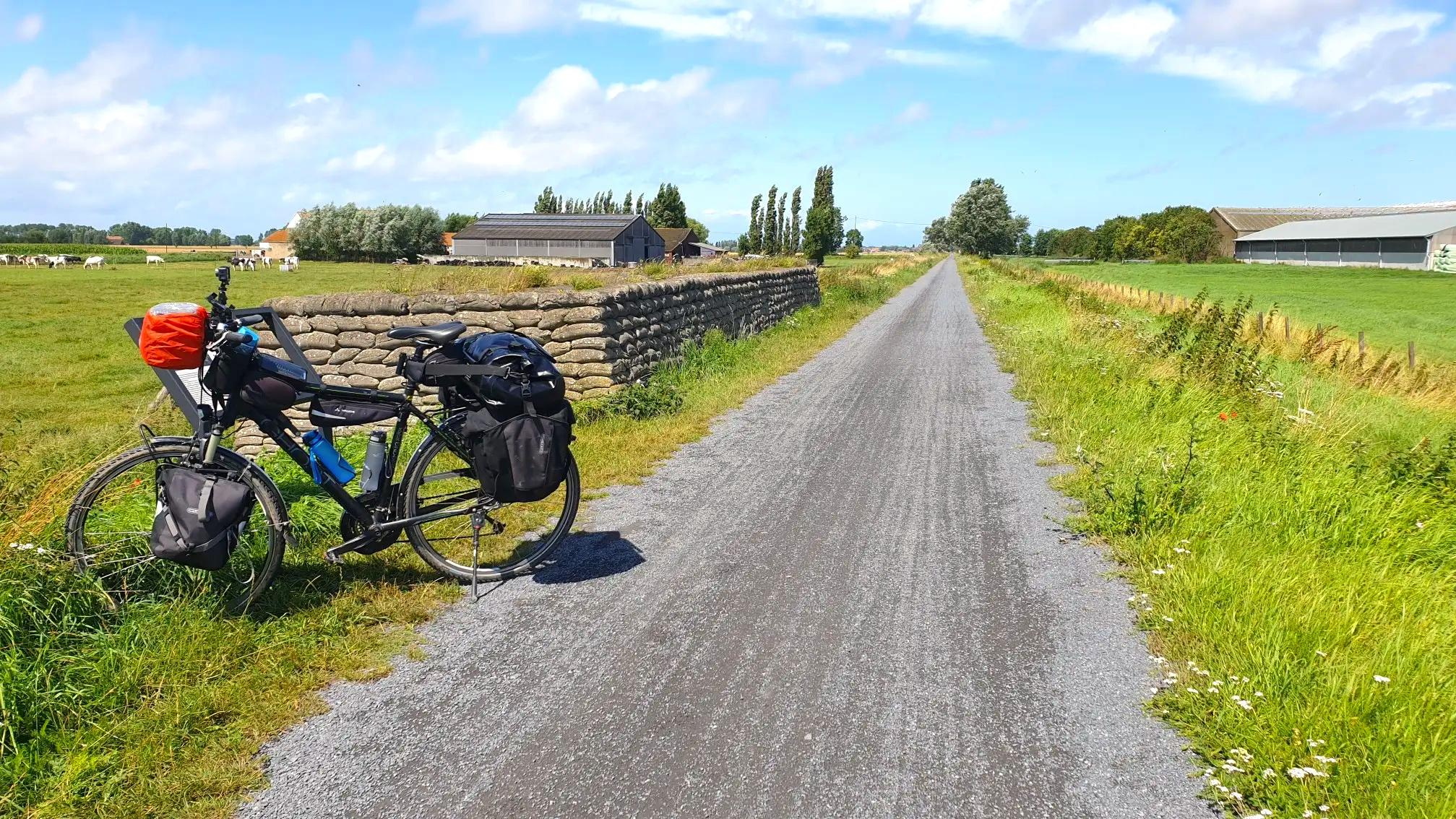
Cycling along the Belgian front - 14-18 Western Front Route
Other adventures in West Flanders


Tips from the Community

a wonderful place to study the Germans' defense against the rest of the world and also to see Prince Charles's house
0
0

Hill 60 is an authentic area from the First World War. The artificial hill, built in 1850, stood at a height of approximately 60 meters, hence the name Hill 60. Between 1914 and 1918, fierce fighting took place here between the Germans and the Allies. Starting in 1915, both sides dug tunnels under the hill in which mines were detonated. The explosion of the deep mines on June 7, 1917, created the current landscape of Hill 60. Many soldiers are still buried beneath this hill.
0
0

Easier side of Kemmelberg, but don't start too hard and leave some energy to the last part, which kicks just before the top.
0
0

superb hike....be careful if there is heavy rain in a small area which quickly becomes muddy...
0
1

some very beautiful works on the route
0
0

On this path on the edge of the Bos van Hellegat you dive into a beautiful green vegetation tunnel.
10
0
Just below the playground of De Kosmos you will find a building with the timeline of the history of De Kosmos. This offers a fascinating overview of the history of this iconic location. De Kosmos was originally a holiday domain and recreation area that was founded in the 1930s. The complex included a hotel, a restaurant, a party room, a music café, and an open-air swimming pool. In the 1960s to 1980s De Kosmos was a popular destination for youth movements, CM camps and forest classes. The open-air swimming pool, which was built in the 1960s, was an important feature of the domain and attracted many visitors. Unfortunately, the swimming pool was closed in 2002 due to safety issues, which eventually led to the closure of the entire complex. The building with the timeline gives visitors insight into this rich history, from its foundation to its heyday and its eventual closure. It is a great way to keep the memories of this special place alive.
13
0
Frequently Asked Questions
What kind of terrain can I expect on mountaineering routes in West Flanders?
West Flanders offers a diverse landscape for outdoor activities. While it doesn't feature high mountain ranges, you'll find gently rolling hills, particularly in the Heuvelland region, coastal dunes, and expansive polder landscapes. Routes often lead through picturesque forests, vineyards, and historic sites, providing varied experiences across modest elevations.
How many mountaineering routes are available in West Flanders?
There are 5 dedicated mountaineering routes listed in West Flanders, ranging from easy strolls to moderate climbs. These routes have been explored by over 8 komoot users, who have given them an average rating of 4.9 stars.
Are there any easy mountaineering routes suitable for beginners or families?
Yes, West Flanders offers easy routes perfect for beginners or families. For instance, the The Bluff Memorial and Crater – Caterpillar Crater loop from Hill 60 Preserved Battlefield (WWI) is an easy 3.6-mile (5.9 km) trail through a historic preserved battlefield. Another easy option is the Zeebermduinen – Coastal Tram Bikeway loop from Spelleplekke, which takes you along the coast.
Can I find challenging routes in West Flanders?
While West Flanders is not known for high-altitude mountaineering, some routes offer a good challenge, especially for those seeking ascents. The Heuvelland region, with its 'witness hills' like Kemmelberg, provides routes with notable gradients. For example, the Monteberg Vineyard – Kemmelberg cobbled climb loop from Heuvelland is a moderate 5.3-mile (8.5 km) path featuring a challenging cobbled climb.
Are there any circular mountaineering routes in West Flanders?
Many of the routes in West Flanders are designed as loops, offering convenient circular experiences. For example, the Hellegat Forest – View of the Flemish Hills loop from Loker is a popular 6.2-mile (10.0 km) circular trail with scenic views. Another option is the Kemmelberg cobbled climb – View of Monteberg loop from Heuvelland, which also forms a loop.
What natural features or landmarks can I see along the routes?
West Flanders offers a variety of natural features and historical landmarks. You can explore the unique ecosystems of the Zwin Nature Reserve or the Yser Estuary. For scenic viewpoints, consider visiting the Spioenkop Pavilion in Wenduine. Many routes also pass through picturesque forests and vineyards.
Are there any places to rest or find shelter along the trails?
Yes, you can find various shelters and hides along some routes, especially in nature areas. For instance, the Grutto Birdwatching Hide and the De Otter Bird Hide in De Blankaart offer spots for observation and rest. There's also the Shelter at the Knokkebrug.
What is the best season for mountaineering in West Flanders?
West Flanders is enjoyable for outdoor activities throughout much of the year. Spring and autumn offer pleasant temperatures and beautiful scenery, with blooming flowers or vibrant fall foliage. Summer is ideal for coastal routes, while winter can transform the polder landscapes into serene, quiet environments, though some paths might be muddy.
Are the routes in West Flanders dog-friendly?
Many outdoor areas and trails in West Flanders are dog-friendly, especially those through forests and open countryside. However, it's always recommended to check specific regulations for nature reserves or private lands, and to keep dogs on a leash where required to protect wildlife and other hikers.
Can I access mountaineering routes in West Flanders using public transport?
West Flanders has a good public transport network, including buses and the coastal tram, which can provide access to various starting points for routes. For specific routes, it's best to check local transport schedules to plan your journey to the nearest town or village.
Where can I find parking for the mountaineering trails?
Parking is generally available near popular trailheads and in the towns and villages that serve as starting points for routes. In areas like Heuvelland or coastal towns, you'll often find designated parking facilities. It's advisable to check specific route details or local information for the most convenient parking options.
Are there any cafes or pubs near the mountaineering routes?
Yes, West Flanders is dotted with charming villages and towns, many of which have cafes, pubs, and restaurants where you can refresh yourself after a hike. The Heuvelland region, in particular, is known for its hospitality, with establishments often found near popular routes and viewpoints.
Most popular routes in West Flanders
Most popular attractions in West Flanders

Get inspired with the komoot mobile app


Explore more
Browse the best Mountain Hikes & Routes in other regions.
