The best mountain hikes around Rioja Alavesa
16
hikers
3
hikes
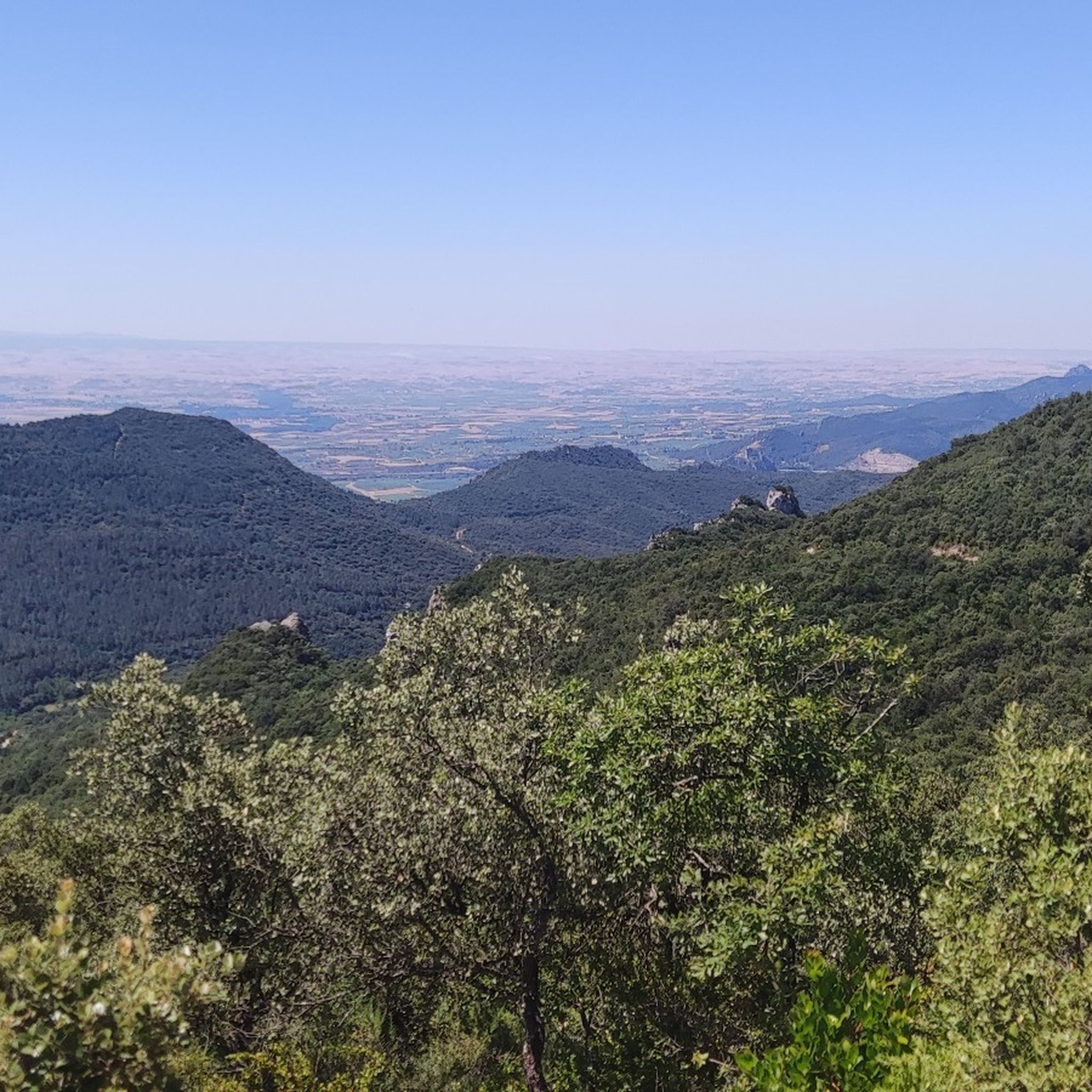
Mountaineering routes around Rioja Alavesa traverse a landscape defined by the Sierra Cantabria and Sierra de Toloño mountain ranges, which form a dramatic northern backdrop. The region features prominent peaks like Bonete de San Tirso and Castle Rock, offering varied ascents. Extensive vineyards create picturesque environments, while the Ebro River marks the southern border, providing additional scenic exploration opportunities.
Best mountaineering routes around Rioja Alavesa
- The most popular mountaineering route is Peña de los Cencerros – Ioar loop from Torralba…
Last updated: August 9, 2026
10
hikers
6.58km
03:33
600m
600m
Moderate mountaineering route. Good fitness required. Mostly accessible paths. Sure-footedness required.
3
hikers
13.2km
05:05
650m
650m
Hard mountaineering route. Very good fitness required. Sure-footedness, sturdy shoes and alpine experience required.

Sign up for free
3
hikers
8.07km
04:11
710m
710m
Hard mountaineering route. Good fitness required. Sure-footedness, sturdy shoes and alpine experience required.
Our route recommendations are based on thousands of hikes, rides, and runs completed by other people on komoot.
Start today with a free account
Your next adventure awaits.
Login or Signup
Popular around Rioja Alavesa
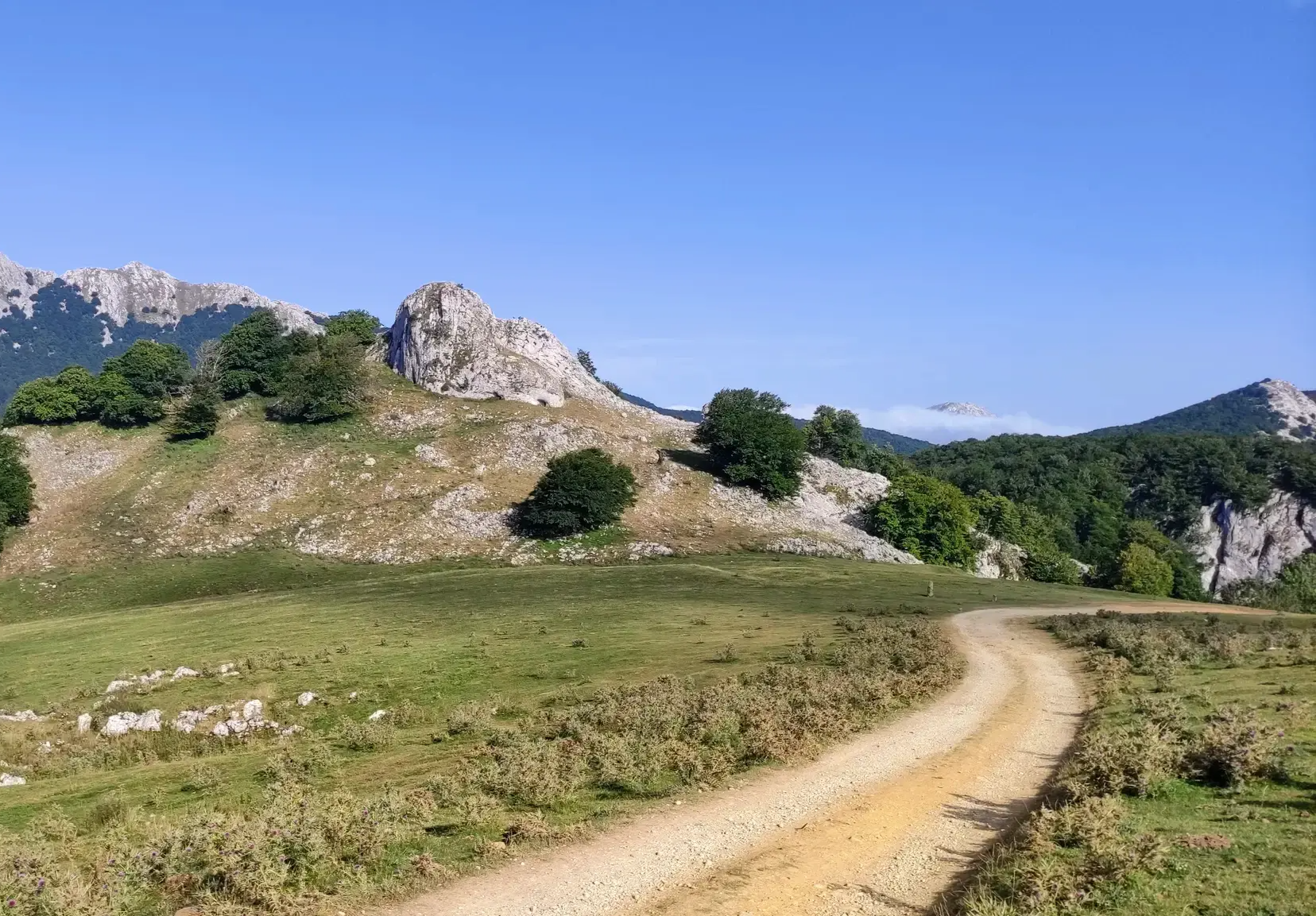
The Ignatian Way - In the footsteps of Ignatius of Loyola
Zazpiak Bat Packing – a cycling adventure in the Basque Country
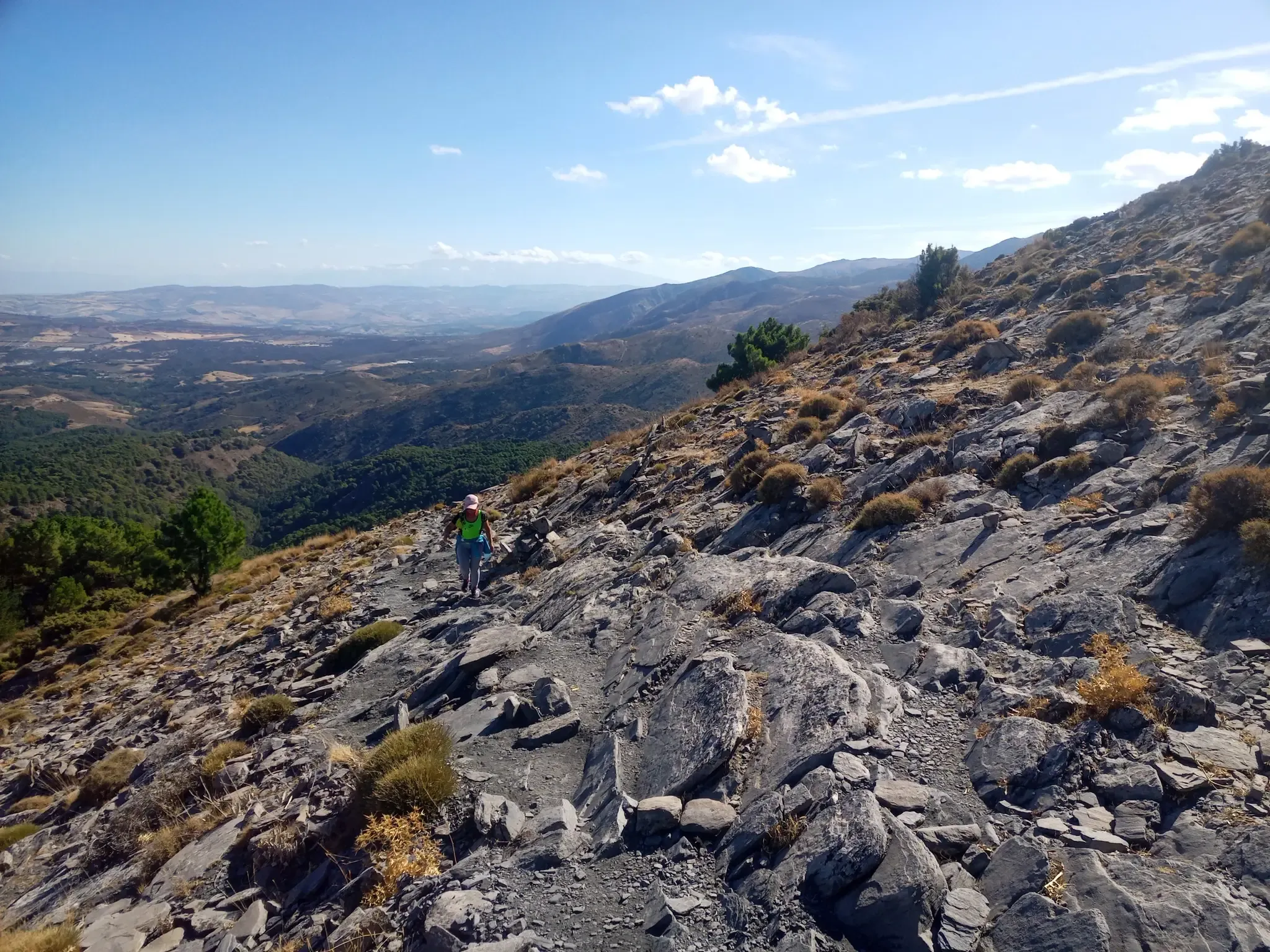
12 hiking gems throughout Spain
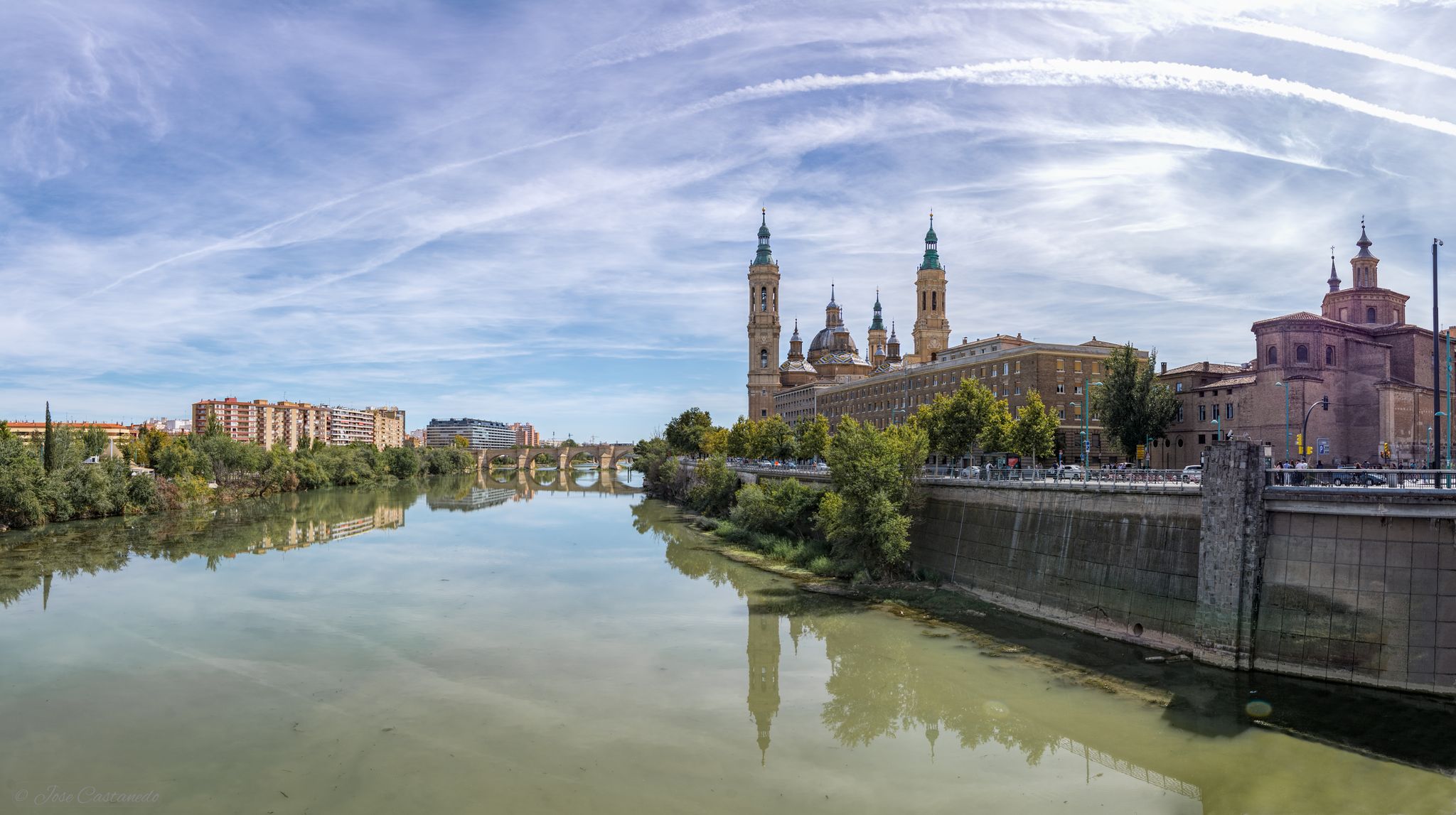
A river getaway – Ebro Natural Trail (GR 99)
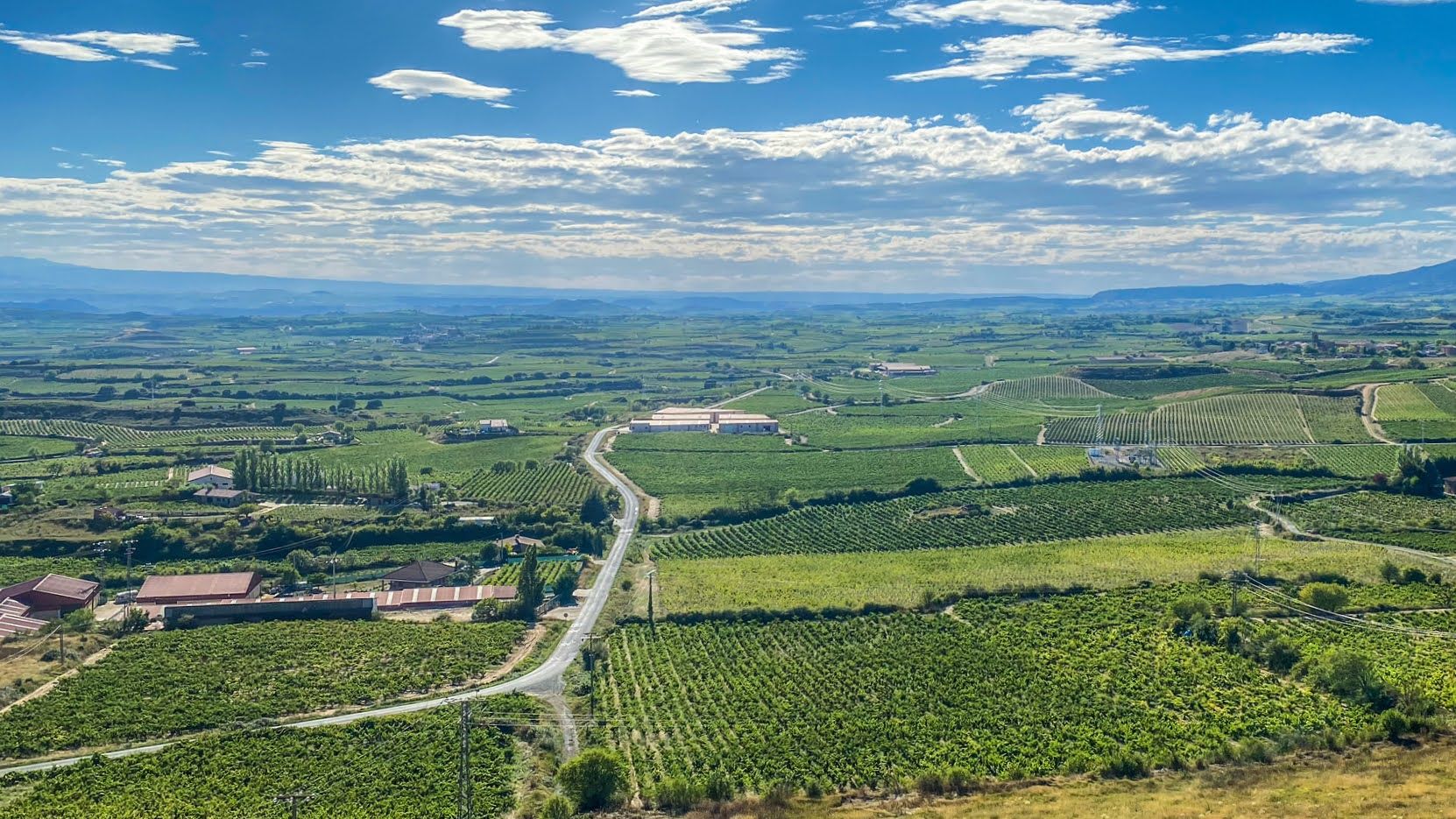
Endless asphalt between La Rioja’s vineyards – Spain’s Ruta del Vino
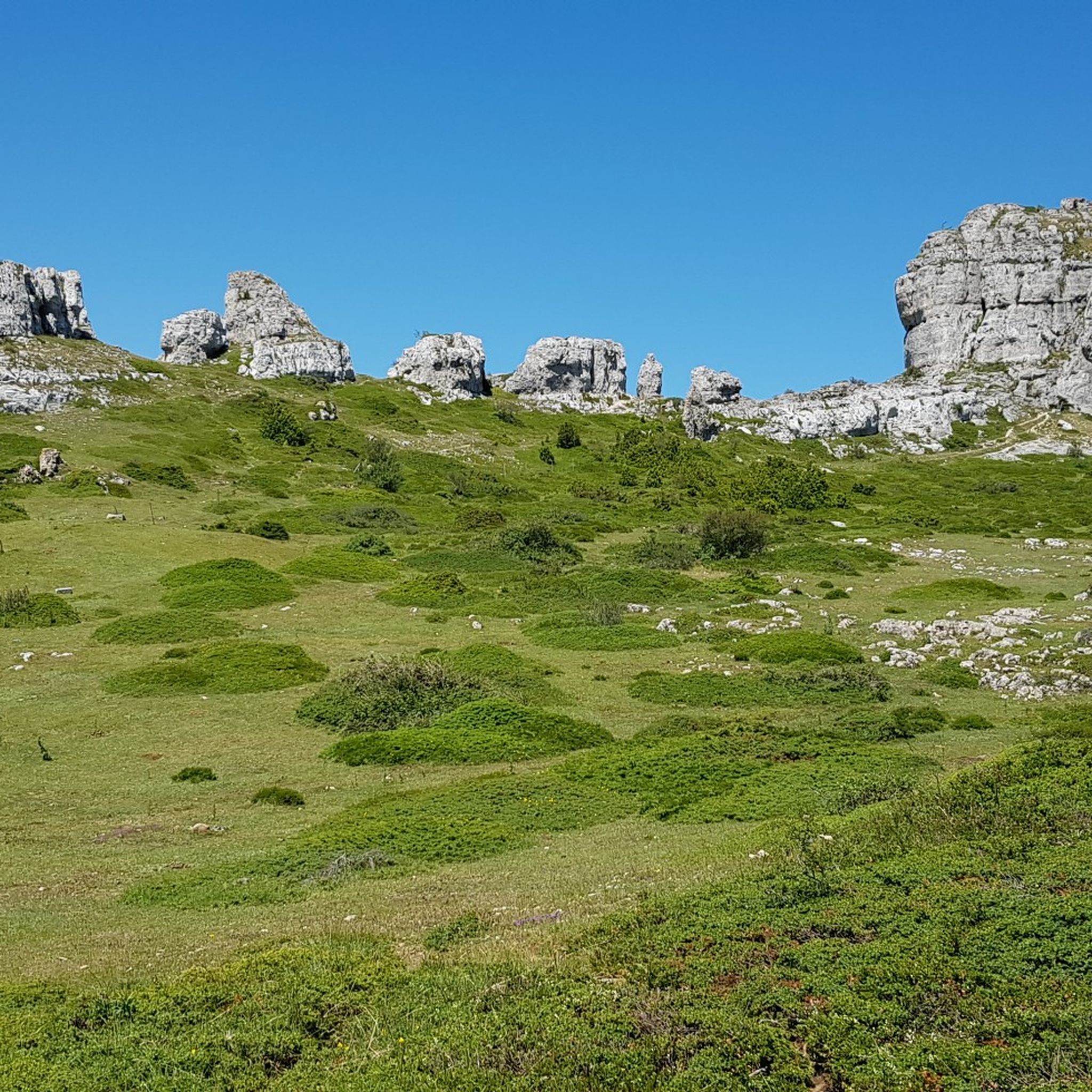
Hiking around Rioja Alavesa
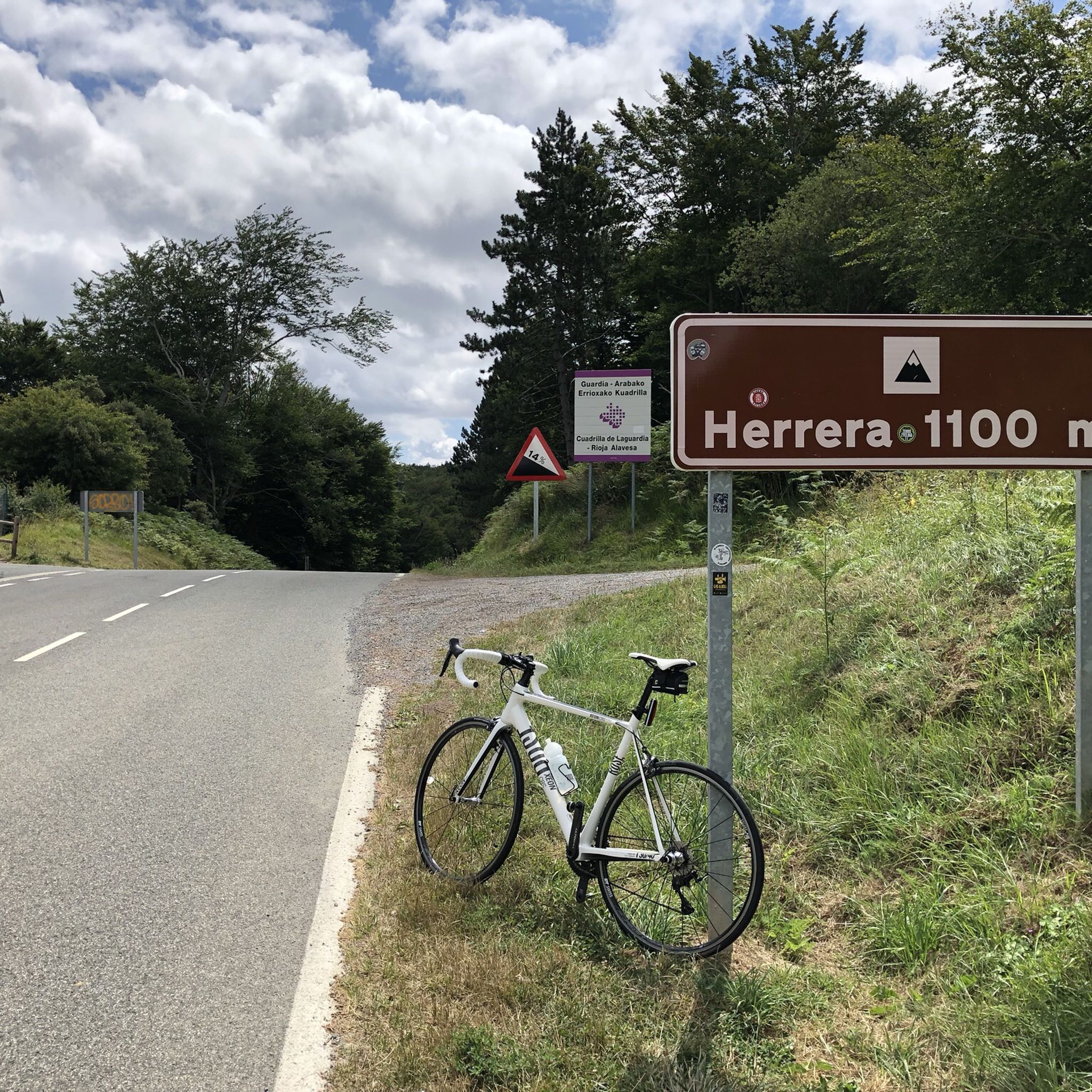
Road Cycling Routes around Rioja Alavesa
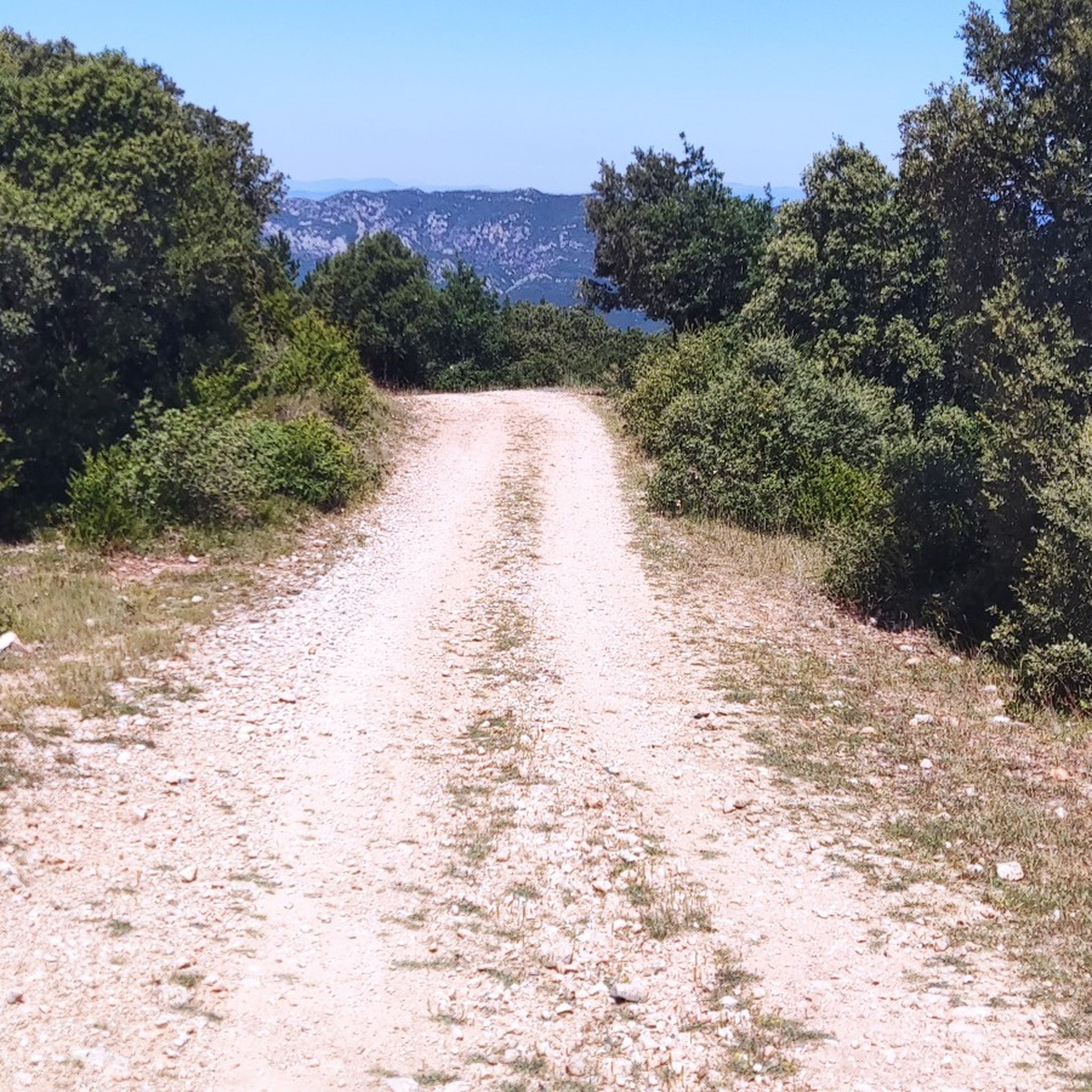
Cycling around Rioja Alavesa
MTB Trails around Rioja Alavesa
Running Trails around Rioja Alavesa
Other adventures around Rioja Alavesa


Tips from the Community

beautiful hermitage with a 2.5k climb at an average of 11%
1
0

The Sanctuary of the Virgin of Codés is located at the foot of the mountain range. It is a splendid 16th-century building built on the remains of a hermitage. The Baroque tower dates from the 18th century. The holy water fountain is next to the arcades, and there is also a guesthouse and gardens for relaxing and passing the time. The route climbs to the left of the building to a parking lot where signs and signs display the hiking trails. The path continues along the GR-1 long-distance trail, the Historical Trail, to Santa Cruz de Campezo, on the Álava side of the mountain range. The path is quite steep through a tunnel of oak trees, some of which are centuries old and stand out in a disturbing way against the dense forest.
1
0

Shelter in a magnificent location. It's not in bad condition, but it needs some improvements to make it an excellent shelter.
0
0

Shelter with firewood and several other services.
0
0

One of the emblematic peaks of the area, a joy of views.
0
0
I advise reaching it from the south side, from Laguardia, in winter, and from the north side, from Lagrán, in the summer.
3
0

If you are interested in an "alpine" hike, you should definitely take the summit path from Puerto de Toro.
1
0

Characteristic summit of the Sierra de Toloña near Mount San Tirso. It is a steep peak that has the shape of a bishop's hat, from which the name comes.
1
0
Frequently Asked Questions
Are there mountaineering routes suitable for beginners in Rioja Alavesa?
Yes, Rioja Alavesa offers several moderate mountaineering routes that are suitable for those with some experience or beginners looking for a challenge. For example, the Peña de los Cencerros – Ioar loop from Torralba del Río is a moderate 4.1-mile (6.6 km) trail that takes around 3 hours 32 minutes, offering panoramic views without extreme difficulty. Another moderate option is the El Gallo Summit loop from Bernedo, which is about 4.4 miles (7.1 km) long.
What are some challenging mountaineering routes in Rioja Alavesa?
For experienced mountaineers seeking a challenge, Rioja Alavesa's Sierra Cantabria and Sierra de Toloño ranges offer several difficult routes. The Bonete de San Tirso – San Tirso Peak (1,333 m) loop from Navarrete is a demanding 8.2-mile (13.2 km) path ascending to a distinctive peak with expansive vistas. Another difficult option is the La Plana – Ioar loop from Torralba del Río, a 5.2-mile (8.3 km) trail through rugged mountainous terrain. The Cruz del Castillo – Puerto del Toro loop from Lagrán also presents a difficult 3.8-mile (6.1 km) climb.
Can I find circular mountaineering routes in Rioja Alavesa?
Yes, many of the mountaineering routes in Rioja Alavesa are designed as circular loops, allowing you to start and end at the same point. Examples include the Peña de los Cencerros – Ioar loop from Torralba del Río, the Bonete de San Tirso – San Tirso Peak (1,333 m) loop from Navarrete, and the Cruz del Castillo – Puerto del Toro loop from Lagrán. These loops offer varied terrain and ensure you experience different views throughout your journey.
What natural landmarks can I see while mountaineering in Rioja Alavesa?
Mountaineering in Rioja Alavesa offers stunning views of the Sierra Cantabria and Sierra de Toloño mountain ranges. You can encounter prominent peaks like Bonete de San Tirso, known for its distinctive shape, and Castle Rock. The Herrera Pass also provides incredible panoramic views of the entire Rioja Alavesa region, including the meandering Ebro River.
Are there any historical or cultural sites near the mountaineering trails?
Yes, Rioja Alavesa is rich in history and culture. You can combine your mountaineering adventure with visits to charming medieval villages like Laguardia, which boasts a well-preserved medieval layout. Nearby, you can explore archaeological sites such as La Hoya and ancient dolmens like the Dolmen of the Witch's Hut. The region also features unique architectural landmarks like Bodegas Ysios and the Marqués de Riscal Hotel.
What is the best time of year for mountaineering in Rioja Alavesa?
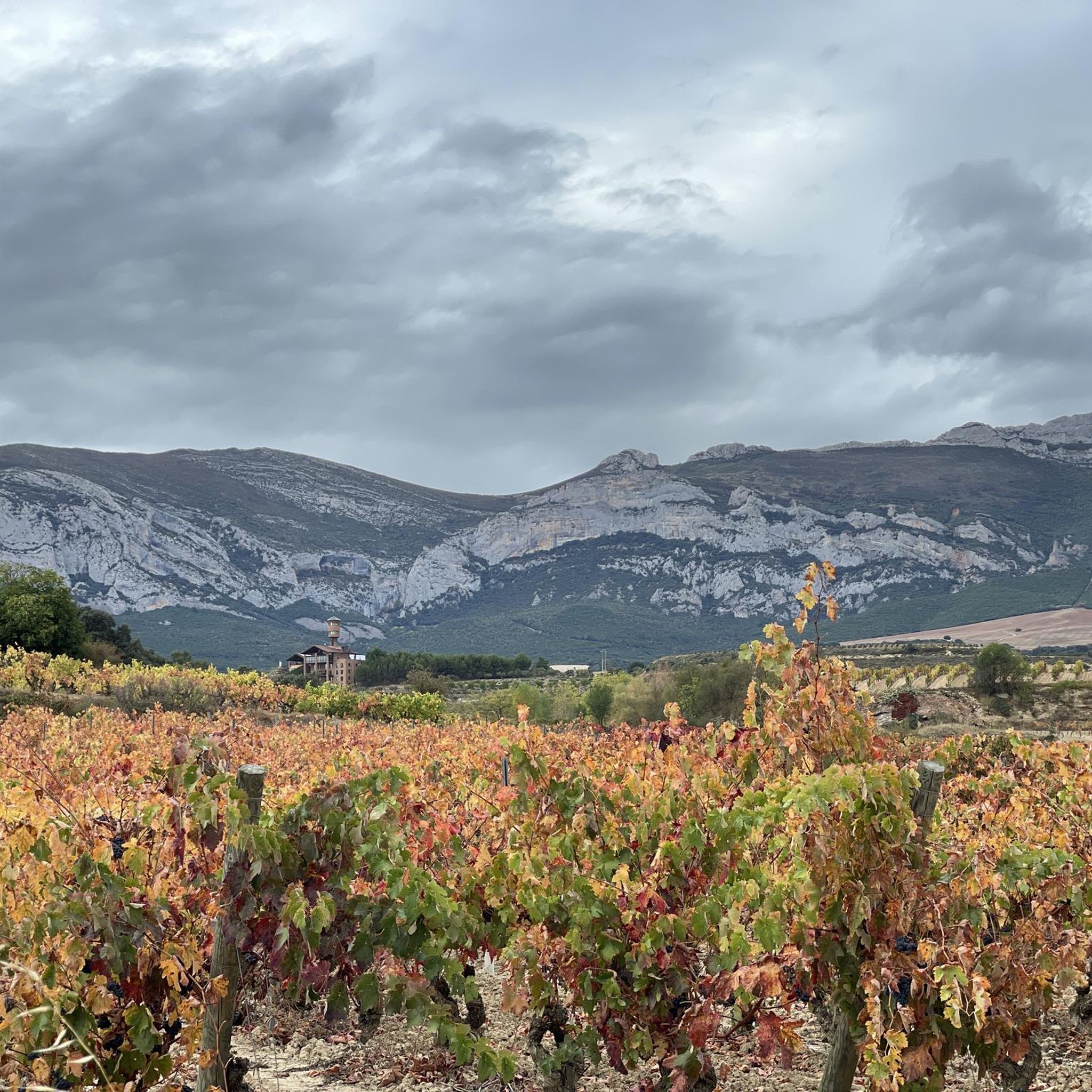
The best time for mountaineering in Rioja Alavesa generally depends on your preference for weather and scenery. Spring and autumn offer pleasant temperatures and beautiful landscapes, with autumn providing vibrant red and ochre foliage in the vineyards. While the region is protected by the Sierra Cantabria, making for favorable conditions, it's always advisable to check local weather forecasts, especially for higher altitudes, as conditions can change rapidly.
How long do mountaineering routes in Rioja Alavesa typically take to complete?
The duration of mountaineering routes in Rioja Alavesa varies depending on their length and difficulty. Moderate routes, such as the Peña de los Cencerros – Ioar loop, can take around 3.5 hours. More difficult and longer routes, like the Bonete de San Tirso – San Tirso Peak loop, typically require over 5 hours to complete. Always factor in your fitness level and planned breaks when estimating your total time.
Is public transport available to access the mountaineering areas in Rioja Alavesa?
While public transport options exist within the broader Rioja Alavesa region, direct access to the starting points of specific mountaineering trails can be limited. Many trailheads are located in smaller villages or more remote areas. It is often recommended to use a car for maximum flexibility, or research local bus services to nearby towns and then arrange for a taxi or a longer walk to the trailhead.
Are the mountaineering routes in Rioja Alavesa suitable for families?
Some mountaineering routes in Rioja Alavesa can be suitable for families, especially those with older children who are accustomed to hiking. Look for routes described as 'moderate' in difficulty and check the distance and elevation gain to ensure they align with your family's capabilities. The region also offers numerous walking trails through vineyards that are generally less strenuous and very scenic for a family outing.
Can I bring my dog on the mountaineering routes in Rioja Alavesa?
Generally, dogs are welcome on many outdoor trails in Rioja Alavesa, including mountaineering routes. However, it's crucial to keep your dog on a leash, especially in areas with livestock or wildlife, and to follow local regulations. Always carry water for your dog and be mindful of their physical limits on longer or more challenging ascents. Check specific trail information for any restrictions before you go.
What do other mountaineers say about the routes in Rioja Alavesa?
The mountaineering routes in Rioja Alavesa are highly regarded by the komoot community. Over 20 mountaineers have explored the varied terrain using komoot, often praising the dramatic landscapes of the Sierra Cantabria and Sierra de Toloño, and the rewarding views from peaks like Bonete de San Tirso. The blend of challenging ascents and picturesque vineyard scenery is frequently highlighted as a unique aspect of the region.
What makes the mountaineering in Rioja Alavesa unique?
Mountaineering in Rioja Alavesa is unique due to its distinctive blend of rugged mountain ranges and cultural landscapes. The Sierra Cantabria and Sierra de Toloño provide formidable peaks and challenging ascents, while the extensive vineyards create a picturesque and serene environment. This combination allows mountaineers to experience both demanding physical activity and the rich cultural heritage of the wine region, often with panoramic views that stretch from the mountains to the Ebro River.
Most popular routes around Rioja Alavesa
Most popular attractions around Rioja Alavesa

Get inspired with the komoot mobile app


Explore more
Browse the best Mountain Hikes & Routes in other regions.
