The best gravel rides in Marjal I Estany De La Ribera Sud Del Xúquer
4.6
(42)
419
riders
52
rides
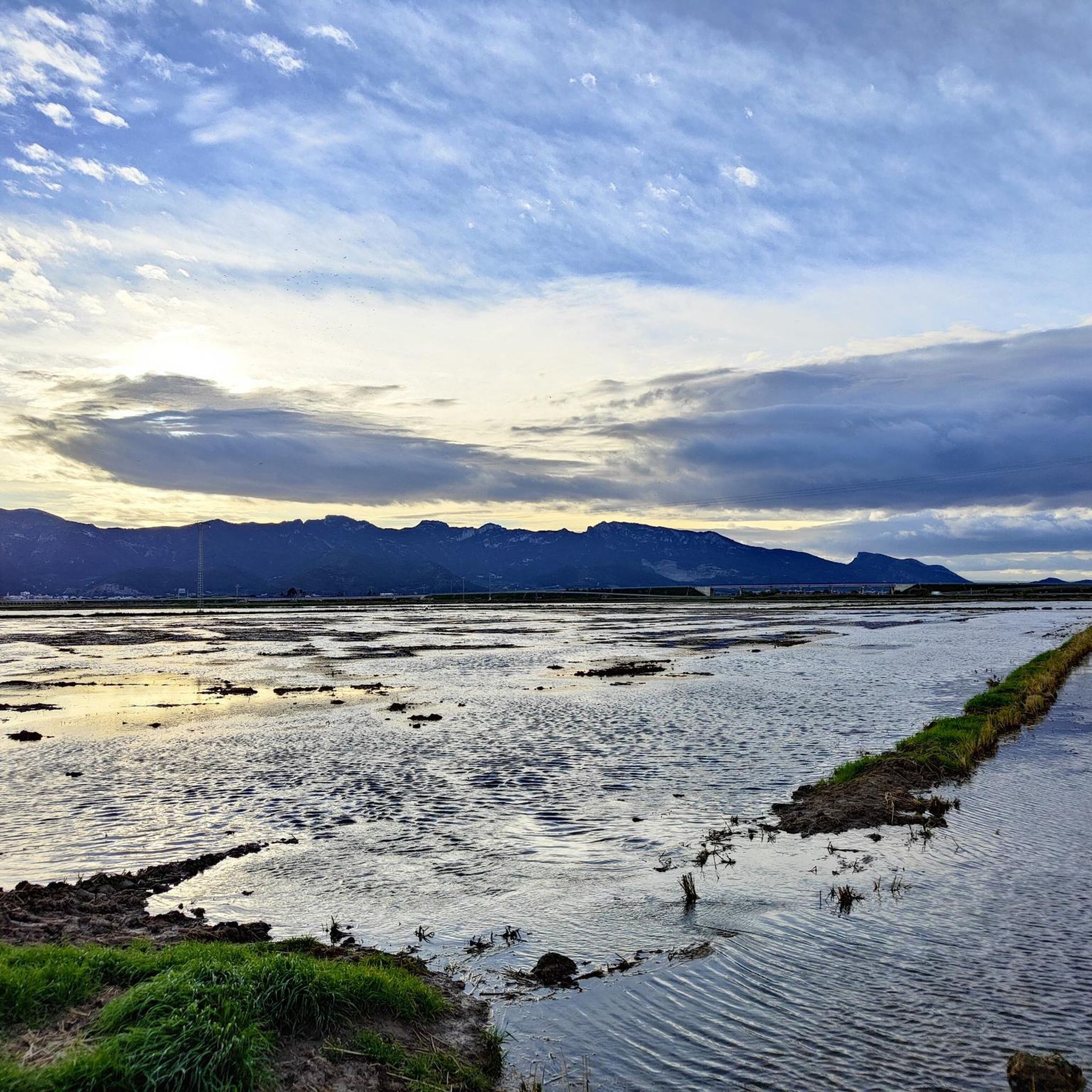
Gravel biking in Marjal I Estany De La Ribera Sud Del Xúquer offers an extensive network of accessible routes through unique wetland landscapes. The region is characterized by expansive coastal wetlands, known as "marjales," featuring vast rice fields, shallow lagoons, and an intricate network of canals fed by freshwater springs. This predominantly flat terrain, combined with rural roads and tracks, provides an ideal environment for gravel biking, allowing riders to explore diverse habitats and scenic riverbanks.
Best gravel bike trails…
Last updated: November 8, 2026
5.0
(1)
10
riders
31.3km
01:59
40m
40m
Easy gravel ride. Mostly paved surfaces.
5.0
(1)
14
riders
Hard gravel ride. Very good fitness required. Mostly paved surfaces.

5.0
(2)
26
riders
67.3km
03:49
200m
200m
Moderate gravel ride. Good fitness required. Mostly paved surfaces.
5.0
(1)
6
riders
Moderate gravel ride. Good fitness required. Mostly paved surfaces.
5.0
(1)
13
riders
Hard gravel ride. Good fitness required. You may need to push your bike for some segments of this route.
Get access to more routes and recommendations from other explorers.
Already have an account?
Our route recommendations are based on thousands of hikes, rides, and runs completed by other people on komoot.
Start today with a free account
Your next adventure awaits.
Popular around Marjal I Estany De La Ribera Sud Del Xúquer


Tips from the Community

El convent d'Aigües Vives, també anomenat Reial Monestir de Santa Maria d'Aigües Vives, és un antic monestir amb orígens que es remunten al segle XIII. L'edifici actual es va construir durant els segles XVI i XVII, amb els corresponents estils, renaixentista i barroc, si bé l'ala nord es va acabar en el segle XVIII. El monestir va pertànyer a l'orde dels agustins, orde que custodiava la imatge de la Mare de Déu d'Aigües Vives, patrona de la ciutat de La Barraca d'Aigües Vives. A mitjan segle XIX, a conseqüència de la desamortització de Mendizábal, els monjos hagueren d'abandonar el cenobi. Aquest va passar a mans dels barons de Casanova, que el destinaren com a habitatge rural. L'any 1977 el monestir fou adquirit i reformat per a destinar-lo a hotel residència per Antonio Vidal Bellver (fotògraf i empresari de Carcaixent). Actualment és propietat d'un empresari hoteler de Gandia. El 2024, la Generalitat Valenciana va instar els nous propietaris a fer obres per a mantenir aquesta obra major que ha patit un deteriorament progressiu com a conseqüència de robatoris, vandalisme i abandonament.
1
0
La ruta per la mota dreta del riu transcorre entre les cases del poble i el propi riu.
1
0

The bridge over the CV-50 between Carcaixent and Tabernes is finally operational, and you can now travel along the entire greenway without entering the CV-50, which was a danger.
1
0

Beautiful view in the middle of the Monasteries route shortly before reaching "La vall dignita"
1
0
It is part of the greenway that recovers the old layout of the "vineyard" between Carcaixent and Gandia.
2
0

Cool thing, often missing. Since I've already crawled through drainage channels under the streets, I appreciate such transitions ever since.
0
0
Almost via Verde. Nice section of this route, easy to ride and not difficult.
0
0
Footbridge that completes the greenway of the Old Train and avoids crossing the road near the Barraca d'Aigües Vives.
1
0
Frequently Asked Questions
What kind of terrain can I expect on gravel bike routes in Marjal I Estany De La Ribera Sud Del Xúquer?
The region features predominantly flat terrain, characterized by extensive coastal wetlands, vast rice fields, and an intricate network of canals. You'll ride on rural roads, tracks, and paths, offering a unique experience through agricultural landscapes and alongside waterways. The flat nature of the marshlands means routes are generally not technically challenging.
What are the typical elevation gains on gravel bike trails in this area?
Many routes in Marjal I Estany De La Ribera Sud Del Xúquer are relatively flat, especially those winding through the wetlands and rice fields. For example, the Bridge over the Vaca River – Ullal de l’Estany del Duc loop from Tavernes de la Valldigna has an elevation gain of around 41 meters. However, some routes, like the La Visteta Viewpoint – Port de Barx loop from Tavernes de la Valldigna, can include significant elevation gains, reaching up to 499 meters, offering panoramic views.
Are there family-friendly gravel biking options in Marjal I Estany De La Ribera Sud Del Xúquer?
Yes, the predominantly flat terrain and extensive network of paths make many routes suitable for families. Look for routes with lower elevation gains and shorter distances. For instance, the Júcar River Levee – Riola (Rio Júcar) loop from Corbera is an easy route with minimal elevation, perfect for a relaxed family outing.
What natural attractions or points of interest can I see along the gravel routes?
The region is rich in natural beauty. You can explore the unique wetland landscapes, vast rice fields, and freshwater springs known as 'ullals'. Highlights include the Path Through the Southern Júcar Marshes and the scenic Júcar River Levee. The Route Through the Rice Fields of Marjal i Estany de la Ribera Sud del Xúquer offers picturesque views that change with the seasons.
What is the best time of year for gravel biking in Marjal I Estany De La Ribera Sud Del Xúquer?
The region is suitable for gravel biking for much of the year. Spring and autumn generally offer the most pleasant temperatures for riding. Summers can be hot, but the flat terrain and coastal breezes can still make for enjoyable rides, especially in the mornings or late afternoons. Winters are mild, making it a good destination for year-round cycling.
Are dogs allowed on the gravel bike trails?
While many natural areas in Spain allow dogs on trails, especially if kept on a leash, the Marjal I Estany De La Ribera Sud Del Xúquer is a protected natural area, designated as a Special Protection Area for Birds (ZEPA zones) and a Ramsar site. It's advisable to check specific local regulations for each section of the marshland you plan to visit, as rules can vary to protect wildlife, especially during nesting seasons. Always keep your dog under control.
Where can I find parking for gravel biking routes in the area?
Parking is generally available in the towns and villages bordering the marshlands, such as Tavernes de la Valldigna, Corbera, or Albalat de la Ribera, which serve as common starting points for many routes. Look for public parking areas within these communities, often near the start of popular trails or local amenities.
Can I access the gravel biking areas using public transport?
Access to the region is possible via public transport, particularly to the larger towns surrounding the marshlands. Regional train lines and bus services connect cities like Valencia with towns such as Sueca or Cullera, which are close to parts of the Marjal. From these towns, you might need to cycle a short distance to reach the specific gravel routes. Check local transport schedules for the most up-to-date information.
Are there any permits required for cycling in the Marjal I Estany De La Ribera Sud Del Xúquer?
Generally, no specific permits are required for cycling on the public roads and designated paths within the Marjal I Estany De La Ribera Sud Del Xúquer. However, as it is a protected natural park, cyclists are expected to respect environmental regulations, stay on marked trails, and avoid disturbing wildlife. Always be mindful of any signage indicating restricted areas or specific rules.
What kind of wildlife might I encounter while gravel biking?
The wetlands are a paradise for birdwatching, being a Special Protection Area for Birds. You might spot flamingos, various species of herons, ducks, and even the critically endangered marbled teal. The area also hosts endemic fish like the samaruc and European pond turtles. Keep an eye out, especially in quieter sections of the routes, but always maintain a respectful distance.
Are there places to eat or drink near the gravel trails?
Yes, the towns and villages surrounding the Marjal, such as Tavernes de la Valldigna, Corbera, Sueca, and Cullera, offer a variety of cafes, bars, and restaurants where you can refuel. These establishments often serve traditional Valencian cuisine, including local rice dishes. Plan your route to pass through these towns for convenient refreshment stops.
What do other gravel bikers enjoy most about gravel biking in Marjal I Estany De La Ribera Sud Del Xúquer?
The area is highly rated by the komoot community, with an average score of 4.6 stars. Reviewers often praise the unique and diverse landscapes, from the expansive rice fields to the tranquil wetlands and scenic riverbanks. The accessible, mostly flat terrain is also frequently highlighted, making it enjoyable for a wide range of cyclists seeking a peaceful ride through nature.
Most popular routes in Marjal I Estany De La Ribera Sud Del Xúquer
Most popular attractions in Marjal I Estany De La Ribera Sud Del Xúquer

Get inspired with the komoot mobile app


Explore more
Browse the best Gravel rides in other regions.
