The best gravel rides in Paratge Natural Municipal Muntanya De Llaurí
4.5
(24)
211
riders
22
rides
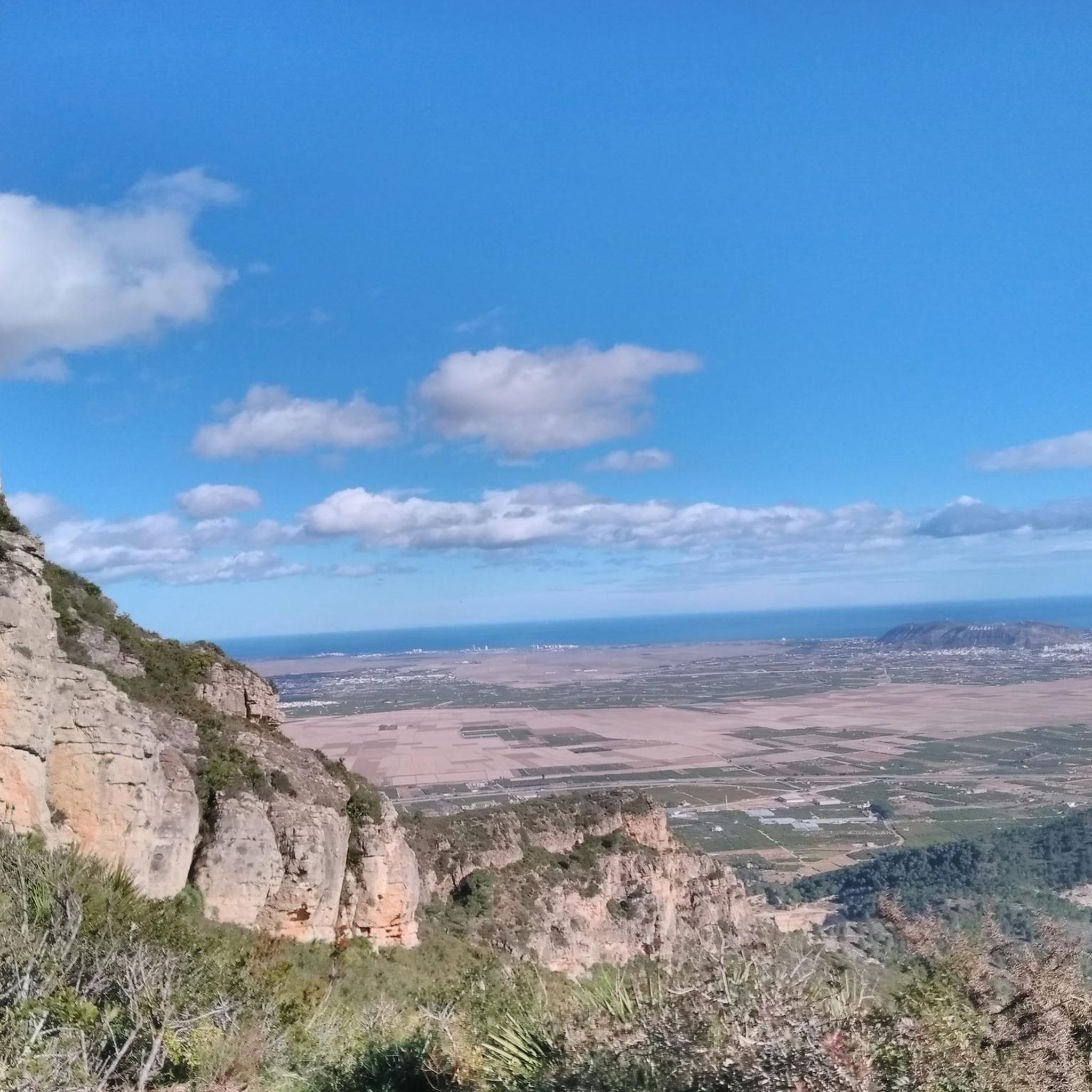
Gravel biking in Paratge Natural Municipal Muntanya De Llaurí offers a diverse landscape for riders. The region features varied terrain, including river levees, historical routes, and ascents into the hills. Riders can expect a mix of flat sections along waterways and more challenging climbs through natural areas.
Best gravel bike trails in Paratge Natural Municipal Muntanya De Llaurí
- The most popular gravel bike trail is Júcar River Levee – Riola (Rio Júcar) loop from Corbera, a 14.4 miles (23.2…
Last updated: October 6, 2026
5.0
(1)
10
riders
31.3km
01:59
40m
40m
Easy gravel ride. Great for any fitness level. Mostly paved surfaces. Suitable for all skill levels.
5.0
(1)
14
riders
Hard gravel ride. Very good fitness required. Mostly paved surfaces. Suitable for all skill levels.

14
riders
Hard gravel ride. Very good fitness required. Mostly paved surfaces. Suitable for all skill levels.
10
riders
Moderate gravel ride. Good fitness required. Mostly paved surfaces. Suitable for all skill levels.
20
riders
65.6km
04:08
750m
750m
Hard gravel ride. Very good fitness required. Mostly paved surfaces. Suitable for all skill levels.
Get access to more routes and recommendations from other explorers.
Already have an account?
Our route recommendations are based on thousands of hikes, rides, and runs completed by other people on komoot.
Start today with a free account
Your next adventure awaits.
Popular around Paratge Natural Municipal Muntanya De Llaurí
Tips from the Community

Preciós paratge natural molt prop de Gandia, amb ullals d'aigua, sala d'interpretació dels aiguamolls, bancs, taules i molta vegetació.
3
0
El convent d'Aigües Vives, també anomenat Reial Monestir de Santa Maria d'Aigües Vives, és un antic monestir amb orígens que es remunten al segle XIII. L'edifici actual es va construir durant els segles XVI i XVII, amb els corresponents estils, renaixentista i barroc, si bé l'ala nord es va acabar en el segle XVIII. El monestir va pertànyer a l'orde dels agustins, orde que custodiava la imatge de la Mare de Déu d'Aigües Vives, patrona de la ciutat de La Barraca d'Aigües Vives. A mitjan segle XIX, a conseqüència de la desamortització de Mendizábal, els monjos hagueren d'abandonar el cenobi. Aquest va passar a mans dels barons de Casanova, que el destinaren com a habitatge rural. L'any 1977 el monestir fou adquirit i reformat per a destinar-lo a hotel residència per Antonio Vidal Bellver (fotògraf i empresari de Carcaixent). Actualment és propietat d'un empresari hoteler de Gandia. El 2024, la Generalitat Valenciana va instar els nous propietaris a fer obres per a mantenir aquesta obra major que ha patit un deteriorament progressiu com a conseqüència de robatoris, vandalisme i abandonament.
1
0
La ruta per la mota dreta del riu transcorre entre les cases del poble i el propi riu.
1
0
Camí agradable entre xalets, cases de camp i la pineda de la Casella, que arriba fins el bar existent dins del paratge natural.
1
0
Una pujada agradable entre xalets, cases de camp i la pineda de la Casella.
1
0

L'Ullal de la Marjal de Gandia is a small but important wetland within the Marjal de Gandia Natural Park. It is a natural marsh lake surrounded by reeds, water channels, and wet meadows, providing a habitat for numerous bird and amphibian species. The flat paths around the Ullal are ideal for exploring by bike. The route leads through a tranquil, unspoiled landscape, past bodies of water, reeds, and flowering riparian plants. The combination of tranquility, birdwatching, and the typical Marjal landscape makes the route a worthwhile excursion for nature lovers and cyclists alike.
5
0
The Monastery of Sant Jeroni de Cotalba is a historic monastery near Alfauir, in the province of Valencia. It was founded in 1388 and was an important Hieronymite monastery until it was expropriated in the 19th century. The monastery combines various architectural styles, including Gothic, Mudéjar, Renaissance and Baroque elements. The cloister, the church, the defensive tower, the water gardens and the olive press are particularly worth seeing. Today the monastery is privately owned but open to visitors. It is one of the best preserved monasteries in the Valencia region and has been declared a Cultural Asset (Bien de Interés Cultural, BIC).
9
0

The Hieronymite Monastery of Sant Jeroni de Cotalba was one of the most important monasteries in Valencia in the Middle Ages, belonging to the Hieronymite Order.
15
0
Frequently Asked Questions
How many gravel bike trails are available in Paratge Natural Municipal Muntanya De Llaurí?
There are over 20 gravel bike routes documented in Paratge Natural Municipal Muntanya De Llaurí on komoot, offering a wide range of options for different skill levels and preferences.
Are there easy gravel bike trails suitable for beginners in the region?
Yes, the region offers several easy gravel bike trails. A great option for beginners is the Júcar River Levee – Riola (Rio Júcar) loop from Corbera. This route is mostly flat, following the Júcar River, and is 14.4 miles (23.2 km) long.
What kind of terrain can I expect on gravel bike routes in Paratge Natural Municipal Muntanya De Llaurí?
Gravel biking in Paratge Natural Municipal Muntanya De Llaurí features a diverse landscape. You'll encounter river levees, historical routes, and ascents into the hills. Expect a mix of flat sections along waterways and more challenging climbs through natural areas, often utilizing former railway lines.
Are there any challenging gravel bike routes for experienced riders?
Absolutely. For experienced riders seeking a challenge, the La Visteta Viewpoint – Port de Barx loop from Cullera is a demanding option. This route covers 45.3 miles (72.9 km) with significant elevation gain, often taking over 5 hours to complete.
What is the best season for gravel biking in Paratge Natural Municipal Muntanya De Llaurí?
Given the Mediterranean climate of the region, spring and autumn are generally the most pleasant seasons for gravel biking. The weather is mild, and the natural scenery is vibrant. Summer can be quite hot, especially in the middle of the day, while winter offers cooler, but often still rideable, conditions.
Are there any circular gravel bike routes in the area?
Many of the gravel bike routes in Paratge Natural Municipal Muntanya De Llaurí are designed as loops. For example, the Old narrow-gauge train station – Monastery of Aigues Vives loop from Tavernes de la Valldigna offers a moderate 24.0 miles (38.7 km) circular path combining historical railway lines with scenic sections.
What are the typical lengths and durations of gravel bike trails here?
The routes vary significantly in length and duration. You can find shorter rides like the 14.4-mile (23.2 km) Júcar River Levee loop, which takes under 2 hours, up to longer, more challenging routes like the Monastery of Aigues Vives – Old narrow-gauge train station loop from Tavernes de la Valldigna, which is 36.9 miles (59.4 km) and can take nearly 5 hours to complete.
Are there routes that offer good viewpoints or scenic spots?
Yes, several routes provide excellent scenic opportunities. The La Visteta Viewpoint – Port de Barx loop from Cullera, for instance, is named after a prominent viewpoint, suggesting great vistas along its course through the hills.
What do other komoot users say about gravel biking in Paratge Natural Municipal Muntanya De Llaurí?
The gravel bike routes in Paratge Natural Municipal Muntanya De Llaurí are highly regarded by the komoot community, holding an average rating of 4.5 stars from over 20 reviews. Riders often praise the varied terrain, which includes river paths, former railway lines, and ascents into the hills, catering to different ability levels.
Are there any routes that follow historical paths or points of interest?
Yes, the region is known for routes that incorporate historical elements. The Old narrow-gauge train station – Monastery of Aigues Vives loop from Tavernes de la Valldigna is a prime example, combining historical railway paths with a destination near the Monastery of Aigues Vives.
Are there any routes suitable for families with children?
For families or those looking for a gentler ride, the easier routes along the river levees are ideal. The Júcar River Levee – Riola (Rio Júcar) loop from Corbera is mostly flat and offers a pleasant, less strenuous experience suitable for a family outing.
Where can I find parking for gravel bike trailheads?
Many routes start from towns or villages like Corbera, Tavernes de la Valldigna, or Cullera. These locations typically offer public parking facilities, making it convenient to access the trailheads. It's advisable to check local parking options for your chosen starting point.
Are there any routes that pass by significant natural features?
The region is characterized by its natural environment. Routes often follow river courses, such as the Júcar River, and traverse natural areas within the Muntanya De Llaurí. The Bridge over the Vaca River – Watchtower of Xeraco loop from Cullera, for instance, highlights a river crossing as part of its scenic journey.
Most popular routes in Paratge Natural Municipal Muntanya De Llaurí

Get inspired with the komoot mobile app


Explore more
Browse the best Gravel rides in other regions.
