The best gravel rides in Complejo Lagunar De Ballesteros
5.0
(4)
89
riders
14
rides
Gravel biking in Complejo Lagunar de Ballesteros offers exploration through a distinctive karstic environment in the province of Cuenca, Spain. The region is characterized by an extensive network of natural lagoons, formed by the dissolution of gypsum, creating varied aquatic habitats. Cyclists will find an open landscape with limited arboreal vegetation, providing expansive views across the lagoons and surrounding agricultural fields. The terrain primarily consists of dirt roads and agricultural paths, suitable for gravel cycling.
Best gravel bike trails in…
Last updated: October 6, 2026
5.0
(1)
16
riders
44.6km
02:25
350m
350m
Moderate gravel ride. Good fitness required. Mostly paved surfaces. Suitable for all skill levels.
5.0
(1)
4
riders
28.9km
02:08
340m
340m
Moderate gravel ride. Good fitness required. Mostly paved surfaces. Suitable for all skill levels.

6
riders
53.2km
03:51
650m
650m
Hard gravel ride. Very good fitness required. Mostly paved surfaces. Suitable for all skill levels.
8
riders
51.2km
03:38
600m
600m
Hard gravel ride. Very good fitness required. Mostly paved surfaces. Suitable for all skill levels.
11
riders
56.3km
03:26
480m
480m
Hard gravel ride. Very good fitness required. Mostly paved surfaces. Suitable for all skill levels.
Get access to more routes and recommendations from other explorers.
Already have an account?
Our route recommendations are based on thousands of hikes, rides, and runs completed by other people on komoot.
Start today with a free account
Your next adventure awaits.
Tips from the Community

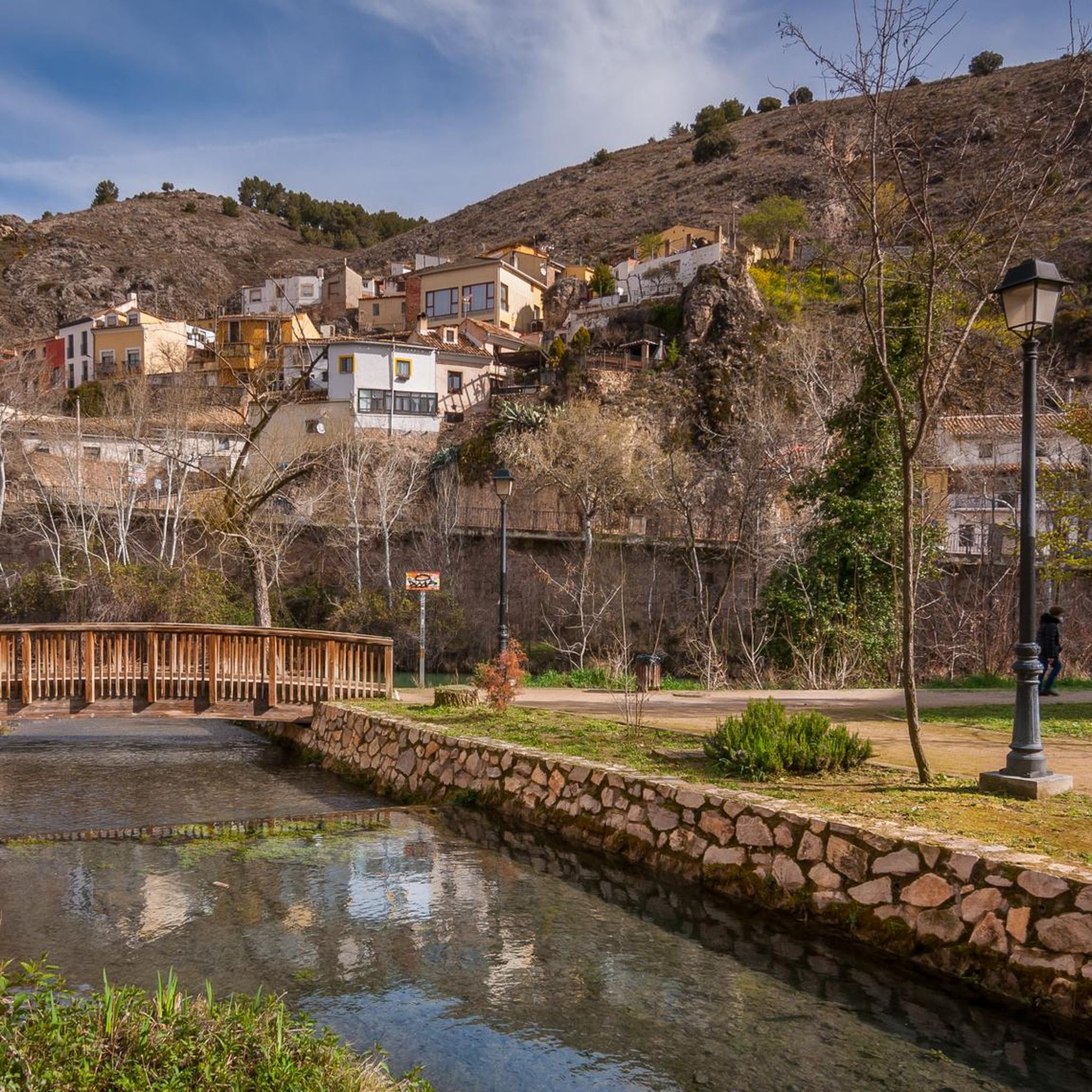
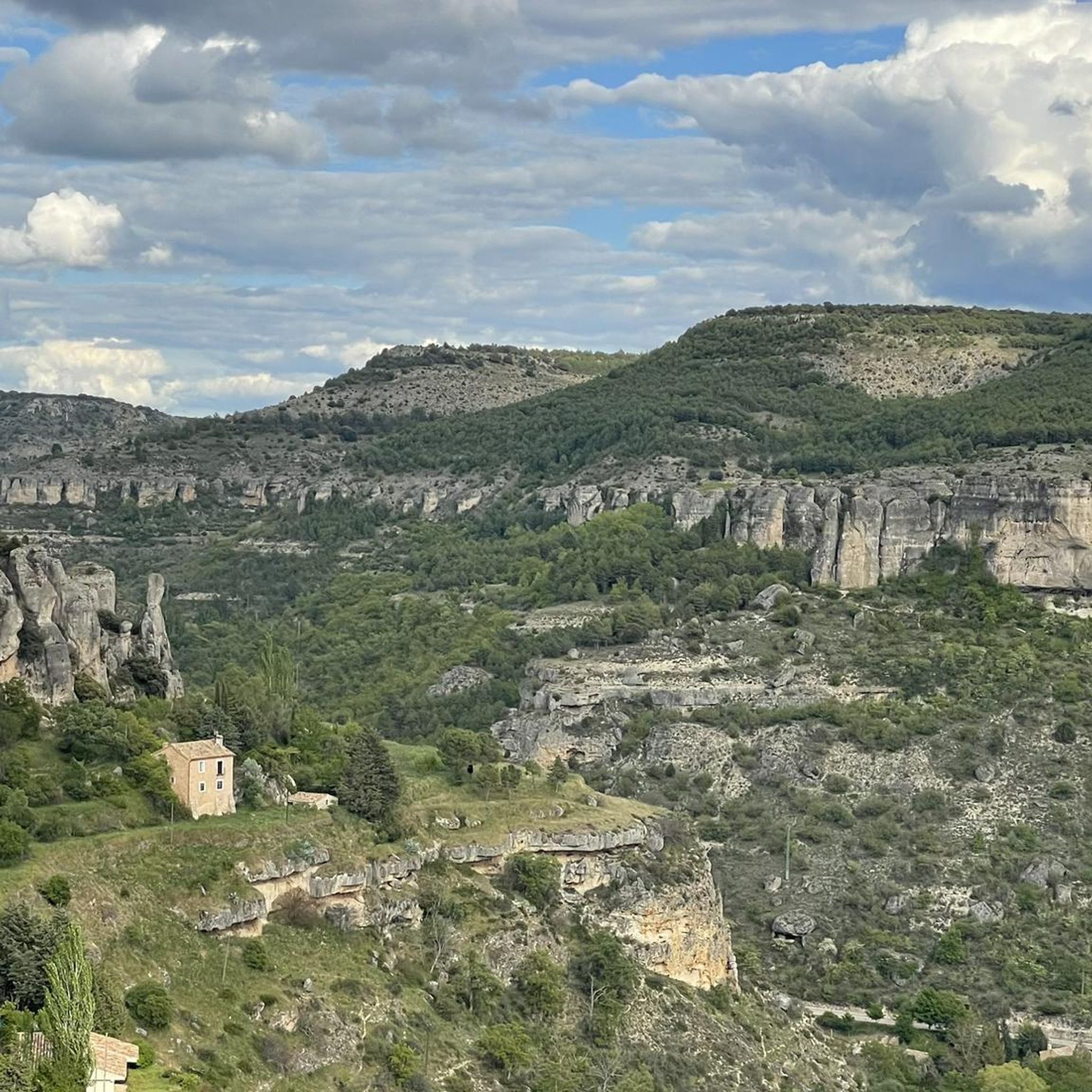
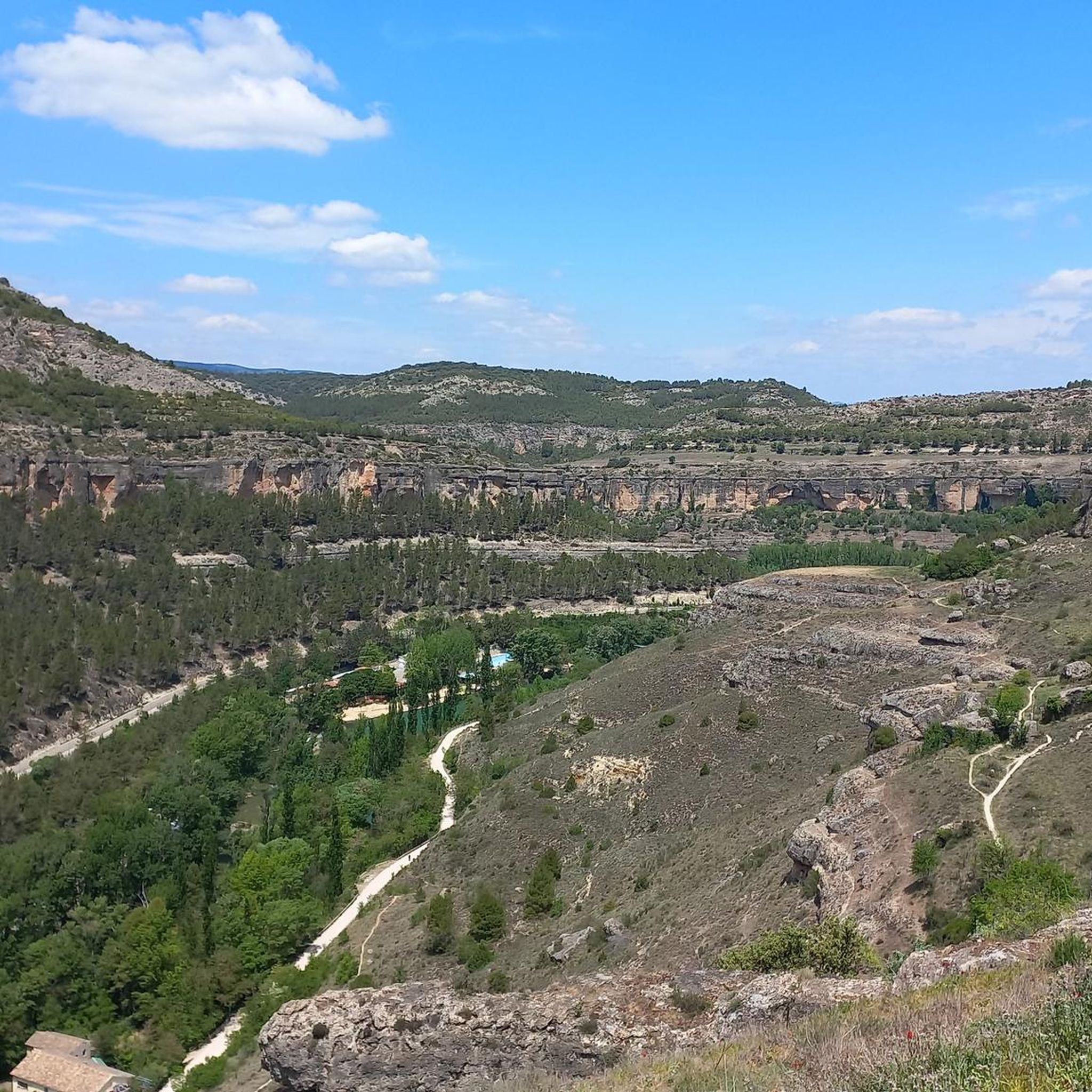
Common crossing point for going to or returning from the Júcar gorge trail.
3
0
The children's ice rink is located at Christmas time.
1
0
A true gateway to the famous Hanging Houses of Cuenca.
1
0

The most emblematic streets of Cuenca are concentrated in the Old Town, declared a World Heritage Site, and are ideal for strolling and discovering the history and architecture of the city.
7
0
San Julián Park is the most emblematic green space in Cuenca, located in the heart of the city, near streets such as Carretería and Aguirre, and a few minutes from the Old Town.
5
0
The Júcar River Walk in Cuenca is one of the most charming and accessible routes for enjoying the city's nature and heritage.
1
0
Cuenca's Plaza Mayor is the heart of the city's old town and one of its most emblematic sites. Architecture and Monuments Cathedral of Santa María and San Julián: This is one of the first French-inspired Gothic churches built in Spain. Its impressive Norman Neo-Gothic façade dominates the square. [Cuenca ️ O...de Cuenca], [Plazas de...de Mangana] Cuenca Town Hall: An 18th-century Baroque building, built in 1762. Its ground floor consists of three semicircular arches that connect to Alfonso VIII Street. Convent of Las Petras (or San Pedro de las Justinianas): A 16th-century religious complex that spans three streets.
16
0
The San Antón Bridge in Cuenca is a structure steeped in history and symbolism for the city. The current bridge was built in the 18th century, replacing a much older one, probably of Muslim origin.
9
0
Frequently Asked Questions
What kind of terrain can I expect on gravel bike trails in Complejo Lagunar De Ballesteros?
The Complejo Lagunar De Ballesteros features a distinctive karstic environment, meaning you'll primarily encounter dirt roads and agricultural paths. The landscape is generally open with limited trees, offering expansive views of the lagoons and surrounding fields. While the terrain is varied, it's well-suited for gravel cycling.
Are there any easy or beginner-friendly gravel bike trails in the area?
While the region offers a range of difficulties, most routes are categorized as moderate to difficult. There are no routes explicitly listed as 'easy' in the immediate vicinity. However, the open landscape and dirt roads can be navigated by beginners, especially if choosing shorter sections or less elevated routes. For example, the Júcar Gorge – Júcar Riverside Walk loop from Cuenca is a moderate option.
What natural features or wildlife can I expect to see while gravel biking?
The Complejo Lagunar De Ballesteros is renowned for its extensive network of karstic lagoons and rich biodiversity. You'll likely see various wetland vegetation and, if you're lucky, a wide array of birds. The area is a haven for birdwatching, with raptors like the Marsh Harrier and Black Kite, as well as other notable birds such as the Bearded Reedling and Pied Avocet. The open landscape provides excellent opportunities for wildlife spotting, especially around the lagoons.
Are there any loop trails for gravel biking in Complejo Lagunar De Ballesteros?
Yes, many of the gravel biking routes in the region are designed as loops, allowing you to start and end at the same point. Examples include the challenging Hoz de Huécar – San Pablo Bridge loop from Cuenca, or the moderate Júcar Gorge – Júcar Riverside Walk loop from Cuenca.
What is the best time of year to go gravel biking in Complejo Lagunar De Ballesteros?
The region can be enjoyed throughout much of the year. Spring and autumn generally offer the most pleasant temperatures for cycling, avoiding the intense heat of summer. These seasons also provide beautiful natural scenery as the landscape changes. Winter can also be suitable, especially for birdwatching, though some lagoons might be more seasonal.
Are the gravel bike trails in Complejo Lagunar De Ballesteros suitable for families?
The suitability for families depends on the specific route and the children's experience level. While the terrain consists of dirt roads, some routes can be long or have significant elevation gain, making them more challenging. It's best to check individual route details for distance and elevation to ensure it matches your family's capabilities. The open, quiet nature of the area can be enjoyable for a family outing on less demanding sections.
Where can I find parking for gravel biking routes in Complejo Lagunar De Ballesteros?
Specific designated parking areas for gravel biking are not explicitly detailed for the Complejo Lagunar De Ballesteros. However, as is common in many natural reserves in Spain, you can often find parking in nearby villages or at the start points of popular trails. It's advisable to check local regulations or look for parking options in towns like Cuenca, which serve as common starting points for many routes in the wider region.
What do other gravel bikers enjoy the most about gravel biking in Complejo Lagunar De Ballesteros?
The area is highly rated by the komoot community, with an average score of 5.0 stars. Reviewers often praise the unique karstic lagoon landscape, the tranquility of the open agricultural fields, and the opportunity to explore diverse wetland vegetation. The varied terrain, from moderate to difficult, also appeals to cyclists looking for a challenge.
Are there any cafes or accommodation options near the gravel trails?
While the Complejo Lagunar De Ballesteros itself is a natural reserve, nearby towns and villages, particularly Cuenca, offer a range of cafes, restaurants, and accommodation options. It's recommended to plan your route to pass through or end near these settlements for refreshments and overnight stays.
How many gravel bike trails are available in Complejo Lagunar De Ballesteros?
There are over 10 gravel bike trails available for exploration in the Complejo Lagunar De Ballesteros region, offering a variety of distances and difficulties for different cycling preferences.
What is the typical elevation gain on gravel bike routes in this region?
The elevation gain on gravel bike routes in Complejo Lagunar De Ballesteros can vary significantly. For example, the Júcar Gorge – San Pablo Bridge loop from Cuenca involves around 675 meters of ascent, while the Plaza de Toros (Cuenca) – San Antón Bridge loop from Cuenca features approximately 657 meters of climbing. Routes can range from moderate to difficult in terms of elevation.
Is it possible to use public transport to access the gravel biking areas?
Accessing the specific gravel biking areas directly by public transport might be limited due to the rural nature of the Complejo Lagunar De Ballesteros. However, major towns like Cuenca, which serve as starting points for many routes in the wider region, are typically well-connected by public transport. From there, you might need to cycle or arrange local transport to reach the trailheads.
Most popular routes in Complejo Lagunar De Ballesteros

Get inspired with the komoot mobile app


Explore more
Browse the best Gravel rides in other regions.
