The best gravel rides in Riserva Naturale Dei Canneti Di Dormelletto
4.4
(59)
420
riders
29
rides
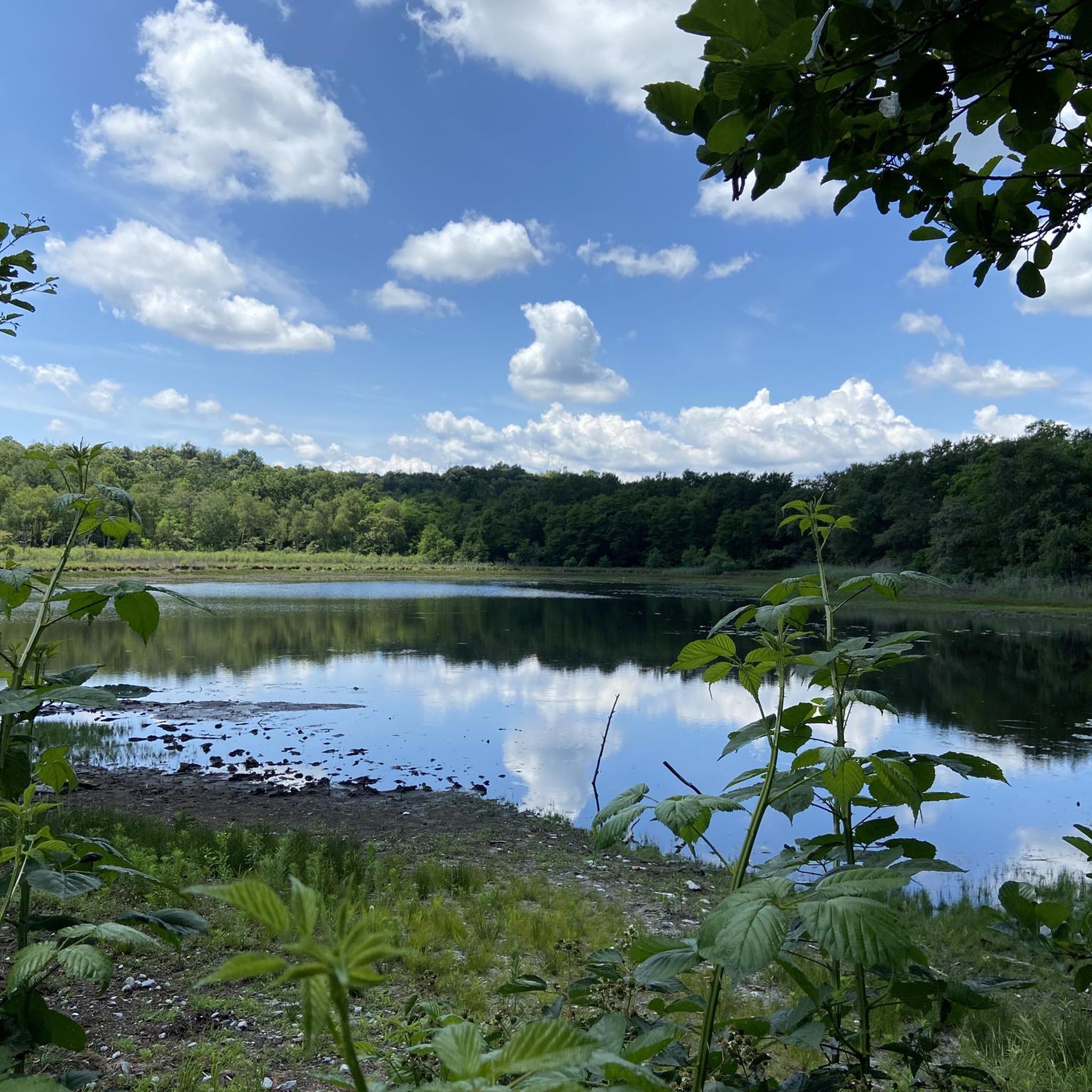
Gravel biking in Riserva Naturale Dei Canneti Di Dormelletto offers routes through a unique wetland ecosystem along Lake Maggiore's Piedmontese shore. The area is characterized by extensive reed beds, which form a crucial habitat and provide a distinctive natural experience. Trails often follow the western shore of Lake Maggiore, offering continuous lake views and varied terrain suitable for gravel bikes. This protected area is also part of the larger Parco Naturale dei Lagoni di Mercurago, blending natural beauty with historical…
Last updated: May 22, 2026
4.5
(2)
18
riders
57.9km
04:29
1,320m
1,320m
Hard gravel ride. Very good fitness required. You may need to push your bike for some segments of this route.
5.0
(1)
7
riders
38.3km
02:24
390m
390m
Moderate gravel ride. Good fitness required. Mostly paved surfaces. Suitable for all skill levels.

Sign up for free
4.0
(1)
3
riders
9.19km
00:51
130m
130m
Easy gravel ride. Great for any fitness level. Mostly paved surfaces. Suitable for all skill levels.
5.0
(1)
7
riders
43.2km
02:49
630m
630m
Hard gravel ride. Very good fitness required. Mostly paved surfaces. Suitable for all skill levels.
2.8
(6)
27
riders
52.4km
05:16
670m
670m
Hard gravel ride. Very good fitness required. You may need to push your bike for some segments of this route.
Get access to more routes and recommendations from other explorers.
Sign up for free
Already have an account?
Our route recommendations are based on thousands of hikes, rides, and runs completed by other people on komoot.
Start today with a free account
Your next adventure awaits.
Login or Signup
Popular around Riserva Naturale Dei Canneti Di Dormelletto
Tips from the Community

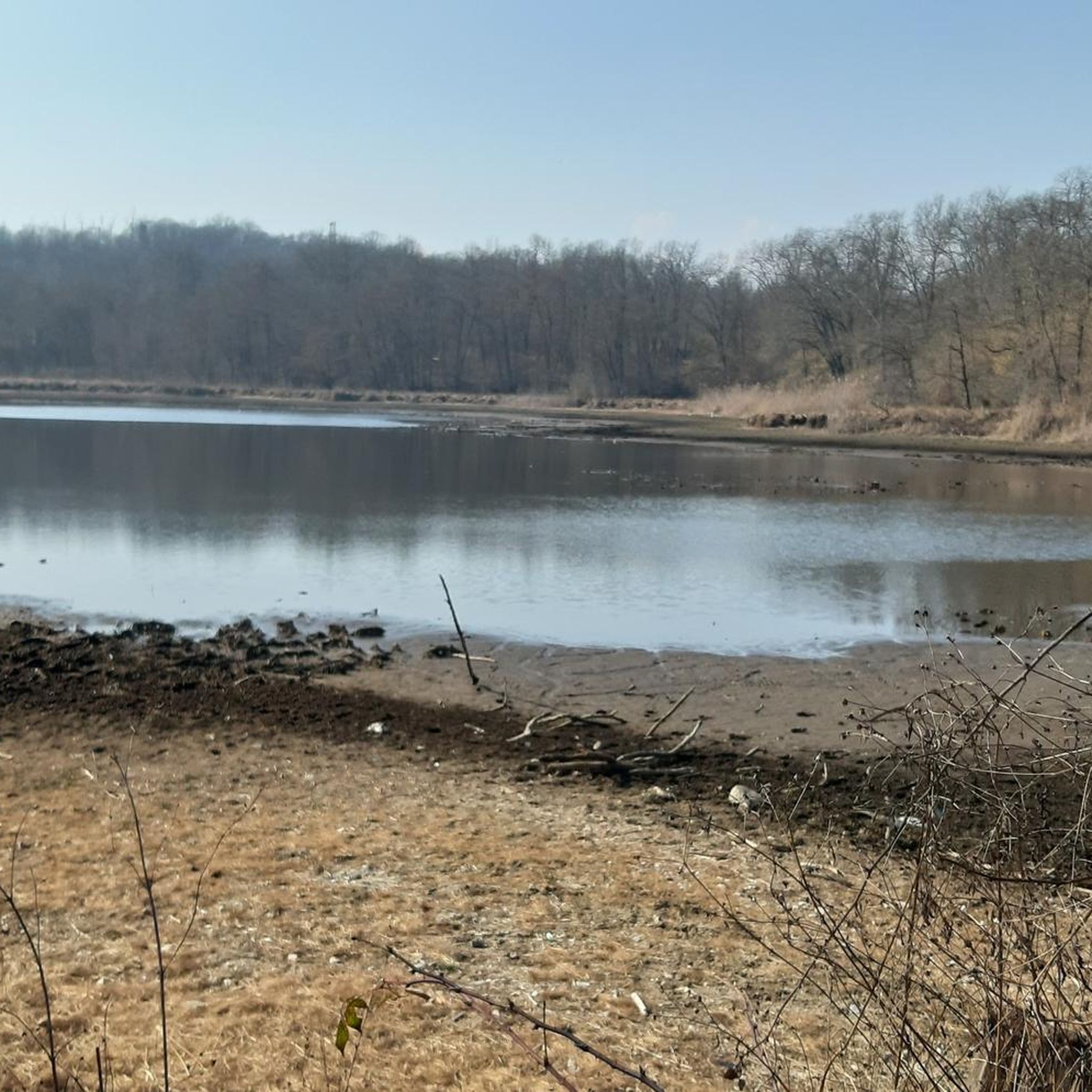
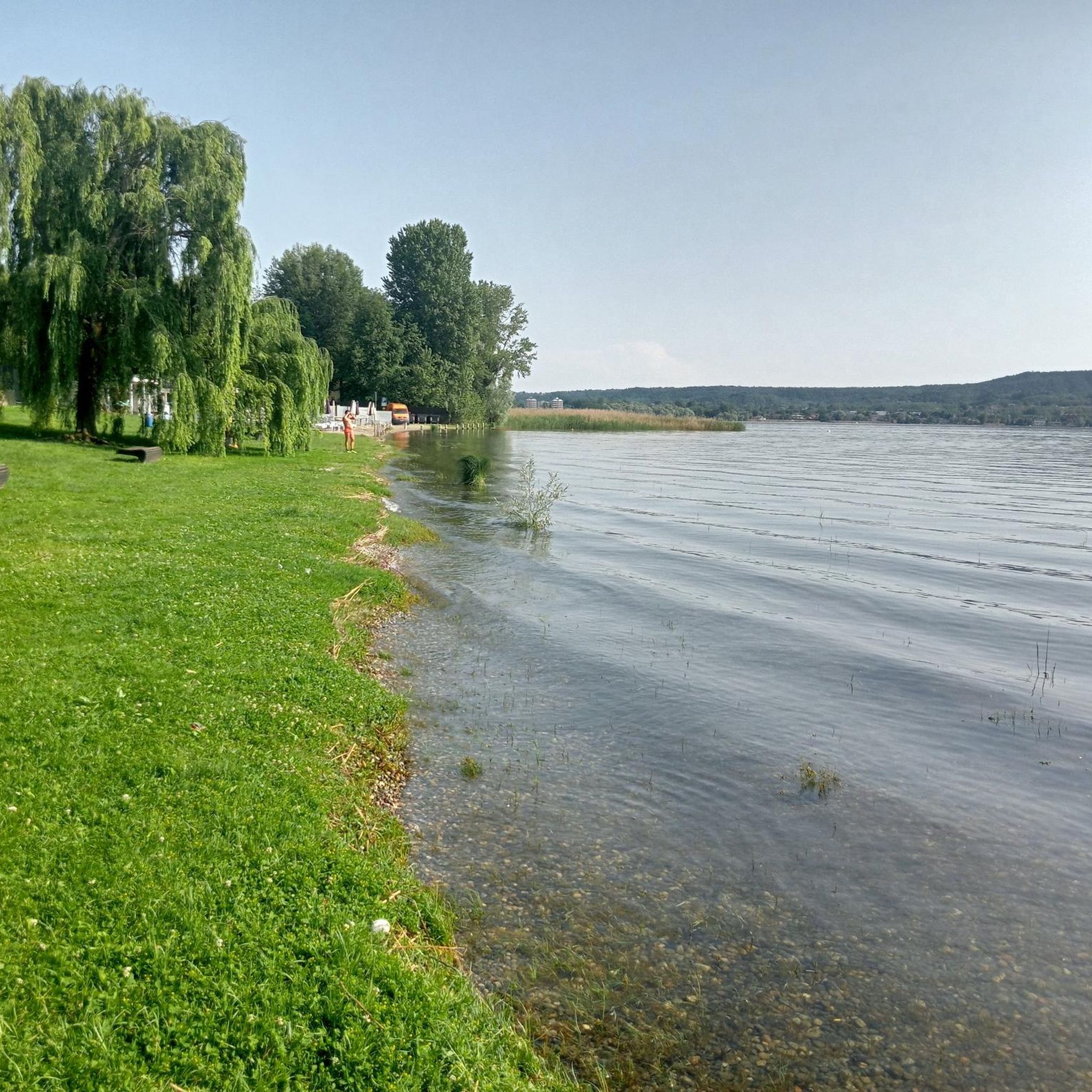
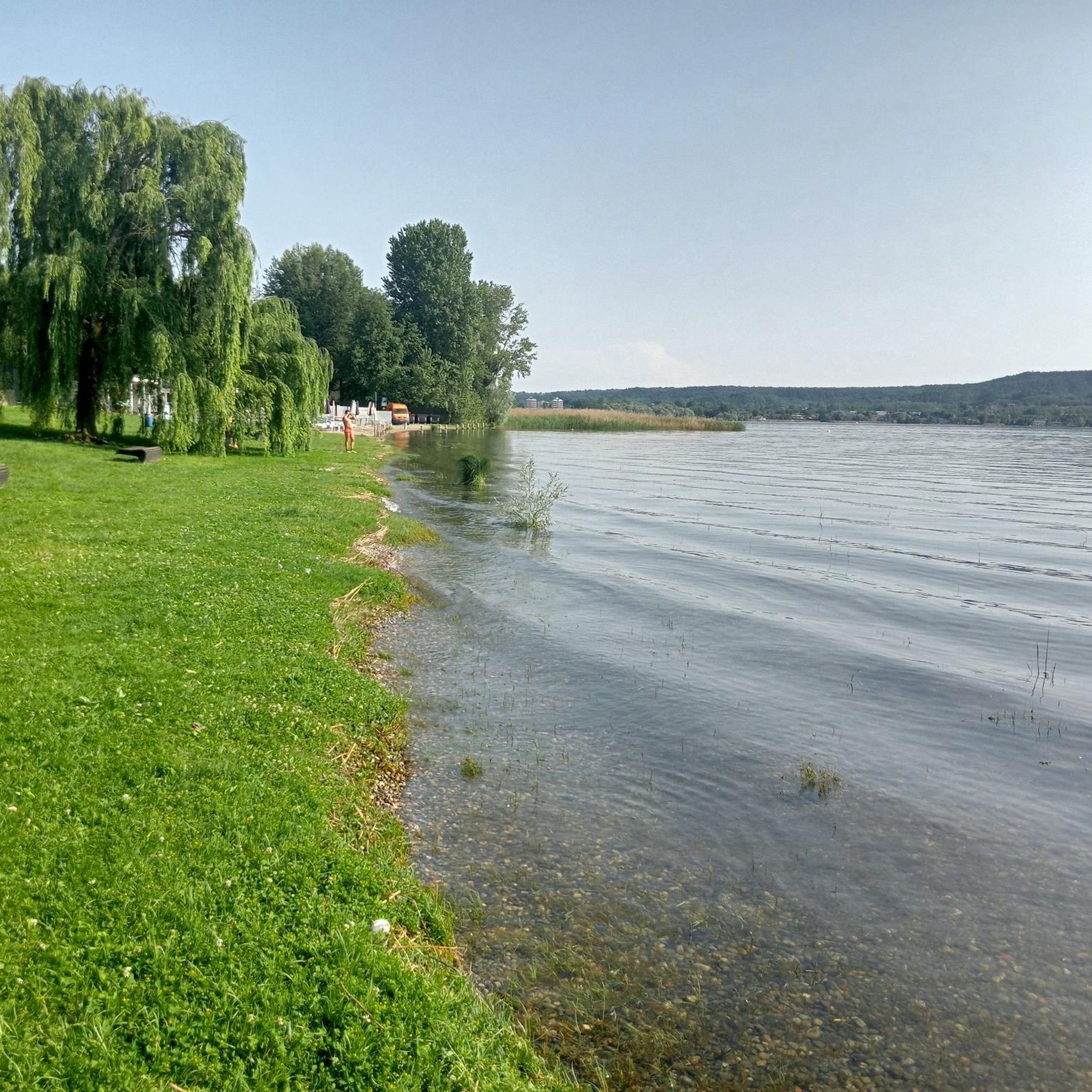
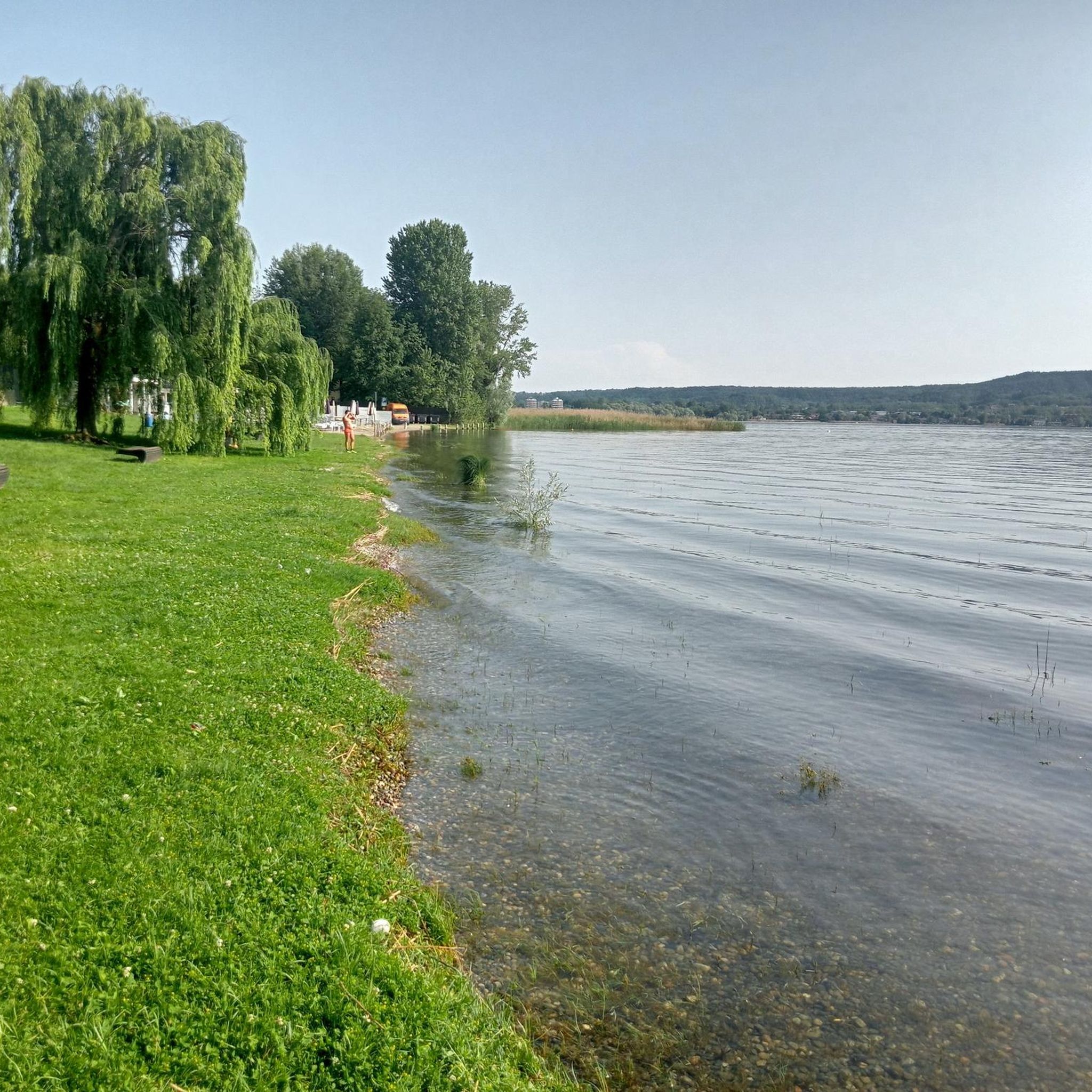
Perfect spot for a moment of pure relaxation and silence
0
0

View from the promontory of Orta
0
1
View from the first tower of Orta
0
1

Santa Caterina del Sasso, Leggiuno Santa Caterina del Sasso Ballaro (actually Eremo di Santa Catarina del Sasso Ballara) was originally a hermitage. It is now located in the Italian municipality of Leggiuno in the province of Varese. In the 13th century, Dominicans converted the building into a monastery. This is a destination for many pilgrimages. It is located directly on Lake Maggiore and, like many former hermitages, is built on a rock in a location that is difficult to access. Construction began in the early 13th century, but the main work dates back to around 1300/1320. The core of the complex is the small church dedicated to St. Catherine of Alexandria. The nickname "del sasso" means that the building stands on a rock; "Sasso Ballaro" refers to a rockslide in 1640 that caused significant damage. "Sasso ballaro" roughly translates as "wobbly rock." According to tradition, the merchant Alberto Besozzi founded the monastery after he had successfully survived a shipwreck on the lake. He later became a hermit and is buried in the church. In 1230, Dominicans built the small convent and oratory. Around 1450, additional staircases were added to connect the individual parts of the building. In the following centuries, the monastery was rebuilt and expanded several times to accommodate the growing number of pilgrims. The 14th-century church tower is still Romanesque. The Renaissance decorations on the current façade date from the 15th century, the numerous frescoes in the former refectory, the arcade, and the church date from the 14th to 17th centuries, and the paintings in the church are Baroque. Due to the steep slope and the difficult subsoil, the interior of the church is shaped to follow the curve of the mountain. It is richly frescoed, although moisture damage has destroyed significant portions of the paintings. The frescoes date primarily from the 16th century and were further enhanced with floral motifs in the 17th century. At the center of the church stands the sarcophagus of the founder, the hermit Alberto. In the courtyard separating the church from the convent building stands an old wine press dating from 1769. Text / Source: Province of Varese - Piazza Libertà No. 1 - 21100 Varese http://www.santacaterinadelsasso.com/
12
0
The Santa Caterina del Sasso church impresses with its unique construction. When visiting the sanctuary, you will encounter three buildings that make up the entire structure: the southern cloister, the small cloister, and finally the church, which houses the body of St. Besozzi and the Chapel of St. Catherine. The southern cloister was built in 1300 and renovated in 1624 by Prior Giulio Cesare Martignoni after part of the old wooden structure collapsed into the lake. It is accessed through an archway supported by slender granite columns. The small cloister is located opposite the courtyard where a large wine press stands. Text / Source: Lago-Maggiore.de https://www.lago-maggiore.de/ausflugsziele/kloster-santa-caterina-del-sasso.html
14
0
The Hermitage - Santa Caterina del Sasso, Leggiuno The Hermitage of Santa Caterina del Sasso is situated on a cliff overlooking the lake and is undoubtedly one of the most impressive settings on Lake Maggiore. Access to the church is via a portico consisting of four rounded arches with a Renaissance imprint. The current building has a truly unique structure, the result of the merging of three chapels that were originally distinct and built in different eras. In front of and inside the church are numerous pictorial cycles dating from the 14th to the 19th century. Art and history are magnificently integrated into one of the most evocative natural landscapes, almost like a balcony jutting out towards the Borromean Gulf, Stresa, and the islands. Upon entering the hermitage, one first encounters the southern cloister (14th-17th centuries), with interesting frescoes in the fireplace room, then the convent (13th century), decorated with a long 17th-century fresco inspired by the Dance of Death just below the first-floor windows, and finally the church, which houses the Chapel of Santa Caterina. Text / Source: Province of Varese - Piazza Libertà No. 1 - 21100 Varese http://www.santacaterinadelsasso.com/eremo
14
0
Santa Caterina del Sasso / Hermitage, Leggiuno A brief, interesting insight into the history and origins of the Hermitage. According to tradition, the Hermitage was founded by the wealthy local merchant Alberto Besozzi. He miraculously survived a shipwreck while crossing the lake. He then decided to retire to this part of the coast as a hermit. Blessed Alberto built a chapel on this site and dedicated it to Saint Catherine of Egypt, who is depicted in the frescoes in the background of the chapel. This chapel, built in the 12th century, was soon joined by two additional chapels: the chapels of San Nicolao and Santa Maria Nova, which can be dated with certainty to the 14th century. From this time until the 16th century, the monastery experienced a period of prosperity and importance. After an initial historical period inhabited by Dominicans, the hermitage was run by monks of the Milanese convent of Sant'Ambrogio ad Nemus from 1314 to 1645. They were replaced by the Carmelites until 1770. It is worth mentioning that at the beginning of the 18th century, an enormous avalanche of rocks rolled down on the church, but miraculously remained suspended in the dome of a chapel for over two centuries until 1910, without causing major damage. These "wobbling" stones may have given the hermitage its name, which is fully Santa Caterina del Sasso Ballaro. However, it is more likely that the name derives from the nearby village of Ballarate. Since 1970, the hermitage has been the property of the Province of Varese. From 1986 to 1996, it was run by a Dominican community, but today it is run by the Benedictine Order. Text / Source: Province of Varese - Piazza Libertà No. 1 - 21100 Varese http://www.santacaterinadelsasso.com/
14
0
The History of the Santa Caterina del Sasso Monastery The history of the hermitage of Santa Caterina del Sasso is truly fascinating because it is connected to a centuries-old legend. According to this legend, Alberto Besozzi, a wealthy Milanese usurer and merchant, was caught in a terrible storm in the 12th century while traveling on business on Lake Maggiore. In those dramatic moments, he begged the help of Saint Catherine of Alexandria, to whom he was deeply devoted, in his last dread. The grace was granted. After his miraculous rescue, he decided to change his life and from then on led a hermit's life in this corner of heaven, which seemed to him like a foretaste of what was to come. Text / Source: Lago-Maggiore.de https://www.lago-maggiore.de/ausflugsziele/kloster-santa-caterina-del-sasso.html
14
0
Frequently Asked Questions
How many gravel bike trails are available in Riserva Naturale Dei Canneti Di Dormelletto?
There are over 30 gravel bike trails in Riserva Naturale Dei Canneti Di Dormelletto, offering a variety of experiences. These routes are highly rated by the komoot community, with an average score of 4.4 stars from over 40 reviews.
Are there easy gravel bike trails suitable for beginners or families?
Yes, the reserve offers several easy routes. For a shorter, more relaxed ride, consider the Wooden Bridge in the Forest – Lagone Lake loop from Dormelletto. This 5.7-mile (9.2 km) trail leads through wooded paths and near Lagone Lake, typically completed in about 50 minutes. The reserve's paths along Lake Maggiore are generally suitable for less experienced riders.
What natural features or landmarks can I expect to see along the gravel bike trails?
Gravel biking here offers continuous views of Lake Maggiore, especially along its western shore. The defining feature is the extensive reed beds (Canneti), which are a crucial wetland habitat. You might also pass by the agricultural complex of Villa Tesio, a historic horse breeding farm, and the free Pirolino Beach, which has a children's play area.
What kind of wildlife might I encounter while cycling in the reserve?
The Riserva Naturale Dei Canneti Di Dormelletto is a haven for wildlife, particularly birds. Over one hundred bird species have been recorded, including aquatic birds like grebes, swans, and coots that nest here, as well as migratory birds. It's an excellent spot for birdwatching while you ride.
Are there any longer or more challenging gravel bike routes for experienced riders?
Absolutely. For a more demanding ride with significant elevation, the Arona on Lake Maggiore – Coiromonte Climb loop from Arona is a popular choice. This difficult 36.2-mile (58.3 km) trail features steady climbs and expansive views towards Lake Maggiore, taking around 4 hours and 30 minutes to complete. Another challenging option is From castle to hermitage, a 52.4 km route with over 600 meters of elevation gain.
Can I bring my dog on the gravel bike trails in Riserva Naturale Dei Canneti Di Dormelletto?
While the reserve is a natural area, it's generally advisable to keep dogs on a leash to protect the local wildlife, especially the numerous bird species. Always check specific trail regulations or signage within the reserve for any restrictions on pets.
Are there circular gravel bike routes available?
Yes, many of the gravel bike routes in the area are designed as loops, allowing you to start and end at the same point. Examples include the Trail in the Woods – Arona on Lake Maggiore loop from Arona, which offers diverse scenery through wooded areas and along the lake shore, and the shorter Wooden Bridge in the Forest – Lagone Lake loop from Dormelletto.
What is the best time of year to go gravel biking in this region?
The Riserva Naturale Dei Canneti Di Dormelletto is enjoyable throughout much of the year. Spring and autumn offer pleasant temperatures and vibrant natural colors, making them ideal. Summer can be warm, but lakeside paths provide refreshing breezes. Winter rides are also possible, though some services might be reduced.
Where can I find parking or access the trails by public transport?
Dormelletto and nearby towns like Arona offer various parking options, often close to the lakefront or trailheads. For public transport, Dormelletto has a train station, and local bus services connect to surrounding areas, providing access points to the reserve's trails. It's recommended to check local transport schedules and parking availability beforehand.
Are there cafes or places to stop for refreshments along the gravel routes?
Yes, especially in Dormelletto and along the Lake Maggiore shore, you'll find cafes, restaurants, and other amenities. Pirolino Beach, located within the reserve, also offers a spot for relaxation. For routes extending further, such as the Lake Maggiore Family Tour, you'll pass through towns with various refreshment options.
What makes gravel biking in Riserva Naturale Dei Canneti Di Dormelletto unique?
The unique blend of wetland ecosystems, particularly the extensive reed beds, combined with continuous views of Lake Maggiore, sets this area apart. It's part of the larger Parco Naturale dei Lagoni di Mercurago, a UNESCO World Heritage site, offering a mix of natural beauty and historical significance that you can explore on two wheels.
What are the typical trail conditions like in the reserve?
The trails in Riserva Naturale Dei Canneti Di Dormelletto are generally well-suited for gravel bikes, featuring a mix of 'piste ciclabili e sentieri' (cycle paths and trails). You can expect varied terrain, from lakeside paths to routes winding through wooded areas. Conditions can vary with weather, so it's always good to be prepared for some natural surfaces.
Most popular routes in Riserva Naturale Dei Canneti Di Dormelletto

Get inspired with the komoot mobile app


Explore more
Browse the best Gravel rides in other regions.
