The best gravel rides in Meinweg
4.7
(152)
1,338
riders
100
rides
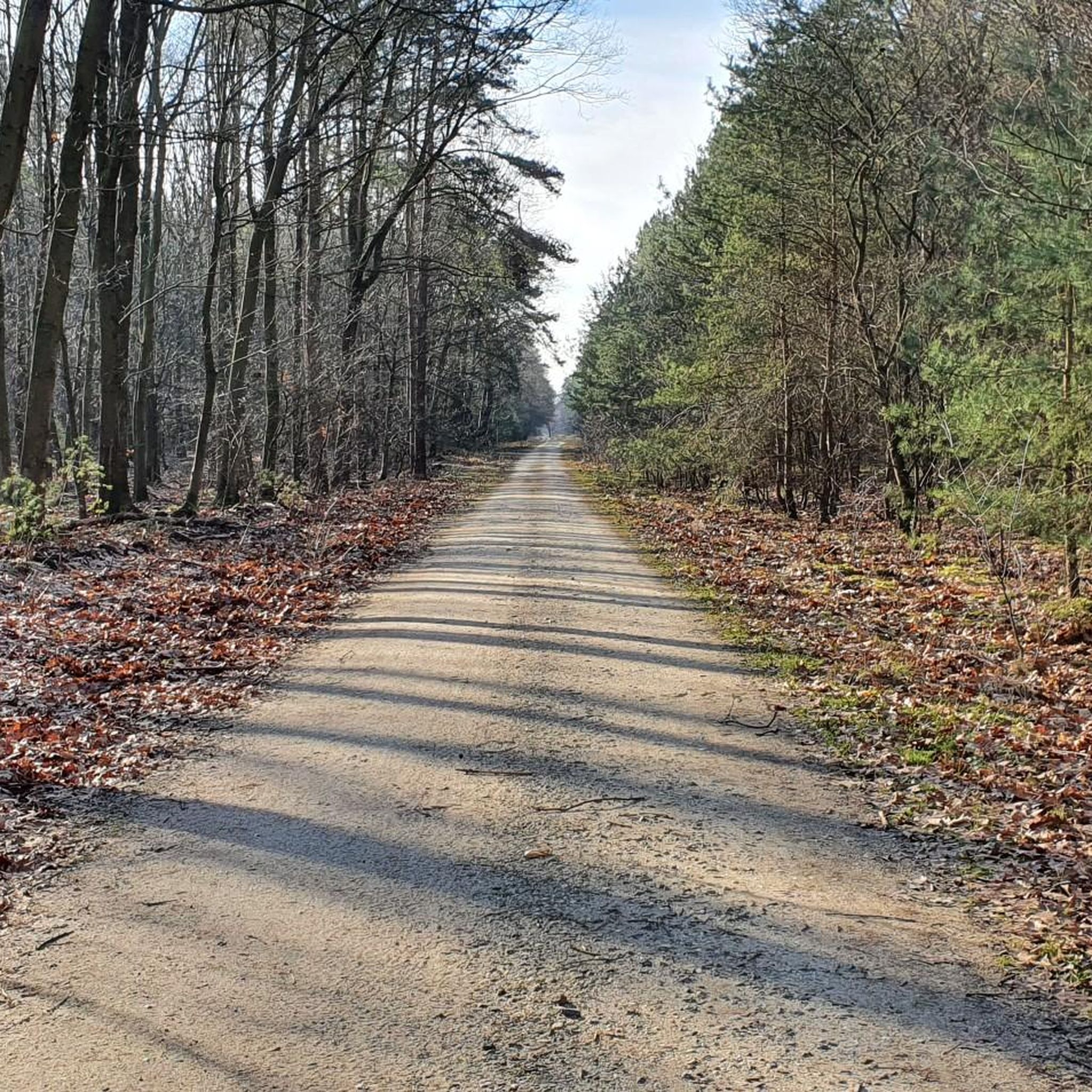
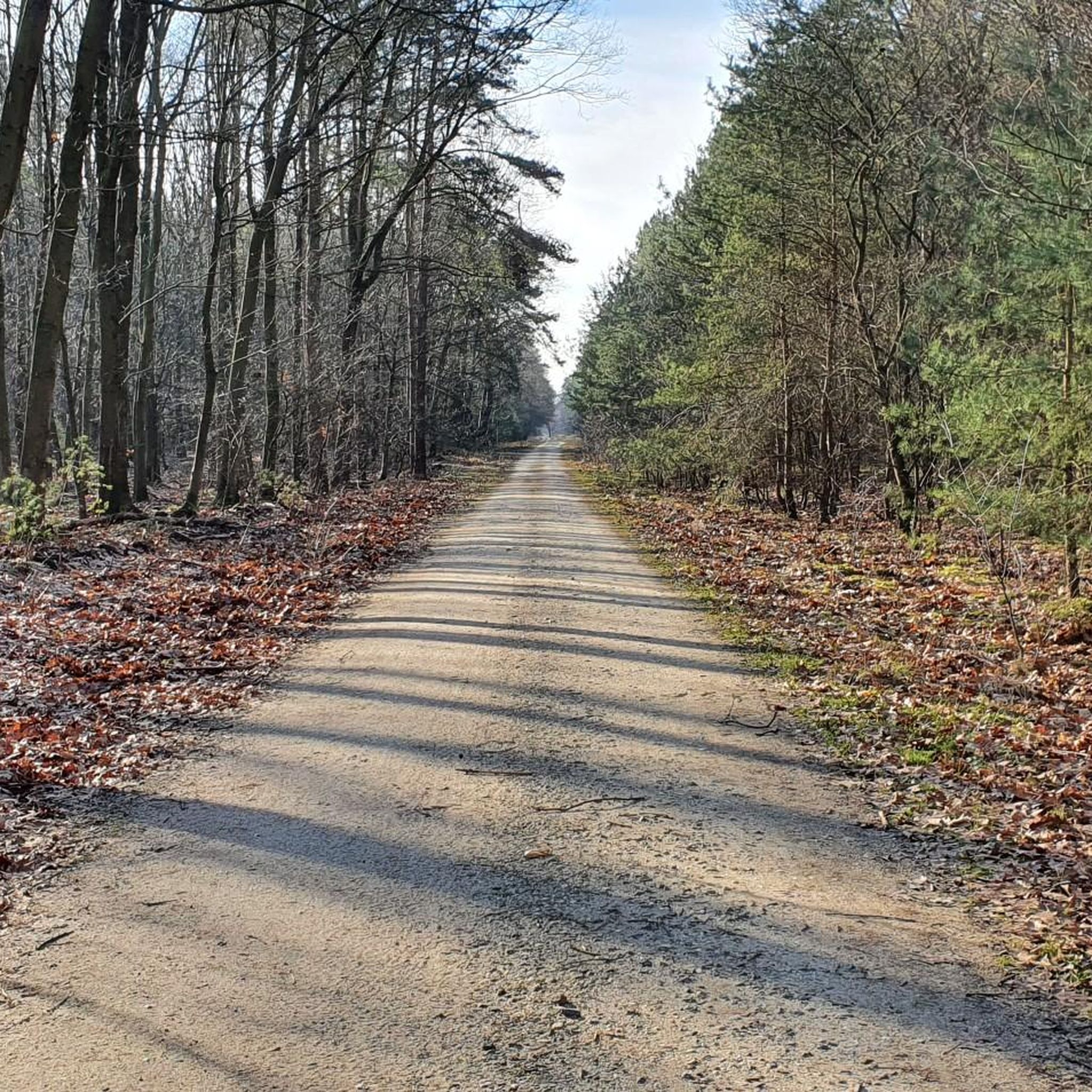
Gravel biking in Meinweg National Park offers a diverse landscape shaped by a unique terraced terrain with three distinct plateaus and elevation differences up to 50 meters. The region features extensive heathlands, varied forests of deciduous and pine trees, and stream valleys like the Boschbeek and Roode Beek. This varied environment provides a mix of smooth gravel paths and more challenging sections, catering to different riding preferences.
Best gravel bike trails in Meinweg
- The most popular gravel bike trail is…
Last updated: June 3, 2026
5.0
(1)
87
riders
78.8km
05:13
190m
190m
Hard gravel ride. Very good fitness required. You may need to push your bike for some segments of this route.
4.5
(2)
33
riders
64.2km
04:11
190m
190m
Moderate gravel ride. Good fitness required. Mostly paved surfaces. Suitable for all skill levels.

Sign up for free
5.0
(1)
28
riders
39.2km
02:19
140m
140m
Moderate gravel ride. Good fitness required. Mostly paved surfaces. Suitable for all skill levels.
15
riders
54.2km
03:08
180m
180m
Hard gravel ride. Good fitness required. You may need to push your bike for some segments of this route.
3.5
(2)
12
riders
47.2km
02:39
160m
160m
Moderate gravel ride. Good fitness required. Mostly paved surfaces. Suitable for all skill levels.
Get access to more routes and recommendations from other explorers.
Sign up for free
Already have an account?
Our route recommendations are based on thousands of hikes, rides, and runs completed by other people on komoot.
Start today with a free account
Your next adventure awaits.
Login or Signup
Other adventures in Meinweg

Tips from the Community

I recommend you again and again ☺️
1
1

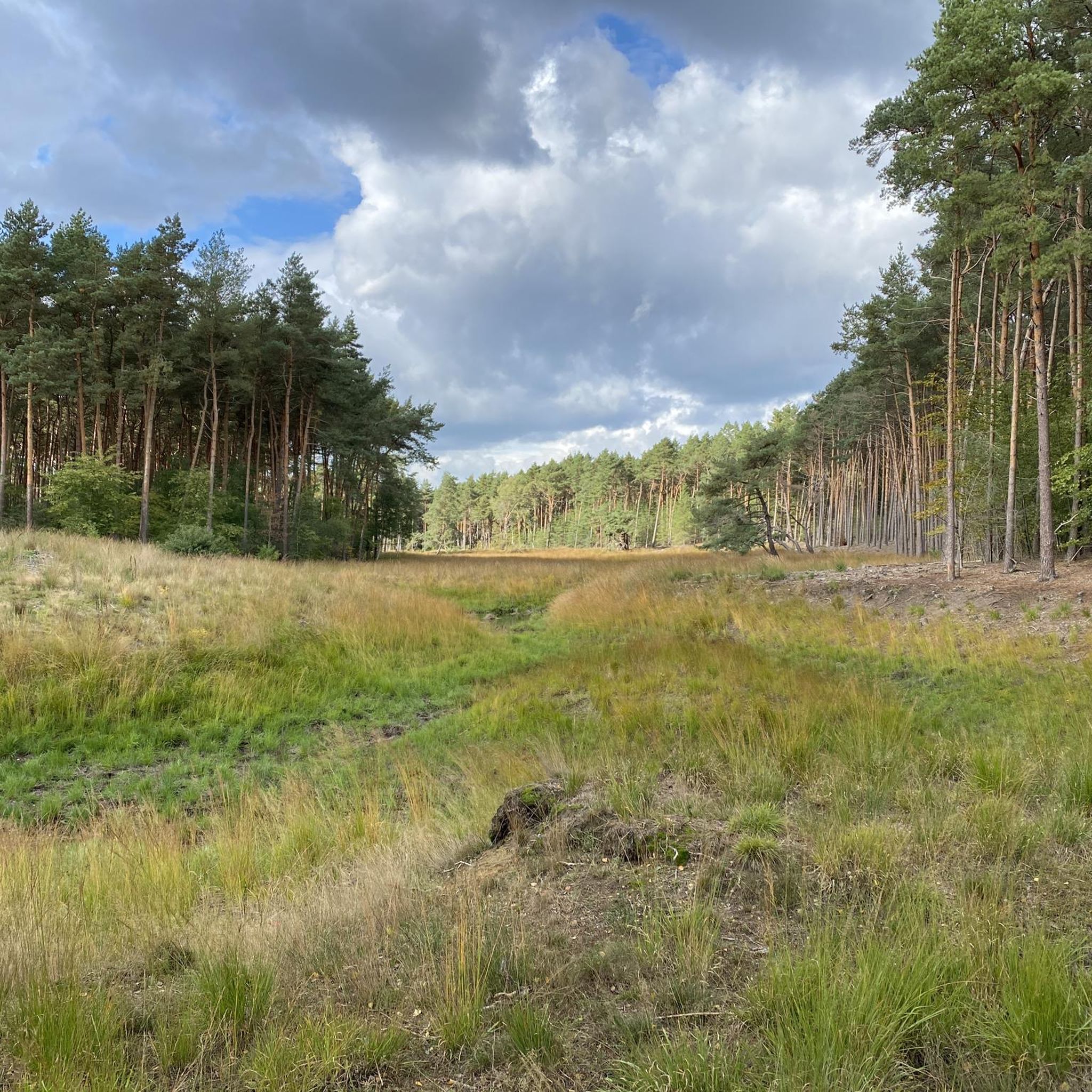
A sand dune, there are more of them in the area. This one is grazed by horses to keep the area open.
0
1

The Schwalm-Nette Nature Park is a vast nature reserve of approximately 435 km² on the border between Germany (North Rhine-Westphalia) and the Netherlands. This park is part of the larger Maas-Swalm-Nette Border Park, a cross-border nature reserve totaling approximately 870 km² that brings together German and Dutch natural landscapes. What makes the nature park unique is that the landscape is strongly defined by water: rivers, streams, lakes, marshes, and forests form a continuous network of wetlands. In this water-rich landscape, large-scale flooded forests and swamp forests develop, forming their own ecosystem. 🌧️ What do we mean by flooded forest? A flooded forest is a forest or natural zone where the soil is persistently moist or wetter than normal due to rivers and streams overflowing their banks or because groundwater is close to the surface. Water periodically pools in the soil and sometimes in above-ground puddles around tree roots and reed, and entrances and paths can be temporarily flooded, especially after rainfall or during periods of high water. In the case of the Schwalm-Nette Nature Park, such flooded wet forest areas develop primarily along the Schwalm-Nette rivers and their associated tributaries, marshes, and peatlands. Water lingers longer here because the soil is sandy and shallow, and the water can drain only slowly. 🌲 How do these wet forests develop in this park? The landscape here was formed in the last tens of thousands of years after the Ice Ages. Rivers and groundwater flows formed the natural lowlands and valleys between higher-lying forests and sandy terraces. The interaction of rainfall, high groundwater, and flooded stream valleys created swamp forests and marshland, which have become an important part of the natural environment. These flooded forests are not temporary artificial puddles but part of the original ecosystem. The soil is poor and wet, allowing typical moisture-loving trees and shrubs such as alders and willows to thrive. Where water stagnates for longer periods, forests can transform into marshes with reed beds and open ponds, characteristic wetland landscapes rich in biodiversity. 🐦 Biodiversity and life in the wet forest Because of this constant wetness, the flooded forest area provides a home to unique animals and plants. Amphibians such as frogs and salamanders thrive in the wet environment. Birds like the kingfisher and rare marsh birds find food and nesting sites here. Insects, including dragonflies and water beetles, thrive around the water and the forest edges. Plants such as marsh plants, water lilies, and moist grasslands intersect along the edge zones between the forest and open water. These forests and wetlands together form a living ecosystem that is important for nature conservation and biodiversity in the region. They contribute to the natural values for which the park is internationally recognized. 🚶 Flooding and recreation — what does it look like? In areas like the Mühlbach Marshes and other wet forest areas, paths and trails through the forest can be wet or slightly flooded after rainfall or in spring. This means that hiking trails temporarily contain puddles or wet areas, and you sometimes walk through reed forests and marshy areas where boardwalks or wooden paths have been constructed. Due to the fluctuating water levels, the landscape varies seasonally, and in spring, more puddles and water areas are often open than in late summer. Thus, a flooded forest area sometimes feels more like a wet garden of paths, water, and vegetation than a dry pine forest—a landscape in which water and forest are inextricably linked. 🌍 Importance for Conservation and Landscape The wet forest areas within the park are not only beautiful and mysterious to visit but also of great ecological importance, serving as a lifeline and breeding ground for specialist flora and fauna. They act as natural buffers for water, mitigating flooding further afield. They are part of the region's green infrastructure, with paths and routes that introduce hikers to diverse landscapes, from dry forest to wet marsh. 🌦️ Interaction with the water landscape The flooded forest is not isolated from major waterways like the Schwalm and the Nette. Because these rivers have a low gradient, water can easily infiltrate the adjacent forest landscape. As a result, in this park, you often experience forest transitions into marsh, after which river, forest, and wetlands merge into a dynamic and vibrant landscape unlike any other park.
1
0
There are many puddles, ponds and wetlands here
1
0

A very nice place for a break.
1
0
A nice spot for a short break overlooking the lake.
6
0
Beautiful bench 👁️👁️ and view… highly recommended
4
1
Frequently Asked Questions
What kind of terrain can I expect on gravel bike trails in Meinweg?
Meinweg National Park offers a highly varied landscape for gravel biking. You'll encounter a distinctive terraced terrain with three plateaus and elevation differences up to 50 meters, providing engaging ascents and descents. The routes feature a mix of extensive heathlands, diverse forests (both deciduous and pine), and stream valleys. Expect everything from smooth gravel paths to more challenging, technical sections.
How many gravel bike routes are available in Meinweg?
There are over 160 gravel bike routes available in Meinweg, catering to various skill levels. This includes approximately 44 easy routes, 85 moderate routes, and 31 difficult routes, ensuring options for every rider.
Are there any family-friendly gravel biking options in Meinweg?
While specific 'family-friendly' routes aren't explicitly categorized, Meinweg offers a range of easy and moderate trails that could be suitable for families, depending on their experience. The park's diverse landscapes and varied terrain mean you can find less technical sections. For a moderate option, consider the De Meinweg National Park – The Meinweg Heath loop from Dalheim, which is about 39 km long and leads through open heathlands.
What are the best times of year to go gravel biking in Meinweg?
Gravel biking in Meinweg is enjoyable throughout much of the year. Spring and autumn offer pleasant temperatures and beautiful scenery, with the heathlands turning a vibrant purple in late summer/early autumn. The diverse forests provide shade in summer and stunning colors in autumn. Winter can also be an option, but be prepared for potentially colder and wetter conditions.
Are there any circular gravel bike routes in Meinweg?
Yes, many gravel bike routes in Meinweg are designed as loops, allowing you to start and end at the same point. Examples include the popular Prins Bernhardmolen Melick – De Meinweg National Park loop from Dalheim, a moderate 63.7 km path through diverse woodlands and heathlands, or the The Meinweg Heath – De Meinweg National Park loop from Dalheim, a 47.2 km moderate route.
What kind of wildlife might I see while gravel biking in Meinweg?
Meinweg National Park is rich in diverse flora and fauna. While riding, you might spot roe deer, wild boars, and foxes. It's also the only area in Limburg where adders still reside, so keep an eye out. Birdwatchers can look for woodpeckers, nightjars, hawks, and buzzards. The park's varied habitats support a wide array of species.
What do other gravel bikers say about the trails in Meinweg?
The gravel biking experience in Meinweg is highly regarded by the komoot community, with an average rating of 4.7 stars from over 160 reviews. Riders frequently praise the beautiful and varied landscapes, the mix of straight sections and challenging climbs, and the extensive network of gravel paths that make it an 'undiscovered paradise' for gravel biking.
Are there any notable landmarks or natural attractions along the gravel routes?
Yes, Meinweg offers several interesting natural and man-made features. You can explore the Meinweg Nature Reserve, discover the Die Eiche Nature Monument Trail, or visit the Heath Lakes and Dune Landscape at Ritzrode. Some routes also pass by the border crossing between Germany and the Netherlands, offering cross-border riding opportunities.
What are some challenging gravel bike routes in Meinweg?
For experienced gravel bikers seeking a challenge, Meinweg offers routes with varied terrain and demanding climbs. A difficult option is the Singletrack Along the Railway – Flow trail in the forest loop from Dalheim, which covers 78.8 km with significant elevation gain and technical parts. Another challenging route is the Meinweg National Park – Elmpter Swalmbruch Marshes loop from Arsbeck, a 53.8 km difficult trail.
Are there options for cross-border gravel biking into Germany?
Absolutely. Many gravel routes in Meinweg extend into Germany, particularly into the Brachter Wald area. These cross-border adventures allow for extended rides through diverse forest and heathland environments, offering wide, meandering gravel roads and a change of scenery.
What tire width is recommended for gravel biking in Meinweg?
Given the diverse surfaces in Meinweg, which range from smooth gravel to rougher and more technical sections, tires of 40mm or wider are generally recommended. This provides optimal comfort and handling, especially on the varied terrain and challenging climbs.
Is there parking available near the gravel bike trails in Meinweg?
Yes, there are various parking options available around Meinweg National Park, particularly near common starting points for routes. Many komoot tours, such as those starting from Dalheim, typically have accessible parking nearby. It's always a good idea to check the specific tour details for parking recommendations.
Most popular routes in Meinweg
Most popular attractions in Meinweg

Get inspired with the komoot mobile app


Explore more
Browse the best Gravel rides in other regions.
