The best gravel rides in Rezerwat Wielki Bytyń
5.0
(1)
37
riders
11
rides
Gravel bike trails in Rezerwat Wielki Bytyń traverse a young glacial area, characterized by varied and undulating terrain shaped by the last Baltic glaciation. The landscape features steep slopes up to 30 meters high along lake shores, offering dynamic challenges for cyclists. Lakes constitute about 45% of the reserve's total area, including the extensive Lake Bytyń Wielki with its nearly 39 km of varied shoreline, numerous bays, and peninsulas. Routes often lead through surrounding forests, which range from pine and…
Last updated: June 6, 2026
2
riders
49.1km
02:52
260m
260m
Hard gravel ride. Good fitness required. You may need to push your bike for some segments of this route.
2
riders
Moderate gravel ride. Good fitness required. Mostly paved surfaces. Suitable for all skill levels.

Sign up for free
5.0
(1)
7
riders
Moderate gravel ride. Good fitness required. Mostly paved surfaces. Suitable for all skill levels.
2
riders
Moderate gravel ride. Good fitness required. Mostly paved surfaces. Suitable for all skill levels.
1
riders
Hard gravel ride. Good fitness required. You may need to push your bike for some segments of this route.
Get access to more routes and recommendations from other explorers.
Sign up for free
Already have an account?
Our route recommendations are based on thousands of hikes, rides, and runs completed by other people on komoot.
Start today with a free account
Your next adventure awaits.
Login or Signup
Popular around Rezerwat Wielki Bytyń

Tips from the Community

The Church of St. John the Baptist was built in the first half of the 18th century as a freestanding Protestant chapel. After World War II, in 1945, it was taken over by the Catholic Church and adapted to new liturgical functions. The building is a log structure, aisleless, without a separate chancel. The walls are made of wood, oriented, and without a tower, giving it a modest, rural character. The interior is furnished with a Baroque altar and pulpit, and retains 18th-century décor.
0
0

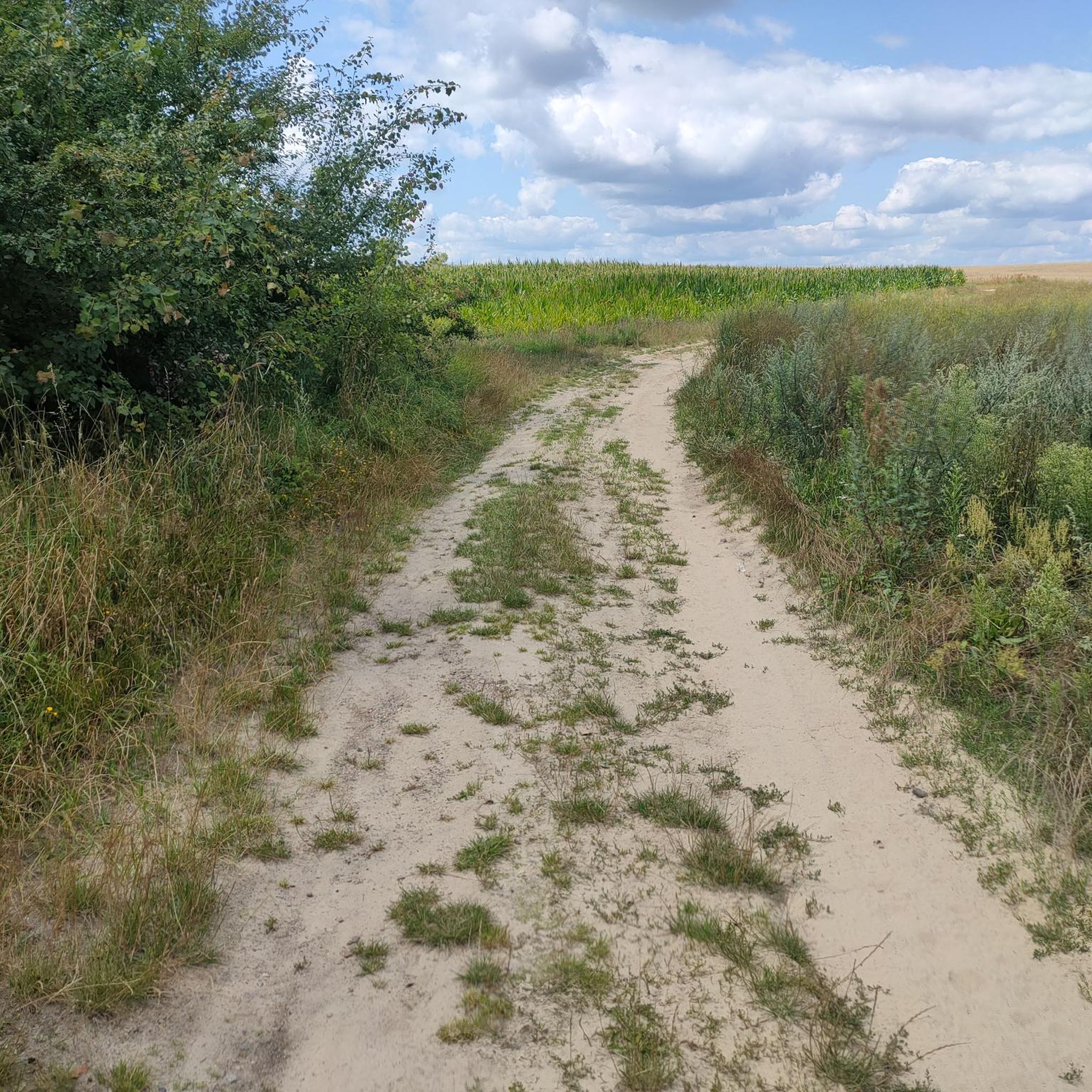
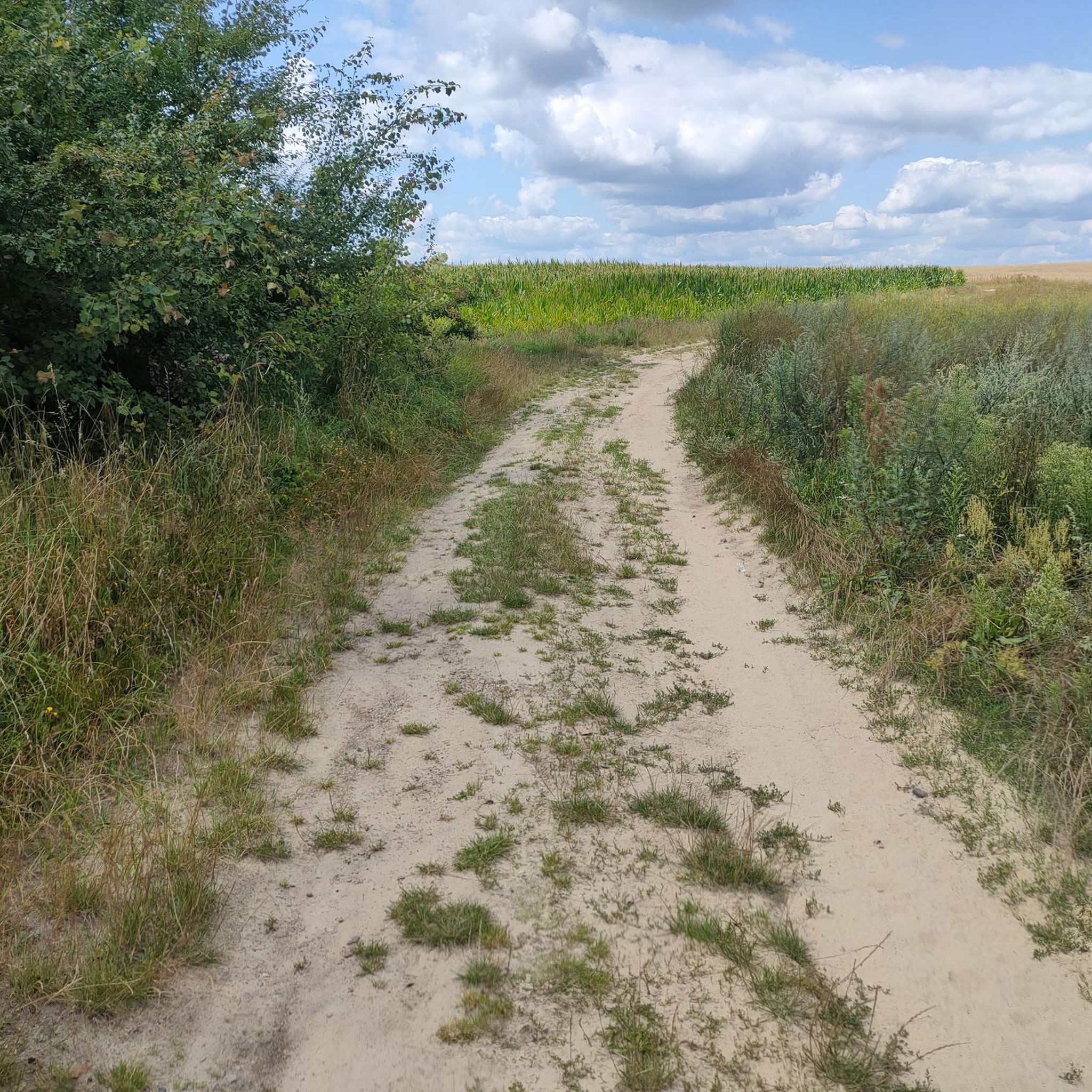
Asphalt road, shop in Karsibór, elderberry bushes (delicious juice), berry forest behind Karsibór.
0
0
The path has not yet been put into use, but it is passable and popular:) In Karsibór there is a shop and a playground next to the path.
0
0

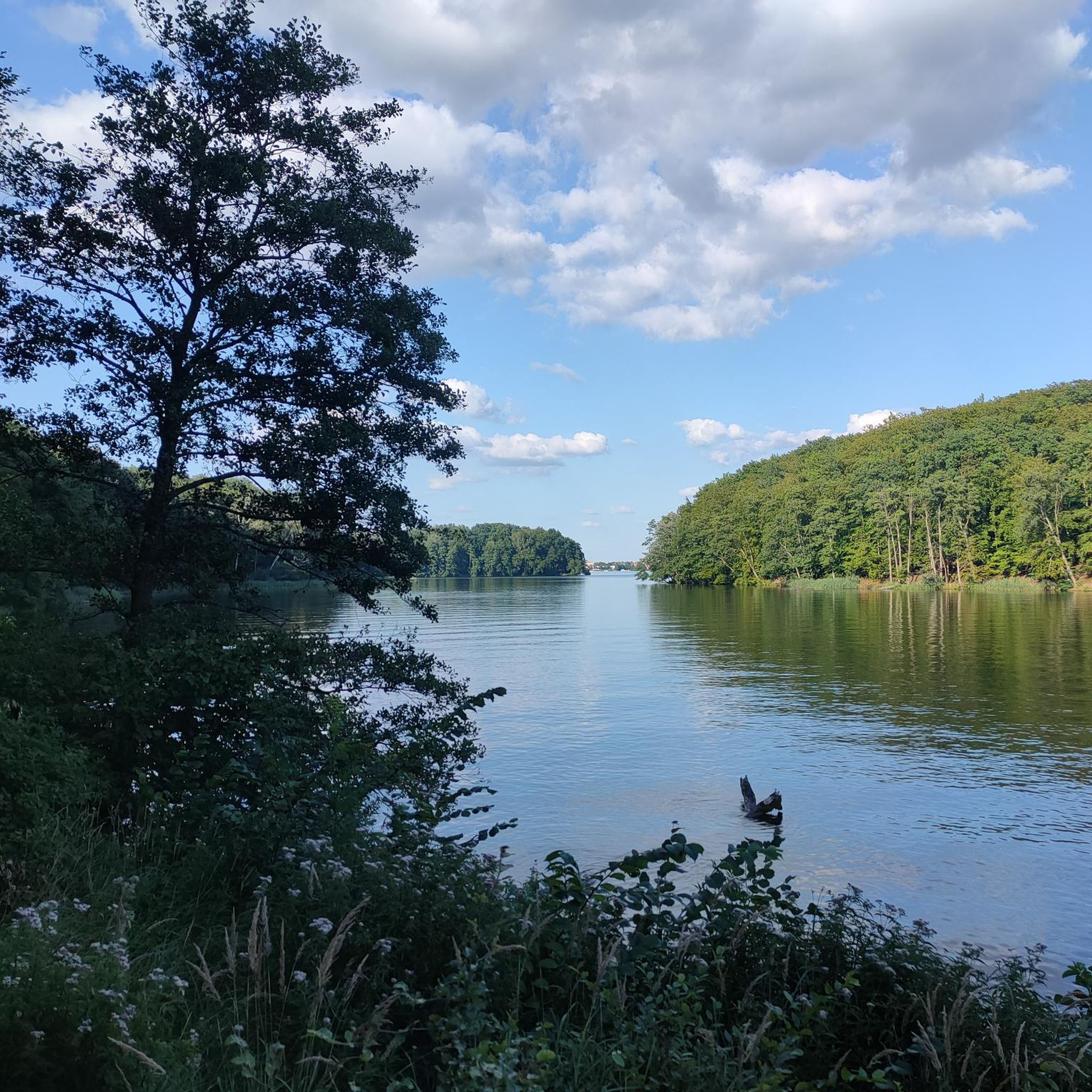
A nice attraction and picturesque views on both sides of the footbridge.
0
0

The establishment of the open-air museum is connected with the decision made in 1980 to create the Central Remembrance Region of the 1st Polish Army in the Zdbice area. The plan had a very broad program and consisted of the intention to create a kind of panorama of the battles of 1945. Some of the works were carried out (e.g. on Lake Smolne and in Zdbice), others were never implemented. The army was involved in the creation of the project, among others. One of the elements of the Remembrance Region was the creation of a large open-air museum of combat and engineering equipment used by the Polish side during the battles for the Pomeranian Wall. It was organized along the eastern slope of the Zdbiczno Lake gutter, slightly to the northwest of the village. The intention was for the exhibition to illustrate the attack of one of the battalions of the 12th Infantry Regiment on the German positions and fortifications located on the other bank of the river. On the Polish side, rifle trenches and earthen combat bunkers were made. A large amount of mobile equipment was also exhibited: mortars, cannons, tanks and Katyushas (some of them did not take part in the fighting for this area at all). A large parking lot and pavilions for tourists were set up by the road. Ultimately, a monumental monument to the conquerors of the Pomeranian Wall was to be built here, which was never built. An approximately three-kilometer educational trail was marked out from the parking lot along the German fortifications to the Morzyca farm. The area around the open-air museum is rich in memorabilia of World War II - combat bunkers and bunkers. In the summer of 2012, the open-air museum was very neglected. The pavilions by the parking lot were in ruins, and only three exhibits of the equipment by the parking lot remained: a T-34 tank, a howitzer and an anti-aircraft gun. However, there was a Room of National Remembrance located in the centre of the village with an exhibition entitled Forest as a Witness to the Battle of the Pomeranian Wall – objects evidencing the destruction of the tree stand in 1945 (e.g. shrapnel stuck in tree trunks), weapons and ammunition, photographs, maps and soldier documents were exhibited here.
0
0


It is worth going to this place because it has its own visual atmosphere
0
0

Church of Our Lady of the Scapular in Laski Wałeckie
1
0
Frequently Asked Questions
What kind of terrain can I expect on gravel bike trails in Rezerwat Wielki Bytyń?
The terrain in Rezerwat Wielki Bytyń is highly varied and undulating, shaped by its young glacial origins. You'll encounter steep slopes up to 30 meters high along lake shores, as well as routes through diverse forests including pine, mixed, beech, and oak, and across moraine uplands. This dynamic landscape provides an engaging challenge for gravel cyclists.
Are there many lakes to see while gravel biking in the reserve?
Yes, lakes constitute about 45% of the reserve's total area. You'll find picturesque banks of lakes such as Bytyń Wielki, Bytyń Mały, Bobkowe, Głębokie, and Bytyniec. Lake Bytyń Wielki, in particular, has a varied shoreline spanning nearly 39 km with numerous bays and peninsulas, offering beautiful views during your ride.
What is the difficulty level of gravel bike trails in Rezerwat Wielki Bytyń?
The gravel bike trails in Rezerwat Wielki Bytyń offer a range of difficulty levels. You can find both moderate and difficult routes. For example, the Gravel Path Through the Forest – World War I Memorial loop from Piecnik is considered difficult, while the Bytyń Wielki Lake at Próchnowo – Storage in Próchnowo loop from gmina Mirosławiec is a moderate option.
Are there any historical landmarks or points of interest along the gravel routes?
Yes, some routes incorporate historical points of interest. For instance, the Gravel Path Through the Forest – Jewish Cemetery in Mirosławiec loop from Jabłonowo guides riders through extensive forest areas and includes a visit to the Jewish Cemetery in Mirosławiec. Another route, Ruins of Cramper Mill – World War I Soldiers' Memorial loop from gmina Mirosławiec, passes by the World War I Soldiers' Memorial and the ruins of Cramper Mill.
Can I expect to see wildlife while gravel biking in Rezerwat Wielki Bytyń?
Absolutely. Rezerwat Wielki Bytyń is known for its rich diversity of flora and fauna. The reserve is home to over 101 species of legally protected birds, 12 species of amphibians and reptiles, beavers, and otters. You might even spot a herd of lowland bison in the western part of the reserve, offering unique opportunities for wildlife observation during your rides.
Are there any circular gravel bike routes available?
Yes, many of the gravel bike routes in Rezerwat Wielki Bytyń are designed as loops. Examples include the Gravel Path Through the Forest – World War I Memorial loop from Piecnik and the Bytyń Wielki Lake at Próchnowo – Storage in Próchnowo loop from gmina Mirosławiec, allowing you to start and end your ride in the same location.
What do other gravel bikers say about the trails in Rezerwat Wielki Bytyń?
The gravel bike trails in Rezerwat Wielki Bytyń are highly rated by the komoot community, with an average score of 5.0 stars. Riders often praise the varied terrain, the extensive forest areas, and the beautiful lake views that make for a rewarding outdoor experience.
What types of forests will I ride through in Rezerwat Wielki Bytyń?
The reserve boasts diverse forest types, ranging from expansive pine and mixed forests to ancient beech and oak forests. You'll also find alders, especially within the valleys of numerous streams, contributing to the varied and scenic landscapes you'll encounter on your gravel bike rides.
Is Rezerwat Wielki Bytyń suitable for a peaceful and serene gravel biking experience?
Yes, the vast natural areas, green forests, and clear lakes of Rezerwat Wielki Bytyń contribute to an ideal environment for relaxation and tranquility. It's an excellent choice if you're looking for a peaceful and immersive outdoor experience away from crowded areas.
How many gravel bike trails are available in Rezerwat Wielki Bytyń?
There are over 9 gravel bike trails documented in Rezerwat Wielki Bytyń on komoot, offering various options for exploration. These include 6 moderate and 3 difficult routes, catering to different skill levels.
Are there any routes that specifically go around Lake Bytyń Wielki?
Yes, there are routes that allow you to cycle around the main lake. The Bytyń Wielki Lake at Próchnowo – Storage in Próchnowo loop from gmina Mirosławiec is a popular moderate trail that leads through varied landscapes around Lake Bytyń Wielki, offering scenic views of its extensive shoreline.
Most popular routes in Rezerwat Wielki Bytyń

Get inspired with the komoot mobile app


Explore more
Browse the best Gravel rides in other regions.
