The best gravel rides in Am Spitzberg
4.8
(5)
13
riders
6
rides
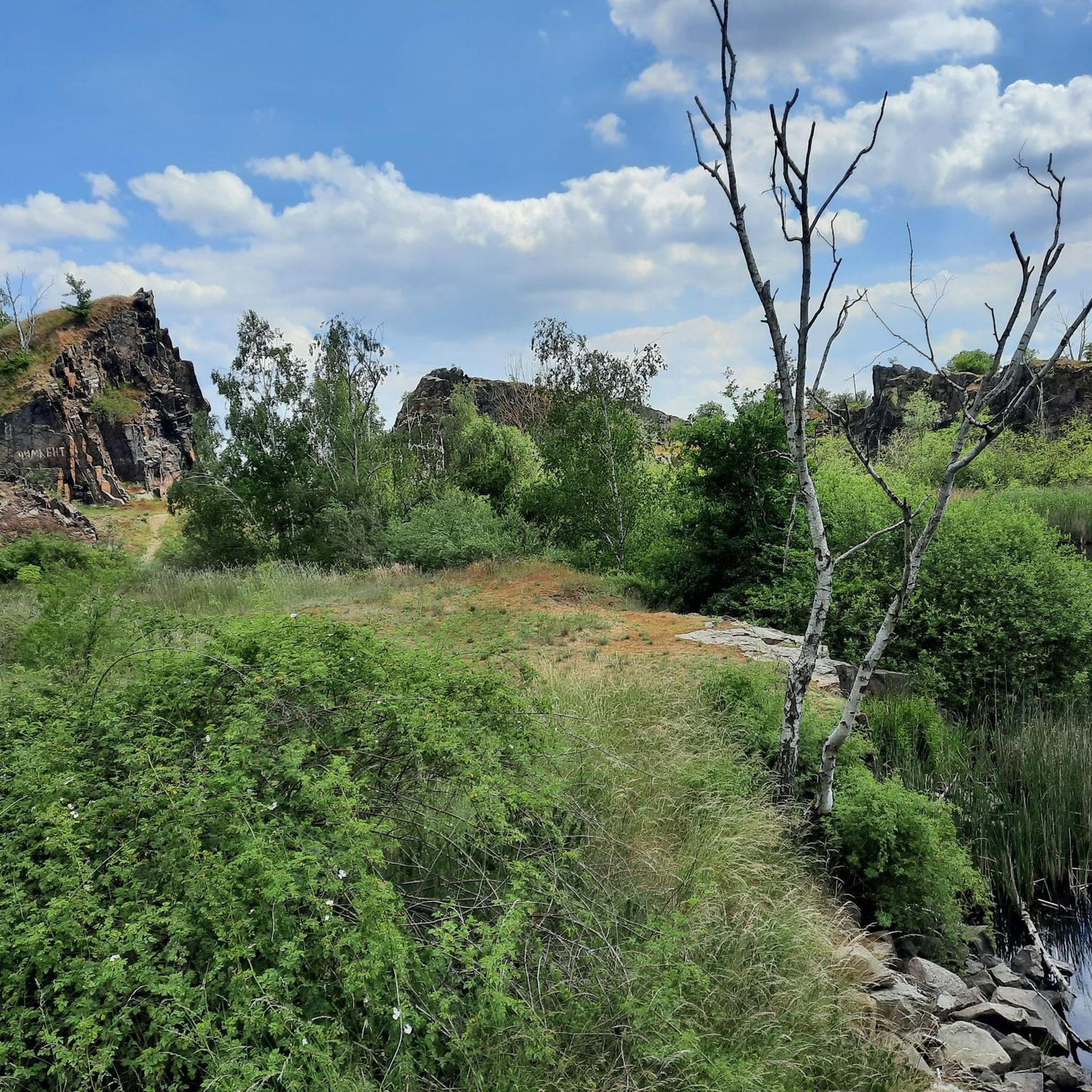
Gravel biking in Am Spitzberg offers varied terrain, including reforested areas, open meadows, and remnants of a former mining landscape. The region features the 161-meter Am Spitzberg hill and is situated within the Mulde River's landscape, providing diverse riding experiences. Cyclists can expect a mix of unpaved paths, forested sections, and routes alongside water features like the Kaolin Lake Kleintscheppa. This area integrates into a wider cycling network, connecting natural beauty with historical elements.
Best gravel bike trails in Am…
Last updated: May 22, 2026
4.0
(1)
3
riders
59.6km
03:40
370m
370m
Moderate gravel ride. Good fitness required. Mostly paved surfaces. Suitable for all skill levels.
5.0
(1)
1
riders
40.9km
02:25
230m
230m
Moderate gravel ride. Good fitness required. Mostly paved surfaces. Suitable for all skill levels.

Sign up for free
5.0
(1)
1
riders
64.6km
03:34
410m
410m
Moderate gravel ride. Good fitness required. Mostly paved surfaces. Suitable for all skill levels.
2
riders
15.5km
01:00
90m
90m
Easy gravel ride. Great for any fitness level. Mostly paved surfaces. Suitable for all skill levels.
1
riders
44.0km
02:35
250m
250m
Moderate gravel ride. Good fitness required. Mostly paved surfaces. Suitable for all skill levels.
Our route recommendations are based on thousands of hikes, rides, and runs completed by other people on komoot.
Start today with a free account
Your next adventure awaits.
Login or Signup
Tips from the Community

The design for the Schmannewitz church comes from George Bähr, the architect of the Dresden Frauenkirche. Schmannewitz boasts a cultural and historical landmark in its Baroque village church. Built as a single-nave structure in 1731/32, the octagonal tower and the interior furnishings, including the galleries, date from the late 18th century. The residents of Schmannewitz were in for a surprise when the tower was renovated in 1961/62. An eight-page parchment was discovered, revealing that the design for the Schmannewitz church was indeed by the renowned George Bähr, the architect of the Frauenkirche in Dresden. The old Rühle organ is also well-preserved. Those who visit Schmannewitz at the right time can enjoy wonderful concerts here. - Restrooms available for visitors https://www.leipzig.travel/poi/george-baehr-kirche-zu-schmannewitz
0
0

This is the place of farewell.
0
0

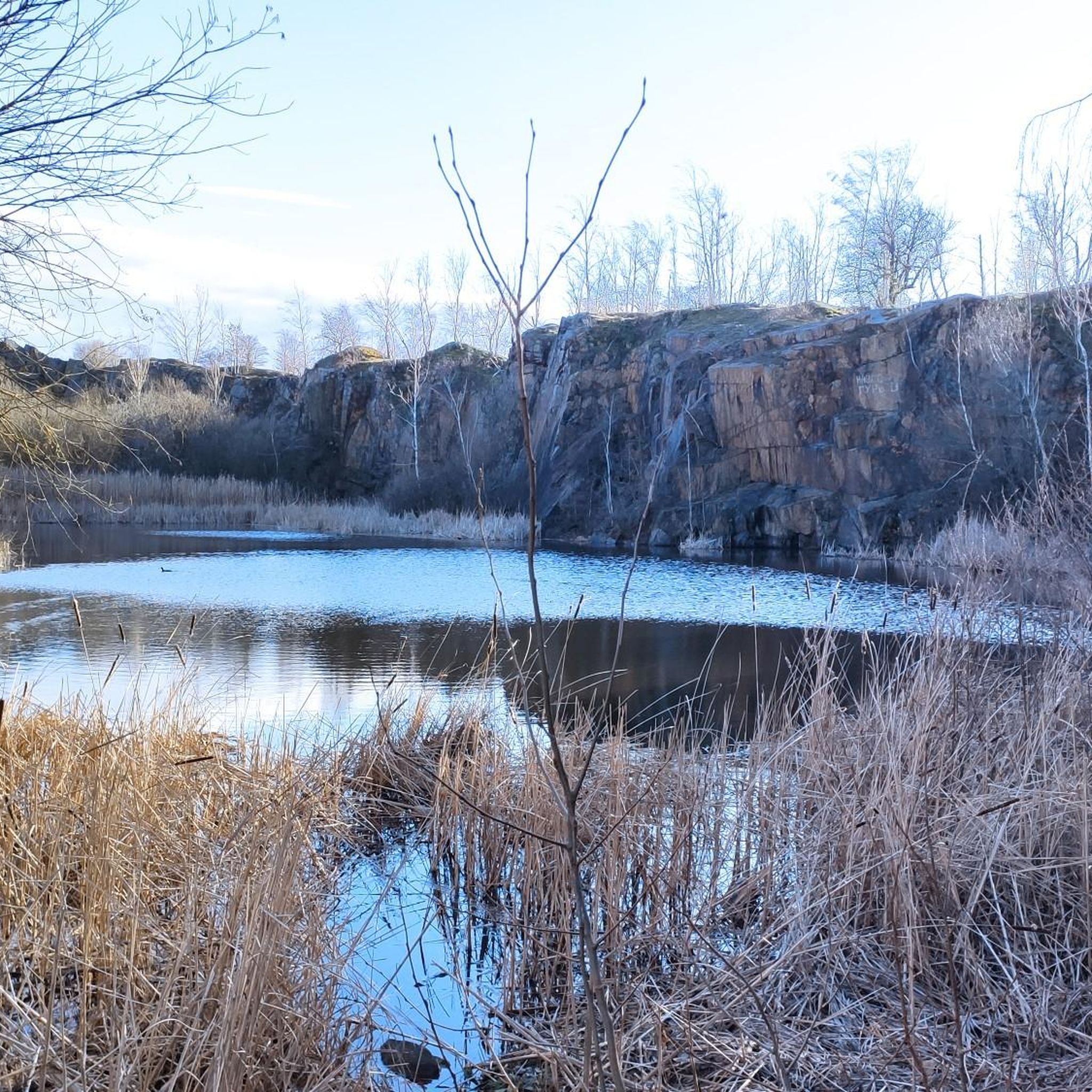
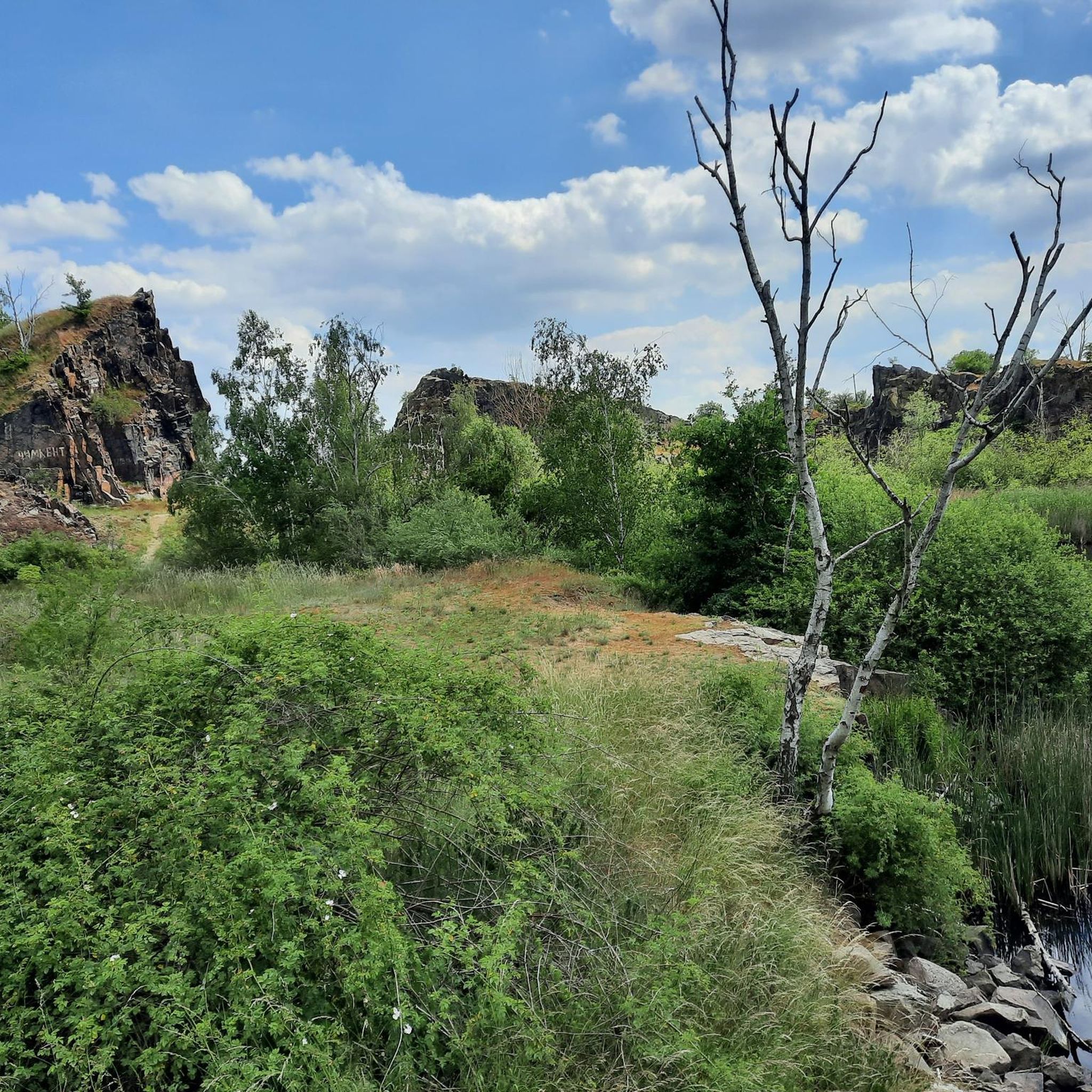
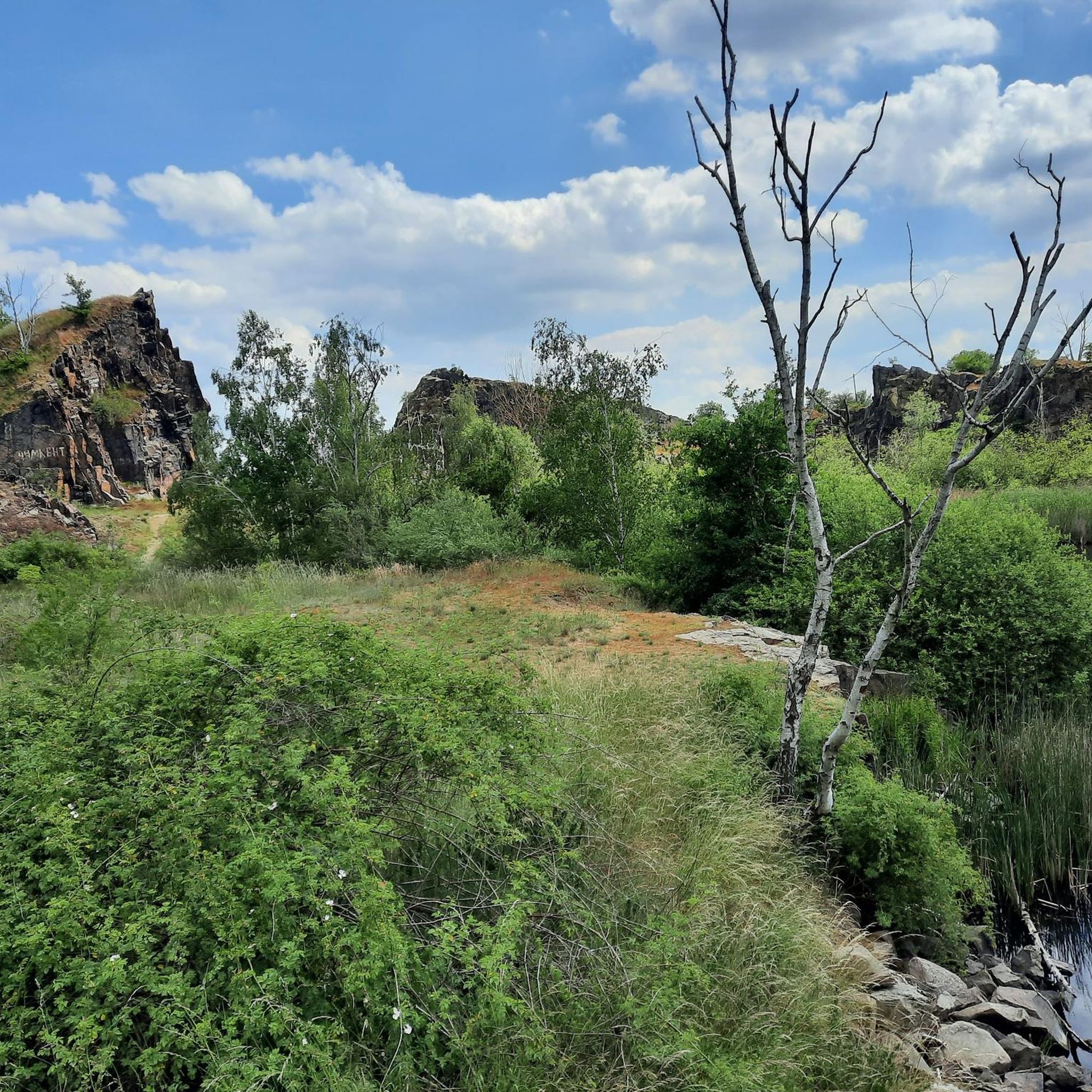
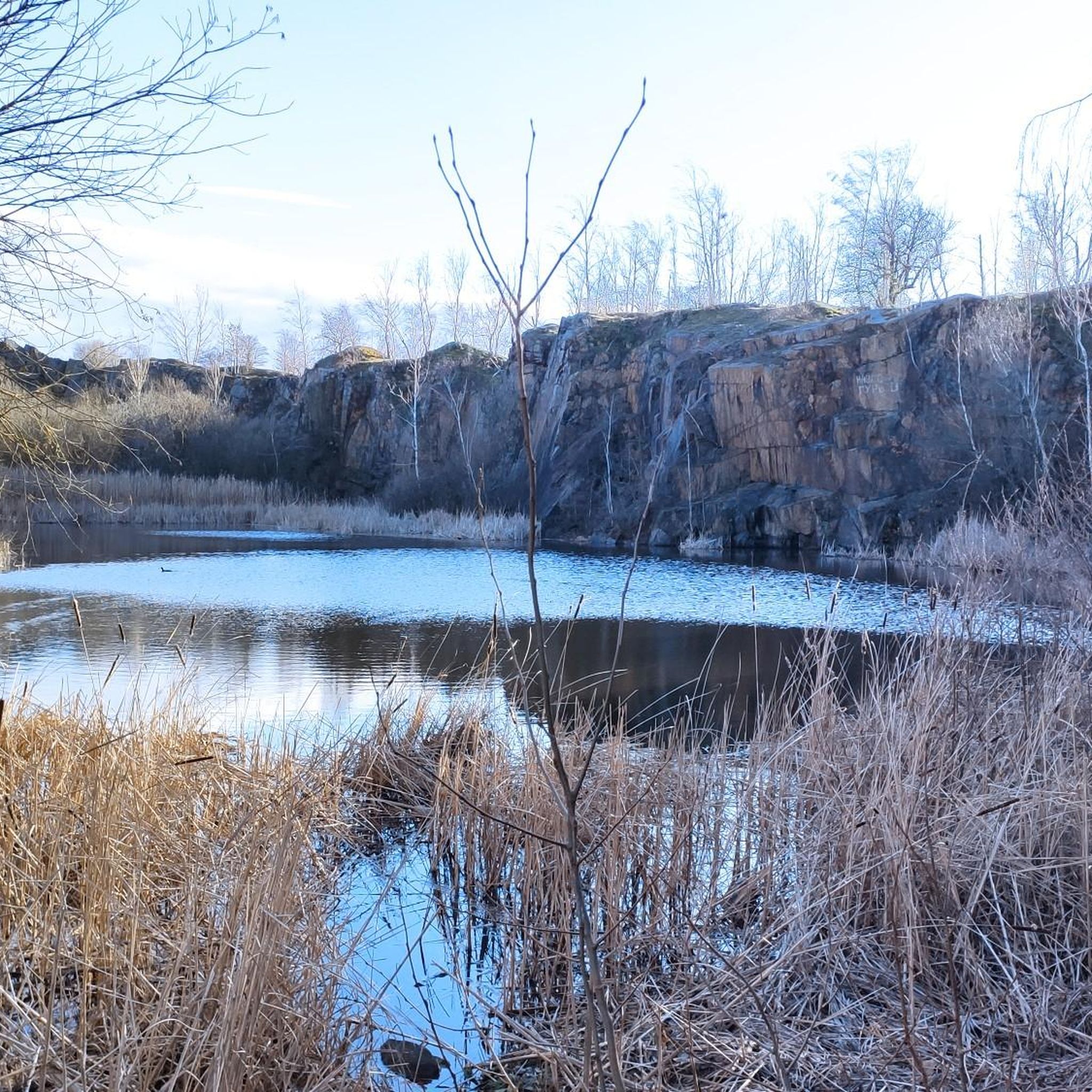
already filled with water, natural monument
2
0

A FriedWald burial is usually accompanied by a memorial service. This can be a traditional service with a clergyman or a free ceremony. Music and singing can be included—according to your wishes. After the farewells, the urn is carried to the grave site. It is then lowered into the ground, and the grave is sealed.
0
0

Very quiet 🧘♂️. The large bench is a great place to relax.
0
0

Large intersection with six adjacent bike paths. Unfortunately, the signs are not aligned quite correctly.
0
0

In the past, many people would swim here, but now it is privately owned and all bathing facilities have been blocked off. Locals also call it the water quarry because there is another one nearby. If you like quarries, there are the Hohburg Mountains nearby, where there are even more and larger quarries.
0
0
"A piece of history along the S-Weg: The former border between Prussia and Saxony" After the Congress of Vienna in 1815 regulated the reorganization of Europe after the defeat of Napoleon and his allies in the Battle of the Nations near Leipzig, the Kingdom of Saxony had to cede parts of its territory to Prussia. The new border line ran along the S-Weg and across the Dahlen Heath. In the forests south of Schildau you can still find the old border stones that mark the former border in several places. These stones are engraved with "KP" and "KS", which stand for Kingdom of Prussia and Kingdom of Saxony and are reminiscent of the border established in the Congress of Vienna. Interestingly, this border was not revised until 1990, when the East German states were re-established in the final phase of the GDR. Citizen surveys showed that the majority of the northern Saxon areas should be annexed to Saxony again. Tip: the Napoleon Stone is located nearby. According to legend, Napoleon camped there during his retreat on the eve of the Battle of the Nations near Leipzig.
0
0
Frequently Asked Questions
How many gravel bike trails are available in Am Spitzberg?
There are 7 gravel bike trails in Am Spitzberg, offering a diverse range of experiences. These include 2 easy routes and 5 moderate routes, ensuring options for various skill levels.
What kind of terrain can I expect on gravel bike trails in Am Spitzberg?
Gravel biking in Am Spitzberg offers a varied landscape. You'll encounter reforested areas, open meadows with abundant wildlife, and sections that reflect the region's former mining history. The trails often feature unpaved paths and forested sections, with some routes following the scenic Mulde River.
Are there any circular gravel bike routes in Am Spitzberg?
Yes, many of the gravel bike routes in Am Spitzberg are designed as loops. For example, the Wittes Quarry – Schwanenteich Roitzsch loop from Wurzen is a popular moderate route that explores the quarry area and a lake, returning to your starting point.
Are there gravel bike trails suitable for beginners in Am Spitzberg?
Absolutely. Am Spitzberg offers several easy gravel bike trails perfect for beginners. A great option is the Muldentalbahn Cycle Path – View of the Mulde loop from Wurzen, an easy 28.5 km trail that follows a dedicated cycle path with scenic river views.
What natural features or landmarks can I see along the gravel bike trails?
The trails in Am Spitzberg offer views of diverse natural features and historical elements. You can explore the Spitzberg Near Lüptitz, a prominent viewpoint, or visit the tranquil Spitzberg Quarry Pond. The region's past mining landscape is also visible, now integrated into the natural setting.
Are there any water features or lakes to explore while gravel biking?
Yes, the region is characterized by its proximity to the Mulde River, and you'll find routes that follow its varied landscape. The Spitzberg Quarry Pond is a notable natural attraction, and the nearby Kaolin Lake Kleintscheppa also offers scenic spots for riders.
Are the gravel bike trails in Am Spitzberg family-friendly?
Many of the trails, especially the easy-rated ones, are suitable for families. The varied terrain of reforested areas and open meadows provides an engaging environment. For a relaxed ride, consider the Schmielteich – Schmiel Pond loop from Bennewitz, an easy 15.5 km route.
Can I bring my dog on the gravel bike trails in Am Spitzberg?
While Am Spitzberg is a nature-rich area, it's always best to check local regulations for specific trails, especially those within the nature reserve. Generally, dogs are welcome on many public paths, but should be kept on a leash to protect wildlife and ensure safety for all users.
Where can I park when gravel biking in Am Spitzberg?
Parking options are available in and around Wurzen and near the various trailheads. For routes starting from Wurzen, you can often find parking within the town. For trails like the Wittes Quarry – Schwanenteich Roitzsch loop from Kleiner Berg Hohburg, look for designated parking areas near Kleiner Berg Hohburg.
Is Am Spitzberg accessible by public transport for gravel bikers?
Yes, Wurzen, the nearest town to Am Spitzberg, is well-connected by public transport, including train services. This makes it convenient to reach the area and start your gravel biking adventure without needing a car. Many routes, like the Muldentalbahn Cycle Path – View of the Mulde loop from Wurzen, are easily accessible from Wurzen.
What do other gravel bikers say about the trails in Am Spitzberg?
The gravel bike trails in Am Spitzberg are highly regarded by the komoot community, with an average rating of 4.1 out of 5 stars from several reviews. Riders often praise the varied terrain, the peaceful reforested areas, and the scenic views along the Mulde River, highlighting the unique blend of nature and history.
Are there places to eat or stay near the gravel bike trails?
Wurzen, being a nearby town, offers various amenities including cafes, restaurants, and accommodation options. These establishments provide convenient stops for refreshments or overnight stays, allowing you to extend your gravel biking experience in the Am Spitzberg region.
What is the best time of year to go gravel biking in Am Spitzberg?
Am Spitzberg is enjoyable for gravel biking throughout much of the year. Spring and autumn offer pleasant temperatures and beautiful scenery with blooming flowers or vibrant foliage. Warm summer days are also excellent, especially when exploring open meadows where you might hear chirping crickets and see kestrels. Even winter can be an option, though conditions may vary.
Most popular routes in Am Spitzberg
Most popular attractions in Am Spitzberg

Get inspired with the komoot mobile app


Explore more
Browse the best Gravel rides in other regions.
