The best gravel rides in Forêt Du Camp Roi Albert
4.3
(35)
335
riders
74
rides
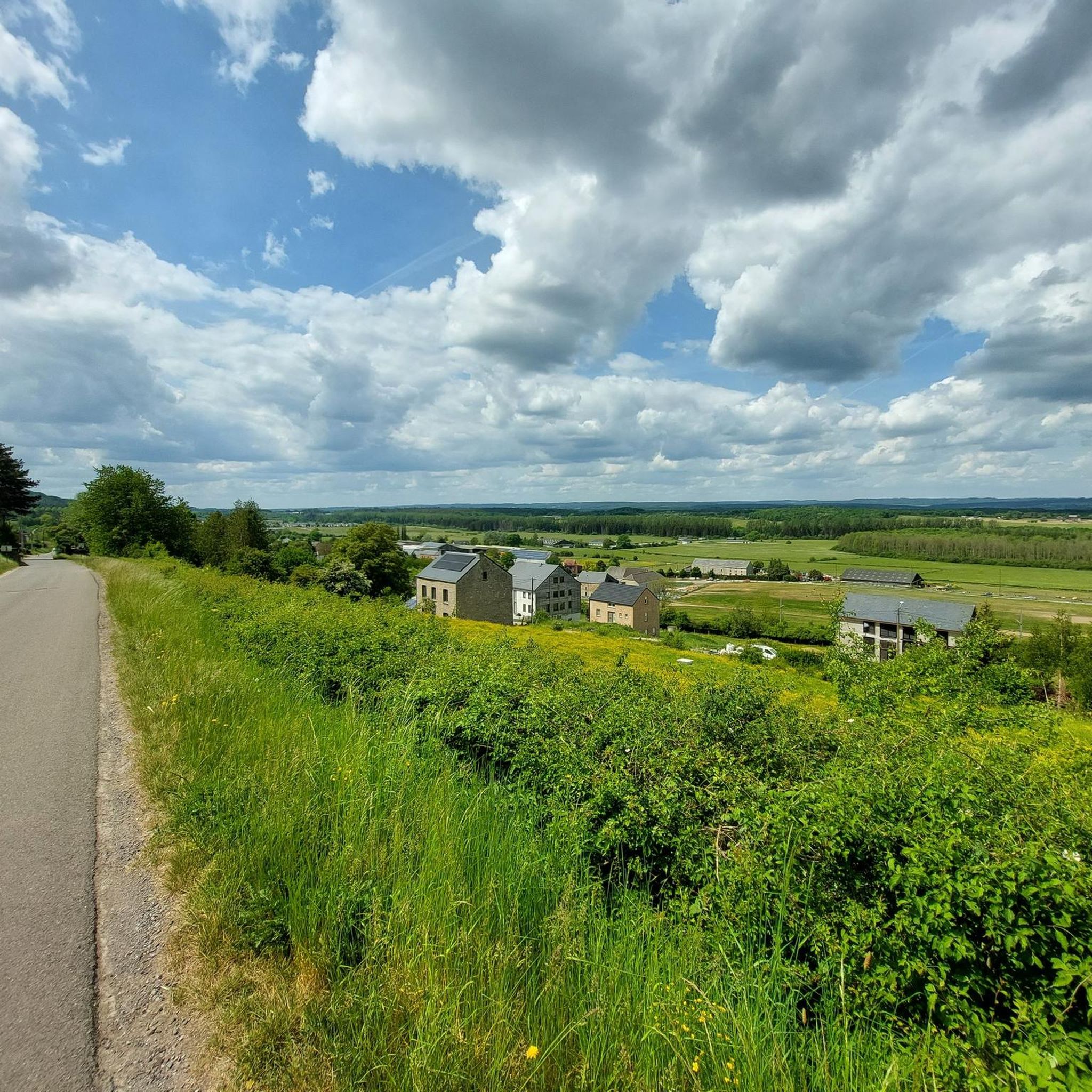
Gravel biking in Forêt Du Camp Roi Albert, situated within the Belgian Ardennes, offers diverse landscapes and mixed terrain. The region features extensive woodlands with varied sectors, including dark undergrowth, luminous ash groves, and open forest meadows. Riders encounter both asphalt sections and rugged gravel paths, often alongside natural water features like streams and cascades. The terrain includes climbs ranging from 100-400m, providing varied challenges for gravel bikers.
Best gravel bike trails in Forêt Du Camp Roi Albert
- The most…
Last updated: August 4, 2026
15
riders
46.6km
03:10
640m
640m
Hard gravel ride. Very good fitness required. You may need to push your bike for some segments of this route.
4.0
(2)
4
riders
34.8km
02:21
450m
450m
Hard gravel ride. Very good fitness required. Mostly paved surfaces. Suitable for all skill levels.

Sign up for free
5
riders
Moderate gravel ride. Good fitness required. Mostly paved surfaces. Suitable for all skill levels.
3
riders
57.6km
04:21
940m
940m
Hard gravel ride. Very good fitness required. Mostly paved surfaces. Suitable for all skill levels.
3.0
(1)
2
riders
Hard gravel ride. Very good fitness required. Mostly paved surfaces. Suitable for all skill levels.
Get access to more routes and recommendations from other explorers.
Sign up for free
Already have an account?
Our route recommendations are based on thousands of hikes, rides, and runs completed by other people on komoot.
Start today with a free account
Your next adventure awaits.
Login or Signup
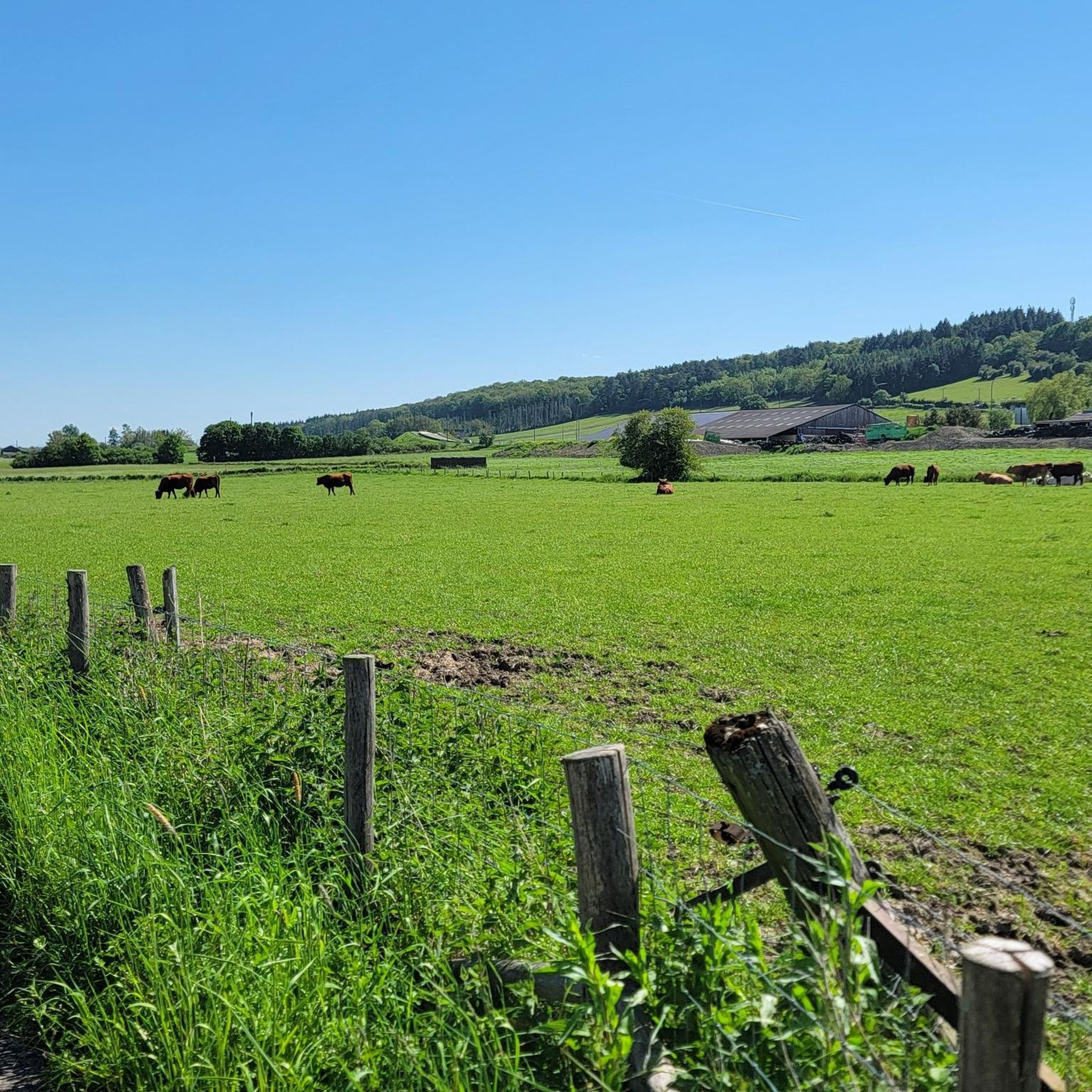
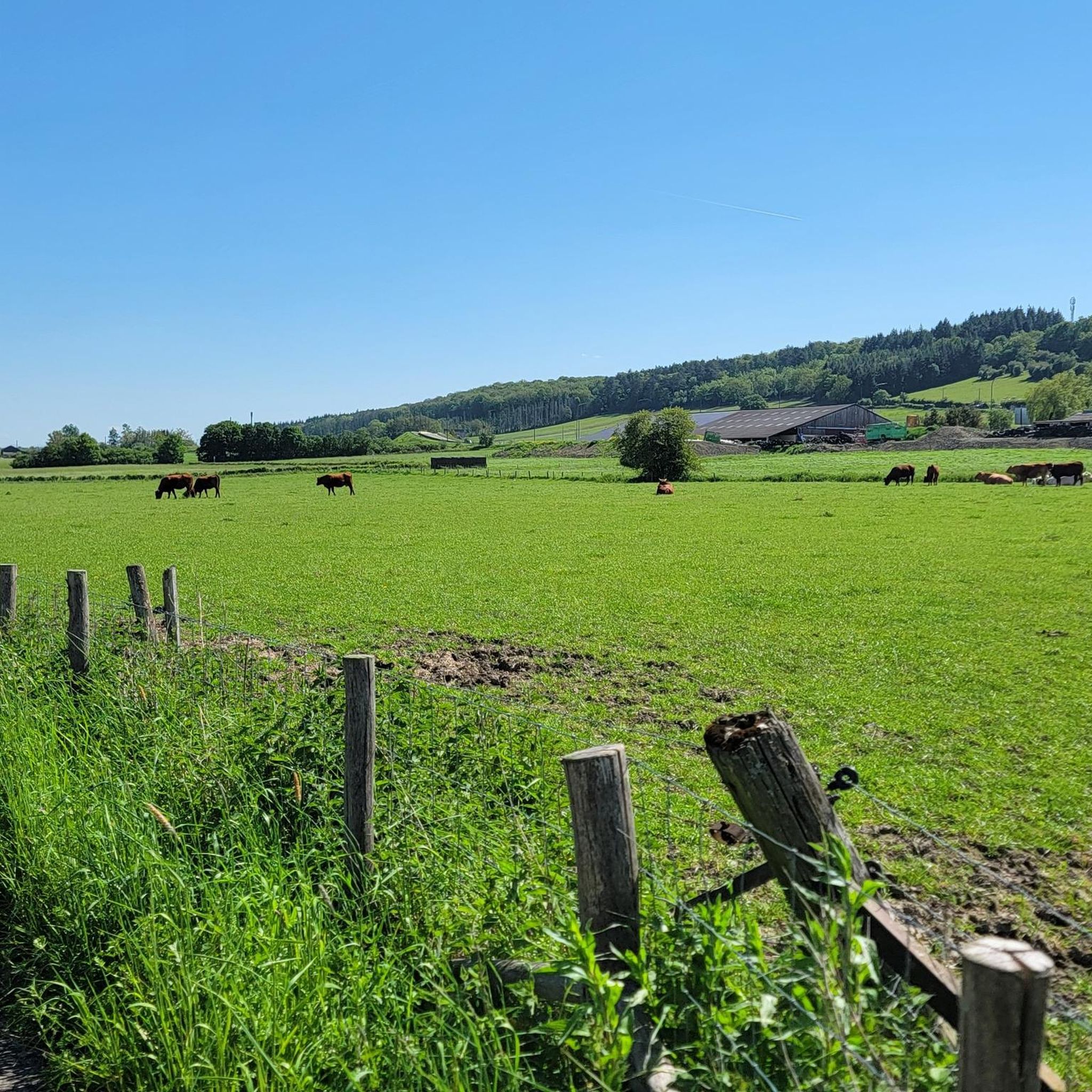
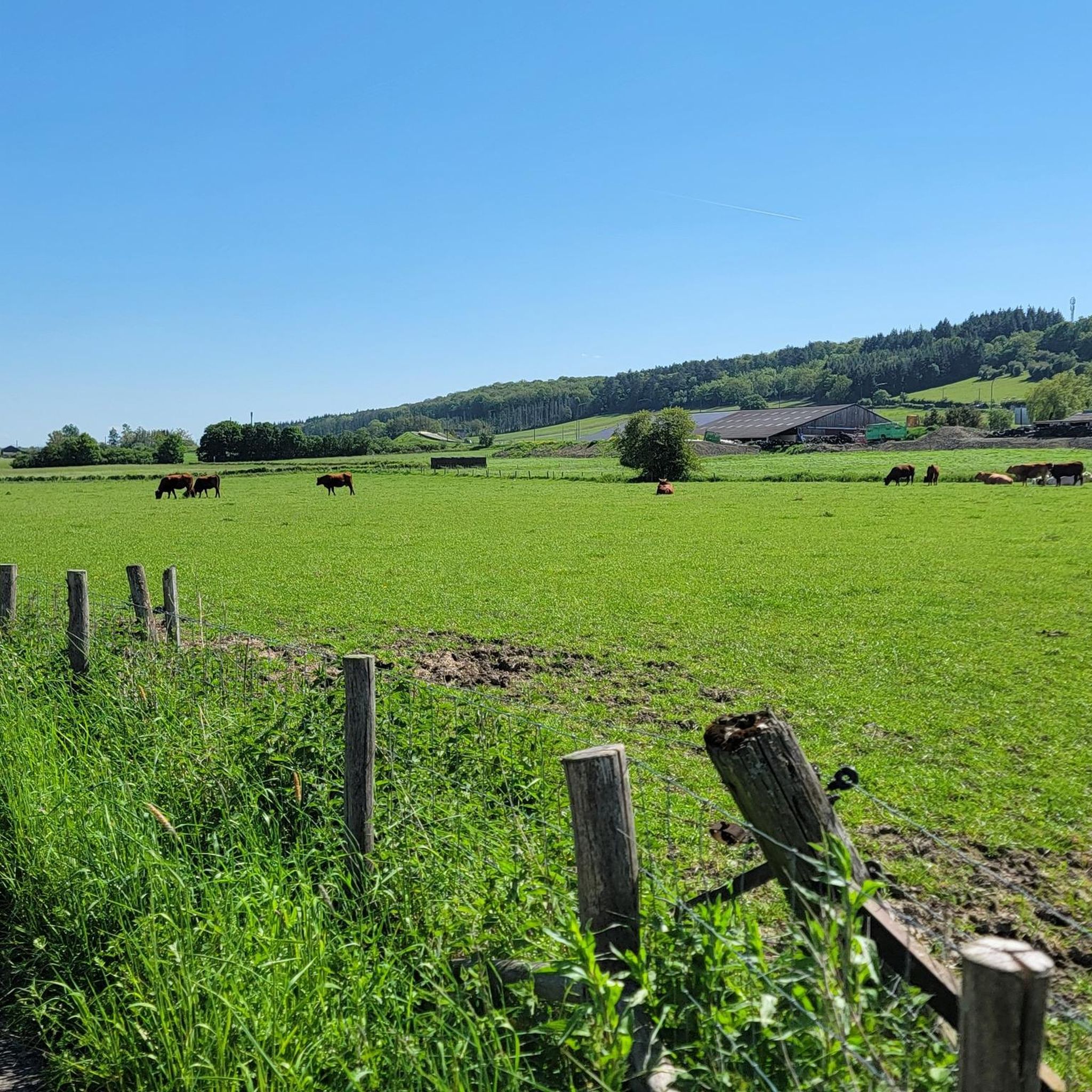
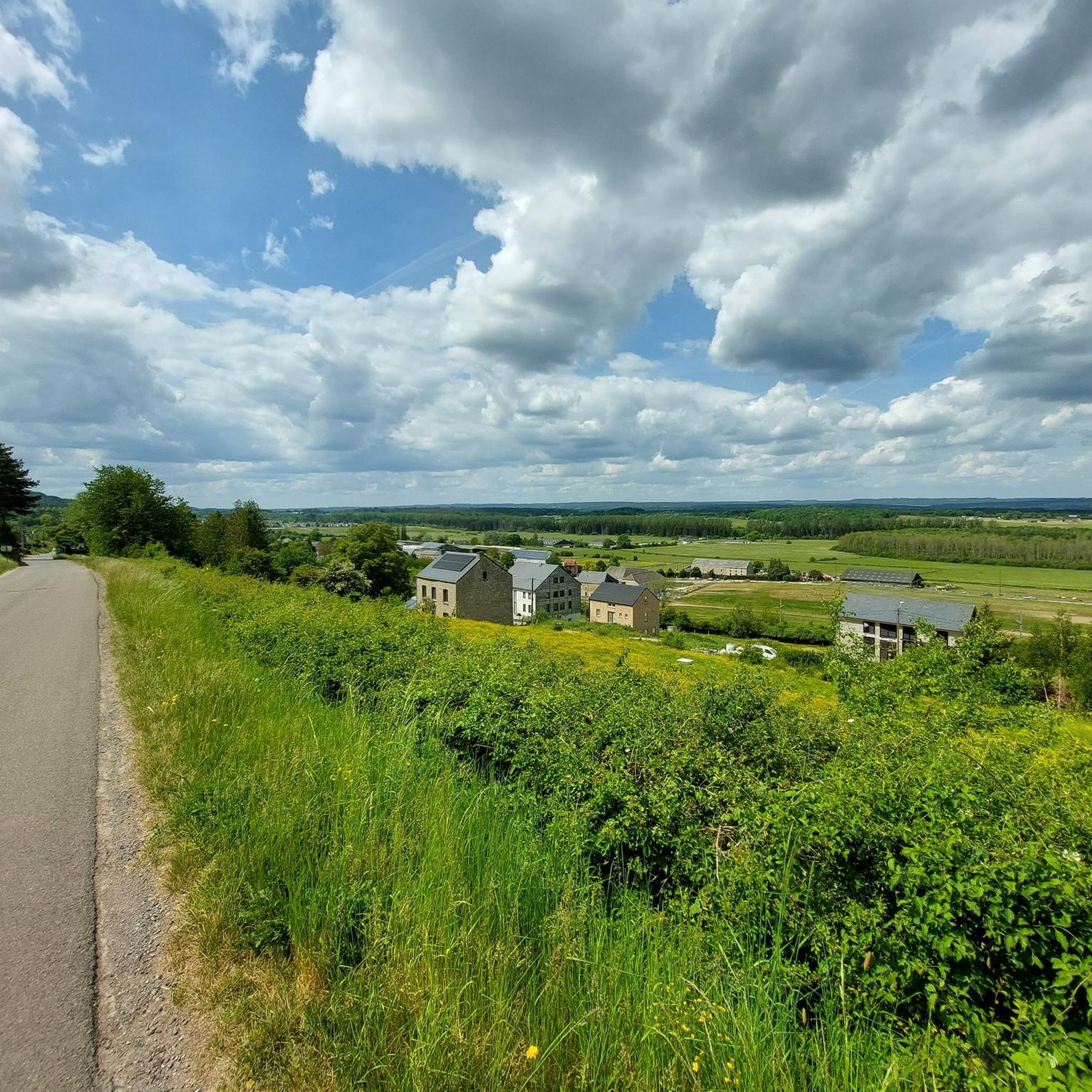
Tips from the Community


Durbuy is first mentioned in 1078 (as Dolbui) and in 1084 (under the current name). The first traces of habitation are found during excavations in the Anticlinaal cave by Count Pierre d'Ursel. The d'Ursel family still inhabits Durbuy Castle. Before the current castle, there were already others. Based on the archives of Luxembourg, a castle was destroyed and in the eleventh century, another was built by Henry II the Lame, who had received the domain from his mother Rageline, sister of Pope Stephen II, and her husband Albert II of Namur. Around 1156, that castle was severely damaged by flames and during the succession wars of the Duchy of Limburg, it was destroyed several more times. From 1412, Durbuy came into the hands of the House of Burgundy and at the end of the fifteenth century, the then-existing castle was destroyed by Maximilian of Austria, like all the castles of the la Marck family: besides Durbuy, these also include the castles of Logne and La Roche. In 1628, Baron Antoine Schetz of Grobendonck leased the Durbuy estate for 40,000 gold marks, a very considerable sum. Besides being a baron, he was also Count of Grobbendonk, Lord of Tilburg and Goirle, Pulle and Pulderbos, and Wezemaal. He was in the service of the Spanish and had led the defense of 's-Hertogenbosch during the Eighty Years' War. At the age of 71, he was also governor of the city of Leuven during the Siege of Leuven. And he was the first in a long line of the d'Ursel family who, to this day, inhabit the castle. In 1731, the castle was rebuilt by the then Duke of Ursel. Countess Auguste d'Ursel, who acquired the d'Ursel family's possessions in Durbuy, then modernized the castle from 1880 to 1882 with the help of architect Thirian from Namur. During the Second World War, the castle was occupied several times and in 1944, during the Battle of the Bulge, it was used as a field hospital by the American liberators, with the billiard table serving as an operating table. Sources: historical overviews in Word documents on the website of Count Jean-Michel d'Ursel, current resident, at https://www.chateaudedurbuy.be/historique.html
6
0

The unique stones were recently excavated and are now on display for anyone who wants to experience a piece of history from the beautiful Weris (Durbuy).
0
0


This picnic area, located on the banks of the Ourthe River, offers a bucolic, rural setting for a peaceful break. The location is ideal for enjoying the typical Ardennes landscape.
1
0

Durbuy is a picture-perfect town in the Ardennes. The town thrives on tourism. There are countless hotels, cafés, and fine restaurants. Prices are correspondingly high. It can get crowded on weekends.
1
0

Frequently Asked Questions
How many gravel bike trails are available in Forêt Du Camp Roi Albert?
Forêt Du Camp Roi Albert offers a wide selection of gravel biking routes, with over 80 trails mapped on komoot. These range from easy paths to more challenging rides, ensuring options for various skill levels.
What kind of terrain can I expect on the gravel bike trails in Forêt Du Camp Roi Albert?
You'll encounter a diverse mix of terrain. Routes often combine asphalt sections through charming villages with rugged gravel paths deep within the woods. The forest itself features varied sectors, including dark undergrowth, luminous ash groves, and open meadows, sometimes with muddy conditions, providing an engaging challenge.
Are there any challenging gravel routes for experienced riders?
Yes, Forêt Du Camp Roi Albert has several challenging routes. For instance, the Road Overlooking the Valley – RAVeL route along the Ourthe loop from Noiseux is a difficult 48.1 km trail with significant elevation gain, often completed in about 3 hours 20 minutes. Another demanding option is the Forest Path Climb – View of Baraque Fraiture loop from Melreux-Hotton, which spans over 57 km and features nearly 1000m of climbing.
Are there any routes that feature water elements like streams or waterfalls?
Yes, the region is known for its natural water features. Many trails run alongside serene streams, such as the Masblette and Palogne streams, which are described as bounding from rock to rock. You may also encounter eye-catching cascades, as numerous paths highlight these natural wonders.
What do other gravel bikers say about the trails in Forêt Du Camp Roi Albert?
The gravel biking routes in Forêt Du Camp Roi Albert are highly rated by the komoot community, with an average score of 4.3 stars from over 17 reviews. Riders often praise the diverse landscapes, exciting trails, and the mix of asphalt and rugged gravel sections that provide varied and engaging challenges.
Are there any family-friendly gravel biking options?
While some routes require good fitness, the region does offer easily accessible paths. Look for routes described as 'moderate' or 'easy' to find options that might be more suitable for families, though specific family-focused routes are not detailed in the provided data. Always check the route's difficulty and length before heading out.
Can I find circular gravel bike routes in the area?
Yes, many of the popular gravel bike trails in Forêt Du Camp Roi Albert are designed as loops. For example, the Dolmen of Oppagne – Megalithic Field of Wéris loop from Melreux-Hotton is a 34.2 km circular trail that explores ancient sites and varied forest terrain.
Are there any historical landmarks or points of interest along the routes?
Yes, the forest is rich in history. You can find the 'Monument du Roi Albert,' a clearing dedicated to King Albert's visits. Paths also lead to historical sites like the Pont Mauricy and the Musée du Fer (Iron Museum), offering cultural insights amidst your ride.
What is the typical duration for a gravel bike ride in Forêt Du Camp Roi Albert?
Ride durations vary significantly based on the route's length and difficulty. For example, a moderate 31.1 km route like the Petit-Han wood – Famenne Paved Pathway loop from Melreux-Hotton typically takes around 2 hours 15 minutes. Longer, more difficult routes can extend to 3-4 hours or more.
Is there public transport access to the gravel biking areas?
The region is part of the Belgian Ardennes, and while specific public transport details for trailheads are not provided, towns like Marche-en-Famenne and Saint-Hubert, which are gateways to the forest, generally have public transport connections. It's advisable to check local bus or train schedules to plan your access.
Where can I find parking for gravel biking in Forêt Du Camp Roi Albert?
While specific parking locations are not detailed, many routes start from towns or villages such as Melreux-Hotton or Noiseux, where public parking is typically available. Look for designated parking areas near trailheads or in the vicinity of these starting points.
Are there any long-distance gravel routes for an all-day adventure?
Absolutely. For a longer adventure, consider routes like the La Roche-en-Ardenne – La Roche-en-Ardenne loop from Marche-en-Famenne. This challenging route covers nearly 74 km with over 1300m of elevation gain, making it suitable for a full day of exploration.
Most popular routes in Forêt Du Camp Roi Albert

Get inspired with the komoot mobile app


Explore more
Browse the best Gravel rides in other regions.
