The best gravel rides around Sado
4.5
(2)
15
riders
3
rides
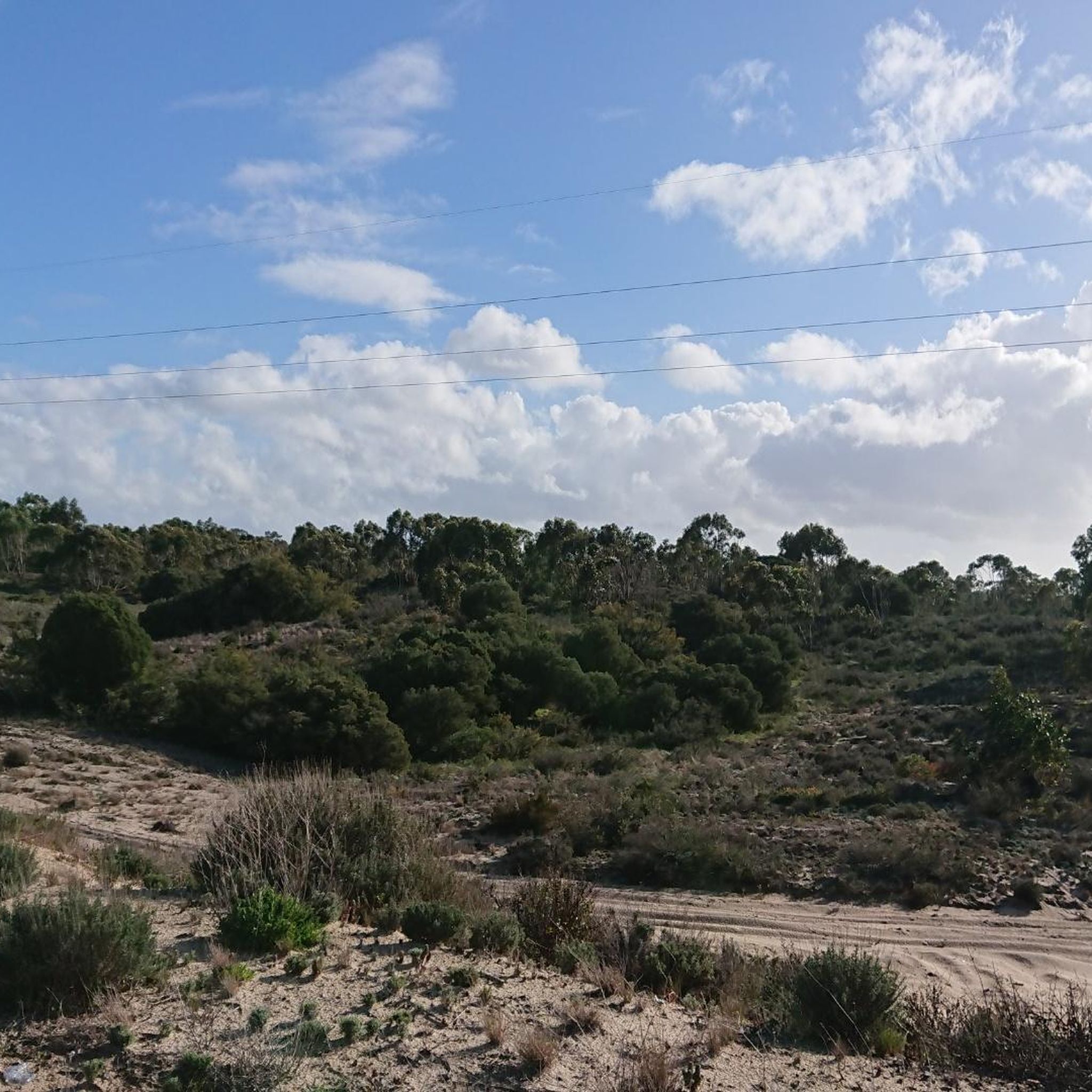
Gravel biking around Sado offers a diverse landscape for off-road cycling. The region features a mix of coastal areas, rolling hills, and agricultural paths, providing varied terrain for gravel bike trails. Routes often traverse through areas with views of historical landmarks like Palmela Castle and extend towards the Sado Estuary. The elevation gains are generally moderate, making the area accessible for a range of gravel biking experiences.
Best gravel bike trails around Sado
- The most popular gravel bike trail is…
Last updated: June 6, 2026
5.0
(1)
7
riders
48.5km
03:08
320m
320m
Moderate gravel ride. Good fitness required. Mostly paved surfaces. Suitable for all skill levels.
4.0
(1)
5
riders
27.5km
01:55
360m
360m
Moderate gravel ride. Good fitness required. Mostly paved surfaces. Suitable for all skill levels.

Sign up for free
3
riders
31.4km
02:06
350m
350m
Moderate gravel ride. Good fitness required. Mostly paved surfaces. Suitable for all skill levels.
Our route recommendations are based on thousands of hikes, rides, and runs completed by other people on komoot.
Start today with a free account
Your next adventure awaits.
Login or Signup
Tips from the Community

Added to the collection: https://www.komoot.com/de-de/collection/3600632/-naturdenkmaeler-besondere-baeume-und-weitere-schaetze-der-natur
0
0

Setúbal is one of Portugal's most diverse regions, offering a unique mix of mountains, river, and ocean just a short drive from Lisbon. Breathtaking Nature (Arrábida & Sado): Ideally located where the Sado River meets the Atlantic, guarded by the Arrábida Mountains. Home to some of Europe's most beautiful beaches (like Galapinhos and Portinho da Arrábida) with calm, crystal-clear waters. One of the few places in Europe with a resident population of bottlenose dolphins in the estuary. World-Class Gastronomy: Famous for Choco Frito (Fried Cuttlefish), the city's signature dish. Renowned for excellent fresh fish grilled over charcoal. Home to the Livramento Market, considered one of the best fish markets in the world, famous for its vibrant atmosphere and tile panels. Heritage & Views: St. Philip’s Fort (Forte de São Filipe): Offers the best panoramic view over the city, the bay, and the Tróia Peninsula. A charming historic center and the Manueline-style Convent of Jesus. Gateway to Tróia: From the harbor, you can take a quick ferry across the river to the Tróia Peninsula, known for its endless white sandy beaches and Roman ruins. Visiting the Setúbal region (often referred to by visitors simply as "Porto de Setúbal" due to its strong port and riverside identity) is well worth it. It is possibly one of the regions in Portugal that offers the greatest diversity of experiences in a single day. Here are the main reasons why it is an unmissable destination, going far beyond the industrial port area: 1. A Unique Encounter of Nature (Mountains and Sea) Setúbal is situated in a privileged geographical point, where the Sado River meets the Atlantic Ocean, guarded by the Arrábida mountain range. Setúbal Bay: Considered one of the most beautiful bays in the world (it's part of the Club of the Most Beautiful Bays in the World). Arrábida Mountain Range: The mountain range literally "falls" into the sea. The beaches here (such as Galapinhos, Portinho da Arrábida, or Figueirinha) have crystal-clear, calm waters reminiscent of the Mediterranean or the Caribbean, protected by lush green vegetation. 4. Proximity to Tróia From the Port of Setúbal, you can take the ferry or catamaran and, in about 15 to 20 minutes, cross to the Tróia Peninsula. There you will find extensive white sand beaches and warmer waters, as well as interesting Roman ruins.
1
0

These mills are located in high areas and were used to grind cereals into flour to make bread. 👍🇵🇹
0
0

Ancient, magnificent olive trees that are still alive.
2
0

Located high on the road towards Setúbal.
2
0
A picturesque harbor in Setubal with many anglers on the shore and a beautiful view of the water
4
0

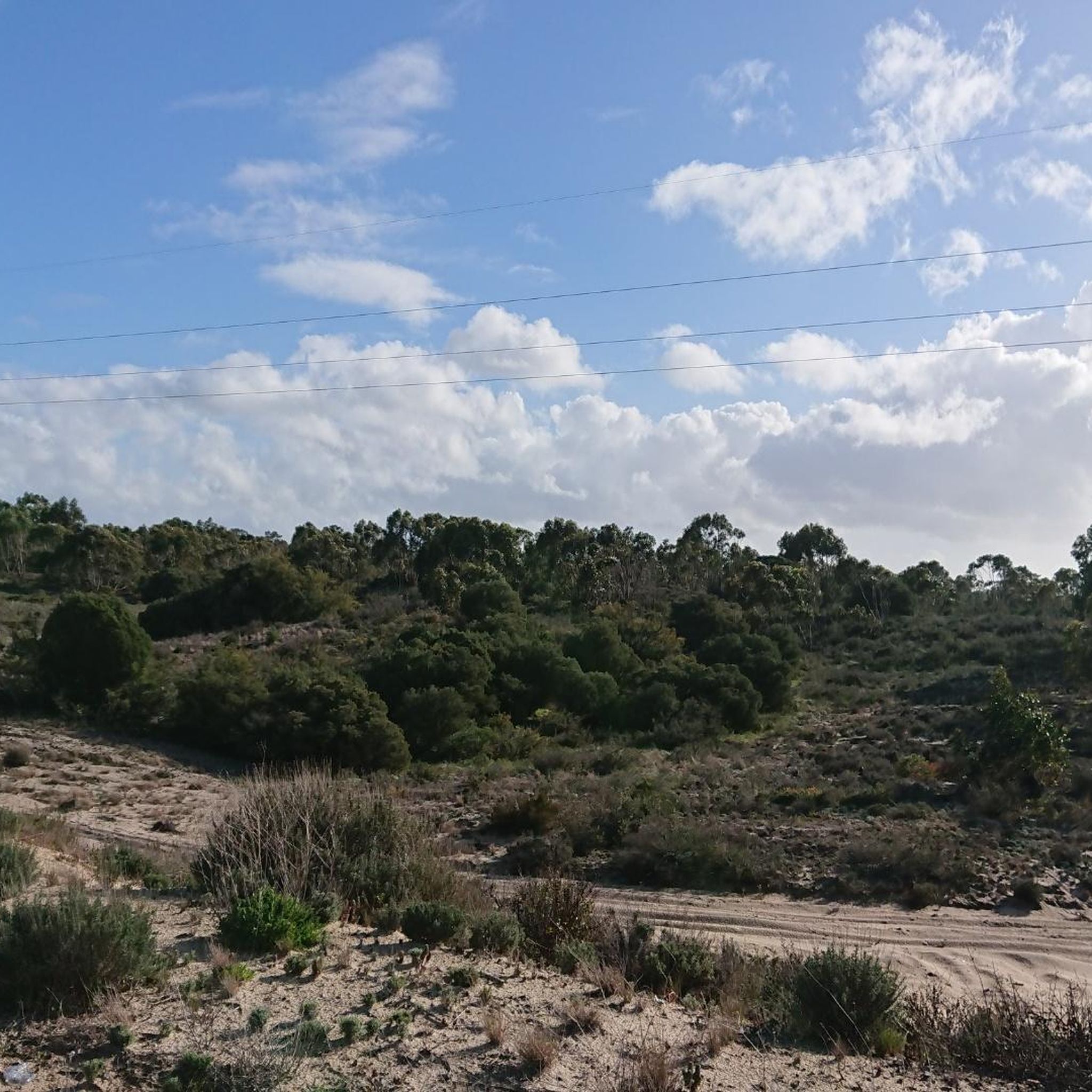
Relatively wide path, very beautiful for cyclists, walkers and runners (be careful); The path is very safe and very pleasant among the trees and nature with beautiful views.
2
0

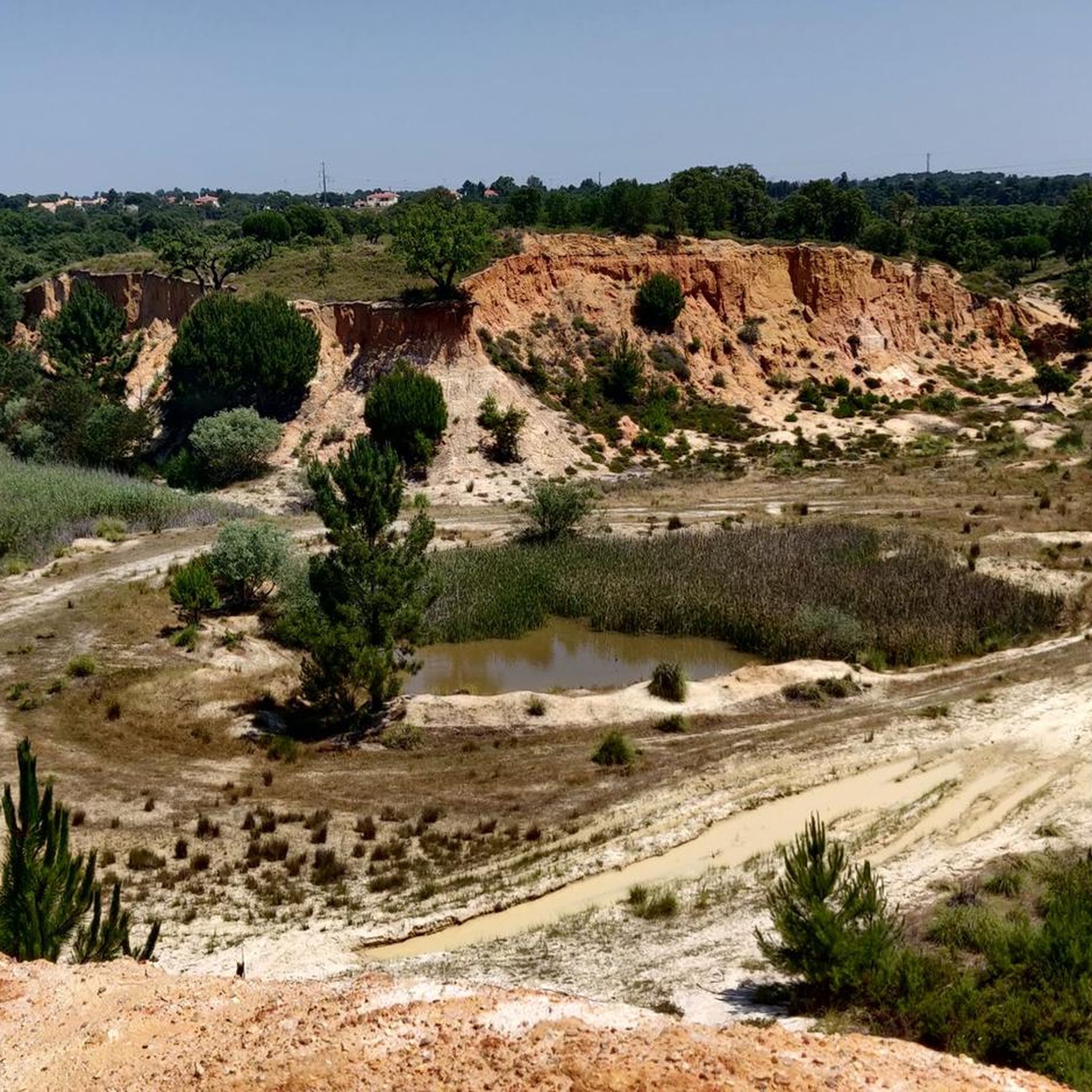
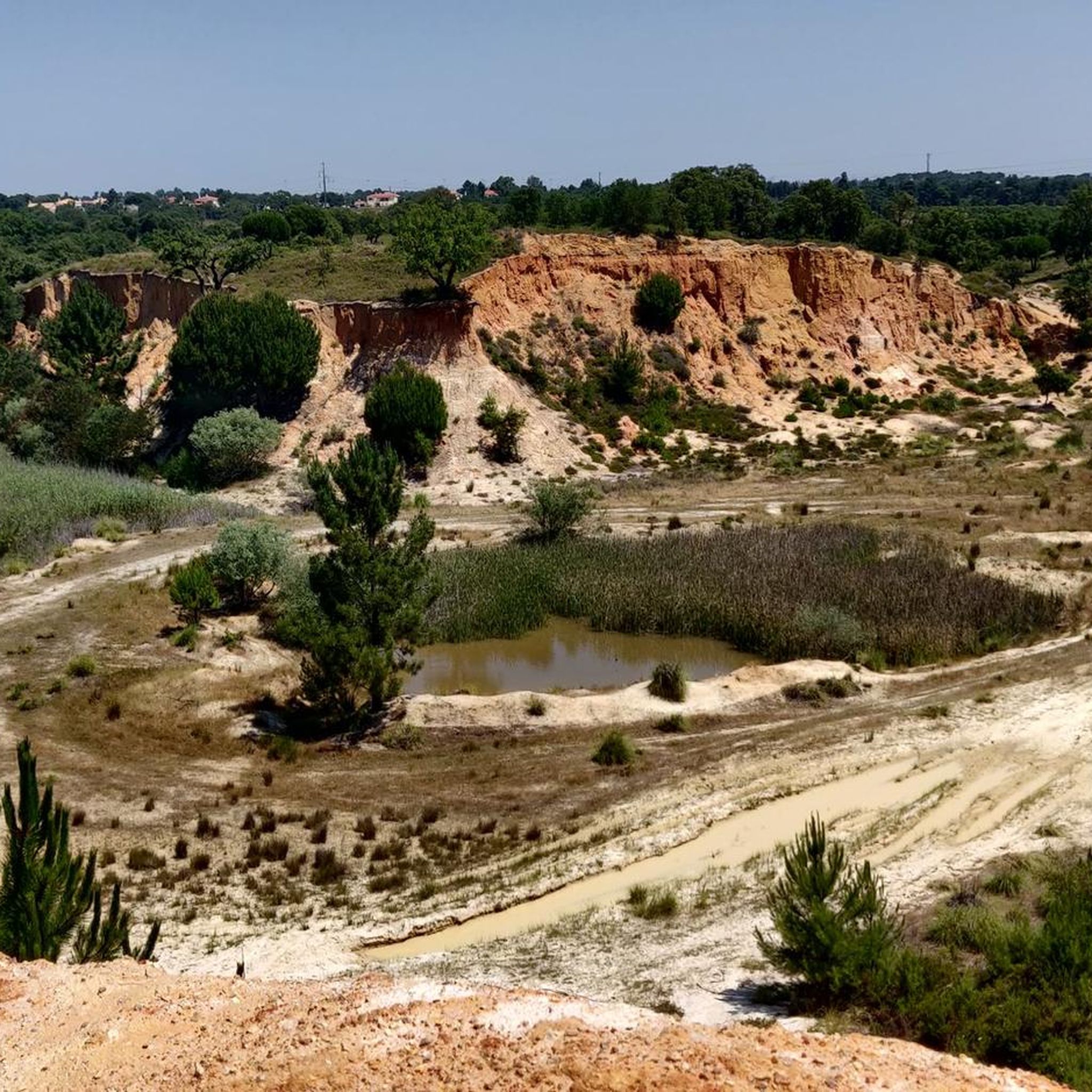
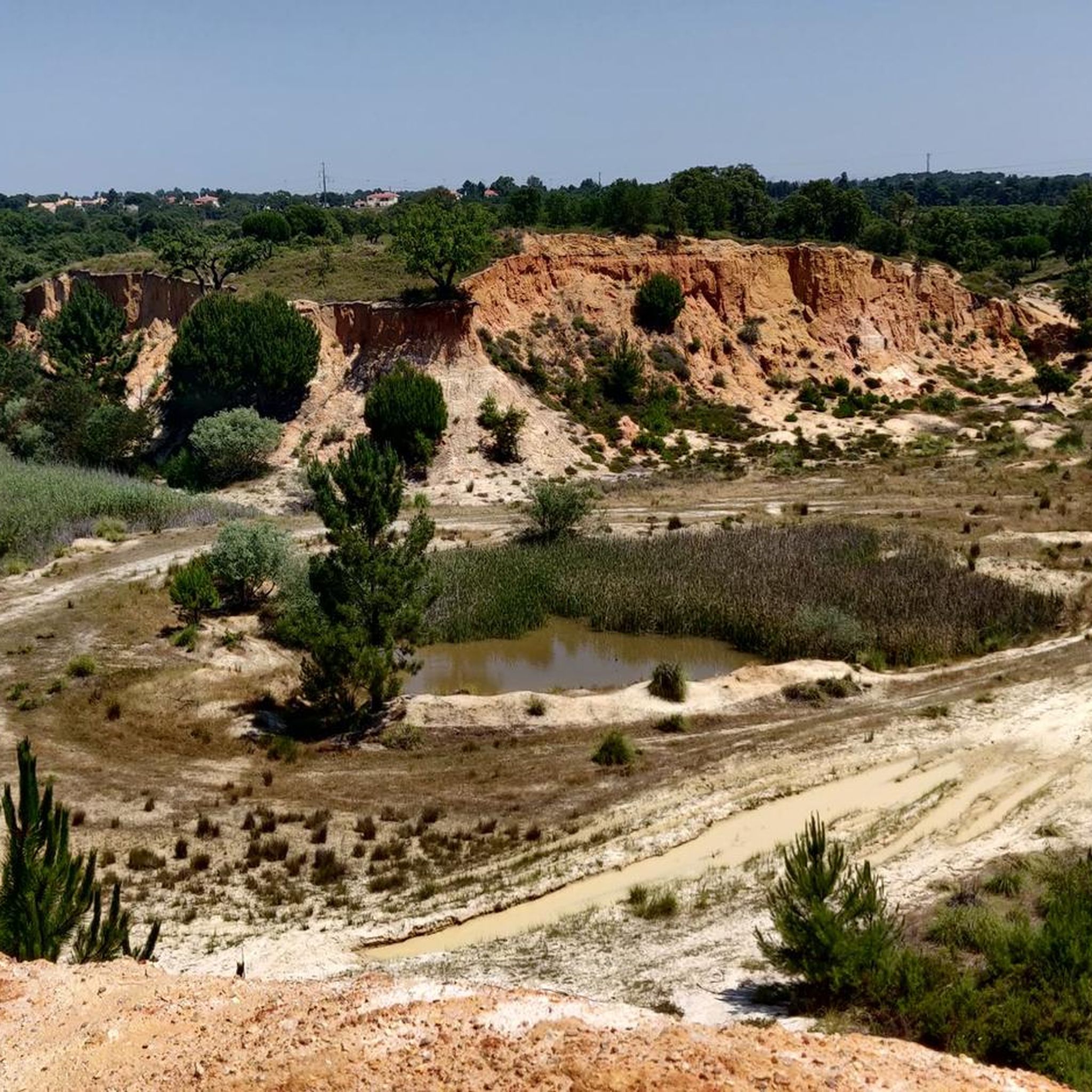
Steep climb, excellent for carrying a load on the bike.
1
0
Frequently Asked Questions
What kind of terrain can I expect on gravel bike trails in Sado?
The Sado region offers a diverse mix of terrain for gravel biking. You'll encounter coastal areas, rolling hills, and agricultural paths. Routes often feature varied surfaces, including sections of dirt roads and paved stretches, providing a balanced off-road experience.
Are there any long gravel cycling routes in the Sado region?
Yes, Sado has routes suitable for longer rides. For example, the Monhós Route – Estrada da Cobra loop from Praça do Quebedo is nearly 47 km (29 miles) long and typically takes over 3 hours to complete, offering a substantial gravel cycling experience.
Are there any beginner-friendly gravel bike routes in Sado?
While all listed routes are rated as 'moderate,' the elevation gains are generally manageable, making the area accessible for a range of riders. Routes like the BikNic Bike Rental Sesimbra loop from Praça do Quebedo, with its lower elevation gain of around 179 meters over 32.5 km, could be a good option for those newer to gravel biking, allowing for a steady pace.
What is the best time of year for gravel biking in Sado?
The Sado region generally enjoys mild weather, making it suitable for gravel biking for much of the year. Spring and autumn offer pleasant temperatures and lush landscapes. Even winter can be good, though some paths might be muddier after rain. Summer can be hot, so early morning or late afternoon rides are recommended during peak season.
Are there any scenic gravel routes with viewpoints in Sado?
Absolutely. Many routes offer scenic views, particularly those that pass near historical landmarks or natural areas. The View of Palmela Castle – Moinhos por Baixo Trail loop from Palmela provides excellent vistas of Palmela Castle. You can also find stunning panoramic views from the São Luís Lookout, which is accessible from some routes.
Can I find loop gravel cycling routes in Sado?
Yes, all the featured gravel bike routes in Sado are loops, meaning you'll start and end at the same point. This makes planning your ride convenient, as you won't need to arrange for transport back to your starting location. Examples include the View of Palmela Castle – Estradão dos Barris loop from Palmela.
What historical landmarks or attractions can I see along the gravel bike trails in Sado?
The Sado region is rich in history and natural beauty. Many gravel routes offer views of or pass near significant landmarks. You can often spot Palmela Castle, a prominent historical site. Other notable attractions include the Windmills of Serra do Louro and the impressive Fort of São Filipe in Setúbal.
Are there opportunities for wildlife spotting while gravel biking in Sado?
Yes, the Sado region is known for its natural areas, particularly the Sado Estuary Nature Reserve. This area is a haven for diverse birdlife, including flamingos, making it an excellent spot for wildlife observation. Routes that traverse or are near the estuary offer the best chances for spotting local fauna.
What do other gravel bikers enjoy most about gravel biking in Sado?
The gravel biking routes in Sado are highly rated by the komoot community, with an average score of 4.0 stars. Riders often praise the varied terrain, the scenic views of historical landmarks like Palmela Castle, and the mix of coastal and agricultural paths that define the region's unique cycling experience.
Are there any routes that pass through pine forests or natural reserves?
Yes, the Sado region features beautiful natural landscapes. Some routes may take you near or through areas like the Troia Caldeira Pine Forest, offering shaded sections and a different type of scenery. The Sado Estuary Nature Reserve also provides unique natural environments to explore.
How many gravel bike trails are available in the Sado region?
There are currently 5 gravel bike trails listed for the Sado region, all rated as moderate difficulty. These routes offer a good variety of distances and elevation profiles, catering to different preferences for off-road cycling.
Are there any routes that offer views of the coast or the Sado Estuary?
Yes, the Sado region's gravel routes often incorporate coastal elements and views of the estuary. The Port of Setúbal – BikNic Bike Rental Sesimbra loop from Praça do Quebedo, for instance, offers perspectives of the port and proximity to the estuary, allowing riders to experience the unique coastal landscape.
Most popular attractions around Sado

Get inspired with the komoot mobile app


Explore more
Browse the best Gravel rides in other regions.
