The best gravel rides around Dolsk
5.0
(10)
32
riders
16
rides
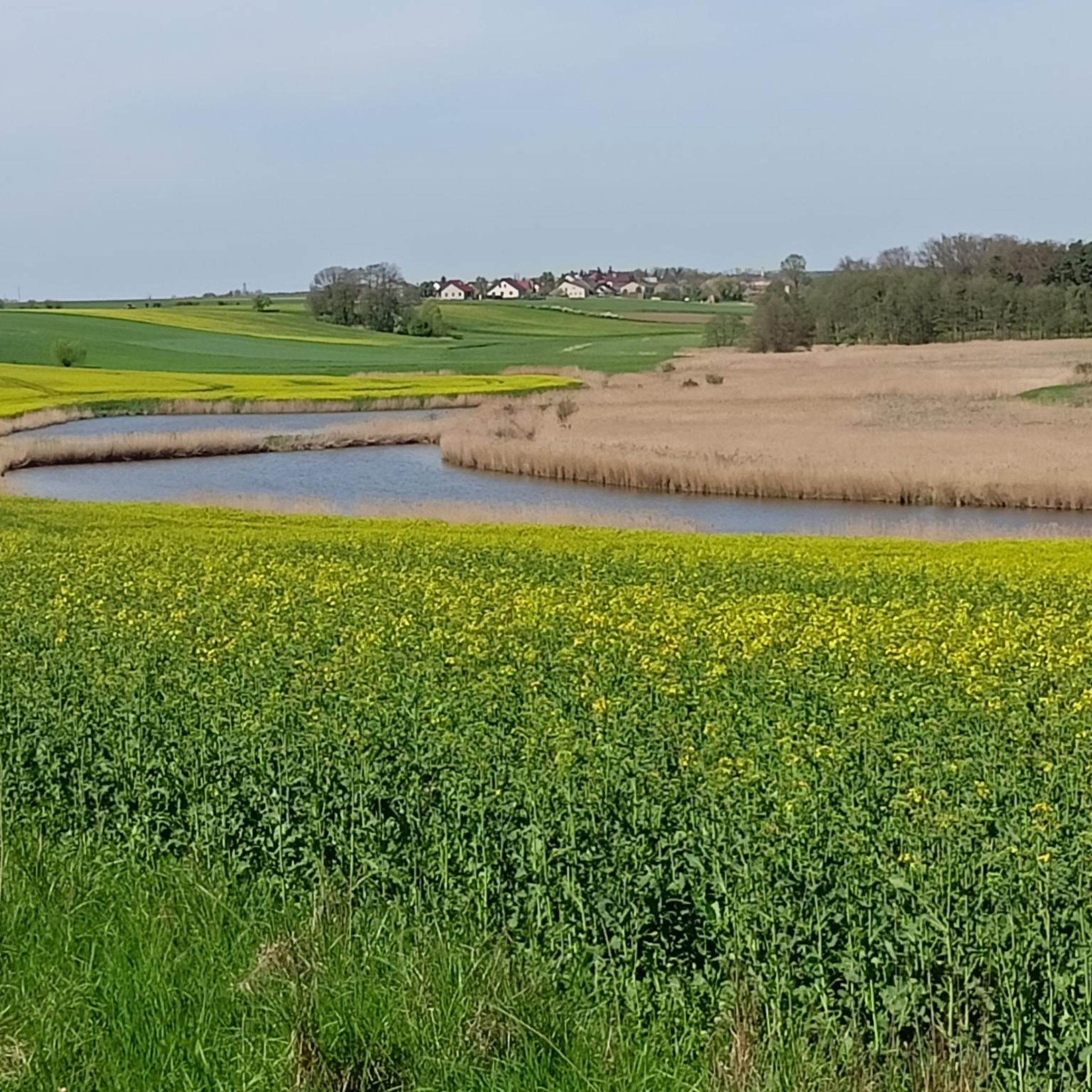
Gravel biking around Dolsk offers diverse natural landscapes shaped by glacial activity, making it suitable for various cycling levels. The region features dense forests, the Warta River system, and several lakes, including Dolskie Wielkie and Dolskie Małe. The terrain is generally flat, providing accessible and enjoyable gravel bike trails. These features contribute to a varied network of routes for gravel cyclists.
Best gravel bike trails around Dolsk
- The most popular gravel bike trail is Śrem Market Square – Edward's Island…
Last updated: May 6, 2026
5.0
(9)
9
riders
58.2km
03:34
190m
190m
Moderate gravel ride. Good fitness required. Mostly paved surfaces. Suitable for all skill levels.
6
riders
44.6km
03:09
140m
140m
Moderate gravel ride. Good fitness required. Mostly paved surfaces. Suitable for all skill levels.

Sign up for free
8
riders
25.5km
01:45
180m
180m
Moderate gravel ride. Good fitness required. Mostly paved surfaces. Suitable for all skill levels.
3
riders
41.3km
02:52
170m
170m
Moderate gravel ride. Good fitness required. Mostly paved surfaces. Suitable for all skill levels.
4
riders
36.7km
02:32
130m
130m
Moderate gravel ride. Good fitness required. Mostly paved surfaces. Suitable for all skill levels.
Get access to more routes and recommendations from other explorers.
Sign up for free
Already have an account?
Our route recommendations are based on thousands of hikes, rides, and runs completed by other people on komoot.
Start today with a free account
Your next adventure awaits.
Login or Signup
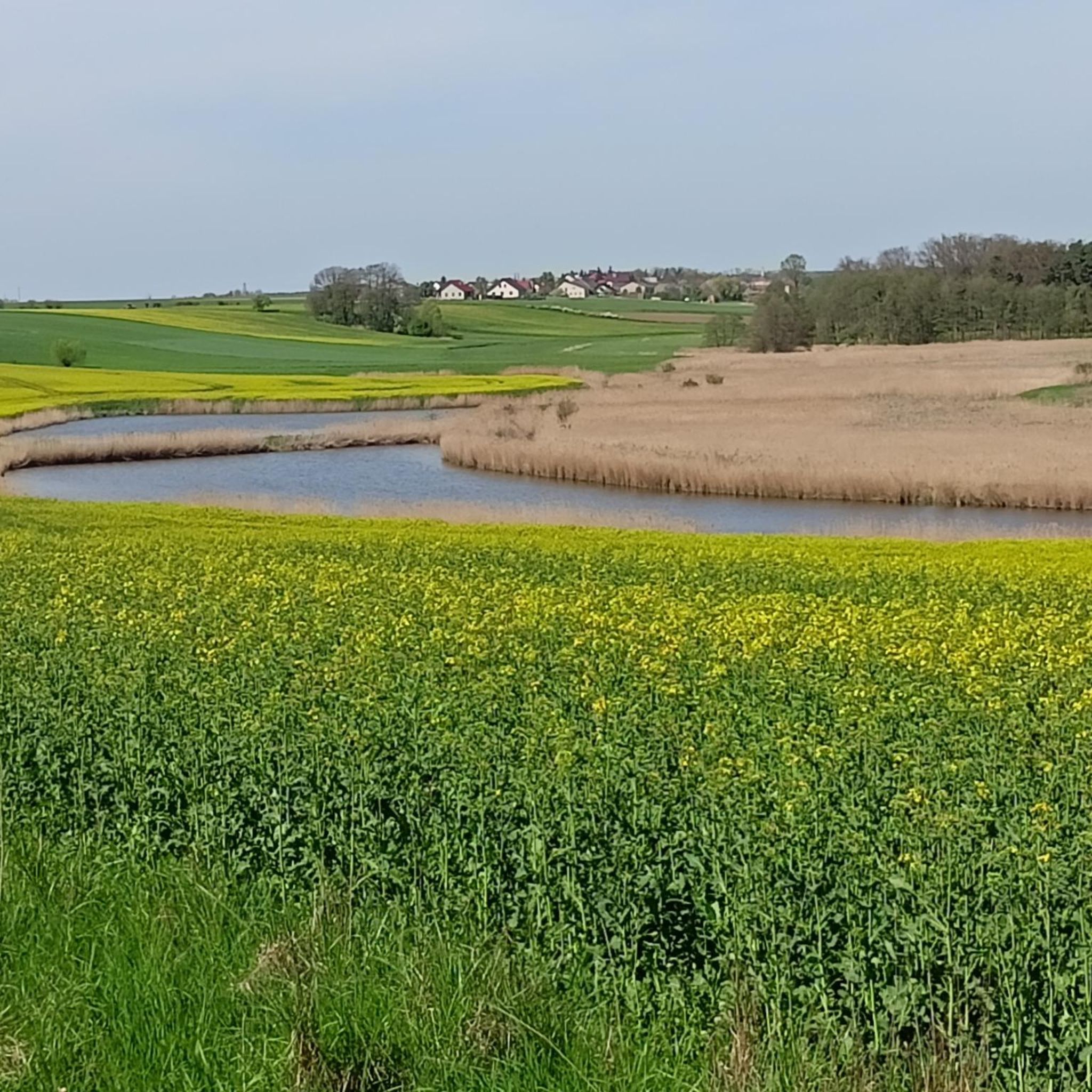
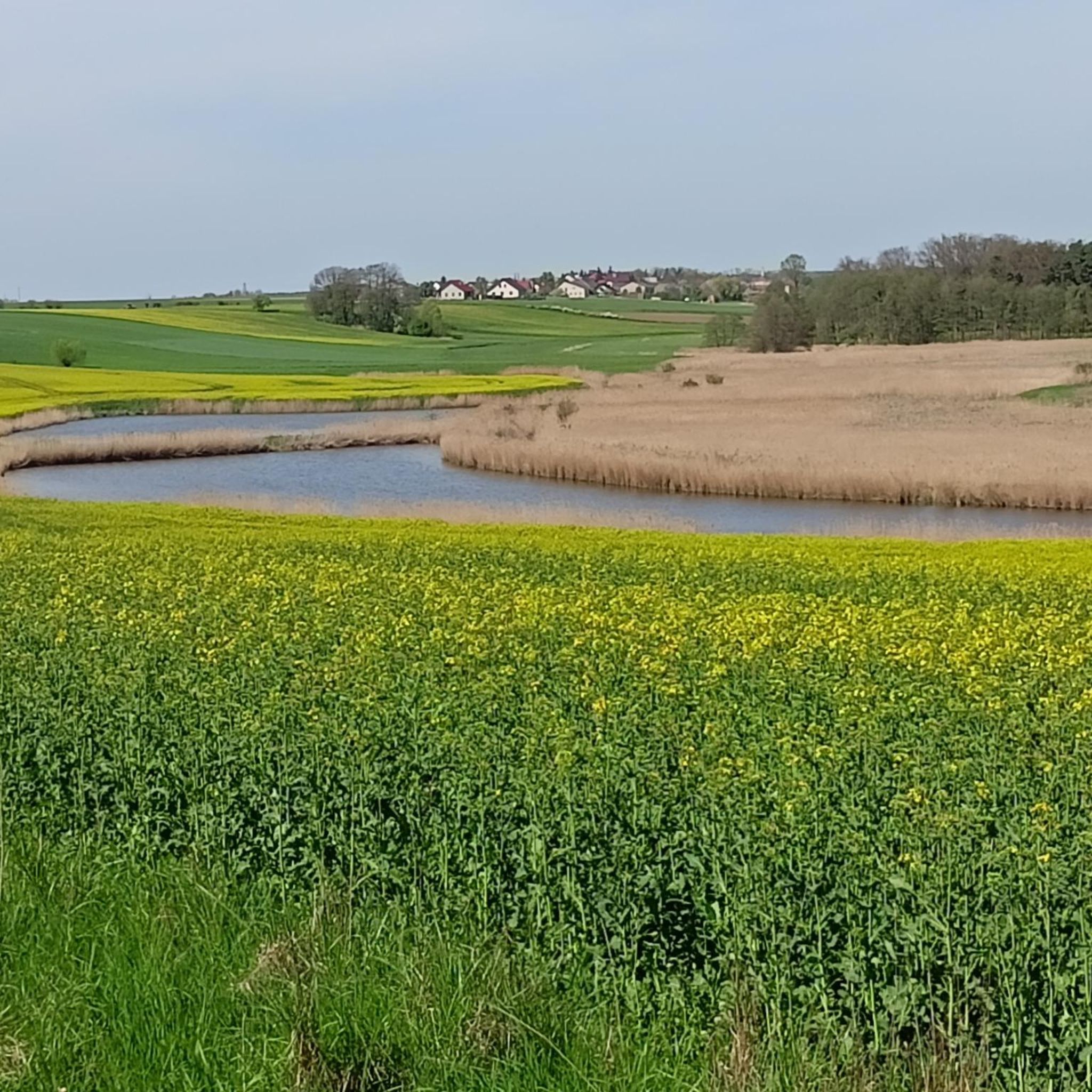
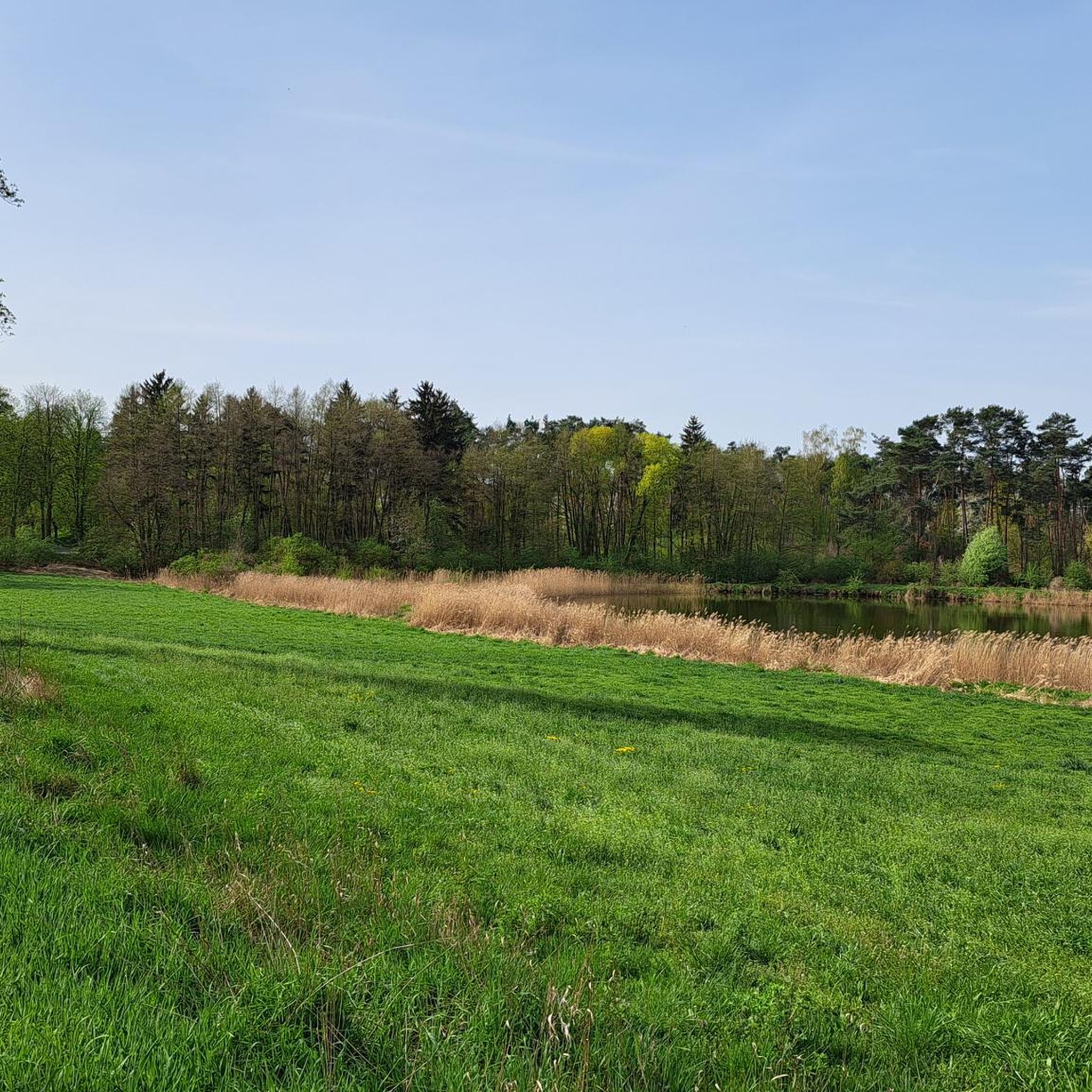
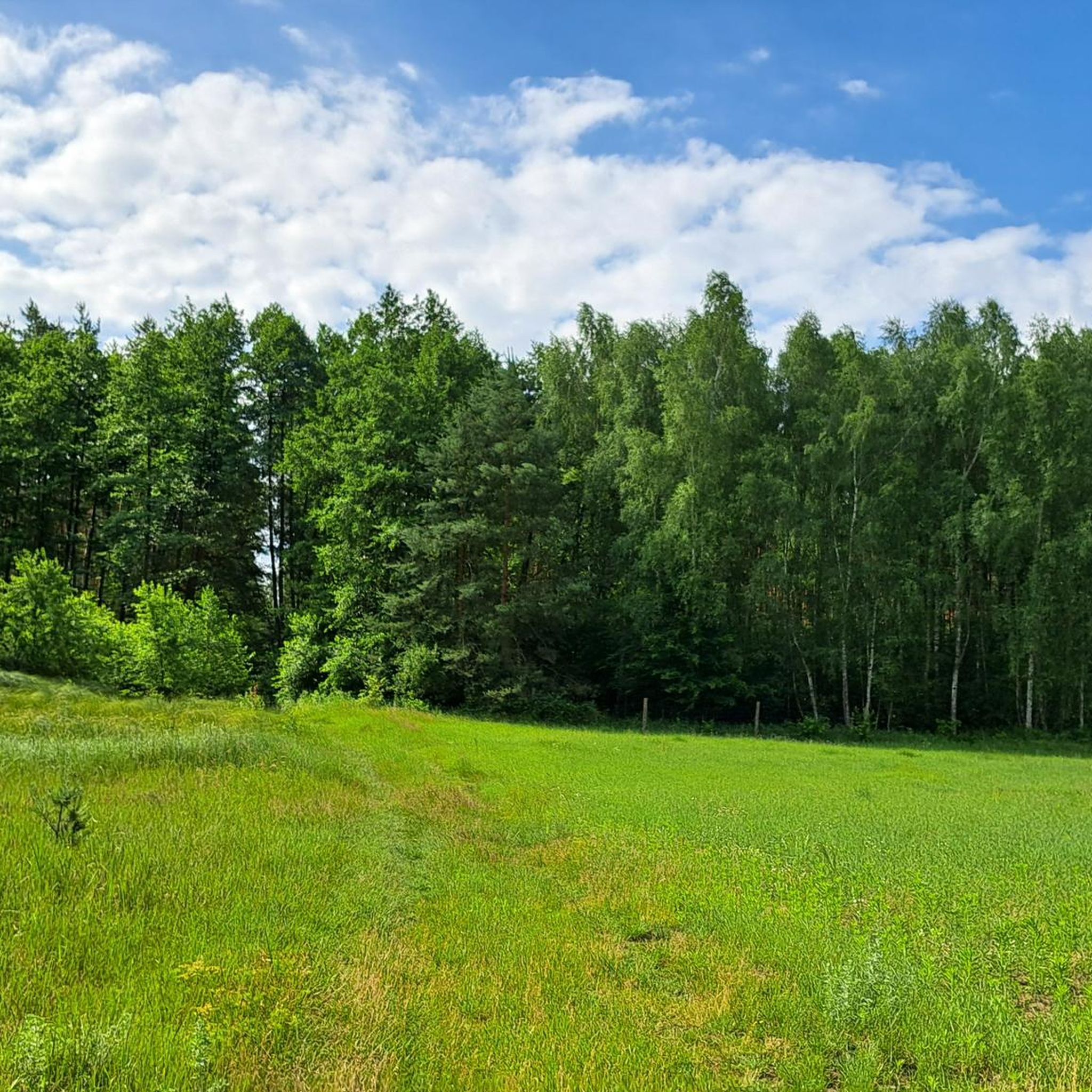
Tips from the Community

Bridge over the canal, maximum load capacity 3.5t
0
0

On rainy days there is a lot of mud nearby
0
0
Beautiful palace, worth stopping by.
0
0

Beautiful place. Nice to relax.
0
0
A natural monument. An old oak tree standing proudly at a crossroads. It has survived more than one generation.
0
0

In the Rąbin forests belonging to the Kościan Forest District, Turew Forest District, about 4 km northwest of the center of the village of Rąbin (Krzywiń commune, Kościan district, Wielkopolska province) stands a small wooden chapel commemorating one of the most tragic events in the history of the Chłapowski families from Turwia and the Mańkowski families from Brodnica. On January 15, 1909, during a deer hunt (the forests at that time abounded in wild game), an unfortunate accident occurred. Zygmunt Chłapowski, who was the organizer of the meeting, divided the hunters' positions so that he could stand next to his relative Kazimierz Mańkowski. During the final preparations, when the hunters were already going to their designated positions, Chłapowski was probably checking his weapon once again when it unexpectedly went off. Due to an unfortunate coincidence, at the same moment Mańkowski steps into the line of fire, fatally shot after receiving the last sacraments, he dies, having lived less than 26 years. This is a huge tragedy for both families, and especially for Zygmunt Chłapowski himself, who as soon as he notices what has happened, flees into the forest and wants to commit suicide. Miraculously, he is dissuaded from this intention and brought back to the place. The distraught Chłapowski, who was considered a very religious man, decides that same year to commemorate his tragically deceased cousin to found a chapel at the place where he died. On June 20, 1909, the cornerstone is laid, consecrated by the then parish priest of the Rąbin parish - Father Julian Cichowski. The chapel was built of larch wood in the Zakopane style. Its design was the work of the architect Wróblewski from Zakopane. The construction work was supervised by Chłapowski's trusted forester, Mr. Berliński, who came from Turwia. From the notes of Fr. Cichiwskiego: "The cornerstone was consecrated by Rev. Rev. Cichowski on June 20, 1909, and consecrated on January 15, 1910. Made entirely of wood, covered inside with planks; the cornice under the ceiling is decorated with a frieze; the three beams connecting under the ceiling above the altar are decorated with hand carving; the modest but very tasteful altar made of oak wood was made by the carpenter Hysznski from Turwia. On the altar stands a 1.50 m high Cross with the image of the Lord Jesus carved from wood. In the altar there is a portal consecrated by JW. F. K. bishop Dr. Likowski from Poznań. The altar accessories are all and sufficient. The external appearance of the Chapel is also very well presented, strictly adhering to the Zakopane patterns. All work on the construction of the Chapel was carried out by the forester Mr. Brelinski from Turwia." A year after the tragic events of January 15, 1910, the first mass was held in the chapel for the late Kazimierz Mańkowski. Later, masses were held there only at the request of members of the Chłapowski family. After the war, May services were held there, and for several years, a tradition has become the organized mass on May 3, associated with patriotic celebrations, organized by the village heads of the Krzywiń Commune. Although the chapel survived the war in a practically intact condition, it unfortunately did not withstand the passage of time. In 1990, the Kościan Forest District commissioned its renovation. At that time, the leaking roof and the walls destroyed by vandals were repaired, and the kneelers and altar were also renovated. The gaps were filled and the wooden elements were preserved, windows and a metal grille were installed in the entrance door. Although the chapel has not been entered into the register of monuments to this day, in 2004, registration cards were created for the movable monuments in it - the crucifix, altar and doors. The chapel can be reached by car, but due to the fact that it is accessed via a dirt road, mostly running through the forest, it is best to visit it on a bicycle trip.
1
0
Record-breaking segment 💪🏻
0
0

Chłapowski's tragedy
0
0
Frequently Asked Questions
How many gravel bike trails are available around Dolsk?
There are over 18 gravel bike trails around Dolsk, offering a variety of experiences. These routes are highly rated by the komoot community, with an average score of 5.0 stars.
What kind of terrain can I expect on gravel bike trails near Dolsk?
The terrain around Dolsk is generally flat, shaped by glacial activity, making it accessible for various cycling levels. You can expect a mosaic of landscapes including dense forests, the Warta River system, and several lakes like Dolskie Wielkie and Dolskie Małe. Routes often feature tranquil lakes, dense forests, and expansive river valleys, with unpaved sections typical for gravel biking.
Are there any family-friendly gravel biking options in Dolsk?
Yes, Dolsk's generally flat terrain and diverse landscapes make it suitable for family-friendly gravel biking. Many routes offer moderate challenges, allowing for an enjoyable experience for various fitness levels. While specific 'family-friendly' routes aren't explicitly categorized, the overall accessibility of the terrain is a good indicator.
Can I bring my dog on the gravel bike trails in Dolsk?
While specific regulations for dogs on trails are not detailed, many natural areas in Poland are generally dog-friendly, especially on leash. Given the prevalence of forests and open areas, it's likely that well-behaved dogs on a leash would be welcome on most gravel trails. Always ensure your dog is under control and respect local signage.
What are some notable points of interest or attractions I can visit while gravel biking around Dolsk?
Beyond the natural beauty, you can explore several cultural and historical sites. Consider visiting the late Gothic St. Michael's church or the Baroque St. Laurentius' church in Dolsk. Other nearby attractions include the Sanctuary of the Holy Mountain (Sanktuarium na Świętej Górze) or the Śrem Zoo. Many routes also pass by picturesque lakes like Śrem Reservoir.
Are there any circular gravel bike routes available in Dolsk?
Yes, many of the gravel bike routes around Dolsk are designed as loops, allowing you to start and end at the same point. For example, the Underpass Beneath Road 434 – Promenade in Śrem loop from gmina Śrem is a moderate 37.8 km circular route.
What is the best time of year to go gravel biking in Dolsk?
The region is generally enjoyable for cycling from spring through autumn. The diverse natural landscapes, including forests and lakes, offer pleasant scenery during these seasons. Summer provides warmer weather, while spring and autumn offer cooler temperatures and beautiful foliage. Winter gravel biking is possible but may involve colder conditions and potentially snow or ice on trails.
Where can I find parking for gravel bike trails near Dolsk?
Dolsk is a town with various amenities, and parking is generally available. For routes starting directly from Dolsk, you can often find parking near the town square or other public areas. For routes starting from surrounding villages or specific points, look for designated parking areas or consult local maps for suitable spots.
Is public transport an option for reaching gravel bike trails in Dolsk?
Public transport options to Dolsk and surrounding areas are available, though their frequency and bike-carrying capacity may vary. It's advisable to check local bus schedules and policies regarding bicycles if you plan to use public transport to access trailheads.
What do other gravel bikers say about the trails in Dolsk?
The gravel biking routes in Dolsk are highly rated by the komoot community, with an impressive average score of 5.0 stars from over 10 reviews. Cyclists often praise the tranquil lakes, dense forests, and expansive river valleys that define the region's varied terrain, highlighting the enjoyable and accessible nature of the trails.
Are there any more challenging gravel routes for experienced riders?
While many routes are moderate, Dolsk also offers options for more experienced riders. Out of 18 total tours, 5 are classified as difficult, providing a greater challenge in terms of distance or elevation. These routes will allow you to push your limits while still enjoying the region's natural beauty.
Are there places to eat or stay near the gravel bike trails in Dolsk?
Dolsk and its surrounding areas offer various amenities for cyclists. The town itself has cafes and pubs, and you can find accommodation options ranging from guesthouses to hotels. For example, the region is known for places like Villa Natura, which might offer specific amenities for outdoor enthusiasts. Many routes pass through or near villages where you can find refreshments.
Are there any permits required for gravel biking in the Dolsk area?
Generally, no special permits are required for gravel biking on public trails and roads in the Dolsk area. However, always be mindful of private property signs and respect any local regulations, especially when cycling through protected natural areas or private land.
Most popular attractions around Dolsk

Get inspired with the komoot mobile app


Explore more
Browse the best Gravel rides in other regions.
