The best gravel rides around Rząśnik
5.0
(1)
35
riders
5
rides
Gravel biking around Rząśnik offers diverse terrain within Poland's Masovian Voivodeship. The region features broad, lowland rivers, expansive wetlands, and significant forested areas, including Puszcza Biała and the Lower Narew Valley. The landscape is characterized by varied ecosystems, from open sedge fields to dense alder forests, with modest elevation changes. Cycling infrastructure includes dedicated paths and unique singletrack sections designed for engagement.
Best gravel bike trails around Rząśnik
- The most popular gravel bike trail is Singletrack Bagno Pulwy – Singletrack…
Last updated: November 2, 2026
22
riders
9.27km
00:42
40m
40m
Easy gravel ride. Mostly paved surfaces.
5
riders
38.8km
02:42
110m
110m
Hard gravel ride. Good fitness required. You may need to push your bike for some segments of this route.

4
riders
93.3km
05:20
250m
250m
Hard gravel ride. Very good fitness required. Mostly paved surfaces.
5.0
(1)
1
riders
29.5km
01:59
70m
70m
Easy gravel ride. Mostly paved surfaces.
2
riders
29.0km
01:44
60m
60m
Hard gravel ride. You may need to push your bike for some segments of this route.
Our route recommendations are based on thousands of hikes, rides, and runs completed by other people on komoot.
Start today with a free account
Your next adventure awaits.
Tips from the Community

The parish of St. Teresa of the Child Jesus was established on 28.10.1927 by Archbishop A.J. Nowowiejski. The parish was established from the territory of the parishes of Wyszków, Długosiodło and Obryte. By the bull "Totus Tuus Poloniae Populus" of Pope John Paul II of 25.03.1992, the parish of Porządzie was incorporated into the Diocese of Łomża from the Diocese of Płock. In 1994, a new parish was established in Rząśnik from the territory of the parish of Porządzie. In 1926, at the initiative of Fr. J. Trzaskoma, vicar from Wyszków, a wooden chapel was built in Porządzie. The current wooden church of St. Teresa of the Child Jesus was moved from Dzierżenin and built in the years 1927-1930 at the initiative of Fr. parish priest Jan Trzaskoma; blessed in 1930. In 1954, the church was enlarged thanks to the efforts of parish priest Jan Fałkowski. The parish church in Porządzie was established on 1.10.2004 by the Bishop of Łomża Stanisław Stefanek as the Sanctuary of St. Teresa of the Child Jesus. Number of faithful: 1,759 https://parafie.diecezja.lomza.pl/ad/parafie,1/porzadzie-parafia-pw-sw-teresy-od-dzieciatka-jezus,126
2
0
"The history of the town hall dates back to the early 15th century. Bishop Jakub of Płock is said to have funded the seat of the town authorities in 1405. The Gothic tower added to the town hall fulfilled both judicial and penitentiary functions as well as defense. Initially, it reached a height of 15 m and was built on a rectangular plan. During the 15th and 16th centuries, it was gradually raised, with additional storeys built on an octagonal plan. A new town hall was also built - lower, more modern - in the Renaissance style, topped with a crested attic. The 30-meter tower at that time gained a domed spire with a lantern, and a clock was also ordered for it. During the wars in the 17th and 18th centuries, the town hall burned down several times. In 1728, it was rebuilt with funds from Bishop Andrzej Stanisław Kostka Załuski. The two-bay building surrounded the tower in a horseshoe shape from the east. The entrance was located on the north and covered with a wooden arcade. The tower roof was changed to an octagonal one, and the clock was abandoned. In this form, the town hall survived until the end of the 19th century. At that time, in addition to the city authorities, the army was quartered here, and there was a prison and even warehouses for Pułtusk merchants. At the end of the 19th century, a shelter was organized in the ruined building, and from 1880, the ground floor and the tower were put into use by the Volunteer Fire Department. After 1902, a new, smaller building was erected on the site of the former building, in the neo-Gothic style, only for the use of the fire department. The tower was deprived of its roof, replacing it with an uncovered platform. It turned out to be completely non-functional and the original roof covering of the tower top was quickly restored. Also at that time, a clock was placed on the north side, on the seventh floor." Source: https://arch.pultusk.pl/wieza-dawnego-ratusza-gotycko-renesansowa/
1
0
Single Track Rząśnik, for big and small. cool, fast, a few places require caution, good to have low pressure https://43ride.com/wyjazdy/2023/singletrack-rzasnik-mazowsze/
1
0
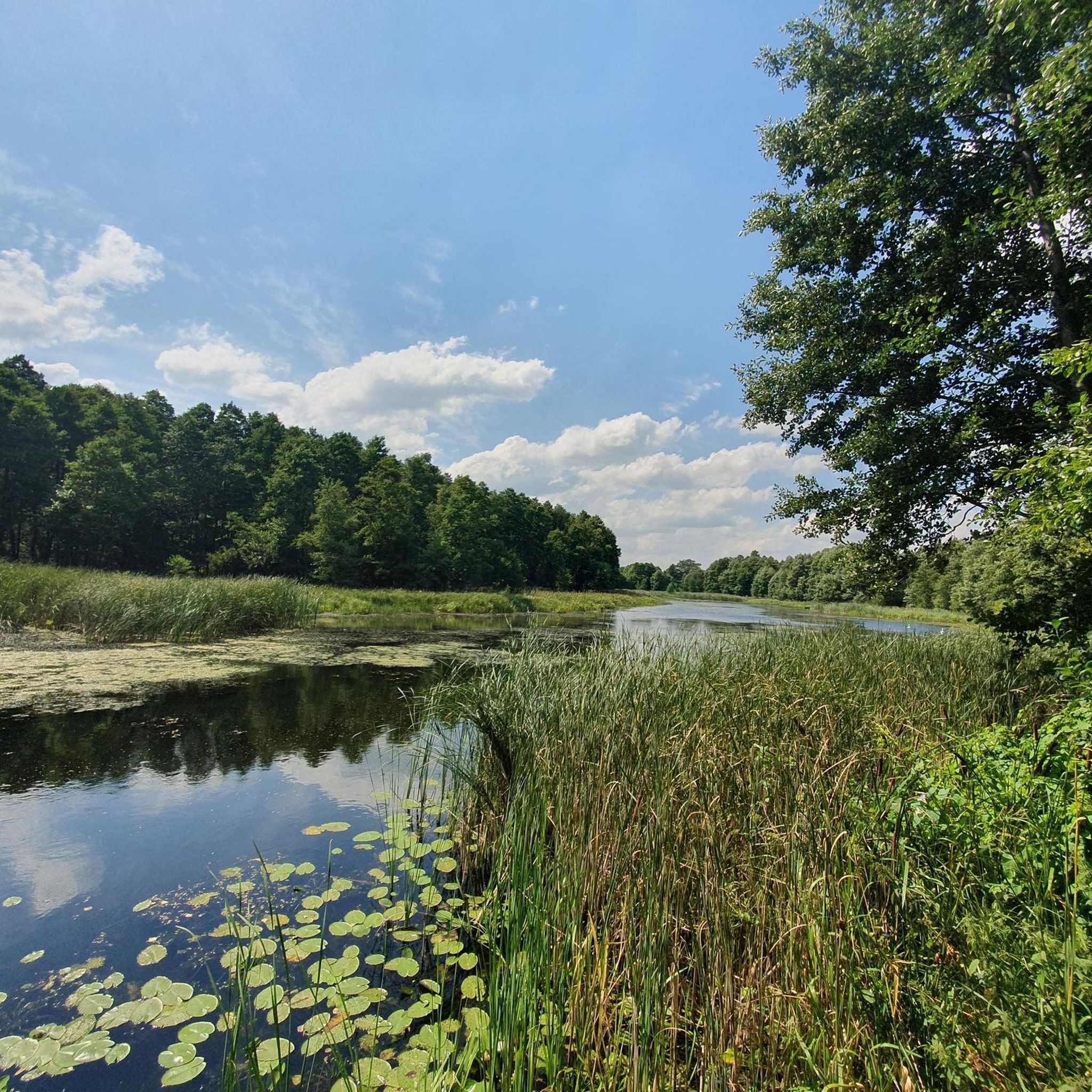
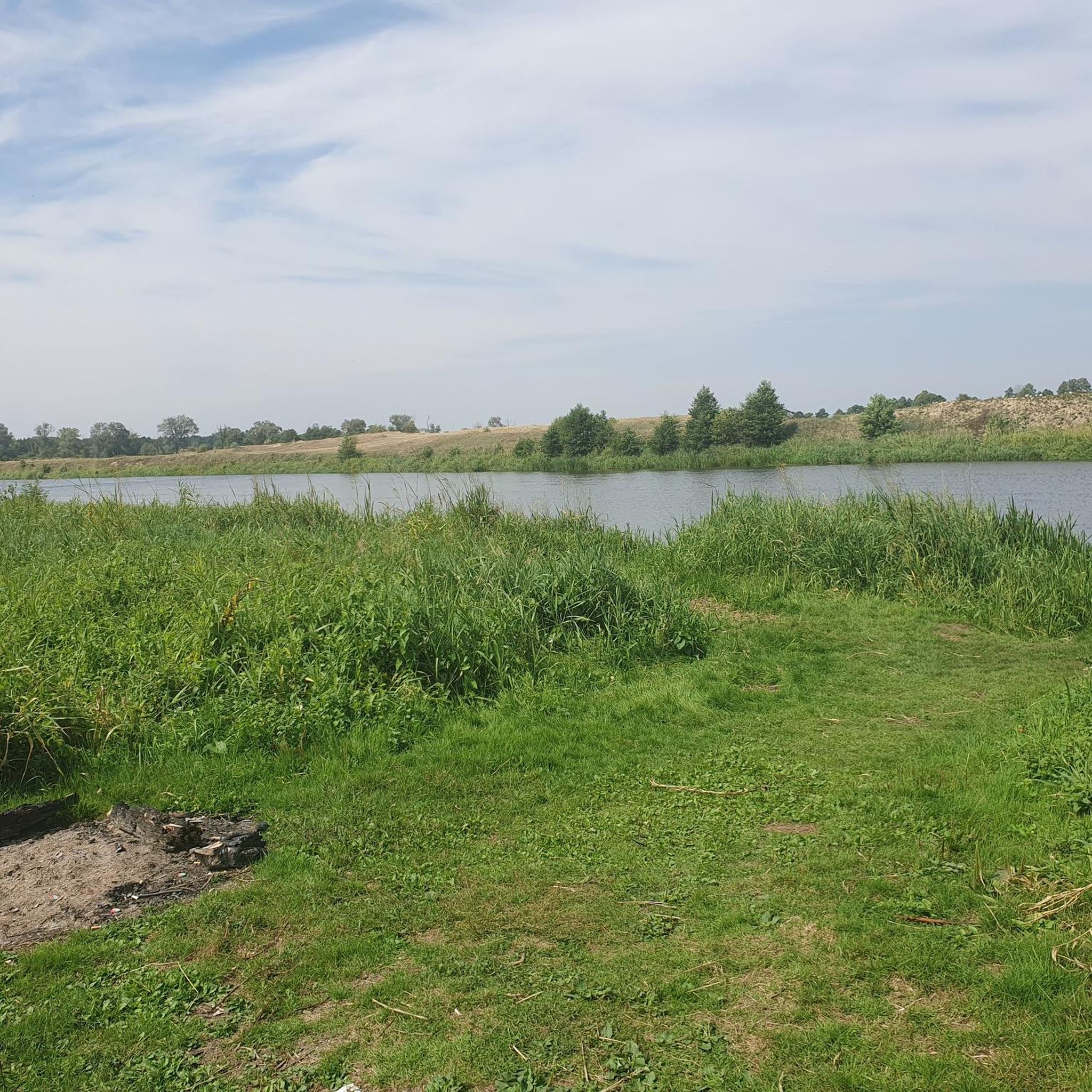
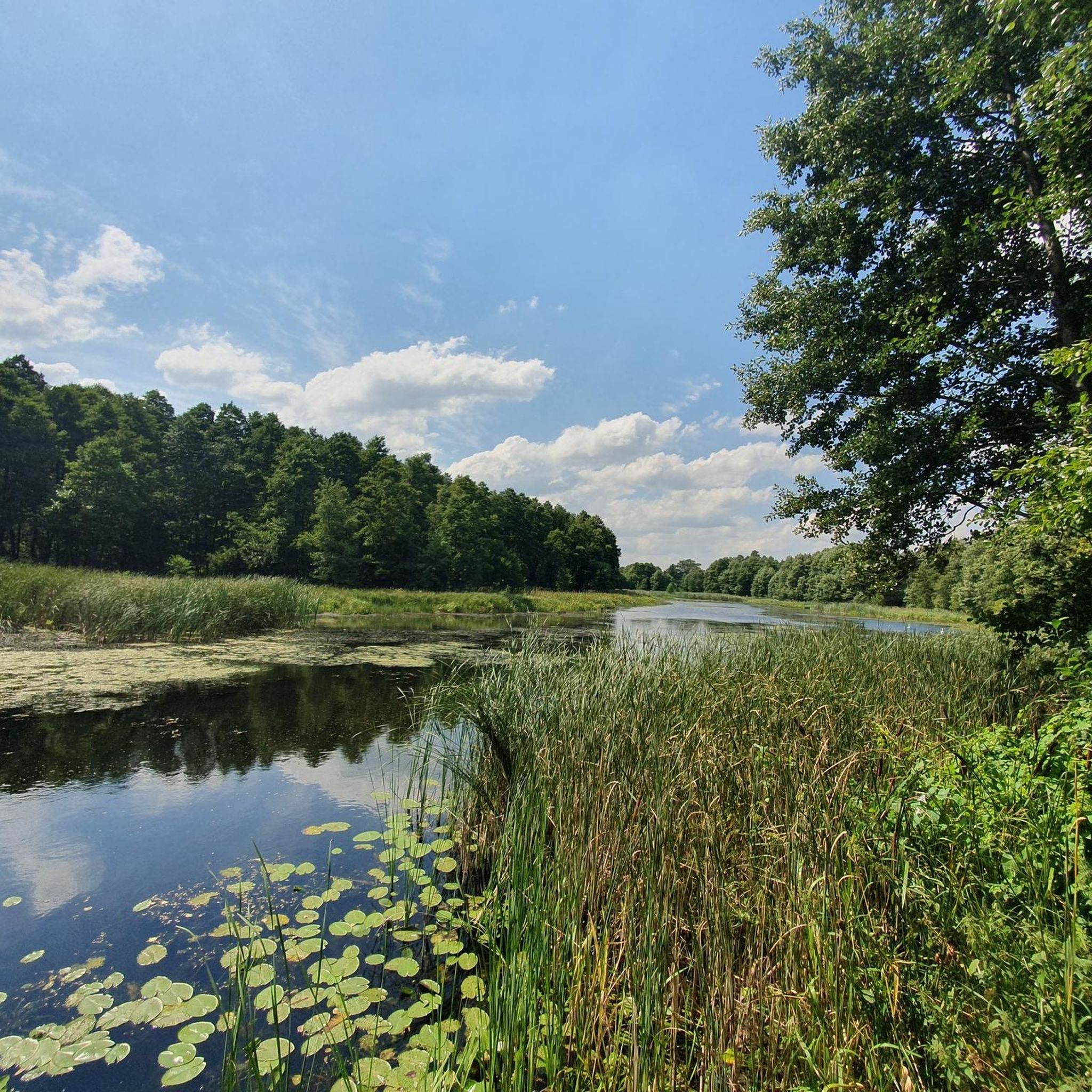
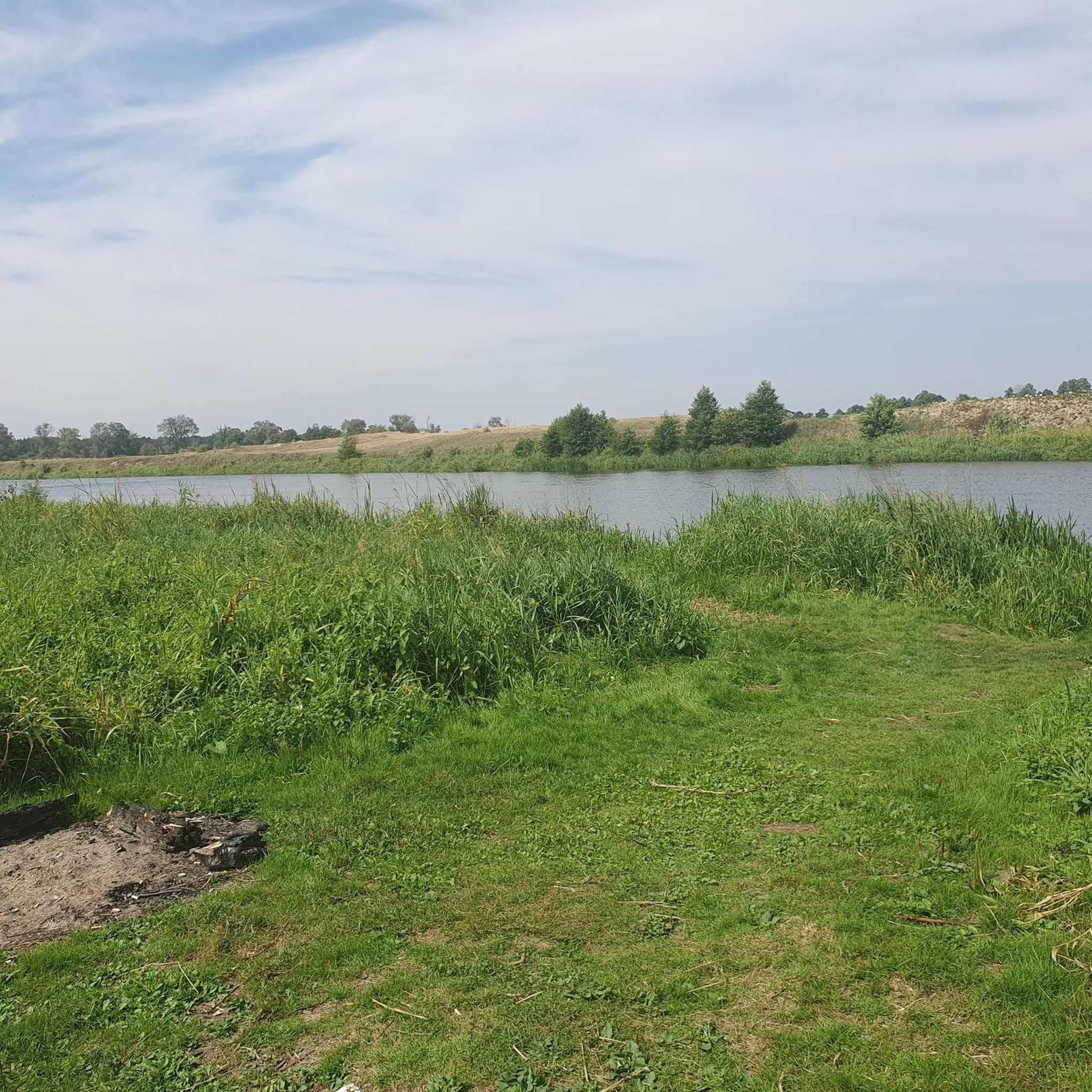
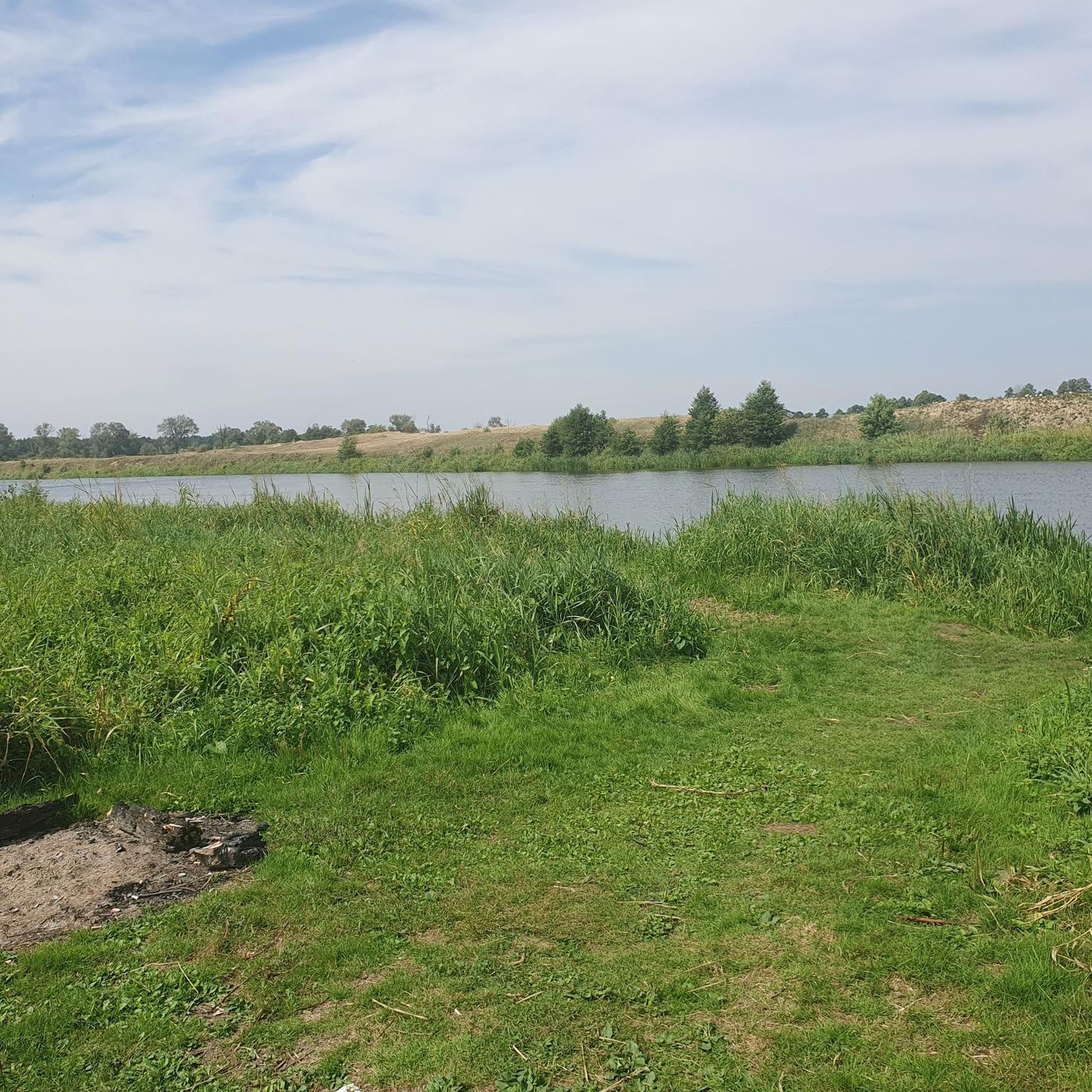
Dry foot crossing, nice view of the Fiszor River.
1
0

Crosses were erected to commemorate an important event or to confirm one's religious commitment. They were built in gratitude for saving a life or receiving grace. They were also boundary markers that marked the end and beginning of a village or as road signs. Karawaks protected against epidemics. In Poland, there is also a custom of erecting crosses by the roads to commemorate tragic deaths in road accidents. Crosses are made of various materials. An example are crosses with Christ cut out of sheet metal. They were mainly created in the period from the second half of the 19th century to the mid-20th century. Standing in front of the cross, turn left and in 150 meters there is an ABC grocery store.
0
0


Great route with bands, jumps, rock garden, drop. Professionally made, one of the few such places in Mazovia. I had the entire bike park to myself today. Great
0
0

The picturesque wooden church in Porządzie was built in the interwar period from the reconstruction of an eighteenth-century temple moved from Dzierżenin in Pułtusk district. The designer of its expansion was the outstanding architect Stefan Szyller, a theoretician and propagator of the so-called national style. The church's exceptional character is due to its characteristic shape, foreign to the Mazovia region, and associated with the wooden sacral architecture of southern Poland. The shape of the temple and its decoration were influenced by the ideas of the architect referring to traditional patterns of native wooden architecture. https://zabytek.pl/pl/obiekty/porzadzie-kosciol-par-pw-sw-teresy-od-dzieciatka-jezus
0
0
Frequently Asked Questions
What types of gravel bike trails can I expect around Rząśnik?
Rząśnik offers a mix of gravel biking experiences. You'll find unique singletrack sections, such as the Singletrack Bagno Pulwy loop, which features mulds, banked turns, and wooden obstacles. There are also longer routes that explore varied terrain, connecting points of interest through forested areas and river valleys, like the Bridge over the Fiszor River – Niegów Palace loop. The region is characterized by lowland rivers, wetlands, and dense forests.
Are there any beginner-friendly gravel bike routes in the area?
Yes, the Singletrack Bagno Pulwy loop from Rząśnik is an excellent option for beginners. This 7.6 km trail is designed to be engaging and fun, with a modest elevation gain, making it suitable for those new to gravel biking or looking to refine their skills.
What are some longer gravel bike routes for more experienced riders?
For experienced riders seeking a challenge, the Pub & Restaurant Magdalenka – Cobblestones on the Market Square in Pułtusk loop from Rzewnie is a difficult 93.1 km route that explores varied terrain. Another challenging option is the Singletrack Bagno Pulwy loop from Przetycz, which covers 47.1 km.
Are there any circular gravel bike routes available?
Yes, several routes are designed as loops. The popular Singletrack Bagno Pulwy loop from Rząśnik is a prime example. You can also find longer circular options like the Bridge over the Fiszor River – Niegów Palace loop from Deskurów, which takes you through forests and river valleys.
What natural attractions or scenic viewpoints can I find along the gravel trails?
The region is rich in natural beauty. You'll encounter the diverse ecosystems of Bagno Pulwy, known for its open sedge fields and dense alder forests. The trails also traverse parts of the Puszcza Biała (White Forest) and the Dolina Dolnej Narwi (Lower Narew Valley), offering views of broad lowland rivers and expansive wetlands. Keep an eye out for diverse wildlife, including various bird species and larger mammals like beavers and moose.
Are there any historical or cultural landmarks to explore near the routes?
Yes, Rząśnik and its surroundings offer cultural heritage. You can visit picturesque wooden churches, such as the St. Stanislaus the Bishop and Martyr Church in Nowy Lubiel or the Church of Saint Thérèse of the Child Jesus in Porządzie. Other points of interest include the Sanctuary of St. Idzi in Wyszków and the Flisak Monument in Kamieńczyk.
What is the terrain like on Rząśnik's gravel bike trails?
The terrain is quite varied, reflecting the region's diverse landscape. You'll find sections with mulds, banked turns, and wooden obstacles on the singletrack trails. Other routes feature unpaved sections through forests and river valleys, alongside some paved surfaces. The area is generally characterized by modest elevation changes, making it accessible while still offering engaging riding.
Is Rząśnik suitable for family-friendly gravel biking?
Yes, the region offers options suitable for families. The Singletrack Bagno Pulwy loop, while engaging, is designed to be fun and manageable, making it a good choice for families with some biking experience. The Rząśnik-Wyszków forest cycling path is also popular among cyclists and pedestrians, suggesting other accessible routes exist.
What do other gravel bikers enjoy most about Rząśnik?
Gravel bikers frequently praise the diverse natural landscapes, particularly the unique Singletrack Bagno Pulwy. The blend of challenging sections and scenic, tranquil routes through forests and along rivers is highly appreciated. The region's well-developed cycling infrastructure and the opportunity to explore protected natural areas like Puszcza Biała also contribute to a positive experience.
Are there any specific environmental considerations when biking in Rząśnik?
Yes, much of the region, including areas like Bagno Pulwy, falls under the protection of the Natura 2000 ecological network. It's important to respect the delicate ecosystems, especially in wetlands and forested areas. Always remain on designated paths to protect the diverse wildlife and natural habitats.
What is the best time of year to go gravel biking in Rząśnik?
The region's diverse landscapes, including forests and wetlands, are generally best enjoyed during spring, summer, and early autumn. These seasons offer pleasant weather conditions for exploring the trails and observing the abundant wildlife. Winter biking is possible, but conditions may vary, with potential for snow or ice on unpaved sections.
Most popular routes around Rząśnik
Most popular attractions around Rząśnik

Get inspired with the komoot mobile app


Explore more
Browse the best Gravel rides in other regions.
