The best gravel rides around Sarnaki
5.0
(2)
36
riders
12
rides
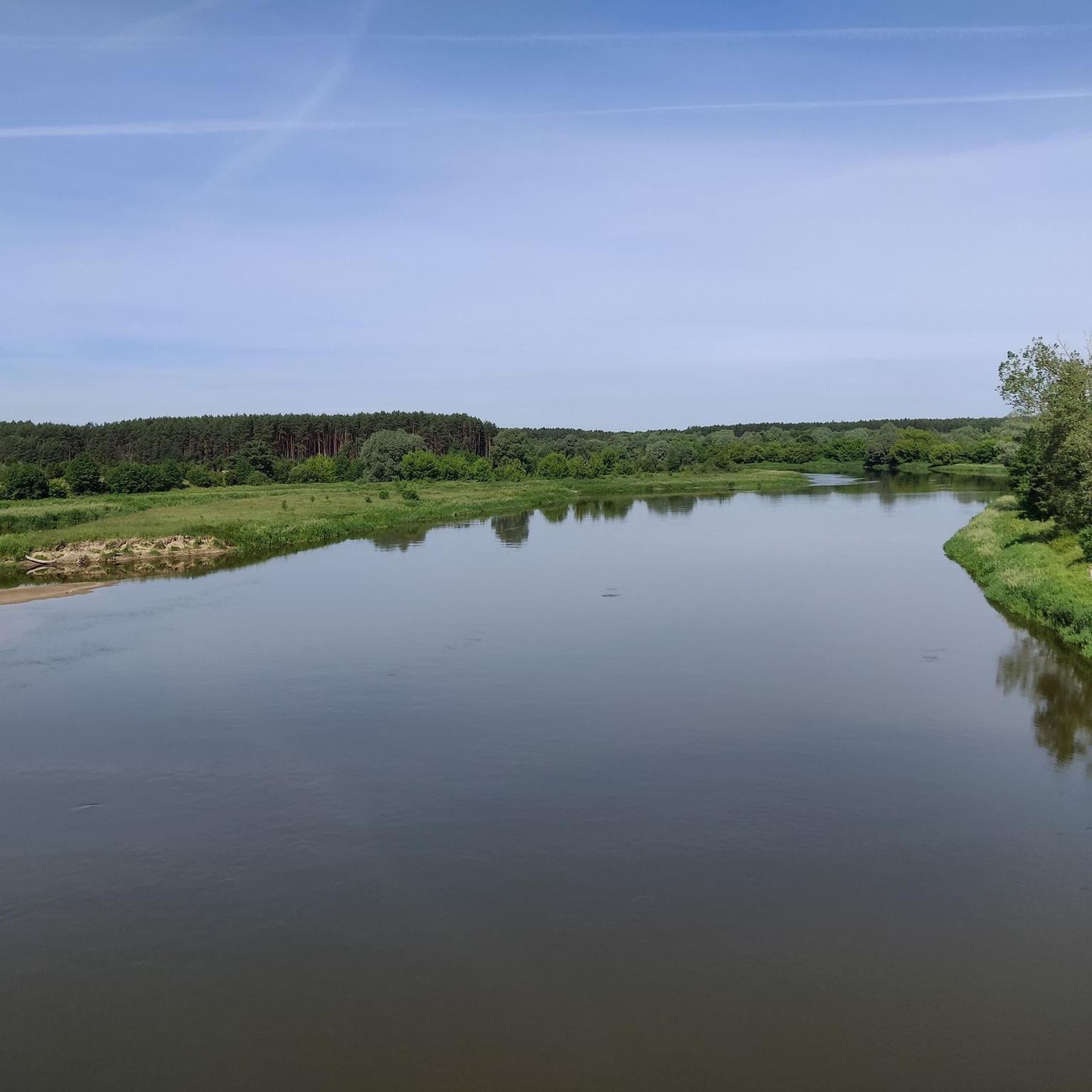
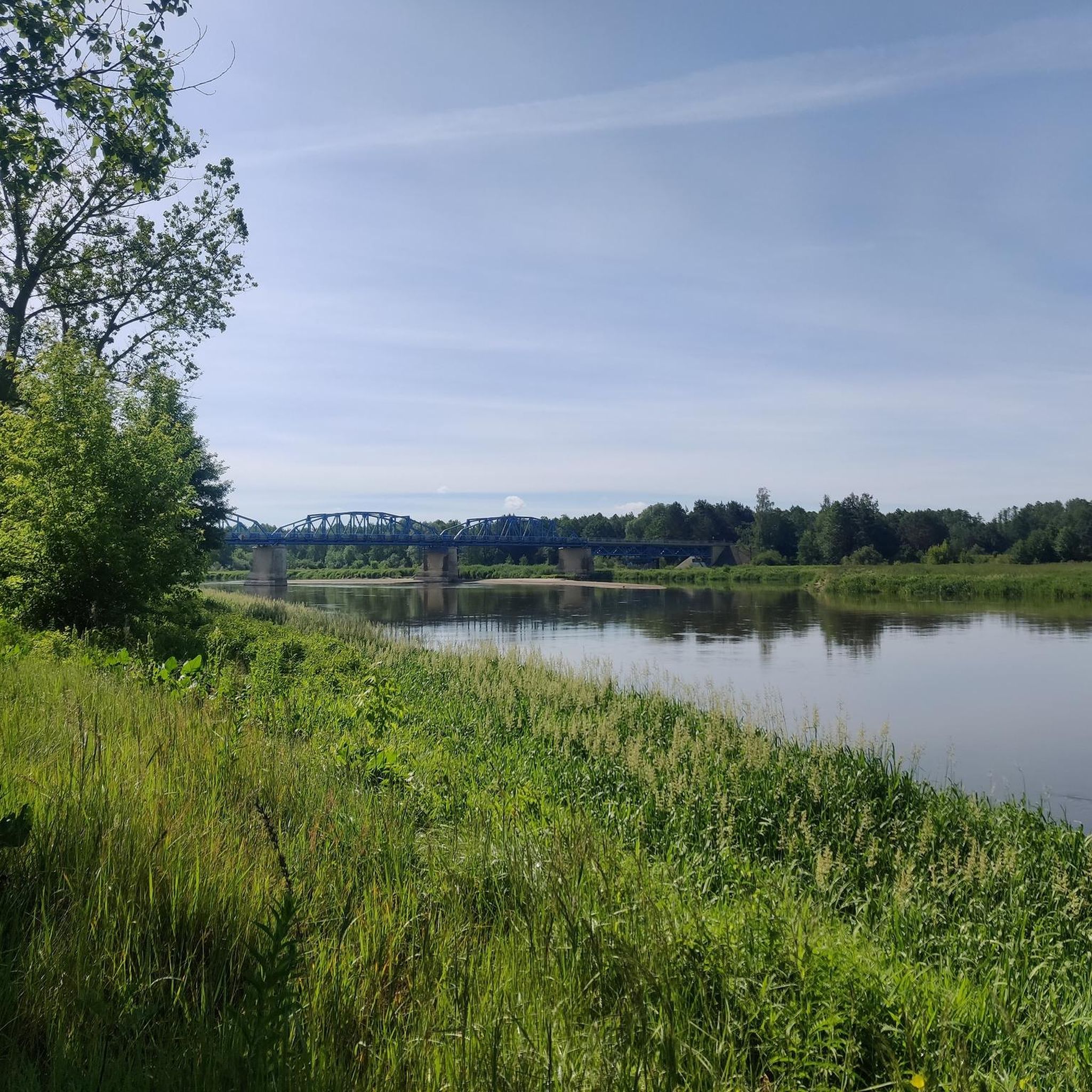
Gravel biking around Sarnaki is characterized by the scenic Bug River, offering diverse landscapes for outdoor exploration. The region features natural areas, historical sites, and the Podlaski Przełom Bugu Landscape Park, providing varied terrain for gravel biking. Routes often pass through historical manor and park complexes, which include old-growth trees and ponds. This blend of natural beauty and cultural heritage defines the gravel cycling experience in Sarnaki.
Best gravel bike trails around Sarnaki
- The most popular gravel bike trail is…
Last updated: May 21, 2026
5.0
(2)
7
riders
69.8km
04:22
330m
330m
Moderate gravel ride. Good fitness required. Mostly paved surfaces. Suitable for all skill levels.
6
riders
38.7km
02:05
120m
120m
Moderate gravel ride. Good fitness required. Mostly paved surfaces. Suitable for all skill levels.

Sign up for free
7
riders
91.3km
05:13
340m
340m
Hard gravel ride. Very good fitness required. Mostly paved surfaces. Suitable for all skill levels.
2
riders
48.0km
03:22
300m
290m
Moderate gravel ride. Good fitness required. Mostly paved surfaces. Suitable for all skill levels.
2
riders
44.1km
03:10
340m
340m
Moderate gravel ride. Good fitness required. Mostly paved surfaces. Suitable for all skill levels.
Get access to more routes and recommendations from other explorers.
Sign up for free
Already have an account?
Our route recommendations are based on thousands of hikes, rides, and runs completed by other people on komoot.
Start today with a free account
Your next adventure awaits.
Login or Signup
Other adventures around Sarnaki

Tips from the Community

The Orthodox Church of Saints Cyril and Methodius in Maćkowicze, built in the late 1990s.
1
0

The Church of St. Nicholas is an Orthodox parish church in Drohiczyn. It belongs to the Siemiatycze deanery of the Warsaw-Bielsko diocese of the Polish Autocephalous Orthodox Church. The church is located on the market square – Tadeusz Kościuszko Square. The church represents a classicist style. Built in 1792, funded by Konstancja née Kuczyńska and Jakub Ciecierski, it was dedicated to St. Nicholas, a Uniate church for the Basilian monastery. After the Uniate parish church (also dedicated to St. Nicholas) burned down in 1806, services were moved here. In 1826, it was handed over to the Uniate secular clergy. In 1839, following the Synod of Polotsk, the church was seized from the Uniates and placed under the jurisdiction of the Orthodox Church by the Russian partitioning authorities. After the fall of the January Uprising, the church was rebuilt around 1870 to give it a more Orthodox appearance. As a result, the exterior was topped with three additional onion-shaped bell towers, while the interior was modified and a new interior was created, including by removing the side altars, organs, and pulpit.
1
0
The ferry crossing on the Bug River connects its northern bank below Drohiczyn with the southern bank near the village of Bużyska, Korczew commune
1
0
Franciscan Church in Drohiczyn, dedicated to the Assumption of the Blessed Virgin Mary – according to the monastery tradition recorded in 1797 by Father Karol Gaudenty Żero (1743–1802) in his work entitled "Fenix de pulveribus resuscitatus svaviter suam candit modulenam," the Franciscan convent in Drohiczyn was founded by Mikołaj Nassuta, mentioned in 1430 as the starost of Drohiczyn. The monks are said to have settled on a square known as "Narożnik" (Corner). The first endowments for the monks were confirmed in 1407 by Duke Witold Kiejstutowicz, who also provided offerings from the castle. During the reign of Janusz I the Elder, Duke of Mazovia, a wooden monastery and church dedicated to the Assumption of the Blessed Virgin Mary were built in 1409. In 1451, the guardian was Father Jan of Ruda, and in 1470, Father Szymon of Kraków. In the years 1460–1470, funds for the monastery were donated by, among others, the Drohicz court assessor Maciej Miłkowski (d. ca. 1478) and his wife Katarzyna. The Franciscan monastery was burned down by dissenters in 1583, and around 1595, the wooden church burned down. In 1595–1596, it was rebuilt thanks to the efforts of Father Mateusz Studziński, guardian, but in 1601, both buildings were destroyed by fire again. Another wooden Franciscan church was built in 1615 through the efforts of the guardian, Father Bartłomiej Klucziata vel Klimczata, and consecrated on October 4, 1618, by the titular bishop of Argivensis and suffragan of Lutsk, Father Stanisław Udrzycki (d. 1621). During this period, a new monastery building was constructed. In 1657, during the Swedish Deluge, following Misericordiae Sunday, the monastery was destroyed again, and several monks were murdered by Cossack, Transylvanian, and Swedish troops commanded by Magnus Gabriel de La Gardie.
1
0
A viewing point overlooking the Bug River and the monastery. A ferry crossing the river is located next to the tower.
1
0
Holy Mount Grabarka is the most important Orthodox center in Poland, located in the Podlaskie Voivodeship, near Siemiatycze. It is a pilgrimage site known as the "Hill of Crosses" because for centuries the faithful have brought votive crosses here, symbolizing prayers and thanksgiving. The complex includes the Saints Martha and Mary Monastery and three Orthodox churches.
1
0

A beautiful and magical place. It's impossible to describe, it must be seen.
1
0
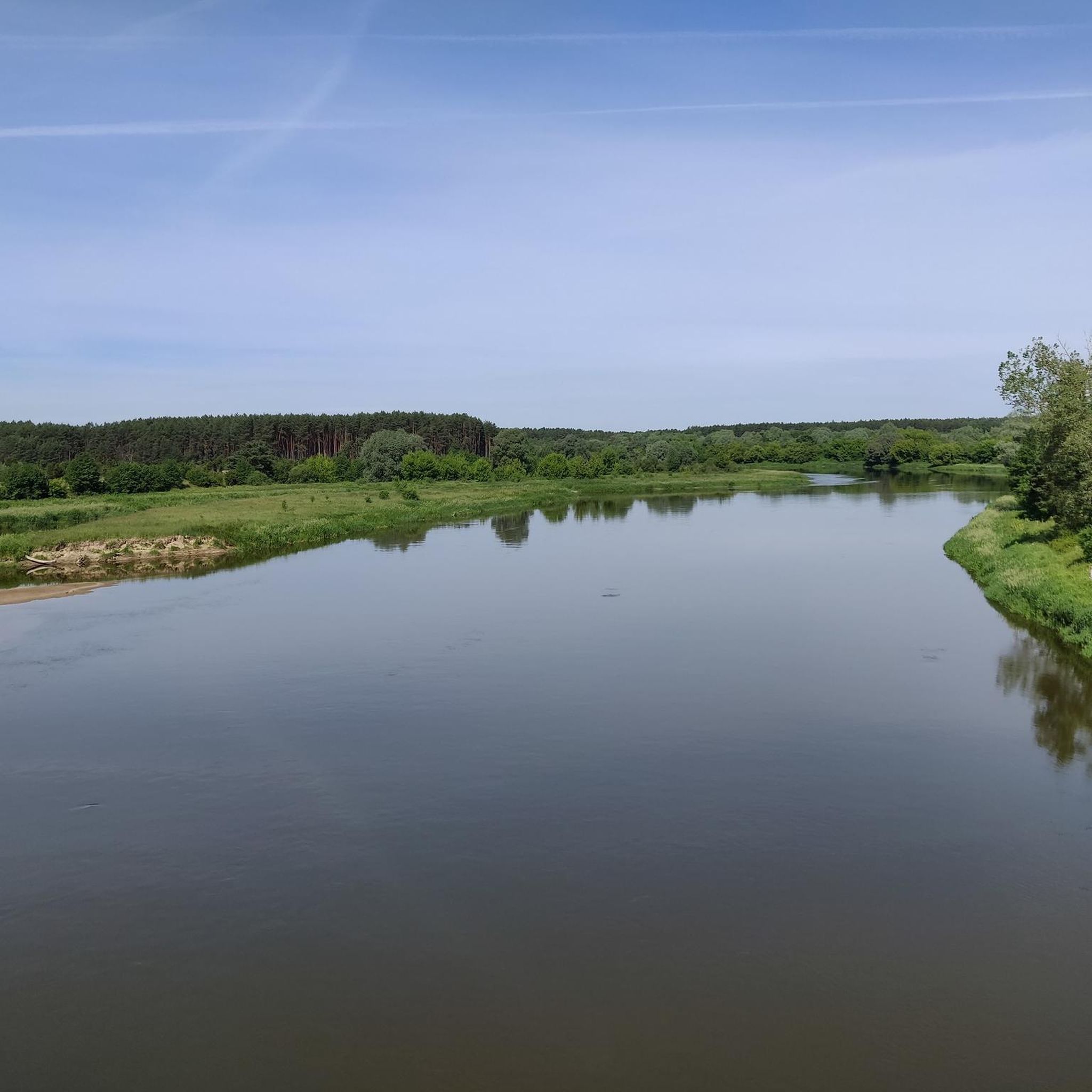
View of the Bug River and the beach in Drohiczyn
1
0
Frequently Asked Questions
How many gravel bike trails are available around Sarnaki?
There are 14 gravel bike trails around Sarnaki, offering a variety of experiences. These include 2 easy routes, 10 moderate routes, and 2 difficult routes, catering to different skill levels.
What is the best time of year to go gravel biking in Sarnaki?
The best time to visit Sarnaki for gravel biking is generally during the spring, summer, and early autumn months, from May to October. The weather during this period is most favorable for outdoor activities.
Are there any family-friendly gravel biking routes in Sarnaki?
While specific 'family-friendly' tags are not available, Sarnaki offers 2 easy gravel routes that could be suitable for families. These routes typically have less challenging terrain and shorter distances. For a moderate option, consider the Bridge Over the Bug River – Mielnik–Zabuże Ferry Crossing loop from Zabuże, which is 38.6 km long and features scenic river views.
Can I find circular gravel bike routes in the Sarnaki area?
Yes, many of the gravel bike routes around Sarnaki are designed as loops. For example, the Bridge Over the Bug River – Przekop Nature Reserve loop from Fronołów is a popular 66.5 km circular route, and the Sacred Spring of Grabarka – View of the River Bug loop from Sycze offers a 69.8 km loop with significant cultural and natural sights.
What kind of terrain can I expect on gravel bike trails near Sarnaki?
The gravel biking terrain around Sarnaki is diverse, characterized by scenic river views along the Bug River, natural areas, and historical sites. Routes often include both well-paved and unpaved segments, with some challenging sections requiring good fitness. You'll encounter varied landscapes within the Podlaski Przełom Bugu Landscape Park and pass through historical manor and park complexes with old-growth trees and ponds.
What interesting landmarks or attractions can I see along the gravel bike trails?
Many gravel routes in Sarnaki pass by significant landmarks. You can visit the Holy Mount Grabarka (Święta Góra Grabarka), a major Orthodox center, or the Janów Podlaski Stud Farm, famous for Arabian horses. Other points of interest include the Winnica Korol Winery, and various historical manor houses and natural viewpoints like the View from the High Bluff of the Bug River Bend.
Are there any long-distance gravel routes for experienced riders?
Yes, Sarnaki offers several longer gravel routes. The Sacred Spring of Grabarka – View of the River Bug loop from Sycze is a moderate 69.8 km path, and the Bridge Over the Bug River – Przekop Nature Reserve loop from Fronołów covers 66.5 km. These routes provide immersive rides through the region's diverse landscapes.
What do other gravel bikers say about the trails in Sarnaki?
The gravel biking routes in Sarnaki are highly rated by the komoot community, with an average score of 5.0 stars from over 3 reviews. More than 60 gravel bikers have used komoot to explore the varied terrain, often praising the scenic views along the Bug River and the blend of natural beauty with historical sites.
Are there any specific permits required for cycling in the Podlaski Przełom Bugu Landscape Park?
Generally, no specific permits are required for cycling on designated trails within the Podlaski Przełom Bugu Landscape Park. However, it's always advisable to respect local regulations and stay on marked paths to protect the natural environment.
Are there options for beginner gravel bikers in Sarnaki?
Yes, Sarnaki has 2 easy gravel routes that are suitable for beginners or those looking for a less strenuous ride. These routes typically feature gentler gradients and shorter distances, allowing new gravel bikers to enjoy the scenery without excessive challenge.
Can I find places to eat or stay near the gravel trails in Sarnaki?
The Sarnaki region, including nearby villages like Mielnik, offers various amenities. While specific cafes or pubs directly on every trail are not guaranteed, you can find accommodation and dining options in the main towns and villages, which are often accessible from the cycling routes. Consider planning your route to pass through these areas for breaks.
What are some scenic viewpoints along the gravel routes?
The Bug River is a central feature for scenic views. Routes like the Sacred Spring of Grabarka – View of the River Bug loop from Sycze offer expansive views of the Bug River. You can also find specific viewpoints such as the View from the High Bluff of the Bug River Bend, providing picturesque panoramas of the landscape.
Most popular routes around Sarnaki
Most popular attractions around Sarnaki

Get inspired with the komoot mobile app


Explore more
Browse the best Gravel rides in other regions.
