The best gravel rides around Wyszków
4.8
(6)
79
riders
18
rides
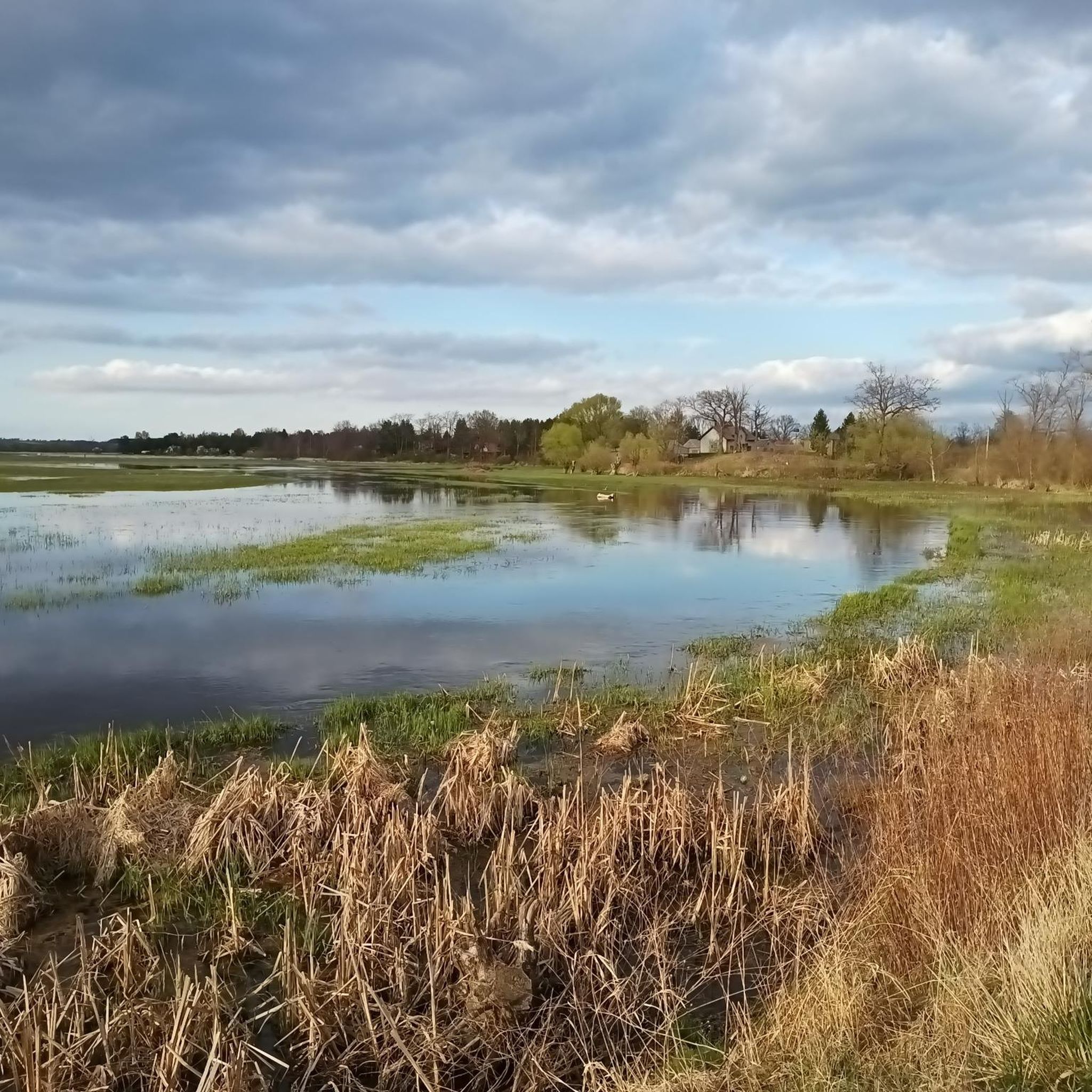
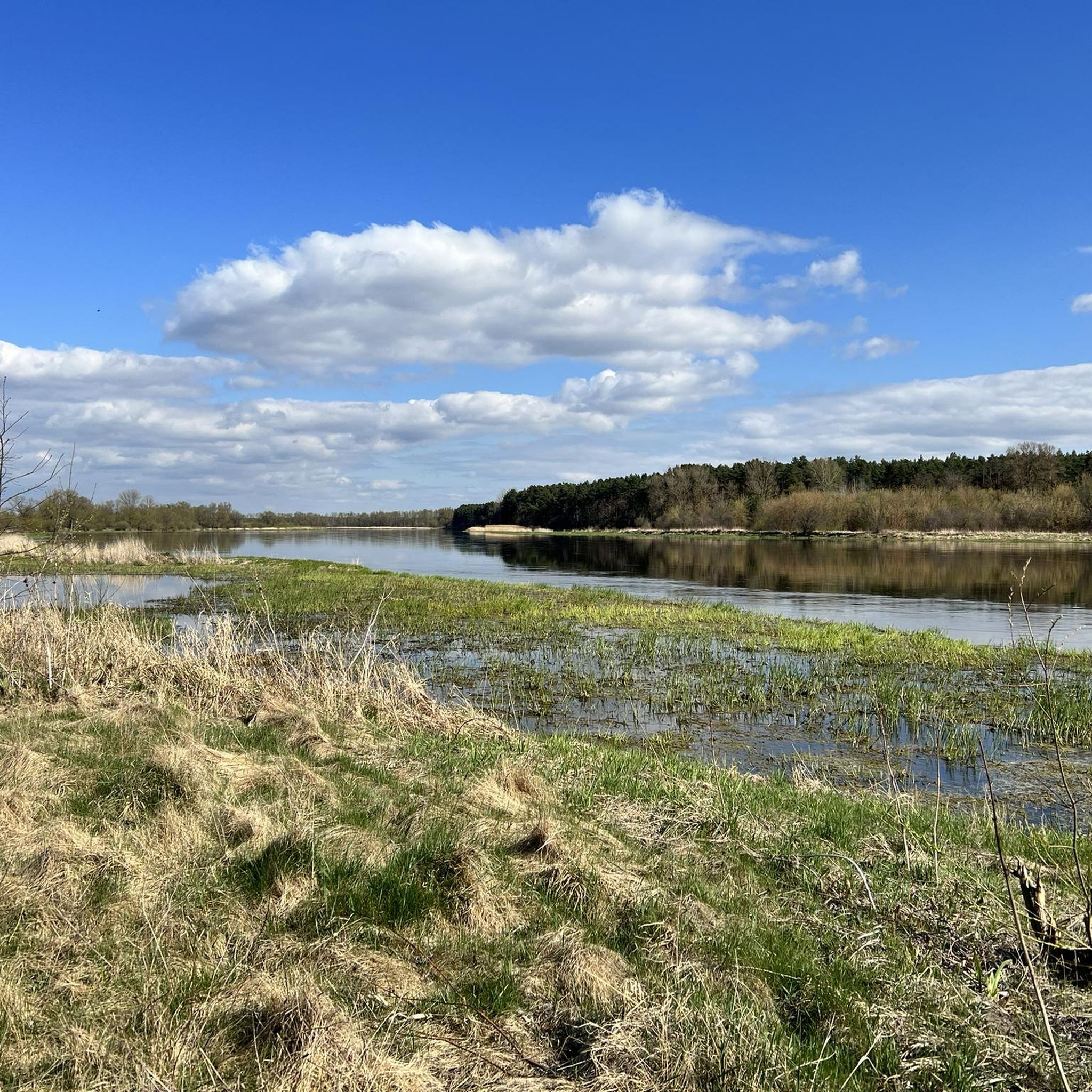
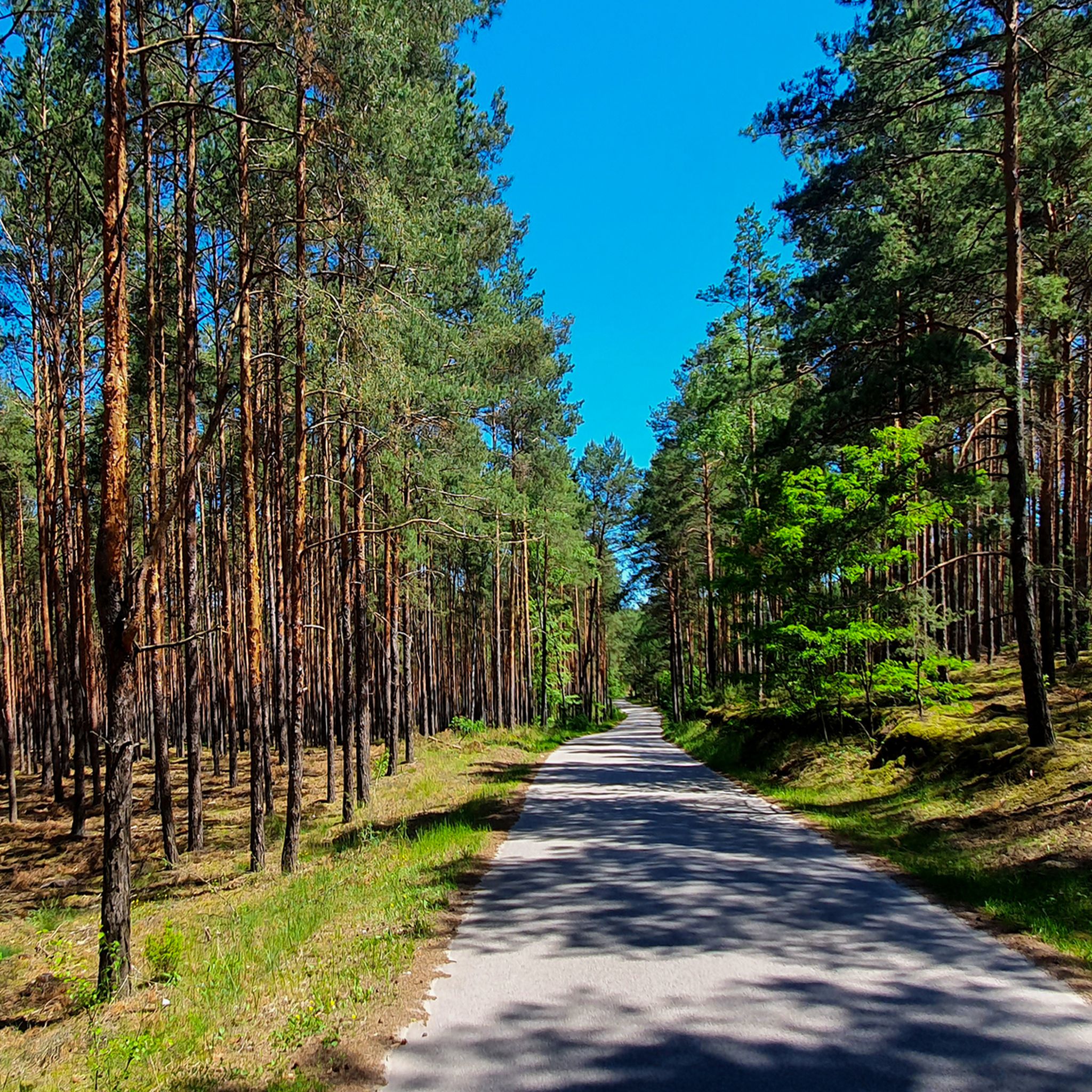
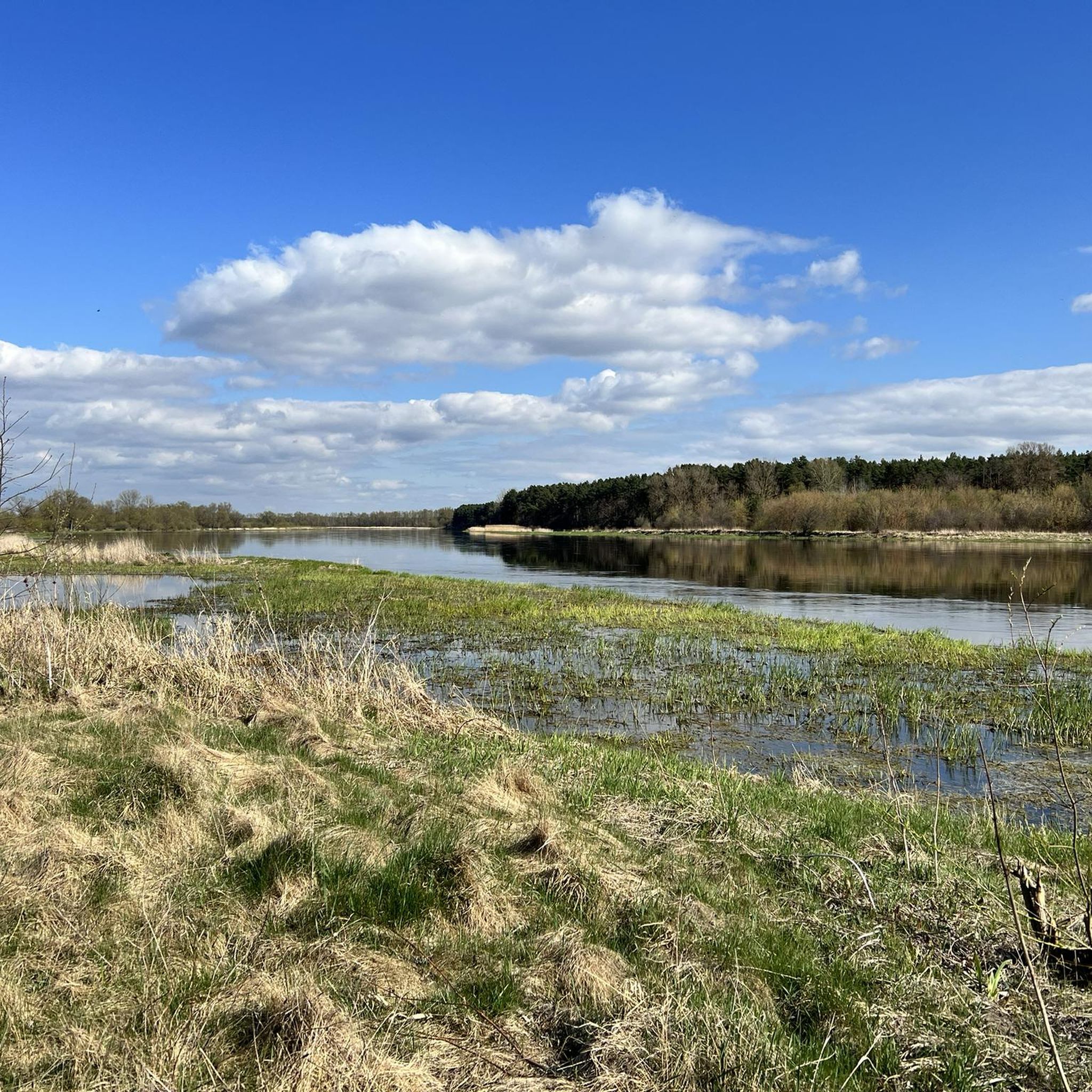
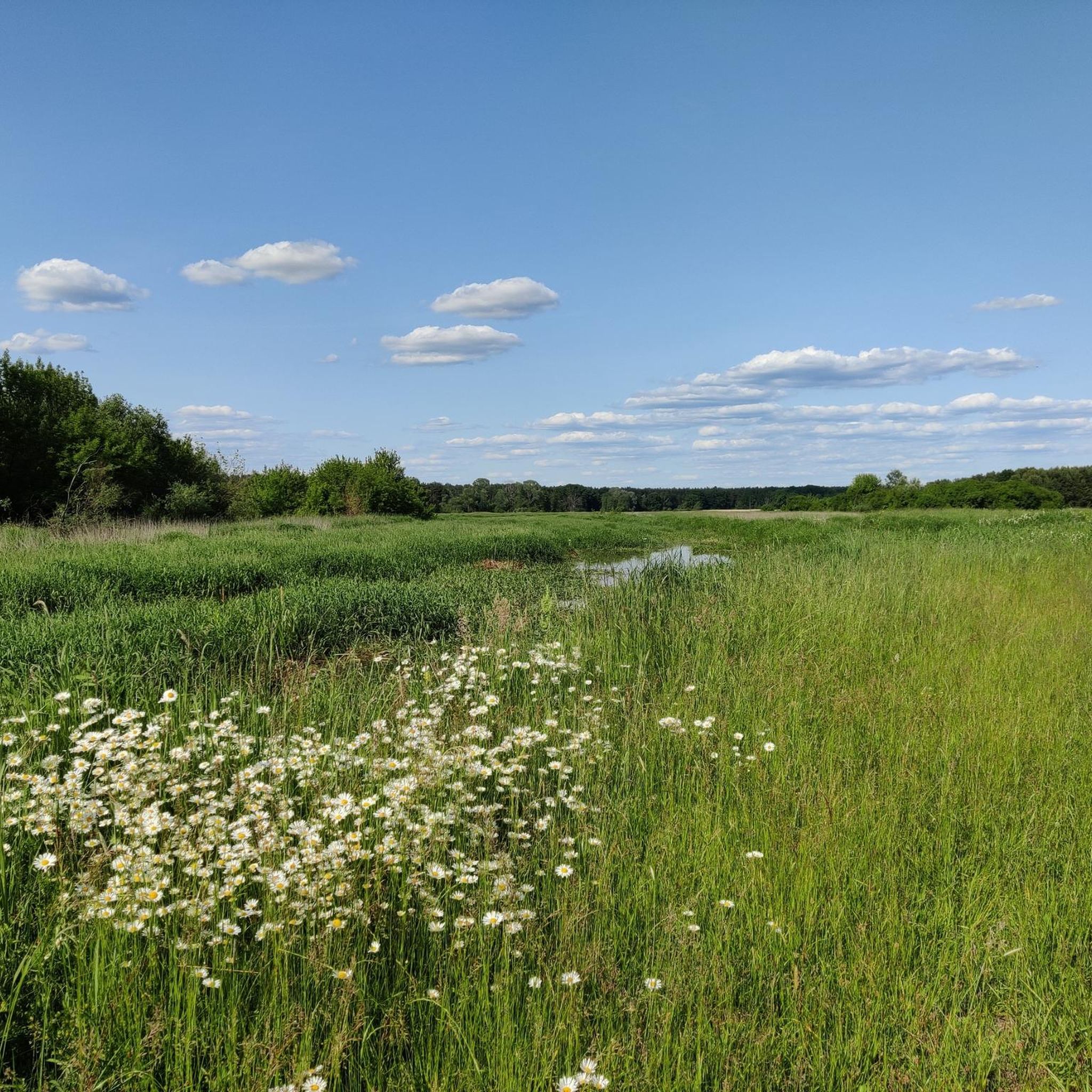
Gravel biking around Wyszków offers diverse terrain across northeastern Mazovia, Poland. The region is characterized by the untamed Bug River and its expansive floodplains, providing picturesque and relatively flat routes. Contrasting this, the dense Puszcza Biała Forest complex offers wooded trails and forest roads. The varied landscape includes tarmac, gravel paths, singletracks, and field roads, catering to a range of gravel biking experiences.
Best gravel bike trails around Wyszków
- The most popular gravel bike trail is Singletrack Bagno Pulwy –…
Last updated: November 3, 2026
22
riders
9.27km
00:42
40m
40m
Easy gravel ride. Mostly paved surfaces.
4.5
(4)
24
riders
19.9km
01:15
70m
70m
Easy gravel ride. Mostly paved surfaces.

11
riders
35.6km
02:27
230m
230m
Hard gravel ride. Good fitness required. You may need to push your bike for some segments of this route.
3
riders
Moderate gravel ride. Good fitness required. Mostly paved surfaces.
4
riders
51.8km
03:29
120m
120m
Moderate gravel ride. Good fitness required. Mostly paved surfaces.
5
riders
38.8km
02:42
110m
110m
Hard gravel ride. Good fitness required. You may need to push your bike for some segments of this route.
5.0
(1)
5
riders
Easy gravel ride. Mostly paved surfaces.
Get access to more routes and recommendations from other explorers.
Already have an account?
Our route recommendations are based on thousands of hikes, rides, and runs completed by other people on komoot.





Tips from the Community

It is possible to ride across. Partially asphalt, partially singletrack.
0
0


Crowded in season, otherwise quiet, clean water.
0
0
The route is far from traffic. The gravel is uneven and drains your energy quite quickly. Be careful on sunny days - a few kilometers without a bit of shade can be tough...
0
0

The parish of St. Teresa of the Child Jesus was established on 28.10.1927 by Archbishop A.J. Nowowiejski. The parish was established from the territory of the parishes of Wyszków, Długosiodło and Obryte. By the bull "Totus Tuus Poloniae Populus" of Pope John Paul II of 25.03.1992, the parish of Porządzie was incorporated into the Diocese of Łomża from the Diocese of Płock. In 1994, a new parish was established in Rząśnik from the territory of the parish of Porządzie. In 1926, at the initiative of Fr. J. Trzaskoma, vicar from Wyszków, a wooden chapel was built in Porządzie. The current wooden church of St. Teresa of the Child Jesus was moved from Dzierżenin and built in the years 1927-1930 at the initiative of Fr. parish priest Jan Trzaskoma; blessed in 1930. In 1954, the church was enlarged thanks to the efforts of parish priest Jan Fałkowski. The parish church in Porządzie was established on 1.10.2004 by the Bishop of Łomża Stanisław Stefanek as the Sanctuary of St. Teresa of the Child Jesus. Number of faithful: 1,759 https://parafie.diecezja.lomza.pl/ad/parafie,1/porzadzie-parafia-pw-sw-teresy-od-dzieciatka-jezus,126
2
0
"The history of the town hall dates back to the early 15th century. Bishop Jakub of Płock is said to have funded the seat of the town authorities in 1405. The Gothic tower added to the town hall fulfilled both judicial and penitentiary functions as well as defense. Initially, it reached a height of 15 m and was built on a rectangular plan. During the 15th and 16th centuries, it was gradually raised, with additional storeys built on an octagonal plan. A new town hall was also built - lower, more modern - in the Renaissance style, topped with a crested attic. The 30-meter tower at that time gained a domed spire with a lantern, and a clock was also ordered for it. During the wars in the 17th and 18th centuries, the town hall burned down several times. In 1728, it was rebuilt with funds from Bishop Andrzej Stanisław Kostka Załuski. The two-bay building surrounded the tower in a horseshoe shape from the east. The entrance was located on the north and covered with a wooden arcade. The tower roof was changed to an octagonal one, and the clock was abandoned. In this form, the town hall survived until the end of the 19th century. At that time, in addition to the city authorities, the army was quartered here, and there was a prison and even warehouses for Pułtusk merchants. At the end of the 19th century, a shelter was organized in the ruined building, and from 1880, the ground floor and the tower were put into use by the Volunteer Fire Department. After 1902, a new, smaller building was erected on the site of the former building, in the neo-Gothic style, only for the use of the fire department. The tower was deprived of its roof, replacing it with an uncovered platform. It turned out to be completely non-functional and the original roof covering of the tower top was quickly restored. Also at that time, a clock was placed on the north side, on the seventh floor." Source: https://arch.pultusk.pl/wieza-dawnego-ratusza-gotycko-renesansowa/
1
0
A bit of shade, a bit of sand, a bit of boats - all in all very nice :-)
1
0
The "Barbarka" stronghold is the remains of one of the most important strongholds in Mazovia. Located in a strategically important location on the route from Mazovia to Ruthenia, it guarded a river crossing. Serock also had a customs house. The early medieval stronghold and its surrounding settlements gave rise to the later city. Source: https://zabytek.pl/pl/obiekty/serock-grodzisko-barbarka
1
0
Frequently Asked Questions
What types of terrain can I expect on gravel bike trails around Wyszków?
The gravel biking routes around Wyszków offer a diverse mix of terrain. You'll encounter tarmac, gravel paths, forest roads, singletracks, and field roads, providing a varied experience that blends off-road adventure with modern cycling capabilities. The region features both relatively flat riverine landscapes along the Bug and Narew, and wooded trails within the dense Puszcza Biała Forest.
Are there gravel bike trails suitable for beginners in Wyszków?
Yes, Wyszków offers several gravel bike trails suitable for beginners. Out of over 20 available routes, 10 are classified as easy, making them perfect for those new to gravel biking or looking for a relaxed ride. An example of an easy route is the Dębe Hydroelectric Power Plant – Along the Narew loop from Zegrze, which is 12.3 miles (19.7 km) long and offers scenic riverside views.
What are some unique features of the gravel biking experience in Wyszków?
Wyszków stands out for its combination of wild riverscapes along the untamed Bug and Narew rivers, dense Puszcza Biała forests, and dedicated singletracks. A unique highlight is the Singletrack Bagno Pulwy, which features a twisted loop within a small forest, complete with profiled turns, moguls, and wooden footbridges for an engaging ride.
Are there any circular gravel bike routes available in Wyszków?
Yes, many of the gravel bike routes around Wyszków are designed as loops, allowing you to start and end in the same location. For instance, the popular Singletrack Bagno Pulwy – Singletrack Bagno Pulwy loop from Rząśnik is a 4.7-mile (7.6 km) circular trail. Another option is the longer Path With a View of the Narew – Pułtusk Castle loop from Stasi Las, a 37.6-mile (60.5 km) route.
What kind of natural landscapes will I see while gravel biking near Wyszków?
You'll experience diverse natural landscapes. The region is defined by the high right bank of the Bug River, offering panoramic views across expansive meadows and wetlands. The largely untamed Bug River and the Narew River provide picturesque, relatively flat terrains. Inland, you'll find the dense Puszcza Biała (White Forest) with its wooded trails, offering a contrasting environment.
What do other gravel bikers say about the trails in Wyszków?
The gravel biking routes in Wyszków are highly rated by the komoot community, with an average score of 5.0 stars. Over 50 gravel bikers have used komoot to explore the varied terrain, often praising the diverse landscapes, from river floodplains to dense forests, and the engaging dedicated singletracks like Bagno Pulwy.
Are there any attractions or points of interest along the gravel bike routes?
Yes, there are several interesting attractions you might encounter. For example, you can visit the historic St. Stanislaus Bishop Wooden Church in Barcice or the Sanctuary of St. Idzi in Wyszków. The region also features unique spots like the Flooded Crossing with Concrete Beam, adding to the adventure.
How many gravel bike trails are there in the Wyszków area?
There are over 20 gravel bike trails available in the Wyszków area, catering to various skill levels. This includes 10 easy routes, 6 moderate routes, and 5 difficult routes, ensuring options for every type of gravel biker.
Are there any longer, more challenging gravel bike routes for experienced riders?
Yes, for experienced riders seeking a challenge, Wyszków offers several difficult routes. An example is the Path With a View of the Narew – Pułtusk Castle loop from Stasi Las, a substantial 37.6-mile (60.5 km) trail that typically takes over 5 hours to complete, leading through the Narew River valley.
What is the best time of year for gravel biking in Wyszków?
The region's diverse landscapes, including river floodplains and forests, are enjoyable throughout the warmer months. Spring and autumn offer pleasant temperatures and vibrant scenery, while summer provides longer daylight hours. Be mindful that the Bug River experiences seasonal flooding, which can impact certain low-lying routes, particularly in spring.
Can I find routes that offer views of the Bug or Narew rivers?
Absolutely. Many routes are specifically designed to showcase the beautiful riverine environments. For instance, the Dębe Hydroelectric Power Plant – Along the Narew loop from Zegrze offers direct engagement with the scenic Narew riverside. You can also find routes that provide views across the expansive meadows and wetlands of the Bug River floodplains.
Most popular routes around Wyszków
Most popular attractions around Wyszków

Get inspired with the komoot mobile app


Didn’t find what you were looking for?
Check out more Gravel rides throughout Wyszków below and find the perfect route in your destination.
Explore more
Browse the best Gravel rides in other regions.
