The best gravel rides around Knivsta
4.7
(41)
169
riders
24
rides
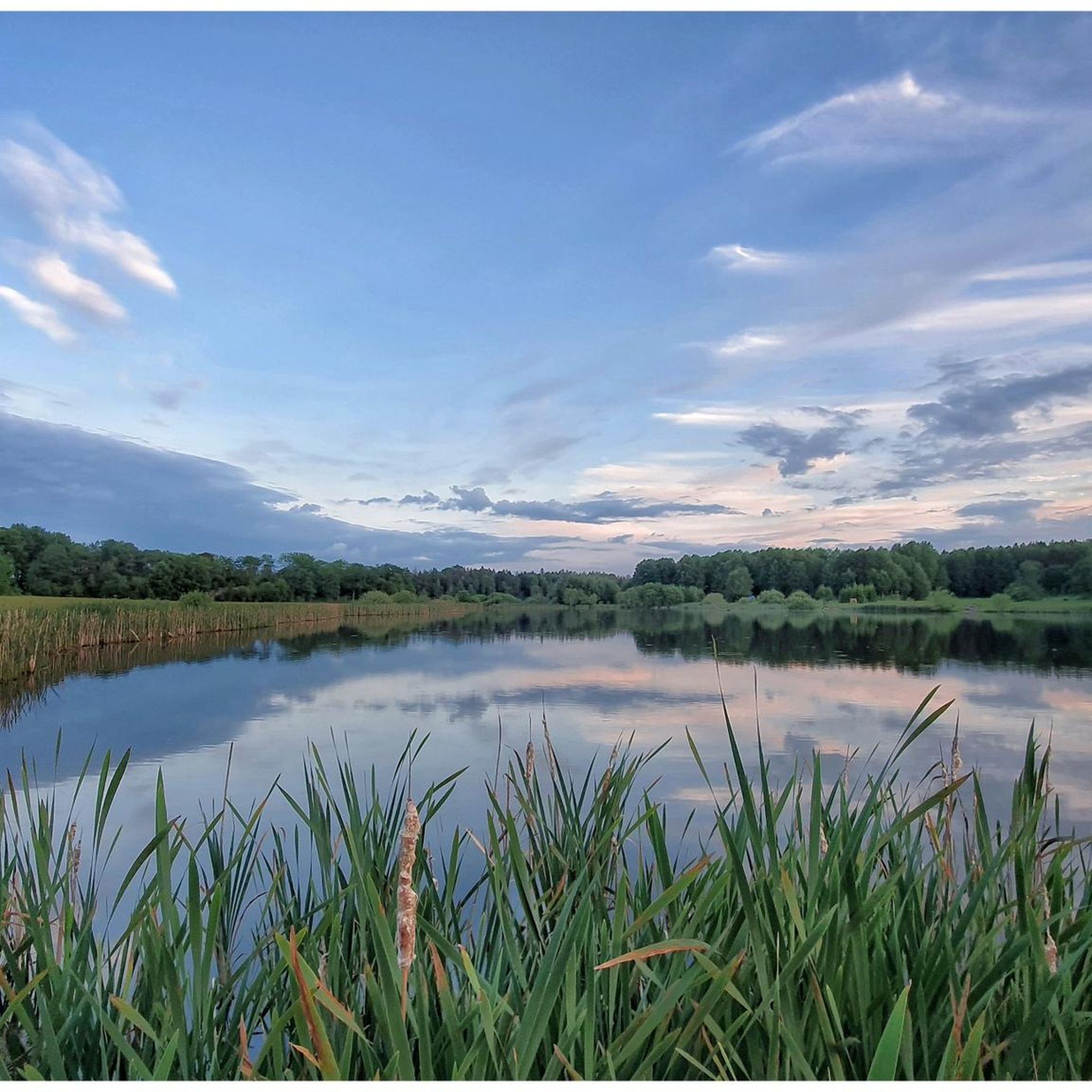
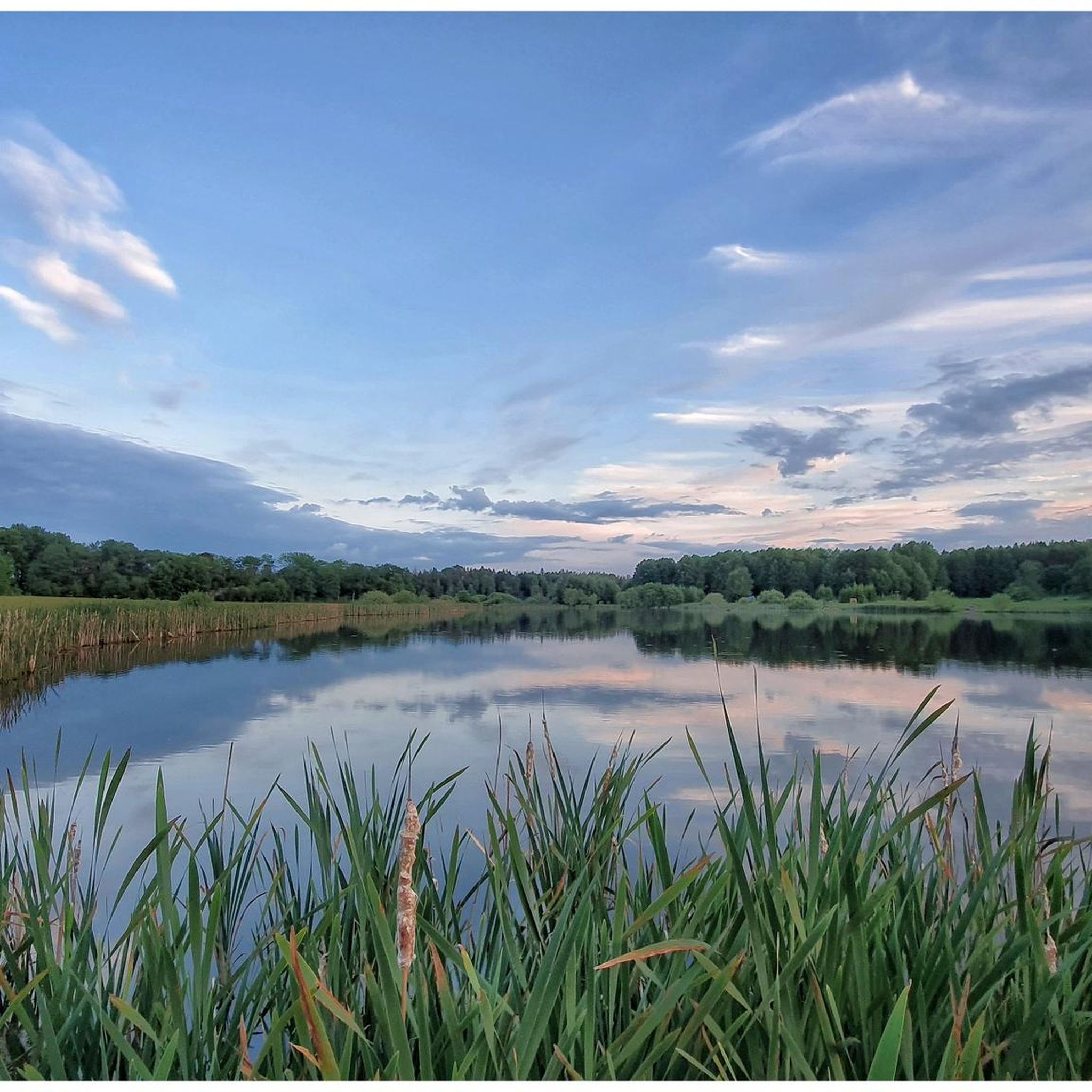
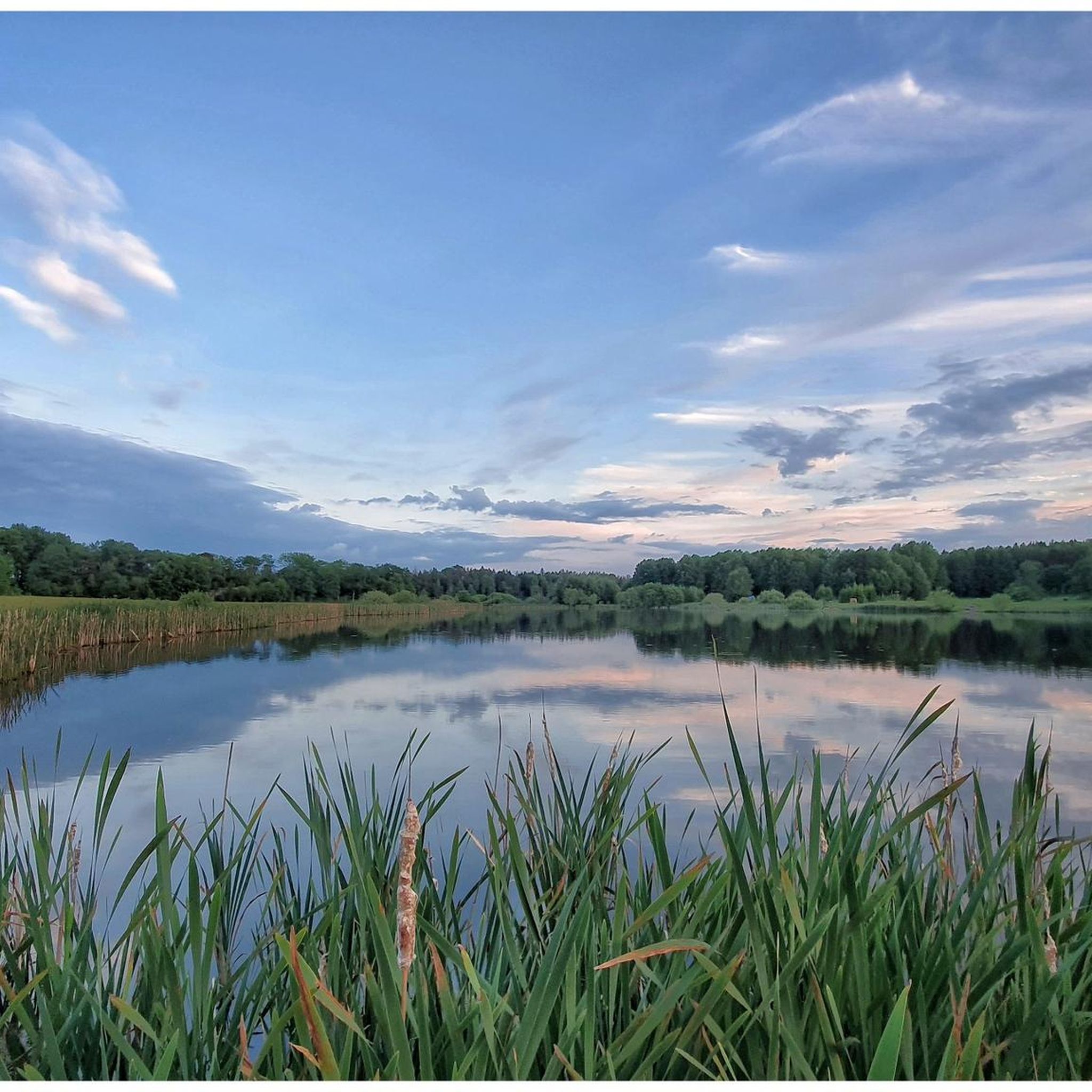
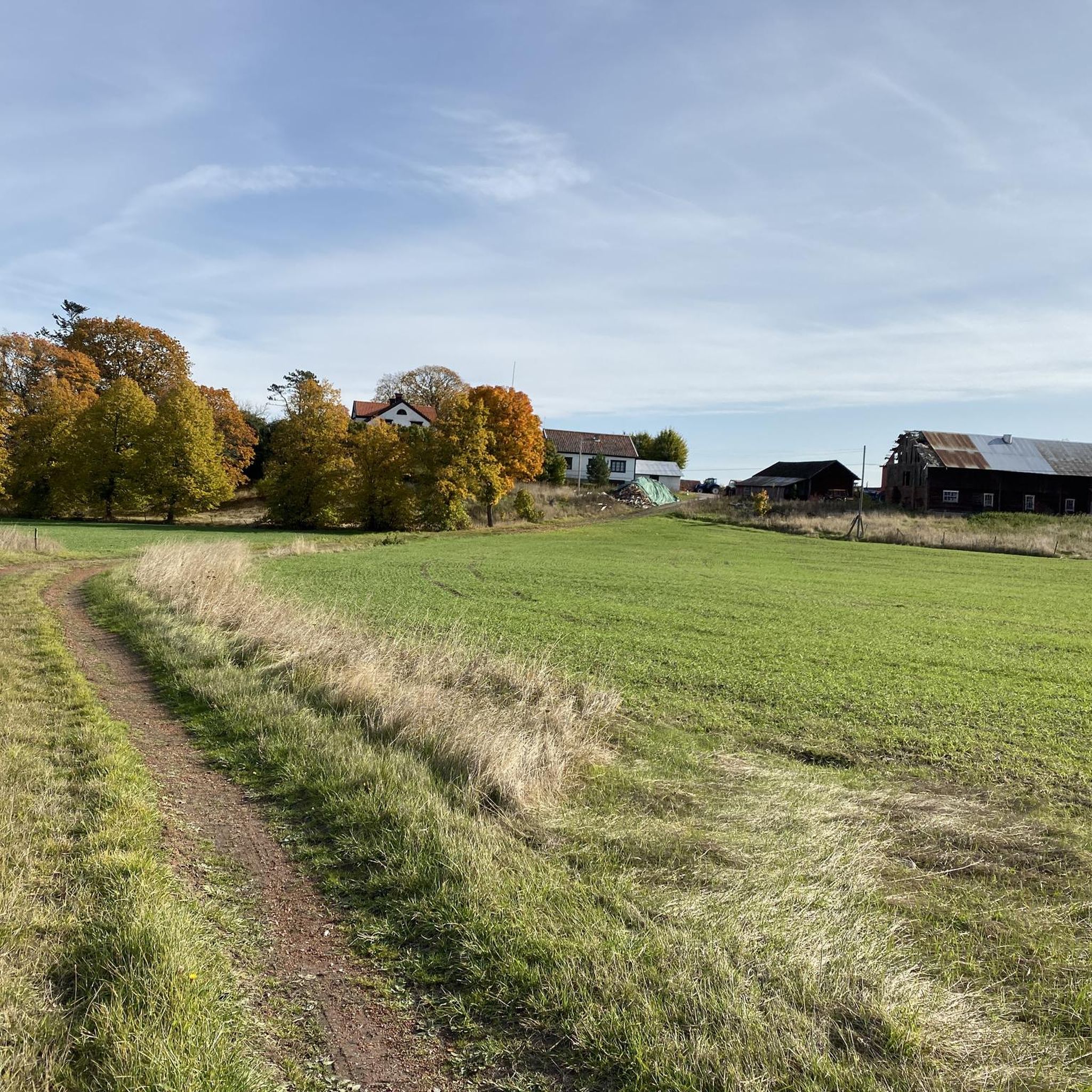
Gravel biking around Knivsta features a landscape characterized by a mix of forests, open fields, and proximity to lakes, offering varied terrain for cyclists. The region includes rolling hills, with some routes featuring elevation gains over 200 meters. Many trails follow former railway lines or paths along water bodies, providing diverse riding experiences. This area provides a network of routes suitable for different skill levels.
Best gravel bike trails around Knivsta
- The most popular gravel bike trail is Lyssnaängsbadet – Public Water Tap at Hammarskog loop from MVM, a 34.3 miles (55.2 km) trail that takes about 4 hours 12 minutes to complete. This moderate route offers views of the lake and surrounding natural areas.
- Another top favourite among local gravel bikers is Uppsala Castle – Sunnerstaviken Nature Trail loop from MVM, a moderate 19.6 miles (31.5 km) path. This route connects historical landmarks with natural sections, featuring an elevation gain of 162 meters.
- Local gravel bikers also love the Lakeside Beach With Pier – Old Railway Track loop from Knivsta, a 75.5 miles (121.5 km) trail leading through lakeside areas and along an old railway track, often completed in about 8 hours 58 minutes.
- Gravel biking around Knivsta is defined by lakeside paths, forested sections, and open agricultural landscapes. The network offers options for different ability levels, from moderate loops to more challenging long-distance routes.
- The routes in Knivsta are highly rated by the komoot community with an average score of 4.3 stars from more than 30 reviews. More than 160 gravel bikers have used komoot to explore Knivsta's varied terrain.
Last updated: October 11, 2026
4.8
(13)
23
riders
24.9km
01:42
160m
160m
Moderate gravel ride. Good fitness required. Mostly paved surfaces. Suitable for all skill levels.
4.8
(9)
25
riders
Easy gravel ride. Great for any fitness level. Mostly paved surfaces. Suitable for all skill levels.

4.0
(3)
26
riders
56.9km
03:01
290m
290m
Moderate gravel ride. Good fitness required. Mostly paved surfaces. Suitable for all skill levels.
4.8
(12)
23
riders
31.6km
01:54
170m
170m
Moderate gravel ride. Good fitness required. Mostly paved surfaces. Suitable for all skill levels.
21
riders
122km
06:59
630m
630m
Hard gravel ride. Very good fitness required. Mostly paved surfaces. Suitable for all skill levels.
Get access to more routes and recommendations from other explorers.
Already have an account?
Our route recommendations are based on thousands of hikes, rides, and runs completed by other people on komoot.
Start today with a free account
Your next adventure awaits.
Tips from the Community

The view of Uppsala Cathedral from Gotlandsparken is one of the particularly beautiful perspectives of the city's landmark. From the small park on the Fyrisån, the two mighty towers of the cathedral rise above the historic buildings and trees of the city center. The green spaces and the nearby water form an attractive foreground for the monumental Gothic architecture. Gotlandsparken is therefore ideal for a short break and as a photo stop during a walk along the Fyrisån through historic Uppsala.
3
0
The Fyrisån waterfall in the center of Uppsala is a striking spot along the river, connecting the tranquil cityscape by the water with the rush of small rapids and weirs. Particularly charming from here is the view of Uppsala Cathedral, whose mighty double towers rise above the downtown buildings, creating an impressive backdrop. The interplay of water, historic buildings, and the cathedral makes this section of the Fyrisån a particularly beautiful photo opportunity. During a walk along the river, the viewpoint is therefore a worthwhile highlight on the way through the historic center of Uppsala.
4
0
Uppsala Castle (Uppsala slott) rises visibly on the castle hill above the city and is one of Uppsala's most significant historical buildings. Construction of the complex, originally conceived as a fortress, began in 1549 under King Gustav I Vasa; over the following centuries, the castle was rebuilt and expanded several times. It was the scene of important events in Swedish history, including Queen Christina's abdication in 1654. Today, the complex houses cultural institutions, among other things, and serves as the residence of the County Governor of Uppsala County. Particularly charming is the circuit around the bastions and castle gardens, offering beautiful views over the city and the striking towers of the Cathedral.
5
0
The main building of Uppsala University (Universitetshuset) is one of the most representative structures in the traditional university city. It was built in the Neo-Renaissance style and opened in 1887; particularly impressive are the monumental facade, the spacious vestibule, and the magnificent auditorium. In front of the building lies the University Park (Universitetsparken) with several monuments to important figures from science and Swedish history. Together with the nearby Cathedral and the Gustavianum, the main university building forms the historical heart of academic Uppsala and recalls the centuries-long significance of the university founded in 1477.
3
0
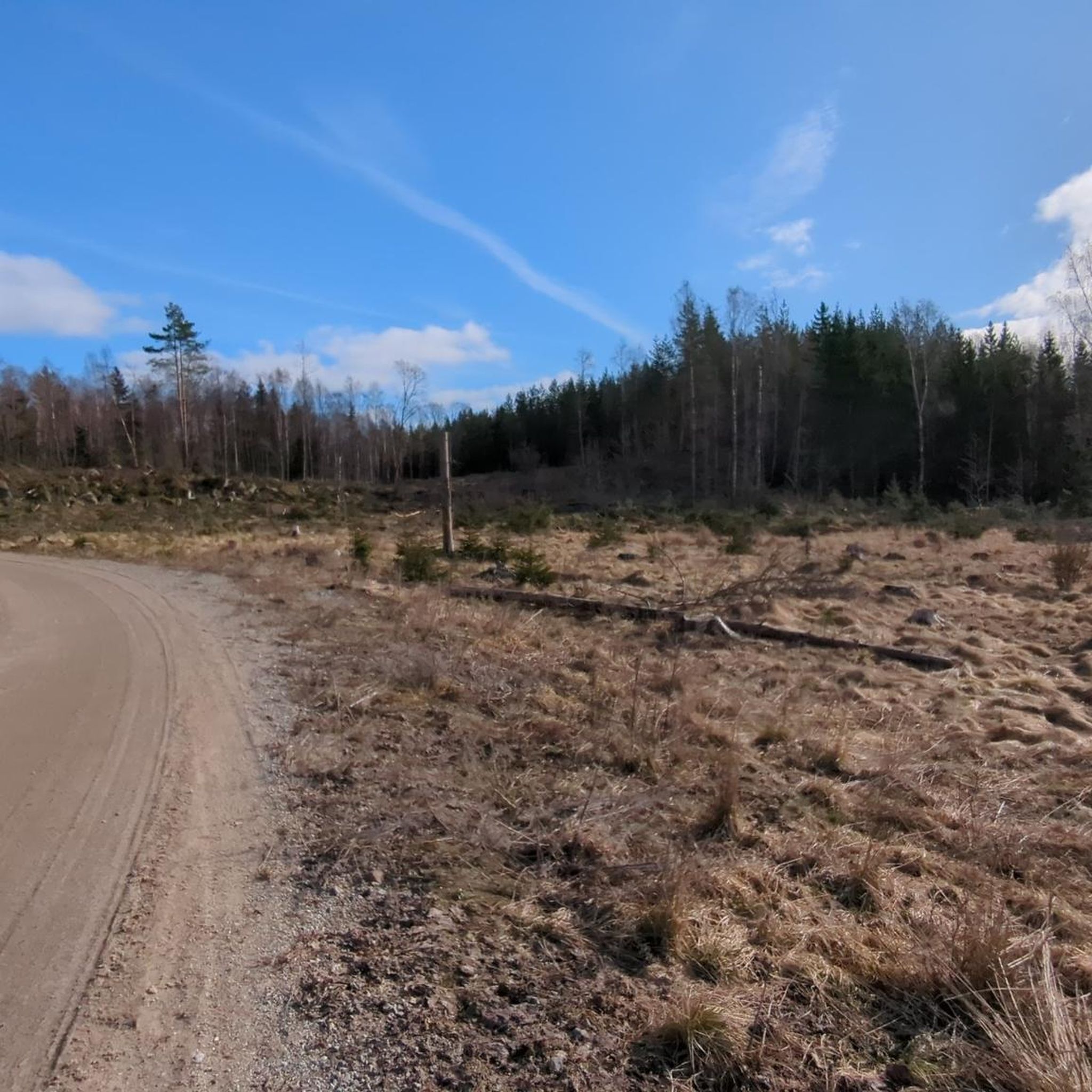
The picnic area on the Fjärilstigen trail offers a pleasant opportunity for a short break amidst nature. Along the path, seating areas invite you to take a pause and enjoy the tranquil forest and meadow landscape. Especially on longer sections, the spot is a good intermediate stop before the hike continues through the varied terrain.
3
0

As a German, one can only become envious. When it comes to bicycles, the Swedes are miles ahead of us. At the train station, there are probably hundreds of parking options for the bike.
1
0

It feels like a completely different place in the world when you run/cycle/walk along the river.
0
0

The beautiful old station building now hosts a surprisingly decent restaurant with seating right next to the arriving/departing trains.
2
0
Frequently Asked Questions
What kind of terrain can I expect on gravel bike trails around Knivsta?
The gravel biking trails in Knivsta offer a varied landscape, characterized by a mix of forests, open fields, and proximity to lakes. You'll encounter rolling hills, with some routes featuring elevation gains over 200 meters. Many paths follow former railway lines or run along water bodies, providing diverse riding experiences.
Are there gravel bike routes suitable for beginners or families in Knivsta?
Yes, Knivsta offers several routes suitable for different skill levels, including easier options. There are 6 easy routes available, which are generally shorter and have less elevation gain, making them ideal for beginners or family outings. For example, the Uppsala Castle – Sunnerstaviken Nature Trail loop from MVM is a moderate 31.6 km route with 163 meters of elevation, offering a good balance for those looking for a pleasant ride without extreme challenges.
How many gravel bike trails are available in the Knivsta area?
There are over 40 gravel bike trails available around Knivsta. This network includes 6 easy routes, 29 moderate routes, and 9 more challenging options, ensuring there's something for every skill level.
Are there any challenging gravel bike routes for experienced riders?
Absolutely. For experienced gravel bikers seeking a challenge, Knivsta offers 9 difficult routes. These trails often feature significant elevation gains and longer distances. An example is the Lakeside Beach With Pier – Old Railway Track loop from Knivsta, which is a demanding 121.5 km trail with over 630 meters of elevation gain.
What are the typical distances and durations for gravel biking in Knivsta?
Distances vary widely, from shorter loops around 25 km to much longer routes exceeding 100 km. For instance, a moderate route like the Lyssnaängsbadet – Public Water Tap at Hammarskog loop from MVM covers about 55 km and can take around 4 hours to complete, while more challenging routes can extend to 8 hours or more.
What can I see along the gravel bike trails in Knivsta?
Many trails offer views of lakes and pass through forested sections and open agricultural landscapes. You can also explore historical sites and natural monuments nearby. For example, you might encounter highlights like the Uppsala Baroque Garden or the King Björn's Mound. The region also features several castles, such as Skokloster Castle and Wik Castle, which can be explored as part of your trip.
Are there circular gravel bike routes available in Knivsta?
Yes, many of the gravel bike routes in Knivsta are designed as loops, allowing you to start and end your ride at the same point. This includes popular options like the Lyssnaängsbadet – View of the Lake loop from Uppsala centralstation, which offers scenic views and a convenient circular path.
What do other gravel bikers enjoy most about the trails in Knivsta?
The komoot community highly rates the gravel biking experience in Knivsta, with an average score of 4.3 stars from over 30 reviews. Reviewers often praise the varied terrain, the mix of lakeside paths, forested sections, and open landscapes, as well as the well-maintained paths that cater to different ability levels.
When is the best time of year to go gravel biking in Knivsta?
The best time for gravel biking in Knivsta is typically from spring through autumn, when the weather is milder and the trails are dry. During these seasons, you can fully enjoy the diverse landscapes of forests, open fields, and lakeside paths. While winter riding is possible, conditions can be challenging with snow and ice, requiring appropriate gear and caution.
Are there any viewpoints along the gravel bike trails in Knivsta?
Yes, many routes offer scenic viewpoints, especially those that follow lake shores or pass through elevated areas. For example, the Lyssnaängsbadet – View of the Lake loop from Uppsala centralstation is specifically highlighted for its lake views. You might also find dedicated viewpoints like the Birdwatching Tower in Årike Fyris Nature Reserve, offering panoramic vistas.
Can I reach the gravel bike trails in Knivsta using public transport?
Many routes in the Knivsta area are accessible from central locations like Uppsala centralstation, which is well-connected by public transport. This allows you to start your gravel biking adventure directly from a train or bus station, making it convenient for those without a car.
Most popular attractions around Knivsta

Get inspired with the komoot mobile app


Explore more
Browse the best Gravel rides in other regions.
