The best gravel rides around Lagrasse
5.0
(1)
20
riders
5
rides
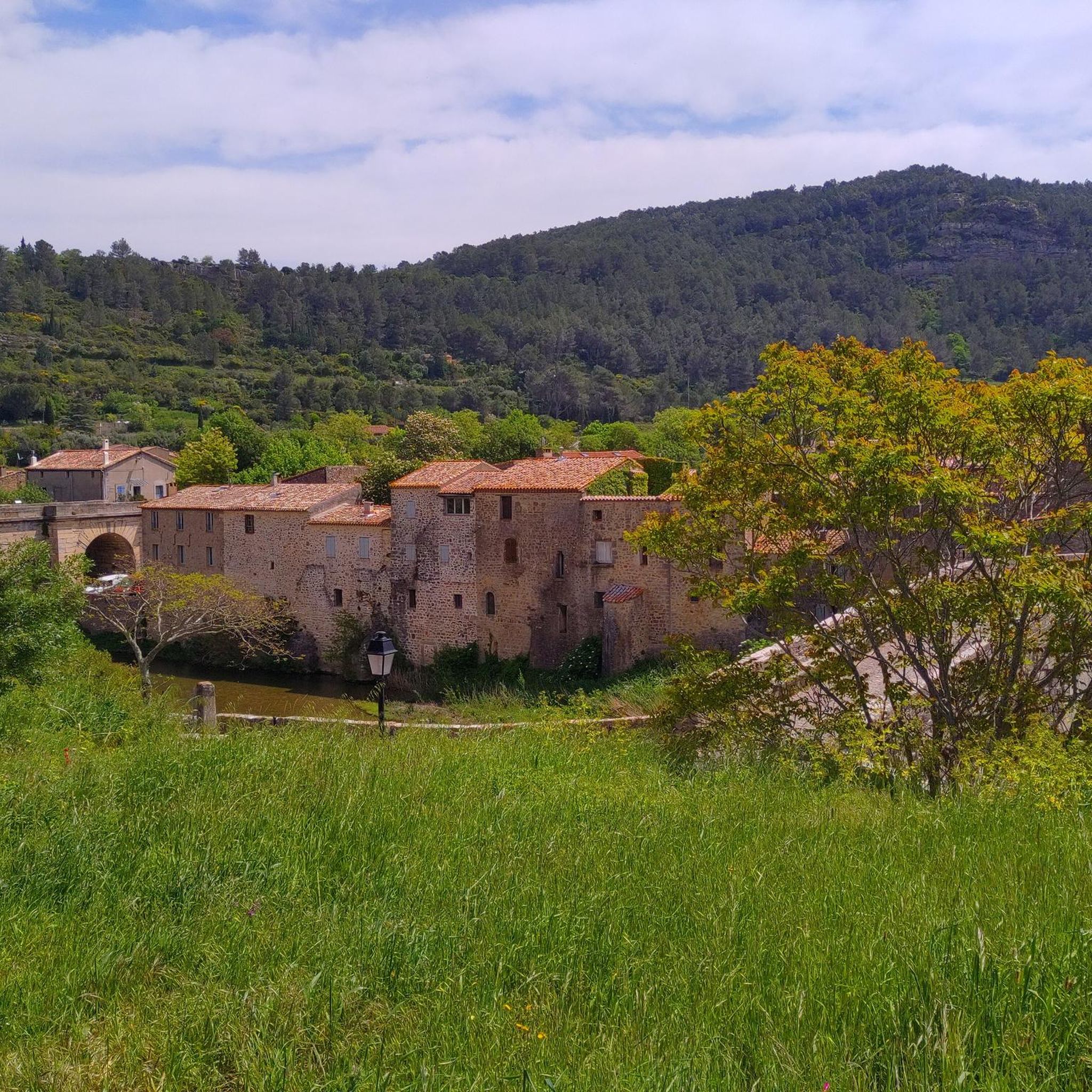
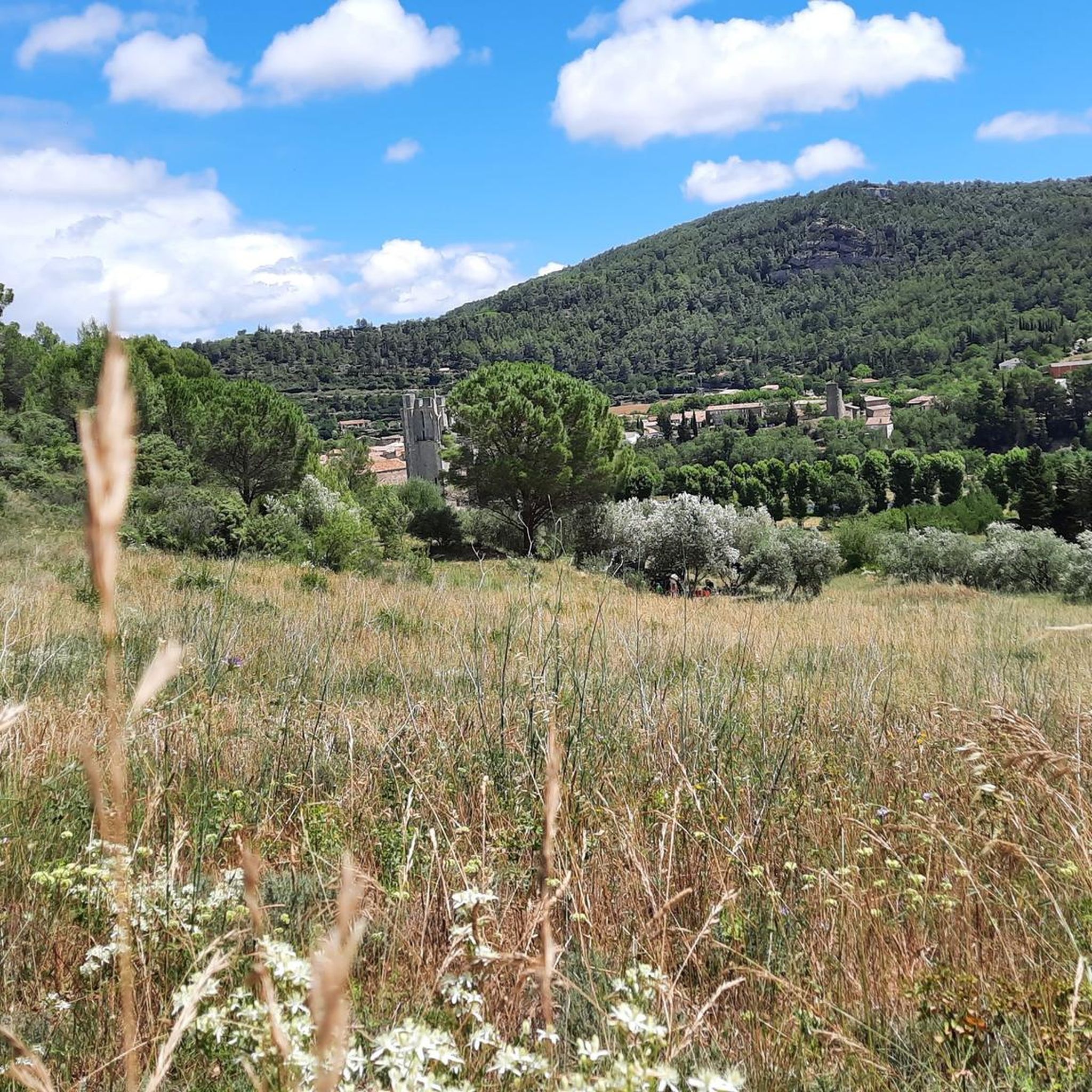
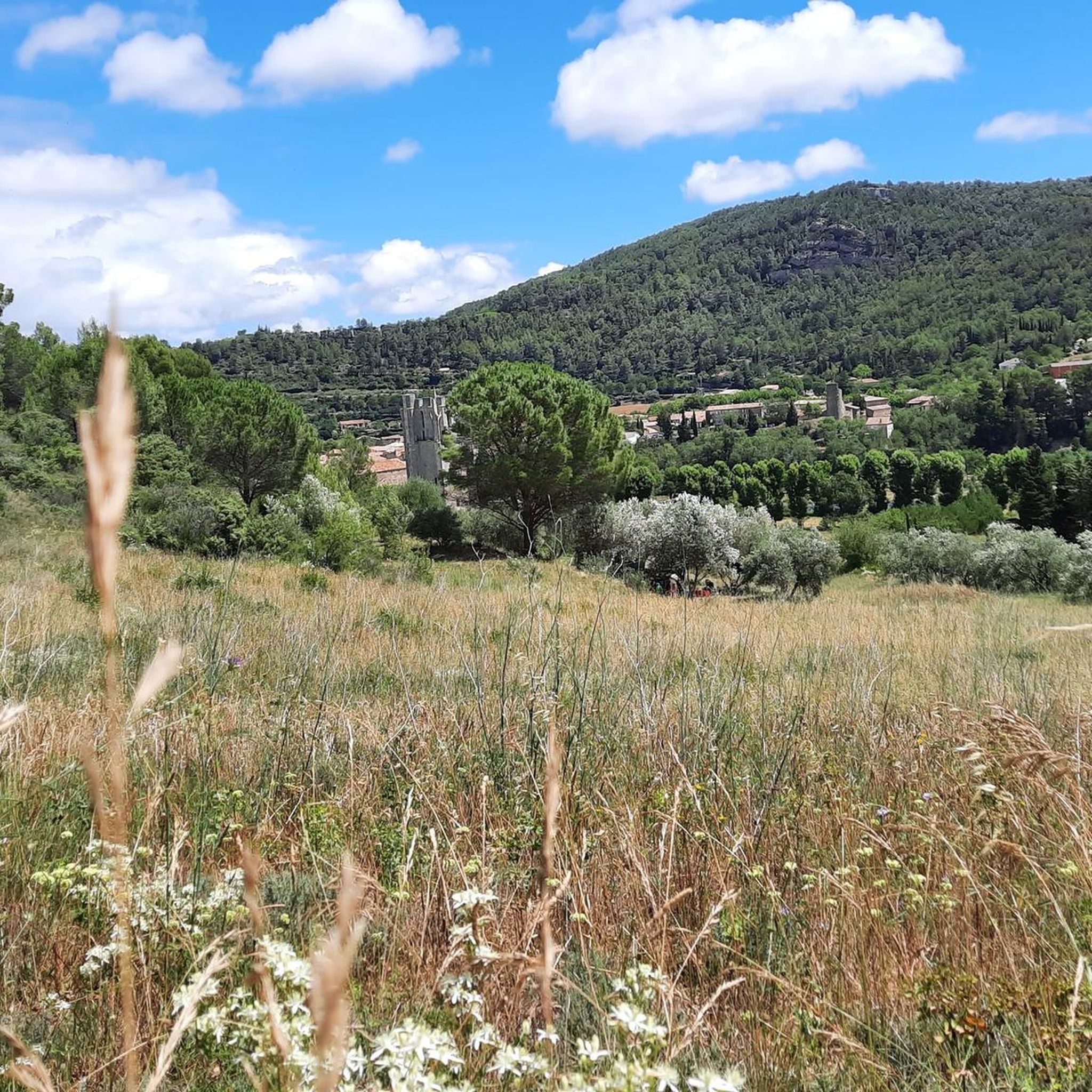
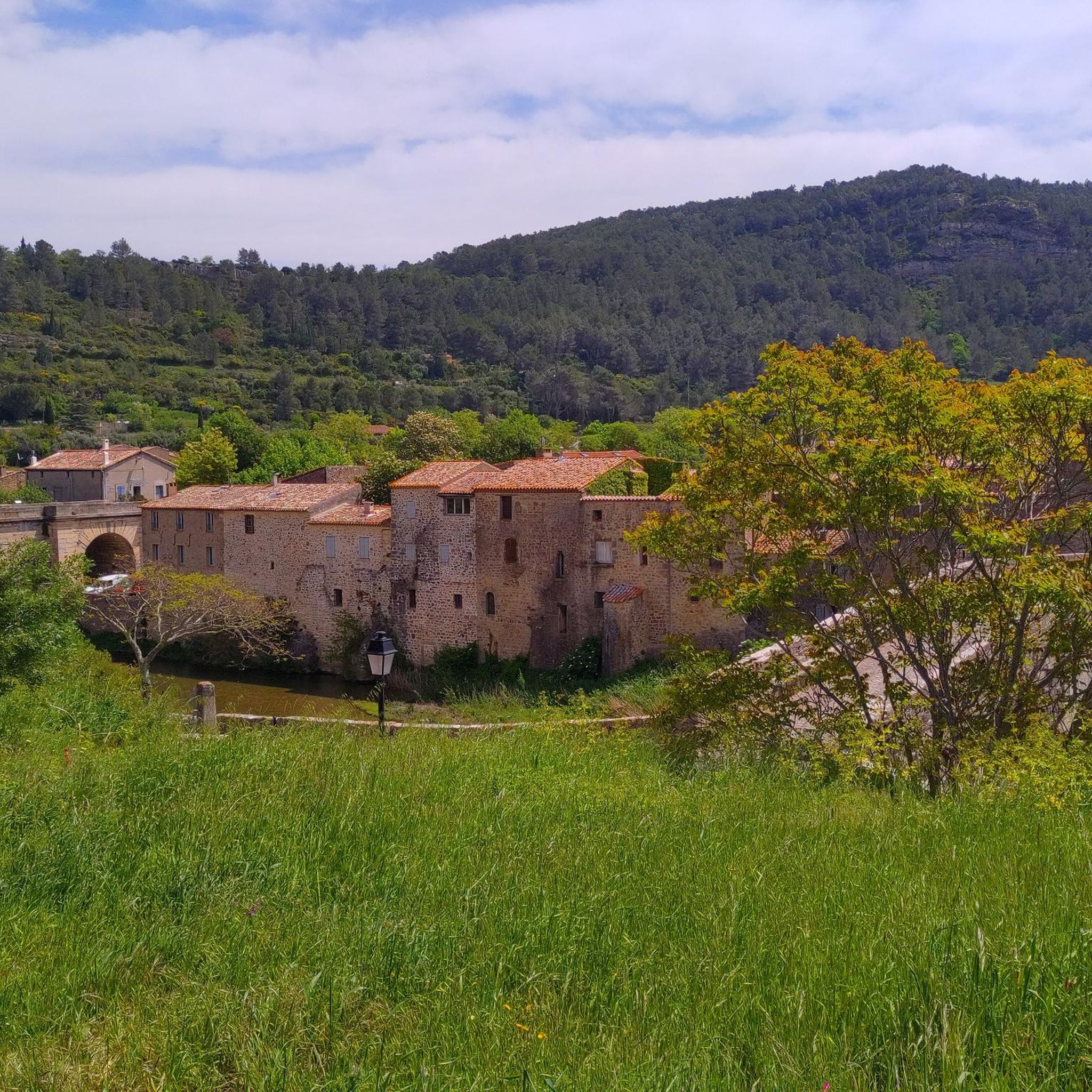
Gravel biking around Lagrasse offers diverse terrain through the Corbières region of Southern France. The landscape features rolling hills, extensive vineyards, and the scenic River Orbieu valley. Riders encounter a mix of pine forests and limestone formations, providing varied surfaces for gravel bike trails. The area is characterized by its natural gorges and valleys, offering both picturesque views and challenging ascents.
Best gravel bike trails around Lagrasse
- The most popular gravel bike trail is Camplong Town Hall – Congoust Gorges…
Last updated: November 16, 2026
6
riders
44.3km
02:50
430m
430m
Moderate gravel ride. Good fitness required. Mostly paved surfaces.
2
riders
Hard gravel ride. Very good fitness required. Mostly paved surfaces.

2
riders
47.9km
03:35
850m
850m
Hard gravel ride. Very good fitness required. Mostly paved surfaces.
3
riders
Easy gravel ride. Mostly paved surfaces.
5.0
(1)
7
riders
50.8km
03:21
660m
660m
Hard gravel ride. Very good fitness required. Mostly paved surfaces.
Our route recommendations are based on thousands of hikes, rides, and runs completed by other people on komoot.
Start today with a free account
Your next adventure awaits.
Other adventures around Lagrasse

Tips from the Community

• The beginnings (1901): The father, Léon Camman, sent his newly graduated son Joseph to the Étang de Marseillette, where the family held financial shares. Joseph took over the management and gradually acquired around 800 of the total 2,000 hectares of the area. • The Naudy hydroelectric power plant (1912): To operate the complex drainage and irrigation system on a large scale, Joseph Camman designed and built his own small hydroelectric power plant. • Electric plowing: Thanks to the energy generated, Camman revolutionized local agriculture. He introduced electric plowing, which allowed the huge, often heavy and crusted soils of the former lake bed to be mechanically deep-plowed and cultivated. • Infrastructure development: The family systematically built paths, bridges, and access roads to connect the agricultural estates (metaories) with each other and to enable the transport of harvests.
0
0
The Camman era (1900–1941) marks the phase of technological modernization and industrialization of the drained Étang de Marseillette. After the land had been divided among many small farmers in the 19th century and the canals had fallen into disrepair due to a lack of coordination, this family brought back the necessary structure and innovation
0
0
Although she successfully drained the swamp water and made the land arable, her financial resources were ultimately not enough to solve the soil's biggest problem: the salt. The later project of diverting fresh river water from the Aude via a tunnel to wash the salty soil had to be completed later by successor companies.
0
0
• Origin and status: Marie Anne came from the influential Irish-Catholic Coppinger family. After her husband's death, she possessed a considerable fortune. • The purchase of the Etang (1804): During the Napoleonic era, she acquired the vast swamp area as "national property" (domaine national). The authorities gave her a four-year deadline to have the body of water completely drained in order to protect the health of the local population (who suffered from malaria) and to gain new arable land. • The mammoth task: Together with her son, she led a gigantic construction project. She invested almost her entire fortune in the construction of kilometers of drainage canals and ditches
0
0
Madame Lawless (born Marie Anne Coppinger) was a wealthy Irish widow who played a decisive role in the history of the Minervois at the beginning of the 19th century. She went down in history as the woman who, from 1804 onwards, succeeded in permanently draining the uninhabitable and disease-ridden swamp of the Étang de Marseillette and transforming it into a fertile agricultural area.
0
0
The site is also part of a protected natural area (ZNIEFF) due to its rich biodiversity, hosting numerous bird species (herons, egrets, ducks) attracted by this aquatic and agricultural environment.
0
0
Today, the pond is criss-crossed by dozens of kilometers of drainage and irrigation canals. This network has allowed for the development of crops that are very surprising for the Mediterranean region: • Rice: Rice fields thrive in the heart of the Aude. • Vines: Which produce wines with a unique character, influenced by the salt still present in the subsoil. • Apples: Large orchards cover part of the plain
0
0
It was finally at the beginning of the 19th century, from 1804 onwards, that the project succeeded thanks to the initiative of an Irish woman, Madame Lawless. Later, in the middle of the 19th century, the digging of a tunnel of more than 2 kilometers made it possible to bring water from the Aude to irrigate the pond and, above all, to wash out the salt accumulated in the soil. At the beginning of the 20th century, the engineer Joseph Camman modernized the site by creating, in particular, the Naudy hydroelectric plant to mechanize the work of the land.
0
0
Frequently Asked Questions
What kind of terrain can I expect on gravel bike trails around Lagrasse?
Gravel biking around Lagrasse offers a diverse landscape. You'll encounter rolling hills, extensive vineyards, and scenic routes along the River Orbieu. The terrain also features pine forests and limestone formations, providing varied surfaces. Expect a mix of natural gorges and valleys, which offer both picturesque views and some challenging ascents.
Are there gravel bike routes suitable for beginners in Lagrasse?
Yes, Lagrasse offers options for various skill levels. For beginners, there are easier routes with minimal elevation gain. For example, the Trèbes Triple Locks – Canal du Midi at Marseillette loop from Marseillette is an easy 18.7 km (11.6 miles) trail that takes about 1 hour 17 minutes to complete.
What are some of the more challenging gravel bike routes near Lagrasse?
For experienced gravel bikers seeking a challenge, routes like the Terminet Gorges – Termes Village loop from Saint-Pierre-des-Champs offer rugged terrain and significant elevation changes. This difficult 45.5 km (28.3 miles) trail typically takes around 3 hours 36 minutes to complete.
Are there any scenic viewpoints or natural attractions along the gravel bike routes?
Absolutely. Many routes offer stunning views and pass by natural attractions. You can find impressive natural formations like the Terminet Gorges and the Congoust Gorges. There are also viewpoints such as La Frau viewpoint, offering panoramic vistas of the Corbières landscape.
Can I find family-friendly gravel biking options around Lagrasse?
While specific family-designated routes aren't listed, the region offers easy loops with minimal elevation gain that could be suitable for families. The area's charming villages and scenic riverbanks provide a pleasant environment for less strenuous rides. Always check the route's difficulty and length to ensure it matches your family's capabilities.
What historical landmarks or villages can I explore while gravel biking near Lagrasse?
Lagrasse itself is a medieval village with a majestic Abbey of Sainte-Marie d'Orbieu. Gravel routes often pass through or near these historic sites, allowing you to combine cycling with cultural exploration. You might also cycle through other picturesque medieval villages in the Corbières, such as Tournissan, Villerouge-la-Crémade, and Fabrezan.
What is the best time of year for gravel biking in Lagrasse?
The Corbières region generally offers good conditions for gravel biking during spring and autumn, when temperatures are milder and the landscape is vibrant. Summer can be quite warm, so early morning or late afternoon rides are recommended. Winter rides are possible, but be prepared for cooler temperatures and potentially wet conditions.
Are there any loop trails for gravel biking in Lagrasse?
Yes, many of the gravel bike routes around Lagrasse are designed as loops, allowing you to start and finish in the same location. Examples include the Camplong Town Hall – Congoust Gorges loop from Capendu and the Col du Poteau – Post collar loop from Fajac-en-Val.
Where can I park my car when starting a gravel bike tour in Lagrasse?
Lagrasse, being a popular village, typically has designated parking areas for visitors. When planning your route, consider starting points in or near the village center or other smaller villages mentioned in the route descriptions, as they often have public parking available. Always check local signage for specific parking regulations.
What do other gravel bikers enjoy most about the trails in Lagrasse?
Gravel bikers frequently praise the diverse terrain, which combines vineyards, rolling hills, and river valleys, offering a rich blend of nature, history, and culture. The opportunity to explore charming medieval villages and natural formations like the Terminet Gorges while riding is also highly valued by the komoot community.
Are there any routes that follow the Canal du Midi?
Yes, some routes venture towards the Canal du Midi, offering a different type of scenery. For instance, the Trèbes Triple Locks – Canal du Midi at Marseillette loop from Marseillette is an easy route that explores this historic waterway.
What should I bring for a gravel biking trip in Lagrasse?
Given the varied terrain and potential for remote sections, it's advisable to bring essentials such as a repair kit, plenty of water, snacks, and appropriate clothing for changing weather conditions. A GPS device or a fully charged phone with offline maps is also highly recommended for navigation, as some trails may not be extensively signposted.
Most popular attractions around Lagrasse

Get inspired with the komoot mobile app


Explore more
Browse the best Gravel rides in other regions.
