The best gravel rides around Douzens
4.4
(43)
261
riders
12
rides
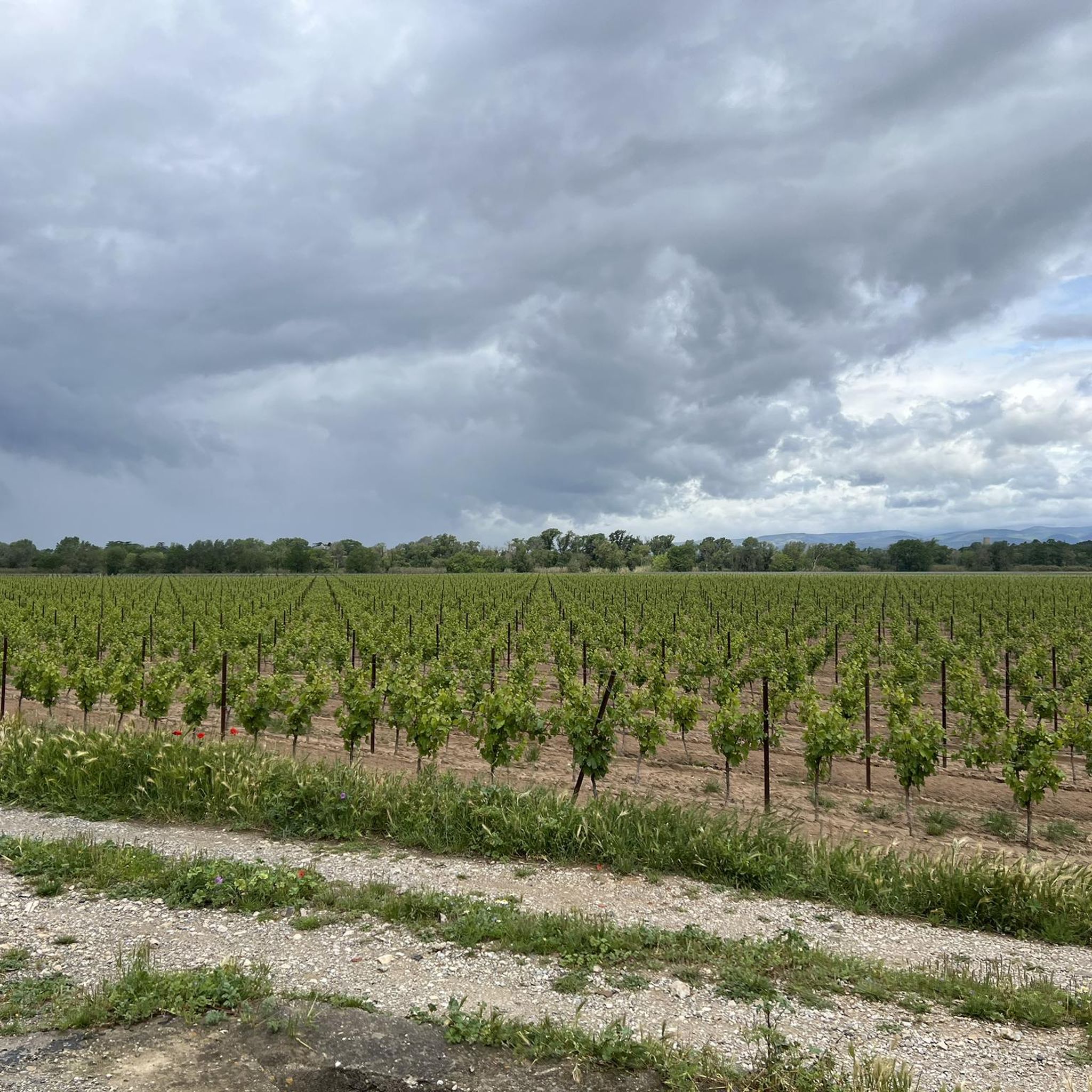
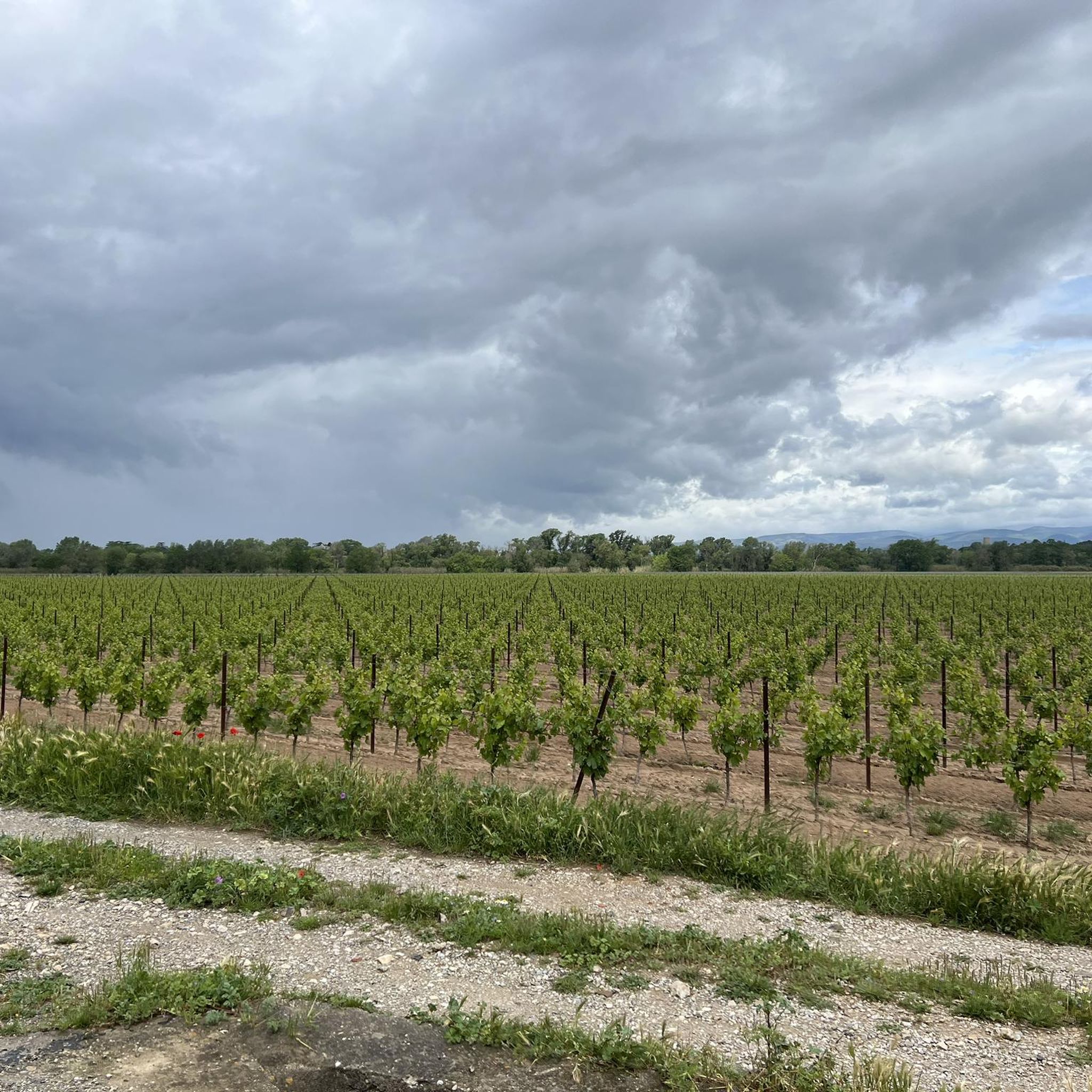
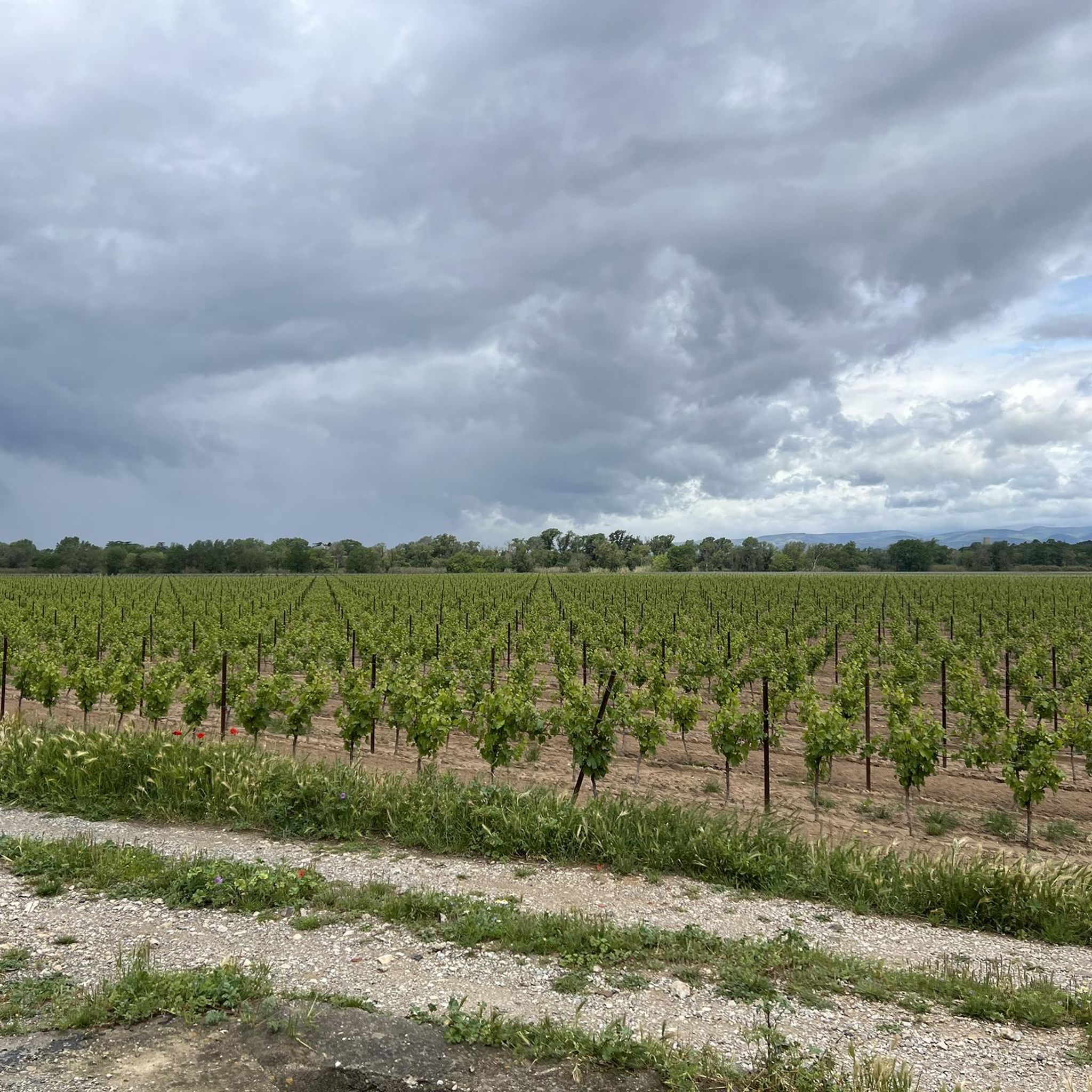
Gravel biking around Douzens offers routes through the Aude department, characterized by its varied terrain. The region features paths alongside the Canal du Midi, through vineyards, and into areas with rolling hills and river valleys. These trails provide a mix of flat, scenic sections and more challenging ascents, catering to different skill levels.
Best gravel bike trails around Douzens
- The most popular gravel bike trail is Fresquel Lock – Old Bridge of Carcassonne loop from Badens, a 45.4 miles…
Last updated: October 5, 2026
4.7
(20)
107
riders
63.5km
04:02
180m
180m
Moderate gravel ride. Good fitness required. Mostly paved surfaces. Suitable for all skill levels.
4.6
(12)
76
riders
74.4km
04:27
290m
290m
Moderate gravel ride. Good fitness required. Mostly paved surfaces. Suitable for all skill levels.

4.9
(8)
47
riders
130km
07:41
330m
330m
Hard gravel ride. Very good fitness required. Mostly paved surfaces. Suitable for all skill levels.
6
riders
44.3km
02:50
430m
430m
Moderate gravel ride. Good fitness required. Mostly paved surfaces. Suitable for all skill levels.
2.0
(1)
5
riders
19.8km
01:03
120m
120m
Easy gravel ride. Great for any fitness level. Mostly paved surfaces. Suitable for all skill levels.
Get access to more routes and recommendations from other explorers.
Already have an account?
Our route recommendations are based on thousands of hikes, rides, and runs completed by other people on komoot.
Start today with a free account
Your next adventure awaits.
Tips from the Community

A classic overflow weir is a "drain plug" or a weir that serves to drain excess water from the canal (during heavy rains or thunderstorms) to prevent the water from submerging the dikes.
0
0
The Trèbes locks are a flight of locks composed of three basins. Built around 1674, it is located downstream from the port of Trèbes at the exit of the town in the direction of the village of Marseillette. Taking advantage of the significant drop in the flight of locks, intense milling activity was established on the left bank of the lock. A first upper mill was built at the end of the 17th century. It is crossed by a diversion of the Canal du Midi which ensures its operation; it is described as having four millstones with a stable and a shed. A transformation of this first mill was carried out in 1867 to make it a mill with 6 millstones. This new building, later enlarged in the 1930s, consists of a basement and 4 floors at its highest point. It has today been converted into a restaurant.
0
0
The Trèbes locks are a flight of locks consisting of three basins. Built around 1674, it is located downstream from the port of Trèbes at the exit of the town in the direction of the village of Marseillette. Taking advantage of the steep drop of the flight, intense milling activity was established on the left bank of the lock. A first upper mill was built at the end of the 17th century. It is crossed by a diversion of the Canal du Midi which ensures its operation, and is described as having four millstones with a stable and a shed. A transformation of this first mill was carried out in 1867 to make it a milling facility comprising 6 millstones. This new building, later enlarged in the 1930s, consists of a base and 4 floors at its highest point. It has today been converted into a restaurant.
0
0
The Trèbes locks are a flight of locks composed of three basins. Built around 1674, it is located downstream from the port of Trèbes at the exit of the town in the direction of the village of Marseillette. Taking advantage of the strong difference in level of the flight, an intense milling activity was established on the left bank of the lock. A first upper mill was built at the end of the 17th century. It is crossed by a diversion of the Canal du Midi which ensures its operation; it is described as having four millstones with a stable and a shed. A transformation of this first mill was carried out in 1867 to make it a flour mill comprising 6 millstones. This new building, later enlarged in the 1930s, consists of a base and 4 floors at its highest point. Today it has been converted into a restaurant.
0
0
Le Canal du Midi, formerly Canal Royal, is a 17th-century technical feat designed by Pierre-Paul Riquet to connect the Atlantic to the Mediterranean. Today, it is above all a place for relaxation and discovery, where heritage, nature, and conviviality blend.
0
0
The Canal du Midi, formerly the Royal Canal, is a 17th-century technical feat designed by Pierre-Paul Riquet to connect the Atlantic to the Mediterranean. Today, it is above all a place for relaxation and discovery, where heritage, nature, and conviviality blend together.
0
0
The l'Aiguille lock is a double lock on the Canal du Midi located in the commune of Puichéric.
0
0
L'Epanchoir de l'Argent Double, classified as a historic monument: started in 1677 and completed in 1694 according to Vauban's plans, it allows the canal to discharge its excess water.
0
0
Frequently Asked Questions
How many gravel bike trails are available around Douzens?
There are over 10 gravel bike routes documented around Douzens on komoot, offering a diverse range of experiences from easy canal-side rides to more challenging routes through hills and gorges.
Are there any easy gravel bike routes suitable for beginners or families in Douzens?
Yes, Douzens offers several easy gravel bike routes. A great option is the Canal du Midi at Marseillette – Trèbes Triple Locks loop from Badens, which is an easy 19.4 km (12.1 miles) path offering flat riding along the Canal du Midi. Another easy route is the Argent-Double Spillway – Canal du Midi Bridge loop from La Redorte, covering 16.4 km (10.2 miles).
What kind of terrain can I expect on gravel bike trails around Douzens?
The terrain around Douzens is varied, featuring paths alongside the historic Canal du Midi, tracks through vineyards, and routes that venture into areas with rolling hills and river valleys. You'll find a mix of flat, scenic sections and more challenging ascents, including routes through impressive features like the Congoust Gorges.
Are there any circular gravel bike routes in the Douzens area?
Many of the gravel bike routes around Douzens are designed as loops. For example, the popular Fresquel Lock – Old Bridge of Carcassonne loop from Badens is a 73 km (45.4 miles) circular trail. Another excellent loop is the Camplong Town Hall – Congoust Gorges loop from Capendu, which is 44.6 km (27.7 miles).
What are some challenging gravel bike routes near Douzens?
For those seeking a challenge, routes like the Fresquel Lock – Old Bridge of Carcassonne loop from Badens, at 73 km (45.4 miles) with over 300 meters of elevation gain, offer a demanding ride. Another difficult option is the Canal du Midi Bridge – Argent-Double Spillway loop from La Redorte, which covers 45.7 km (28.4 miles) with similar elevation.
What interesting sights or landmarks can I see along the gravel bike trails?
Many routes follow the Canal du Midi, allowing you to see its impressive engineering, such as the Argent-Double aqueduct and spillway and the Aiguille Lock. You can also explore natural features like the Congoust Gorges or enjoy views from Roc Gris. Some routes even approach the historic city of Carcassonne.
Are there any routes that pass through gorges or offer unique natural scenery?
Yes, the Camplong Town Hall – Congoust Gorges loop from Capendu specifically leads through the stunning Congoust Gorges, offering a unique natural experience. You might also encounter other natural monuments like Les Bénitiers or Les Piscines de Ribautes.
What do other gravel bikers say about the trails in Douzens?
The gravel biking routes around Douzens are highly rated by the komoot community, with an average score of 3.3 stars from over 15 reviews. More than 100 gravel bikers have used komoot to explore the region, often praising the varied terrain that combines canal-side paths, vineyards, and river valleys.
What is the best time of year for gravel biking in Douzens?
The Aude department, where Douzens is located, generally enjoys a Mediterranean climate. Spring and autumn are often ideal for gravel biking, offering pleasant temperatures and beautiful scenery, especially through the vineyards. Summers can be hot, so early mornings or late afternoons are preferable, while winters are typically mild.
Are there any specific attractions related to the Canal du Midi that I can visit?
Absolutely. Many routes run alongside the Canal du Midi. You can visit the Canal du Midi Bridge, the Argent-Double aqueduct and spillway, and the Aiguille Lock. The area around Canal du Midi at Marseillette is also a notable spot.
What should I wear for gravel biking in Douzens during autumn?
Autumn in Douzens typically brings cooler, but often still pleasant, temperatures. Layering is key: a moisture-wicking base layer, a long-sleeved jersey, and a lightweight, packable windproof or waterproof jacket are recommended. Gloves and cycling tights or knickers will add comfort as temperatures drop, especially in the mornings or evenings.
Most popular attractions around Douzens

Get inspired with the komoot mobile app


Explore more
Browse the best Gravel rides in other regions.
