The best gravel rides around Méhers
30
riders
11
rides
Gravel biking around Méhers offers routes through the Centre-Val de Loire region, characterized by diverse landscapes including forests, vineyards, and riverside paths along the Loire and Cher rivers. The terrain often features fine white limestone gravel, known as "Falun," which can be firm in dry conditions or technically challenging after rain. Elevations are generally moderate, with most routes featuring rolling hills rather than significant climbs. This area provides a blend of natural scenery and historical landmarks for gravel biking.
Best…
Last updated: May 22, 2026
5
riders
47.3km
02:58
200m
200m
Moderate gravel ride. Good fitness required. Mostly paved surfaces. Suitable for all skill levels.
4.7
(3)
10
riders
46.3km
02:40
110m
110m
Moderate gravel ride. Good fitness required. Mostly paved surfaces. Suitable for all skill levels.

Sign up for free
6
riders
56.5km
03:19
190m
190m
Moderate gravel ride. Good fitness required. Mostly paved surfaces. Suitable for all skill levels.
4
riders
Moderate gravel ride. Good fitness required. Mostly paved surfaces. Suitable for all skill levels.
8
riders
Moderate gravel ride. Good fitness required. Mostly paved surfaces. Suitable for all skill levels.
Get access to more routes and recommendations from other explorers.
Sign up for free
Already have an account?
Our route recommendations are based on thousands of hikes, rides, and runs completed by other people on komoot.
Start today with a free account
Your next adventure awaits.
Login or Signup



Tips from the Community

Did you know: During the First World War, the castle was converted into a hospital for wounded soldiers by its owner, Simonne Menier (of the Menier chocolate family). – Long rows of camp beds lined the large gallery above the Cher River. – More than 2,000 wounded were reportedly cared for within the castle walls. A bizarre contrast: the ornate Renaissance halls as a place for bandages, operations, and recovery.
3
0

Today the chateau functions as a hotel/restaurant – nice surroundings, good food, very friendly staff, and still at acceptable prices.
1
0

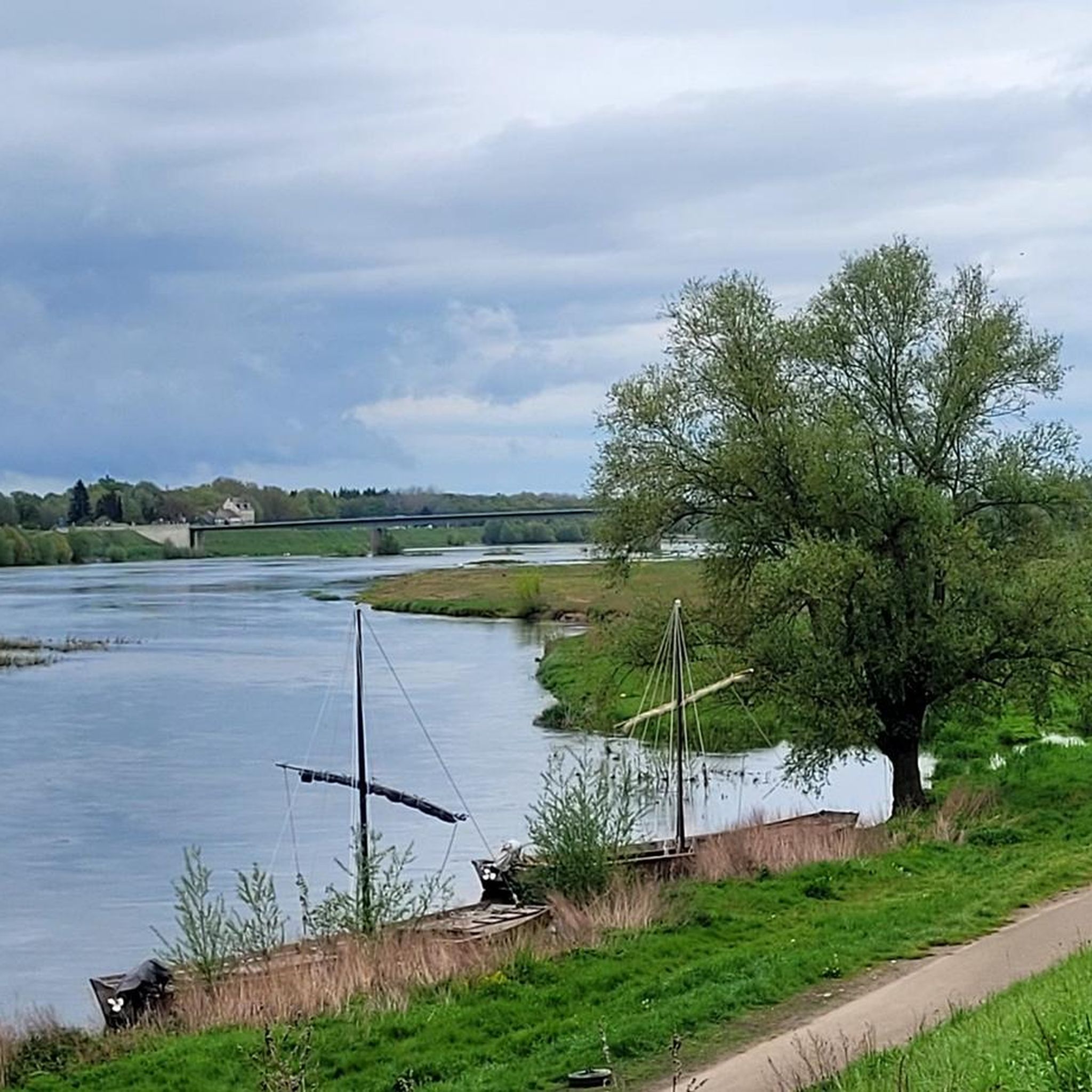
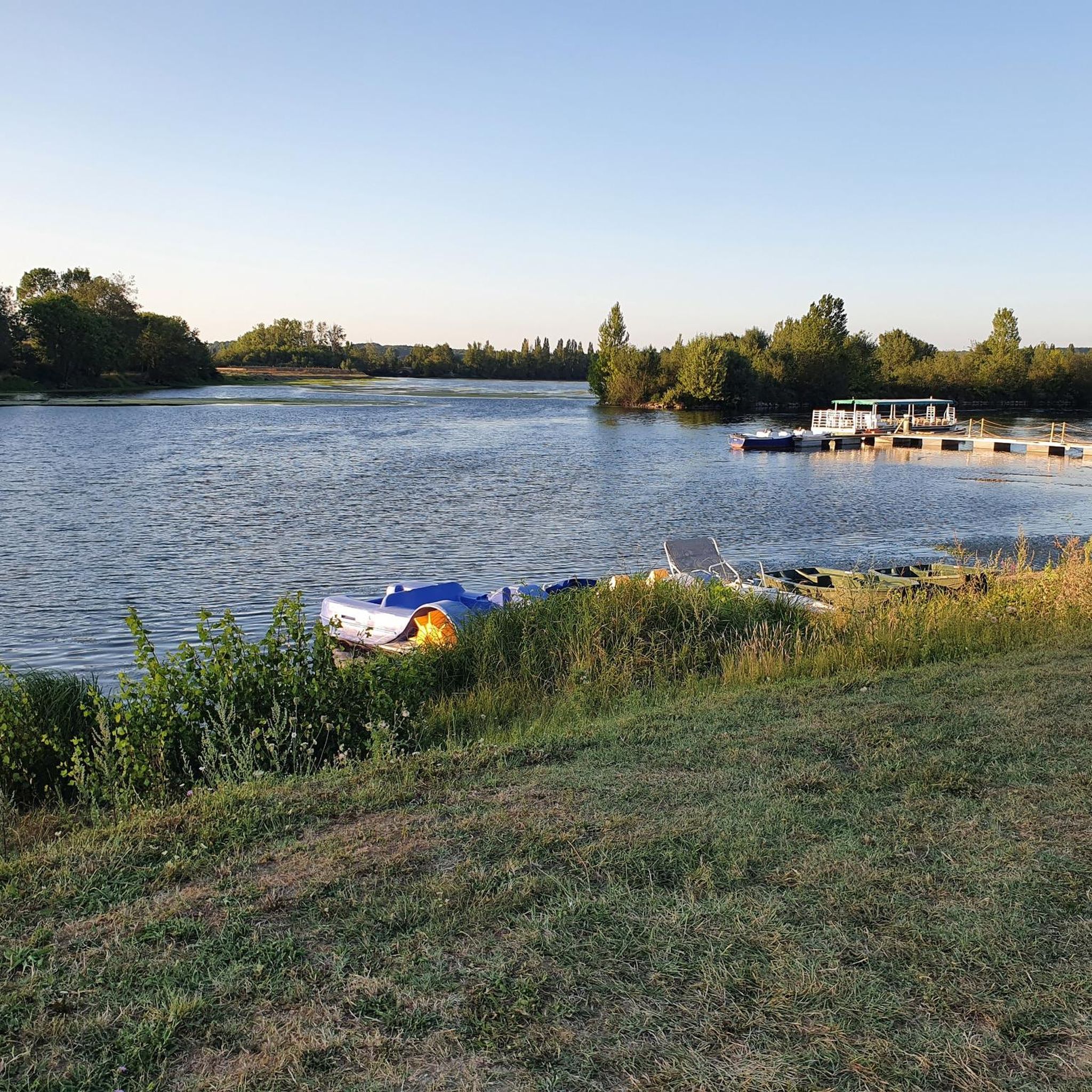
From here you can admire the castle in peace and quiet.
0
0


The Collegiate Church of Saint-Aignan is a French church located in the center of the city of Orléans, on the north bank of the Loire River, in the Loiret department in the Centre-Val de Loire region. It is dedicated to Saint Aignan, Bishop of Orléans. This beautiful church was originally built for the cult of Saint Aignan, whose relics were kept in the crypt. The current basilica, begun by Charles VII in 1438 but completed in 1509 by Louis XII, is not the first construction, as traces of buildings dating from the 6th, 9th, 11th, 14th, and 15th centuries have been found. They were all destroyed by fire, floods, or human hands. The people of Orléans, and in particular the canons, have always been keen to rebuild this building because Saint Aignan is an important figure in the history of Orléans, due to the role he played against the barbarians in the 5th century. While bishop of the city, he is said to have miraculously defended it against the Hun invasion in 451. https://www.tourismeloiret.com/fr/diffusio/visites/collegiale-saint-aignan-orleans_TFOPCUCEN045V501HHG
3
0
Saint Aignan, who died in 453 after defending the people of Orleans against the Huns, was buried in a first tomb. As veneration of his relics grew, a basilica was built. A community of monks settled there, and canons replaced them in the 9th century. Following the damage caused by Norman attacks and the fire of 999, Charles the Bald began reconstruction, and Robert the Pious completed the Romanesque church with its crypt housing the relics of Saint Aignan. This church was consecrated on June 14, 1029. We will soon celebrate its millennium. https://collegiale-saintaignan-dorleans.fr/la-crypte/
4
0

Great photo spot for the castle
0
0
Collegiate Church of Saint-Aignan https://fr.wikipedia.org/wiki/Coll%C3%A9giale_Saint-Aignan_de_Saint-Aignan
3
0
Frequently Asked Questions
How many gravel bike trails are available around Méhers?
Méhers and its surrounding area offer a selection of over 10 gravel bike routes. These trails cater to moderate ability levels, providing diverse terrain for exploration.
What is the typical terrain like for gravel biking in the Méhers region?
The terrain around Méhers is characterized by diverse landscapes, including forests, vineyards, and riverside paths along the Loire and Cher rivers. Many routes feature fine white limestone gravel, known as "Falun." This surface can be firm and dusty in dry conditions, or become technically challenging with rut formation and reduced grip after rain. Elevations are generally moderate, with rolling hills rather than significant climbs.
Are there any challenging gravel bike routes for experienced riders?
While most routes around Méhers are rated as moderate, the nature of the "Falun" gravel can present challenges, especially after rain when ruts form and grip is reduced. Some segments might even require pushing bikes. For a route with varied terrain and river valleys, consider The castle, the banks of the river cher – Chémery Castle loop from Contres, which covers 34.3 miles with over 750 feet of elevation gain.
What kind of landscapes and natural features can I expect to see while gravel biking?
Gravel biking around Méhers offers a rich tapestry of landscapes. You'll ride through lush forests, scenic vineyards, and along picturesque riverside paths, particularly by the Loire and Cher rivers. The region's natural beauty is enhanced by its network of rivers and canals, providing flat, rolling routes and opportunities to connect with nature. Areas like the municipal forest of La Breille-les-Pins offer peaceful routes amidst chestnut trees and maritime pines.
Are there historical landmarks or castles I can see along the gravel bike routes?
Yes, the Centre-Val de Loire region is famous for its châteaux. Many gravel routes weave past historical sites. For example, the Chenonceau Castle – The Banks of the Cher loop from Thésée offers views of the iconic Chenonceau Castle. Other routes, like The castle, the banks of the river cher loop from Contres, pass by local castles. You might also encounter highlights such as Gué-Péan Castle or Château de Saint-Aignan-sur-Cher in the vicinity.
Are there family-friendly gravel biking options around Méhers?
The region offers many routes with moderate difficulty and generally rolling hills, making them suitable for various skill levels. While specific 'family-friendly' designations aren't provided, the flat and pleasant gravel roads along the Loire River are often accessible. Routes that stick to riverside paths and avoid significant climbs would be good choices for families. Always check the route details for distance and elevation to ensure it matches your family's capabilities.
Can I find circular gravel bike routes in the Méhers area?
Yes, many of the gravel bike trails around Méhers are designed as loops, allowing you to start and end at the same point. Examples include The castle, the banks of the river cher loop from Contres and Chenonceau Castle – The Banks of the Cher loop from Thésée. These circular routes are convenient for exploration without needing to arrange transport back to your starting point.
What is the best time of year for gravel biking in Méhers?
The Centre-Val de Loire region is generally pleasant for cycling. Spring and autumn offer mild temperatures and beautiful scenery, making them ideal. Summers can be warm, and the "Falun" gravel can become hard and dusty. After rain, the gravel can become challenging due to rut formation and reduced grip, so checking weather conditions is advisable, especially in wetter seasons.
Are there places to stop for refreshments or amenities along the gravel trails?
Gravel biking in this region often connects charming villages, providing opportunities to experience local French culture and gastronomy. You can stop for coffee, croissants, or sample local produce. The region's vineyards also offer excellent dirt roads, creating opportunities for scenic rides and even wine-tasting breaks, allowing cyclists to meet local winegrowers.
Where can I park my car when starting a gravel bike tour around Méhers?
While specific parking locations aren't detailed for every route, many tours start from towns or villages like Contres or Thésée, where public parking is typically available. For example, the The Beuvron in Cellettes – The Banks of the Beuvron loop from Contres starts from Contres, a common starting point for several routes, suggesting parking facilities would be present there.
What makes gravel biking in Méhers unique compared to other regions?
Gravel biking around Méhers offers a unique blend of natural beauty, historical immersion, and varied terrain. The presence of "Falun" limestone gravel provides a distinct riding experience, while the routes often connect iconic Loire Valley châteaux, serene forests, and picturesque riverside paths. It allows for a journey through history and nature, often on pleasant gravel roads instead of asphalt, and the opportunity to explore quaint villages and local culture.
Are there any routes that offer views of specific attractions like troglodyte houses?
Yes, you can explore unique historical features on some routes. For instance, the Troglodyte houses in Bourré – Saint-Aignan Church loop from Saint-Aignan - Noyers specifically highlights troglodyte houses in Bourré, offering a glimpse into the region's distinctive architectural heritage, alongside the historic Saint-Aignan Church.
Most popular attractions around Méhers

Get inspired with the komoot mobile app


Explore more
Browse the best Gravel rides in other regions.
