The best gravel rides around Algringen
4.5
(8)
139
riders
34
rides
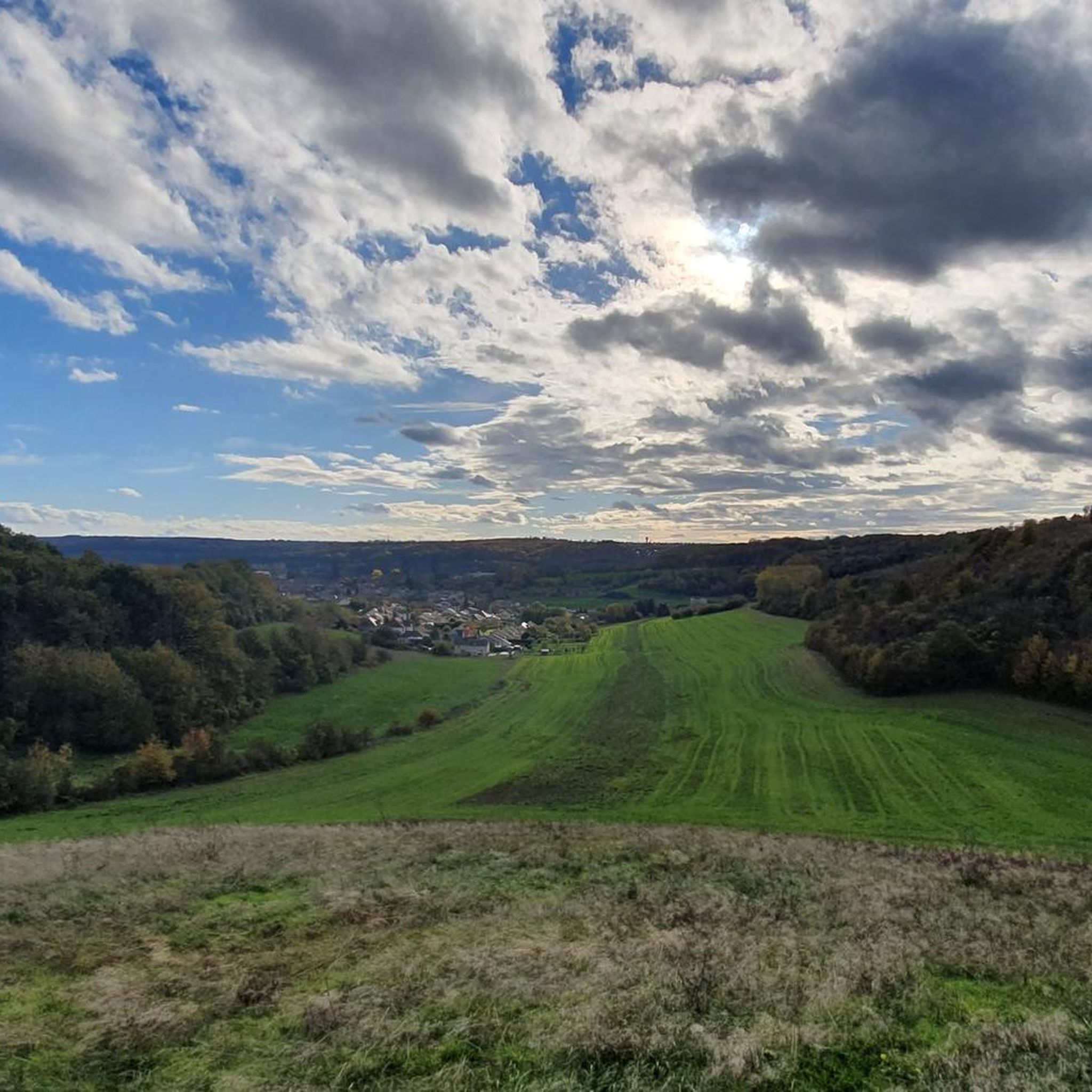
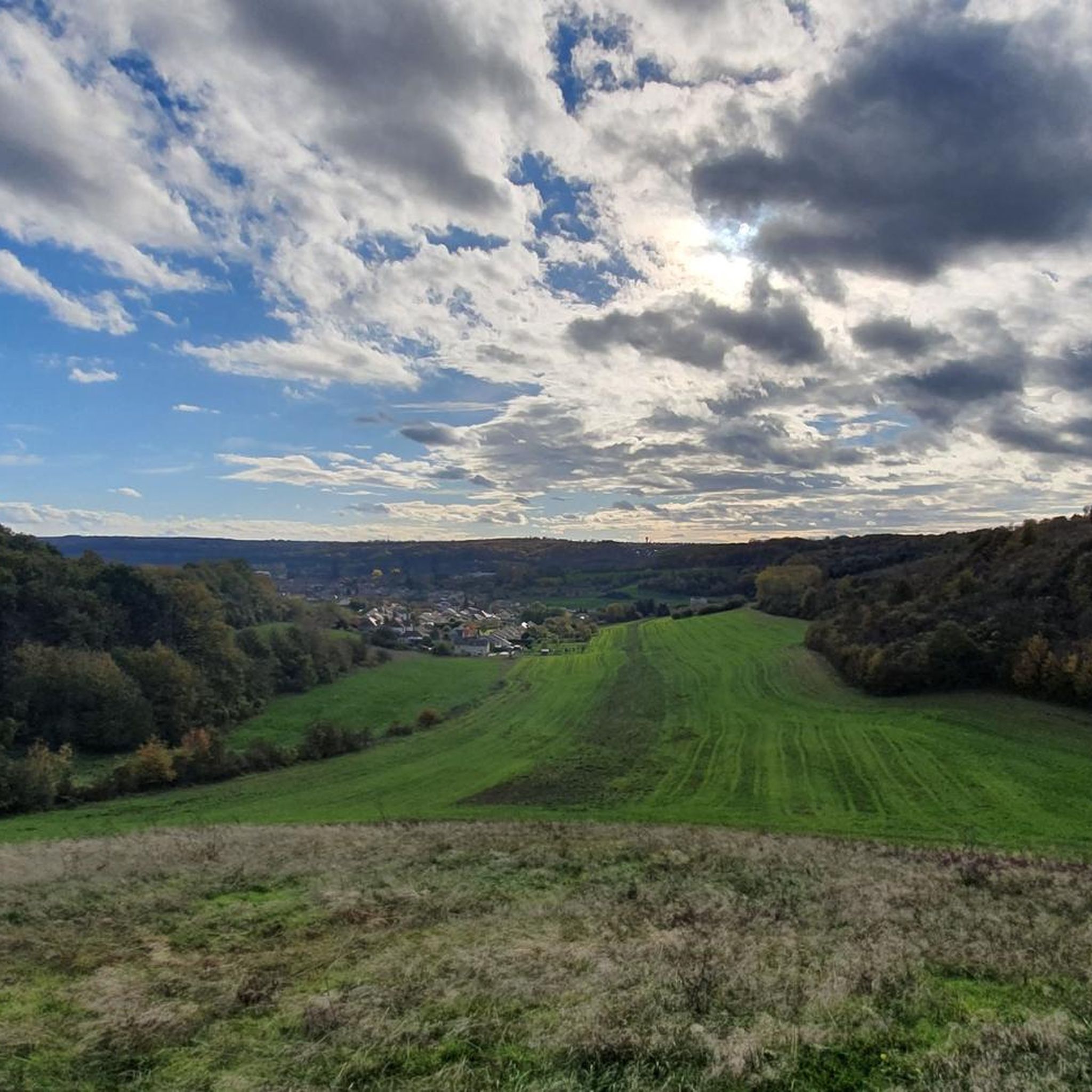
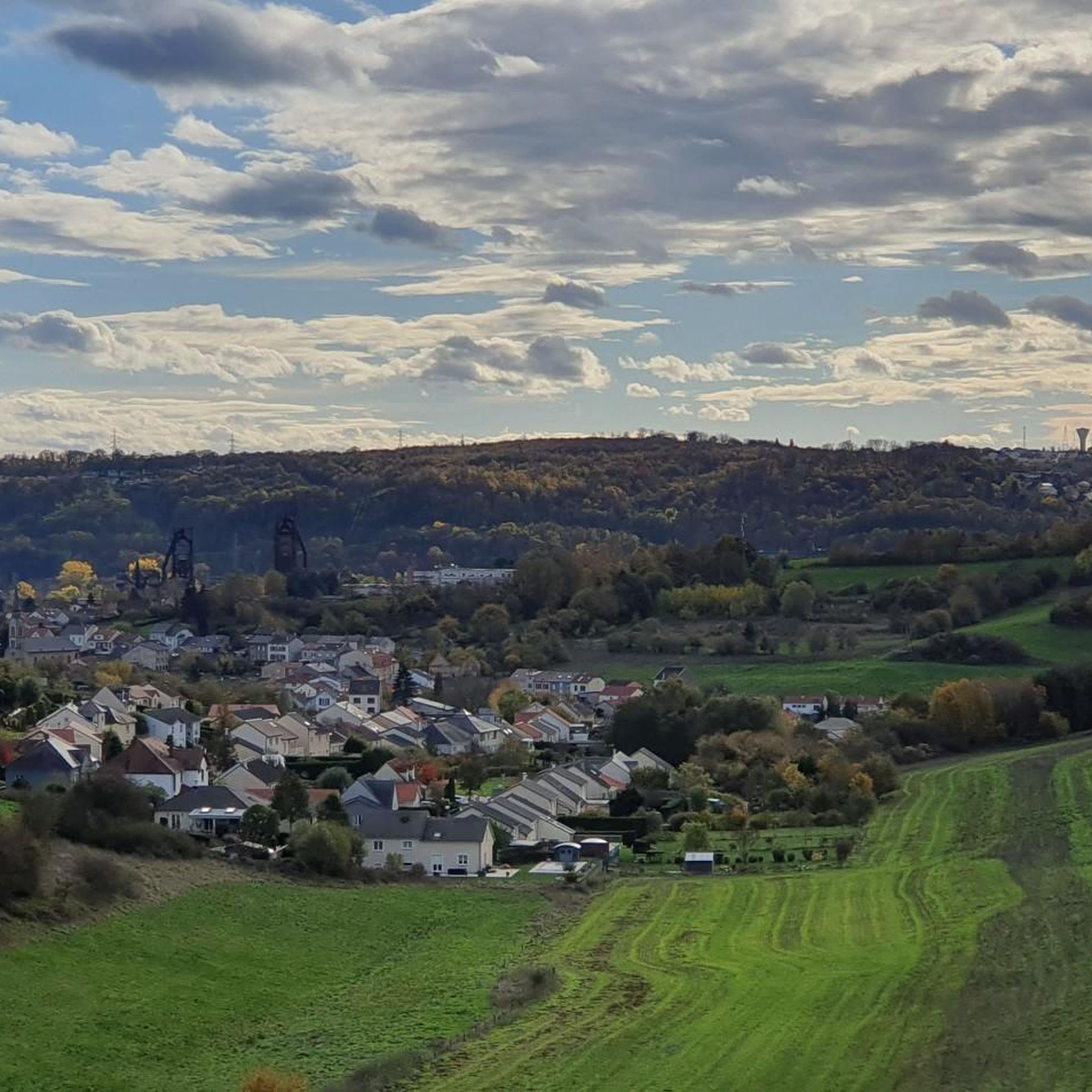
Gravel biking around Algringen features a landscape characterized by rolling hills, river valleys, and a mix of open terrain and forested sections. The region offers varied topography, including paths that traverse historical sites and connect to broader cycle networks like the Moselle Cycle Route. Elevation changes are present, with some routes including notable climbs and descents.
Best gravel bike trails around Algringen
- The most popular gravel bike trail is Trolljagd Trail – Dudelange Radio Tower loop from Escherange, a…
Last updated: May 6, 2026
4.5
(2)
14
riders
98.8km
06:56
1,000m
1,000m
Hard gravel ride. Very good fitness required. Mostly paved surfaces. Suitable for all skill levels.
7
riders
42.8km
03:17
600m
600m
Hard gravel ride. Very good fitness required. Mostly paved surfaces. Suitable for all skill levels.

Sign up for free
9
riders
107km
06:58
1,340m
1,340m
Hard gravel ride. Very good fitness required. Mostly paved surfaces. Suitable for all skill levels.
10
riders
44.0km
02:51
310m
310m
Moderate gravel ride. Good fitness required. Mostly paved surfaces. Suitable for all skill levels.
6
riders
42.1km
03:22
410m
410m
Moderate gravel ride. Good fitness required. Mostly paved surfaces. Suitable for all skill levels.
Get access to more routes and recommendations from other explorers.
Sign up for free
Already have an account?
Our route recommendations are based on thousands of hikes, rides, and runs completed by other people on komoot.
Start today with a free account
Your next adventure awaits.
Login or Signup
Tips from the Community

The cycle path rides really well
0
0

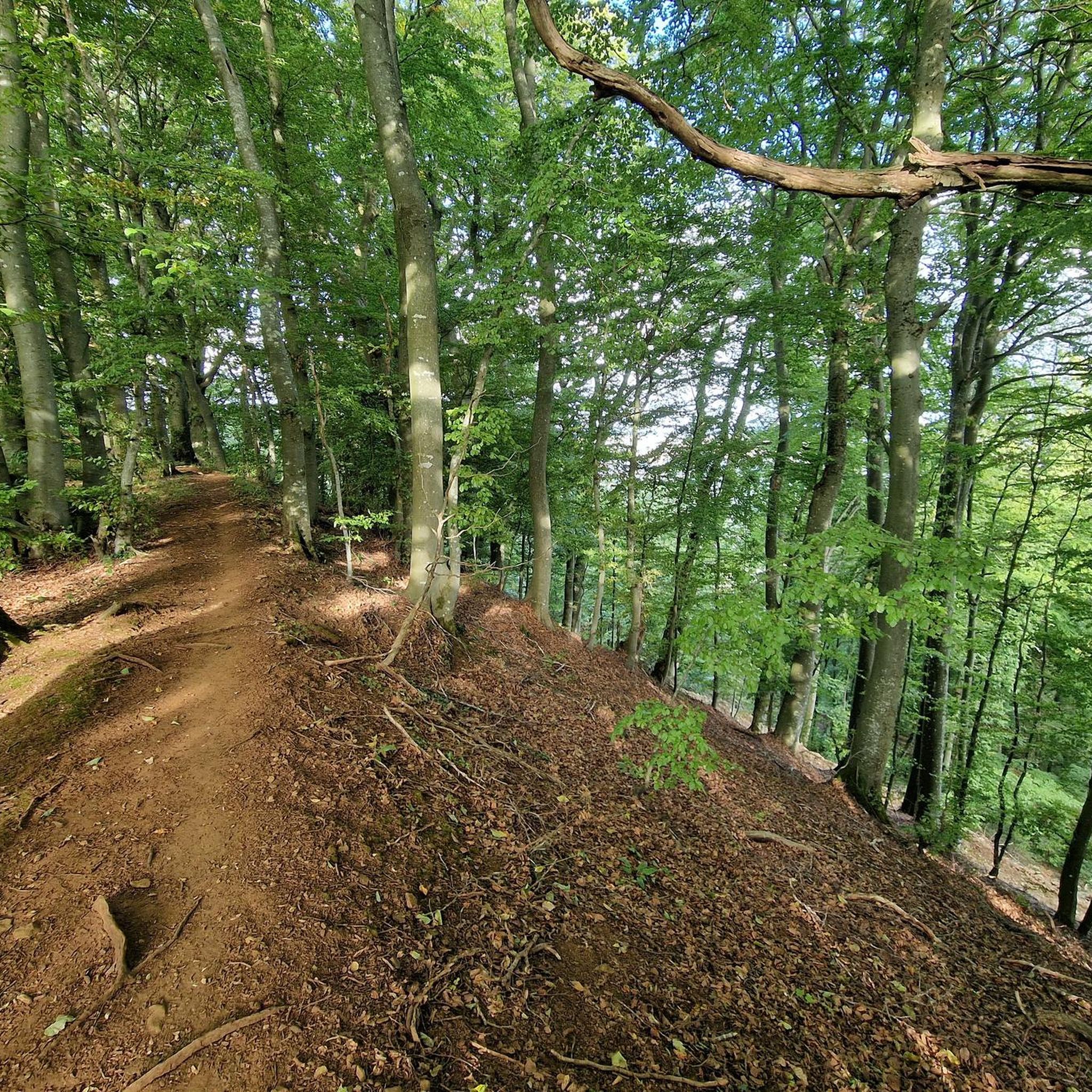
This is a spot with tracks going in all directions on old military trenches. There are transitions of all sizes and at least one small drop.
0
0

If you have time, you should visit it.
0
0

🛡️ **Ouvrage de Kobenbusch – Mighty Fortification of the Maginot Line** The **Ouvrage de Kobenbusch**, located south of Cattenom near the Luxembourg border, is one of the large underground fortifications of the **Maginot Line**. It was built between 1930 and 1935 and consisted of several combat blocks, underground connecting tunnels, a barracks, ammunition depots, and machine rooms – on several levels, anchored deep in the limestone. ⚙️ Particularly noteworthy: The technical systems were designed to be self-sufficient for months – including power generation, ventilation, a kitchen, and a hospital. The fort was occupied without a fight during World War II, continued to be used in part after the war, and is now privately owned. 🚷 It's **not open to the public**, but some ventilation towers and blockhouses are still visible in the forest near the D64 road (between Cattenom and Berg-sur-Moselle). **Tip:** For Maginot fans, a walk through the forest is worthwhile – with a little research, you'll find several bunker remains. Respect barriers, as some entrances are unstable or secured.
1
0
🛡️ **Ouvrage du Galgenberg – A Deep Look into the Maginot Line** The **Ouvrage de Galgenberg** is a large underground fortification of the **Maginot Line**, located south of Cattenom. It was built between 1930 and 1935 and served to defend the French border against Germany. The complex consists of several **combat bunkers**, **barracks**, **tunnels**, and **supply facilities** located deep underground. During the Cold War, the fort was modernized and remained in active use until the 1980s. 🔦 Today, it is accessible for guided tours (registration only), including a view of the original equipment: rails, power supply, ventilation systems, and gun emplacements. **Tip:** Ideal for military and history buffs – bring warm clothing, as it's chilly inside! Guided tours with former soldiers or experts are particularly impressive.
1
0
🧱 **Tour aux Puces** – Thionville's Oldest Building** The **Tour aux Puces** ("Powder Tower") is a medieval fortified tower dating back to the 11th century – and the oldest surviving building in the city. Originally part of a castle complex, it has served over time as a defense tower, a prison, and now houses a **City Museum** with an archaeological collection. 🏺 Inside, you'll find exhibits from Roman, medieval, and early modern periods – from ceramics to weapons to religious objects. The tower probably got its name from a mistranslation from German to French (“Powder Tower” became “Powder Tower”). **Tip:** The tower is cool and quiet – perfect on hot days. From the top, you have a small but excellent view over the old town. Combine it with the Belfry and the Église Saint-Maximin for a historical tour.
2
0
🏰 Château de Malbrouck (Manderen-Ritzing) A magnificent 15th-century hilltop castle, once the first settlement of Marlborough ("Malbrouck") in 1705. Today, it has been lovingly restored (1991–1998) and is home to changing exhibitions, festivals, and medieval events. Tip: Combine your visit with a walk around the castle—take time to admire the towers, exhibitions, and seasonal events. Ideal for families, history buffs, and culture enthusiasts!
6
0

This emblematic 14-sided tower stands on a 2.5 to 3 m high circular foundation, in which many authors have suggested the remains of a Carolingian chapel. The tower is said to have actually been the keep of a castle built by the Counts of Luxembourg in the 16th century, corresponding to the size of the present castle courtyard. It served successively as a residence and last refuge in the event of an attack, as an armory, a prison, and finally, in 1905, as a museum.
2
0
Frequently Asked Questions
How many gravel bike trails are available around Algringen?
There are over 50 gravel bike trails around Algringen, offering a diverse range of experiences for riders. These routes are well-regarded by the komoot community, with an average rating of 4.2 stars.
Are there any easy gravel bike trails suitable for beginners in Algringen?
While many routes in Algringen feature moderate to difficult terrain, the region's landscape of rolling hills and river valleys means there are paths that can be enjoyed by less experienced riders. For a moderate option, consider the Trolljagd Trail – Dudelange Radio Tower loop from Escherange, which offers varied terrain without being overly challenging.
What are the most challenging gravel biking routes in the Algringen area?
For experienced gravel bikers seeking a challenge, Algringen offers several demanding routes. The Passerelle de ľEurope – Old Lock Bridge loop from Thionville is a difficult 61.8-mile path exploring extensive riverine landscapes. Another difficult option is the Climb to Tivoli – Bibi's Forest Corner loop from Hayange, which includes significant elevation changes.
Are there any family-friendly gravel biking options in Algringen?
Many of the routes in Algringen traverse river valleys and forested sections, which can be pleasant for families. While specific 'easy' routes are limited, the interconnected cycle networks, including parts of the Moselle Cycle Route, often provide flatter, more accessible sections suitable for a family outing. Always check the route details for elevation and surface type to ensure it matches your family's ability.
Can I bring my dog on the gravel bike trails in Algringen?
Many gravel trails in the Algringen region, especially those through forested areas and along river paths, are generally dog-friendly. However, it's always recommended to keep your dog on a leash, especially in areas with wildlife or near roads. Be mindful of other trail users and ensure your dog is well-behaved. Always carry water for your dog, particularly on longer rides.
What kind of scenery can I expect on the gravel bike trails around Algringen?
The gravel bike trails around Algringen are known for their diverse scenery. You'll encounter rolling hills, picturesque river valleys, and a mix of open agricultural terrain and dense forested sections. Many routes also pass by historical sites and connect to broader cycle networks, offering a blend of natural beauty and cultural interest.
Are there any circular gravel bike routes in Algringen?
Yes, many of the gravel bike routes in Algringen are designed as loops, allowing you to start and finish at the same point. Examples include the Ouvrage du Kobenbusch – Passerelle de ľEurope loop from Thionville and the Moselle Cycle Route – Charles le Téméraire cycle route loop from Thionville. These circular routes are convenient for exploring the region without needing a return trip arrangement.
What interesting landmarks or attractions can I see near the gravel bike trails?
The Algringen area is rich in historical and cultural landmarks. Along or near the trails, you can explore sites like the U4 - Blast Furnace Park (Uckange), the National Mining Museum of Luxembourg, and the historic town of Thionville. Other notable points of interest include the Fort de Guentrange and The Pilgrims' Cross.
What is the best time of year for gravel biking in Algringen?
The best time for gravel biking in Algringen is typically from spring through autumn (April to October). During these months, the weather is generally milder and more predictable, making for pleasant riding conditions. While winter riding is possible, some trails might be muddy or icy, and daylight hours are shorter. Always check local weather forecasts before heading out.
Are there places to stop for food or drinks along the gravel routes?
Many routes in Algringen pass through or near towns and villages, especially those following river valleys or connecting to larger cycle networks like the Moselle Cycle Route. These locations often have cafes, restaurants, or bakeries where you can refuel. It's always a good idea to plan your route and check for potential stops beforehand, especially on longer rides.
What do other gravel bikers enjoy most about Algringen?
The komoot community highly rates gravel biking in Algringen, with an average score of 4.2 stars. Reviewers often praise the region's varied topography, which includes a great mix of rolling hills, river valleys, and both open and forested sections. The presence of historical sites along the routes and connections to broader cycle networks are also frequently highlighted as enjoyable aspects.
Is parking available near the gravel bike trails in Algringen?
Yes, parking is generally available in the towns and villages that serve as common starting points for many gravel bike routes in the Algringen region, such as Thionville or Escherange. Look for public parking areas or designated trailheads. Some routes might also have smaller, informal parking spots near their access points, particularly in more rural areas.
Most popular attractions around Algringen

Get inspired with the komoot mobile app


Explore more
Browse the best Gravel rides in other regions.
