The best gravel rides around Jullié
4.6
(22)
147
riders
22
rides
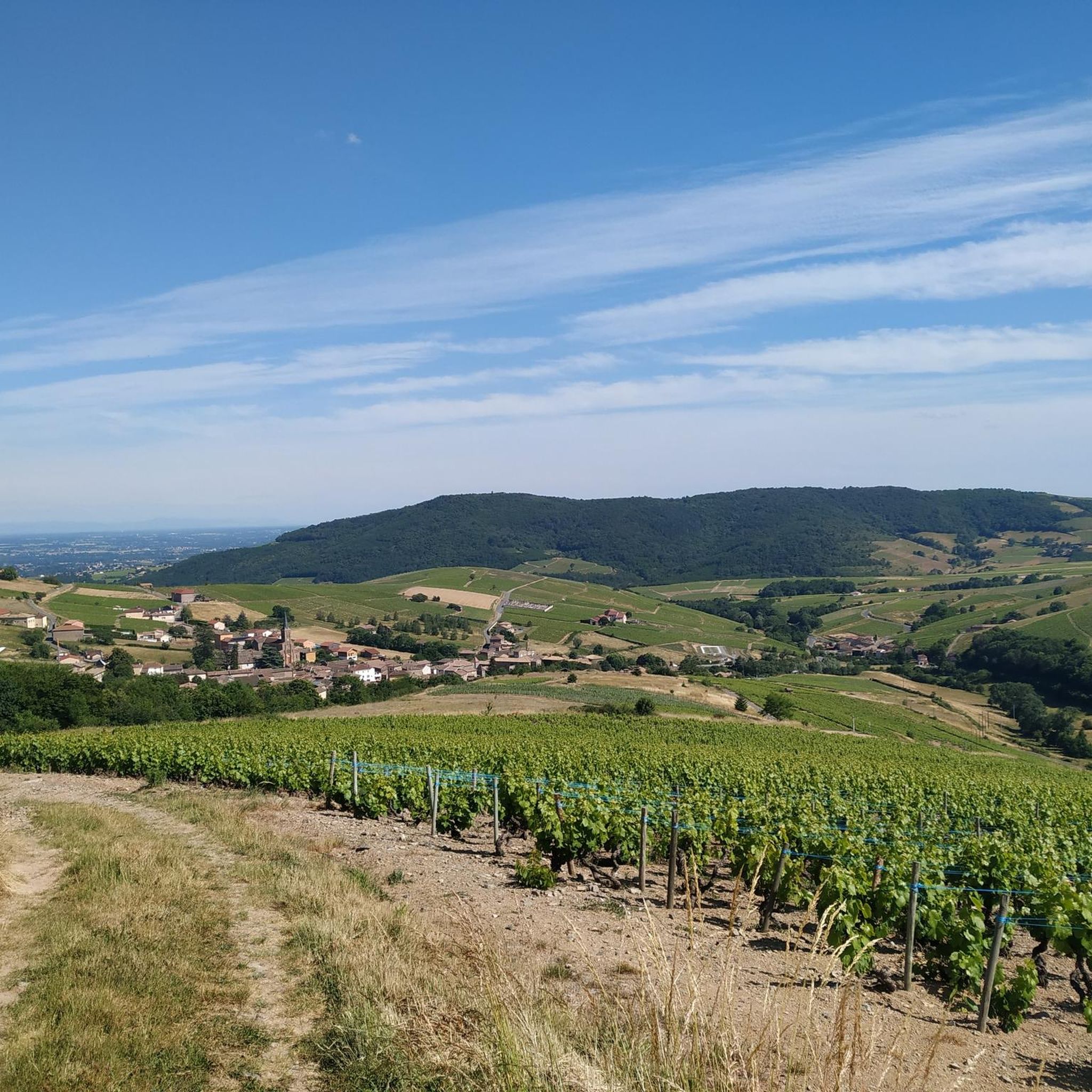
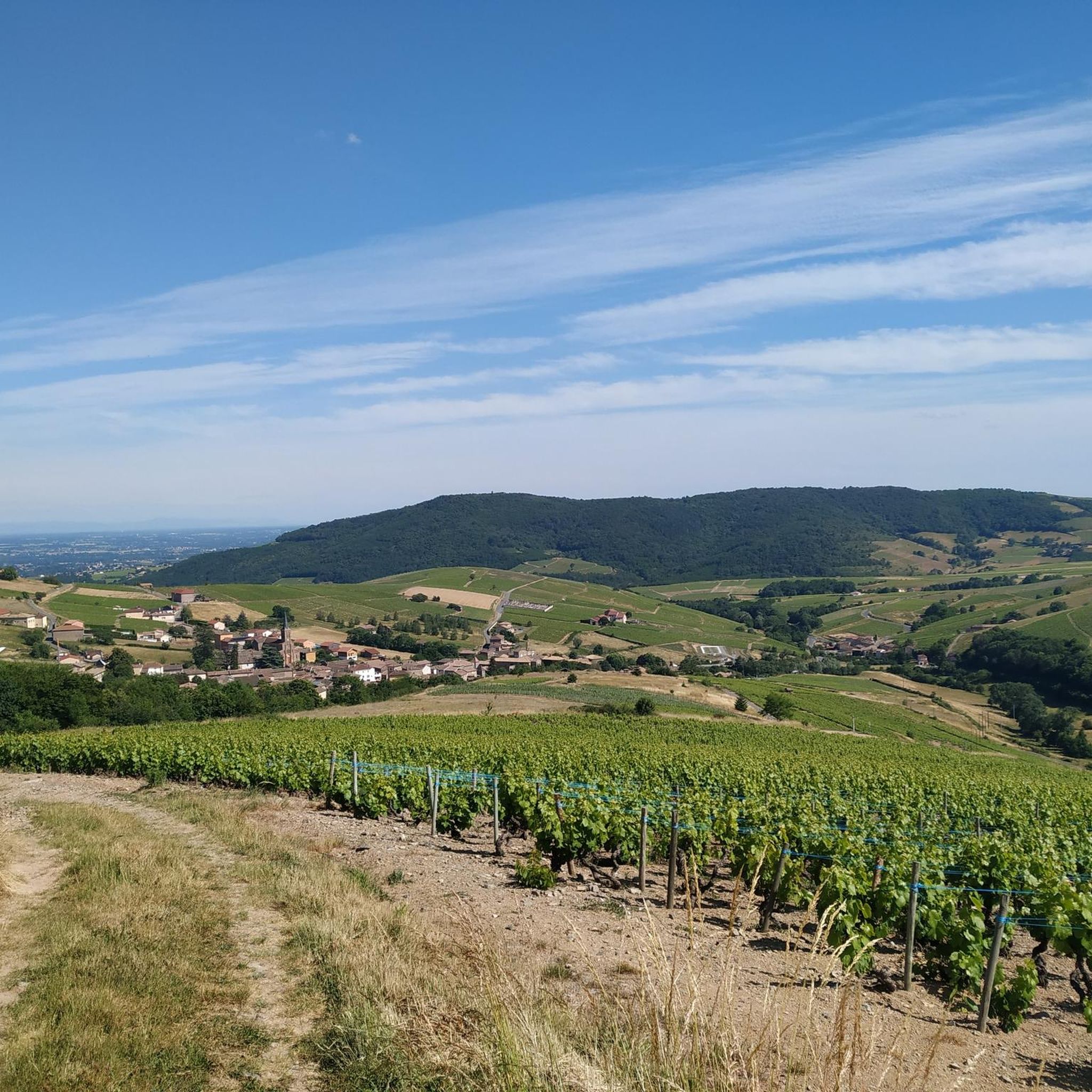
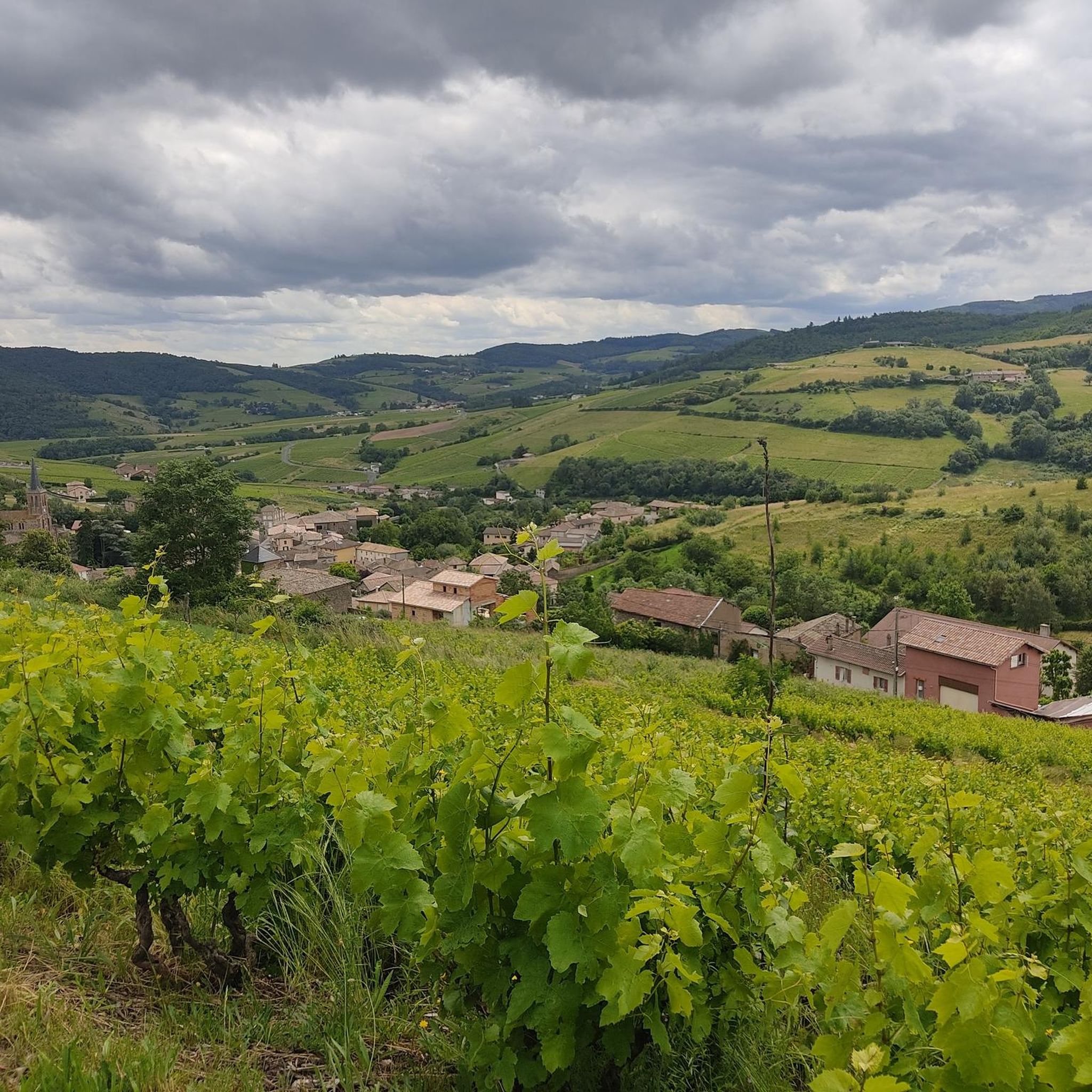
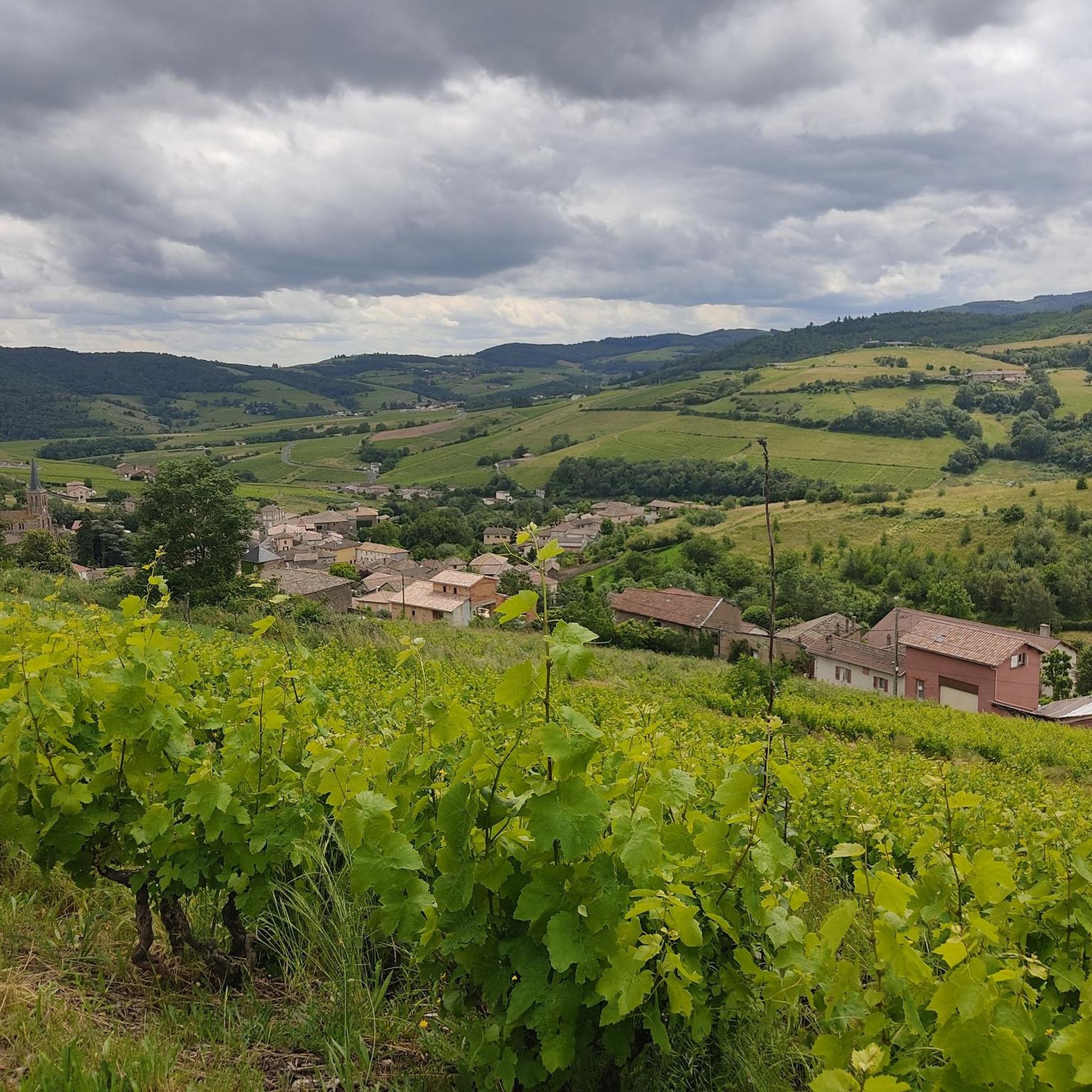
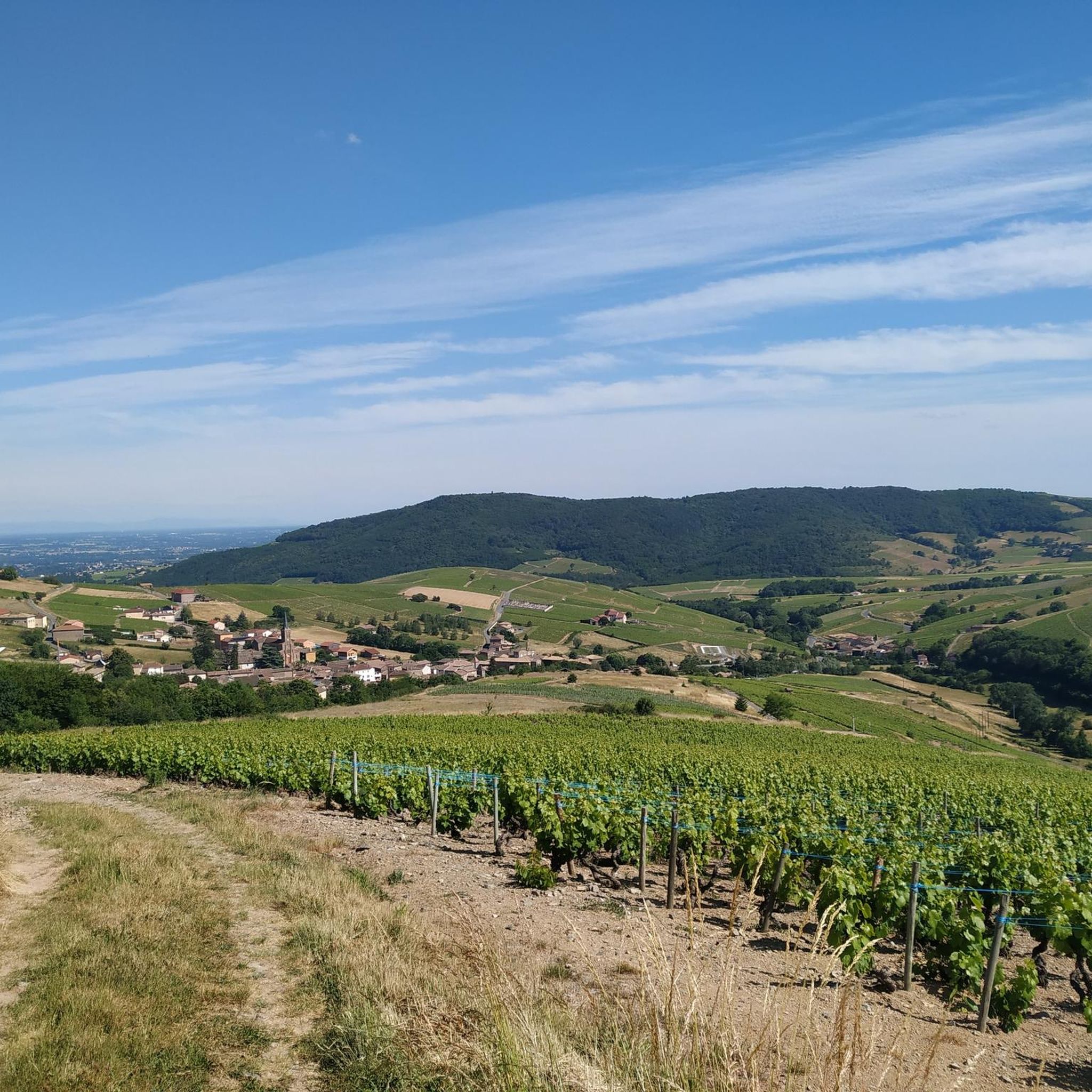
Gravel biking around Jullié offers diverse terrain within the Beaujolais region of France. The landscape features rolling hills, extensive vineyards, and lush valleys, providing varied surfaces for gravel bikes. Cyclists encounter both paved sections and unpaved paths, dirt tracks, and forest lanes. The area includes access to the Beaujolais Mountains and views of prominent natural monuments like the Roche de Solutré.
Best gravel bike trails around Jullié
- The most popular gravel bike trail is La Voie Bleue – Beauregard loop…
Last updated: November 3, 2026
4.0
(3)
46
riders
171km
08:22
250m
250m
Hard gravel ride. Very good fitness required. Mostly paved surfaces.
4.8
(6)
32
riders
108km
05:31
170m
170m
Hard gravel ride. Very good fitness required. Mostly paved surfaces.

4.8
(6)
10
riders
Moderate gravel ride. Good fitness required. Mostly paved surfaces.
4.8
(5)
37
riders
85.5km
04:24
100m
100m
Moderate gravel ride. Good fitness required. Mostly paved surfaces.
4
riders
43.7km
03:18
1,050m
1,050m
Hard gravel ride. Very good fitness required. Mostly paved surfaces.
Get access to more routes and recommendations from other explorers.
Already have an account?
Our route recommendations are based on thousands of hikes, rides, and runs completed by other people on komoot.
Start today with a free account
Your next adventure awaits.
Tips from the Community

was wonderful to ride!
0
0

The Rock of Solutré is a world-famous, 493-meter-high limestone rock in the south of the Burgundy region. It is located amidst the picturesque vineyards of the municipality of Solutré-Pouilly. The region is officially designated as a Grand Site de France. The hike to the summit is easy to moderate and very doable for families. It takes about 1 hour for the entire loop (approx. 4 kilometers round trip). The elevation gain is around 100 to 140 meters from the official parking lot on well-maintained paths with information panels, although there are many steps.
1
0
An idyllic, paved cycle path directly on the riverbank. It is a section of the well-known French long-distance cycle route „La Voie Bleue - Moselle-Saône Radweg" (Route V50) along the Saône. The entire long-distance cycle route covers around 700 kilometers from the Luxembourg border town of Apach (near the tripoint) to Lyon. The Saône section follows the natural meanders of the Saône, passing meadows, historic villages, and well-known wine-growing regions such as Mâcon. The route is mostly flat on former towpaths.
0
0
An idyllic, asphalted cycle path right on the riverbank. This is a section of the well-known French long-distance cycle route "La Voie Bleue - Moselle-Saône Radweg" (Route V50) along the Saône. The entire long-distance cycle route runs for around 700 kilometers from the French border town of Apach (near the tripoint) to Lyon. The Saône section follows the natural meanders of the Saône, passing meadows, historic villages, and well-known wine-growing regions such as Mâcon. The route runs mostly flat on former towpaths.
0
0
The historic old town of Tournus, a French town in the Burgundy region (Saône-et-Loire department). Main attractions: Saint-Philibert Abbey Church: One of the most important Romanesque buildings in France from the 11th and 12th centuries. Picturesque alleys: The old town is characterized by narrow, right-angled streets, colorful facades, and flat roofs with round tiles that have a Mediterranean feel. Hôtel-Dieu: A historic hospital with a well-preserved, ornate 17th-century pharmacy. Greuze Monument: A statue in honor of the famous painter Jean-Baptiste Greuze, born in Tournus in 1725.
0
0
The Château de Pierreclos is a historic, Romanesque castle complex and a renowned winery. Its origins date back to the 9th to 11th centuries, beginning with a Romanesque chapel. In the 13th century, the complex was expanded into a medieval fortress. Today, it is protected as a private historical monument. The castle is located on a rocky outcrop that has been used for viticulture since the 6th century. The Pidault family's winery produces organically certified white and red wines (including Pouilly-Fuissé and Mâcon-Pierreclos).
1
0
The Saint-Laurent Bridge (Pont Saint-Laurent) is a historic stone bridge that spans the Saône River. It connects the town of Mâcon in the Saône-et-Loire department with the municipality of Saint-Laurent-sur-Saône in the Ain department. Initial wooden structures were already built by the Romans. The current stone bridge dates back to the 11th century in its core and is considered the oldest bridge over the Saône. The structure consists of twelve stone arches. On one of the pillars, there is a statue of Saint Nicholas, the patron saint of boatmen. It is one of the few historic structures in the region that survived the demolitions of World War II unscathed.
1
0
Frequently Asked Questions
How many gravel bike trails are available around Jullié?
There are over 15 gravel bike routes in the Jullié area, offering a diverse range of experiences. These include 2 easy routes, 4 moderate routes, and 9 more challenging options, ensuring there's something for every fitness level.
What kind of terrain can I expect on gravel bike trails near Jullié?
The terrain around Jullié is quite varied, characteristic of the Beaujolais region. You'll encounter rolling hills, extensive vineyards, and lush forested areas. Routes often combine paved sections with unpaved paths, dirt tracks, and forest lanes, making it ideal for gravel biking.
Are there any family-friendly gravel bike routes in the Jullié area?
Yes, there are a few easier routes suitable for families. For a more relaxed ride, consider the Camping de Thoissey – La Saône, great cycle routes 👍 loop from Crêches-sur-Saône, which is an easy 20.5 km path with minimal elevation gain, perfect for enjoying the riverside landscapes.
Can I bring my dog on gravel bike trails around Jullié?
Many of the gravel trails around Jullié, especially those through vineyards and forested areas, are suitable for cycling with dogs, provided they are well-behaved and on a leash where necessary. Always ensure your dog is fit enough for the distance and terrain, and carry plenty of water for both of you.
What are some notable landmarks or viewpoints I can reach by gravel bike near Jullié?
The region offers several stunning viewpoints and natural monuments. You can cycle towards prominent features like the Roche de Solutré and Vergisson Rock, which provide panoramic views over the Mâconnais vineyards. The Rochefort Cross is another excellent spot for expansive vistas.
What is the best time of year for gravel biking in Jullié?
The best time for gravel biking in Jullié is typically from spring through autumn. During these seasons, the weather is generally pleasant, and the vineyards are particularly beautiful. Summer can be warm, so early morning or late afternoon rides are recommended. Always check local weather forecasts before heading out.
Are there any circular gravel bike routes starting near Jullié?
Yes, many routes in the area are designed as loops. For example, the popular La Saône, great cycle routes 👍 loop from Crêches-sur-Saône offers a 37.4 km circular ride through riverine landscapes, taking about 2 hours 50 minutes to complete.
Where can I park my car when starting a gravel bike tour in Jullié?
While specific parking areas for cyclists in Jullié village aren't detailed, you can generally find parking in the village center or near popular starting points for routes. For routes originating from nearby towns like Crêches-sur-Saône or Romanèche-Thorins, designated parking is often available near the start of the trails or along the La Voie Bleue.
What do other gravel bikers enjoy most about gravel biking in Jullié?
The gravel biking experience in Jullié is highly rated by the komoot community, with an average score of 4.8 stars from 9 reviews. Reviewers often praise the diverse terrain, the stunning vineyard scenery, and the opportunity to explore the picturesque Beaujolais region on varied surfaces.
Are there any challenging gravel routes for experienced riders near Jullié?
Absolutely. The Jullié area, and the broader Beaujolais region, is known for its challenging routes with significant elevation gains. An example of a difficult route is the Col de Gerbet – Col de la Grange du Bois loop from Mâcon-Loché-TGV, which covers nearly 50 km with over 1000 meters of ascent, requiring very good fitness.
Can I access gravel bike trails near Jullié using public transport?
While direct public transport options to Jullié with bike carriage might be limited, nearby larger towns like Mâcon (which has a TGV station) offer better public transport connections. From there, you might need to cycle or arrange local transport to reach specific trailheads. Always check with local transport providers for their bike policies.
Are there cafes or places to stop for refreshments along the gravel bike routes?
The Beaujolais region is dotted with charming 'golden-stone villages' and vineyards, many of which have local cafes, restaurants, or wineries where you can stop for refreshments. While not every route will have direct stops, planning your ride through these villages will offer opportunities for a break and to sample local produce.
Most popular attractions around Jullié

Get inspired with the komoot mobile app


Explore more
Browse the best Gravel rides in other regions.
