The best gravel rides around Le Vivier-Sur-Mer
4.6
(58)
521
riders
18
rides
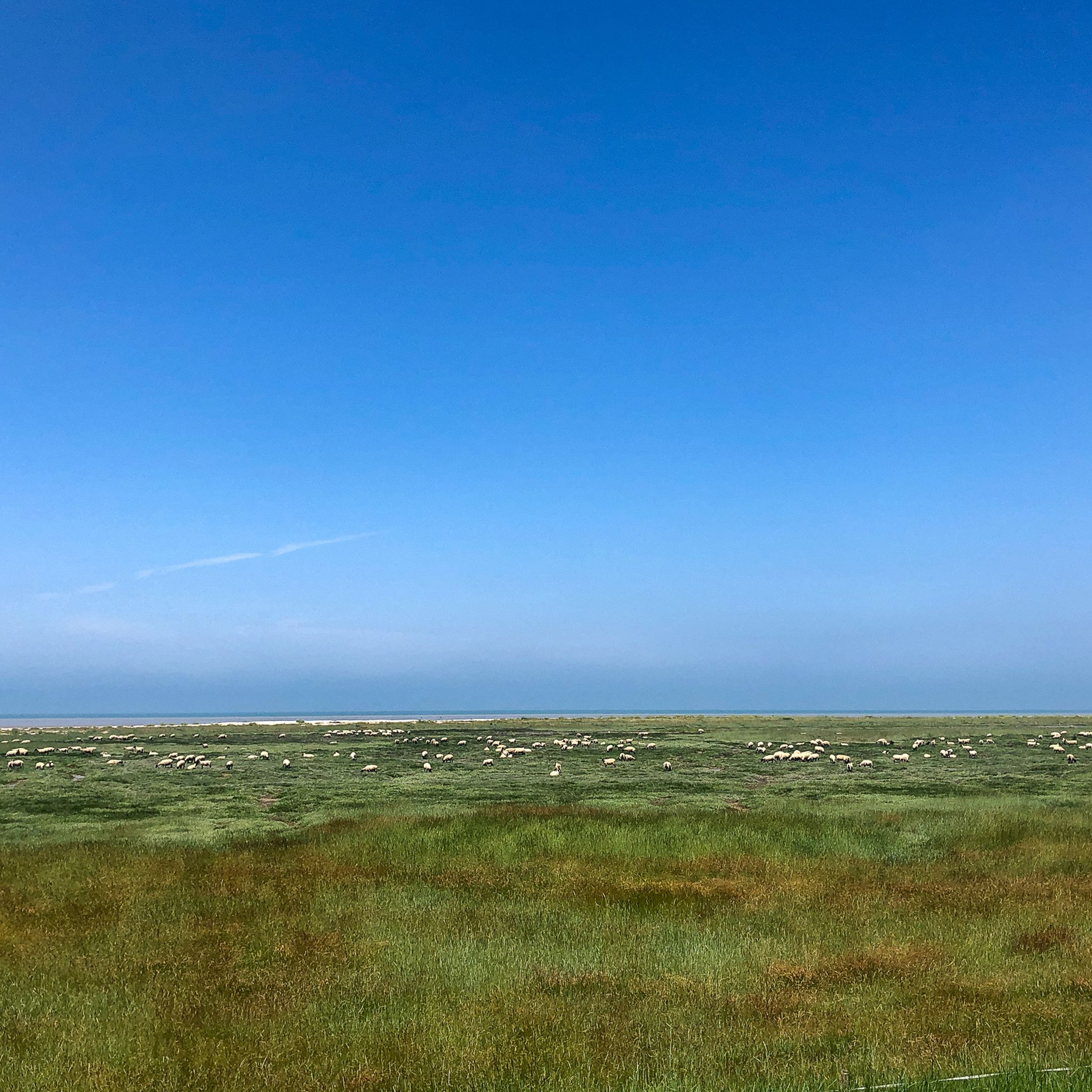
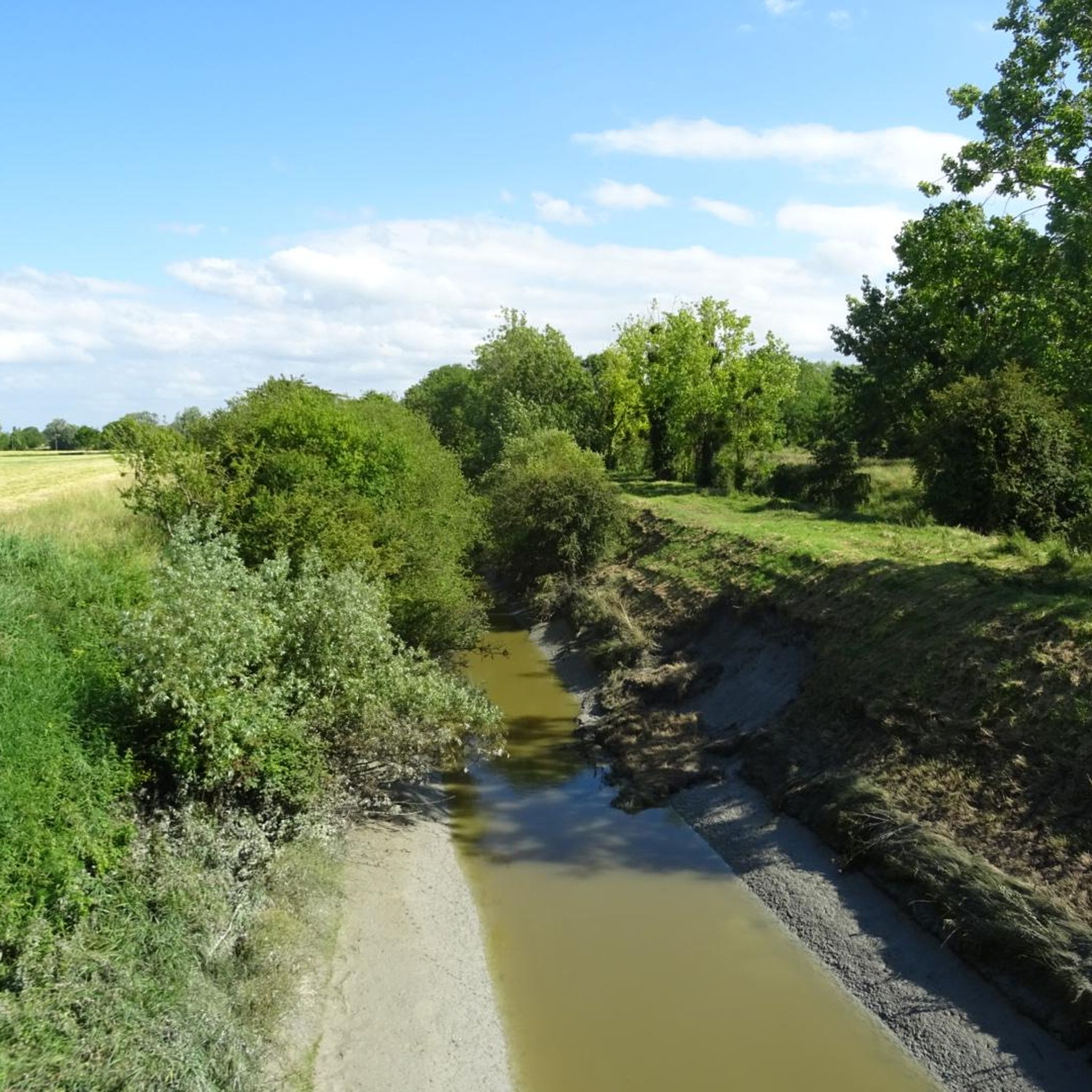
Gravel biking around Le Vivier-Sur-Mer offers routes through a landscape characterized by flat coastal plains, agricultural fields, and river estuaries. The region provides expansive views, notably towards Mont Saint-Michel, and features a network of paths suitable for gravel bikes. Terrain generally consists of compacted earth, gravel tracks, and quiet country roads, with minimal elevation changes.
Best gravel bike trails around Le Vivier-Sur-Mer
- The most popular gravel bike trail is Chapelle Sainte-Anne – The Couesnon at Beauvoir loop from Cherrueix,…
Last updated: May 22, 2026
4.2
(19)
114
riders
46.7km
02:21
50m
50m
Moderate gravel ride. Good fitness required. Mostly paved surfaces. Suitable for all skill levels.
5.0
(1)
54
riders
116km
06:01
360m
360m
Hard gravel ride. Very good fitness required. Mostly paved surfaces. Suitable for all skill levels.

Sign up for free
21
riders
Moderate gravel ride. Good fitness required. Mostly paved surfaces. Suitable for all skill levels.
4.0
(1)
10
riders
41.3km
02:28
40m
40m
Moderate gravel ride. Good fitness required. Mostly paved surfaces. Suitable for all skill levels.
4.0
(2)
9
riders
31.3km
01:46
60m
60m
Easy gravel ride. Great for any fitness level. Mostly paved surfaces. Suitable for all skill levels.
Get access to more routes and recommendations from other explorers.
Sign up for free
Already have an account?
Our route recommendations are based on thousands of hikes, rides, and runs completed by other people on komoot.
Start today with a free account
Your next adventure awaits.
Login or Signup

Other adventures around Le Vivier-Sur-Mer

Tips from the Community

Parts of the route along the sea do not exist or are forbidden for bicycles
0
0

If there's a remarkable site that's worth a detour, it's Mont St Michel!
0
0

very nice cycle path in the shade
0
0

Dol-de-Bretagne is a historic town founded as a bishopric in the 5th or 6th century under the influence of Saint Samson of Dol. The town is known for its well-preserved medieval architecture, including the Saint-Samson Cathedral, the Musée de la Trésorerie, and the Maison des Petits Palets. The surrounding area also features the Menhir du Champ-Dolent, a megalith dating back to the Neolithic period that is over 4,000 years old. Markets, local festivals, and small shops enliven town life, and despite its touristic significance, the town remains relatively quiet and manageable, an ideal place to experience history, culture, and Breton flair.
1
0

At 3 km long, this is the largest sandy beach in Saint-Malo. Walking along this beach, you can reach Intra-Muros in Paramé. Sillon Beach includes Grande Plage, Hoguette Beach, and Rochebonne Beach. La Digue was built from 1883 to 1913 on an old sandbar (the Sillon) that once connected Paramé to the walled city and provided the only dry-land access at low tide. Originally, a strip of sand was covered with dunes that grew higher and higher as one moved toward Rochebonne, with only a succession of windmills remaining. The first causeway was built in 1509, rebuilt and widened several times... Le Digue, 1,671 meters long, runs along Grande Plage and offers a pleasant stroll, lined with numerous villas built towards the end of the 19th century. Along the Sillon, a line of breakwaters protects the seawall from the force of the waves. Built in the early 19th century based on an idea by the civil engineer Robinault de St-Servan, the oak breakwaters have a depth at least equal to, or even greater than, their visible height.
2
0

Go at low or high tide
1
0


Frequently Asked Questions
How many gravel bike trails are available around Le Vivier-Sur-Mer?
There are nearly 30 gravel bike routes in the Le Vivier-Sur-Mer area. These include 11 easy, 11 moderate, and 7 difficult options, offering a variety of choices for different skill levels.
Are there any easy gravel bike trails suitable for beginners or families?
Yes, the region offers 11 easy gravel bike routes. A good option for a more relaxed ride is the Dol-de-Bretagne – Moulin de la Saline loop from Dol-de-Bretagne, which is 31.3 km long and takes about 1 hour 45 minutes, passing through rural landscapes.
What are the typical distances and elevation gains for gravel biking in this area?
Gravel bike trails around Le Vivier-Sur-Mer vary in distance, from shorter loops to longer excursions. For example, the Beautiful new cycle path – View of Mont Saint-Michel loop from Dol-de-Bretagne is 90.3 km with about 165 meters of elevation gain. The terrain is generally flat, characterized by minimal elevation changes, making for less strenuous climbs.
Are there any circular gravel bike routes in Le Vivier-Sur-Mer?
Many of the gravel bike routes in the area are circular. For instance, the popular Chapelle Sainte-Anne – The Couesnon at Beauvoir loop from Cherrueix is a 42.5 km circular trail that follows the Couesnon river. Another option is the View of Mont Saint-Michel – Joli chemin loop from Cherrueix, offering consistent views of Mont Saint-Michel on a 41.2 km loop.
What kind of views or landmarks can I expect along the gravel bike trails?
The trails offer expansive views of coastal plains, agricultural fields, and river estuaries. You'll frequently encounter views of Mont Saint-Michel across the bay. Notable landmarks include the historic Moulin de la Saline and the charming Chapelle Sainte-Anne-de-la-Grève. The routes also pass through areas near the famous oyster town of Cancale and its Oyster Farms.
What is the best time of year for gravel biking in Le Vivier-Sur-Mer?
The region's coastal climate makes it suitable for gravel biking through much of the year. Spring and autumn offer pleasant temperatures and fewer crowds. Summer can be warm, but the coastal breezes provide some relief. Winter rides are possible, though you should be prepared for cooler, potentially wetter conditions.
Are there any gravel bike trails that offer views of Mont Saint-Michel?
Yes, several routes provide excellent views of Mont Saint-Michel. The View of Mont Saint-Michel – Joli chemin loop from Cherrueix is specifically known for its consistent vistas of the iconic landmark across the bay. Another option is the longer Beautiful new cycle path – View of Mont Saint-Michel loop from Dol-de-Bretagne.
What do other gravel bikers say about the trails in Le Vivier-Sur-Mer?
The gravel biking routes in Le Vivier-Sur-Mer are highly rated by the komoot community, with an average score of 4.3 stars from over 70 reviews. Users often praise the expansive coastal views, the quiet country roads, and the well-maintained gravel tracks that make for enjoyable rides.
Are there any longer, more challenging gravel bike routes for experienced riders?
For experienced riders seeking a longer challenge, the area offers 7 difficult routes. The Dol-de-Bretagne – Menhir of Champ-Dolent loop from Dol-de-Bretagne is a substantial 70 km ride with over 500 meters of elevation gain, providing a more demanding experience through varied landscapes.
Are there places to stop for refreshments or cafes along the gravel trails?
While specific cafes directly on every trail are not guaranteed, many routes pass through or near charming villages and towns like Cherrueix and Dol-de-Bretagne, where you can find local establishments for refreshments. The proximity to Cancale also means opportunities for culinary stops, especially for seafood.
What kind of terrain can I expect on the gravel bike trails?
The terrain primarily consists of compacted earth, well-maintained gravel tracks, and quiet country roads. You'll ride through flat coastal plains, agricultural fields, and along river estuaries, with minimal significant climbs, making for generally smooth and enjoyable gravel riding.
Most popular routes around Le Vivier-Sur-Mer
Most popular attractions around Le Vivier-Sur-Mer

Get inspired with the komoot mobile app


Explore more
Browse the best Gravel rides in other regions.
