The best gravel rides around Obernai
4.4
(41)
387
riders
88
rides
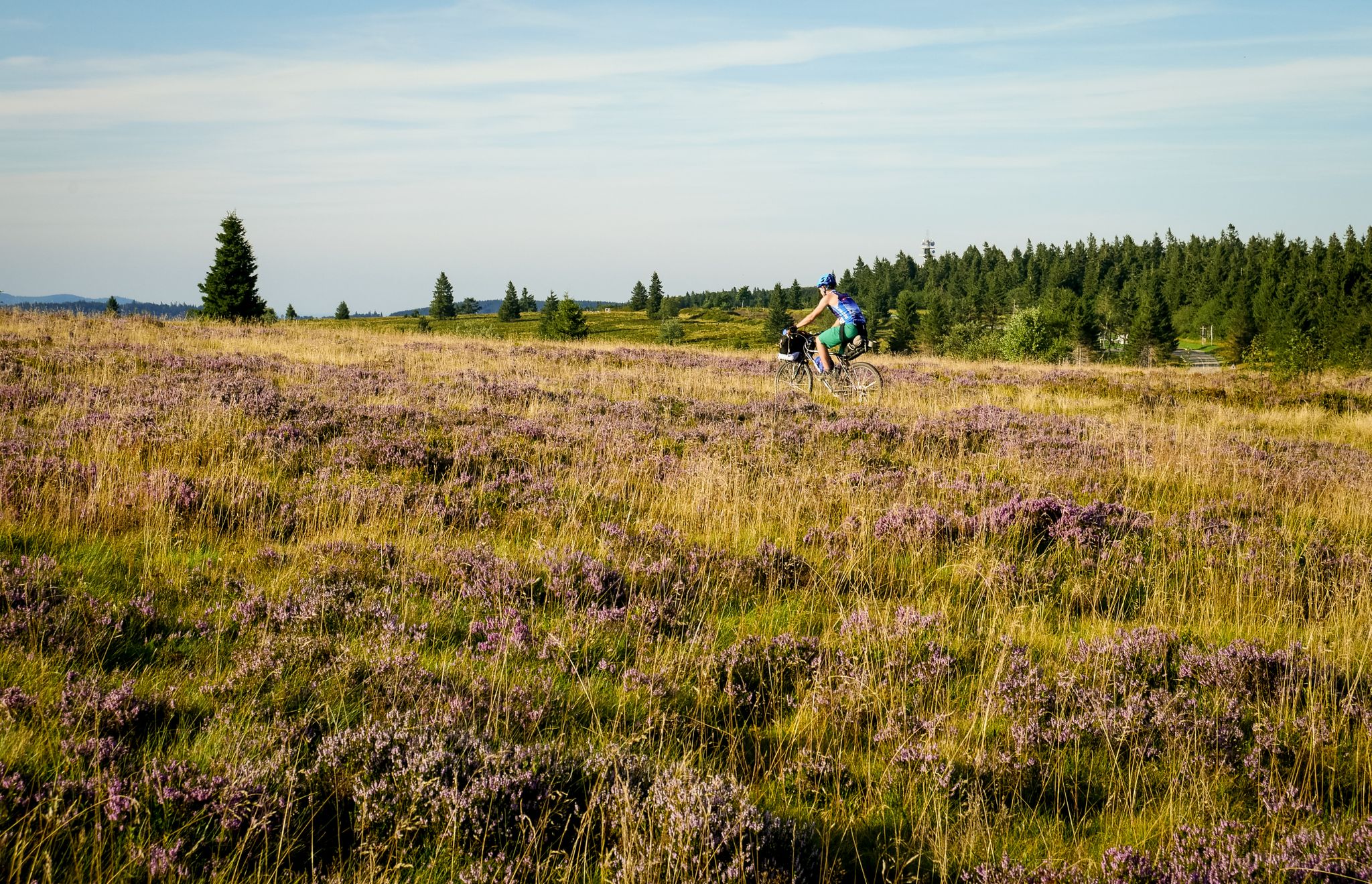
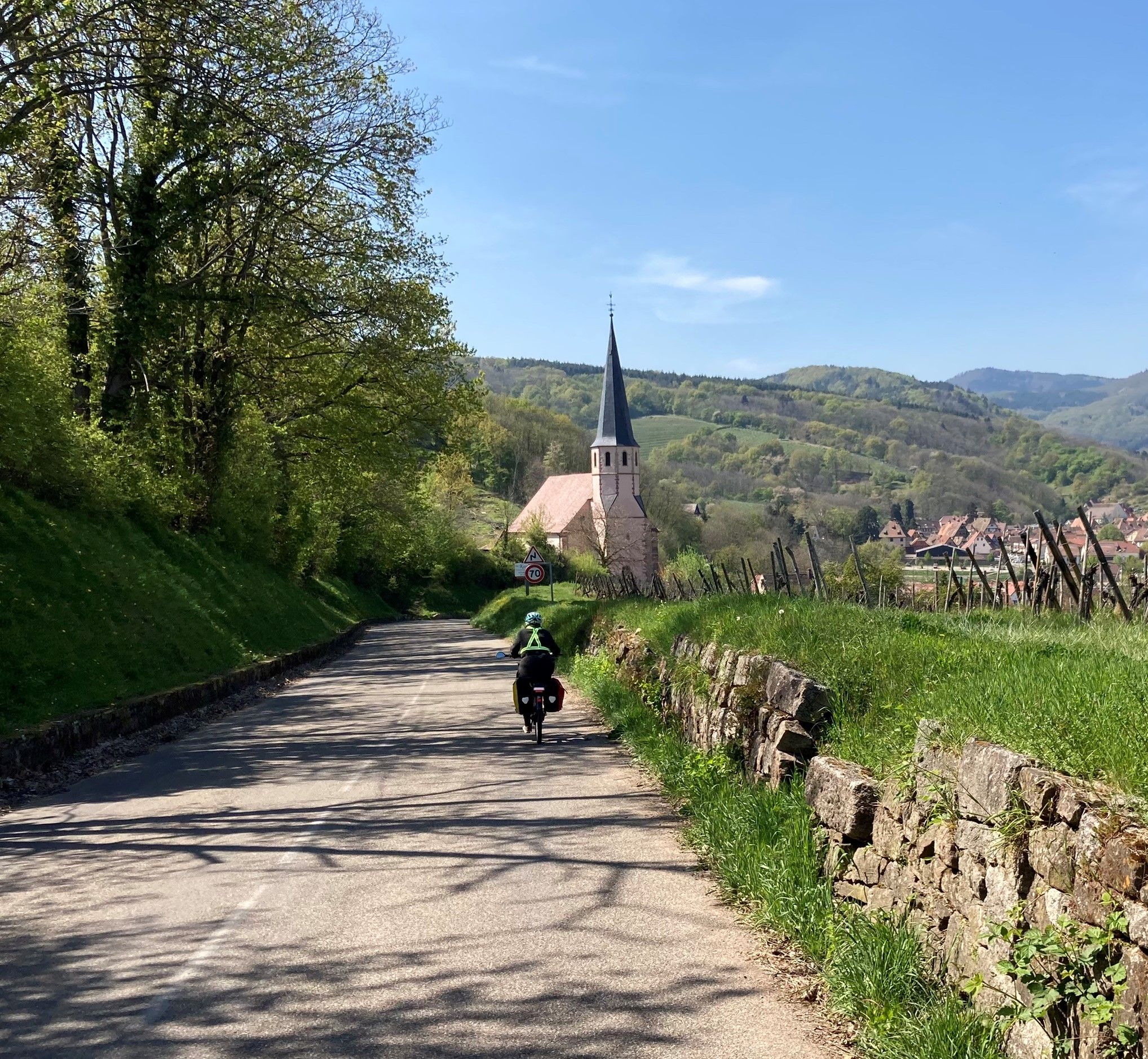
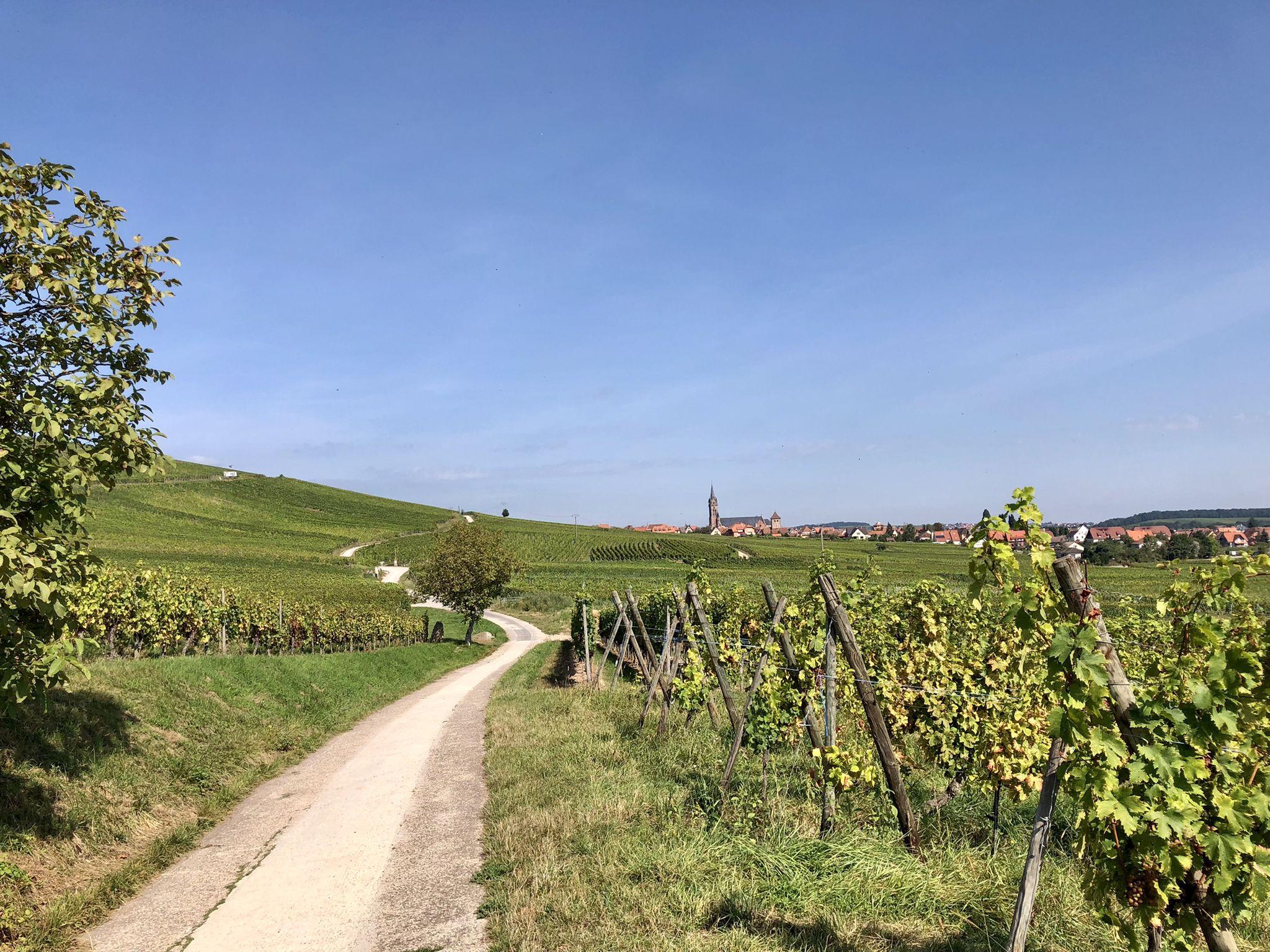
Gravel biking around Obernai features diverse landscapes, from vineyard-covered plains to the sub-Vosgian hills and the foothills of the Vosges Mountains. The region offers varied terrain, including routes through agricultural areas and challenging climbs towards Mont Sainte-Odile. This area provides a network of paths suitable for different levels of gravel biking, incorporating both gentle countryside and significant elevation changes.
Best gravel bike trails around Obernai
- The most popular gravel bike trail is Obernai – Church of Saint Peter and Saint…
Last updated: July 16, 2026
5.0
(2)
38
riders
28.1km
02:04
620m
620m
Hard gravel ride. Very good fitness required. Mostly paved surfaces. Suitable for all skill levels.
3.5
(6)
15
riders
33.4km
02:26
470m
470m
Hard gravel ride. Very good fitness required. Mostly paved surfaces. Suitable for all skill levels.

Sign up for free
4.0
(3)
21
riders
29.6km
02:10
630m
630m
Hard gravel ride. Very good fitness required. Mostly paved surfaces. Suitable for all skill levels.
4.0
(2)
12
riders
38.3km
02:32
300m
300m
Moderate gravel ride. Good fitness required. Mostly paved surfaces. Suitable for all skill levels.
12
riders
72.3km
05:58
1,320m
1,320m
Hard gravel ride. Very good fitness required. You may need to push your bike for some segments of this route.
Get access to more routes and recommendations from other explorers.
Sign up for free
Already have an account?
Our route recommendations are based on thousands of hikes, rides, and runs completed by other people on komoot.
Start today with a free account
Your next adventure awaits.
Login or Signup
Popular around Obernai


Tips from the Community

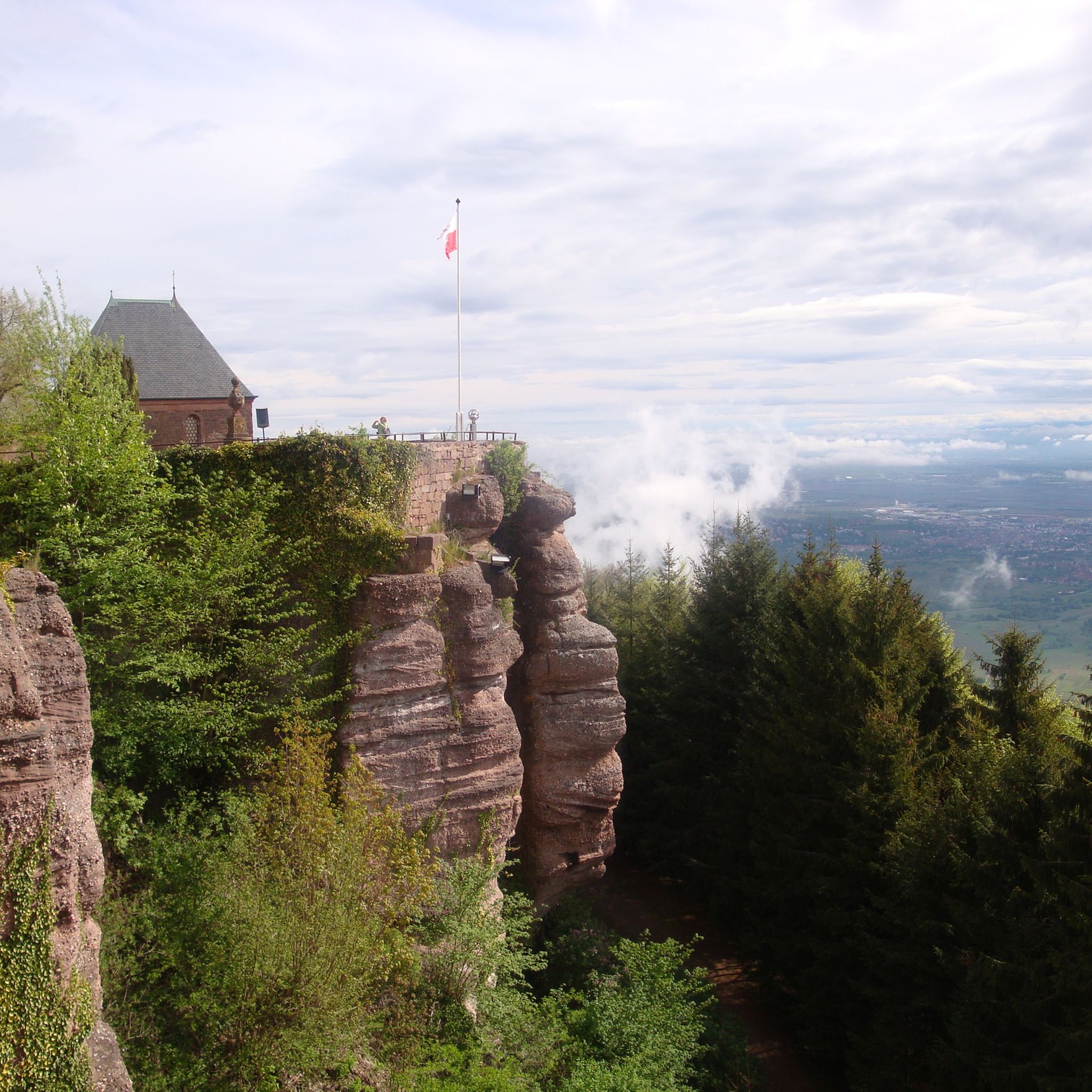
A place with a very special atmosphere.
0
0

abandoned road with beautiful view.
0
0

beautiful path below the impressive rocks
2
0

Opening hours daily: 9:00 - 12:00 and 14:00 - 18:00.
0
0

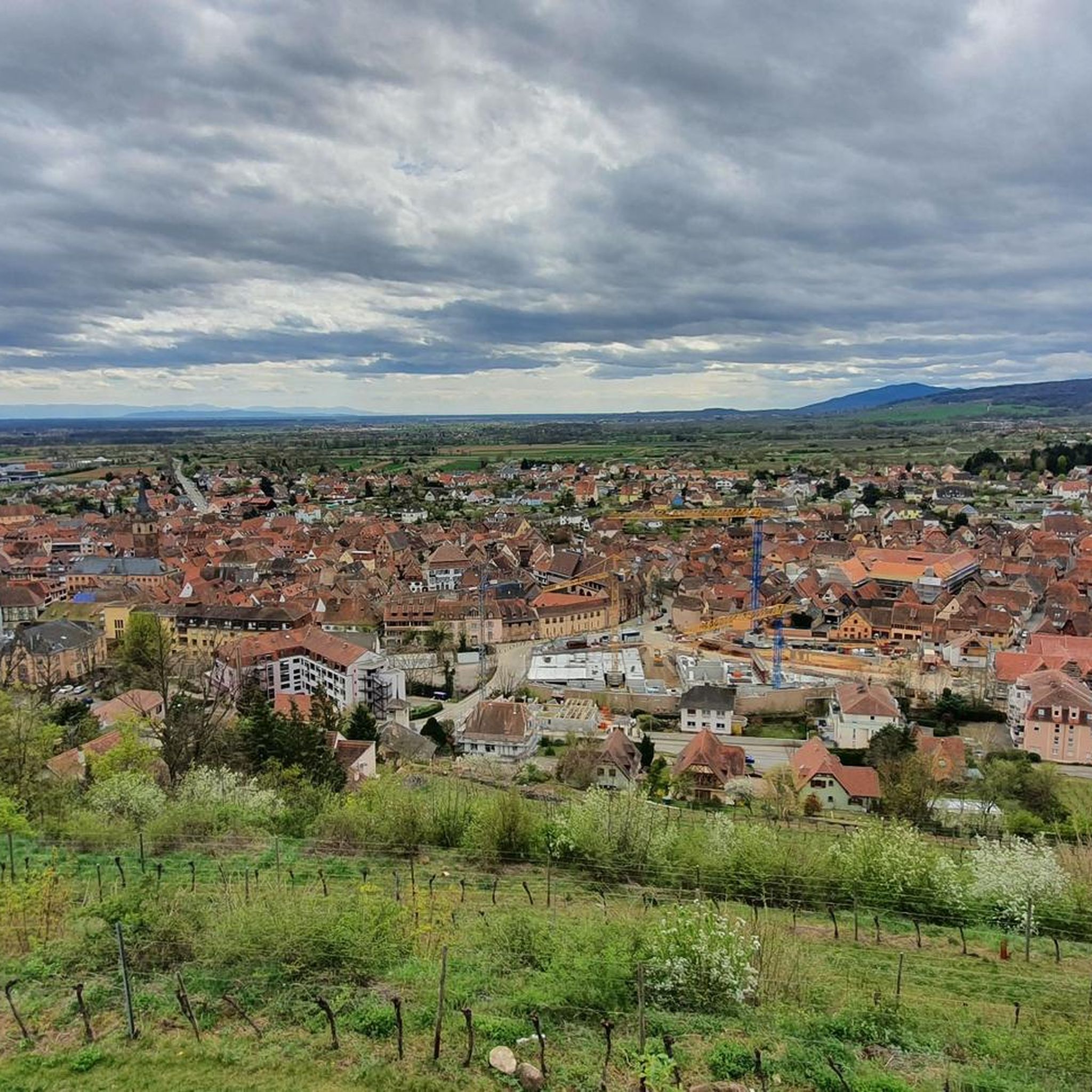
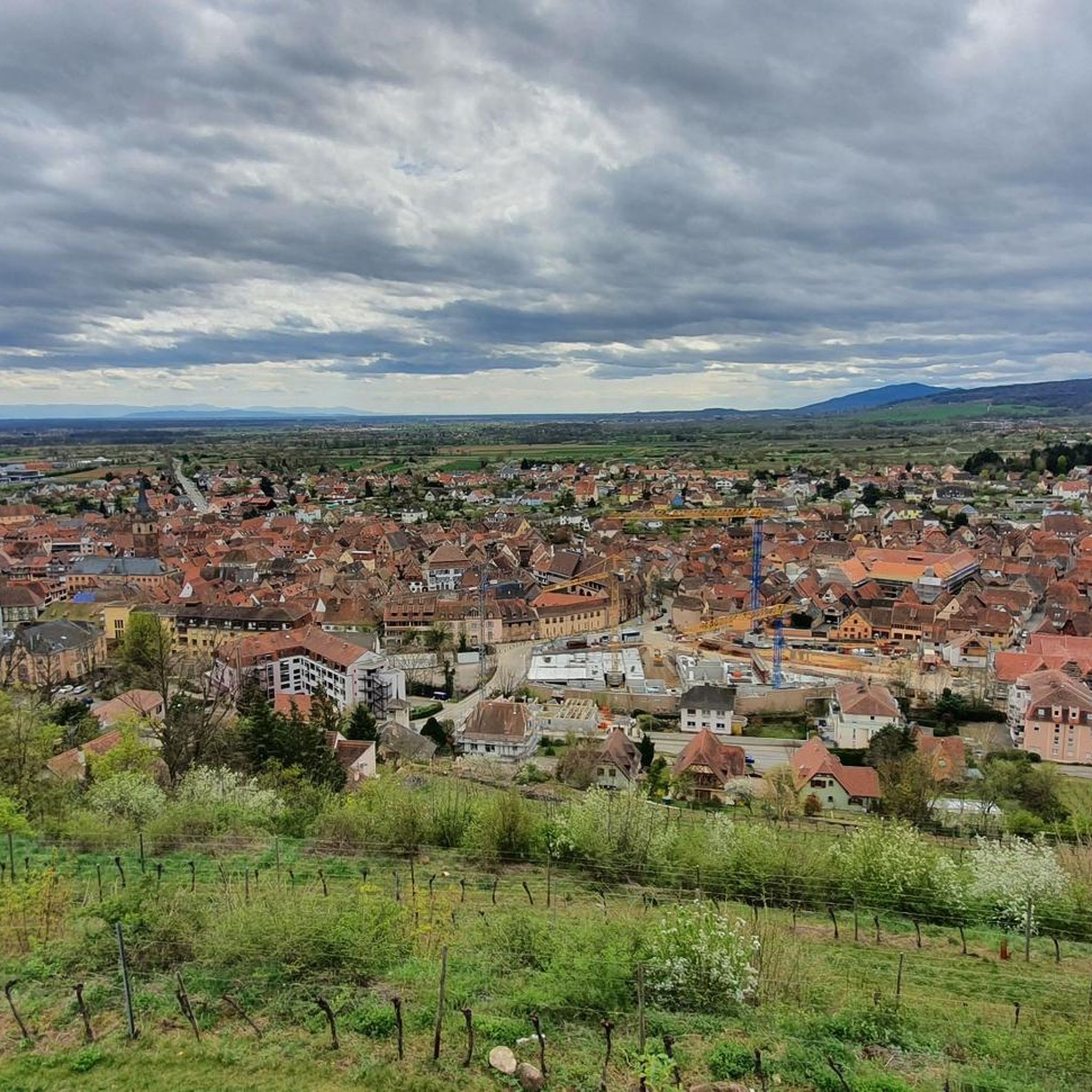
The town boasts a Renaissance six-bucket fountain from 1579, typical of Alsace. On the market square stands the former grain hall (Halle aux blés) from 1554, which has been converted into a restaurant.[19] After the Gothic Chapel Church, founded in the 13th century and originally called the 'Chapel of Our Lady,' was demolished in 1873,[20] the 60-meter-high tower next to the town hall (Hôtel de ville)[21] remained as the Chapel Tower (Tour de la Chapelle) from the 16th century. Above the fifth floor, it received a tracery parapet and a slate-covered helmet, so that it served the town as its belfry from then on. After the old parish church was demolished in 1867,[22] the neo-Gothic Church of Saints Peter and Paul (Saints-Pierre-et-Paul) was built between 1867 and 1872. It is one of the largest neo-Gothic churches in all of Alsace. The elaborately designed and richly decorated interior features, among other things, medieval altars from the previous church and an important organ by Joseph Merklin. East of the choir is the Chapel of the Virgin with a Mount of Olives group from 1517. The town once had 20 towers in the inner city wall, which is still largely preserved. Of the Capuchin monastery in Oberehndorf, only the Capuchin church survived. Above the town stands the monument to the Malgré-nous – the Alsatians from the canton of Obernai who were forcibly conscripted into the German Wehrmacht during World War II. Château d'Oberkirch, dating from the 16th and 17th centuries, renovated from 1843 to 1846 In the town park stands a sequoia tree, approximately 40 meters tall, planted in the 1850s.
0
0

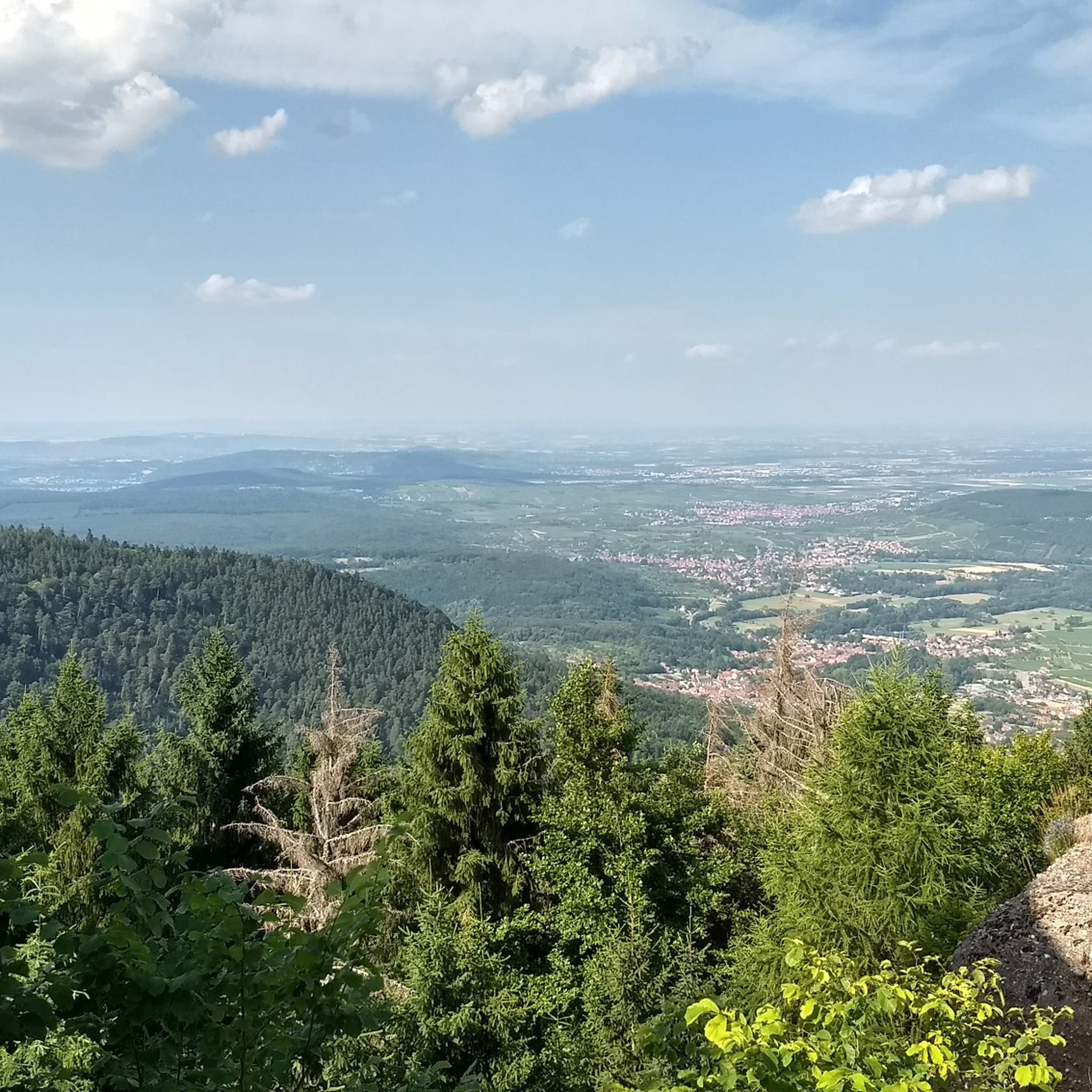
The Saint-Nabor promontory, located in Alsace at the foot of Mont Sainte-Odile, offers a natural site rich in history and geology. It is known for its old porphyry quarries, a volcanic rock formed in the Carboniferous period, exploited long before their closure in 2002. The promontory rises to an altitude of approximately 340 meters in a semi-continental microclimate favoring vineyards and forests. It constitutes a belvedere offering a remarkable panorama of the Alsace plain, as far as Strasbourg and the Black Forest on a clear day. The site is accessible by well-marked hiking trails, notably the Saint-Nabor loop which passes by the Sainte-Lucie Fountain and the Pagan Wall. This peaceful place, away from the tourist hustle and bustle, is also a starting point for discovering the region, its heritage and its peaceful landscapes. It is steeped in history linked to the nearby Niedermunster monastery, now in ruins, and the presence of medieval remains.
0
0

What a beautiful bell tower there is on both sides
0
0
Great church building, unfortunately the church was closed
0
0
Frequently Asked Questions
How many gravel bike trails are available around Obernai?
There are over 120 gravel bike trails around Obernai, offering a wide variety of routes through vineyards, fertile plains, and the sub-Vosgian hills. This includes options for all skill levels, from moderate rides to challenging climbs.
What kind of terrain can I expect on gravel bike trails near Obernai?
The terrain around Obernai is quite diverse. You'll find routes that traverse gentle vineyard-covered plains and agricultural areas, as well as more challenging paths with significant elevation changes in the sub-Vosgian hills and towards Mont Sainte-Odile. This variety ensures there's something for every gravel biker.
Are there any easy or beginner-friendly gravel bike routes in Obernai?
Yes, while many routes offer a challenge, there are options suitable for beginners. Out of the 120 trails, 6 are classified as easy and 36 as moderate. These routes often stick to the plains and vineyard paths, providing a more relaxed experience. For example, routes through the agricultural plains offer a gentler ride.
Where can I find challenging gravel bike routes with significant climbs?
For more challenging rides, head towards the sub-Vosgian hills and Mont Sainte-Odile. Routes like the Sculpture La Porte – Mont Sainte-Odile Abbey loop from Bischoffsheim or the Mont Sainte-Odile Abbey – Mount Saint Odile loop from Goxwiller feature considerable elevation gains, requiring good to very good fitness.
What are some notable landmarks or viewpoints along the gravel bike trails?
Many trails offer scenic views and pass by historical sites. You can find routes that lead to the historic Mount Sainte-Odile, offering panoramic vistas. Other points of interest include the Hering Tower on Ungersberg and the ancient Heidenmauer (Mur Païen). The town of Obernai itself, with its medieval architecture, is also a significant attraction.
Are there circular gravel bike routes available around Obernai?
Yes, many of the gravel bike trails around Obernai are designed as loops, allowing you to start and end in the same location. Examples include the Obernai – Church of Saint Peter and Saint Paul loop from Obernai, which explores the local area, and the Itterswiller – Andlau loop from Goxwiller, taking you through vineyards.
What is the best season for gravel biking in Obernai?
Obernai is enjoyable for gravel biking across multiple seasons. Spring and autumn offer pleasant temperatures and beautiful scenery, with blooming flora or vibrant fall colors. Summer is also popular, though it can be warmer, while winter rides are possible but may require checking weather conditions for snow or ice, especially at higher elevations.
Are there options for refreshments or cafes along the gravel routes?
Yes, many routes pass through charming villages or near facilities where you can stop for refreshments. The region is known for its hospitality, and you'll find numerous terraces in Obernai itself. Some routes might also lead you past places like the Rothlach Inn, offering a chance to refuel.
What do other gravel bikers enjoy most about gravel biking in Obernai?
The gravel biking routes in Obernai are highly rated by the komoot community, with an average score of 4.3 stars from over 40 reviews. Riders often praise the diverse landscapes, the mix of vineyard paths and challenging climbs, and the well-integrated network of cycling routes that connect natural beauty with charming villages and historical sites.
Can I access the gravel bike trails using public transport or find parking easily?
Obernai is well-connected and serves as a hub for cycling. While specific public transport links to trailheads vary, the town itself is accessible. For those driving, parking is generally available in and around Obernai, making it convenient to start your ride. Many routes are designed to be accessible from the town or nearby villages.
Are there any long-distance gravel biking options or connections to larger networks?
Yes, Obernai is a gateway to larger regional and international cycling paths. You can connect to routes like the EuroVelo 5 and the Alsace Vineyard Cycle Route, which allow for extended bikepacking adventures. For example, the Around Obernai Alsace – Porte du Lion loop from Goxwiller offers a longer, more immersive experience.
Most popular attractions around Obernai

Get inspired with the komoot mobile app


Explore more
Browse the best Gravel rides in other regions.
