The best gravel rides around Chémery
39
riders
11
rides
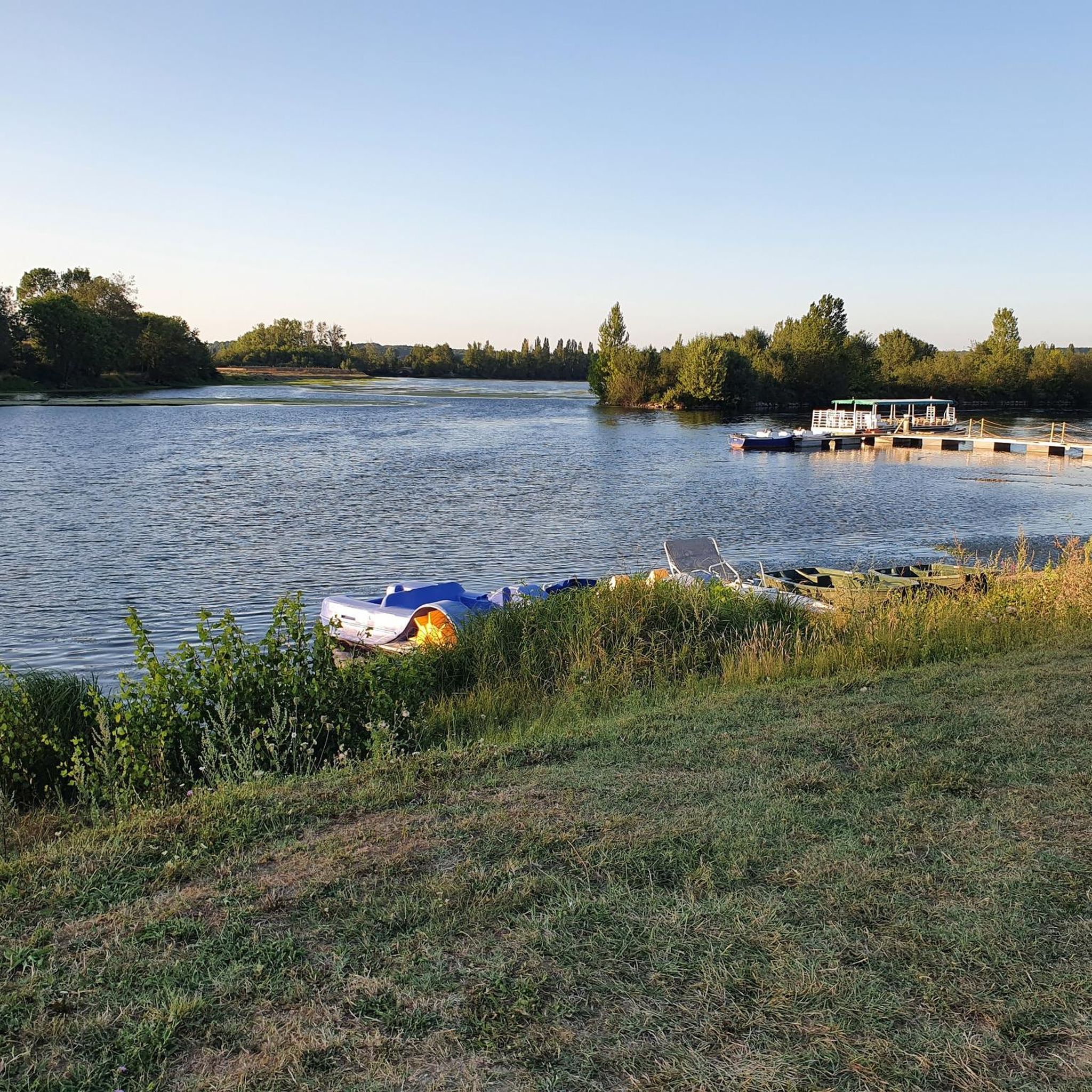
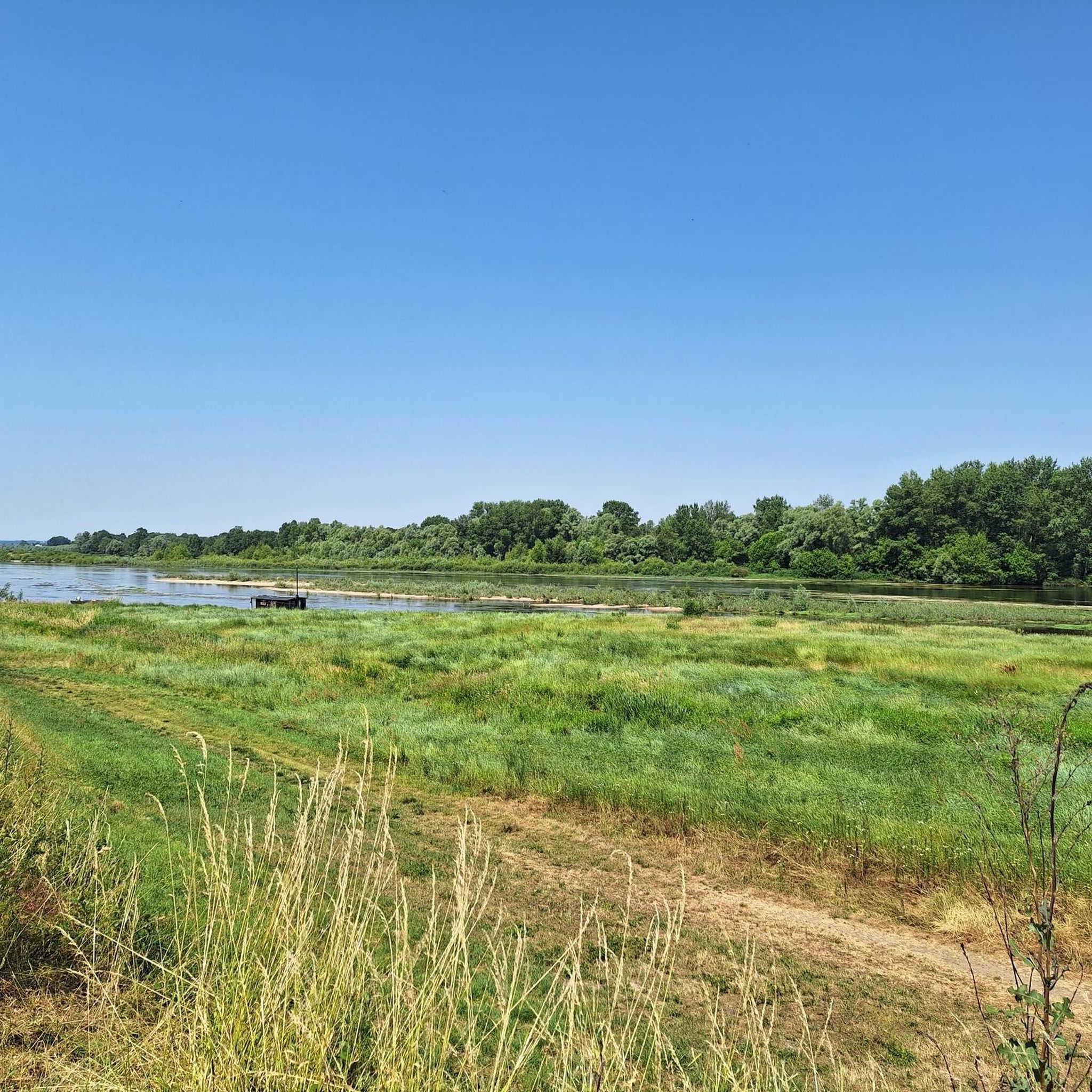
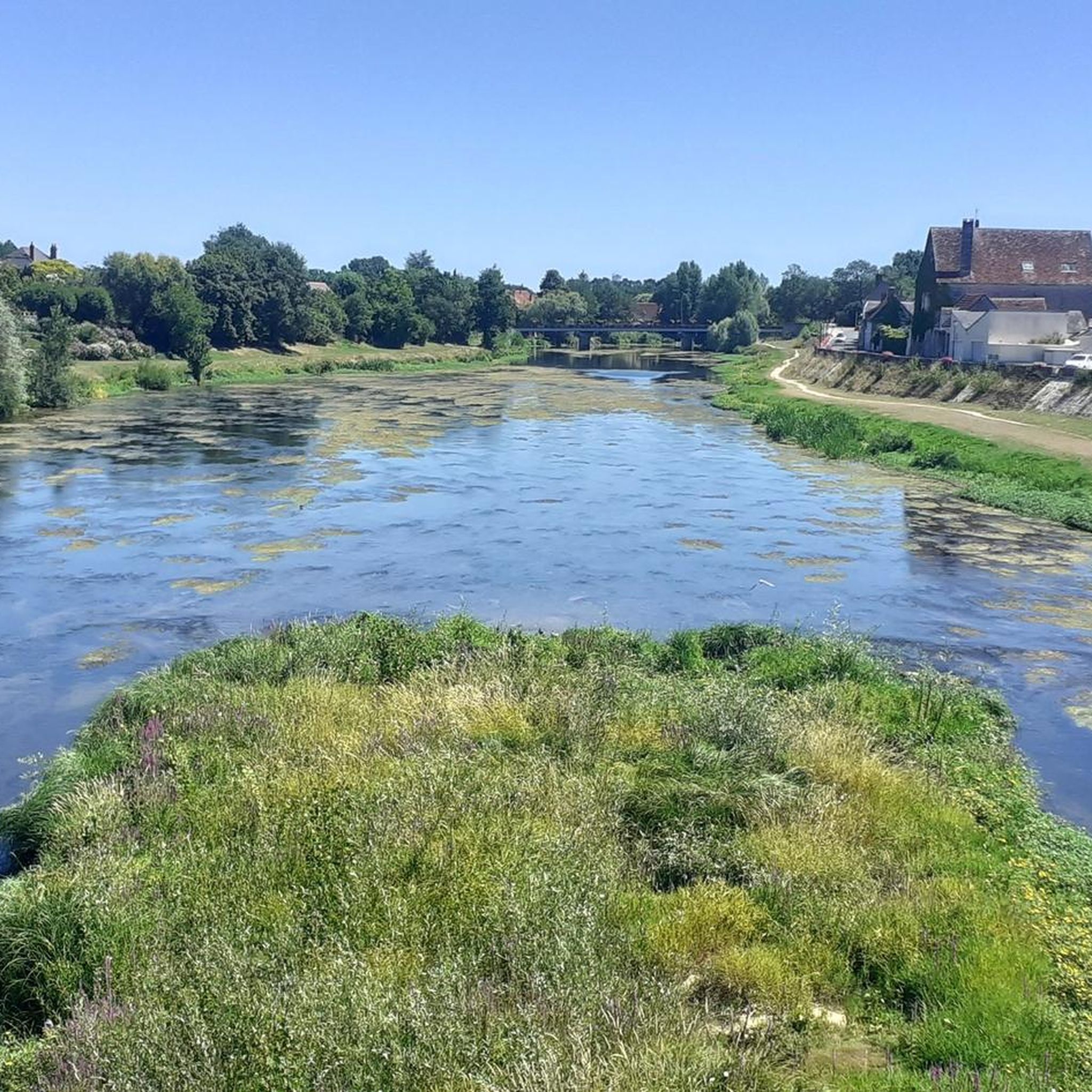
Gravel biking around Chémery offers routes through a landscape characterized by river valleys, historical castles, and rolling terrain. The region features a mix of open paths and sections alongside waterways like the Cher and Beuvron rivers. Elevation gains are generally moderate, with most routes navigating gentle hills rather than steep climbs. This area provides varied surfaces suitable for gravel bikes, connecting natural scenery with local heritage sites.
Best gravel bike trails around Chémery
- The most popular gravel bike trail is The castle, the banks of the river cher loop from Contres, a 29.4 miles (47 km) trail that takes 3 hours to complete, exploring historical sites and riverside paths.
- Another top favourite among local gravel bikers is The castle, the banks of the river cher – Chémery Castle loop from Contres, a moderate 34.3 miles (55 km) path. This route features views of Chémery Castle and follows the riverbanks.
- Local gravel bikers also love the Troglodyte houses in Bourré – Saint-Aignan Church loop from Saint-Aignan - Noyers, a 27.6 miles (44 km) trail leading through historical troglodyte houses and past the Saint-Aignan Church, often completed in about 3 hours 10 minutes.
- Gravel biking around Chémery is defined by riverbanks, historical castles, and gentle hills. The network offers options for different ability levels, with a focus on moderate routes.
- The guide includes highly-rated routes that showcase the best of the region's landscape. More than 30 gravel bikers have used komoot to explore Chémery's varied terrain.
Last updated: May 21, 2026
5
riders
47.3km
02:58
200m
200m
Moderate gravel ride. Good fitness required. Mostly paved surfaces. Suitable for all skill levels.
4
riders
Moderate gravel ride. Good fitness required. Mostly paved surfaces. Suitable for all skill levels.

Sign up for free
8
riders
Moderate gravel ride. Good fitness required. Mostly paved surfaces. Suitable for all skill levels.
3
riders
52.4km
03:23
220m
220m
Moderate gravel ride. Good fitness required. Mostly paved surfaces. Suitable for all skill levels.
3
riders
54.7km
03:22
140m
140m
Hard gravel ride. Good fitness required. You may need to push your bike for some segments of this route.
Get access to more routes and recommendations from other explorers.
Sign up for free
Already have an account?
Our route recommendations are based on thousands of hikes, rides, and runs completed by other people on komoot.
Start today with a free account
Your next adventure awaits.
Login or Signup


Tips from the Community

The Collegiate Church of Saint-Aignan is a French church located in the center of the city of Orléans, on the north bank of the Loire River, in the Loiret department in the Centre-Val de Loire region. It is dedicated to Saint Aignan, Bishop of Orléans. This beautiful church was originally built for the cult of Saint Aignan, whose relics were kept in the crypt. The current basilica, begun by Charles VII in 1438 but completed in 1509 by Louis XII, is not the first construction, as traces of buildings dating from the 6th, 9th, 11th, 14th, and 15th centuries have been found. They were all destroyed by fire, floods, or human hands. The people of Orléans, and in particular the canons, have always been keen to rebuild this building because Saint Aignan is an important figure in the history of Orléans, due to the role he played against the barbarians in the 5th century. While bishop of the city, he is said to have miraculously defended it against the Hun invasion in 451. https://www.tourismeloiret.com/fr/diffusio/visites/collegiale-saint-aignan-orleans_TFOPCUCEN045V501HHG
3
0
Saint Aignan, who died in 453 after defending the people of Orleans against the Huns, was buried in a first tomb. As veneration of his relics grew, a basilica was built. A community of monks settled there, and canons replaced them in the 9th century. Following the damage caused by Norman attacks and the fire of 999, Charles the Bald began reconstruction, and Robert the Pious completed the Romanesque church with its crypt housing the relics of Saint Aignan. This church was consecrated on June 14, 1029. We will soon celebrate its millennium. https://collegiale-saintaignan-dorleans.fr/la-crypte/
4
0
Collegiate Church of Saint-Aignan https://fr.wikipedia.org/wiki/Coll%C3%A9giale_Saint-Aignan_de_Saint-Aignan
3
0
Collegiate church and crypt with frescoes https://www.val-de-loire-41.com/visite/collegiale-et-crypte-avec-fresques-pcu41aasor100182/
4
0


Nice view of the village crossing the bridge, with the castle and Museums of Montrichard in the distance. The castle is an 11th century fortress, now a museum.
0
0

A beautiful picnic area with a small wooden shelter and a table to take a break during your hike.
3
0
With picnic benches and trees surrounding you, this spot is a great place to take a break during your run (if you need it of course)!
2
0
Frequently Asked Questions
What is the general difficulty level of gravel biking routes around Chémery?
The gravel biking routes around Chémery are predominantly moderate, with a few easier options available. The region features gentle hills and moderate elevation gains, making it suitable for riders with some experience. For example, the route The castle, the banks of the river cher loop from Contres is rated as moderate, offering a good representation of the area's terrain.
Are there any family-friendly gravel bike trails in the Chémery area?
While most routes are moderate, the gentle terrain and riverbank paths around Chémery can be enjoyable for families with older children or those comfortable with longer distances. The region's focus on moderate routes means that while there isn't a specific 'easy' family trail listed, the overall landscape is less demanding than mountainous regions. Always check individual route details for distance and elevation to ensure it suits your family's capabilities.
What kind of scenery can I expect on gravel bike routes near Chémery?
Gravel biking around Chémery offers a diverse landscape characterized by picturesque river valleys, historical castles, and rolling terrain. You'll find a mix of open paths and sections alongside waterways like the Cher and Beuvron rivers, connecting natural scenery with local heritage sites. Many routes provide views of historical landmarks such as Chémery Castle.
Are there any specific viewpoints or interesting landmarks along the gravel bike trails?
Yes, several routes offer views of historical landmarks and natural beauty. For instance, the The castle, the banks of the river cher – Chémery Castle loop from Contres features views of Chémery Castle. You can also explore nearby attractions like Gué-Péan Castle or the serene Salais Pond, which are accessible from some routes.
What is the best time of year for gravel biking in Chémery?
The Chémery region is generally pleasant for gravel biking from spring through autumn. During these seasons, you can expect mild temperatures and lush scenery along the riverbanks and through the countryside. While specific conditions vary, avoiding the peak heat of summer or the colder, potentially wetter days of winter will generally provide the most comfortable experience.
Are there many loop routes available for gravel biking in Chémery?
Yes, the Chémery area features a good selection of loop routes, which are convenient for starting and ending at the same point. Many popular trails, such as the Troglodyte houses in Bourré – Saint-Aignan Church loop from Saint-Aignan - Noyers, are designed as loops, allowing you to explore the region without needing shuttle arrangements.
What are the parking options for accessing gravel bike trails around Chémery?
Parking availability varies by the specific starting point of each route. Many routes begin from towns or villages like Contres or Saint-Aignan - Noyers, where public parking is generally available. It's advisable to check the starting location of your chosen route on komoot for specific parking recommendations or nearby public parking areas.
Are there any gravel bike routes accessible by public transport near Chémery?
While Chémery itself is a smaller commune, some starting points for gravel bike routes, such as Saint-Aignan - Noyers, may have better public transport connections. For example, the route Saint-Aignan Church – View over St Aignan loop from Saint-Aignan - Noyers starts from a location that might be more accessible by regional transport. We recommend checking local bus or train schedules for connections to the specific starting points of your desired routes.
Can I find cafes or places to stop for refreshments along the gravel bike trails?
Many gravel bike routes in the Chémery region pass through or near charming villages and towns. These often offer opportunities to stop for refreshments at local cafes, bakeries, or small shops. Planning your route to include stops in places like Contres or Saint-Aignan can enhance your ride with a break and a local treat.
What should I wear for gravel biking in Chémery?
Given the varied surfaces and potential for changing weather, layering is key. We recommend wearing comfortable cycling attire, including padded shorts, a moisture-wicking base layer, and a windproof or waterproof jacket, especially during spring and autumn. Always check the local weather forecast before your ride and bring appropriate gear for sun protection or rain.
How many gravel bike routes are available in the Chémery area?
There are over 10 gravel bike routes available in the Chémery area, catering to various preferences. These routes offer a good mix of distances and moderate difficulty levels, ensuring there's something for most gravel bikers to explore.
What do other gravel bikers enjoy most about the Chémery region?
The Chémery region is appreciated by the komoot community for its blend of natural beauty and historical charm. Many of the 33 visitors who have explored these routes praise the scenic riverbank paths, the views of historical castles, and the generally gentle, rolling terrain that makes for an enjoyable gravel biking experience.
Most popular attractions around Chémery

Get inspired with the komoot mobile app


Explore more
Browse the best Gravel rides in other regions.
