The best gravel rides around Quettehou
4.6
(12)
76
riders
7
rides
Gravel biking around Quettehou offers a diverse landscape for cyclists, blending coastal scenery with varied inland terrain. The region is characterized by picturesque coves, the Saire estuary, and a mix of flat coastal paths and gentle hills. Riders can explore dense forests, unique marsh ecosystems, and the green bocage countryside. This environment provides a range of surfaces suitable for gravel bikes, from unpaved tracks to quieter paved sections.
Best gravel bike trails around Quettehou
- The most popular gravel bike trail…
Last updated: October 5, 2026
8
riders
38.0km
02:07
160m
160m
Moderate gravel ride. Good fitness required. Mostly paved surfaces. Suitable for all skill levels.
5.0
(1)
8
riders
46.0km
02:49
200m
200m
Moderate gravel ride. Good fitness required. Mostly paved surfaces. Suitable for all skill levels.

3.7
(3)
13
riders
Hard gravel ride. Good fitness required. You may need to push your bike for some segments of this route.
4.5
(4)
11
riders
18.8km
00:59
30m
30m
Easy gravel ride. Great for any fitness level. Mostly paved surfaces. Suitable for all skill levels.
7
riders
79.5km
04:51
640m
640m
Hard gravel ride. Very good fitness required. Mostly paved surfaces. Suitable for all skill levels.
Get access to more routes and recommendations from other explorers.
Already have an account?
Our route recommendations are based on thousands of hikes, rides, and runs completed by other people on komoot.
Start today with a free account
Your next adventure awaits.
Tips from the Community

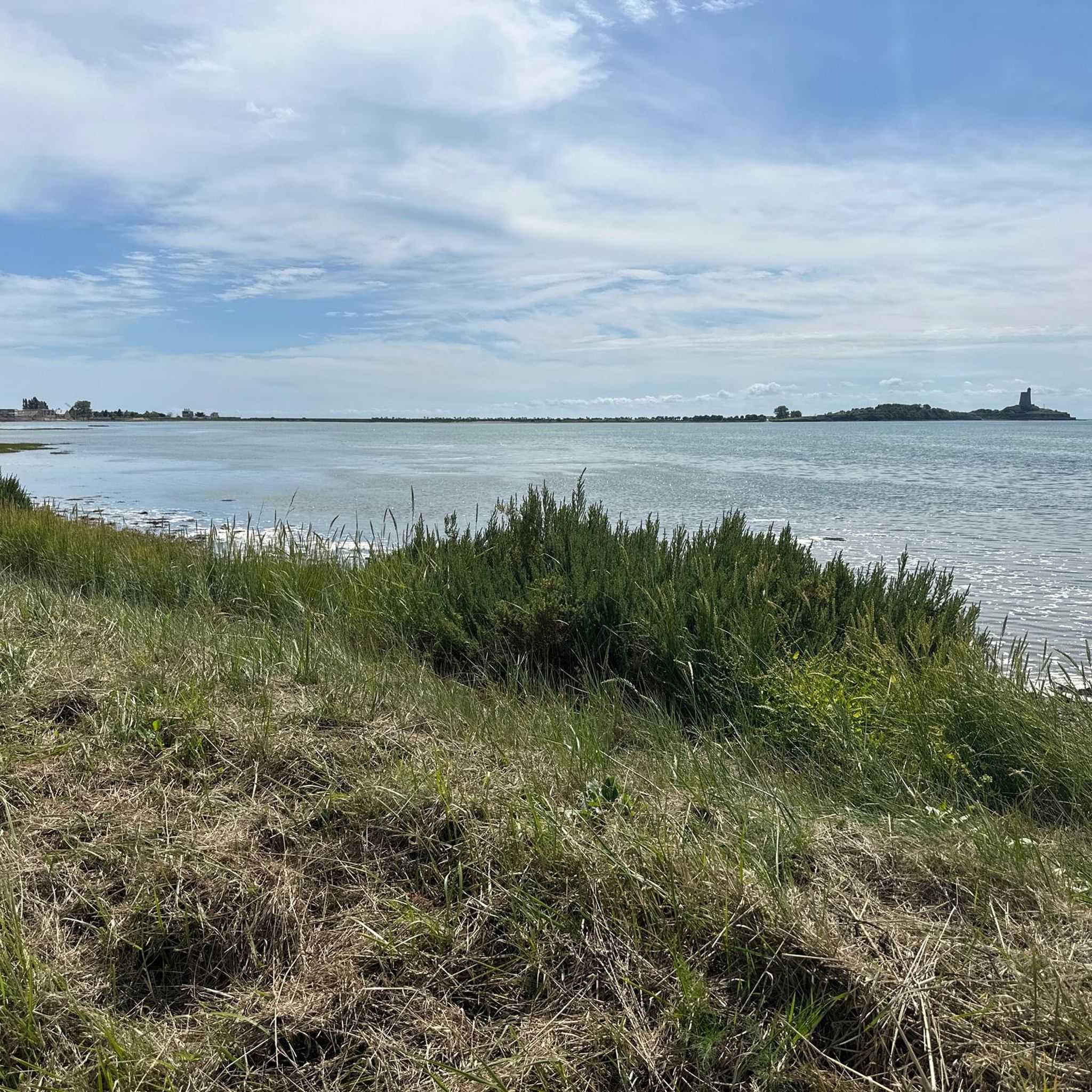
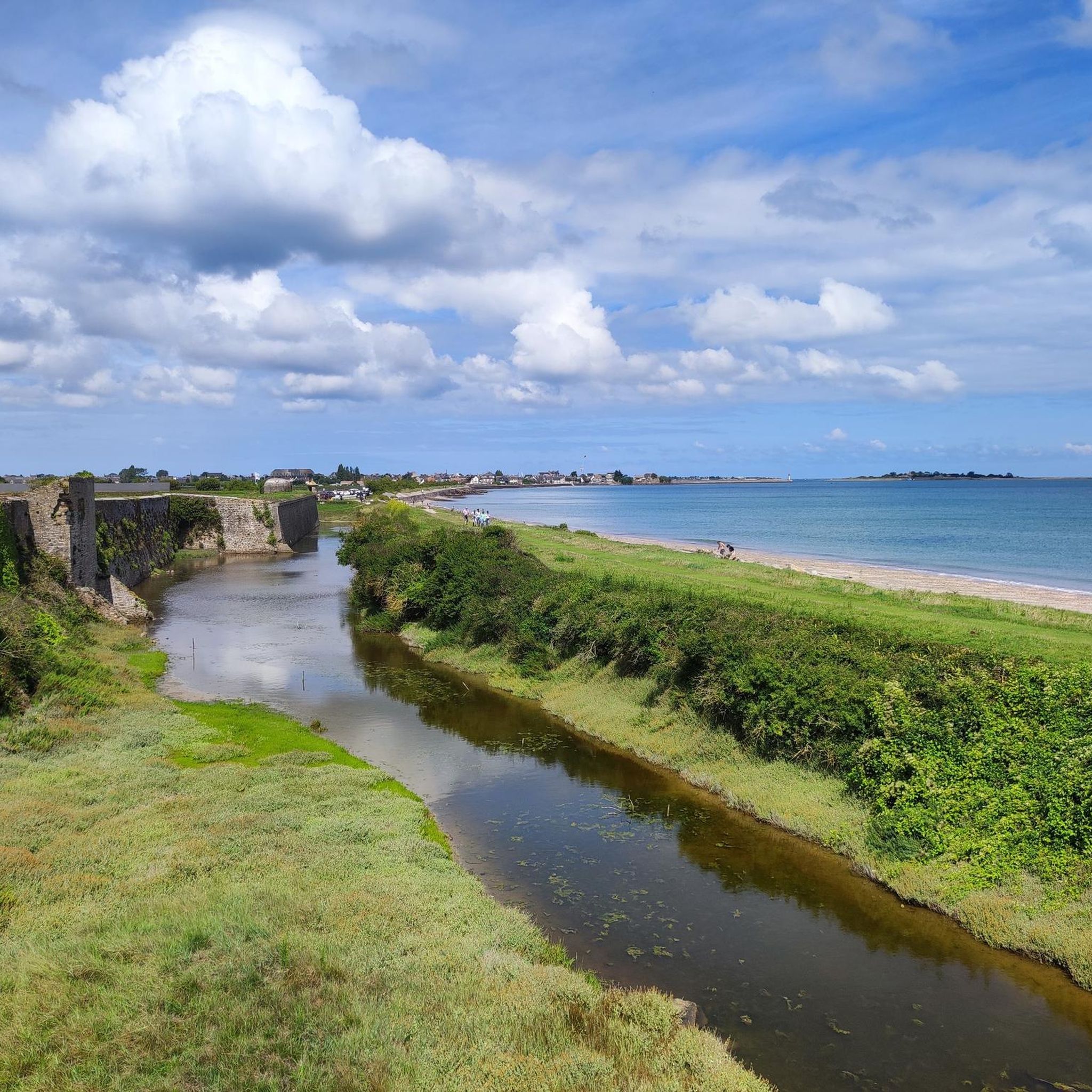
The Fort de la Hougue is located on a peninsula south of Saint-Vaast-la-Hougue on the east coast of the Cotentin. After the naval battle of La Hougue in 1692, in which numerous French warships were destroyed, Louis XIV had the bay more heavily fortified. Starting in 1694, the mighty Tour de la Hougue was built under the direction of the fortress engineer Benjamin de Combes according to Vauban's principles. Together with the opposite tower on the Île Tatihou, it secured the approach to the bay through overlapping artillery fire. In the 19th century, the complex was expanded with additional batteries and ammunition buildings. During the Second World War, the German occupiers integrated the fort into the Atlantic Wall. Today, therefore, fortification elements from several centuries have been preserved. Since 2008, the Tour de la Hougue, together with Tatihou, has been part of the UNESCO World Heritage "Fortifications of Vauban".
1
0

pay attention to the direction of the wind
0
0

Towards Ravenoville and its unique colorful houses in the Cotentin
0
0
Location from which the landing was first reported in Berlin
0
0
Small sandy path along the seafront.
0
0

Childhood memory, it's a very nice place to have fun on the beach
2
0
Very nice place to visit to learn about the history of 1944
0
0
Very nice place to learn more about the history of 1944
2
0
Frequently Asked Questions
What kind of terrain can I expect on gravel bike trails around Quettehou?
The region offers a diverse mix of terrain, perfect for gravel biking. You'll find coastal paths with stunning sea views, gentle hills, and varied inland landscapes including green bocage, wild marshes, and dense forests. This blend provides both unpaved tracks and quieter paved sections.
Are there any easy or beginner-friendly gravel routes near Quettehou?
Yes, while many routes offer a moderate challenge, there are options suitable for beginners. The area's varied terrain includes flat coastal paths that are ideal for a more relaxed ride. For a moderate option, consider the Anse du Brick – View from Pied Sablon to Cap Levi loop from Théville, which offers coastal views and diverse terrain over 62.9 km.
Where can I find challenging gravel bike routes in the Quettehou area?
For a more challenging experience, the region offers several difficult routes. The 2nd Armored Division Monument – Utah Beach loop from Montebourg is a difficult 79.7 km path exploring historical sites and coastal stretches. Another challenging option is the Barfleur Harbour – Gatteville lighthouse loop from Saint-Vaast-la-Hougue, a 34.0 km trail leading through coastal villages and past significant landmarks.
Are there any scenic routes with coastal views or natural features?
Absolutely. Many routes in Quettehou feature stunning coastal scenery, including picturesque coves and the Saire estuary. You can experience refreshing sea air and scenic backdrops. Locations like La Pernelle also offer breathtaking panoramic views over the Val de Saire, Tatihou island, and the Bay of Saint-Vaast-la-Hougue. The Along the beach (Gravel) – Saint-Vaast-la-Hougue loop from Quinéville is a great option for coastal riding.
What historical landmarks or points of interest can I see along the gravel trails?
The region is rich in history and culture. You can encounter UNESCO-listed Vauban towers at Saint-Vaast-la-Hougue and Tatihou Island. Other notable points include the charming Barfleur Harbour and the imposing Gatteville lighthouse. The 2nd Armored Division Monument – Utah Beach loop from Montebourg specifically explores historical sites.
Are there any routes that pass by waterfalls or unique natural features?
Yes, the region boasts unique natural features. You can find the beautiful Waterfall on the Saire at Le Vast. The area also features distinct marsh ecosystems, such as the nature reserve of the Sangsurière and Adriennerie marshes, offering unique riding experiences and opportunities for wildlife observation. The Mouth of the Saire is another natural highlight.
What do other gravel bikers say about the trails in Quettehou?
The gravel biking routes around Quettehou are highly rated by the komoot community, with an average score of 4.8 stars from more than 5 reviews. Riders often praise the diverse landscapes, from coastal paths to varied inland terrain, and the opportunities to explore historical sites and natural beauty.
Are there any family-friendly gravel biking options in Quettehou?
Quettehou offers a range of routes, and the flatter coastal paths are generally suitable for families. The region's commitment to cycling, with over 1,200 km of cycle routes and 230 km of greenways across La Manche, means you can find less challenging sections ideal for a family outing. Always check the specific route details for elevation and surface conditions to ensure it matches your family's ability.
Can I find circular gravel bike routes starting from Quettehou?
Yes, many of the gravel routes in the Quettehou area are designed as loops, allowing you to start and finish in the same location. For example, the Sainte-Mère-l'Église – Azzeville Battery loop from Montebourg is a moderate 52.9 km circular route that explores historical sites.
What is the best time of year for gravel biking in Quettehou?
The region is generally pleasant for cycling from spring through autumn. The coastal proximity provides refreshing air, making it enjoyable during warmer months. However, the varied terrain means you can find suitable conditions for riding in most seasons, though checking local weather forecasts is always recommended.
Are there options for public transport access to gravel biking trails near Quettehou?
The wider La Manche department has a commitment to cycling, with some routes accessible by train. For specific details on public transport links to trailheads around Quettehou, you can consult resources like Manche Tourism's cycling information, which may provide insights into train access routes in the broader region.
Are there any cafes or places to stop for refreshments along the gravel routes?
The charming fishing port of Saint-Vaast-la-Hougue, very close to Quettehou, is an ideal spot for a break with its amenities. Similarly, the port village of Barfleur is known for being a good place to stop. Many routes pass through or near these lively towns and villages, offering opportunities for refreshments.
Most popular attractions around Quettehou

Get inspired with the komoot mobile app


Explore more
Browse the best Gravel rides in other regions.
