Top 20 Caves around Altheim (Alb)
Best caves around Altheim (Alb) are found within the Swabian Alb, a region known for its extensive karst landscape. This area features numerous impressive caves, offering insights into the underground world. The geological formations and historical significance of these sites make them notable destinations. Visitors can explore a variety of cave types, from ancient river caves to those with archaeological importance.
Best caves around Altheim (Alb)
- The most popular caves is Bear Cave and Hohlenstein-Stadel, a cave that provided…
Last updated: May 26, 2026
Fohlenhaus Caves
Highlight • Cave
Translated by Google •
Tip by

Bear Cave and Hohlenstein-Stadel
Highlight • Cave
Translated by Google •
Tip by

Sign up now to discover places like this
Get recommendations on the best single tracks, peaks, & plenty of other exciting outdoor places.
Sign up for free
Bockstein Cave
Highlight • Cave
Translated by Google •
Tip by

Lone Valley
Highlight • Gorge
Translated by Google •
Tip by

Mordloch Cave
Highlight • Cave
Translated by Google •
Tip by

Sign up for free to discover even more caves around Altheim (Alb).
Sign up for free
Already have an account?
Start today with a free account
Your next adventure awaits.
Login or Signup
Tips from the Community

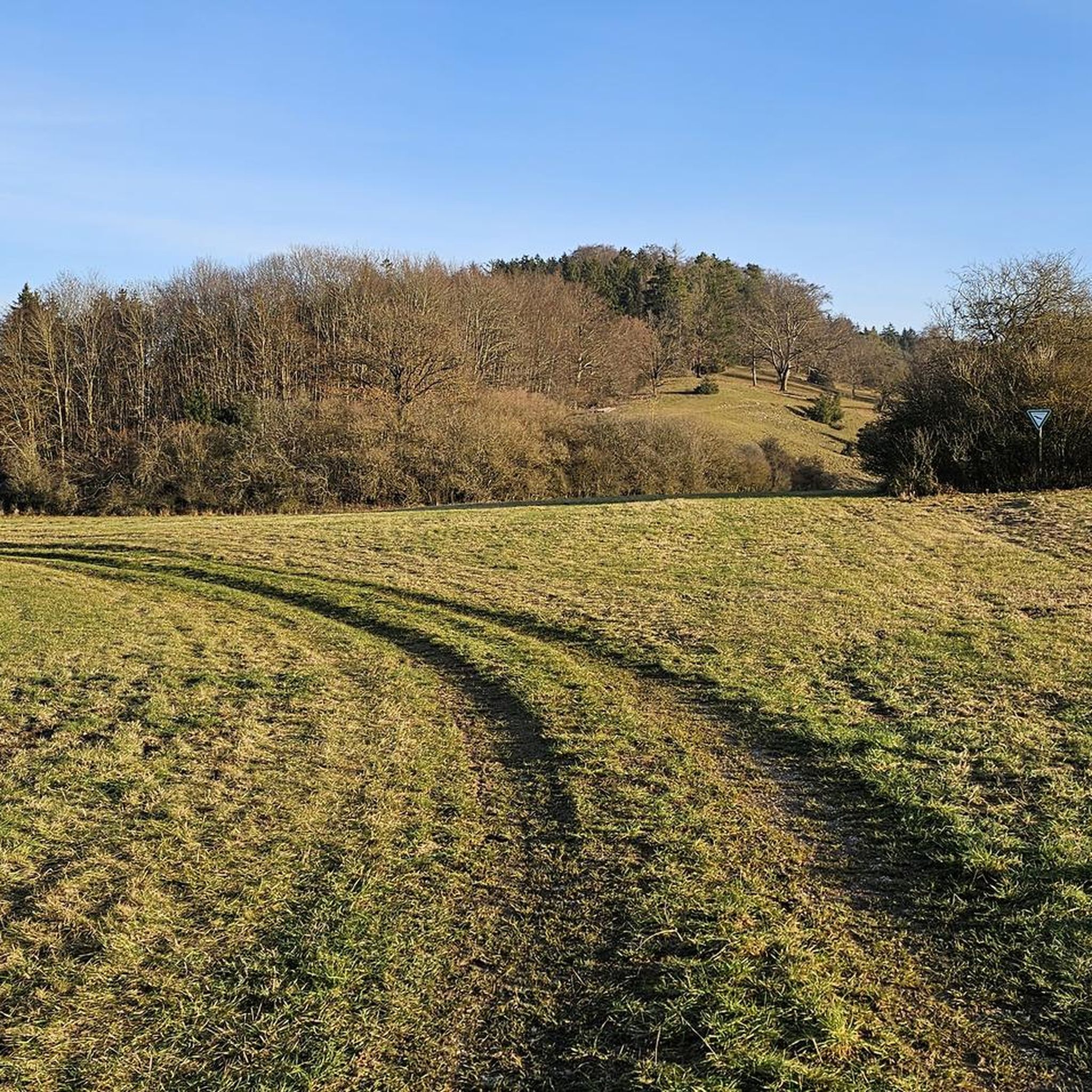
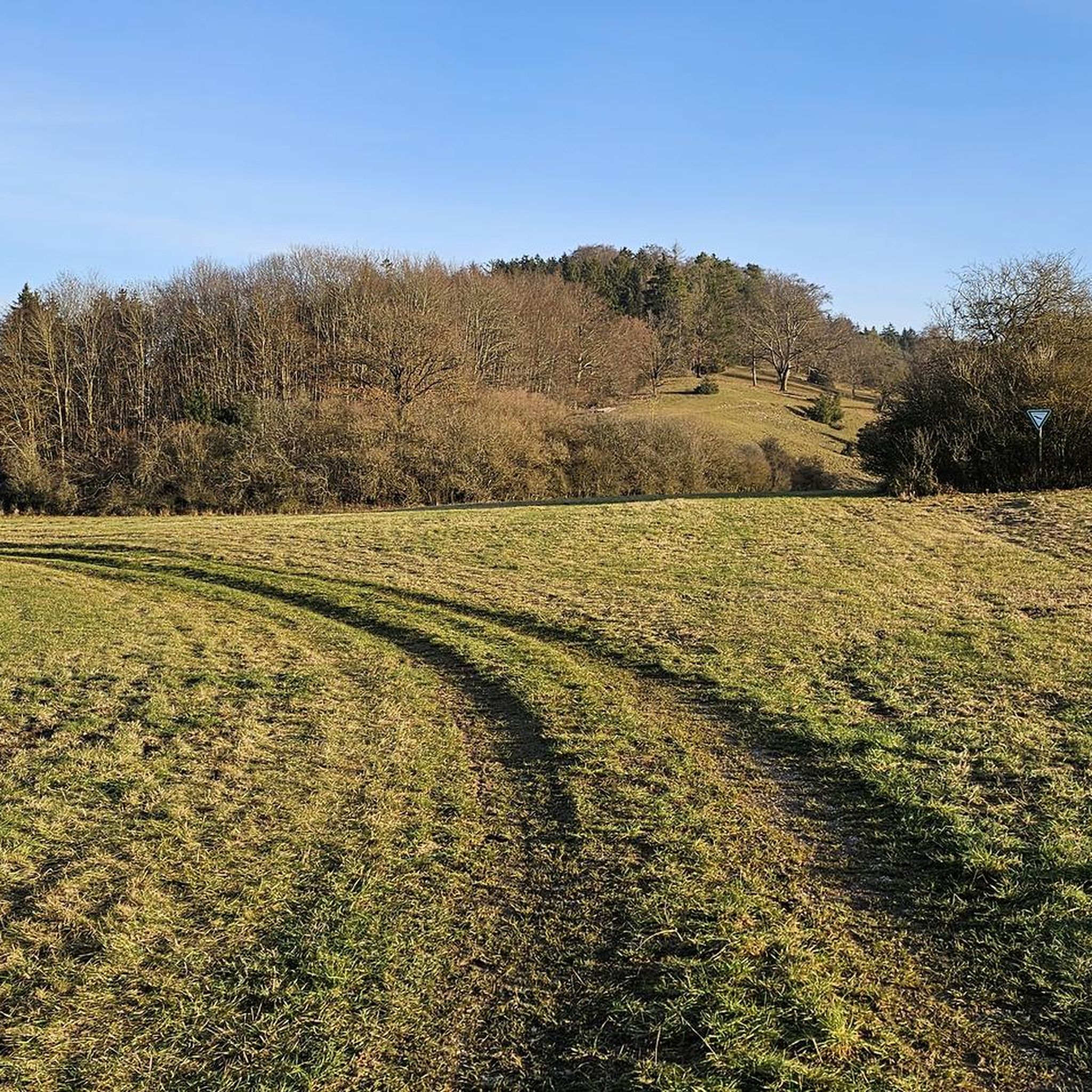
The Fohlenhaus Stone Age Cave in the Lone Valley is a fascinating destination for nature and history enthusiasts. This impressive karst cave once served as a shelter for Stone Age people and today offers a glimpse into times long past. With its distinctive shape and special charm, it exudes a sense of mysticism.
9
0

Many paths meet here, great views of the cave.
5
0


A wonderful hike that children should also enjoy. Already the caves and the forest nature trail, then to the Geopark. The day is saved.
7
1


There are actually two caves that probably served at least as accommodation during hunting in the Stone Age. Both caves were largely excavated by Ludwig Bürger in 1883/84. I would like to refer you to the beautifully designed museum in Blaubeuren, which of course also deals with the caves here. https://www.urmu.de/de/Home The caves are also located on a beautiful meadow in the quiet Lone Valley with a refuge and barbecue area.
7
0
Frequently Asked Questions
What unique geological features can I explore in the caves around Altheim (Alb)?
The caves in the Swabian Alb, near Altheim (Alb), offer diverse geological features. You can find ancient river caves, impressive stalactite formations, and even unique vertical cave systems. For example, the Fohlenhaus Caves are a distinctive karst cave, while the Laichinger Tiefenhöhle is Germany's only publicly accessible vertical cave, showcasing a fossilized reef from the Jurassic period with pearl sinter formations.
Are there any caves with significant historical or archaeological importance in the region?
Yes, the region is rich in historical and archaeological sites. The Bear Cave and Hohlenstein-Stadel is renowned for providing important Palaeolithic cult finds, including the famous "lion man" figure. The Bockstein Cave is recognized as the oldest Neanderthal settlement complex in southern Germany, with finds dating back over 50,000 years. Additionally, the Sontheimer Höhle is considered the oldest show cave in Germany, with archaeological discoveries of Celtic and early Alemannic grave finds.
Which caves are suitable for families with children?
Several caves are family-friendly. The Schertelshöhle, with its well-lit pathways and guesthouse, is suitable for all ages. The Laichinger Tiefenhöhle also offers a special children's audio track for its tours. For outdoor exploration, the Lone Valley, which contains several caves, is described as a perfect spot for family walks.
What is the best time of year to visit the caves near Altheim (Alb)?
Most show caves are open during the warmer months. For example, the Sontheimer Höhle is closed from November to April to protect hibernating bats. The Laichinger Tiefenhöhle is generally open daily from 10:00 to 18:00 during its season. Visiting on a hot day can be particularly refreshing, as the caves maintain a cool temperature of 6 °C to 9 °C.
Are there any caves that offer a more adventurous or challenging experience?
For a more adventurous experience, the Laichinger Tiefenhöhle is Germany's only publicly accessible vertical cave, involving a descent of 700 steps to a depth of 55 meters. The Mordloch Cave is a water cave that can be explored for about 50-80 meters in dry summers, but it becomes challenging and dangerous after rain, suitable only for experienced speleologists beyond that point.
What should I wear when visiting the caves?
Due to the consistently cool temperatures inside the caves (typically 6 °C to 9 °C), warm clothing is highly recommended, even on hot days. Sturdy footwear is also advisable, especially for caves like the Laichinger Tiefenhöhle which involves many steps and potentially damp surfaces.
Are there any permits required to visit the caves?
Show caves like Laichinger Tiefenhöhle, Schertelshöhle, and Sontheimer Höhle typically have entrance fees and specific opening hours, but do not require special permits for general visitor access. Freely accessible caves like Bockstein Cave and Mordloch Cave do not require permits for entry, though caution is advised for the latter.
What outdoor activities can I do near the caves around Altheim (Alb)?
The region offers various outdoor activities. You can find numerous running trails, such as the "Trail to Fohlenhaus – Fohlenhaus Caves loop from Börslingen" which is a difficult 11.8 km route. There are also MTB trails, including the "Fohlenhaus Caves – Hohlenstein Cave loop from Heldenfingen" (91.8 km, difficult). For easier options, explore easy hikes like the "Hungerbrunnen Karst Spring – Hungerbrunnen Spring loop from Altheim (Alb)" (5.8 km, easy). You can find more details on these activities in the Running Trails around Altheim (Alb), MTB Trails around Altheim (Alb), and Easy hikes around Altheim (Alb) guides.
Are there places to eat or drink near the caves?
Yes, some caves have facilities nearby. The Schertelshöhle includes a guesthouse (Rasthaus) with a sun terrace. The Laichinger Tiefenhöhle also has an on-site visitor café (Rasthaus) that houses a speleological museum.
What do visitors appreciate most about the caves in this area?
Visitors frequently appreciate the unique geological formations, the historical significance, and the refreshing escape the caves offer, especially on warm days. The Bear Cave and Hohlenstein-Stadel is often referred to as the "St. Peter's Basilica of the Stone Age" due to its archaeological importance, while the Fohlenhaus Caves are noted for their distinctive shape and mystical charm.
Is there a cave that serves as an important wildlife habitat?
Yes, the Sontheimer Höhle is an important hibernation site for rare bat species on the Swabian Alb. Over 1200 bats were recorded hibernating there in the winter of 2021/2022, which is why the cave is closed to visitors from November to April to protect them.
Can I find information about the formation of the caves and the local geology?
Absolutely. The Laichinger Tiefenhöhle is particularly noted for demonstrating the karstification and layered rock structure of the Swabian Alb, often called a "geological X-ray image." Its visitor café also houses a speleological museum with insights into cave formation, groundwater, stalactites, stalagmites, and fossils.
Most popular routes around Altheim (Alb)
Most popular attractions around Altheim (Alb)

Get inspired with the komoot mobile app


Explore more
Extend your search for the best caves by checking out these guides of the top ones around Altheim (Alb):
