The best gravel rides around Ars-Laquenexy
4.3
(62)
437
riders
82
rides
Gravel biking around Ars-Laquenexy offers a diverse landscape characterized by river valleys, gentle hills, and water bodies. The region features routes along the Moselle River and around local lakes, providing varied terrain for gravel cyclists. Elevations are present, with some routes including climbs up to Mount Saint-Quentin. The area combines natural paths with sections that may pass through the fringes of urban areas, with forest-rich areas and potential for rides through vineyards.
Best gravel bike trails around Ars-Laquenexy
- The most…
Last updated: October 6, 2026
4.7
(21)
91
riders
46.0km
02:29
210m
210m
Moderate gravel ride. Good fitness required. Mostly paved surfaces. Suitable for all skill levels.
4.5
(12)
56
riders
24.6km
01:26
70m
70m
Easy gravel ride. Great for any fitness level. Mostly paved surfaces. Suitable for all skill levels.

3.5
(2)
29
riders
41.9km
02:58
520m
520m
Hard gravel ride. Very good fitness required. Mostly paved surfaces. Suitable for all skill levels.
4.5
(8)
23
riders
33.1km
01:54
170m
170m
Moderate gravel ride. Good fitness required. Mostly paved surfaces. Suitable for all skill levels.
16
riders
25.4km
01:50
390m
390m
Moderate gravel ride. Good fitness required. Mostly paved surfaces. Suitable for all skill levels.
Get access to more routes and recommendations from other explorers.
Already have an account?
Our route recommendations are based on thousands of hikes, rides, and runs completed by other people on komoot.
Start today with a free account
Your next adventure awaits.

Tips from the Community

very impressive Roman architecture
0
0

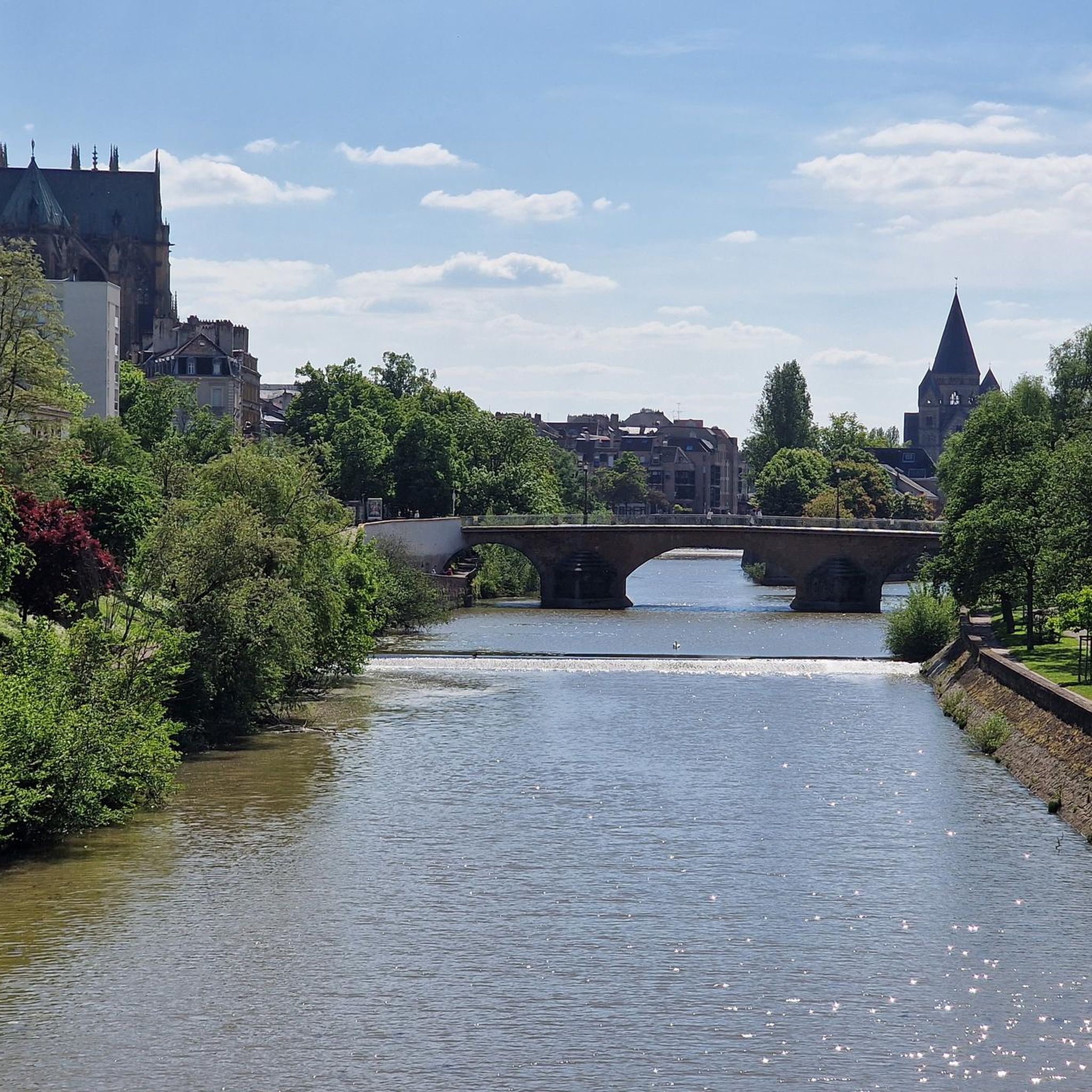
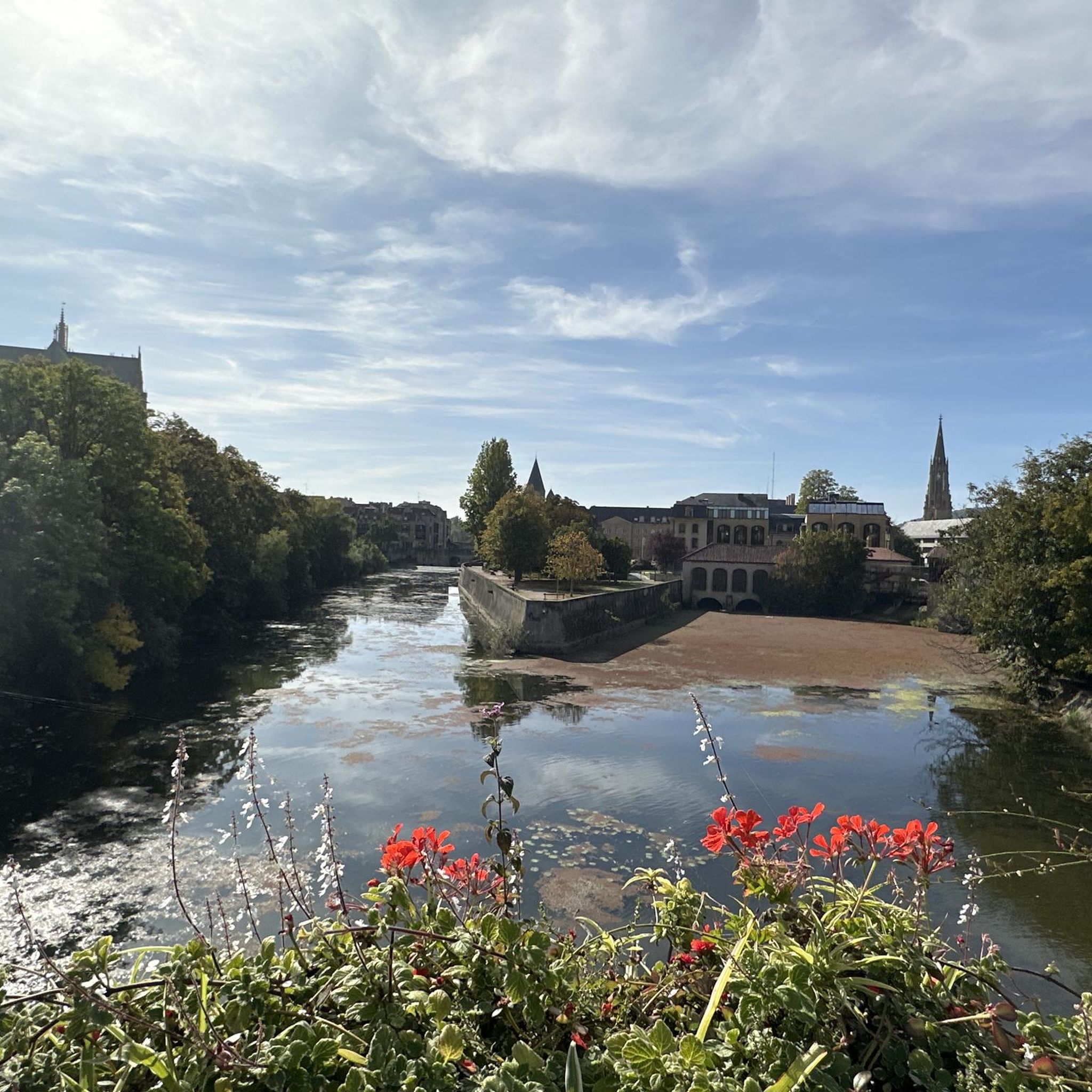
the moselle does not always have little water
0
0
beautiful aqueduct from Roman times
0
0


The Serpenoise Gate is an important element of the fortifications of the city of Metz. It was built in 1852 by the inhabitants of Metz on the ruins of the Scarponne Gate, along the axis of a Roman road.
14
0

Fort Plappeville, renamed Fort Alvensleben in 1872, is a military installation northwest of Metz. It is part of the first fortified belt of Metz, built during the Second Empire by Napoleon III. The first fortified belt of Metz consists of the forts Saint-Privat (1870), Queleu (1867), Bordes (1870), Saint-Julien (1867), Gambetta, Déroulède, Decaen, Plappeville (1867), and Saint-Quentin (1867). Most of them were still unfinished in 1870, when the Franco-Prussian War broke out.
0
0

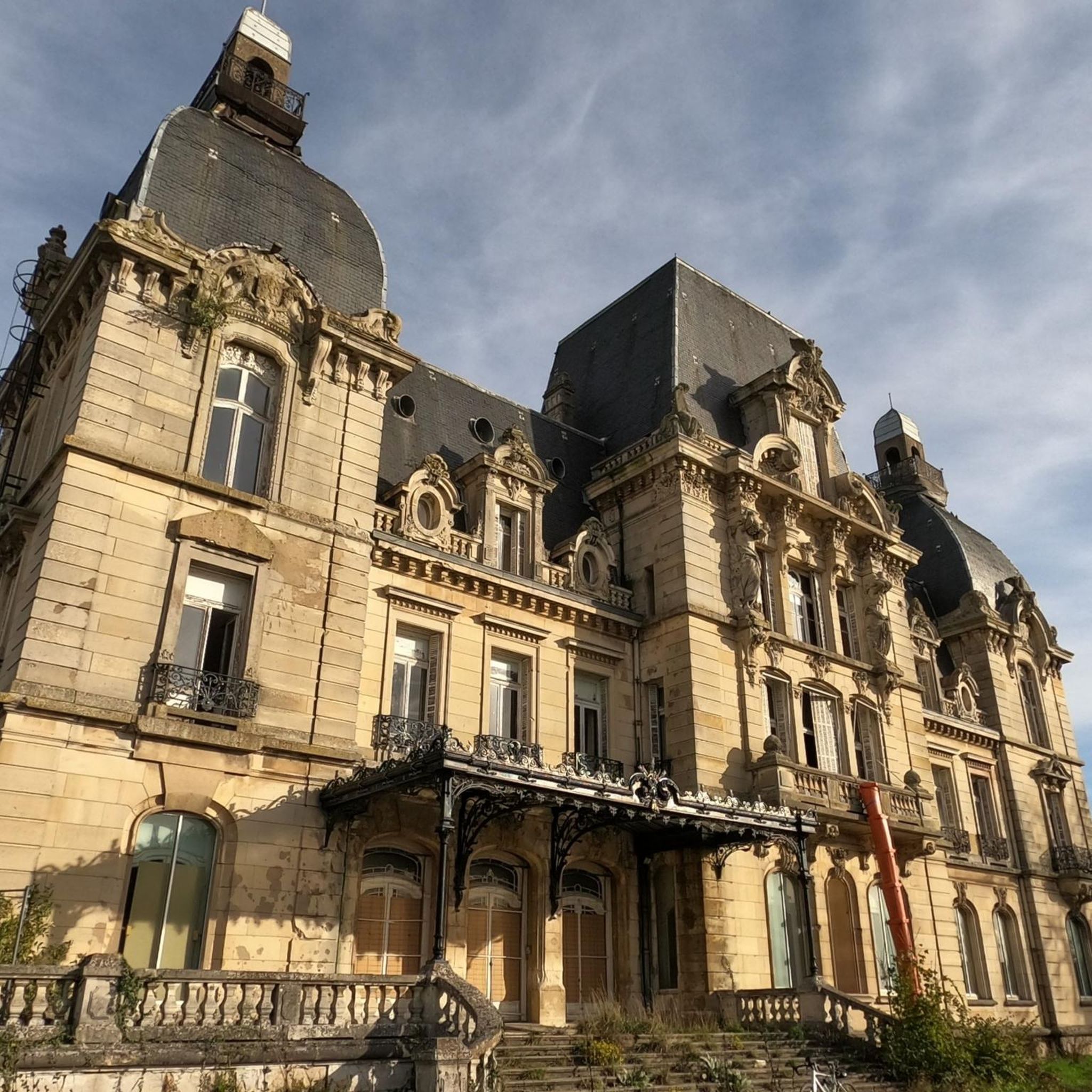
A spectacular building from 2010, the first branch of Paris's famous Centre Pompidou, a museum of contemporary art. A white, curved roof is stretched across many exposed wooden beams. Inside, the tube-like exhibition spaces are stacked one above the other in a star shape, with enormous panoramic windows at the ends offering views of the city and the surrounding area.
4
1
Frequently Asked Questions
How many gravel bike trails are available around Ars-Laquenexy?
There are nearly 100 gravel bike trails to explore around Ars-Laquenexy, offering a wide range of options for different skill levels and preferences.
Are there any easy gravel bike trails suitable for beginners or families?
Yes, Ars-Laquenexy offers several easy gravel routes. For a relatively flat and scenic ride, consider The Moselle at Metz – View of the River Moselle loop from Metz, which is 15.3 miles (24.6 km) long and follows the river valley.
What are some challenging gravel cycling routes in the area?
For those seeking a challenge, the region features routes with significant elevation gain. The Mount Saint-Quentin – Blocaus plappeville loop from Peltre is a difficult 29.3 miles (47.2 km) trail ascending Mount Saint-Quentin. Another demanding option is the Plan d'Eau de Metz – Blocaus plappeville loop from Metz, which is 26.3 miles (42.3 km) and explores varied terrain around the lake.
Are there any circular gravel bike routes around Ars-Laquenexy?
Many of the gravel routes in the area are circular, allowing you to start and end at the same point. Examples include the Moselle Left-Bank Cycle Path – View of the River Moselle loop from Metz, which is a moderate 32.3 miles (52 km) loop, and the Metz-Ville station – Seille spillway loop from Metz, a 20.3 miles (32.7 km) moderate ride.
What kind of terrain can I expect on gravel bike trails near Ars-Laquenexy?
The gravel trails around Ars-Laquenexy offer a mix of river paths along the Moselle, lakeside trails around local water bodies, and ascents into gentle hills, notably Mount Saint-Quentin. You'll encounter both natural paths and sections that may pass through the fringes of urban areas.
What are the best times of year for gravel biking in Ars-Laquenexy?
The region is generally pleasant for gravel biking from spring through autumn. Spring brings blooming landscapes, while autumn offers vibrant colors. Summers are also suitable, though it's always wise to check local weather forecasts.
What are the winter conditions like for gravel biking in Ars-Laquenexy?
During winter, conditions can vary. While some lower-lying river paths might remain rideable, higher elevations, especially around Mount Saint-Quentin, could experience colder temperatures, ice, or snow. It's advisable to check local weather and trail conditions before heading out.
What can I see along the gravel bike trails or nearby?
Many routes offer scenic views of the Moselle River and surrounding landscapes. You can also find historical sites and attractions nearby. Consider visiting the Moyen Bridge, the impressive Saint-Étienne Cathedral, or the historic Porte des Allemands.
Are there any castles or historical landmarks accessible from the gravel routes?
Yes, the area is rich in history. You can find landmarks like Fort Saint-Quentin, which some routes ascend, and Pange Castle is also in the wider region. The city of Metz itself, often a starting point for rides, boasts numerous historic landmarks.
What do other gravel bikers enjoy most about gravel biking in Ars-Laquenexy?
The area is highly rated by the komoot community, with an average score of 4.5 stars. Reviewers often praise the diverse landscape, including river valleys, gentle hills, and water bodies, as well as the variety of routes suitable for different skill levels.
Most popular routes around Ars-Laquenexy
Most popular attractions around Ars-Laquenexy

Get inspired with the komoot mobile app


Explore more
Browse the best Gravel rides in other regions.
