The best gravel rides around Illfurth
4.4
(39)
187
riders
81
rides
Gravel biking around Illfurth France offers diverse landscapes within the Alsace region, characterized by a mix of quiet country roads, white forest tracks, and farm paths. The broader Sundgau region provides varied terrain suitable for gravel enthusiasts, often combining open plains with wooded sections. While not in the high mountains, Illfurth benefits from its proximity to the Vosges Mountains, contributing to the scenic backdrop and varied elevation profiles of the routes.
Best gravel bike trails around Illfurth
- The most popular…
Last updated: October 6, 2026
4.3
(4)
19
riders
55.6km
04:24
660m
660m
Hard gravel ride. Very good fitness required. Mostly paved surfaces. Suitable for all skill levels.
10.9km
00:47
40m
40m
Easy gravel ride. Great for any fitness level. Mostly paved surfaces. Suitable for all skill levels.

6.35km
00:32
40m
40m
Moderate gravel ride. Great for any fitness level. Some segments of this route may be unpaved and difficult to ride.
3.5
(2)
6
riders
36.2km
02:35
420m
420m
Moderate gravel ride. Good fitness required. Mostly paved surfaces. Suitable for all skill levels.
4
riders
46.5km
03:18
450m
450m
Hard gravel ride. Very good fitness required. Mostly paved surfaces. Suitable for all skill levels.
Get access to more routes and recommendations from other explorers.
Already have an account?
Our route recommendations are based on thousands of hikes, rides, and runs completed by other people on komoot.
Start today with a free account
Your next adventure awaits.

Other adventures around Illfurth

Tips from the Community

Ammertzwiller – destroyed front village and mine warfare Ammertzwiller was one of the particularly contested locations on the Sundgau front during World War I. From September 1914, the front line ran immediately west of the village. German troops held Ammertzwiller, while French positions were located near Gildwiller-le-Mont, among other places. On January 1, 1915, the entire population was evacuated. Shortly thereafter, the abandoned village itself became a combat zone. The church was destroyed on January 8, 1915. By the end of the war, Ammertzwiller was almost completely devastated. The place became particularly known for mine warfare. From May 1915, French sappers and German pioneers dug tunnels under the enemy positions and detonated them. The underground warfare lasted until early 1916 and left numerous explosion craters. A striking event was the German mine detonation on July 11, 1915. The explosion under the German outpost Sautter created a massive crater. The mine crater, now filled with water, is preserved as the "Entonnoir" and serves as a reminder of this form of warfare. German troops also built an extensive system of bunkers, shelters, and underground facilities. Today, the approximately 10.5 km long "Circuit de la mémoire d’Ammertzwiller" leads through this former front landscape. Around 15 information boards explain the local history. After the war, the residents returned to a largely destroyed village. Reconstruction left a lasting mark on Ammertzwiller. Today's Saint-Étienne church, with its depictions, preserves the memory of evacuation, war, and return. Particularly worth seeing: the water-filled mine crater and the Circuit de la mémoire d’Ammertzwiller.
0
0
Altkirch Altkirch is the historic capital of the Sundgau and lies on a striking rocky spur above the valley of the Ill. The town's origins date back to the Middle Ages. The Counts of Ferrette built Altkirch into a fortified town; from 1215 onwards, it was protected by town walls and towers. The characteristic layout, narrow streets, and remnants of the fortifications have been preserved from this medieval town plan to this day. Particularly worth seeing is the Vieille Porte, a former town gate from around 1245. For centuries, Altkirch was an important administrative and commercial center of the Sundgau. After the destructions of the Thirty Years' War, numerous buildings were newly erected. The representative town hall dates from the 18th century, built in 1778 according to plans by the Swabian architect Jean Nissler. In the 19th century, the town continued to develop: alongside its traditional importance as a market and trading place, industrial enterprises emerged, including the well-known Gilardoni brickworks. The 20th century also left its mark. After the First World War, Altkirch became part of the re-Frenchified Alsace. The memory of this period is evident, among other things, at the Vieille Porte, where a Borne Vauthier commemorates the former front line of 1918. The original Altkirch war memorial from 1927 was destroyed during the German occupation in the Second World War; preserved parts were later integrated into a new memorial. Today, Altkirch, with around 6,000 inhabitants, is an important center of the Sundgau. The historic upper town with its old houses, remnants of fortifications, the town hall, and the Sundgau Museum continues to shape the townscape. Source: Ville d’Altkirch – History of the town
0
0

Altkirch is definitely worth a visit. The small town in Sundgau boasts a diverse architectural heritage that reflects its medieval and religious history. The Priory of Saint-Morand, the church Notre-Dame, the old city walls, and various medieval ruins bear witness to this richness.
0
0

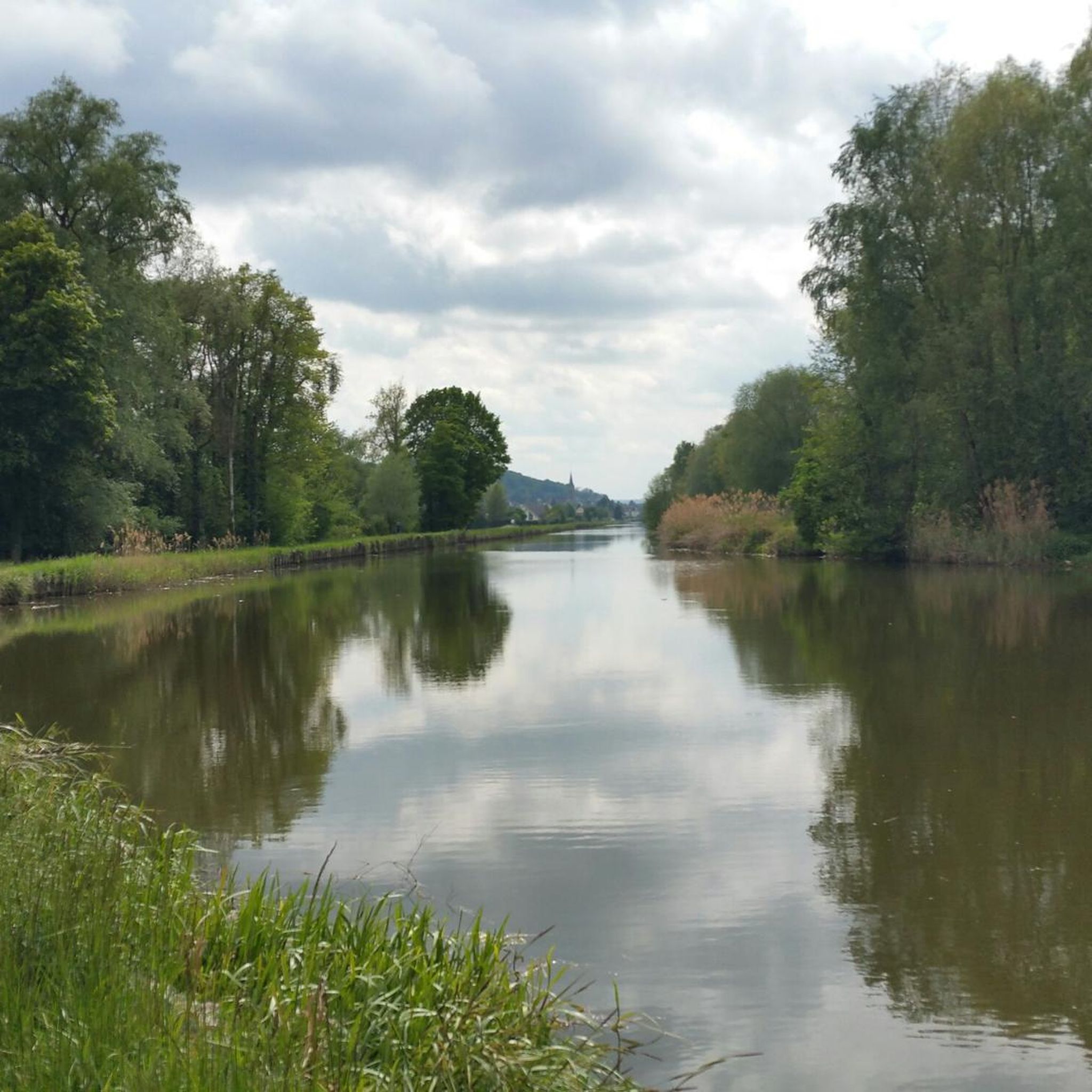
The French and European National Cycleway is a great cycleway winding along side of the Rhine Rhone Canal with very little climbing, for those who do not like to climb. However those who are climbing shy, must be aware of the wind in this area. A lot of the locks still have the former lock man’s house which adds a bit of charm to every lock. One is never alone on this route as there is a constant passing of bicycles, both leisure and racing bikes.
0
0
There are just so many magnificent well-kept Alsatian half-timbered houses along this route, take your time and enjoy the beauty of them. There are also several cafés and restaurants along the way
0
0

There's absolutely no difficulty in this climb, which is impossible in name only. You just need to know how to manage your gears and it's a breeze.
0
0

Very grateful for this highlight. Perfect stop. But beware, don't think you can also take advantage of the restaurant, you have to make a reservation for that. You can get an ice cream sundae and drinks here.
8
0
Ammertzwiller is a quiet Alsatian village that is surprisingly convenient for cyclists on the road. There are a few mini markets, restaurants and even a chemist – ideal for stocking up on provisions or taking a break. The village is set in rolling countryside and offers lovely picnic spots overlooking the fields. Information boards in the village tell the story of the local history during the First World War, making this stop not only practical but also meaningful."
8
0
Frequently Asked Questions
How many gravel bike trails are available around Illfurth?
Illfurth and the surrounding Sundgau region offer a wide variety of gravel biking experiences, with over 100 routes available on komoot. These trails cater to different preferences, ranging from easy, short rides to more challenging, longer excursions.
What kind of terrain can I expect on gravel bike trails near Illfurth?
The gravel trails around Illfurth feature a diverse mix of surfaces. You'll encounter quiet country roads, white forest tracks, and farm paths. The routes often traverse lush forests and open plains, providing a scenic backdrop. While not in the high mountains, the region benefits from its proximity to the Vosges Mountains, which influences the varied elevation profiles.
Are there gravel routes for different skill levels in Illfurth?
Yes, Illfurth offers gravel routes suitable for various skill levels. You'll find approximately 6 easy routes perfect for beginners or a relaxed ride, around 51 moderate trails for those looking for a bit more challenge, and about 43 difficult routes for experienced gravel bikers seeking a demanding adventure.
What are some easy gravel bike trails suitable for beginners in Illfurth?
For those looking for an easier ride, the region offers several gentle options. An example is Sur les traces de Jean-Jacques Henner, an easy 10.9 km path that provides a pleasant ride through the local landscape.
Are there any challenging gravel routes for experienced riders?
Absolutely. Experienced gravel bikers will find plenty of challenging routes. For instance, the Illfurth lock – Beautiful view loop from Spechbach-le-Haut is a difficult 46 km route with significant elevation gain, offering a rewarding experience for advanced riders.
What natural features or landmarks can I see along the gravel bike trails?
Many gravel routes in the Illfurth area pass by interesting natural features and historical sites. You might encounter natural monuments like the Steinbach Square or the impressive The Great Oak. Historical sites such as the Motte Castrale de Willer are also accessible, adding cultural interest to your ride.
Are there any circular gravel routes around Illfurth?
Yes, many of the gravel trails around Illfurth are designed as loops, allowing you to start and finish at the same point. For example, the Gravel or dirt path – Stetten loop from Rantzwiller is a difficult 46.5 km circular route that explores the rural surroundings.
What do other gravel bikers enjoy most about riding in Illfurth?
The gravel biking experience in Illfurth is highly rated by the komoot community, with an average score of 4.2 stars from over 20 reviews. Riders often praise the incredible variety of trails, the mix of quiet country roads and forest tracks, and the beautiful, lush landscapes of the Sundgau region.
Is Illfurth well-suited for family-friendly gravel biking?
Yes, Illfurth offers options for family-friendly gravel biking, particularly with its easier routes. These trails often feature gentle gradients and scenic paths through forests and plains, making them suitable for a relaxed outing with children. Always check the specific route details for distance and elevation to ensure it matches your family's capabilities.
Are there any cafes or pubs near the gravel bike trails in Illfurth?
The villages and towns throughout the Sundgau region, including Illfurth, often have local cafes and pubs where you can stop for refreshments. While specific establishments directly on every trail are not guaranteed, you'll find options in the communities along or near the routes for a break.
What is the best time of year for gravel biking in Illfurth?
The Alsace region, where Illfurth is located, generally offers pleasant conditions for gravel biking from spring through autumn. Spring brings blooming landscapes, while autumn provides beautiful foliage. Summer is also popular, though it can be warmer. Winter riding is possible, but conditions may vary with snow or ice, especially on forest tracks.
Are there public transport options to reach the gravel trails in Illfurth?
Illfurth is accessible by regional public transport, which can help you reach the general area. However, direct public transport links to the specific starting points of all gravel trails may be limited. It's advisable to check local bus or train schedules and consider how you'll transport your bike to the trailhead.
Where can I find parking for gravel trails in Illfurth?
Parking is generally available in the villages and towns around Illfurth, including Illfurth itself and nearby communities that serve as starting points for many routes. Look for designated public parking areas, often near town centers or trailheads. Always ensure you park responsibly and check for any local parking regulations.
Can I find accommodation suitable for cyclists in Illfurth?
Illfurth and the surrounding Sundgau region offer various accommodation options, including guesthouses, hotels, and B&Bs, many of which are accustomed to hosting cyclists. It's recommended to inquire directly with accommodations about secure bike storage or other cyclist-friendly amenities when booking.
Most popular attractions around Illfurth

Get inspired with the komoot mobile app


Explore more
Browse the best Gravel rides in other regions.
