The best gravel rides around Verrières
4.3
(79)
761
riders
60
rides
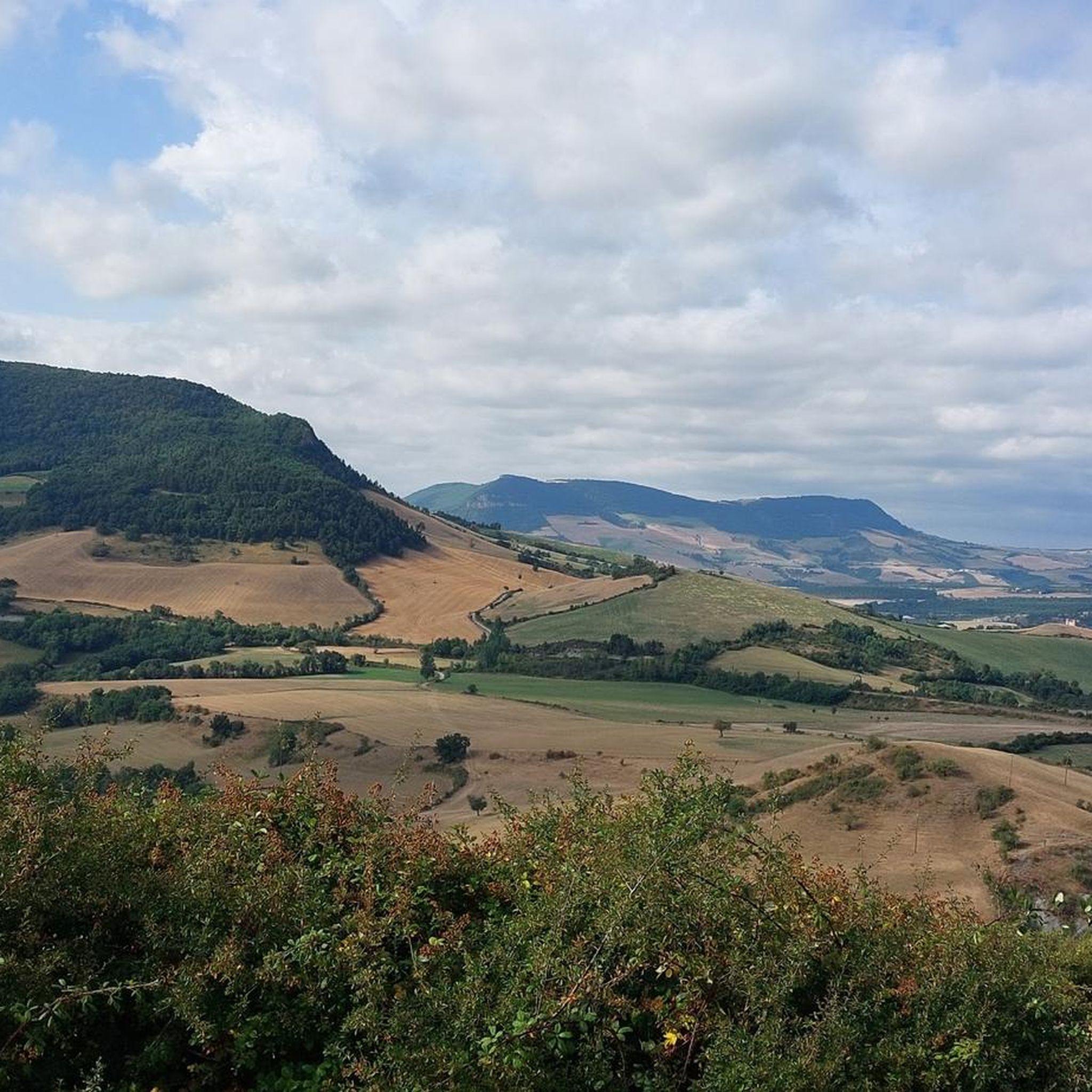
Gravel biking around Verrières offers a diverse landscape characterized by the rugged plateaus of Larzac and Causse Noir, alongside the dramatic Gorges du Tarn. The region features a mix of challenging ascents and scenic routes through varied terrain, including limestone formations and open expanses. These gravel cycling routes in Verrières provide opportunities to explore the natural beauty of the Aveyron department.
Best gravel bike trails around Verrières
- The most popular gravel bike trail is Ascent to Larzac from Millau,…
Last updated: November 2, 2026
4.6
(17)
91
riders
48.2km
03:57
690m
690m
Hard gravel ride. Very good fitness required. Some segments of this route may be unpaved and difficult to ride.
5.0
(2)
25
riders
76.4km
06:24
1,270m
1,270m
Hard gravel ride. Very good fitness required. Mostly paved surfaces.

4.7
(3)
75
riders
46.4km
03:11
720m
720m
Hard gravel ride. Very good fitness required. Mostly paved surfaces.
5.0
(2)
30
riders
74.1km
05:19
1,220m
1,220m
Hard gravel ride. Very good fitness required. Mostly paved surfaces.
4.0
(1)
62
riders
24.9km
01:51
570m
570m
Hard gravel ride. Very good fitness required. Mostly paved surfaces.
Get access to more routes and recommendations from other explorers.
Already have an account?
Our route recommendations are based on thousands of hikes, rides, and runs completed by other people on komoot.
Start today with a free account
Your next adventure awaits.


Tips from the Community

This place is the starting point of the Voie Verte which runs along the Tarn and leads to Creissels. You can discover the troglodytic village of Peyre in particular, a very pleasant forest section which, in places, forms a real green tunnel. Further on, you can enjoy a magnificent view of the Millau Viaduct.
3
0
From this point at the foot of the structure, the regular succession of piers and guyed pylons can be particularly well distinguished. The deck, 2,460 m long, crosses the valley at a height of approximately 270 m above the Tarn. Pier P2, the tallest, culminates at 245 m, while the assembly formed by the pier and its pylon reaches 343 m: a height greater than that of the Eiffel Tower. This perspective also recalls the technical feat that the construction of the viaduct represented. The metal deck was assembled in sections from either side of the valley, then progressively launched across the void. The joining of the two parts was carried out on May 28, 2004, 268 m above the Tarn, before the official inauguration a few months later. An interesting detail can be discerned here: despite its exceptional dimensions, the structure appears remarkably light. This impression is not accidental. The viaduct was specifically designed to blend into the valley by limiting the visual impact of its structure, with a very slender deck and piers that branch out in a "Y" shape.
3
0
From the greenway, the Millau Viaduct is revealed from a particularly spectacular angle! One becomes aware of the extraordinary dimensions of the structure. Built between 2001 and 2004, the viaduct crosses the Tarn valley over 2,460 m and connects the Causse Rouge to the north with the Causse du Larzac to the south. Its metal deck, approximately 32 m wide, rests on seven concrete piers extended by seven cable-stayed pylons. At its highest point, the entire structure reaches 343 m above the ground; the deck is up to about 270 m above the Tarn. Designed by engineer Michel Virlogeux and British architect Sir Norman Foster, the viaduct combines a very slender metal structure with piers whose "Y" shape helps to visually lighten the whole. The deck was manufactured in metal elements and then gradually launched from both ends of the valley. The joining of the two parts was finally carried out on May 28, 2004, at 268 m above the Tarn.
3
0

Absolutely worth seeing - view it from below and definitely join the architecture tour.
0
0

because it remains planted there, in the middle of nature, in perfect harmony
1
0
As a local and a cyclist, I can confirm that the scenery is magnificent and the small roads are ideal for cycling, provided you avoid the peak period from July 15th to August 15th. However, I regret that you only mention the village of Le Rozier in the route descriptions, while the photos are mostly of Peyreleau, a superb, unspoiled village, away from the traffic of the gorges, which it faces on the other side of the Jonte River! Note: Le Rozier is in Lozère, while Peyreleau is in Aveyron.
0
0

One of many beautiful views in the Tarn Valley
1
0
Frequently Asked Questions
Are there easy gravel bike trails suitable for beginners around Verrières?
While many routes in Verrières are challenging, there are 3 routes classified as easy. For a moderately challenging but rewarding experience, consider the Ascent to Larzac from Millau, which offers expansive views after a significant climb.
What are some challenging gravel routes for experienced riders in the Verrières area?
Experienced riders will find plenty of challenging options, with 48 routes rated as difficult. The Millau, Causse Noir, and Gorges du Tarn Loop is a demanding 47.5-mile path that navigates through the rugged Causse Noir and offers stunning views of the Gorges du Tarn.
Are there any circular gravel bike routes available near Verrières?
Yes, many of the gravel routes in the Verrières region are designed as loops. A notable circular route is the La Roque-Sainte-Marguerite – Sainte-Marguerite's Rocks loop from Millau, which takes you through distinctive rock formations.
How can I access the gravel bike trails around Verrières using public transport?
Verrières itself is a small commune, so public transport options directly to trailheads might be limited. However, Millau, a larger town nearby, serves as a common starting point for many routes, including the Le Rozier – Peyrelau Village loop from Mostuéjouls. It's advisable to check local bus schedules from larger hubs like Millau to smaller villages if you plan to rely on public transport.
Are there gravel cycling routes in Verrières with convenient parking?
Many of the gravel routes in the Verrières area, particularly those starting from larger towns like Millau, offer convenient parking options. For example, the Millau – Former Cade farm loop from Millau is easily accessible with parking available in Millau.
What kind of scenery can I expect on the gravel bike trails in Verrières?
The gravel bike trails around Verrières offer diverse and dramatic scenery. You'll encounter the rugged plateaus of Larzac and Causse Noir, deep gorges like the Gorges du Tarn, and varied limestone terrain with unique rock formations. Expect expansive views from high points and picturesque stretches through natural landscapes.
Are there any interesting landmarks or attractions to see along the gravel routes?
Absolutely. The region is rich in natural and historical landmarks. You might pass by the Southern starting point of the Gorges du Tarn, or catch views of the Viewpoint overlooking Le Monna and the Dourbie Valley. Historical sites like Églazines and charming settlements such as Le Rozier are also highlights in the area.
Can I find gravel bike routes around Verrières that are less crowded?
While popular routes can see more traffic, the vast network of 57 gravel trails around Verrières means you can often find quieter paths, especially outside peak season or by exploring some of the less-trafficked loops. The region's expansive plateaus and gorges offer plenty of opportunities for solitude.
Are there any family-friendly gravel cycling options in Verrières?
The Verrières region is known for its challenging terrain, with many routes featuring significant climbs. However, there are 3 routes classified as easy, which might be more suitable for families with some cycling experience. Always check the route details for elevation gain and distance to ensure it matches your family's ability.
Are there cafes or places to stop for refreshments along the gravel bike routes?
While some routes pass through or near villages where you might find cafes or small shops, many of the trails traverse remote natural areas. It's always recommended to carry sufficient water and snacks, especially on longer rides. Plan your stops in advance by checking the route map for towns or hamlets along your chosen path.
What is the best time of year for gravel biking in Verrières?
The spring (April-June) and autumn (September-October) months generally offer the most pleasant conditions for gravel biking in Verrières, with milder temperatures and beautiful scenery. Summers can be hot, especially in the gorges, while winters can bring cold weather and potentially challenging trail conditions.
What should I pack for a gravel biking trip in Verrières?
Given the varied terrain and potential for remote sections, it's wise to pack essentials like a repair kit, spare tubes, plenty of water, high-energy snacks, and appropriate layers of clothing for changing weather. A helmet is mandatory, and a GPS device or a fully charged phone with offline maps is highly recommended for navigation.
How are the gravel trails in Verrières during winter?
Winter conditions in Verrières can be challenging for gravel biking. The higher plateaus may experience colder temperatures, frost, or even snow, making some trails impassable or very difficult. The gorges might be damp and chilly. It's best to check local weather forecasts and trail conditions before heading out during winter months.
What do other gravel bikers enjoy most about the trails in Verrières?
The gravel biking community highly rates the trails in Verrières, with an average score of 4.4 stars from over 50 reviews. Riders often praise the region's diverse landscapes, from the expansive views of the Larzac plateau to the dramatic Gorges du Tarn, and the rewarding challenge presented by the varied terrain.
Most popular attractions around Verrières

Get inspired with the komoot mobile app


Explore more
Browse the best Gravel rides in other regions.
