The best gravel rides around Tinqueux
4.1
(26)
156
riders
35
rides
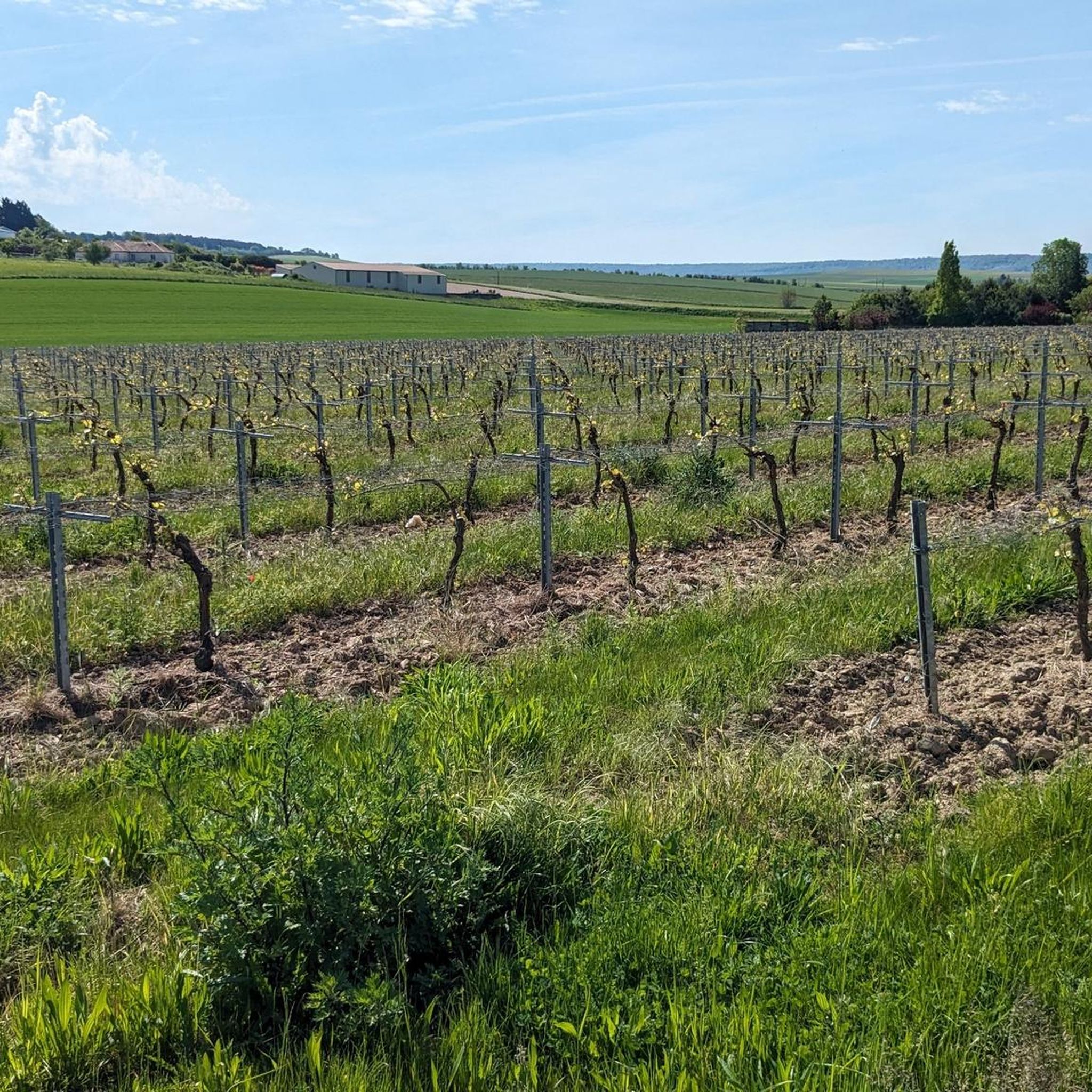
Gravel biking around Tinqueux offers a network of routes characterized by green corridors, canal paths, and gently rolling terrain. The region, situated near Reims, provides a mix of open landscapes and paths alongside waterways, suitable for gravel exploration. These trails often traverse agricultural areas and provide access to the local countryside, including wooded plateaus and vineyards. The varied terrain, including dense forests and rolling hills, provides a range of conditions for gravel biking.
Best gravel bike trails around Tinqueux
- The…
Last updated: May 5, 2026
3.3
(4)
13
riders
56.6km
03:34
320m
320m
Moderate gravel ride. Good fitness required. Mostly paved surfaces. Suitable for all skill levels.
10
riders
55.9km
03:36
550m
550m
Hard gravel ride. Very good fitness required. You may need to push your bike for some segments of this route.

Sign up for free
15
riders
38.1km
02:19
340m
340m
Moderate gravel ride. Good fitness required. Mostly paved surfaces. Suitable for all skill levels.
5.0
(1)
8
riders
35.3km
02:34
340m
340m
Moderate gravel ride. Good fitness required. Mostly paved surfaces. Suitable for all skill levels.
5
riders
65.0km
04:25
570m
570m
Hard gravel ride. Very good fitness required. Mostly paved surfaces. Suitable for all skill levels.
Get access to more routes and recommendations from other explorers.
Sign up for free
Already have an account?
Our route recommendations are based on thousands of hikes, rides, and runs completed by other people on komoot.
Start today with a free account
Your next adventure awaits.
Login or Signup

Tips from the Community

Sure, it's not really a mountain bike destination, but you should definitely take the time, it's worth it.
1
0

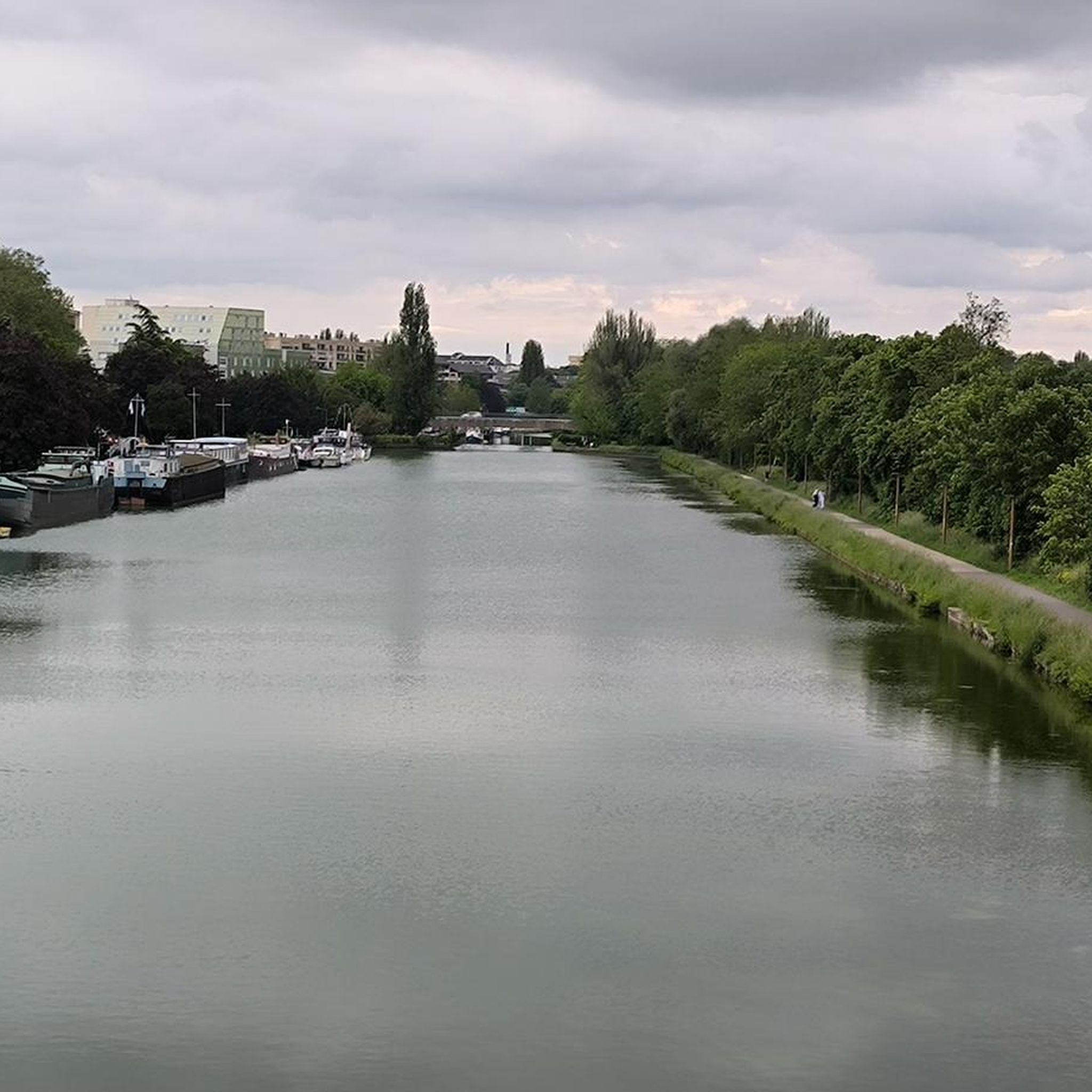
While staying on the asphalt, you can cover more than 24 km. From the St. Brice Courcelles side, you can go up to La Neuvillette, then to Courcy, it's an unpaved road (passable but not for road bikes). After Courcy, there's asphalt up to Berry au Ferry (this allows you to discover the Sapigneul Owl, about 150 m on dirt road). On the other side, after Sillery, you can continue to Beaumont (asphalt). Then, on a dirt road passable by mountain bike, you can go to the Billy Arch, where the canal passes through a tunnel.
0
0

The discovery was partially accidental - earlier column finds in 1840 during market hall construction had hinted at Roman remains, but no excavations were undertaken at that time, making the 1922 discovery all the more significant for understanding Reims' Roman heritage.
4
0
An underground U-shaped gallery that formed part of the northern section of the Roman forum around 100 AD, located beneath the current Forum Square in downtown Reims. This ancient structure features stone pillars with notches that once supported wooden frameworks dividing the space into compartments, with decorated stucco walls and a barrel-vaulted ceiling made of brick mortar. The gallery was discovered in 1922 during construction work and classified as a historical monument in 1923, though major restoration didn't occur until 1982 when it was finally opened to the public.
2
0
From its inauguration, residents criticized the fountain's weak water flow of only 12 liters per second, and the nude naiads representing the rivers caused public controversy. During World War II, German occupiers removed the bronze statue, but remarkably the fountain remained intact despite 60% of Reims being destroyed during the war.
4
3
The Subé Fountain stands in Place Drouet-d'Erlon in central Reims, funded by local benefactor Auguste Subé's donation of 200000 gold francs and inaugurated on July 15, 1906. The 17-meter tall column, made from Corgoloin and Chassignelles stone and decorated with vine motifs, represents the city of Reims and local industries including commerce, viticulture, industry, and agriculture. At its base, four naiads symbolize the rivers Suippe, Marne, Vesle, and Aisne that flow through the Marne department, while a golden Victory statue crowns the top.
4
2
The abbey served as the guardian of the Holy Ampulla (Sainte Ampoule) used in the coronation ceremonies of French kings, and Reims was known as Durocortorum when it served as the capital of the Roman province of Belgica.
4
2
The Saint-Remi Museum in Reims is housed in a former Benedictine abbey that was classified as a UNESCO World Heritage Site in 1991 and officially became a museum in 1978. The museum covers the period from Prehistory to the Renaissance (around 1530) and features regional archaeology collections, classical antiquities, and an extensive military history section
4
2
Frequently Asked Questions
How many gravel bike trails are available around Tinqueux?
There are over 60 gravel bike routes to explore around Tinqueux, catering to various skill levels. The komoot community has contributed a wide selection of tours, from moderate to more challenging rides.
Are there easy gravel bike trails suitable for beginners in Tinqueux?
Yes, Tinqueux offers several routes ideal for beginners. For instance, the Reims green corridor – View of the canal loop from Reims is a moderate 35.2-mile (56.6 km) trail that features extensive green corridors and canal views, making it a good starting point for those new to gravel biking.
What is the typical length of gravel bike trails around Tinqueux?
Gravel bike trails in the Tinqueux area generally range from approximately 20 to 35 miles (32 to 56 km) in length. This allows for rides lasting between 2.5 to 4 hours, depending on your pace and the specific route's elevation.
Are there advanced gravel bike routes for experienced riders?
Absolutely. For those seeking a more challenging experience, routes like the Subé fountain – Reims green corridor loop from Franchet d'Esperey offer a difficult 35.2-mile (56.6 km) path with more significant elevation changes, exploring the green corridor network and passing by the Subé fountain.
Are there family-friendly gravel biking options in Tinqueux?
Many of the routes along the green corridors and canal paths are suitable for families, especially those with older children comfortable with longer distances. These paths often feature gentler terrain and scenic views, providing a pleasant experience for all. Look for routes categorized as 'easy' or 'moderate' for the best family options.
What kind of terrain can I expect on gravel bike trails near Tinqueux?
The gravel bike trails around Tinqueux are primarily characterized by green corridors, canal paths, and gently rolling terrain. You'll often traverse agricultural areas and open countryside, with surfaces ranging from compacted gravel to paved sections alongside waterways.
Are there any circular gravel bike routes in the area?
Yes, many of the gravel bike routes around Tinqueux are designed as loops, allowing you to start and end at the same point. Examples include the Verzenay Windmill – Canal de l'Aisne à la Marne loop from Reims Maison Blanche, which is a 24.1-mile (38.8 km) trail.
What can I see along the gravel bike trails around Tinqueux?
The trails offer views of the region's green corridors and canal paths. You can also encounter notable landmarks such as the Subé fountain, and the Coulée Verte de Reims. Some routes, like the Subé fountain – Pommery loop from Reims, will take you past significant local points of interest.
What do other gravel bikers enjoy the most about gravel biking in Tinqueux?
The area is highly rated by the komoot community, with an average score of 4.2 stars from over 40 reviews. Reviewers often praise the extensive network of green corridors, the scenic canal paths, and the varied terrain that offers options for different ability levels.
When is the best time of year for gravel biking in Tinqueux?
The spring and autumn months generally offer the most pleasant conditions for gravel biking in Tinqueux, with milder temperatures and beautiful scenery. Summer can also be enjoyable, though it's advisable to start earlier in the day to avoid the midday heat. Winter riding is possible, but be prepared for potentially colder, wetter conditions and shorter daylight hours.
Are there any cafes or places to stop for refreshments along the trails?
While specific cafes directly on every trail segment are not guaranteed, many routes start or pass through towns and villages, particularly around Reims, where you can find various options for refreshments. Planning your route with komoot allows you to identify potential stops along the way.
Is parking available near the gravel bike trails in Tinqueux?
Many of the gravel bike routes around Tinqueux originate from or pass through urban areas like Reims, where public parking is generally available. Specific starting points such as 'Reims Maison Blanche' or 'Franchet d'Esperey' are common access points, and you can usually find parking nearby.
Most popular attractions around Tinqueux

Get inspired with the komoot mobile app


Explore more
Browse the best Gravel rides in other regions.
