The best gravel rides around Castilblanco De Los Arroyos
5.0
(1)
72
riders
7
rides
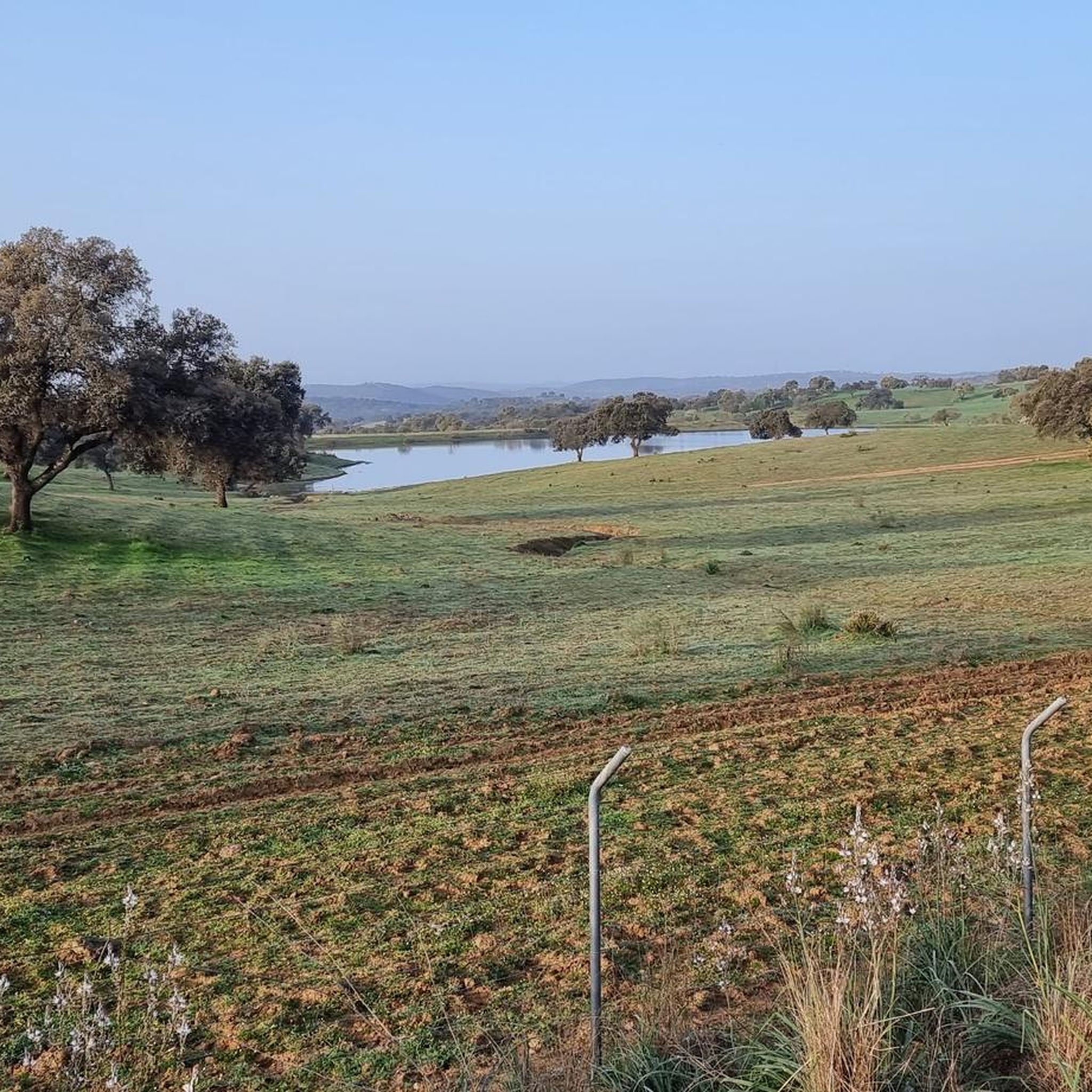
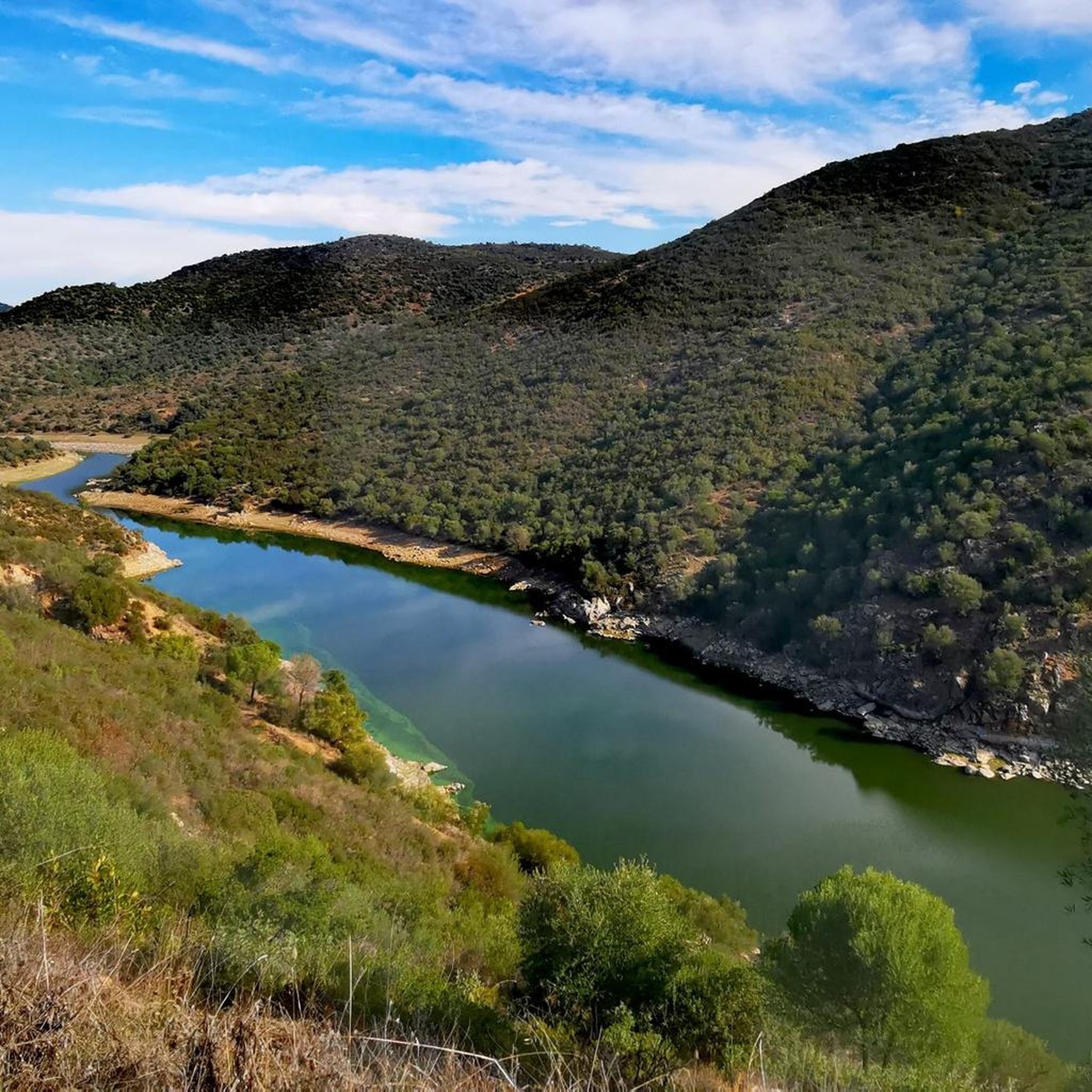
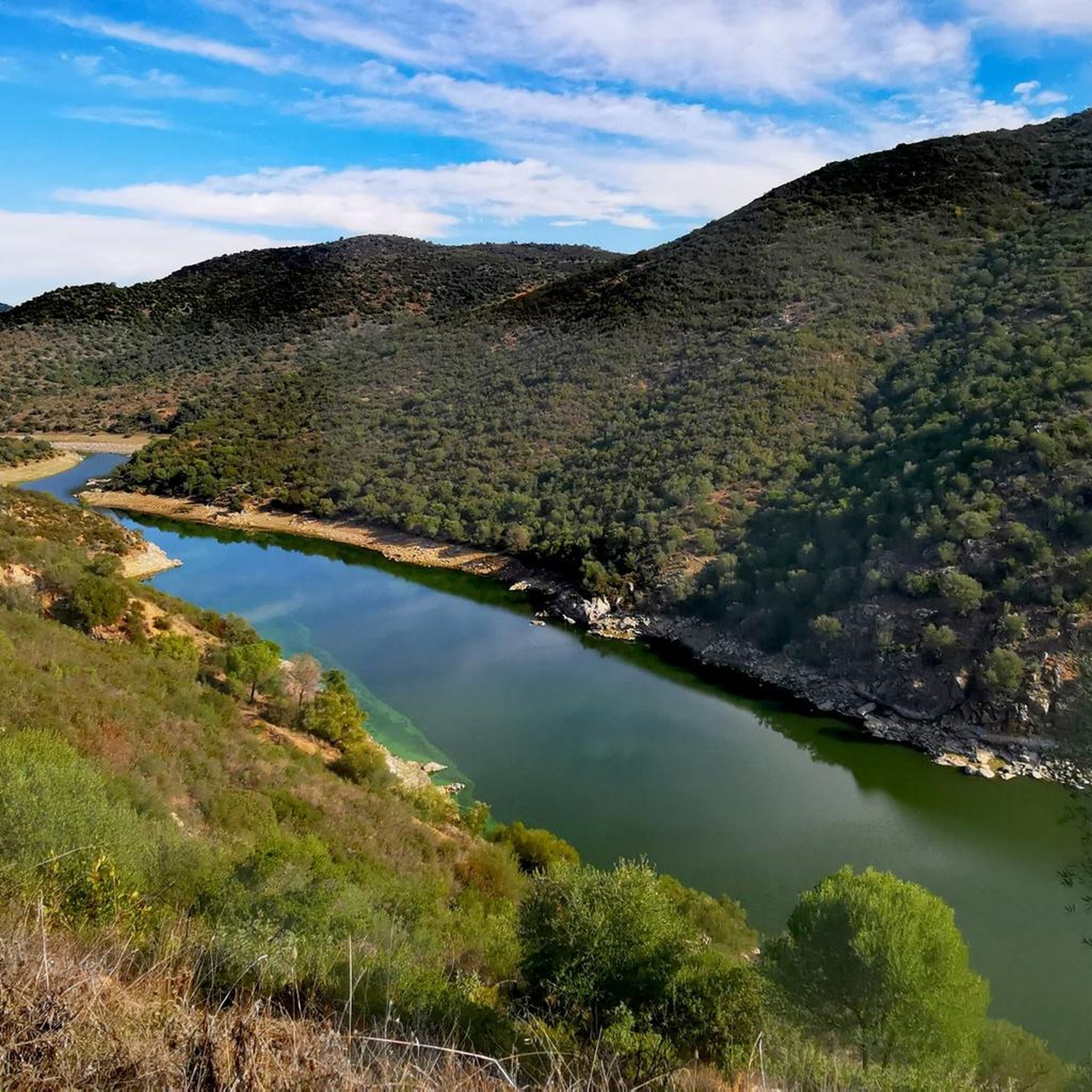
Gravel biking around Castilblanco De Los Arroyos offers diverse landscapes within the Sierra Norte de Sevilla Natural Park. The region features rolling hills, expansive dehesas, and Mediterranean forests, providing varied terrain for gravel cyclists. Numerous unpaved tracks and varying elevations characterize the area, making it suitable for off-road exploration. The presence of small streams and "arroyos" adds to the scenic beauty and riparian vegetation.
Best gravel bike trails around Castilblanco De Los Arroyos
- The most popular gravel bike trail is…
Last updated: May 21, 2026
5.0
(1)
33
riders
66.0km
04:58
460m
460m
Hard gravel ride. Very good fitness required. Mostly paved surfaces. Suitable for all skill levels.
17
riders
38.6km
03:20
470m
470m
Hard gravel ride. Very good fitness required. Mostly paved surfaces. Suitable for all skill levels.

Sign up for free
8
riders
67.0km
05:06
940m
940m
Hard gravel ride. Very good fitness required. Mostly paved surfaces. Suitable for all skill levels.
3
riders
Hard gravel ride. Very good fitness required. Mostly paved surfaces. Suitable for all skill levels.
2
riders
31.0km
02:40
500m
500m
Hard gravel ride. Very good fitness required. Mostly paved surfaces. Suitable for all skill levels.
Get access to more routes and recommendations from other explorers.
Sign up for free
Already have an account?
Our route recommendations are based on thousands of hikes, rides, and runs completed by other people on komoot.
Start today with a free account
Your next adventure awaits.
Login or Signup
Tips from the Community

It is a relatively small village with a peaceful atmosphere and a welcoming community. In 2023, the municipality had 7,098 inhabitants. Burguillos is known for its rural environment. Important historical buildings include: the parish church of San Cristóbal Mártir and the Hermitage of the Virgen del Rosario.
7
0
The Torre de Antiguo Molino de Trigo in Burguillos, Andalusia, is a historic tower that was originally part of an old flour mill. The tower still stands, despite the rest of the mill building being demolished in the early 20th century.
8
0
This monastery was founded in 1301 by Guzmán El Bueno, who played a heroic role in the conquest of Tarifa (1294). From the 19th century onwards it was successively a women's prison, a brewery and a tobacco factory. In 1872 the buildings were declared a national heritage, after which they were restored for many years before being opened to the public. The fortified complex includes a double Gothic church with influences from the Languedoc and the Almohad Mudejar style. In the 15th century the monastery was inhabited by monks of the Hieronymite order. The Patio de los Evangelistas is decorated with murals depicting saints and geometric or floral motifs in pure Mudejar style. In one of the chapels there is a beautiful 17th-century altarpiece by Juan Martínez Montañés.
7
0
The Amphitheatre of Itálica in Santiponce is an impressive Roman amphitheatre that was built between 117 and 138 AD during the reign of Emperor Hadrian. It is one of the largest amphitheatres in the Roman Empire, with a capacity of approximately 25,000 spectators. The amphitheatre has an elliptical shape and consists of three levels of stands, the first level of which is still intact. The amphitheatre was used for gladiatorial combats and fights between animals and humans, and had an underground service pit for these events. Today it is a tourist attraction and an important archaeological heritage.
7
0
Church of San Cristóbal Mártir, in Mudejar style. In 1775 it was rebuilt and enlarged by the architects Matías José de Figueroa and Ambrosio de Figueroa. The interior of the temple is covered with coffered ceilings and on the outside it has a belfry in Baroque style.
6
0

A very simple and beautiful route. Perfect for sharing with children and for encouraging beginners.
0
0

It is a plunge into Roman times. search for clues.
2
1

Frequently Asked Questions
What kind of terrain can I expect on gravel bike trails around Castilblanco De Los Arroyos?
The region offers a diverse landscape within the Sierra Norte de Sevilla Natural Park. You'll encounter rolling hills, expansive dehesas (traditional pastures with holm and cork oaks), and lush Mediterranean forests. The trails feature a mix of unpaved tracks and varying elevations, providing a true off-road gravel biking experience. Many routes include challenging climbs.
Are there any easy or family-friendly gravel bike routes in Castilblanco De Los Arroyos?
While many routes in the area feature challenging climbs and are rated as difficult, the network does offer options for different ability levels. For a less strenuous experience, look for routes with mostly paved sections or those that stick to flatter dehesa landscapes. Always check the route details for elevation gain and surface type to ensure it matches your family's or beginner's comfort level.
What are some notable natural attractions or viewpoints I can find along the gravel routes?
You can discover several beautiful natural spots and viewpoints. The Cerro del Calvario Viewpoint and the View of the Dehesa Valley offer spectacular panoramic vistas. For water features, look out for El Chorro Waterfall, or explore areas around the Pantano de los Molinos and Pantano de Guillena. The Siete Arroyos river also provides scenic riparian vegetation.
Are there any circular gravel bike trails available?
Yes, many of the gravel bike routes around Castilblanco De Los Arroyos are designed as loops. For example, the challenging Vía de la Plata – Amphitheatre of Italica loop from Urb Hato Verde and the Forest Trail – Rivera de Huelva loop from Guillena are popular circular options that allow you to start and finish in the same location.
What is the best time of year to go gravel biking in Castilblanco De Los Arroyos?
The Mediterranean climate means spring and autumn are generally the most pleasant seasons for gravel biking, with milder temperatures. Summers can be very hot, so if you plan to ride then, it's best to start early in the morning to avoid the midday heat. Winters are usually mild but can bring rain, which might make some unpaved sections muddy.
Are there any historical or cultural points of interest accessible by gravel bike?
Absolutely. Castilblanco de los Arroyos is a significant stop on the ancient Vía de la Plata and the Camino de Santiago from Seville, offering historical context to your ride. You can also pass through places like Las Pajanosas, a historical stop for travelers, or explore the Vía de la Plata – Amphitheatre of Italica loop which follows sections of this historic route.
What are some of the longer gravel bike routes in the area?
For longer rides, consider the Forest Trail – Rivera de Huelva loop from Las Pajanosas, which covers approximately 67 kilometers. Another substantial option is the Vía de la Plata – Amphitheatre of Italica loop from Urb Hato Verde, spanning about 66 kilometers.
Are there any routes that offer significant climbs for advanced gravel bikers?
Yes, the region is known for its challenging terrain. Routes like the Cuesta de Los Melonares – Climb in Burguillos loop from Castilblanco de los Arroyos feature substantial elevation gains, making them ideal for experienced gravel bikers looking for a demanding ride.
What do other gravel bikers say about the trails in Castilblanco De Los Arroyos?
Over 70 gravel bikers have used komoot to explore Castilblanco De Los Arroyos. They often praise the diverse landscapes, from rolling hills to expansive dehesas, and the rewarding views found along the unpaved tracks. The challenging nature of many routes is also frequently highlighted by those seeking a good workout.
Are there places to eat or get refreshments along the gravel bike trails?
While specific cafes directly on every trail might be limited, towns and villages like Castilblanco de los Arroyos itself, and nearby settlements such as Las Pajanosas, offer opportunities for refreshments and meals. The La Cantina highlight also indicates a spot for a break.
What is the typical duration for a gravel bike ride in this area?
Ride durations vary significantly depending on the route length and your pace. For example, a route like the Burguillos – Climb in Burguillos loop from Castilblanco de los Arroyos, which is about 31 kilometers, typically takes around 3 hours. Longer routes, such as the 66-kilometer Vía de la Plata – Amphitheatre of Italica loop, can take nearly 6 hours to complete.
Most popular routes around Castilblanco De Los Arroyos
Most popular attractions around Castilblanco De Los Arroyos

Get inspired with the komoot mobile app


Explore more
Browse the best Gravel rides in other regions.
