The best gravel rides around Utiel
5.0
(6)
115
riders
6
rides
Gravel biking around Utiel offers diverse landscapes, characterized by extensive vineyards, a network of rural paths, and forest tracks. The region's varied terrain provides routes ranging from mostly paved surfaces to challenging unpaved segments. This area allows gravel bikers to explore the natural beauty and winemaking heritage, with routes suitable for different fitness levels. The proximity to natural areas like Hoces del Cabriel National Park further enhances the outdoor experience.
Best gravel bike trails around Utiel
- The most popular gravel…
Last updated: May 21, 2026
1
riders
94.6km
11:00
1,630m
1,630m
Hard gravel ride. Very good fitness required. Mostly paved surfaces. Suitable for all skill levels.
28
riders
116km
08:30
1,020m
1,020m
Hard gravel ride. Very good fitness required. Mostly paved surfaces. Suitable for all skill levels.

Sign up for free
5.0
(1)
26
riders
65.2km
04:39
650m
650m
Hard gravel ride. Very good fitness required. Mostly paved surfaces. Suitable for all skill levels.
5.0
(1)
11
riders
66.3km
05:32
950m
950m
Hard gravel ride. Very good fitness required. Mostly paved surfaces. Suitable for all skill levels.
5.0
(2)
9
riders
67.0km
05:56
1,430m
1,430m
Hard gravel ride. Very good fitness required. Mostly paved surfaces. Suitable for all skill levels.
Our route recommendations are based on thousands of hikes, rides, and runs completed by other people on komoot.
Start today with a free account
Your next adventure awaits.
Login or Signup
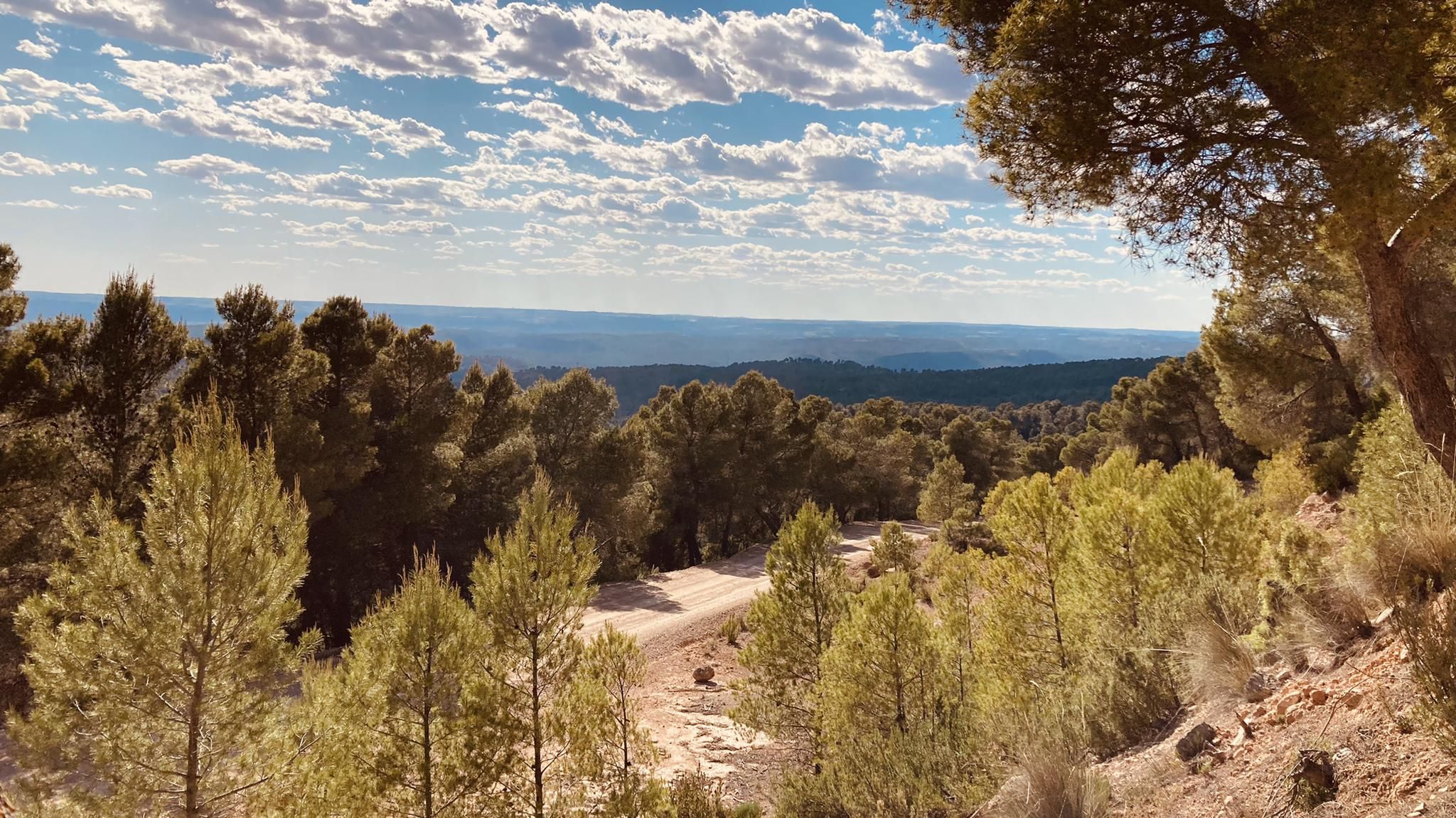
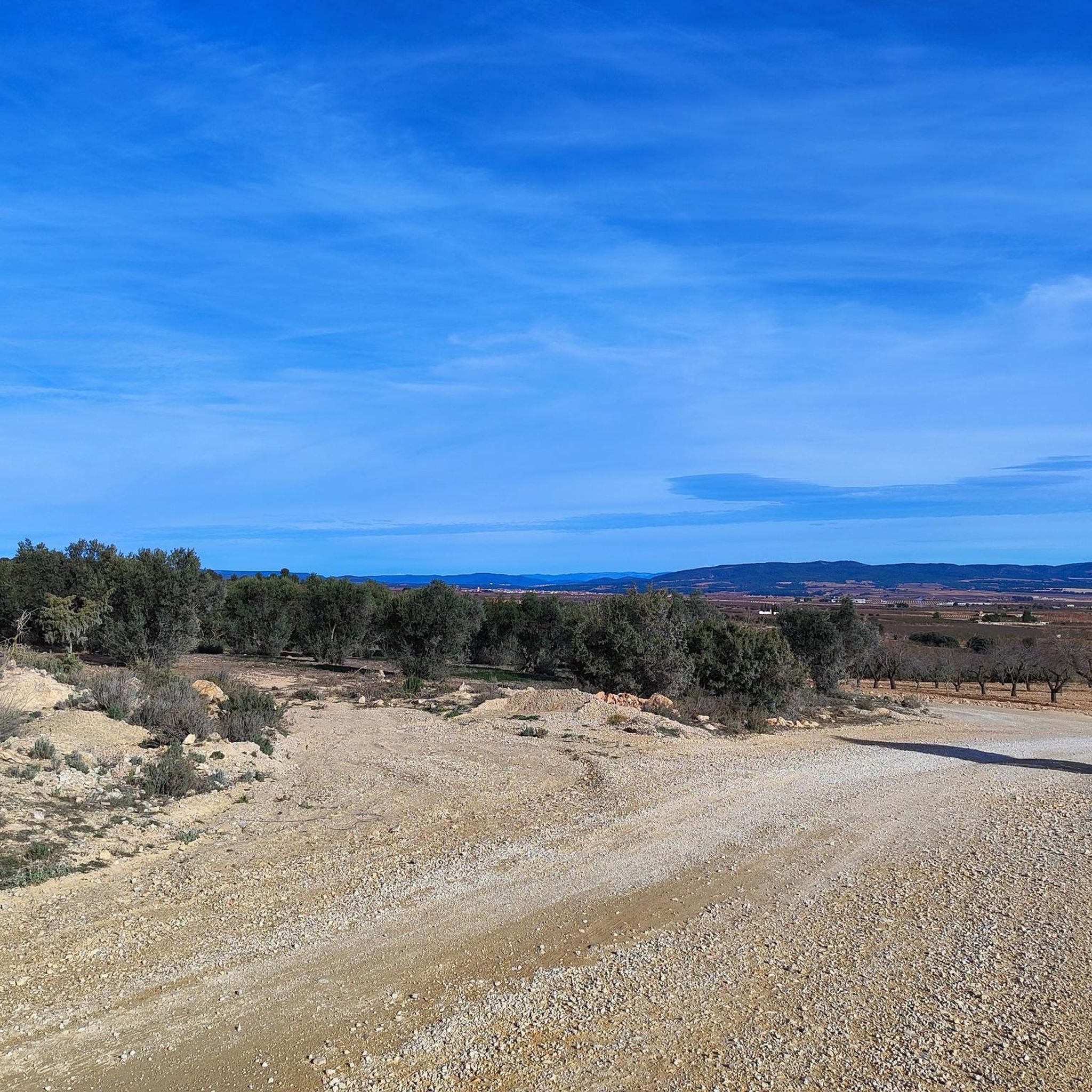
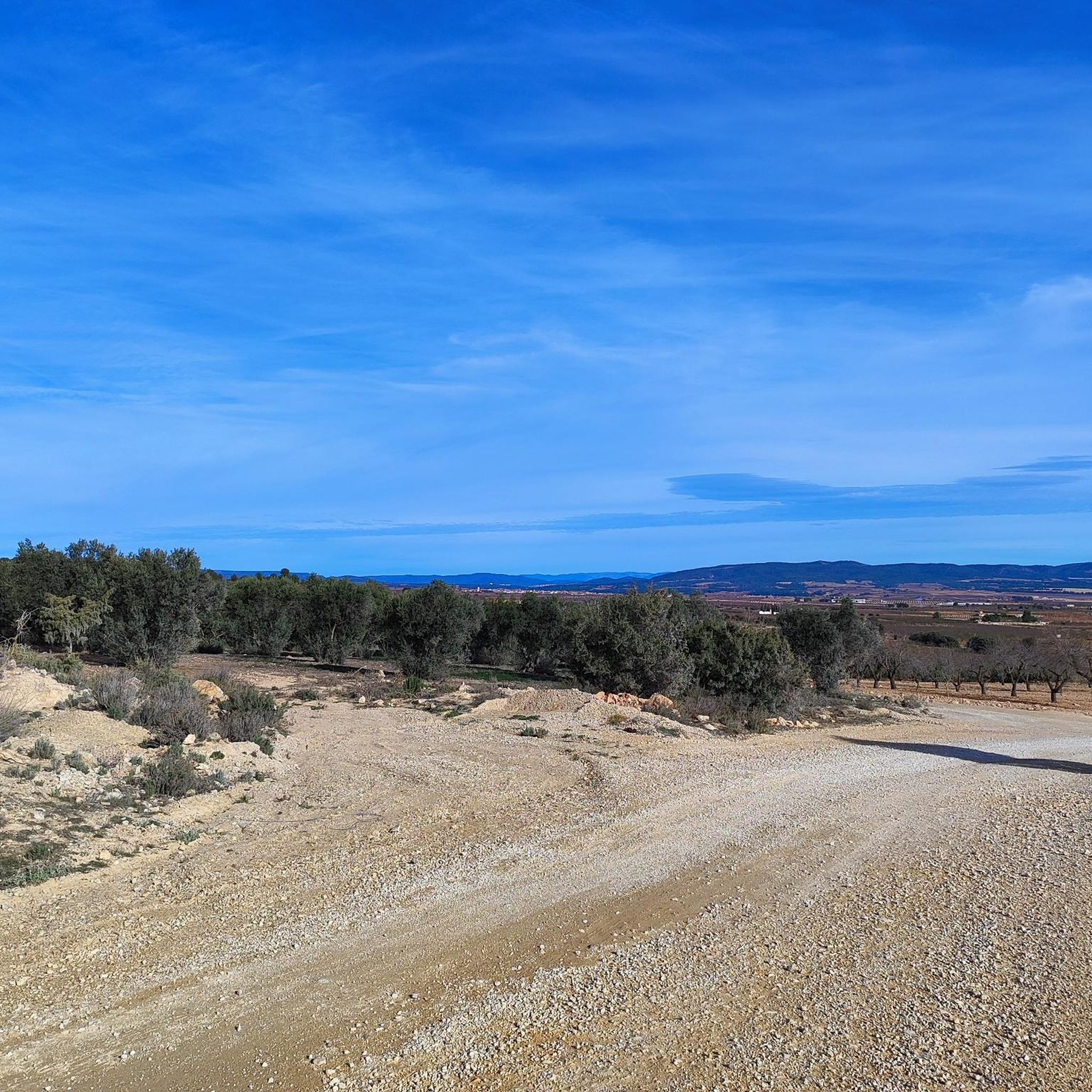
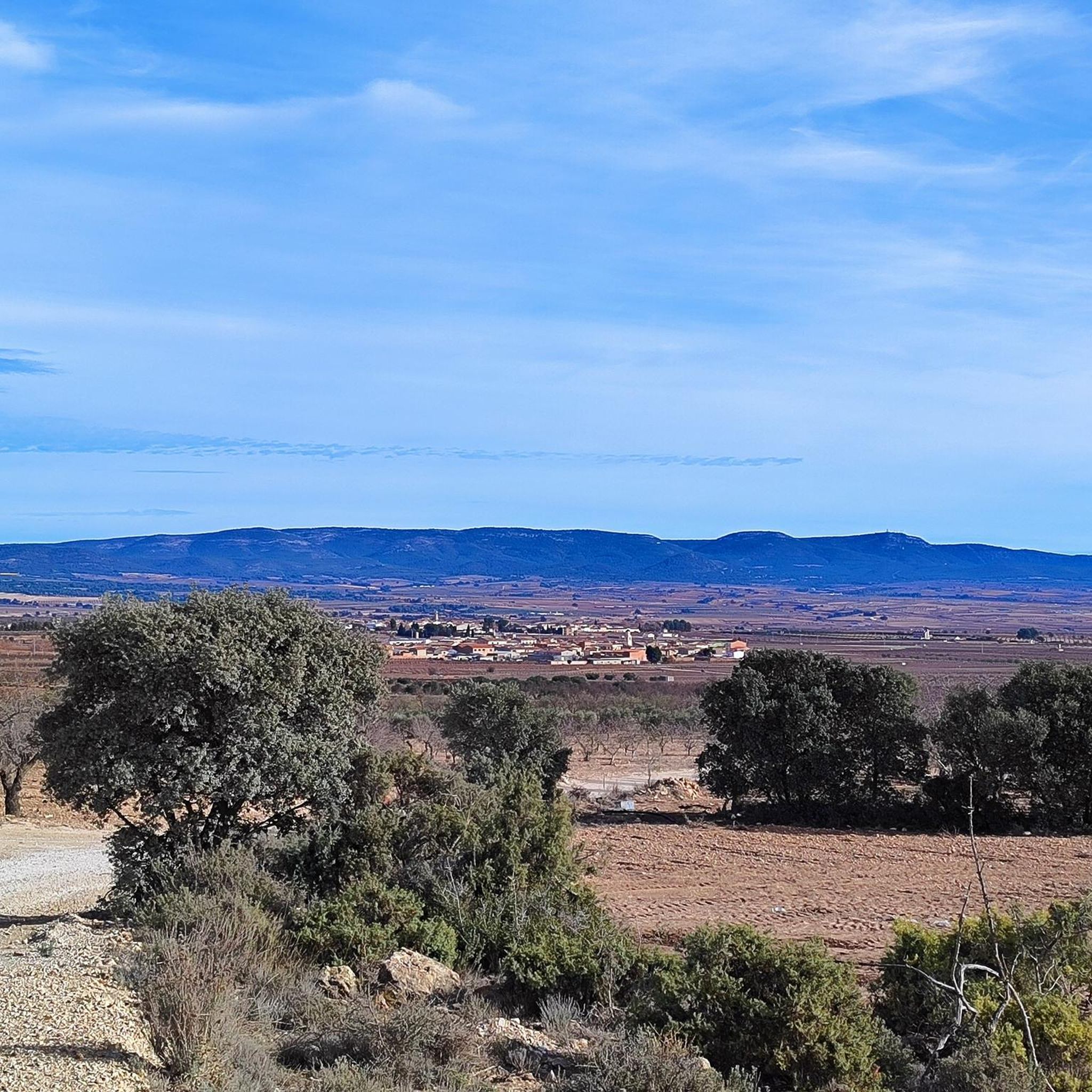
Other adventures around Utiel

Tips from the Community


The bridge is brand new and has been repaired since February 2026 👍
0
0

Be careful, the footbridge as of October 3, 2025, is still not repaired (it was swept away by the Dana in October 2024). A ford crossing is possible a little higher up (towards the embalse), with water up to mid-thighs and a strong current, so be careful. Then to join the GR7, they climb the embankment (towards Benagéber). In the other direction (towards Chelva), I don't recommend crossing at this point because you have to descend from the GR7 via a steep and very unstable wall; I think it's dangerous going down. And be careful too, the GR7 is cut off higher up, but you can manage it by taking a long 5km detour via the path that climbs gently (or rather sharply) along the Turía River and rejoins the GR7 towards Chera. Then turn right and you can reach Benagéber.
2
0

It's a street decorated with charming Super Mario motifs, as if the video game had come to life. A truly delightful place to behold.
2
0

Stage 2. Villargordo del Cabriel/Requena 86 kilometers. 1,090 positive meters. The milestones of the Natural Trail leave the urban complex of Villargordo del Cabriel, cross the passes of the N-III and the A-3 highway, travel through the rural hills of La Erilla and pass through Jaraguas, a village belonging to the municipality of Venta del Moro , with sites of Iberian and Roman settlements. The route goes through the hamlet and on the outskirts it passes through the Rambla de la Albosa, a very pleasant corner with a cozy walkway of giant poplar trees, the communal laundry and a historic fountain. The signal posts pass near the salt flats of Mina Lolita, a spring of saline waters exploited since Roman times. The route connects with the Camino Real from Castilla to Valencia and follows the same path as the previous day to the flood-prone Magro river boulevard and its disturbing river jungle. The stage could end in half a day in Requena, about 40 kilometers from Villargordo del Cabriel, but it is worth ignoring this option and continuing through the Magro river valley towards El Rebollar and Siete Aguas, in the section we call “Turia sector”. After Requena, the Magro River canyon is spectacular, a forest gallery of poplars, poplars, ash, willows and walnut trees between stone walls that keep the riverbed isolated from agricultural fields, dedicated mainly to the cultivation of vineyards, olive and almond trees. The path passes through the curious hermitage of San Blas, in the neighborhood of Las Ollerías, built in the 18th century in the premises of an old agricultural farm on the bank of the Magro River. In the ravine lane there are also marks of the Camino de Santiago of the Wool Route, used for centuries by walkers, pilgrims and merchants between the Mediterranean coast and the city of Burgos. The posts of the Natural Trail leave the gorge of the Magro River and go up the Fuente Cuca plain to the Requena Aerodrome. At the entrance to the airport, the Herrada del Gallego road leaves on the right, an outstanding forest area in the environmental surroundings of Requena.
2
0

Jaraguas is a municipality in the interior of Valencia. Its picturesque streets preserve the charm of a rural town. If you pass by, I invite you to discover the authenticity and calm that characterizes it.
1
0

Stage 2. Villargordo del Cabriel/Requena 86 kilometers. 1,090 positive meters. The milestones of the Natural Trail leave the urban complex of Villargordo del Cabriel, cross the passes of the N-III and the A-3 highway, travel through the rural hills of La Erilla and pass through Jaraguas, a village belonging to the municipality of Venta del Moro , with sites of Iberian and Roman settlements. The route goes through the hamlet and on the outskirts it passes through the Rambla de la Albosa, a very pleasant corner with a cozy walkway of giant poplar trees, the communal laundry and a historic fountain. The signal posts pass near the salt flats of Mina Lolita, a spring of saline waters exploited since Roman times. The route connects with the Camino Real from Castilla to Valencia and follows the same path as the previous day to the flood-prone Magro river boulevard and its disturbing river jungle. The stage could end in half a day in Requena, about 40 kilometers from Villargordo del Cabriel, but it is worth ignoring this option and continuing through the Magro river valley towards El Rebollar and Siete Aguas, in the section we call “Turia sector”. After Requena, the Magro River canyon is spectacular, a forest gallery of poplars, poplars, ash, willows and walnut trees between stone walls that keep the riverbed isolated from agricultural fields, dedicated mainly to the cultivation of vineyards, olive and almond trees. The path passes through the curious hermitage of San Blas, in the neighborhood of Las Ollerías, built in the 18th century in the premises of an old agricultural farm on the bank of the Magro River. In the ravine lane there are also marks of the Camino de Santiago of the Wool Route, used for centuries by walkers, pilgrims and merchants between the Mediterranean coast and the city of Burgos. The posts of the Natural Trail leave the gorge of the Magro River and go up the Fuente Cuca plain to the Requena Aerodrome. At the entrance to the airport, the Herrada del Gallego road leaves on the right, an outstanding forest area in the environmental surroundings of Requena.
0
0
Stage 1. Requena/Villargordo del Cabriel 77 kilometers. 1,360 positive meters. The medieval town of Requena is a relevant town to start a cycling adventure in the highlands of the Valencian interior, the former border between the kingdoms of Valencia and Toledo, with a customs and free port in the 13th century that generated good income from the trade of goods. on the limits of Castile. And it is still a lively and commercial place, the surroundings of Avenida del Arrabal and Plaza del Portal at dusk have a charming bustle. La Villa is the historic neighborhood of Requena, it concentrates centuries of history, art and monumentality, it was declared a Historical-Artistic Site in 1966. The Medina preserves the layout of Arab origin, the streets are intricate and narrow around the old Muslim fortress, it has remains of walls, portals and evocative corners. The start of the track is near the center, at the ring road roundabout where Avenida de Valencia ends and the N-322 begins. At the side pedestrian crossing there are the trail signs PR-CV 419 Río Magro and Santa Catalina that lead to the Turia-Cabriel Natural Trail along the side of some sports facilities. At the El Pontón bridge, on the N-322, the section called the “Cabriel sector” of the Natural Trail begins. The first ten kilometers of the cycling trip reveal the distinction of contrasts that will mark the route in this new gravel adventure. The Magro River Rambla is a small jungle of reeds, reeds, willows, poplars and reeds with disturbing passageways because it seems that the path could disappear at any moment, a challenge for the gravel bike. The path winds along the riverbed, avoiding giant strains of grass and small slides that force you to maintain concentration on driving at all times. Cyclability is acceptable except for some puddled steps in the seasonal river bed when there is humidity and a couple of sections on the side slopes that test riding skills and continuity of the path. The milestones of the Natural Trail leave no room for doubt, it is always inside the boulevard. The fun ends in the town of San Juan, one of the oldest villages in Requena. The path passes through one of the eyes of the centenary bridge of the Magro River, a beautiful work of local civil architecture built in 1917, and shortly after it leaves the rambla to continue the journey through the sea of vines of La Plana. The route surrounds the facilities of a winery and begins a very enjoyable journey along the old Camino Real from Castilla to Valencia, a historic road, commercial and livestock route known as the Cañada de Cuenca or Ruta de la Lana. The gravel flies along these agricultural roads, the slopes are few and the dirt road is impeccable.
0
0
Frequently Asked Questions
What kind of terrain can I expect on gravel bike trails around Utiel?
The Utiel region offers a diverse mix of terrain for gravel biking. You'll find hundreds of kilometers of rural roads, agricultural paths, and forest tracks. Routes range from mostly paved surfaces to more challenging unpaved segments, often traversing expansive vineyards and natural areas. This variety caters to different fitness levels, blending mountain biking and road riding experiences.
Are there any challenging gravel bike routes in the Utiel area?
Yes, many of the gravel routes around Utiel are considered difficult, offering significant elevation gain and varied terrain. For example, the Requena, Chera, and Sierra de Chiva Loop is a challenging 58.8-mile (94.6 km) path with over 1600 meters of elevation gain, traversing rural areas and offering views of the Sierra de Chiva.
Can I find routes that pass by natural features like waterfalls or reservoirs?
Absolutely. The region features several natural attractions. You can explore routes that lead to the Chorros de Barchel Waterfalls and offer views of the Benagéber Reservoir. A notable route is the Chorros de Barchel Waterfalls – Views of the Benagéber Reservoir loop from Sinarcas, a 40.4-mile (65.0 km) trail through forest tracks.
Are there any historical landmarks or points of interest along the gravel trails?
Yes, some routes incorporate historical and cultural landmarks. For instance, the Castle Slope – Requena Fortress loop from Requena, a 65.2 km route, passes by the historic Requena Fortress. You might also encounter enclaves like Ermita del Remedio, which offers cultural interest amidst the natural scenery.
What is the best time of year for gravel biking in Utiel?
Utiel is suitable for gravel biking through much of the year. The region's climate generally allows for pleasant riding conditions outside of the hottest summer months. Spring and autumn offer particularly comfortable temperatures and vibrant landscapes, especially when cycling through the vineyards during harvest season.
Are there any circular gravel bike routes available?
Yes, many of the gravel bike routes in Utiel are designed as loops, allowing you to start and finish in the same location. An example is the Villargordo del Cabriel – Universal Monument to the Grape Harvest loop from Requena, a 72.0-mile (115.9 km) trail that offers a comprehensive tour of the region's landscapes.
What do other gravel bikers say about the trails in Utiel?
The gravel biking routes in Utiel are highly rated by the komoot community, with an average score of 5.0 stars from more than 6 reviews. Over 100 gravel bikers have used komoot to explore the varied terrain, often praising the extensive vineyards, rural paths, and forest tracks that define the area's natural beauty.
Are there any routes that explore the vineyard landscapes?
The Utiel-Requena region is renowned for its vineyards, and many gravel routes are designed to showcase this picturesque backdrop. Cycling through these vineyards offers a unique scenic experience, celebrating the area's rich winemaking heritage. The Villargordo del Cabriel – Universal Monument to the Grape Harvest loop from Requena is a prime example of a route that immerses you in these landscapes.
How many gravel bike routes are there in the Utiel area?
There are at least 7 gravel bike routes documented in the Utiel area, ranging from moderate to difficult in intensity. These routes offer a variety of experiences across the region's diverse landscapes.
Can I find routes that follow rivers or offer waterside views?
Yes, some routes provide views of local waterways. The Requena Fortress – Río Magro loop from Requena is a 65.9 km route that follows the Río Magro, offering a different perspective of the region's natural environment.
Are there any nearby natural parks or protected areas accessible by gravel bike?
While not directly within Utiel, the nearby Hoces del Cabriel National Park is a major natural attraction that complements the outdoor offerings of the region. This park is known for its dramatic river gorges and rich biodiversity, providing opportunities for exploration, though specific gravel routes within the park itself would need to be checked for access.
Most popular attractions around Utiel

Get inspired with the komoot mobile app


Explore more
Browse the best Gravel rides in other regions.
