The best gravel rides around Valdarachas
13
riders
7
rides
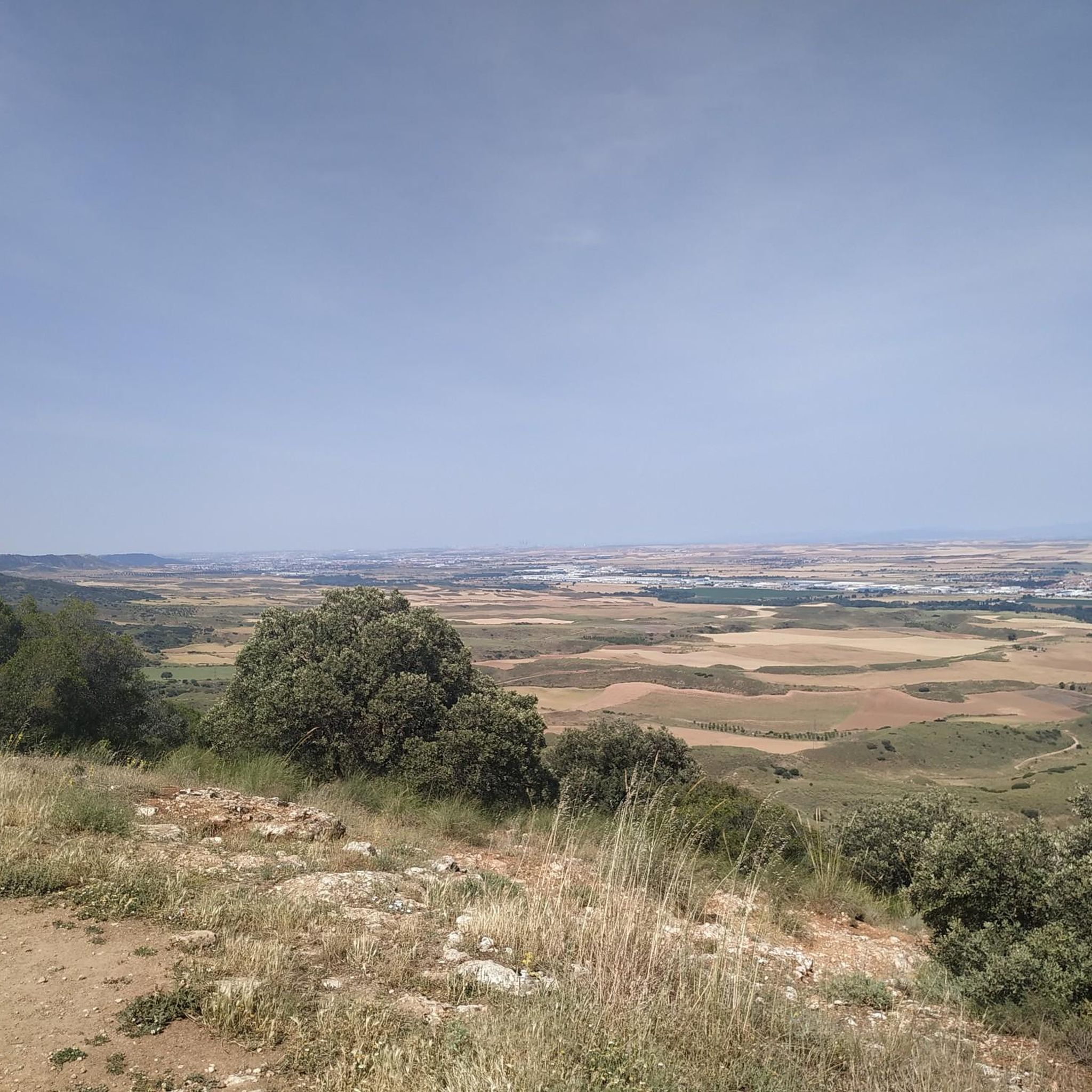
Gravel biking around Valdarachas offers routes through a tranquil environment characterized by diverse natural and historical features. The region, situated in Spain's Castile-La Mancha, features riverine views along the Henares River and green spaces with centenary trees. Routes often pass through historical villages with cobbled streets and preserved rural buildings, providing a blend of natural scenery and cultural landmarks. This area is well-suited for various cycling disciplines, including gravel biking, with options for different skill levels.
Best gravel bike trails…
Last updated: May 21, 2026
3
riders
Moderate gravel ride. Good fitness required. Mostly paved surfaces. Suitable for all skill levels.
2
riders
51.2km
03:44
470m
470m
Hard gravel ride. Very good fitness required. Mostly paved surfaces. Suitable for all skill levels.

Sign up for free
1
riders
30.6km
02:19
430m
430m
Moderate gravel ride. Good fitness required. Mostly paved surfaces. Suitable for all skill levels.
1
riders
19.0km
01:16
100m
100m
Easy gravel ride. Great for any fitness level. Mostly paved surfaces. Suitable for all skill levels.
1
riders
25.9km
01:52
170m
170m
Moderate gravel ride. Good fitness required. Mostly paved surfaces. Suitable for all skill levels.
Get access to more routes and recommendations from other explorers.
Sign up for free
Already have an account?
Our route recommendations are based on thousands of hikes, rides, and runs completed by other people on komoot.
Start today with a free account
Your next adventure awaits.
Login or Signup

Tips from the Community


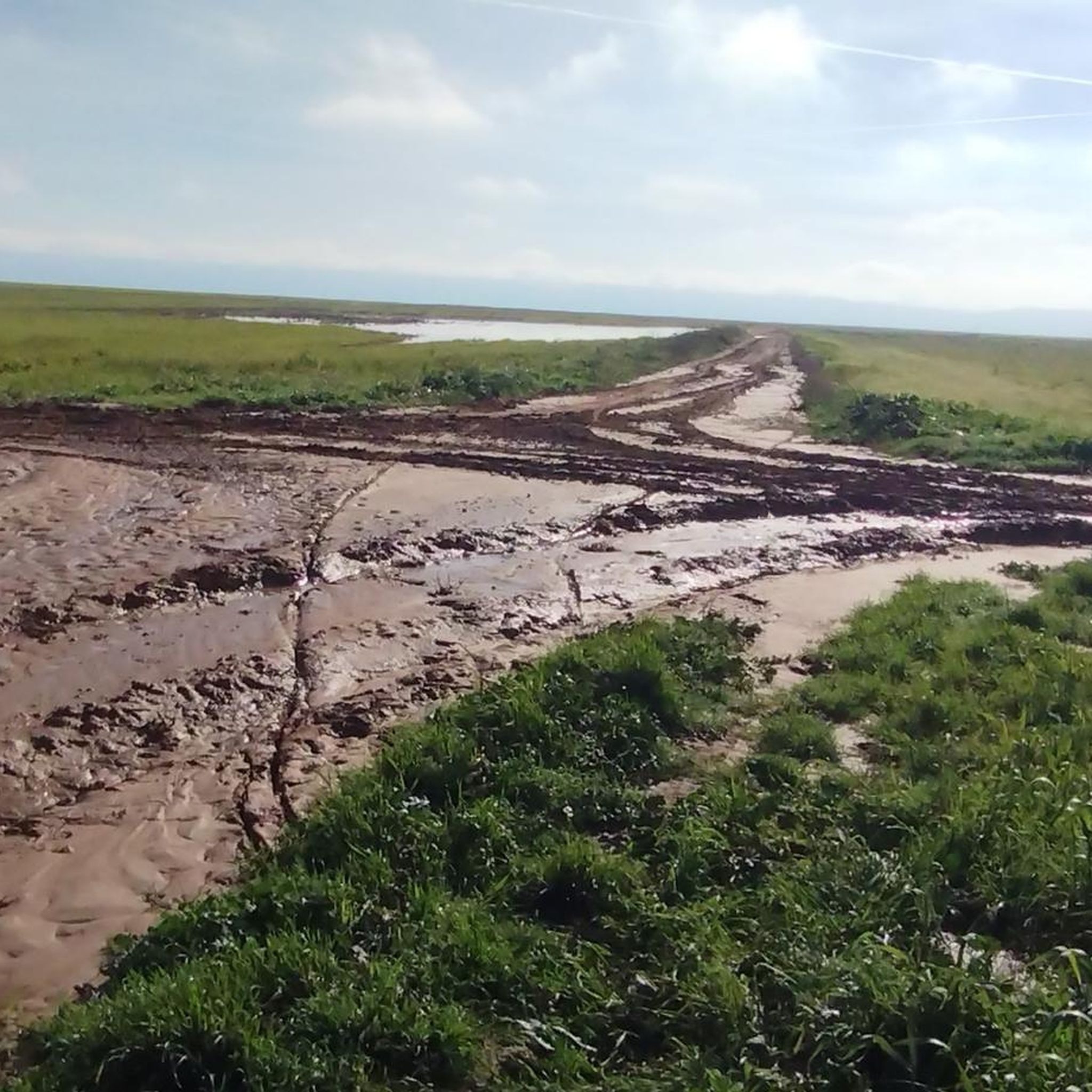
August 2025 under construction
0
0

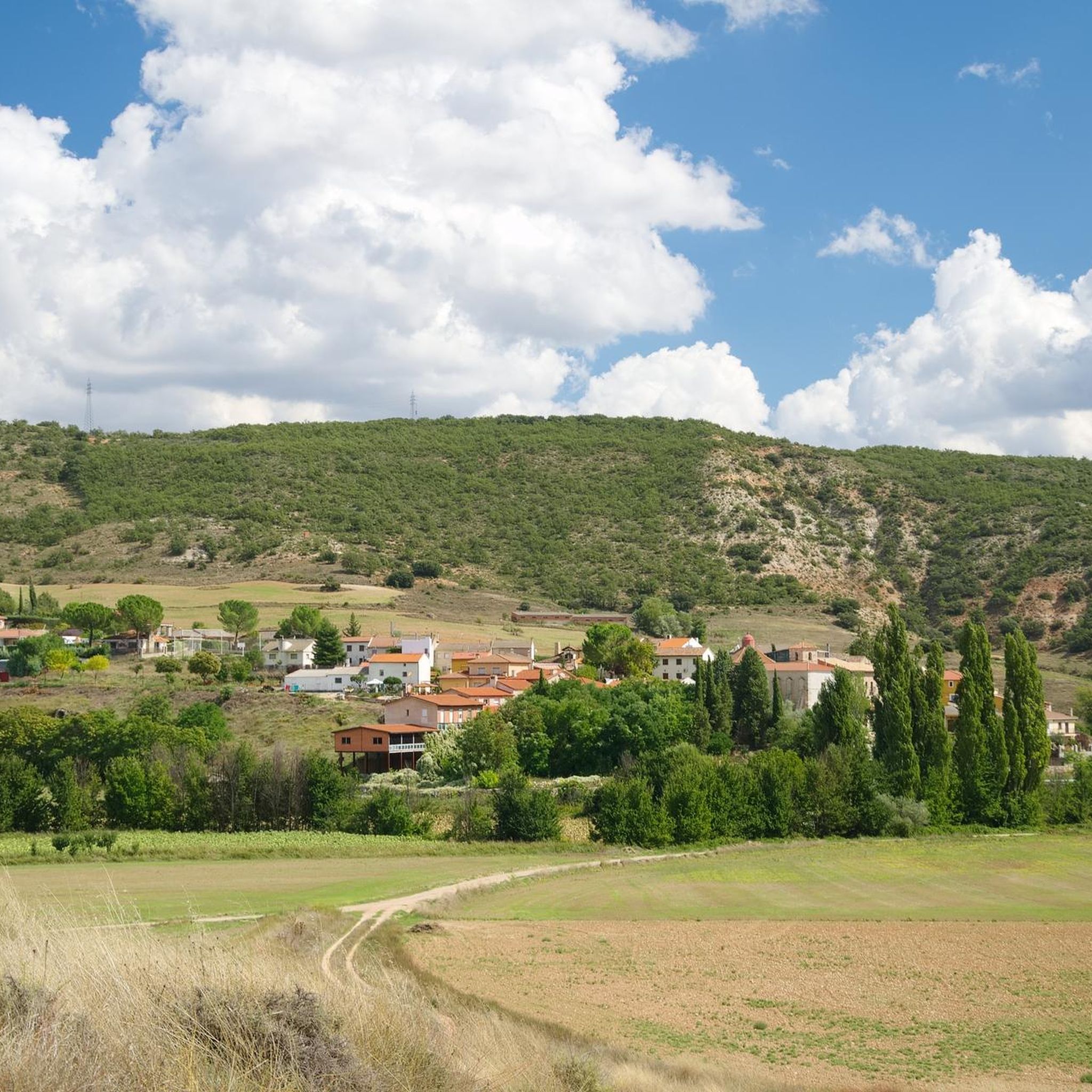
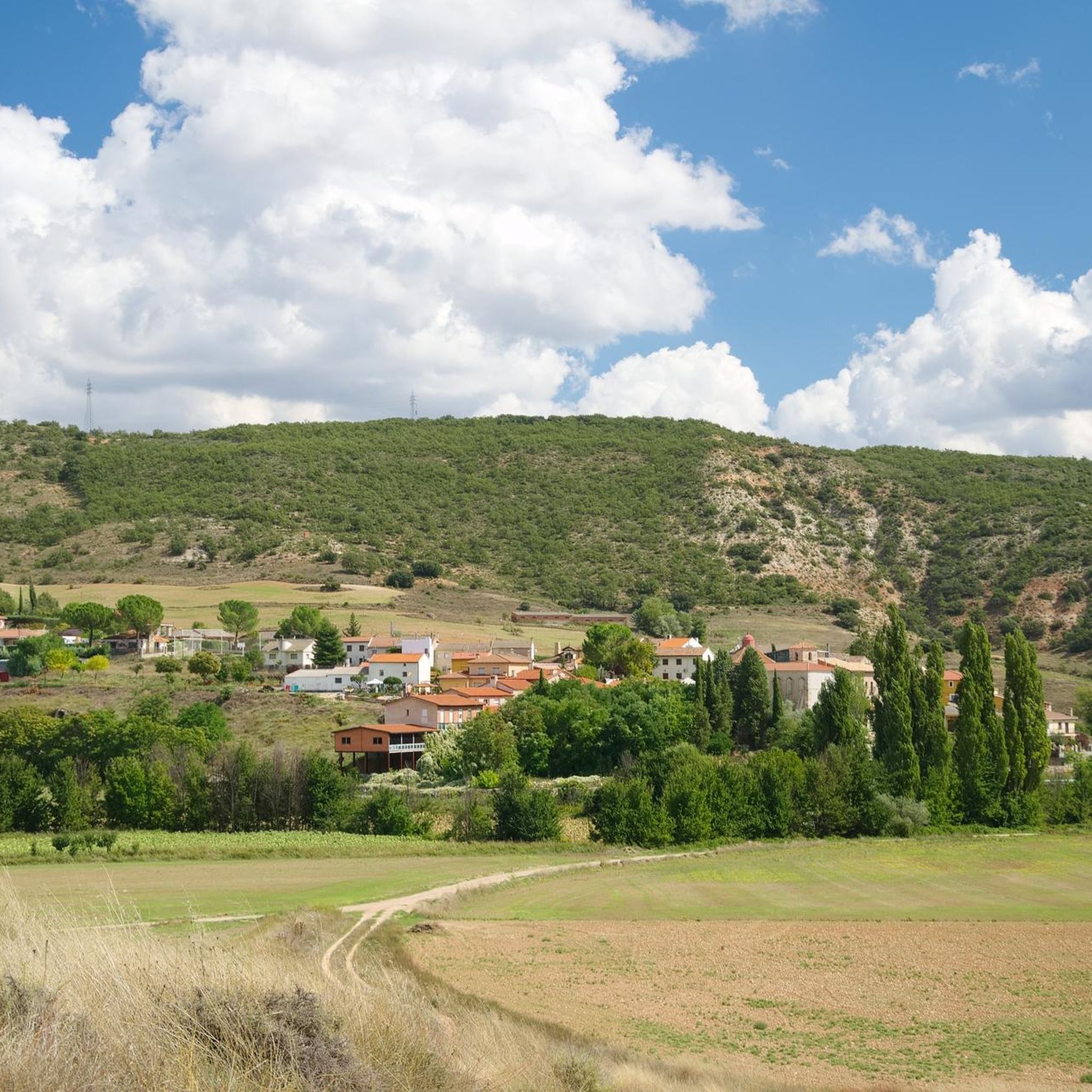
Pezuela de las Torres acquired jurisdictional independence in 1554 for the payment of one and a half million maravedis, erecting a pillory in the Plaza del Coso that represented the power to administer justice and a place for the town's residents to see criminals who were being sentenced to a pillory. The pillory is seven metres high on a pedestal of four steps and is topped with the heads of four lions. Next to it is the Plaza de la Constitución, home to the Town Hall and the Church of the Assumption, with a Romanesque apse and the rest rebuilt between the 16th and 18th centuries. It has a curious stately doorway from 1748 and a 16th century porticoed gallery, known as El Portalillo, the former meeting centre of the council. Most of the town's streets are on a slope, facing the plain, some houses retain the traditional two-storey country architecture and white facades. On Cerro del Calvario there are remains of traditional wineries used to make wine.
0
0

It is untreated water but it is perfectly safe to drink.
0
0
At this point you can decide to go to Santorcaz or Santos de la Humosa
0
0

Its history dates back to 1554. Pezuela had one hundred and eighty residents. The Council collected a million and a half maravedíes that ended up in the hands of King Carlos I in exchange for being able to have jurisdiction. On the occasion of this event, to commemorate and warn all travelers that Pezuela had achieved the power to administer justice for itself and that it was now a Villa, the Picota was ordered to be erected, a stone monument that was usually placed in the public square or at a crossroads. There are many legends of torture in Pezuela de las Torres. They all took place in the town square. In the past, the pillory was an instrument that was used to torture, place prisoners for public ridicule or expose a person's head after their execution. In it, major and minor penalties were paid for common criminals, who, after being whipped, were exposed to public shame. It had an exemplary character and had to be visited by the people when there were sentences. In addition to capital punishment, the exposure of public shame was frequent: the condemned had to endure the outbursts of the neighbors in addition to suffering the throwing of things that were within their reach (rocks, excrement or whatever they had at hand). That's where, in fact, the term pillorying or empicotar comes from. Although it was not the only one in the region, Pezuela today is one of the most important in the Community of Madrid. Source: https://elresurgirdemadrid.com/pezuela-de-las-torres-plaza-picota/
1
0

The town square is charming, with a fountain and a bar where we can cool off.
0
0
In restoration works, it presents a beautiful appearance
2
0
Frequently Asked Questions
How many gravel bike trails are available around Valdarachas?
There are 7 gravel bike trails documented around Valdarachas on komoot, offering a mix of easy, moderate, and difficult options to suit various skill levels.
Are there any easy gravel bike routes suitable for beginners or families?
Yes, Valdarachas offers several easy gravel routes. A good option for beginners or families is the Pozo de Guadalajara Town Hall – Pioz Castle loop from Pioz, which is 18.9 km long and features minimal elevation gain, making it a pleasant ride. Another moderate option that is not too strenuous is the Pioz Castle loop from La Arboleda.
What kind of landscapes and attractions can I expect to see on the gravel trails?
Gravel trails around Valdarachas often feature a blend of historical villages, riverine landscapes, and open countryside. You can expect to ride through tranquil environments with green spaces, and some routes may offer views of the Henares River. Notable attractions in the wider area include the historic village of Valdarachas itself, and landmarks like Pioz Castle.
Are there any circular gravel bike routes in the area?
Yes, many of the gravel bike routes around Valdarachas are designed as loops, allowing you to start and finish in the same location. Examples include the Puerta de la Cadena – Church of Santorcaz loop from Los Santos de la Humosa and the Hontoba, Hueva, Renera – Church of San Pedro (Hontoba) loop from Hontoba.
What is the best time of year to go gravel biking in Valdarachas?
Valdarachas is suitable for outdoor activities throughout much of the year. Spring and autumn generally offer the most pleasant temperatures for gravel biking, avoiding the intense heat of summer and potential colder, wetter conditions in winter. Always check local weather forecasts before heading out.
Are there any challenging gravel routes for experienced riders?
Yes, for experienced gravel bikers seeking a challenge, the Abánades Entrance – Fountain of Joy loop from Chiloeches is a difficult 51.6 km route with significant elevation gain, offering expansive views and a demanding ride.
What historical sites or cultural landmarks can be found along the gravel trails?
The region is rich in history. The village of Valdarachas itself is a Historic-Artistic Monument with cobbled streets and preserved rural buildings. Some routes may pass near other charming villages like Lupiana with its Plaza Mayor, or offer views of historic structures such as Pioz Castle.
Are there any viewpoints or scenic spots along the gravel routes?
Yes, the region offers picturesque vistas. The Mirador del río Henares (Henares River Viewpoint) provides scenic views of the river and its surrounding 'Terreras'. Many routes also traverse open countryside, offering expansive views of the landscape, particularly on routes with higher elevation gains.
What amenities like cafes or pubs are available near the gravel trails?
While the guide focuses on the trails themselves, the tranquil environment of Valdarachas and nearby villages like Lupiana suggest that local amenities such as cafes or small pubs might be available for refreshments. It's advisable to check specific village offerings along your chosen route.
Is parking available for gravel bikers in Valdarachas or nearby starting points?
Specific parking information for each route is not detailed in the guide. However, as a municipality suitable for outdoor activities, it is generally expected that parking options would be available in Valdarachas village or at the starting points of routes in nearby towns like Pioz or Los Santos de la Humosa. It's recommended to check local parking regulations upon arrival.
What makes Valdarachas a good destination for gravel biking?
Valdarachas is an excellent destination for gravel biking due to its tranquil environment, strategic location within Spain's Castile-La Mancha region, and its diverse natural and historical features. The area offers a good mix of terrain, from riverine views to historical villages, catering to various skill levels and providing a rich cultural and natural experience.
Most popular attractions around Valdarachas

Get inspired with the komoot mobile app


Explore more
Browse the best Gravel rides in other regions.
