The best gravel rides around Ponferrada
4.8
(7)
63
riders
17
rides
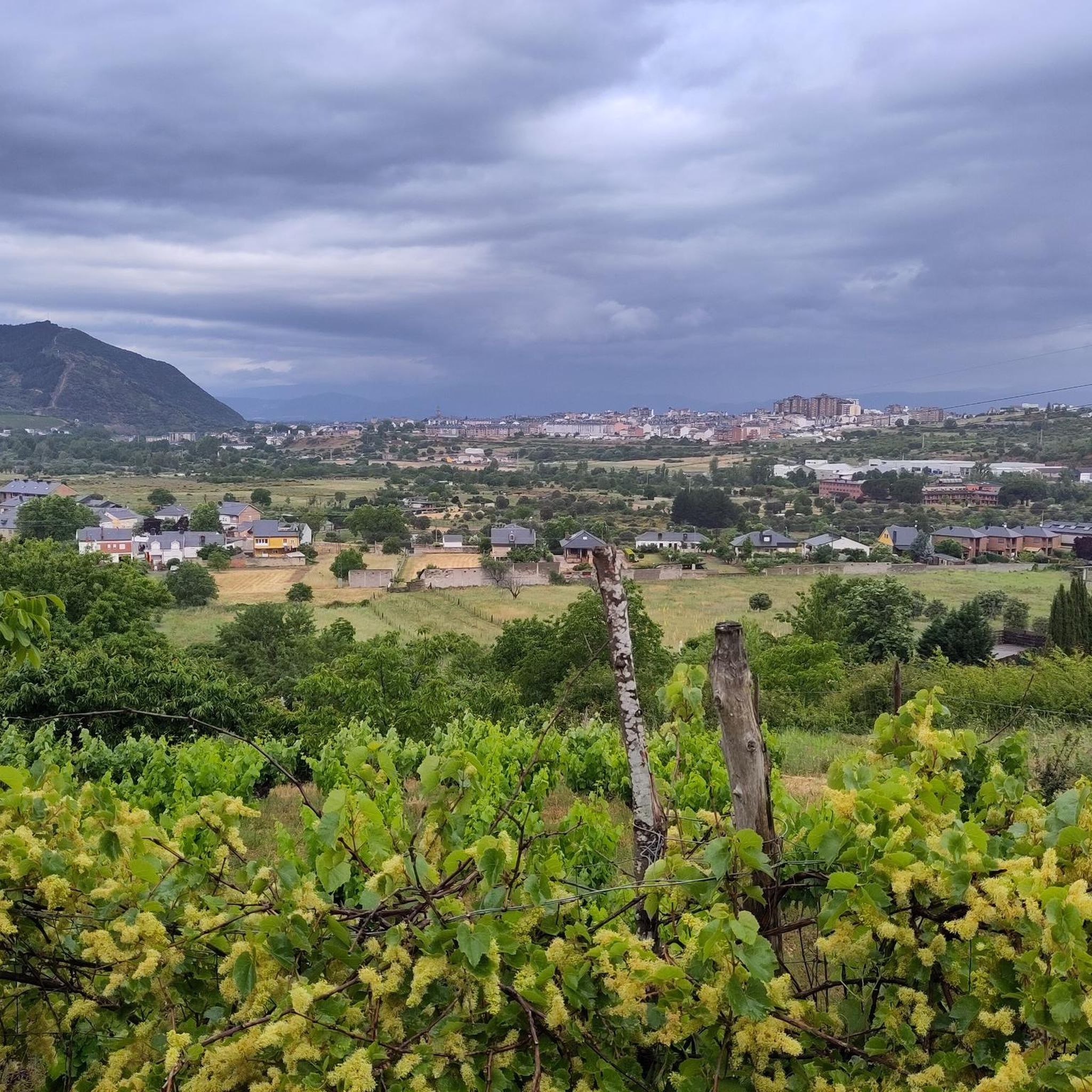
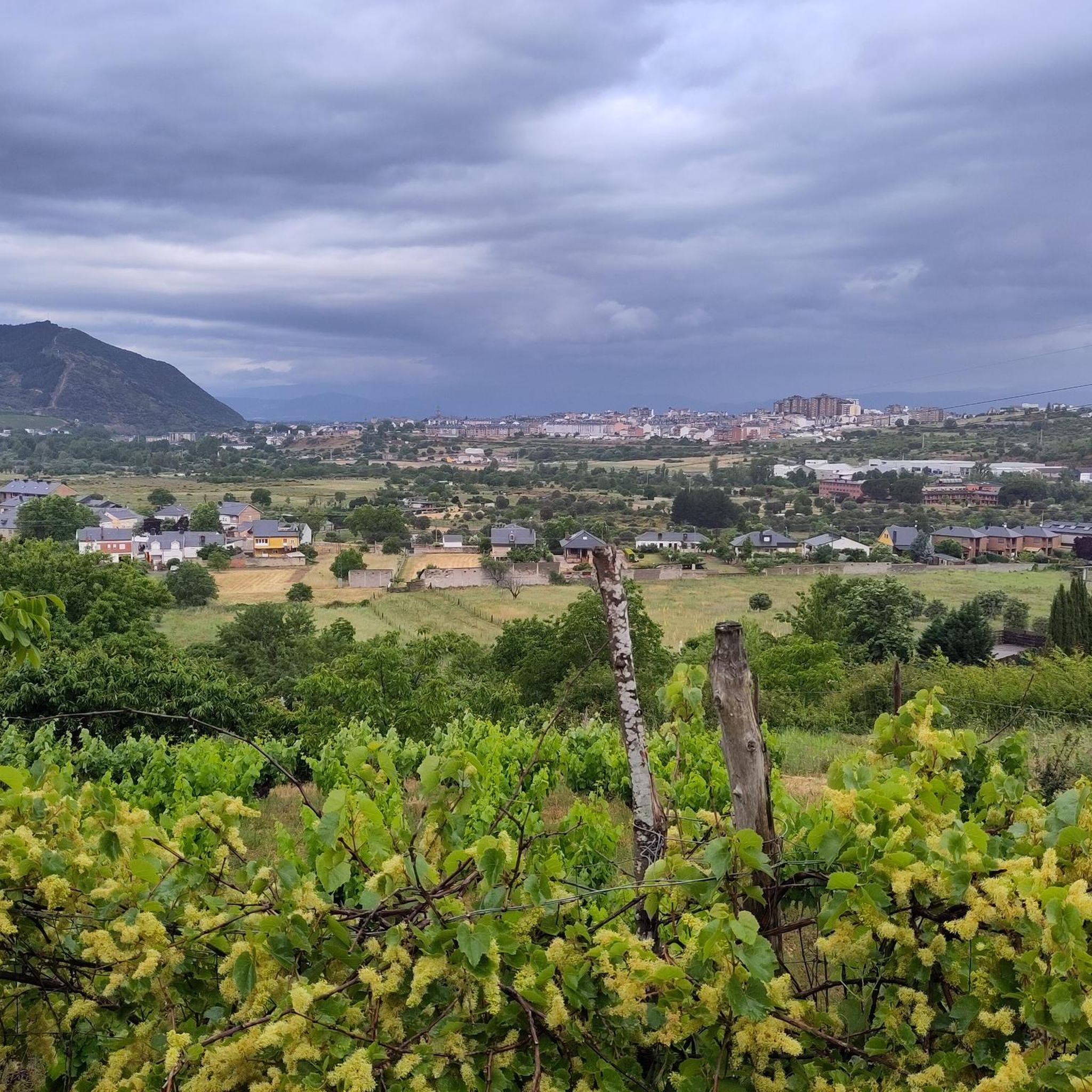
Gravel biking around Ponferrada offers a diverse landscape characterized by river valleys, historical sites, and varied terrain. The region features a mix of ancient Roman gold mines, such as Las Médulas, and paths along rivers like the Boeza and Oza. Riders can expect routes that traverse both open countryside and areas with historical structures, including Ponferrada Castle. The elevation changes provide a range of experiences, from moderate climbs to more challenging ascents.
Best gravel bike trails around Ponferrada
- The most popular gravel bike trail is Las Médulas – Orellán Galleries loop from Carucedo, a 13.6 miles (22.0 km) trail that takes 2 hours 31 minutes to complete. This route explores the unique, eroded landscape of the ancient Roman gold mines and includes the Orellán Galleries.
- Another top favourite among local gravel bikers is Boeza Bridge – Ponferrada Castle loop from Campo, a moderate 12.0 miles (19.4 km) path. This route combines riverside riding along the Boeza with views of the historic Ponferrada Castle.
- Local gravel bikers also love the The Tunnel of Toral de Merayo – Ponferrada Castle loop from Ponferrada, a 52.6 miles (84.7 km) trail leading through varied terrain including a tunnel and historical areas, often completed in about 8 hours 3 minutes.
- Gravel biking around Ponferrada is defined by ancient Roman gold mines, river valleys, and historical castles. The network offers options for different ability levels, from moderate paths to more difficult routes.
- The routes in Ponferrada are highly rated by the komoot community with an average score of 4.8 stars from over 7 reviews. More than 60 gravel bikers have used komoot to explore Ponferrada's varied terrain.
Last updated: May 21, 2026
7
riders
22.0km
02:09
610m
610m
Hard gravel ride. Very good fitness required. Mostly paved surfaces. Suitable for all skill levels.
5.0
(1)
3
riders
19.4km
01:40
330m
330m
Moderate gravel ride. Good fitness required. Mostly paved surfaces. Suitable for all skill levels.

Sign up for free
10
riders
84.4km
06:53
1,880m
1,880m
Hard gravel ride. Very good fitness required. Mostly paved surfaces. Suitable for all skill levels.
5
riders
24.3km
01:52
290m
290m
Moderate gravel ride. Good fitness required. Mostly paved surfaces. Suitable for all skill levels.
3
riders
11.1km
01:03
300m
300m
Moderate gravel ride. Good fitness required. Mostly paved surfaces. Suitable for all skill levels.
Get access to more routes and recommendations from other explorers.
Sign up for free
Already have an account?
Our route recommendations are based on thousands of hikes, rides, and runs completed by other people on komoot.
Start today with a free account
Your next adventure awaits.
Login or Signup
Popular around Ponferrada
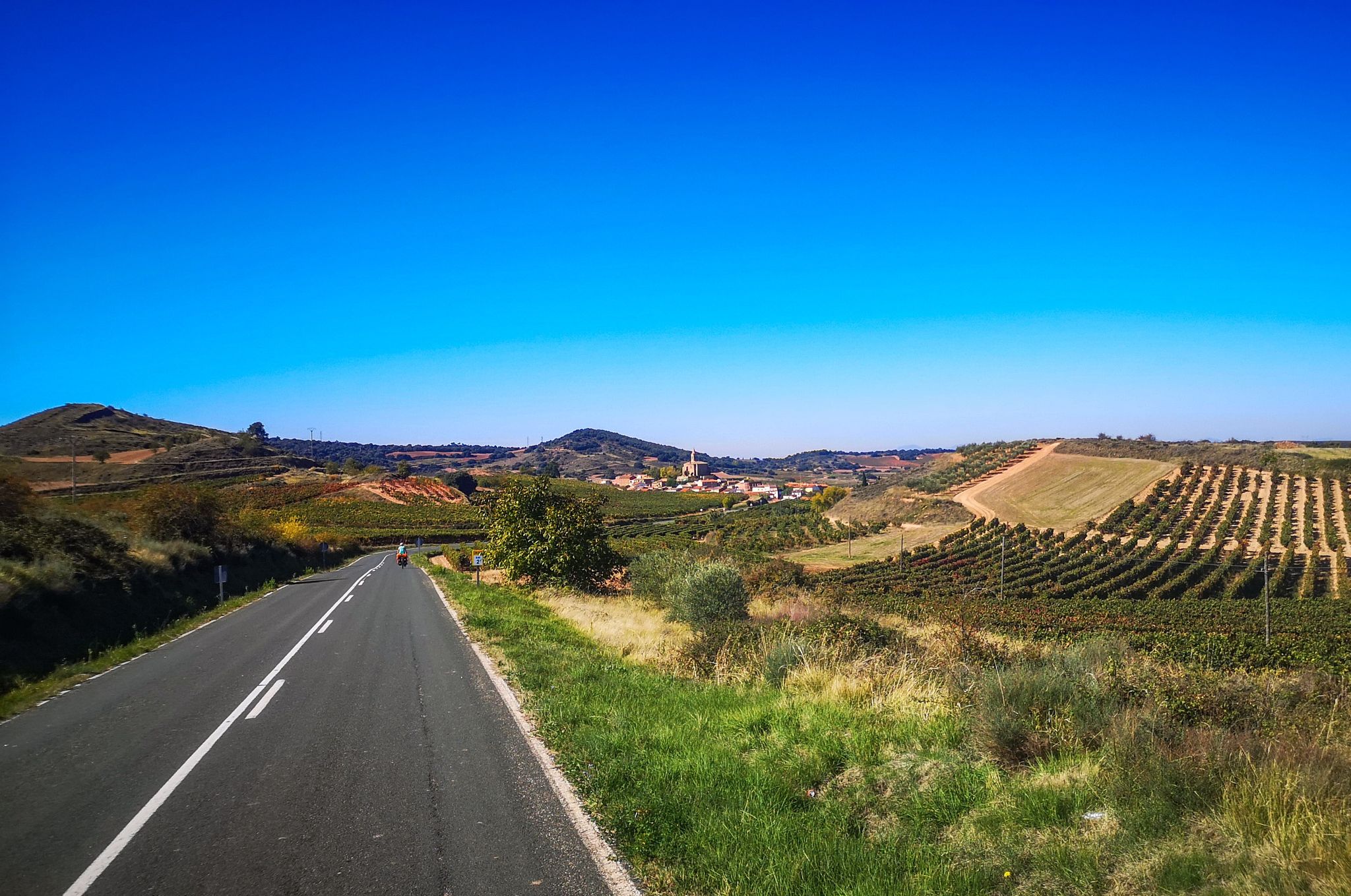
Santiago de Compostela – A journey through northern Spain (10 days)
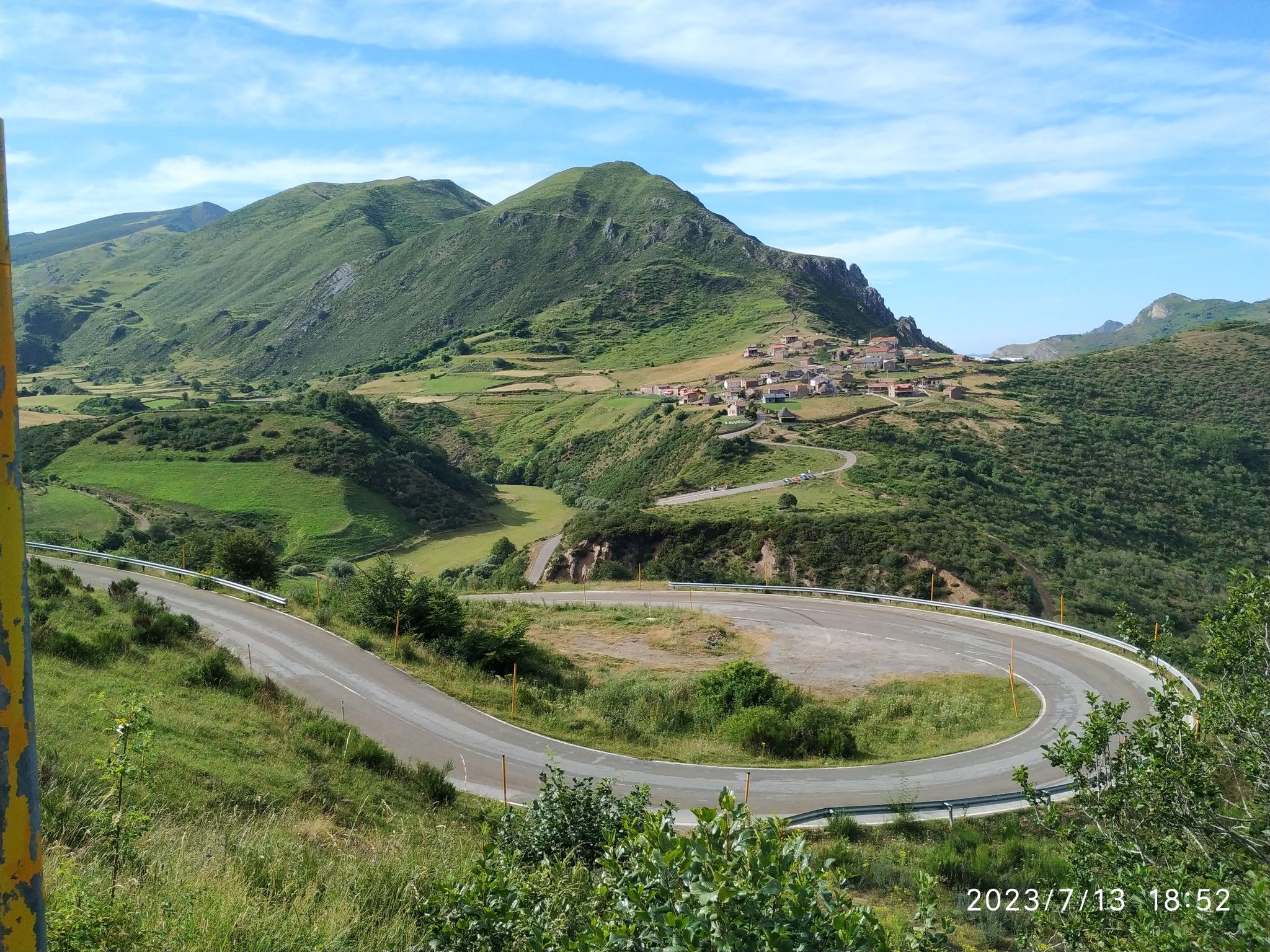
Height Challenges — Ports in Castilla y León
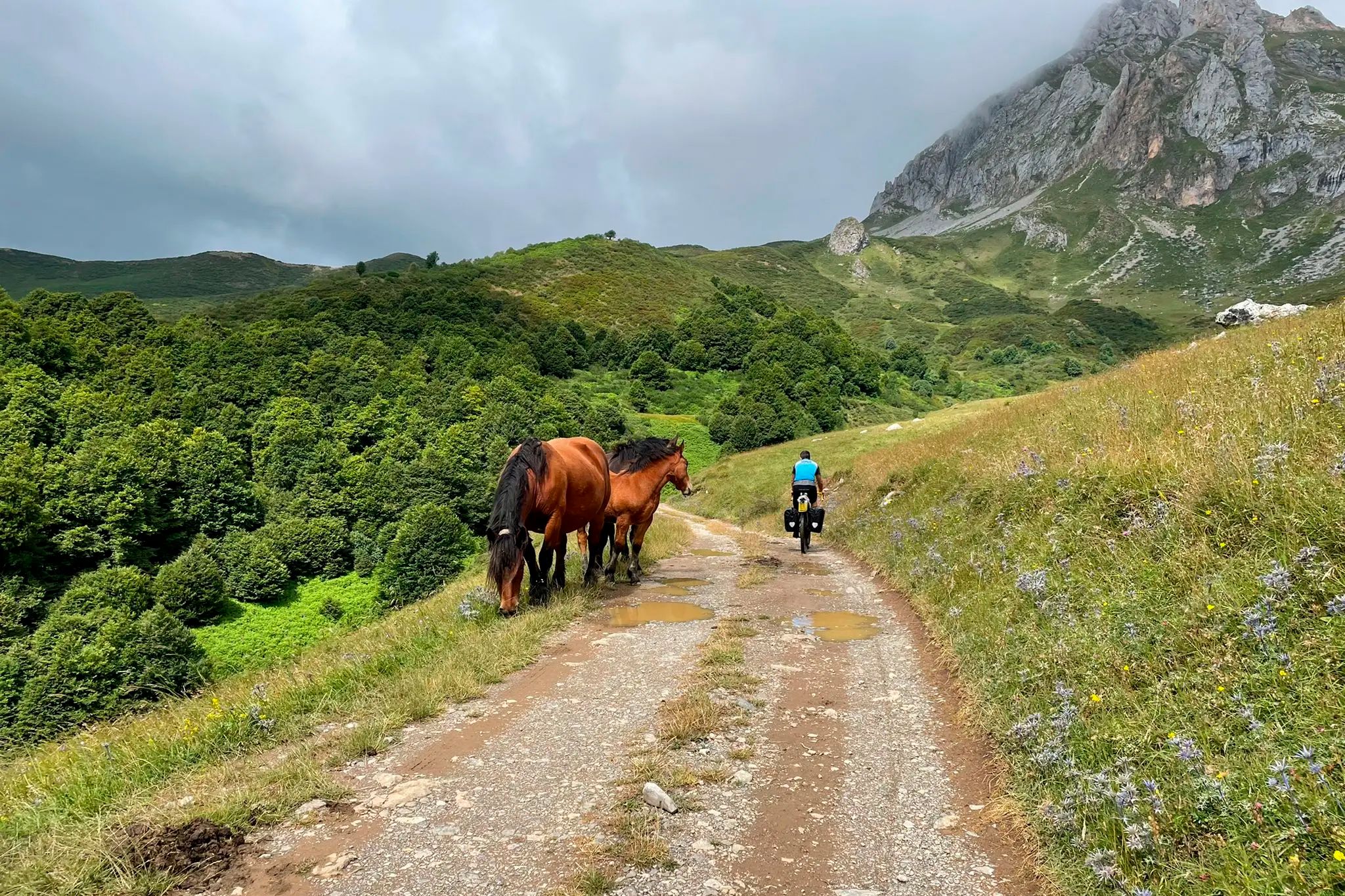
TransCantabrica – Extreme mountain biking in northern Spain
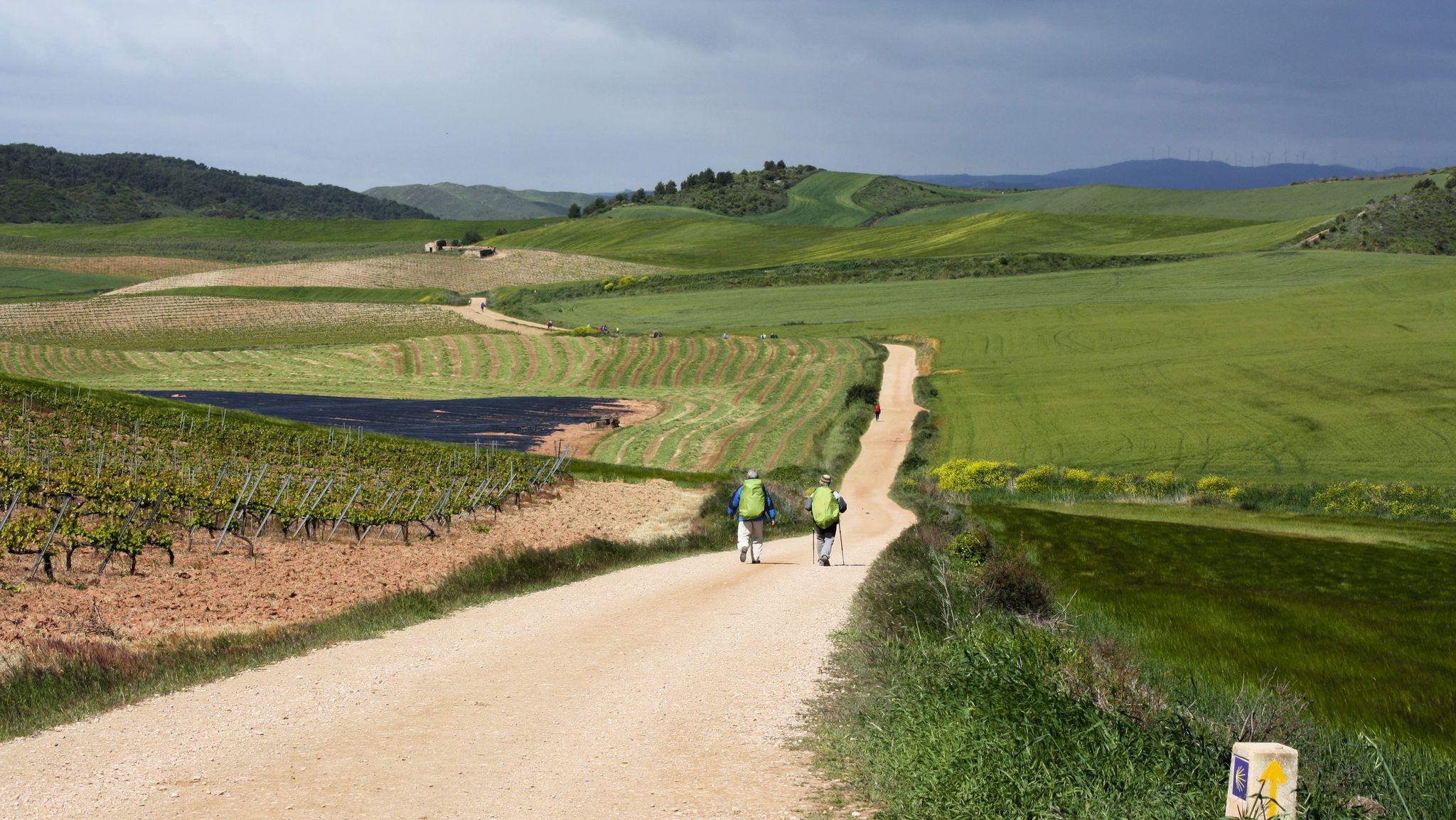
An Iberian pilgrimage – French Way of Saint James
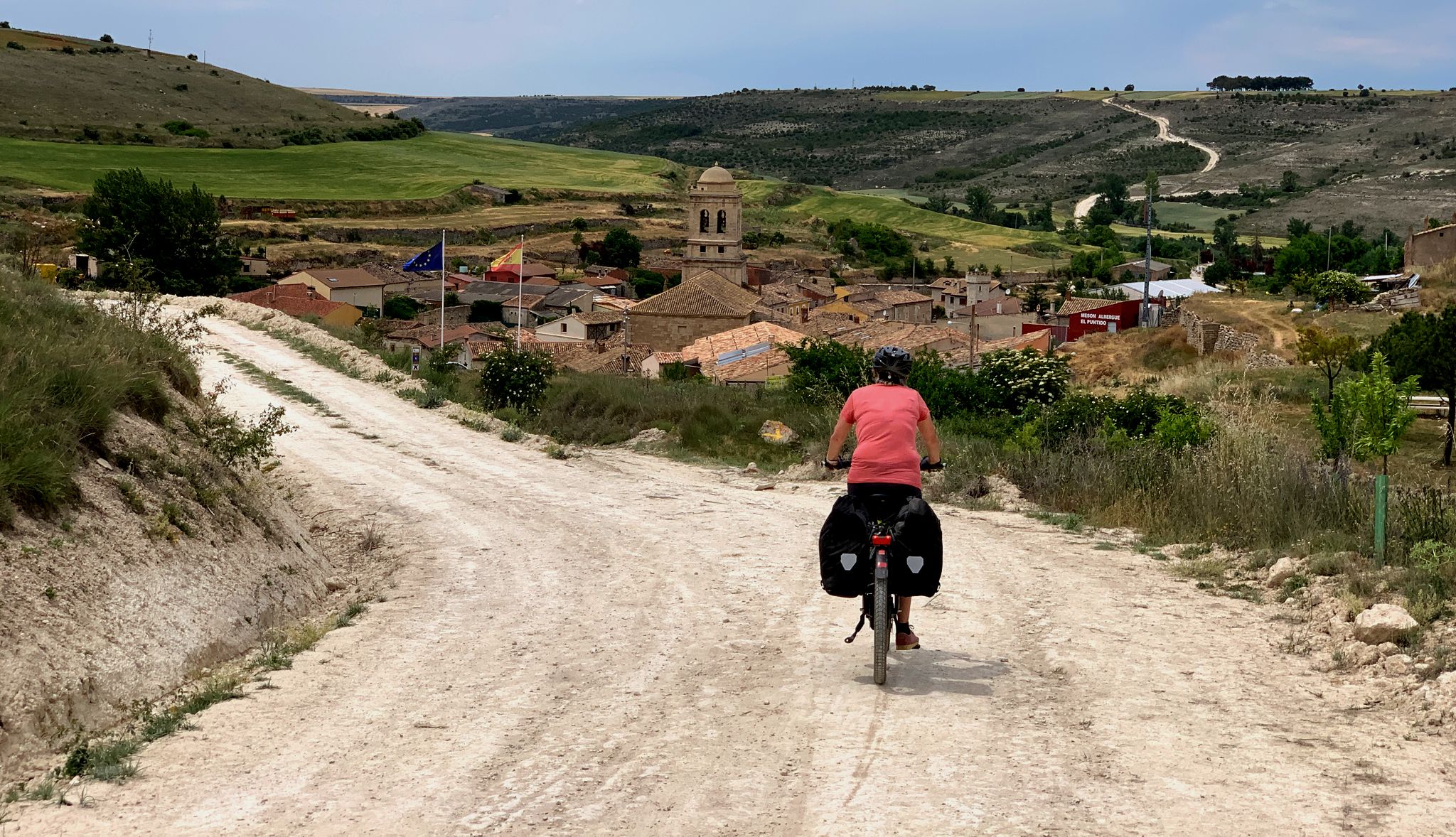
The Pilgrim Route — EuroVelo 3 through Spain
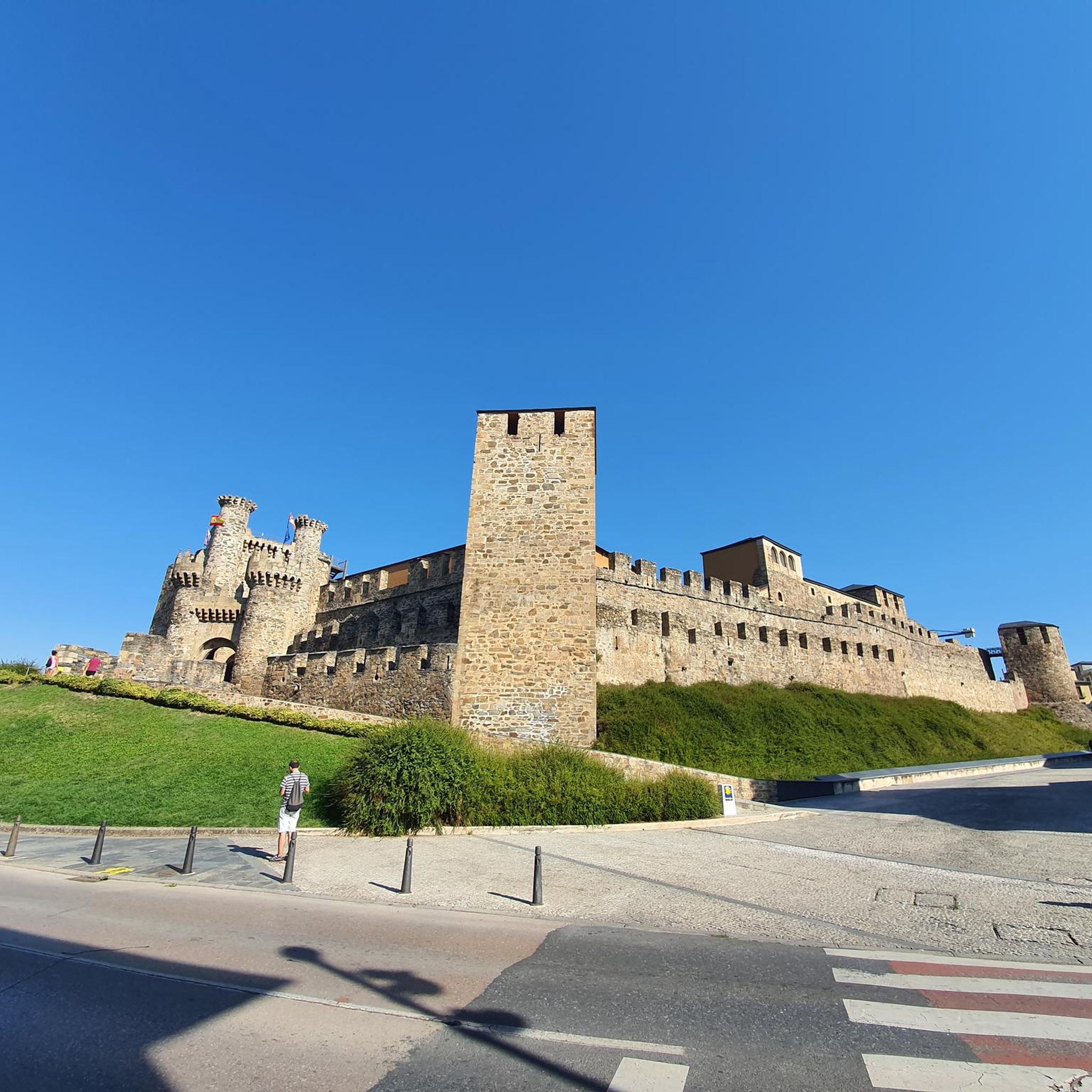
Hiking around Ponferrada
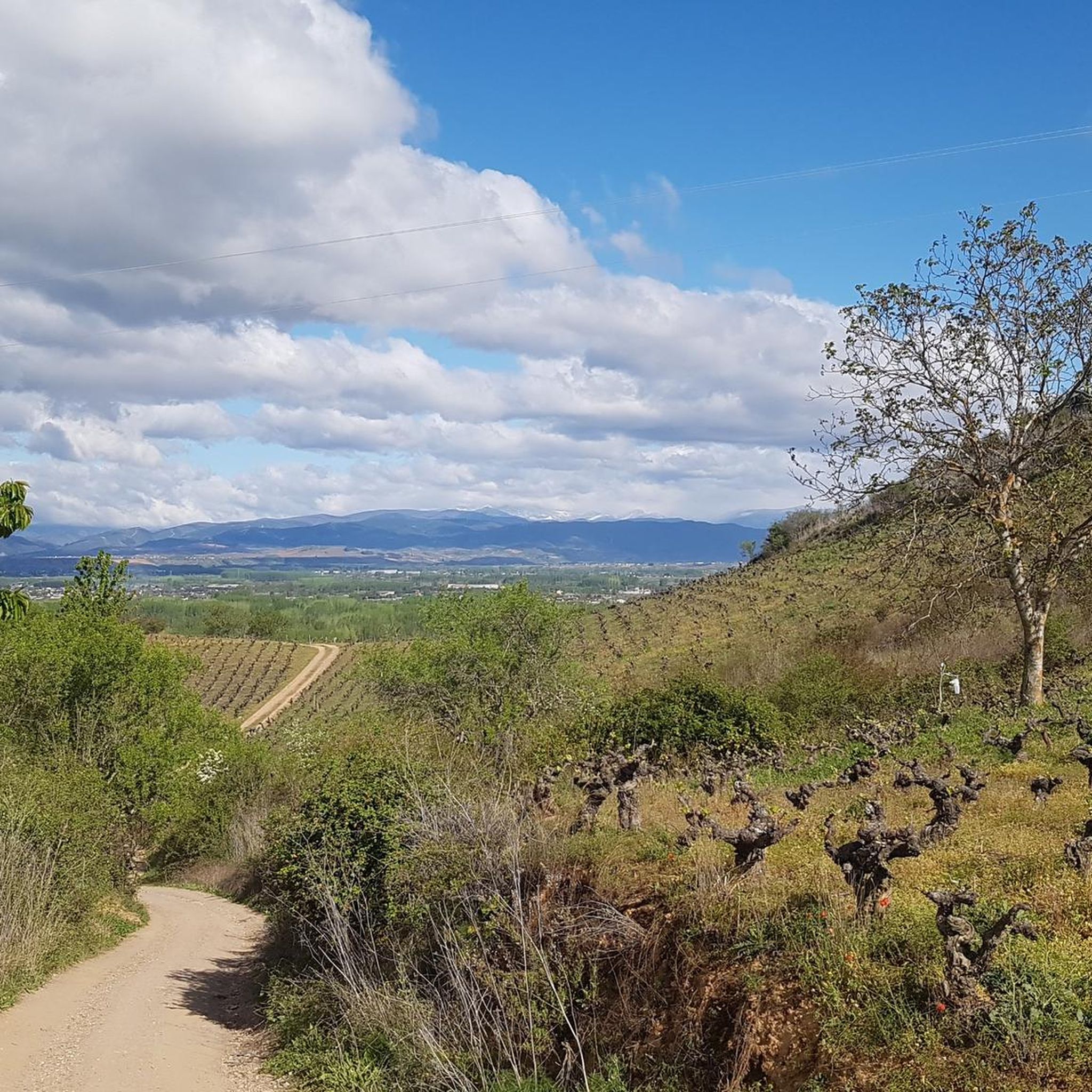
MTB Trails around Ponferrada
Cycling around Ponferrada
Running Trails around Ponferrada
Road Cycling Routes around Ponferrada
Other adventures around Ponferrada


Tips from the Community

The Lambrión Chupacandiles statue in Ponferrada is a bronze tribute to one of the most iconic figures of the local Semana Santa tradition. Installed in 2024 at the Church of San Andrés, the statue depicts a Nazareno in a black hooded robe, holding a bell—just as he parades through the city each year to announce the arrival of Holy Week. The figure, which originated in the 17th century, is linked to the Hermandad de Jesús Nazareno and takes its name from a legend that says he tasted wine and even oil from candlesticks along the way. Designed by Tomás Bañuelos and Soraya Triana, the sculpture has become a recognizable symbol of Ponferrada's religious heritage.
3
0

When viewing the rock formations of Las Medulas, it's important to remember that this landscape is not natural, but rather the (sad) remains of a mountain range that was ruthlessly exploited for its gold ore as early as the Roman Empire. Nevertheless, this landscape of ruins is a UNESCO World Heritage Site. A 15-minute film documentary about it (although only available in German) is available in the ARD media library as part of the highly recommended series "Treasures of the World - Heritage of Humanity" =>> https://www.zdf.de/swr/schaetze-der-welt/page-video-ard-las-mdulas-und-seine-goldminen-spanien-100.html
3
0

The Mirador de Orellán is a spectacular observation point located in the town of Orellán, in the municipality of Borrenes, León. This viewpoint offers stunning panoramic views of the cultural landscape of Las Médulas, an ancient Roman gold mining complex declared a World Heritage Site by UNESCO. Near the viewpoint, you can visit the underground galleries that were part of the Roman gold mining system. Entry costs €3 and a helmet with headlamp is provided for the visit.
7
0

At the end of the 11th century, Osmundo, Bishop of Astorga, ordered the construction of a bridge (partly made of iron = pons ferrata) over the Sil for the pilgrims on the Way of St. James, near which a settlement was built. At the "pons ferrata", the iron bridge, the Knights Templar built a huge castle on a surface area of 160 x 90 m to protect the pilgrims on the Way of St. James. The medieval castle complex was inhabited by the Knights Templar from 1178 to 1312. Source: Wikipedia
5
0

The Templars' heyday from the 12th to 14th centuries led to the construction of this mighty fortress, among other things to protect the pilgrims on the Way of St. James. The rampart on the city hill stands out impressively against the mountain backdrop and absolutely conforms to the stereotypical image of a knight's castle. It is sensationally well maintained and a feast for the eyes.
6
0
The order, often referred to simply as the "Order of the Knights Templar," whose full name is "Poor Knights of Christ and of Solomon's Temple in Jerusalem," takes us mentally back to the 13th century. Founded in the Holy Land, it spread surprisingly quickly to many countries in Central Europe, and this castle complex in Ponferrada, northern Spain, was one of its numerous branches. The order gained notoriety through its dissolution in 1312 by the French king and the pope, and many of its members were burned at the stake as alleged heretics. The main reason for the dissolution, however, was not the members' human and religious misconduct (heresy), which was merely a pretext, but the legendary wealth of this order. King Philip IV of France primarily wanted to secure the treasures to bolster his coffers.
6
0
This bridge, which connects the neighborhoods of Toral and Merayo, is built over the Oza River and combines traditional architecture with the natural beauty of the area. Its slate and limestone masonry structure evokes a sense of historical authenticity. Although it is not as famous as other medieval bridges, its uniqueness and location make it an interesting place to visit. 😊
19
0
The Boeza Bridge began construction in the 16th century and took more than 20 years to complete. During the works, a large flood destroyed its main arch, which caused the bankruptcy of the builder, Juan de Suertes. Despite the challenges, this stone bridge remains in excellent condition. If you ever have the opportunity to visit, you will immerse yourself in the rich history of Ponferrada and enjoy its historical beauty. 🌉🚶♂️
19
0
Frequently Asked Questions
Are there gravel bike routes suitable for beginners or families in Ponferrada?
While many routes in the region are classified as moderate to difficult, there are options that can be enjoyed by those looking for a less strenuous ride. For example, the Boeza Bridge – Ponferrada Castle loop from Campo is a moderate 19.4 km path with around 334 meters of elevation gain, offering a pleasant riverside experience. Another good choice is the Las Médulas – View of Las Médulas loop from Carucedo, which is 10.9 km long with 293 meters of ascent, allowing you to explore the unique landscape without excessive challenge.
What is the typical length and duration of gravel bike trails around Ponferrada?
Gravel bike trails in Ponferrada vary significantly in length and duration. You can find shorter, moderate routes like the Las Médulas – View of Las Médulas loop from Carucedo, which is about 10.9 km and takes around 1 hour 15 minutes. For more ambitious riders, there are longer, difficult trails such as The Tunnel of Toral de Merayo – Ponferrada Castle loop from Ponferrada, spanning 84.7 km and typically requiring over 8 hours to complete.
What kind of natural and historical attractions can I see along the gravel routes?
The region is rich in both natural beauty and historical significance. Many routes traverse the ancient Roman gold mines of Las Médulas, a UNESCO World Heritage site. You can explore the unique eroded landscapes and even visit the Orellán Galleries. Other highlights include paths along rivers like the Boeza and Oza, and views of the historic Ponferrada Castle. For those interested in natural wonders, there are several waterfalls nearby, such as the Waterfall and Bridge of the Arroyo del Silencio.
Are there any circular gravel bike routes available?
Yes, many of the gravel bike routes around Ponferrada are designed as loops, offering convenient starting and ending points. Examples include the popular Las Médulas – Orellán Galleries loop from Carucedo, the Boeza Bridge – Ponferrada Castle loop from Campo, and the longer Ponferrada Castle – Path Along the Oza River loop from Ponferrada. These circular routes allow you to experience diverse scenery without needing to arrange a return trip.
What is the best time of year for gravel biking in Ponferrada?
Ponferrada generally experiences a Mediterranean climate with continental influences. Spring (April to June) and autumn (September to October) are often considered ideal for gravel biking, offering pleasant temperatures and less rainfall. Summers can be hot, especially in July and August, while winters are milder but can bring cooler temperatures and occasional rain or snow at higher elevations. Always check the local weather forecast before heading out.
Where can I find parking for gravel biking routes in Ponferrada?
Many routes start from towns and villages in the region, such as Ponferrada itself, Carucedo, or Campo. You can typically find public parking available in these starting locations. For specific routes, it's advisable to check the route details on komoot, as local parking information is often shared by other users in the comments or descriptions.
What do other gravel bikers enjoy most about the trails in Ponferrada?
The gravel biking experience in Ponferrada is highly rated by the komoot community, with an average score of 4.8 stars. Riders frequently praise the unique blend of historical sites, particularly the ancient Roman gold mines of Las Médulas, and the varied natural landscapes, including river valleys and scenic viewpoints. The diverse terrain offers options for different skill levels, making it appealing to a wide range of cyclists.
Are there any less crowded or 'hidden gem' gravel trails in the area?
While popular routes like those around Las Médulas attract many visitors, the extensive network of trails means you can often find quieter paths. Exploring routes that venture further into the Oza River valley or those starting from smaller villages away from the main tourist hubs can offer a more secluded experience. Komoot's route planner can help you discover less-traveled paths by filtering for routes with fewer completions.
Can I find viewpoints along the gravel bike routes in Ponferrada?
Absolutely. The varied topography of the Ponferrada region, with its river valleys and elevated areas, provides numerous opportunities for scenic viewpoints. Routes that climb towards areas overlooking Las Médulas, for instance, offer spectacular panoramic views of the unique landscape. Many trails also follow ridges or ascend to higher ground, providing expansive vistas of the surrounding countryside and historical landmarks.
Are there any gravel bike routes that pass by cafes or places to refuel?
Many routes in the Ponferrada area pass through or near small towns and villages where you can find cafes, bars, or small shops to refuel. For example, routes starting or passing through Ponferrada itself, Carucedo, or Campo will offer opportunities for refreshments. It's always a good idea to plan your route and check for amenities along the way, especially on longer rides, or carry sufficient water and snacks.
How many gravel bike trails are available in the Ponferrada region?
There are over 19 gravel bike trails documented on komoot for the Ponferrada region. These routes offer a diverse range of experiences, from moderate riverside rides to more challenging ascents through historical landscapes, catering to various skill levels and preferences.
Most popular routes around Ponferrada
Most popular attractions around Ponferrada

Get inspired with the komoot mobile app


Explore more
Browse the best Gravel rides in other regions.
