The best gravel rides around Fulleda
4.5
(2)
74
riders
18
rides
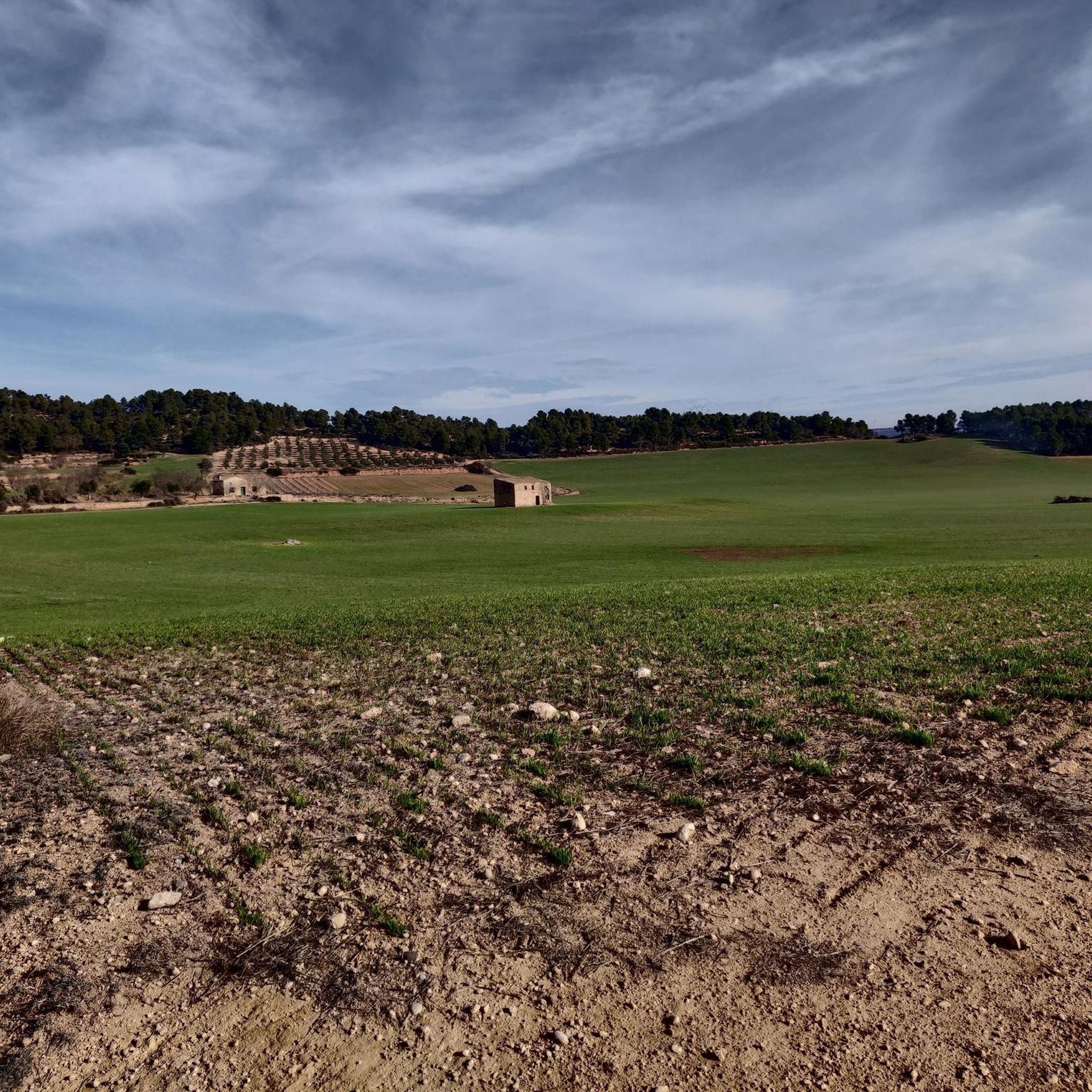
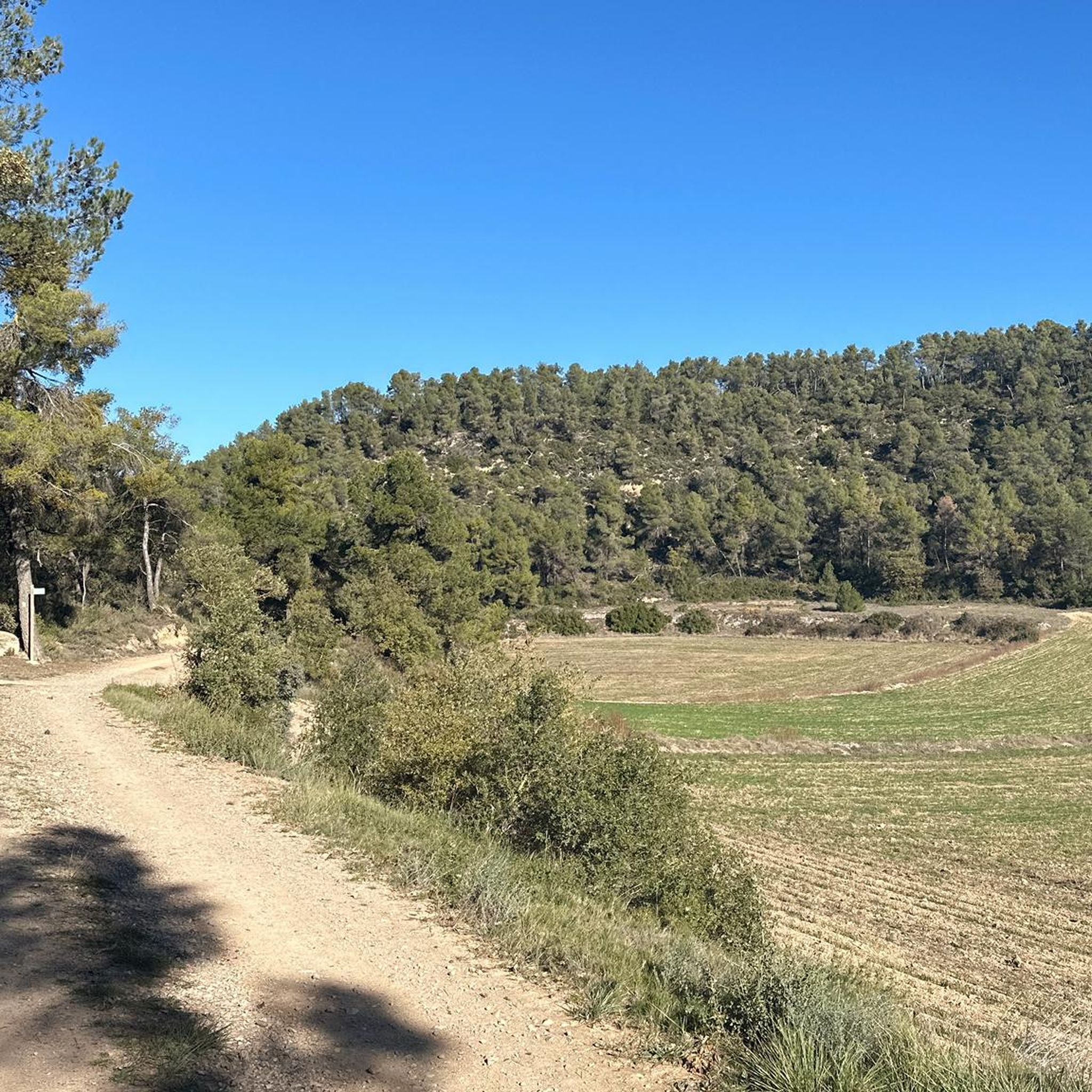
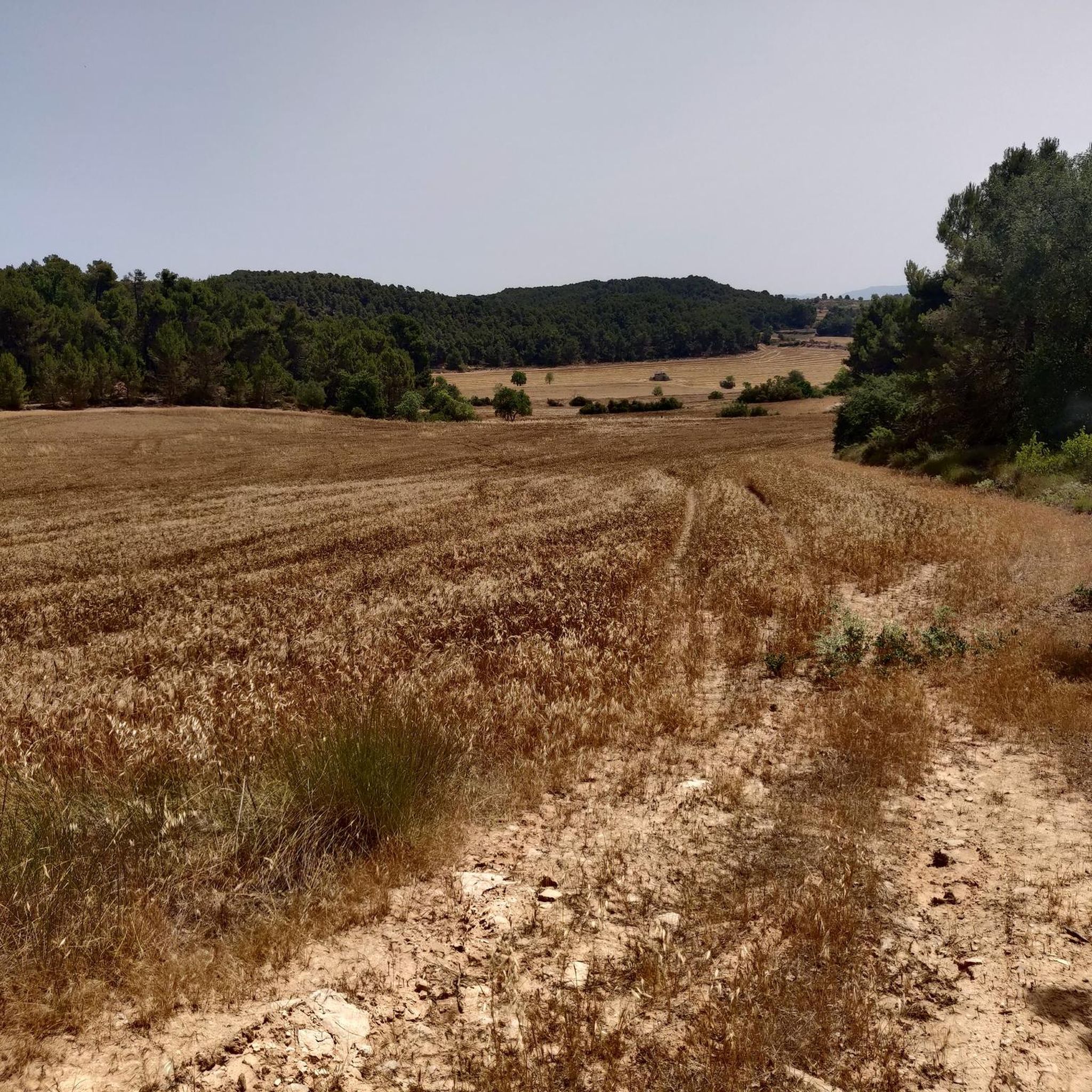
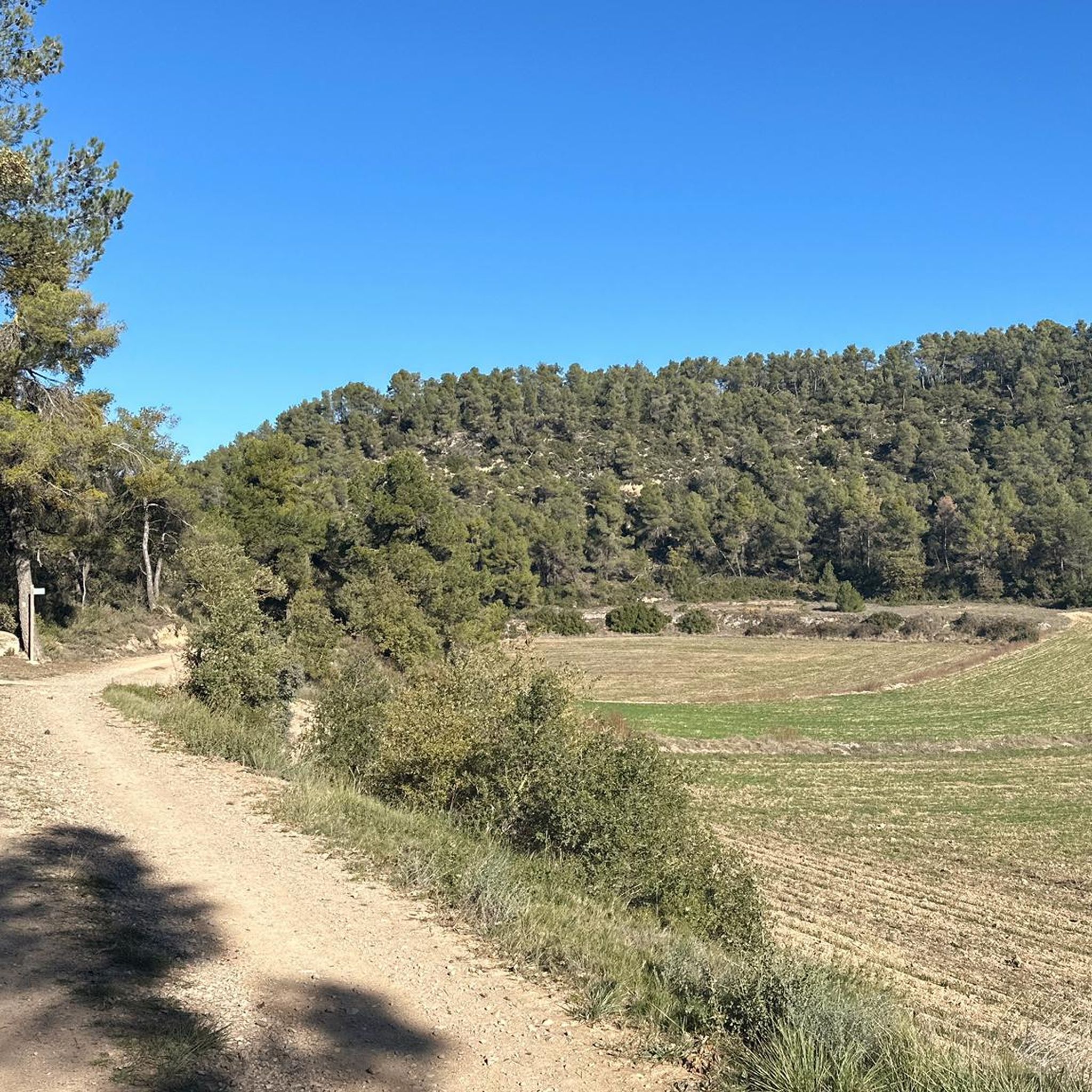
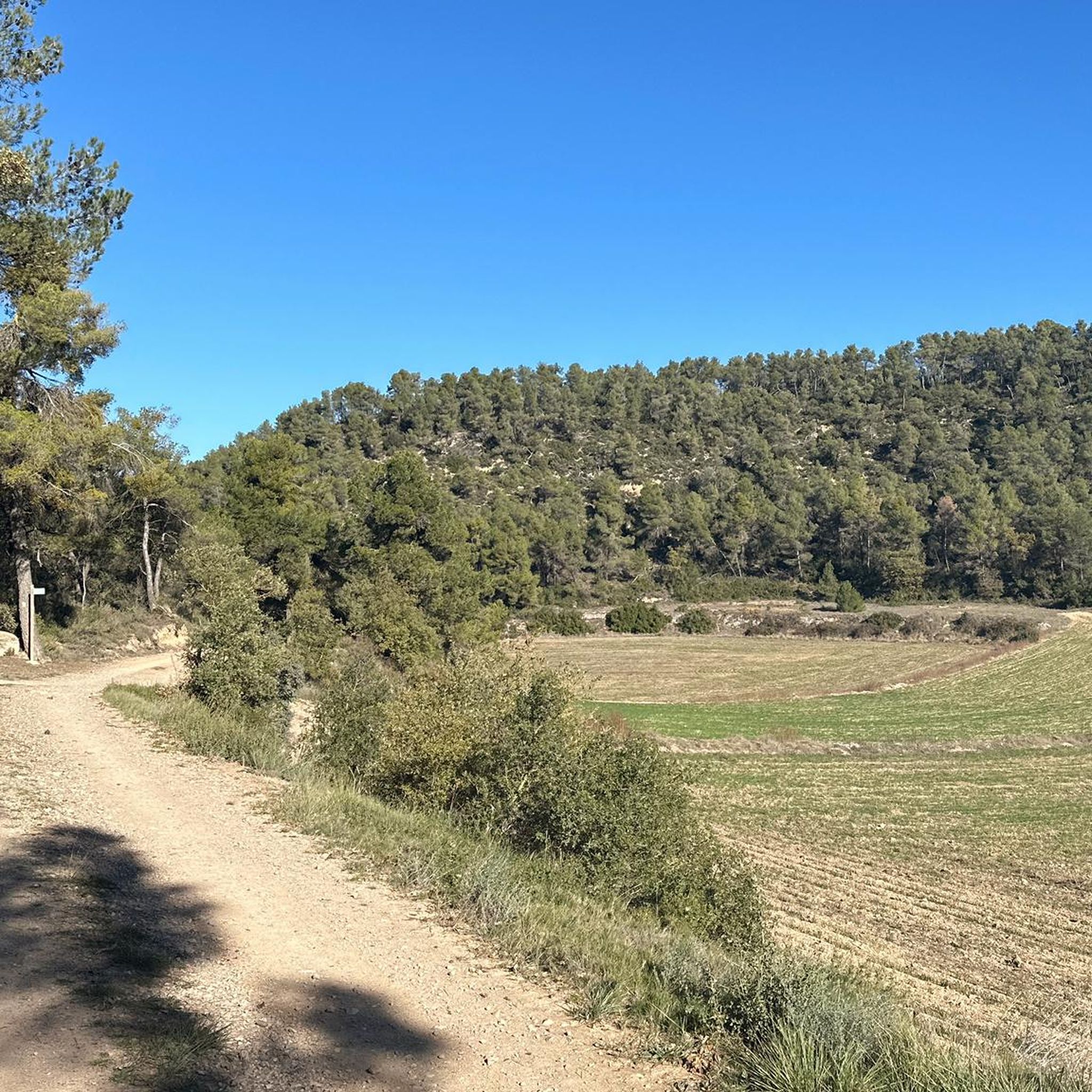
Gravel biking around Fulleda offers a diverse landscape for riders. The region features a mix of rolling hills, historical sites, and agricultural areas, providing varied terrain for gravel routes. Elevations can range from gentle inclines to more significant climbs, with some routes reaching over 1000 meters. The trails often traverse open countryside, connecting small villages and natural features.
Best gravel bike trails around Fulleda
- The most popular gravel bike trail is Old Bridge of Montblanc – Montblanc City Walls loop…
Last updated: August 4, 2026
11
riders
100km
08:44
1,370m
1,370m
Hard gravel ride. Very good fitness required. Mostly paved surfaces. Suitable for all skill levels.
10
riders
42.0km
03:16
870m
870m
Hard gravel ride. Very good fitness required. Mostly paved surfaces. Suitable for all skill levels.

Sign up for free
2
riders
17.1km
01:24
300m
300m
Moderate gravel ride. Good fitness required. Mostly paved surfaces. Suitable for all skill levels.
2
riders
18.2km
01:30
310m
310m
Moderate gravel ride. Good fitness required. Mostly paved surfaces. Suitable for all skill levels.
5
riders
28.6km
02:32
680m
670m
Hard gravel ride. Very good fitness required. Mostly paved surfaces. Suitable for all skill levels.
Get access to more routes and recommendations from other explorers.
Sign up for free
Already have an account?
Our route recommendations are based on thousands of hikes, rides, and runs completed by other people on komoot.
Start today with a free account
Your next adventure awaits.
Login or Signup
Tips from the Community

Montblanc seems to have been frozen in time. Its walls, fortified gates, towers, and historic center retain a medieval character that invites you to explore it.
1
0

Along with the monasteries of Poblet and Santes Creus, this is one of the three pearls of Gothic architecture in Catalonia. You won't be disappointed.
0
0


Beautiful medieval monastery from the Cistercian era, still inhabited by nuns.
0
0

The monastery of Santa María de Vallbona is a female Cistercian abbey founded in the 11th century and built in a mixture of Romanesque and Gothic styles. Together with the Poblet and Santes Creus monasteries, it forms the Cistercian Route.
0
0

Belonging to the district of Vallbona de les Monges, Montblanquet is a small town in the Sierra del Tallat, on the border between the counties of Conca de Barberà and El Urgell. Among its heritage stands out the church of Sant Andreu de Montblanquet, from the 13th century, with a single nave and Cistercian inspiration. The old washrooms, the communal oven and a couple of fountains are also preserved. In the Plaza Mayor there is a stamp for the Ruta del Cister (a cupboard inside which there is a stamp for the route).
1
0
Municipality of the province of Tarragona, in the region of Conca de Barberà. The origin of the town is in the castle that Ponç de Cervera built on top of a nearby mountain in the 11th century. In the middle of the 13th century, the castle became dependent on the monastery of Poblet and the Templars, and in the lower part the encomienda of the Espluga de Francolí was established, under the jurisdiction of the hospital order. In the year 1312, the year of the extinction of the Order of the Temple, the Espluga de Francolí acquires the full señorío. Among the cultural heritage stands out the old hospital of the Order of San Juan, which currently houses the Mosén Ramón Muntanyola library, the Museo de la Vida Rural, the modernist cooperative winery Celler Cooperatiu, the work of Pere Domènech i Roura, or the Fassina Balanyà, former alcohol factory, today converted into one of the twenty-five industrial museums of the System of the National Museum of Science and Technology of Catalonia.
0
0
The monastery of Santa María de Vallbona is the most important female Cistercian monastery in Catalonia. It has maintained its monastic activity uninterruptedly for more than 800 years. Its beginnings, at the beginning of the 12th century, were as a mixed group of hermits who followed the Rule of Sant Benet, later converted into monastics, under the pastoral staff of its founder, Ramón de Vallbona. In 1175 the monks moved to Montsant, leaving the female monastic community in Vallbona, which joined the Cistercian order. The monastery is made up of the temple, presided over by the Mare de Déu del cor, in the usual sober and slightly ornamented style of the order, and by the trapezoidal-shaped cloister, and the other dependencies (chapter house, the archive and the old pharmacy).
1
0
Frequently Asked Questions
How many gravel bike trails are available around Fulleda?
There are over 15 gravel bike routes in the Fulleda region, offering a variety of experiences for different skill levels. The komoot community has explored these trails over 50 times.
What is the best time of year for gravel biking in Fulleda?
Fulleda's diverse landscape, with rolling hills and agricultural areas, makes it suitable for gravel biking through much of the year. Spring and autumn generally offer the most pleasant temperatures and conditions. While specific winter conditions are not detailed, the region's varied terrain suggests that some routes may be accessible year-round, weather permitting.
Are there any beginner-friendly gravel bike trails in Fulleda?
Yes, Fulleda offers routes suitable for those looking for a more relaxed ride. A good option is the Montblanquet – Vallbona de les Monges loop from Vallbona de les Monges, which is a moderate 16.9 km path through rural landscapes with balanced ascents.
Where can I find challenging gravel bike routes in the Fulleda area?
For experienced gravel bikers seeking a challenge, Fulleda has several difficult routes with significant elevation gains. The Old Bridge of Montblanc – Montblanc City Walls loop from l'Espluga de Francolí is a demanding 59.4 km trail with over 1400 meters of elevation gain. Another challenging option is the Coll de la Mola (1010 m) – Vilanova de Prades loop from Vimbodí, covering 40.3 km with substantial climbing.
Are there any circular gravel bike routes around Fulleda?
Many of the gravel bike routes in Fulleda are designed as loops, allowing you to start and end at the same point. Examples include the Vallbona de les Monges – Montblanquet loop from Rocallaura, a moderate 18 km ride, and the more challenging Milmanda Castle – Deport Spring loop from Vimbodí, which is 28.6 km long.
What kind of historical sites or landmarks can I see along the gravel bike trails?
The Fulleda region is rich in history, and many gravel routes pass by significant landmarks. You can explore sites like the Monastery of Santa María de Vallbona or the impressive Royal Monastery of Santa María de Poblet. Some routes also lead past historical structures like Milmanda Castle.
Are there any natural attractions or viewpoints on the gravel routes near Fulleda?
Yes, the region offers beautiful natural spots and scenic viewpoints. You might encounter the Deport Spring, the tranquil The Hundred Springs, or enjoy panoramic views from the Hermitage and Viewpoint of Sant Joan de la Muntanya or La Pena Viewpoint.
What do other gravel bikers enjoy most about the trails in Fulleda?
The komoot community rates the gravel biking experience in Fulleda highly, with an average score of 4.0 stars. Riders often appreciate the diverse landscape, which combines rolling hills, historical sites, and agricultural paths, offering varied terrain and scenic beauty.
Are there any places to stop for refreshments or cafes near the gravel bike trails?
While specific cafes directly on every trail are not listed, the routes often connect small villages. These villages typically offer opportunities to find local establishments for refreshments or a meal, allowing you to refuel during your ride.
What are the typical elevations encountered on gravel bike routes in Fulleda?
Gravel biking in Fulleda features varied elevations. You can expect gentle inclines on some routes, while others, particularly the more difficult ones, can involve significant climbs, with some reaching over 1000 meters of elevation gain.
Is parking available at the trailheads for gravel biking in Fulleda?
Many gravel bike routes in the Fulleda region start from or pass through villages like l'Espluga de Francolí, Vallbona de les Monges, or Vimbodí. These locations typically offer public parking options, making it convenient to access the trailheads.
Most popular attractions around Fulleda

Get inspired with the komoot mobile app


Explore more
Browse the best Gravel rides in other regions.
