The best gravel rides around Fogars De La Selva
4.5
(30)
1,146
riders
63
rides
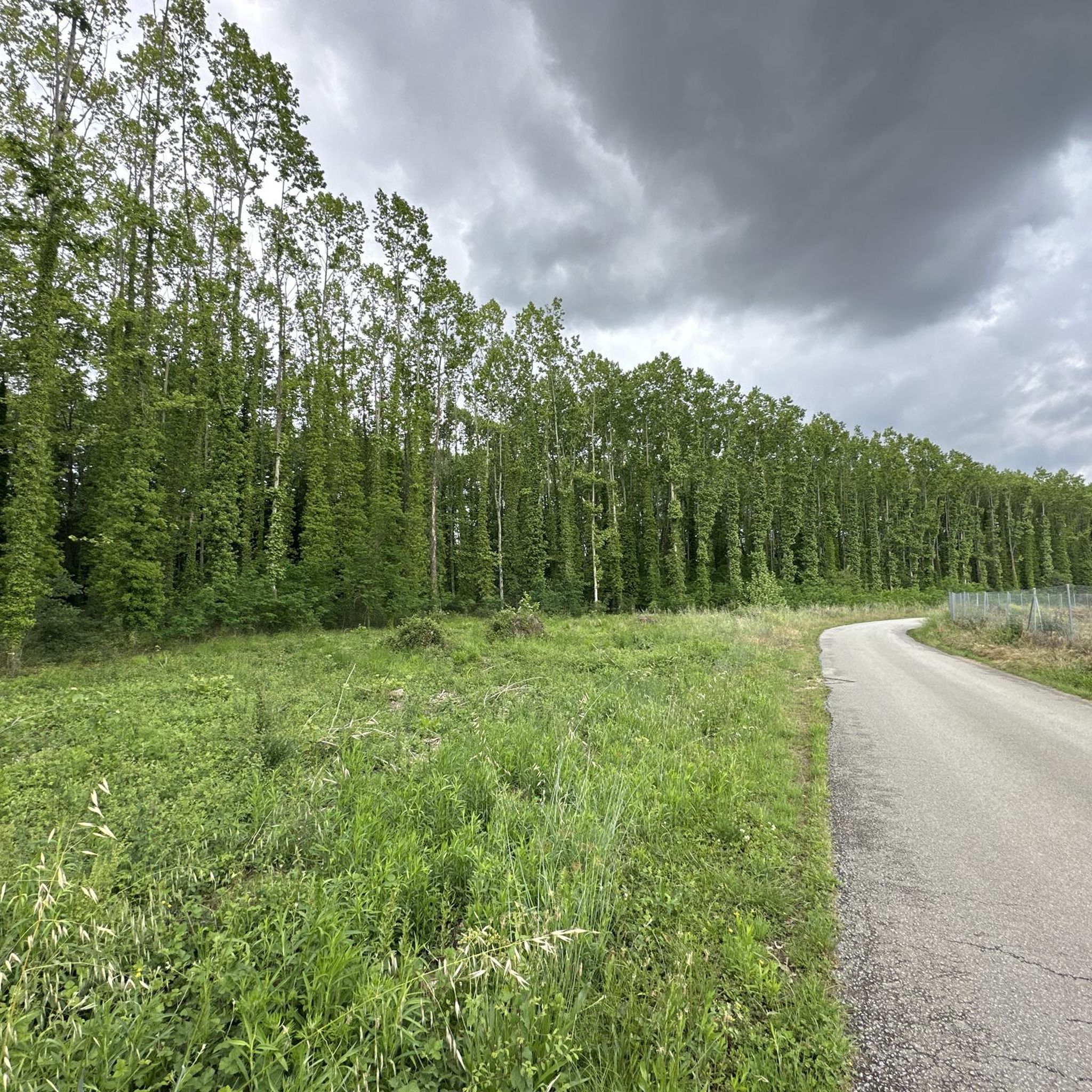
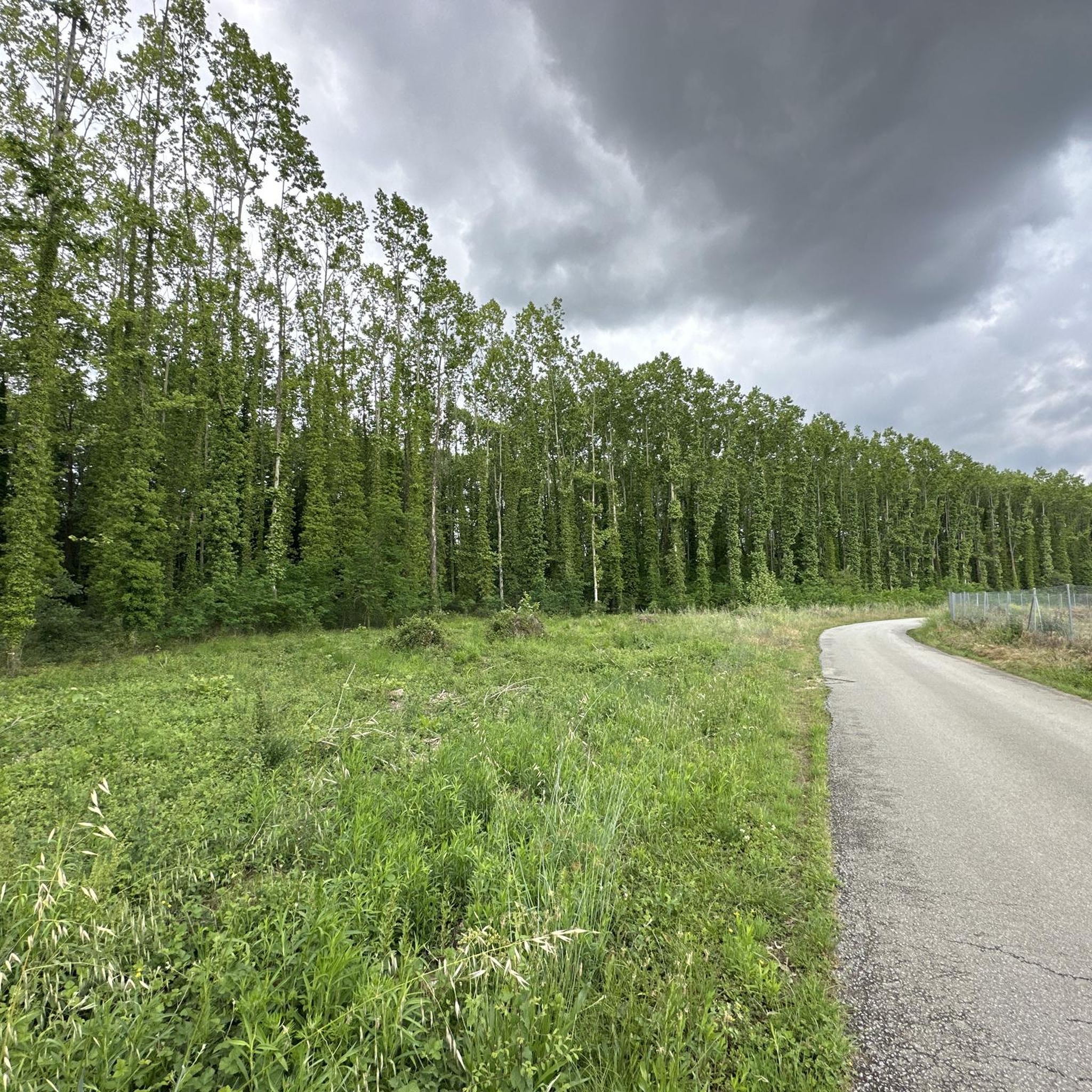
Gravel biking around Fogars De La Selva offers routes through a landscape characterized by Mediterranean forests, river plains, and rolling hills. The region features a mix of natural terrain and historical landmarks, providing varied surfaces for gravel cyclists. Elevation changes are common, ranging from gentle slopes near the Tordera river to more significant climbs towards inland passes. This area provides a diverse environment for gravel biking, combining natural beauty with accessible trails.
Best gravel bike trails around Fogars De La…
Last updated: May 22, 2026
4.0
(1)
69
riders
71.0km
05:33
1,100m
1,100m
Hard gravel ride. Very good fitness required. Mostly paved surfaces. Suitable for all skill levels.
5.0
(1)
54
riders
46.8km
02:59
380m
380m
Moderate gravel ride. Good fitness required. Mostly paved surfaces. Suitable for all skill levels.

Sign up for free
35
riders
55.0km
03:27
310m
310m
Moderate gravel ride. Good fitness required. Mostly paved surfaces. Suitable for all skill levels.
25
riders
55.0km
03:38
430m
430m
Moderate gravel ride. Good fitness required. Mostly paved surfaces. Suitable for all skill levels.
4.0
(1)
18
riders
53.7km
04:09
1,020m
1,020m
Hard gravel ride. Very good fitness required. Mostly paved surfaces. Suitable for all skill levels.
Get access to more routes and recommendations from other explorers.
Sign up for free
Already have an account?
Our route recommendations are based on thousands of hikes, rides, and runs completed by other people on komoot.
Start today with a free account
Your next adventure awaits.
Login or Signup
Tips from the Community

The Torre de Marata is a Gothic, fortified manor house with a distinctive defensive tower. It is located on a hill and overlooks the area of the municipality of Maçanet de la Selva (province of Girona). The building is now privately owned.
0
0

A fortified tower dating from the 13th century. Currently privately owned.
0
0
The Torre de Marata emerged from the rolling hills. A medieval watchtower that has watched over the landscape since the 13th century. Today, this tower is privately owned.
0
0

Right on the border between the river and human settlement: it wasn't placed randomly, but on a high, safe point when the Tordera River frequently overflowed. From here, fields and roads could be watched, and that's why the surroundings feel open and strategic. A good place to slow down: the terrain is more inviting for observing the valley than for pedaling hard.
0
0
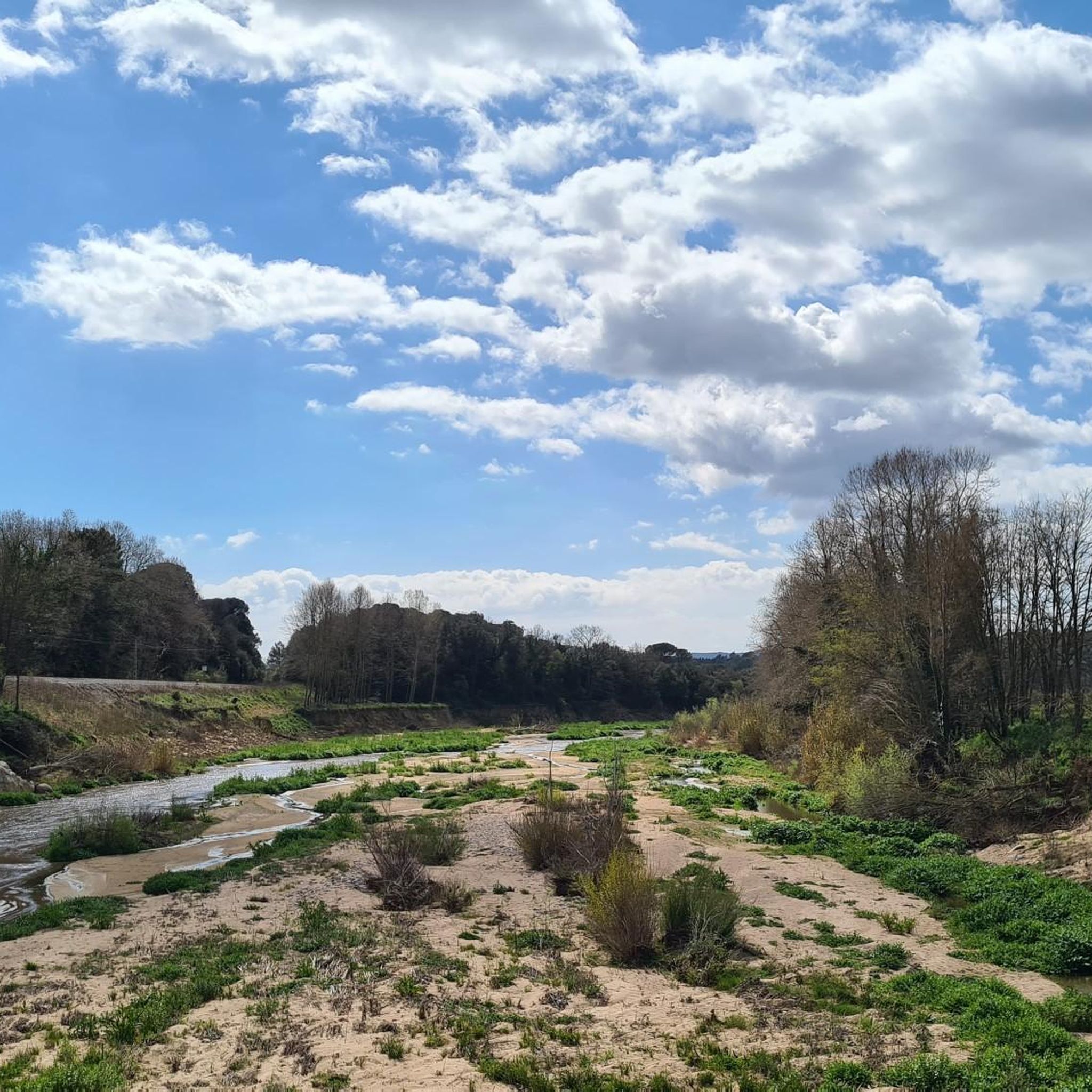
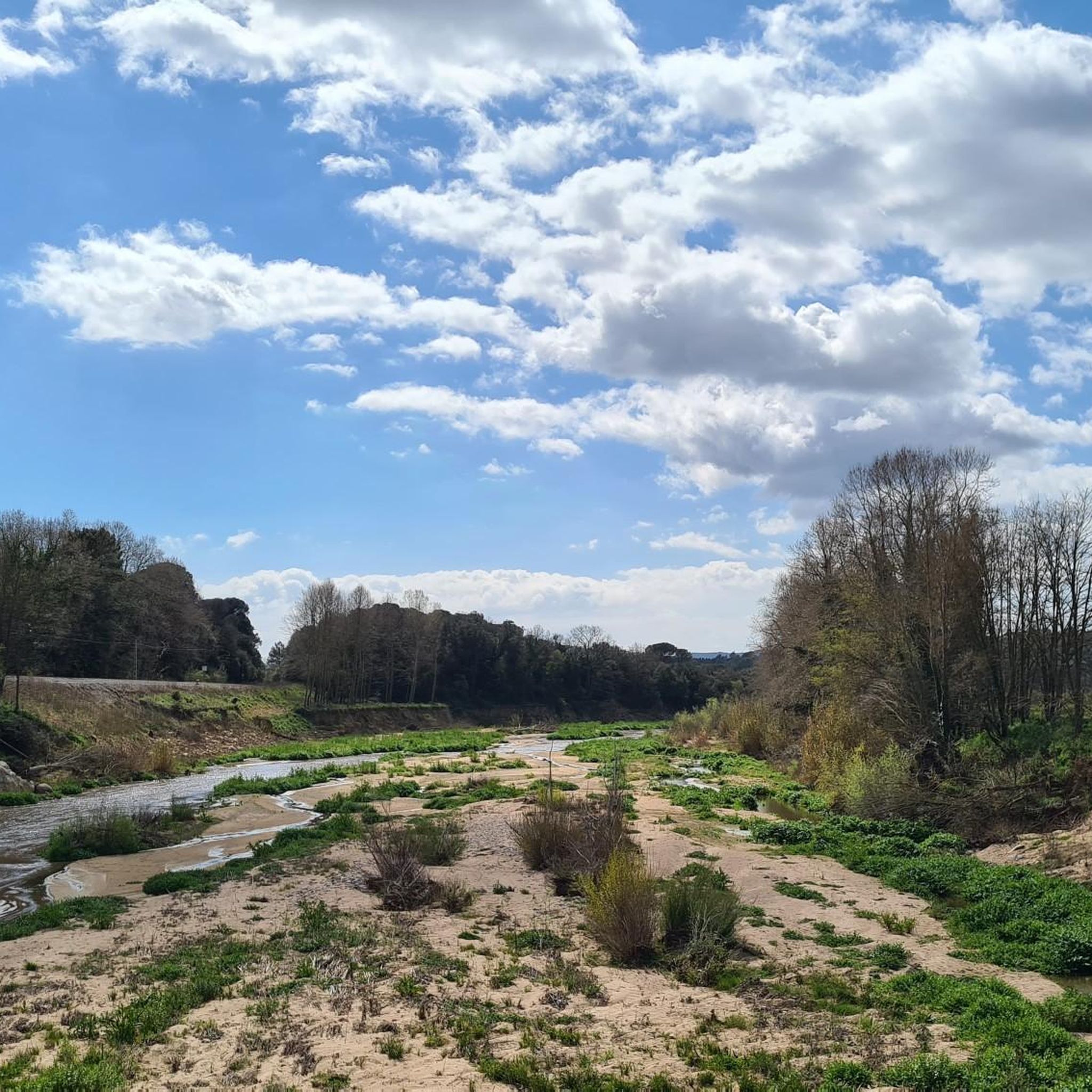
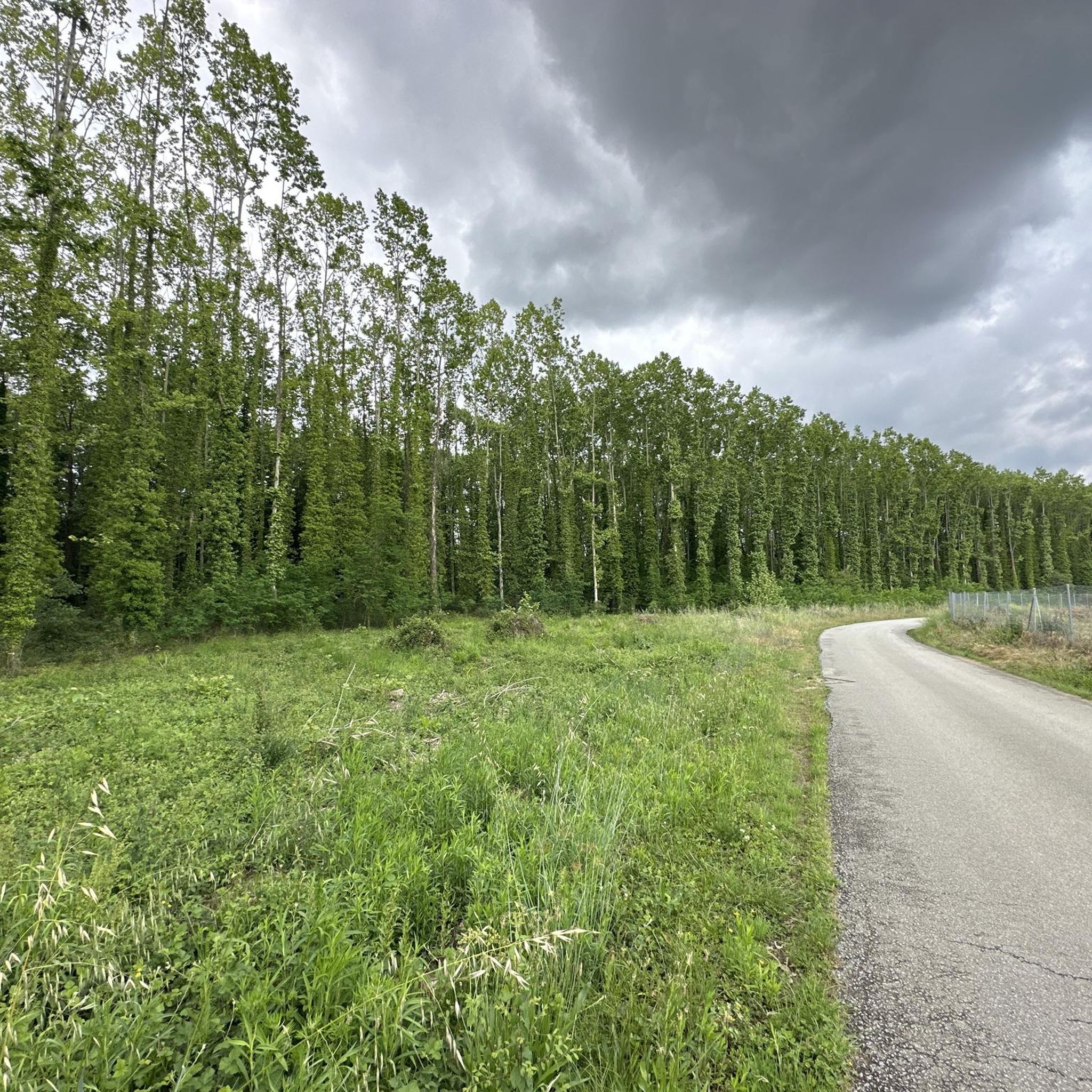
The river here isn't channeled: it expands, dries up, or overflows depending on the season, creating a changing landscape of riparian forest and gravel. It's a great place to understand how a real Mediterranean river works and to ride at a leisurely pace, letting the terrain and surroundings set the rhythm.
0
0

Natural source of untreated water
0
0
Amidst ruins and wind, this castle holds a little-known curiosity: on one of its walls, stonemasons' marks in the shape of a cross were found. According to some historians, these are not religious symbols but rather the "signatures" of the workers who were paid per stone laid. They say each mark represented a payment. From the summit, the sea and Montseny seem closer, as if the castle still serves as a lookout, this time not for armies, but for horizons.
2
0

Frequently Asked Questions
How many gravel bike trails are available in Fogars De La Selva?
There are over 70 gravel bike trails around Fogars De La Selva, offering a wide range of options for different skill levels and preferences.
Are there any beginner-friendly gravel bike routes in the area?
Yes, Fogars De La Selva offers several routes suitable for beginners. While many trails have moderate sections, there are 4 routes specifically rated as easy. These typically feature gentler slopes and less technical terrain, often found near the Tordera river plains.
What are some challenging gravel bike routes for experienced riders?
For experienced riders seeking a challenge, Fogars De La Selva has 38 difficult routes. A notable option is the Three Borders Cross – Can Benet Pass loop from Tordera, which covers 54.1 km with over 1000 meters of elevation gain, exploring inland passes.
Are there any gravel bike routes that are suitable for families?
While specific 'family-friendly' routes are not explicitly categorized, many of the moderate trails with less significant elevation changes, especially those along river plains, can be enjoyed by families. Look for routes with lower elevation gain and shorter distances for a more relaxed experience.
Can I find circular gravel bike routes in Fogars De La Selva?
Yes, many of the gravel bike routes in Fogars De La Selva are designed as loops. For example, the Torre de Marata – Puigmarí Telegraph Tower loop from Maçanet Massanes is a moderate 55 km circular route that takes you through varied terrain and past historical sites.
What kind of natural attractions or landmarks can I see along the gravel trails?
The gravel trails often pass through Mediterranean forests, river plains, and rolling hills, with opportunities to see historical landmarks. You might encounter natural monuments like Sa Palomera and the Gateway to the Costa Brava, or even a waterfall like Gorg Negre Waterfall. Mountain passes such as Can Benet Pass also offer scenic viewpoints.
Are there routes that combine coastal views with inland trails?
Absolutely. The region's diverse landscape allows for routes that blend different environments. The Pineda de Mar seafront – Tordera Trail loop from Tordera is a great example, combining coastal views with scenic riverside trails.
What is the best season for gravel biking in Fogars De La Selva?
Given the Mediterranean climate, spring and autumn are generally ideal for gravel biking in Fogars De La Selva. The weather is milder, and the natural scenery is vibrant. Summer can be hot, especially inland, while winter offers cooler temperatures but generally remains rideable.
Are there any routes that pass by historical sites or hermitages?
Yes, many routes incorporate historical elements. The Hermitage of Saint Vincent – Small bird paradise loop from Tordera is a popular choice that leads through natural areas and past a significant hermitage, offering a blend of nature and history.
What do other gravel bikers enjoy most about the trails in Fogars De La Selva?
The gravel biking routes in Fogars De La Selva are highly rated by the komoot community, with an average score of 4.5 stars from over 30 reviews. Riders often praise the varied terrain, which includes coastal paths, river trails, and forested hills, as well as the combination of natural beauty and accessible trails.
Is public transport accessible for reaching gravel bike trails in Fogars De La Selva?
Fogars De La Selva is a rural area, so public transport options directly to trailheads might be limited. It's advisable to check local bus schedules or consider starting your ride from towns with better transport links, such as Tordera or Hostalric, which are common starting points for many routes.
Where can I find parking for gravel biking trails in Fogars De La Selva?
Parking availability varies by trailhead. Many routes start from towns like Hostalric or Tordera, where public parking is generally available. For more remote starting points, look for designated parking areas or safe roadside spots, always being mindful of local regulations and private property.
Most popular routes around Fogars De La Selva
Most popular attractions around Fogars De La Selva

Get inspired with the komoot mobile app


