The best gravel rides around Collsuspina
4.3
(22)
444
riders
95
rides
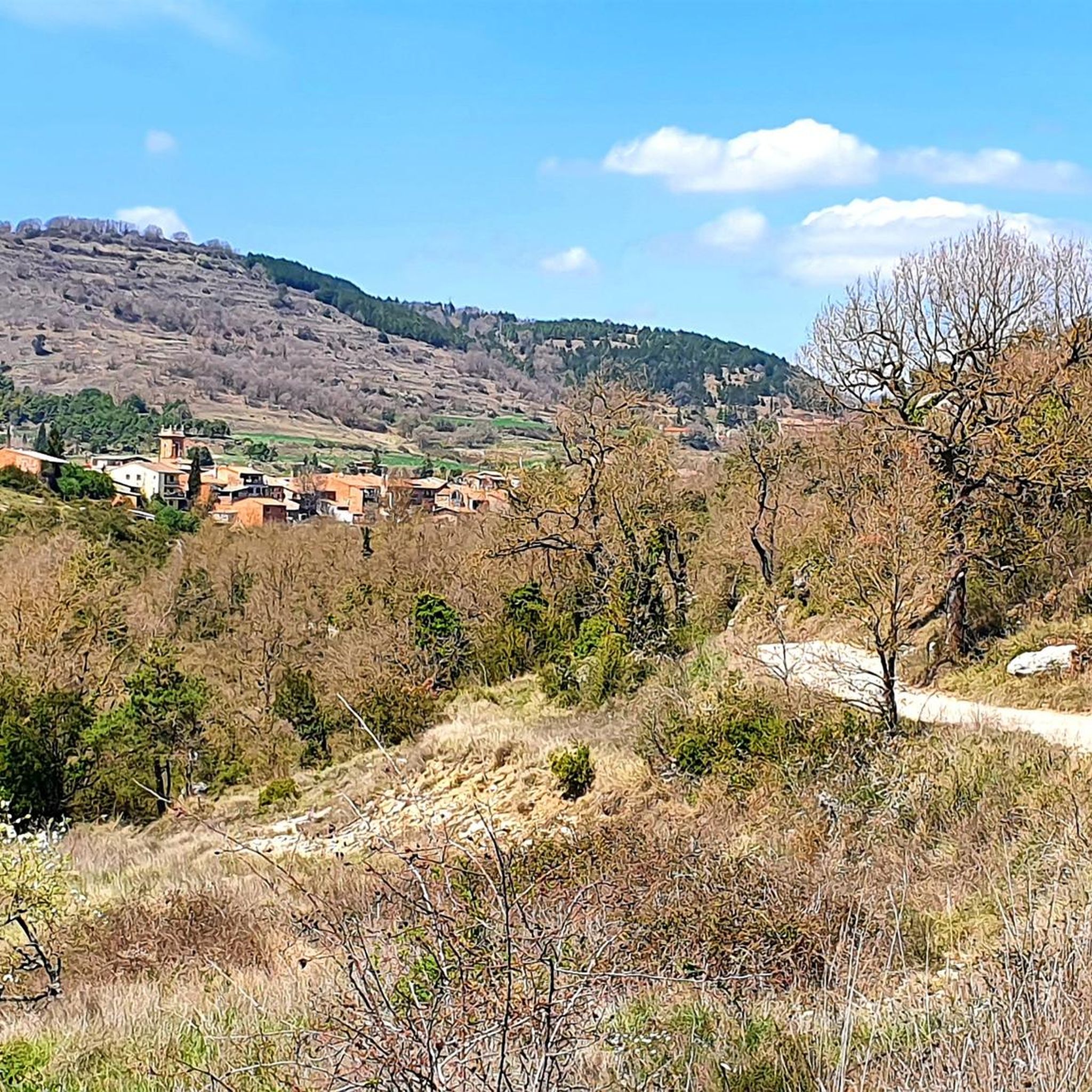
Gravel biking around Collsuspina is characterized by its mountainous setting within the Moianès region of Catalonia, with elevations rising above 900 meters. The area features diverse landscapes, including lush oak forests and verdant meadows. Varied gradients and mixed paved and unpaved surfaces define the routes, catering to different skill levels. Natural features like the Pollosa mountain pass and the source of the Congost river contribute to the region's appeal for off-road cycling.
Best gravel bike trails around Collsuspina
- The most…
Last updated: November 2, 2026
5.0
(1)
61
riders
Hard gravel ride. Very good fitness required. Mostly paved surfaces.
43
riders
75.9km
05:52
1,540m
1,540m
Hard gravel ride. Very good fitness required. Mostly paved surfaces.

30
riders
101km
07:51
1,820m
1,810m
Hard gravel ride. Very good fitness required. Mostly paved surfaces.
15
riders
42.8km
03:00
680m
680m
Hard gravel ride. Very good fitness required. Mostly paved surfaces.
4.0
(1)
9
riders
34.3km
02:51
590m
590m
Hard gravel ride. Very good fitness required. You may need to push your bike for some segments of this route.
Get access to more routes and recommendations from other explorers.
Already have an account?
Our route recommendations are based on thousands of hikes, rides, and runs completed by other people on komoot.
Start today with a free account
Your next adventure awaits.
Tips from the Community

The monastery of Santa Maria de l’Estany is one of the great ensembles of Catalan Romanesque architecture. The church, consecrated in 1133, stands out for its sobriety and for the elegant cimborio that crowns the transept. But the great treasure is in the cloister: its 72 capitals depict religious and profane scenes, among which the Last Supper and the triumphal entry of Jesus into Jerusalem stand out.
0
0

Located opposite the Mas de l’Esplugues farmhouse, this bridge allows passage over the Fontscalents stream, a tributary of the Marfà stream. Despite its small size, it is a Romanesque construction that has been preserved to this day. It has a single arch and a narrow passage, designed for the old bridle paths, intended for people and animals, but not for carts. The railing currently visible is a modern addition intended to improve safety.
2
0
This farmhouse is very special: it's built taking advantage of the natural shelter of a large rock and is located next to the Fontscalents stream. This spot has been home to different generations for over a thousand years, from medieval times until very recently, making it a place steeped in history. Although its name is already mentioned at the end of the 12th century, the building that stands today is the result of later renovations, especially from the 17th and 18th centuries. Some dates engraved in the stone still offer clues to these works. The façade, with its irregular and rustic appearance, blends elements of well-worked stone with simpler walls made of rubble and mortar.
1
0

It may be a heritage site, but it's in a fenced and enclosed area. It's not open to the public except behind the fence.
0
0
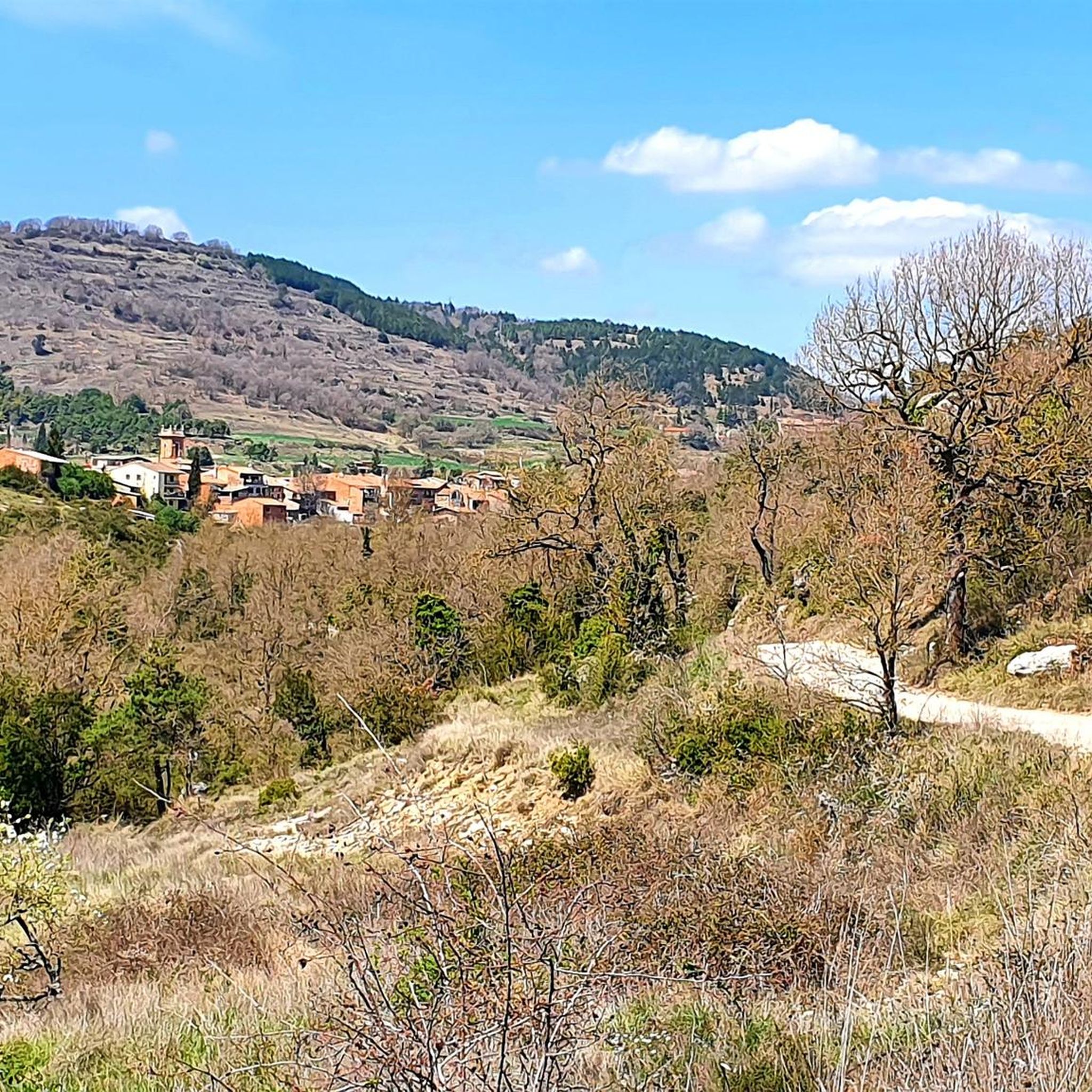
Collsuspina is a small village with fewer than 400 inhabitants. It belongs to the Moyanés region. Its name comes from the fact that it was established on the Espina pass, along the old royal road from Manresa to Vic. The pass was named after the important L'Espina farmhouse that once stood there.
0
0

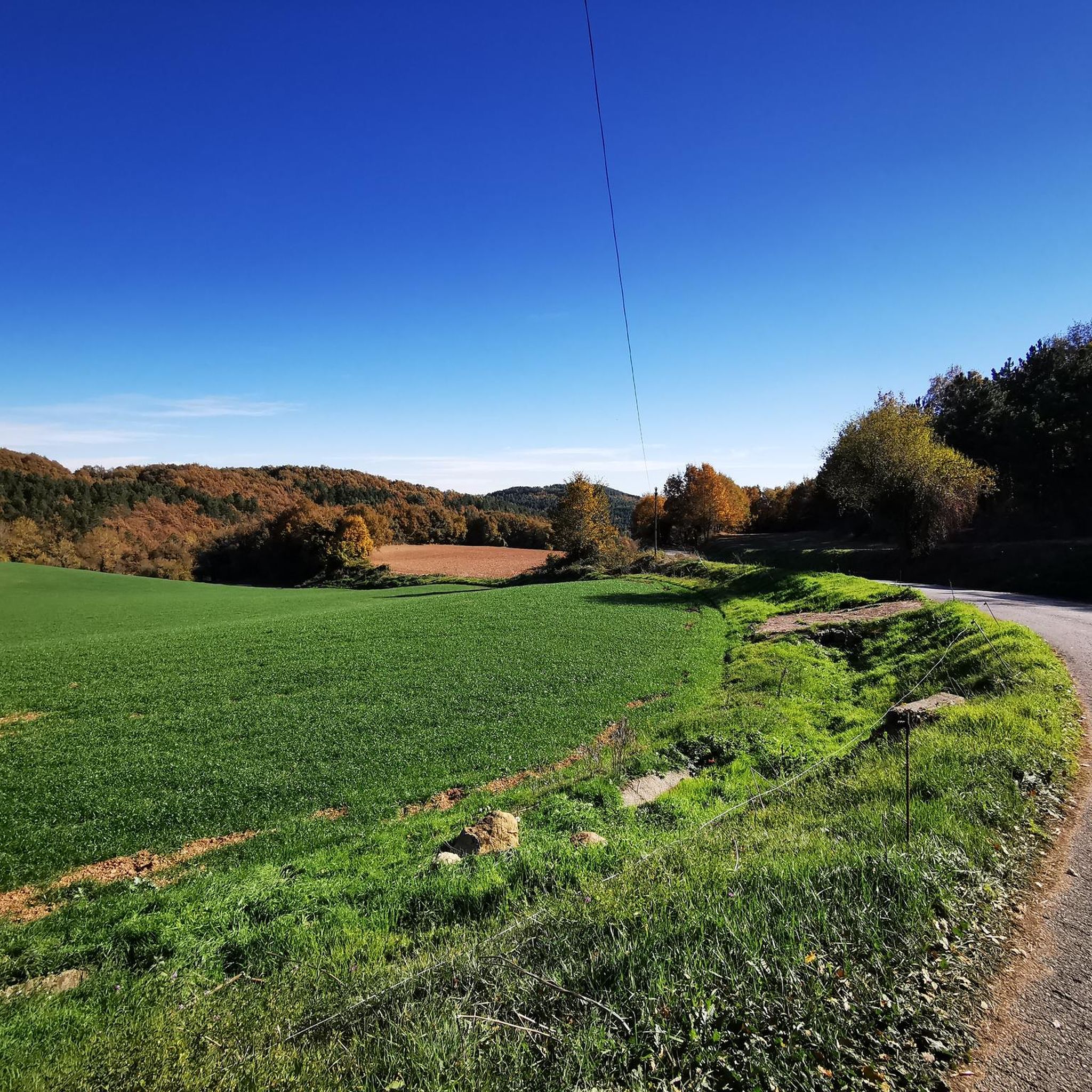
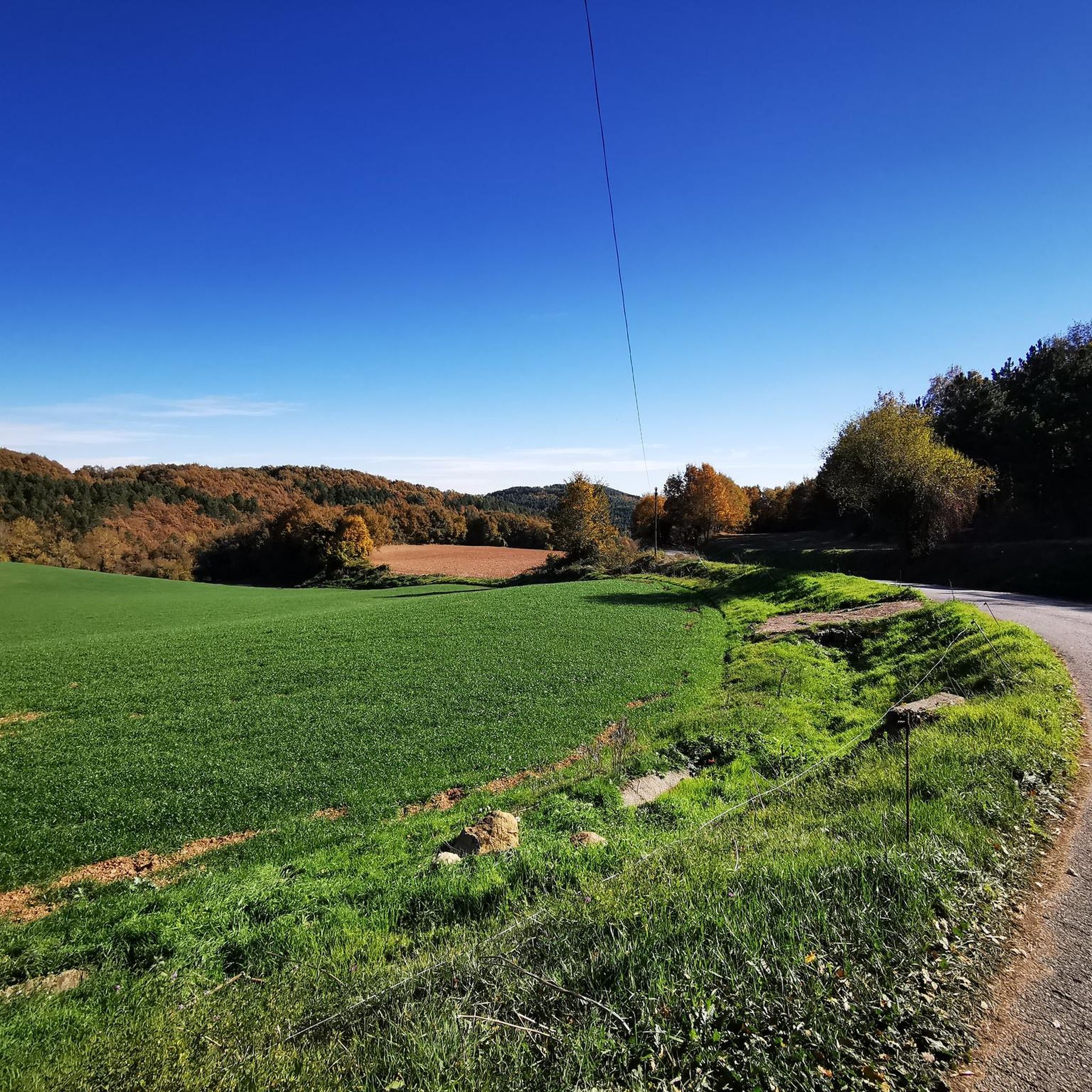
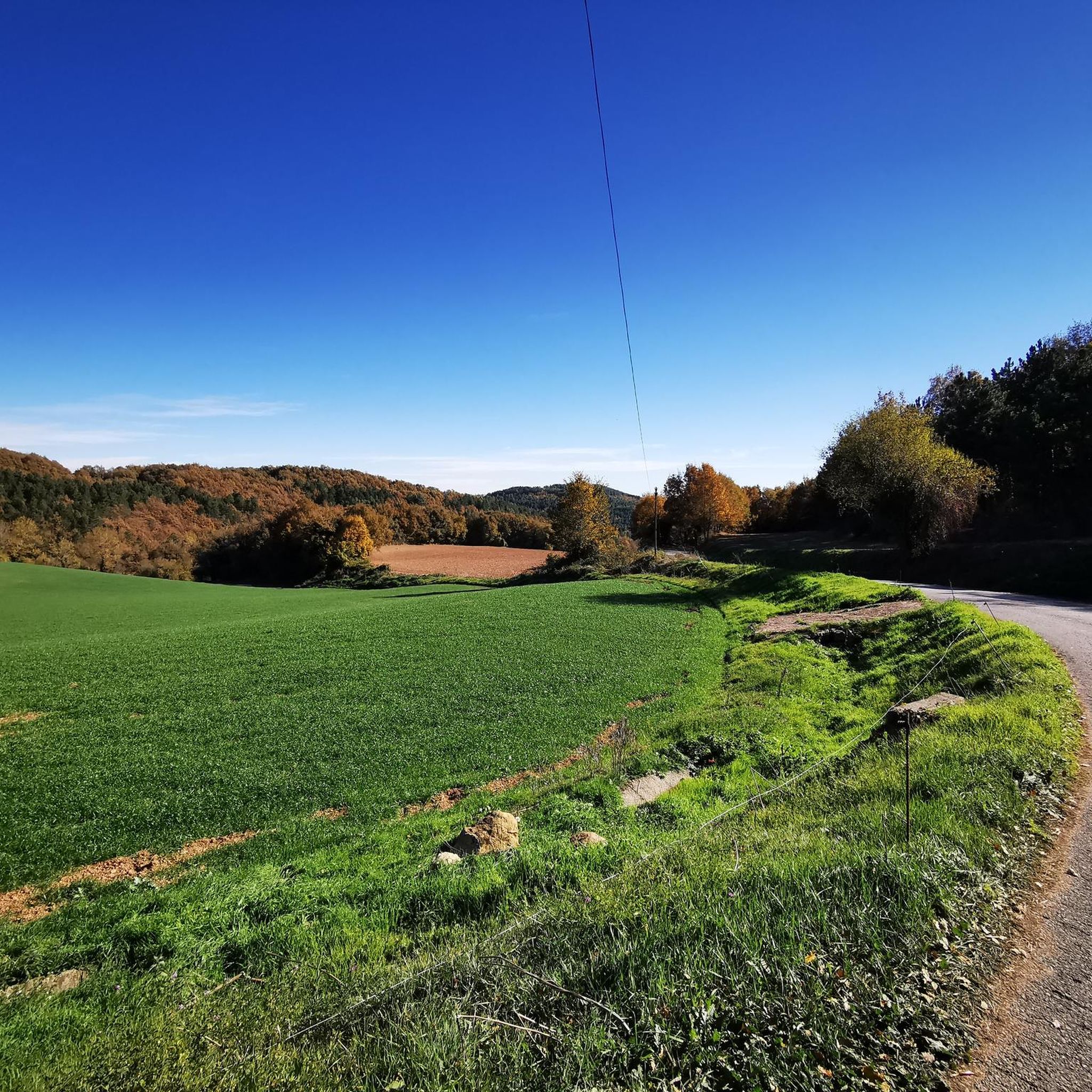
Quiet and cozy place
0
0
Good asphalt road in perfect condition
0
0

Old bridge of Roda de Ter
1
0
Frequently Asked Questions
How many gravel bike trails are available around Collsuspina?
There are over 100 gravel bike routes documented around Collsuspina on komoot. These routes cater to various skill levels, including easy, moderate, and difficult options, ensuring there's something for every gravel biker.
What is the best time of year to go gravel biking in Collsuspina?
Collsuspina, being at an elevation of over 900 meters, experiences a cool and rainy climate, fostering lush landscapes. Spring and autumn are generally ideal, offering pleasant temperatures and vibrant scenery. Even in summer, the elevation can provide a welcome respite from heat, while the green landscapes persist due to the rainfall.
Are there any easy gravel bike routes suitable for beginners in Collsuspina?
Yes, Collsuspina offers a few easy gravel routes perfect for beginners or those looking for a more relaxed ride. These routes typically feature less elevation gain and smoother surfaces. For example, the Our Lady of Help – Gurri River loop from Tona is a moderate option with manageable elevation, providing a good introduction to the area's terrain.
What kind of terrain can I expect on Collsuspina's gravel bike trails?
The terrain around Collsuspina is diverse, ranging from hard-packed gravel paths to more technical sections. You'll encounter varied gradients due to the mountainous landscape, with routes winding through lush oak forests, verdant meadows, and mixed paved and unpaved surfaces. This variety ensures an engaging experience for different skill levels.
Are there any scenic viewpoints or natural features to see along the gravel routes?
Absolutely. The region is rich in natural beauty and offers several scenic spots. You can explore highlights like the impressive La Trona (Bertí Cliffs), which provides stunning vistas. The area also features natural monuments, such as the Purgatory Waterfall, adding to the scenic appeal of your ride.
Are there any circular gravel bike routes in Collsuspina?
Many of the gravel routes around Collsuspina are designed as loops, allowing you to start and end in the same location. An example of a challenging circular route is the Collformic (1,142 m) – Coll Formic Pass (1,145 m) loop from Tona, which features significant elevation gain through mountainous landscapes. Another option is the El Pont d'en Bruguer – Church of Granollers de la Plana loop from Balenyà - Els Hostalets, offering a moderate ride through rural and forested areas.
What do other gravel bikers enjoy most about cycling in Collsuspina?
The gravel biking experience in Collsuspina is highly rated by the komoot community, with an average score of 4.6 stars. Riders frequently praise the diverse mountainous terrain, the beauty of the dense oak forests and green meadows, and the variety of routes available for all abilities. The region's natural features and challenging climbs are often highlighted as key attractions.
Can I find routes with significant elevation gain for a challenging ride?
Yes, Collsuspina's mountainous setting provides ample opportunities for challenging rides with significant elevation gain. Routes often traverse high points like the Pollosa mountain pass (918 meters) and areas rising over 1,000 meters. For a demanding experience, consider the Salt de la Minyona Viewpoint – Iron Bridge Over the Ter River loop from Balenyà - Els Hostalets, which includes over 1200 meters of climbing.
Are there any historical or cultural landmarks near the gravel trails?
Beyond the natural landscapes, Collsuspina and its surroundings offer historical and cultural points of interest. The village of Collsuspina itself has an old town with churches like Sant Cugat de Gavadons. You might also encounter other historical sites such as the La Popa Castle (Castellcir), providing a glimpse into the region's past.
Is there parking available near the gravel bike trailheads in Collsuspina?
While specific parking details for every trailhead are not provided, Collsuspina is a village with existing infrastructure. It's generally possible to find parking in or near the village center, or in nearby towns like Balenyà - Els Hostalets or Tona, which serve as common starting points for many routes. Always check local signage for parking regulations.
Are there any routes that pass by waterfalls?
Yes, the region around Collsuspina is home to beautiful natural features, including waterfalls. You can find routes that lead to or pass near the Salt de la Tosca Waterfall and Molí de Brotons or the Purgatory Waterfall. These make for excellent scenic stops during your gravel biking adventure.
What is the average distance of gravel bike routes in Collsuspina?
The routes around Collsuspina vary significantly in length, catering to different preferences. You can find shorter, moderate rides like the Our Lady of Help – Gurri River loop from Tona at approximately 29 km, or longer, more challenging expeditions such as the Salt de la Minyona Viewpoint – Iron Bridge Over the Ter River loop from Balenyà - Els Hostalets, which spans nearly 90 km.
Most popular routes around Collsuspina
Most popular attractions around Collsuspina

Get inspired with the komoot mobile app


Explore more
Browse the best Gravel rides in other regions.
