The best gravel rides around Winfrith Newburgh
4.3
(3)
22
riders
6
rides
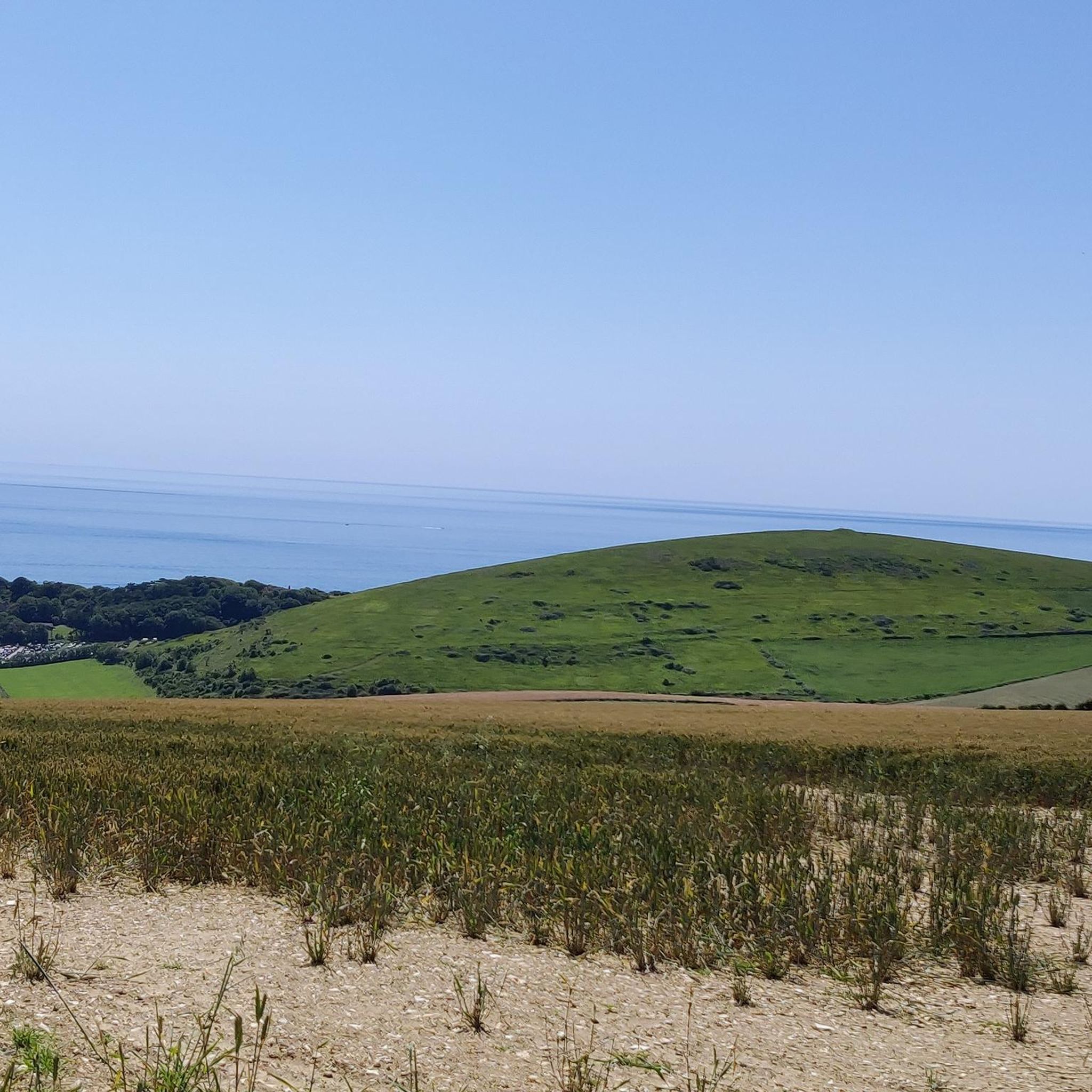
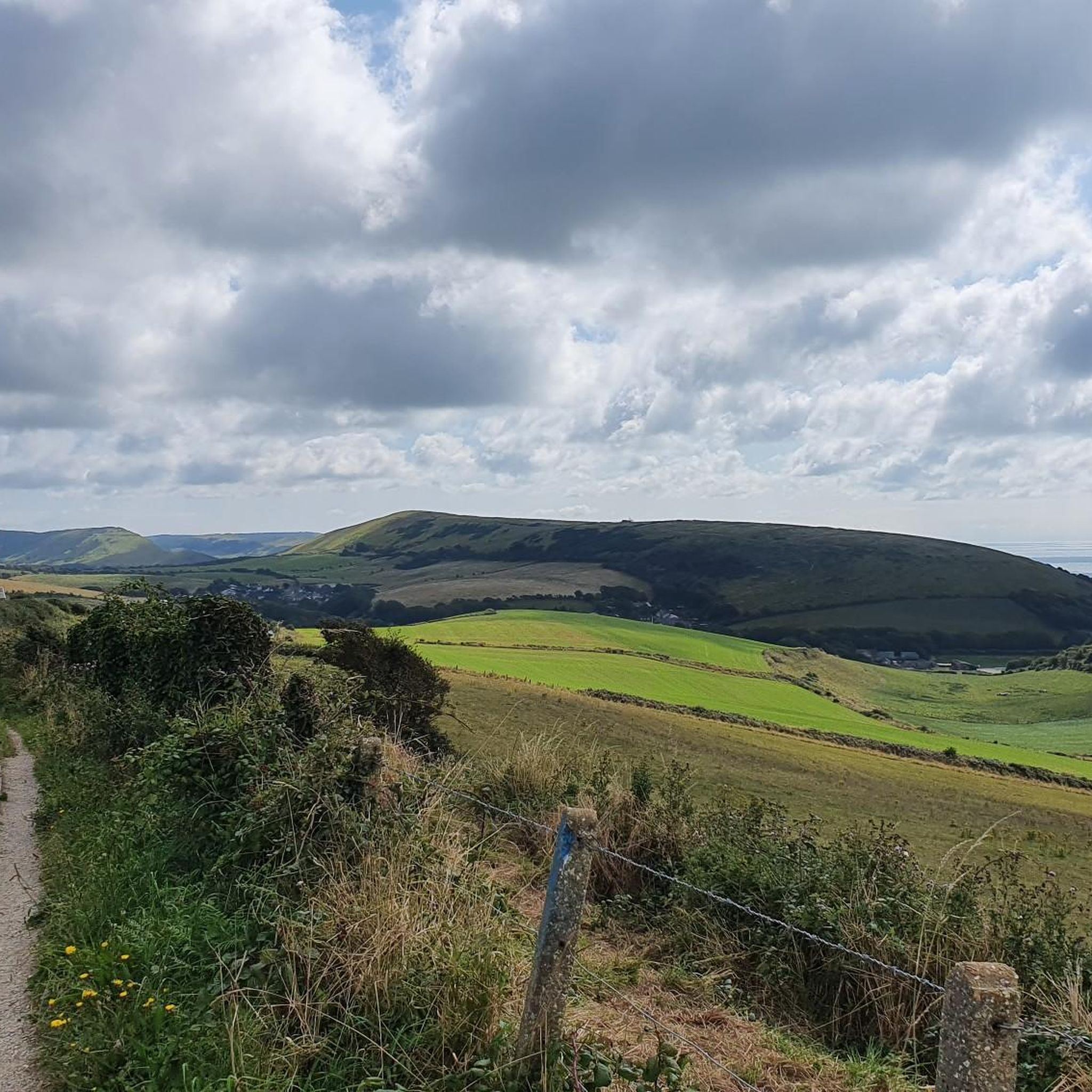
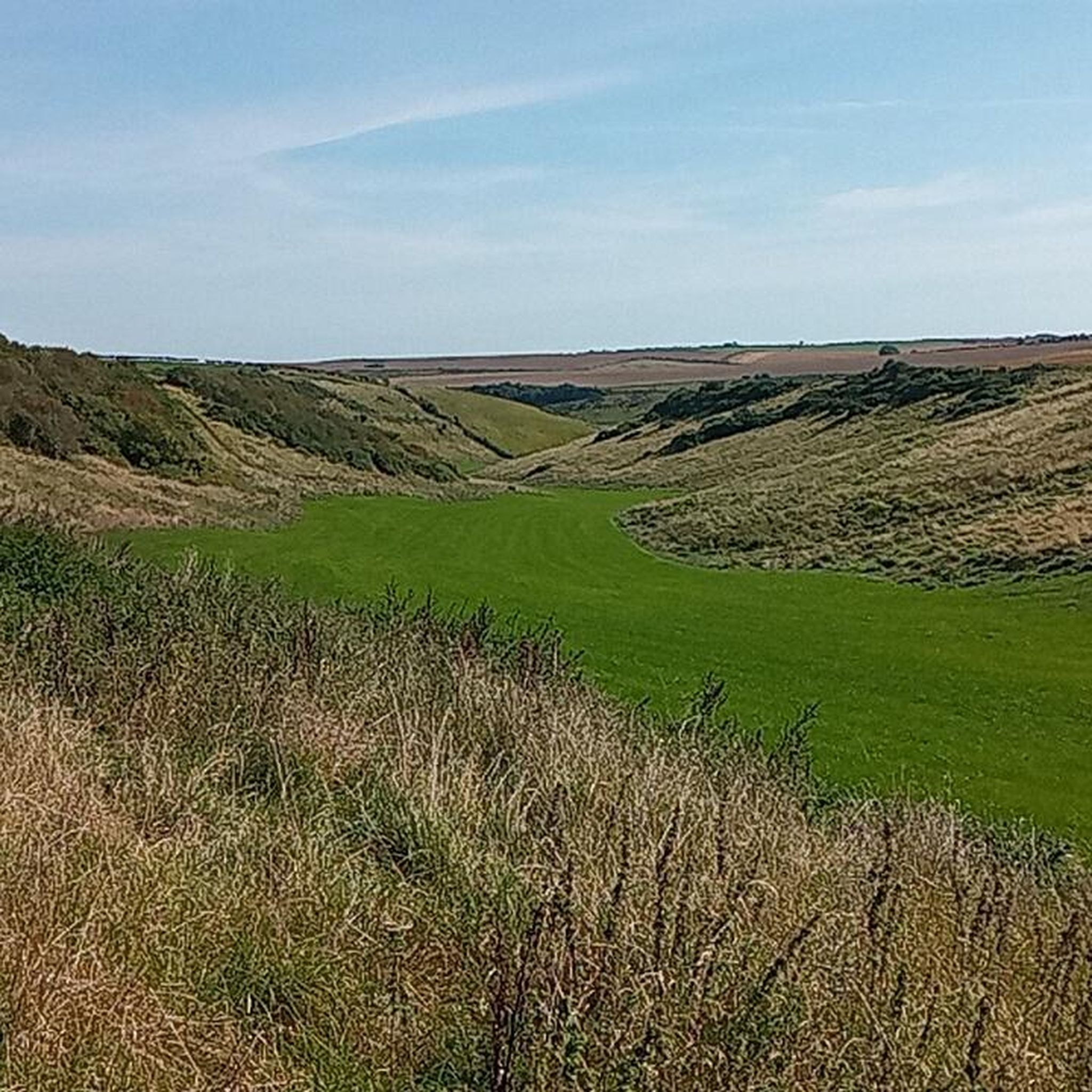
Gravel biking around Winfrith Newburgh offers diverse terrain across Dorset's varied landscape. The region is characterized by its chalk formations, extensive heathlands like Winfrith Heath, and river valleys, providing a mix of surfaces for gravel cyclists. Routes often traverse etched dry valleys and flatter heathland, with some sections venturing onto unpaved paths. The area's proximity to the Jurassic Coast also introduces unique geological features and coastal influences to some routes.
Best gravel bike trails around Winfrith Newburgh
- The most popular…
Last updated: May 22, 2026
4
riders
60.1km
03:52
520m
520m
Hard gravel ride. Very good fitness required. Mostly paved surfaces. Suitable for all skill levels.
4.5
(2)
9
riders
35.9km
02:07
200m
200m
Moderate gravel ride. Good fitness required. Mostly paved surfaces. Suitable for all skill levels.

Sign up for free
2
riders
Easy gravel ride. Great for any fitness level. Mostly paved surfaces. Suitable for all skill levels.
4.0
(1)
2
riders
23.5km
01:41
210m
210m
Moderate gravel ride. Good fitness required. Mostly paved surfaces. Suitable for all skill levels.
2
riders
19.3km
01:19
160m
160m
Moderate gravel ride. Good fitness required. Mostly paved surfaces. Suitable for all skill levels.
Our route recommendations are based on thousands of hikes, rides, and runs completed by other people on komoot.
Start today with a free account
Your next adventure awaits.
Login or Signup

Tips from the Community

The North Dorset Trailway Connection Today, Spetisbury Station is a popular access point for the North Dorset Trailway. Trailhead: The section of the Trailway running from Spetisbury north to Sturminster Newton, largely following the old railway bed, is a well-maintained, traffic-free path for walking, cycling, and riding. Visitor Stop: The former station site makes a perfect place to stop, rest, and picnic while exploring the Trailway, offering fine views over the Stour Valley. It's a wonderful example of local history being preserved and repurposed for community and recreation!
0
0
The Spetisbury Station Project Unlike the bridge at Blandford, which remains a preserved structure, the Spetisbury station site is being actively restored by volunteers. The Project: The Spetisbury Station Project Group was formed in 2012 by dedicated volunteers to clear and preserve the abandoned site. What You Can See: While the original station buildings were demolished shortly after the 1956 closure, the project has cleared the site to reveal the foundations of the station buildings, the booking office, and the signal box. Ambience: The site is now a peaceful, landscaped green space featuring picnic areas, benches, and information boards. Volunteers have added replica signage and restored the platforms to recreate the atmosphere of the former country station. Wildlife Haven: The site is also managed to be a haven for local wildlife, with features like a wildlife pond, bat boxes, and specific flower borders.
0
0
The Railway and Closure Original Line: Spetisbury Station was located on the Somerset & Dorset Joint Railway (S&DJR), which connected Bath to Bournemouth. Opening: It originally opened on November 1, 1860, as part of the Dorset Central Railway's line from Wimborne to Blandford. It initially had a single platform. Double Track: Around 1901, the line was doubled through the station, and a second platform and a signal box were added to handle the increased traffic. Downgrade: Like many rural stations seeking to cut costs, it was downgraded to an unstaffed "halt" in 1934. Passenger Closure: The station closed completely to passengers on September 17, 1956, one of the early closures on the S&D line. Line Closure: Although the station itself was closed, the main S&DJR line through the site continued to operate passenger services until the whole route closed in March 1966. Goods traffic ceased in 1969, and the track was lifted in 1970.
0
0

* Athelhampton Chantry: The south transept, known as the Athelhampton Chantry, is a major historic interest. It contains numerous monuments to the Martyn family of nearby Athelhampton House, with tombs dating back to the 13th century. The effigy of Sir William Martyn (d. 1503), who built much of Athelhampton House, is particularly high quality.
0
0
* 17th-Century Woodwork: The interior boasts a wealth of 17th-century woodwork, including the pulpit, reading desk, altar rails, font cover, and box pews. The gallery over the west end of the church, dated 1635, is wonderfully carved and bears a Latin inscription: "You come hither, not to be seen, but to listen and to pray."
0
0
* Norman Period Elements: The base of the tower, parts of the southwest corner, and possibly the south respond of the chancel arch survive from the original Norman building. * 12th-Century Font: A notable feature is the superb 12th-century font, which has an unusual beaker-like shape and is intricately carved with interwoven acanthus leaves. Its cover is an octagonal pyramid from around 1635.
0
0
St Mary the Virgin Church in Puddletown, Dorset, is a historic church with Norman origins, though much of its current structure dates from the 15th century rebuilding. It is considered one of the finest historic churches in Dorset. Key features and historical aspects include:
0
0
Frequently Asked Questions
What kind of terrain can I expect on gravel bike trails around Winfrith Newburgh?
The gravel bike trails around Winfrith Newburgh offer a diverse mix of terrain. You'll encounter chalk formations, extensive heathlands like Winfrith Heath, and scenic river valleys. Many routes feature etched dry valleys and flatter heathland sections, with some venturing onto unpaved paths. The area's proximity to the Jurassic Coast also means some routes may include unique geological features and coastal influences.
Are there routes suitable for beginners or less experienced gravel bikers?
Yes, there are routes suitable for various skill levels. For a relatively easy ride through heathland, consider the Gravel Trail Through Heathland – Sika Trail loop from Cold Harbour. This 8.4-mile (13.5 km) trail is often completed in under an hour and provides a good introduction to the local gravel terrain.
Are there more challenging gravel routes for experienced riders?
Absolutely. For experienced riders seeking a challenge, the River Piddle Crossing – Spetisbury Station loop from Wool is a difficult 37.3-mile (60.1 km) trail. It explores river valleys and rural landscapes, typically taking nearly 4 hours to complete, and features significant elevation changes.
What natural features or landmarks can I see along the gravel bike trails?
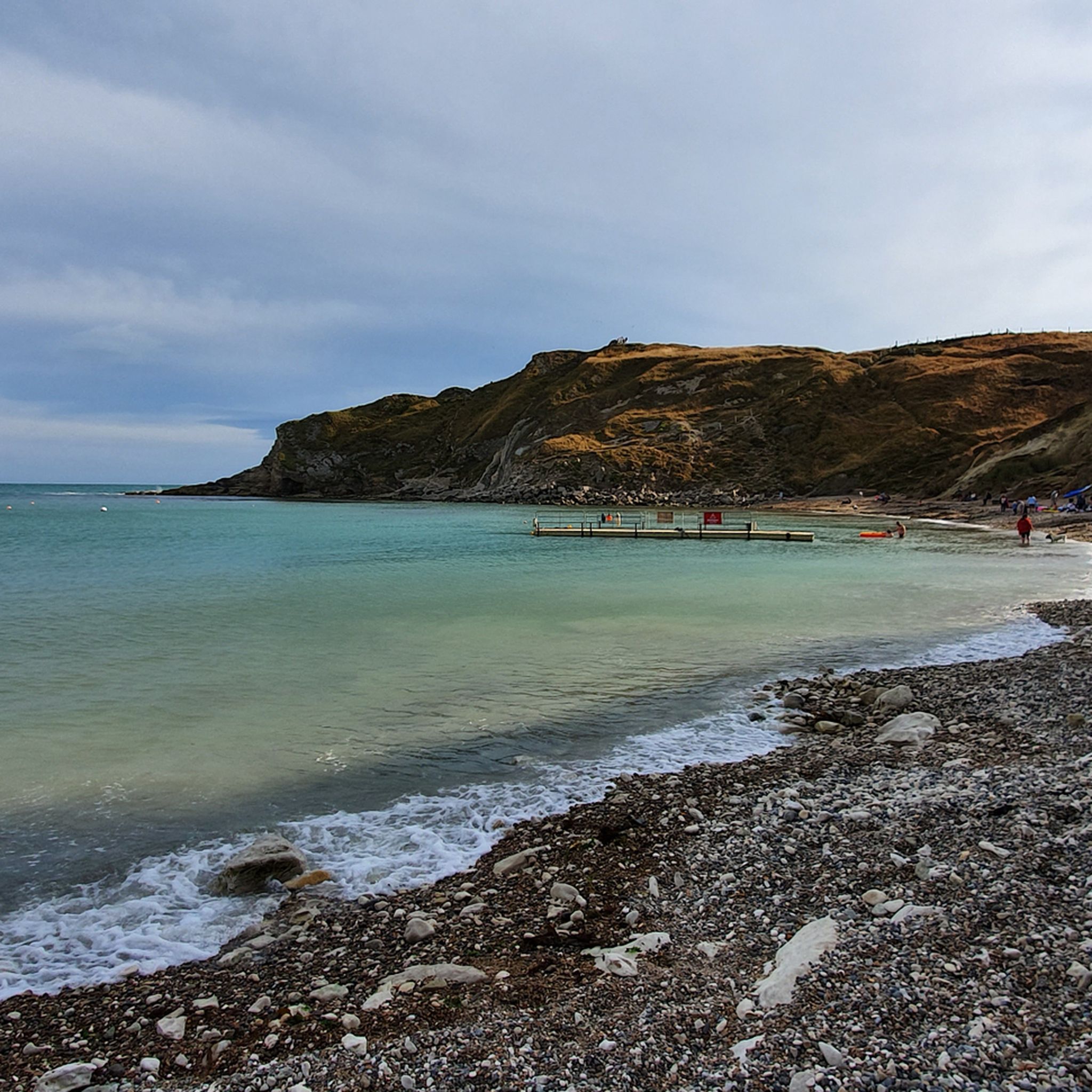
The region is rich in natural beauty. You can explore areas like Winfrith Heath, a National Nature Reserve, and the ancient Bronze Age Bowl Barrows on Blacknoll. Some routes are close to the iconic Jurassic Coast, offering access to stunning natural monuments such as Durdle Door, Lulworth Cove, and Stair Hole rock arches.
Are there any historical sites or interesting villages to explore by bike?
Yes, the area is dotted with historical interest. You can cycle through charming historic villages like Chaldon Herring, known for its traditional architecture. The Tolpuddle Martyrs Sculpture – Tolpuddle Martyrs' Tree loop from Dorset offers a moderate 12-mile (19.4 km) ride that includes a significant historical landmark. Woolbridge Manor House is another notable historic building that can be incorporated into routes.
Are there any circular gravel bike routes in the area?
Many of the gravel routes around Winfrith Newburgh are designed as loops, allowing you to start and finish at the same point. Examples include the Wareham Quay – Sika Trail loop from Bere Regis, a moderate 22.3-mile (35.9 km) path combining riverside sections with heathland trails, and the River Piddle Crossing – Athelhampton Gardens loop from Dorset.
Can I bring my dog on the gravel bike trails?
Many trails in the Winfrith Newburgh area are suitable for dogs, especially those on public bridleways and byways. However, always keep your dog under control, especially around livestock or in nature reserves like Winfrith Heath. It's advisable to check specific trail regulations or landowner permissions if you plan to venture off designated paths.
Are the gravel trails around Winfrith Newburgh family-friendly?
Yes, there are options for families. While some routes are more challenging, easier, flatter sections through heathland or along river valleys can be suitable for families with older children. The Gravel Trail Through Heathland – Sika Trail loop from Cold Harbour is a shorter, easier option that families might enjoy.
Where can I find refreshments or a pub stop along the routes?
The Winfrith Newburgh area and surrounding villages offer traditional pubs that make excellent refreshment stops. The Red Lion and Sailor's Return are well-known local establishments that can serve as starting points or places to refuel during your ride.
Where can I park my car when accessing the gravel trails?
Parking is generally available in or near the villages that serve as common starting points for these routes, such as Winfrith Newburgh itself, Wool, Bere Regis, or Cold Harbour. Look for designated public parking areas or consider parking near local pubs or community centers, always being mindful of local regulations and private property.
What do other gravel bikers enjoy about the trails in Winfrith Newburgh?
The gravel biking experience in Winfrith Newburgh is highly rated by the komoot community, with an average score of 4.5 stars from over 2 reviews. Riders often praise the diverse terrain, from heathland to river valleys, and the opportunity to explore both natural beauty and historical sites. The variety of routes caters to different abilities, making it appealing to many.
What is the best time of year for gravel biking in Winfrith Newburgh?
Spring and autumn generally offer the most pleasant conditions for gravel biking in Winfrith Newburgh, with milder temperatures and beautiful scenery. Summer can also be excellent, though trails might be busier, especially near coastal attractions. Winter riding is possible, but be prepared for potentially muddy sections, especially in river valleys, and shorter daylight hours.
Most popular routes around Winfrith Newburgh
Most popular attractions around Winfrith Newburgh

Get inspired with the komoot mobile app


Explore more
Browse the best Gravel rides in other regions.
