The best gravel rides around Drogenbos
4.5
(721)
4,538
riders
133
rides
Gravel biking around Drogenbos offers access to diverse natural landscapes bordering the Brussels-Capital Region. The area is characterized by expansive forests like the Sonian Forest and Hallerbos, providing a mix of maintained paths and wilder sections. Cyclists can expect varied terrain, including gravel paths and occasional hilly sections, suitable for different skill levels. The region's proximity to these significant natural areas makes it a strategic starting point for gravel cycling.
Best gravel bike trails around Drogenbos
- The most popular gravel…
Last updated: May 16, 2026
4.6
(99)
586
riders
Hard gravel ride. Very good fitness required. Mostly paved surfaces. Suitable for all skill levels.
3.8
(6)
34
riders
62.3km
03:54
680m
680m
Hard gravel ride. Very good fitness required. Mostly paved surfaces. Suitable for all skill levels.

Sign up for free
4.4
(9)
99
riders
Hard gravel ride. Very good fitness required. You may need to push your bike for some segments of this route.
5.0
(1)
23
riders
Hard gravel ride. Very good fitness required. You may need to push your bike for some segments of this route.
4.9
(7)
23
riders
41.7km
02:43
310m
310m
Moderate gravel ride. Good fitness required. Mostly paved surfaces. Suitable for all skill levels.
Get access to more routes and recommendations from other explorers.
Sign up for free
Already have an account?
Our route recommendations are based on thousands of hikes, rides, and runs completed by other people on komoot.
Start today with a free account
Your next adventure awaits.
Login or Signup
Tips from the Community

This tour goes for kilometers through the forest. In spring it is beautiful with the hyacinths and wood anemones. In summer nice and cool.
0
0

The Groenendaal racecourse was built in 1888-1889 on the initiative of Leopold II in the middle of the Sonian Forest, next to the road to Waterloo, and in 1892, as part of easy access, it received its own railway connection to Groenendaal station. To realize this racecourse, approximately 100 hectares of forest were cleared at the end of the 19th century. King Leopold II had his own box there, located between two metal grandstands for the public. After the First World War, this area was used for the dismantling of weapons and ammunition left behind in the Westhoek. German prisoners of war had to clear mines under the supervision of the Belgian army. During a fire and the subsequent explosions of ammunition on May 6, 1919, the hippodrome's grandstands and buildings were heavily damaged. After another explosion in November, the ammunition depot was completely dismantled in 1920. Two years later, the racecourse was restored and the grandstands were rebuilt. The royal box for Albert I was not rebuilt until 1924. Its appearance was completely different from the pre-war grandstand. When the current appearance came about is not entirely clear, although the current box is attributed to Albert I in the literature, see also monogram. Inventory of Immovable Heritage: Royal Box and remains of bookmaker's room, https://id.erfgoed.net/erfgoedobjecten/302991
4
0
The Groenendaal racecourse was built in 1888-1889 on the initiative of Leopold II in the middle of the Sonian Forest, next to the road to Waterloo. In 1892, it was given its own rail connection to Groenendaal station as part of a smooth development. To realize this racecourse, about 100 hectares of forest were cleared at the end of the 19th century. King Leopold II had his own box, located between two metal grandstands for the public. After the First World War, this area was used for the dismantling of weapons and ammunition left behind in the Westhoek. German prisoners of war had to clear mines under the supervision of the Belgian army. A fire and subsequent explosions of ammunition on May 6, 1919, heavily damaged the grandstands and buildings of the hippodrome. After another explosion in November, the ammunition depot was completely dismantled in 1920. Two years later, the racecourse was restored and the grandstands were rebuilt. The royal box for Albert I was only rebuilt in 1924. Its appearance was completely different from the pre-war grandstand. When the current appearance came about is not entirely clear, although the current box is attributed to Albert I in the literature, see also monogram. Inventory of Immovable Heritage: Royal Box and remains of bookmaker's office, https://id.erfgoed.net/erfgoedobjecten/302991
4
0

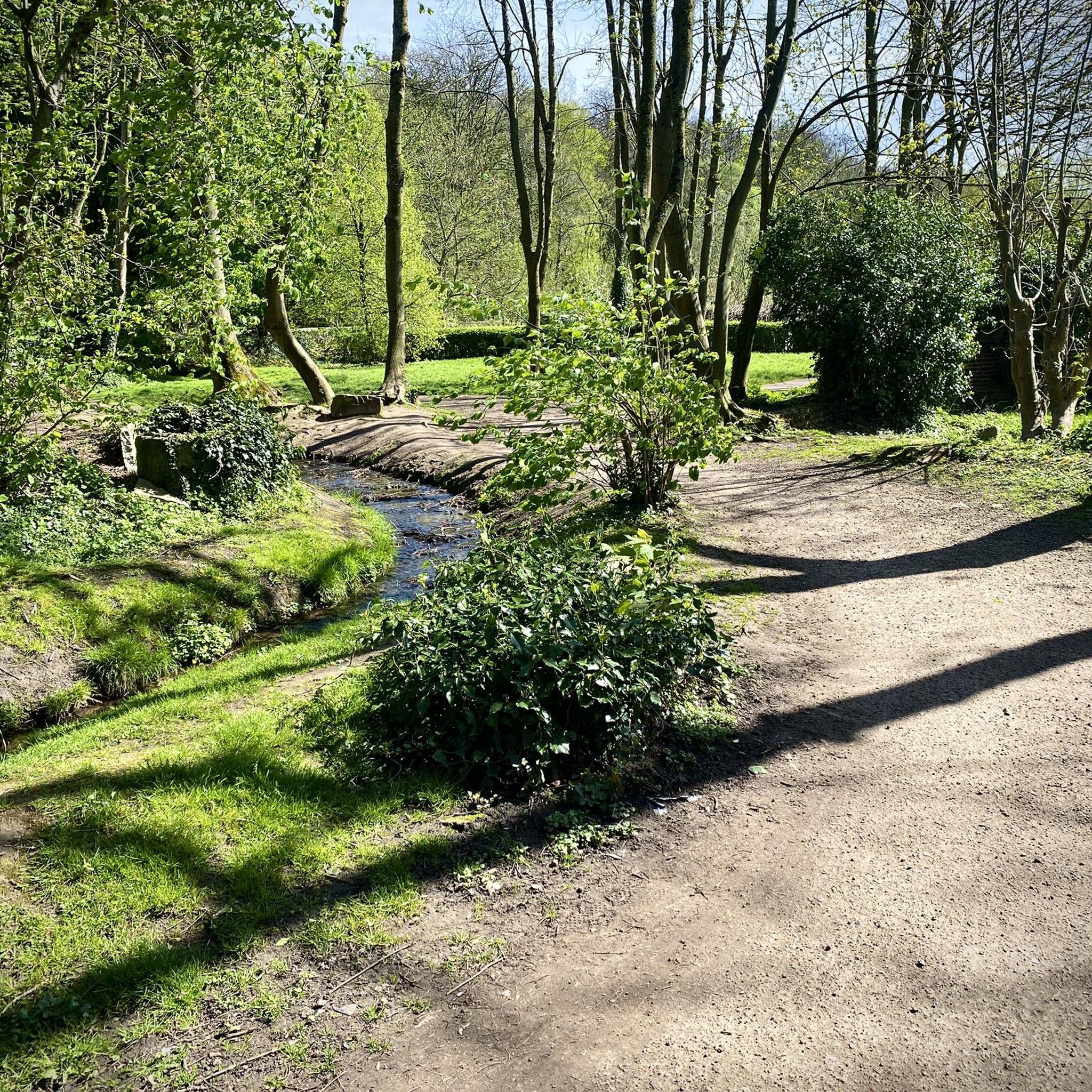
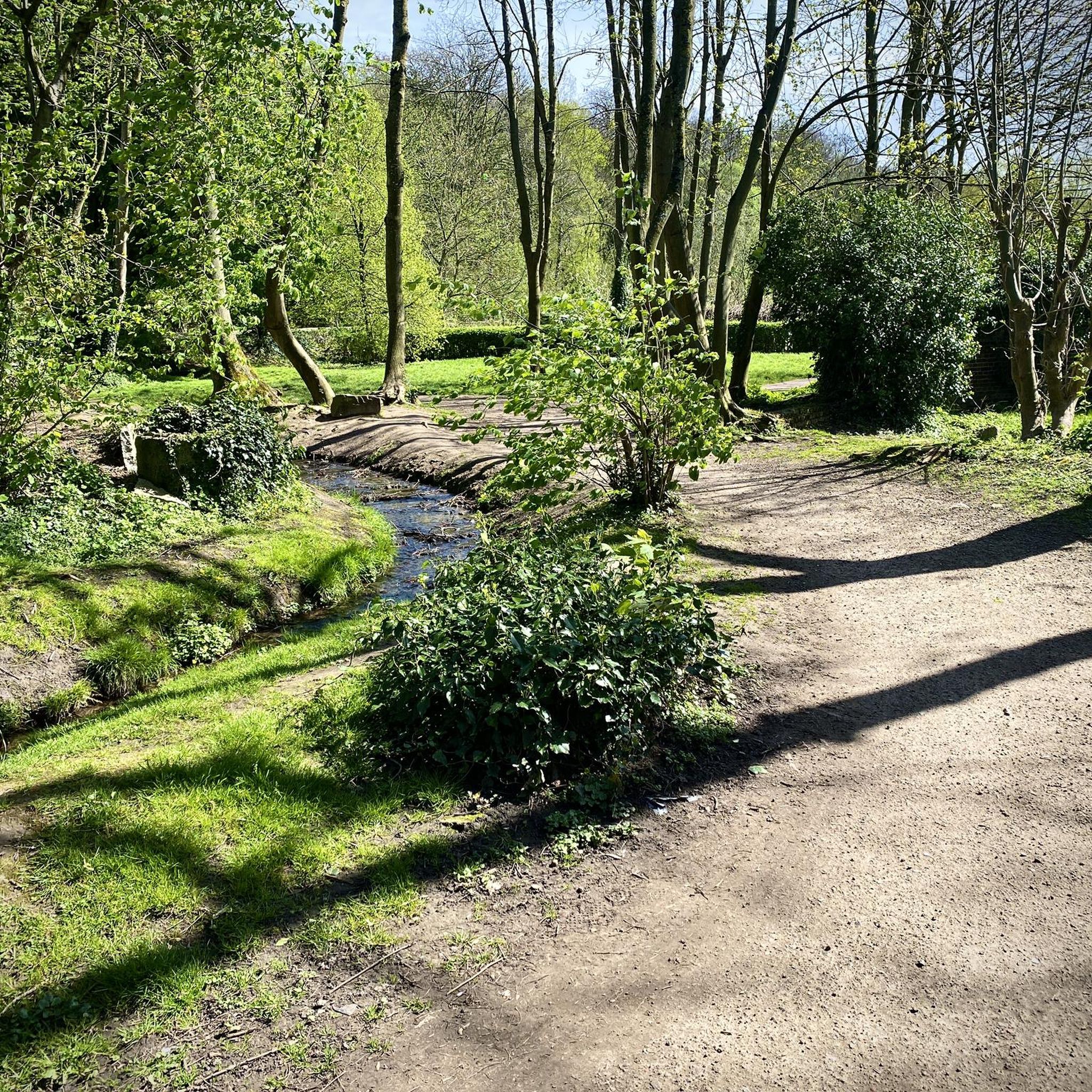
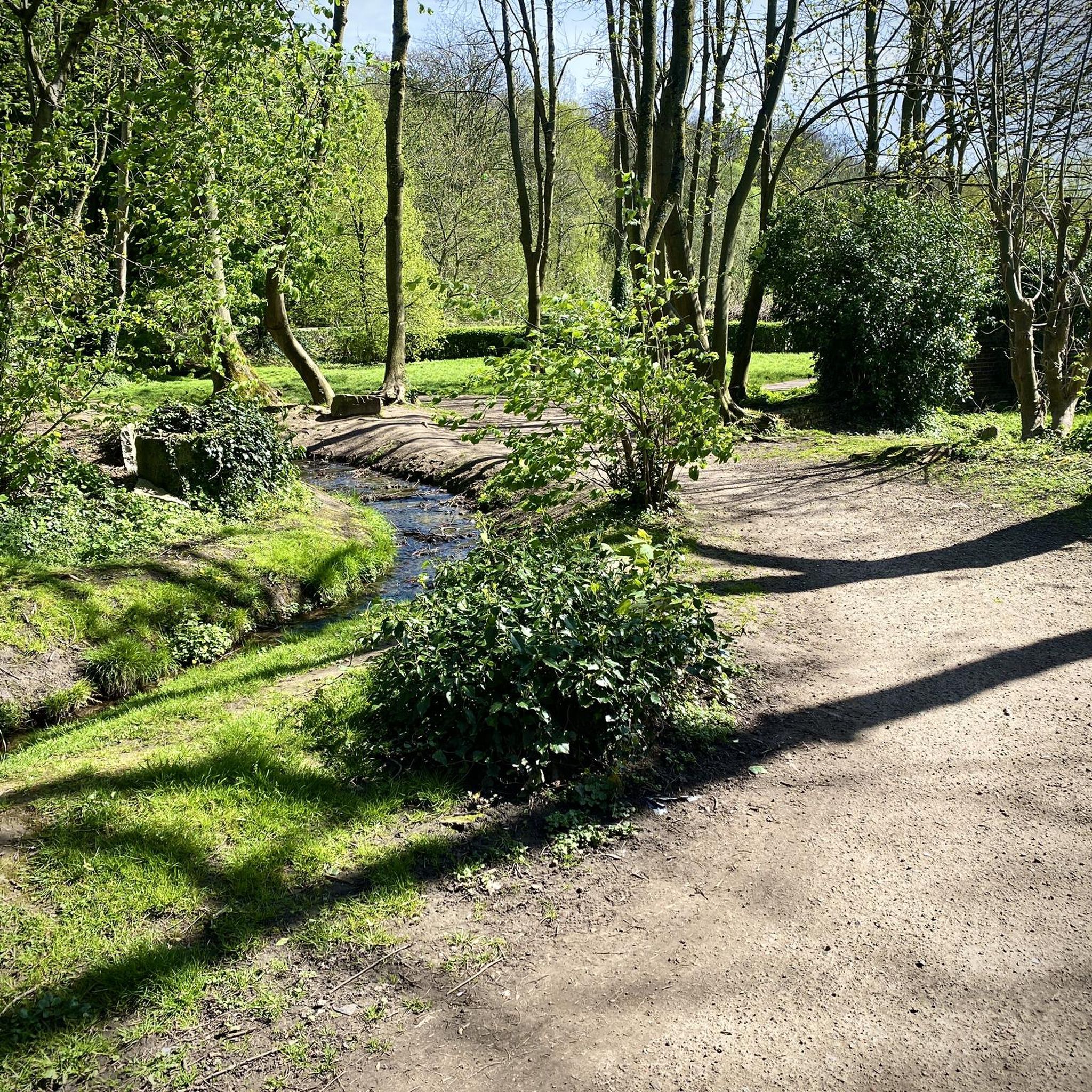
Open grassy area with some benches, ideal for a break on dry days.
3
0

A solid wood bridge crosses the Horseshoe Pond, which is thus divided into two parts.
3
0

Nice sighting when out riding, there is a gravel track passing through and a bit later you'll meet a pasture with beautiful Highland Cows!
1
0

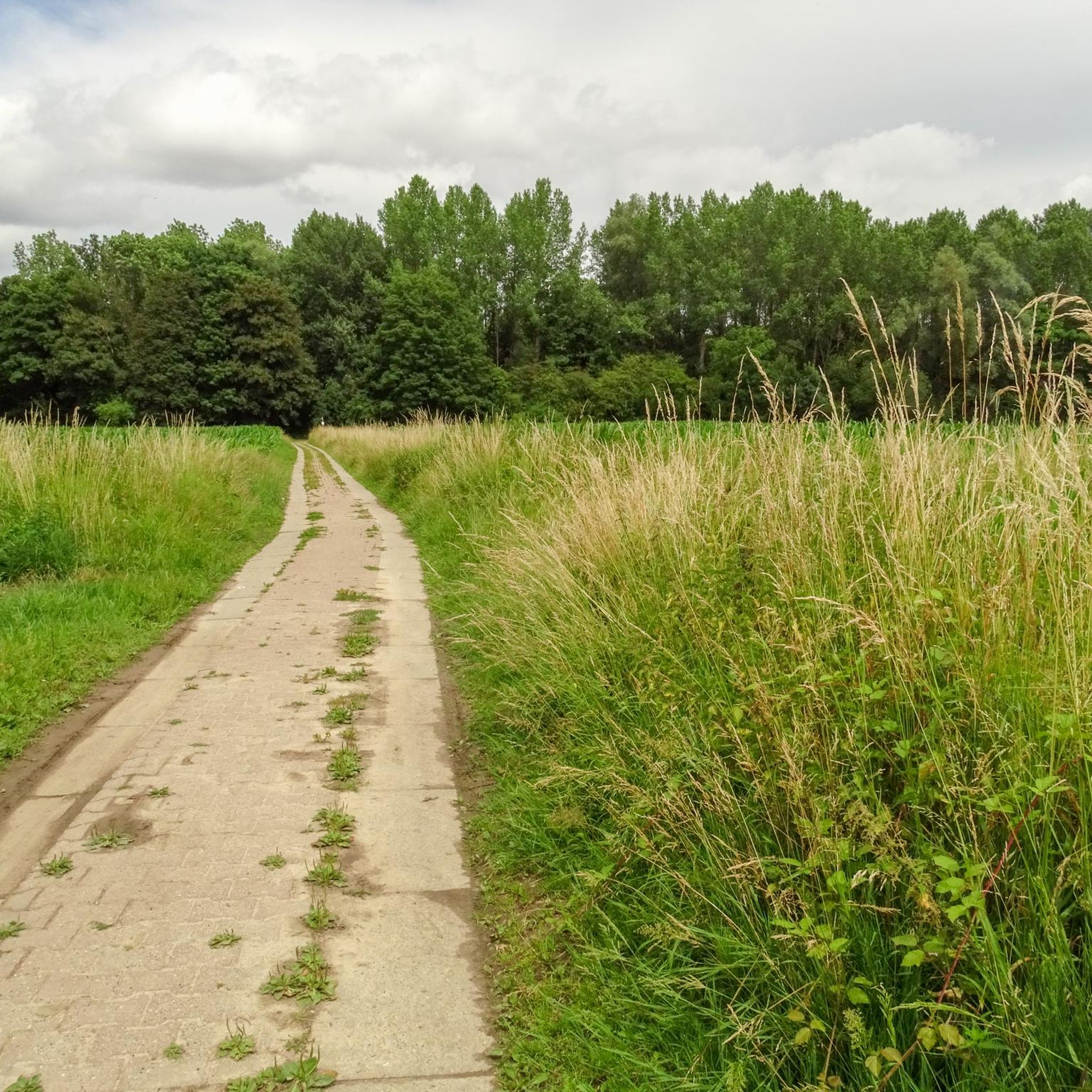
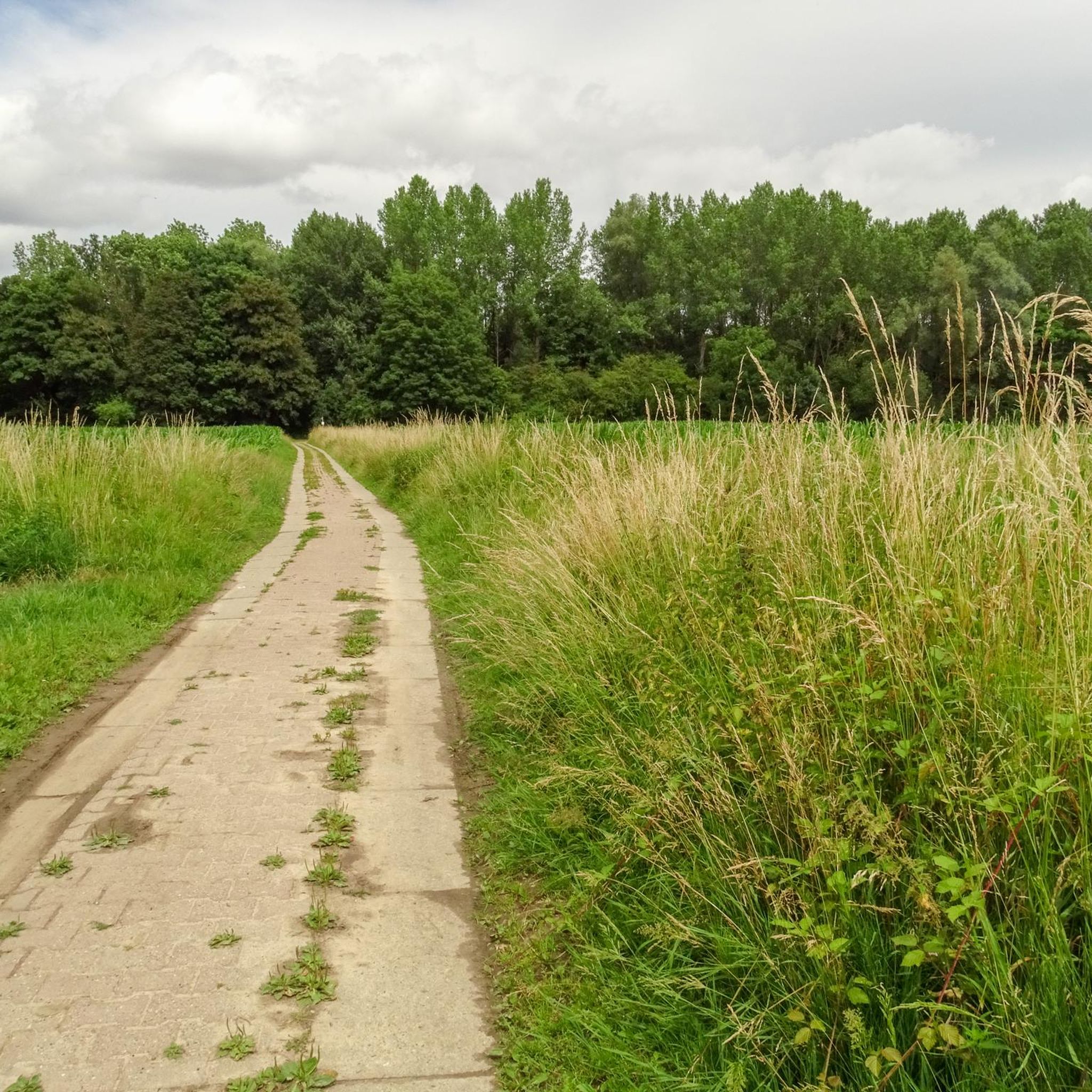
Great park and even better bike paths on the old road.
4
1

Nice strip, but with the drought now many solid holes
0
0
Frequently Asked Questions
How many gravel bike trails are available around Drogenbos?
There are over 200 gravel biking routes around Drogenbos, offering a wide variety of options for different skill levels and preferences. The komoot community has explored more than 5000 of these routes.
What are the typical difficulty levels for gravel biking routes near Drogenbos?
The gravel biking routes around Drogenbos cater to various skill levels. You'll find 14 easy routes, 103 moderate routes, and 94 difficult routes. This ensures there's something for everyone, from beginners to experienced gravel bikers.
What kind of terrain can I expect on gravel bike trails around Drogenbos?
Gravel biking around Drogenbos offers diverse terrain, primarily characterized by expansive forests like the Sonian Forest and Hallerbos. You can expect a mix of beautifully maintained gravel paths, wilder sections, and occasional hilly parts, providing a varied and engaging riding experience.
Are there any loop routes for gravel biking in the Drogenbos area?
Yes, many gravel biking routes around Drogenbos are designed as loops. For example, the difficult Grasdelle Trail Clearing – Royal Lodge of Groendaal loop from Forest-Est - Vorst-Oost explores the Sonian Forest, and the Forest Path Through Hallerbos – Paddenbroek Café & Brewery loop from Ruisbroek takes you through the renowned Hallerbos.
What natural attractions can I explore while gravel biking near Drogenbos?
The region around Drogenbos is rich in natural beauty. You can explore the vast Zonienwald (Sonian Forest), a UNESCO World Heritage site known for its ancient beech trees, or the Bois de la Cambre, which acts as an extension of the Sonian Forest. Hallerbos, famous for its spring bluebell display, is also easily accessible.
Are there any historical or cultural landmarks accessible from the gravel routes?
While the focus is on natural landscapes, some routes, like the difficult La Hulpe castle – Château de La Hulpe loop from Forest - Vorst, lead through scenic areas around the historic La Hulpe Castle. For urban exploration, Brussels' Grand Place (Grote Markt) is also a notable landmark nearby.
Is parking available for gravel bikers near Drogenbos?
Yes, parking is generally available at common starting points for gravel biking routes, especially near the larger forest areas like the Sonian Forest and Hallerbos. Specific parking information can often be found on individual route pages on komoot.
How can I access the gravel biking areas around Drogenbos using public transport?
Drogenbos's proximity to the Brussels-Capital Region means many starting points for gravel routes are accessible via public transport. For example, areas like Forest-Est (Vorst-Oost) and Ruisbroek, which are common starting points for routes into the Sonian Forest and Hallerbos, are well-connected by local public transport networks.
Are permits required for gravel biking in the Drogenbos region?
Generally, permits are not required for gravel biking on designated paths in public forests like the Sonian Forest or Hallerbos. However, it's always advisable to respect local regulations and signage, especially concerning protected areas or private land.
Are there family-friendly gravel biking options near Drogenbos?
Yes, while many routes are moderate to difficult, there are 14 easy routes available around Drogenbos that are suitable for families. These routes often feature smoother gravel paths and less challenging terrain, particularly within the more maintained sections of the Sonian Forest or Bois de la Cambre.
Can I bring my dog on gravel bike trails around Drogenbos?
Many natural areas around Drogenbos, including parts of the Sonian Forest and Hallerbos, are dog-friendly. However, it's crucial to keep dogs on a leash, especially in nature reserves, to protect wildlife and ensure a pleasant experience for all users. Always check specific local regulations for each area you plan to visit.
Are there places to stop for food or drinks along the gravel routes?
Yes, several routes pass by or near cafes and pubs. For instance, the Forest Path Through Hallerbos – Paddenbroek Café & Brewery loop from Ruisbroek specifically mentions a café and brewery, offering a great spot to refuel during your ride. Many towns and villages bordering the forests also have dining options.
What is the best time of year for gravel biking around Drogenbos?
Spring and autumn are generally considered the best seasons for gravel biking around Drogenbos. Spring offers the spectacular bluebell display in Hallerbos, while autumn provides beautiful foliage. Summer can be pleasant, especially in the shaded forests, but be mindful of potential heat. Winter riding is possible, but trails might be muddy or icy.
What do other gravel bikers say about the trails around Drogenbos?
The gravel biking routes around Drogenbos are highly rated by the komoot community, with an average score of 4.5 stars from over 900 reviews. Riders frequently praise the diverse terrain, the beauty of the expansive forests like the Sonian Forest, and the well-maintained gravel paths that offer a rewarding cycling experience.
Most popular attractions around Drogenbos

Get inspired with the komoot mobile app


Explore more
Browse the best Gravel rides in other regions.
