The best gravel rides around Chiusdino
4.1
(55)
485
riders
41
rides
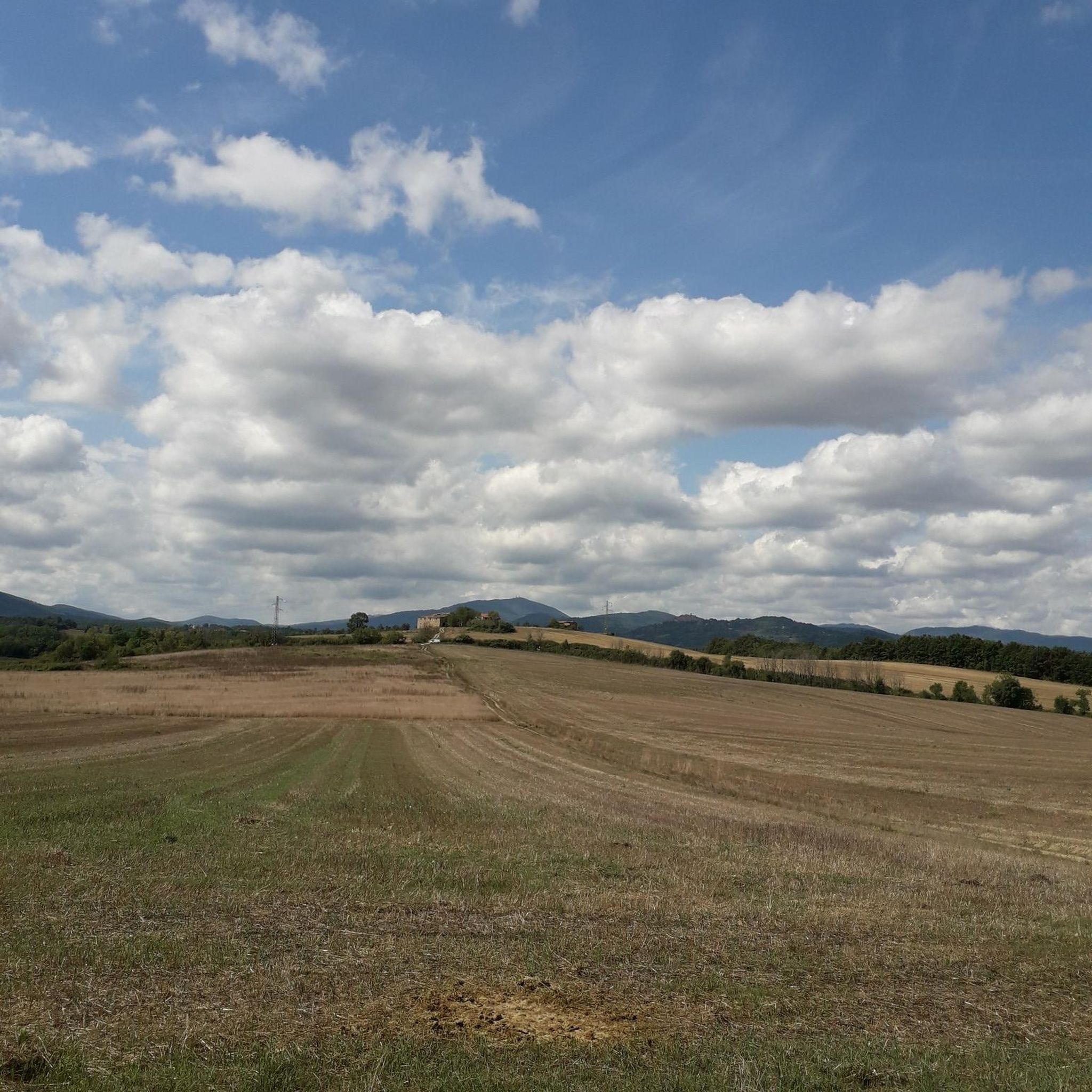
Gravel biking around Chiusdino offers diverse terrain within the Sienese Hills of Tuscany. The region is characterized by extensive "strade bianche" (white gravel roads), wooded areas, and varied gradients. Routes traverse the Merse Valley and the Colline Metallifere, providing a mix of natural environments and historical sites. This area is known for its network of gravel roads suitable for cycling.
Best gravel bike trails around Chiusdino
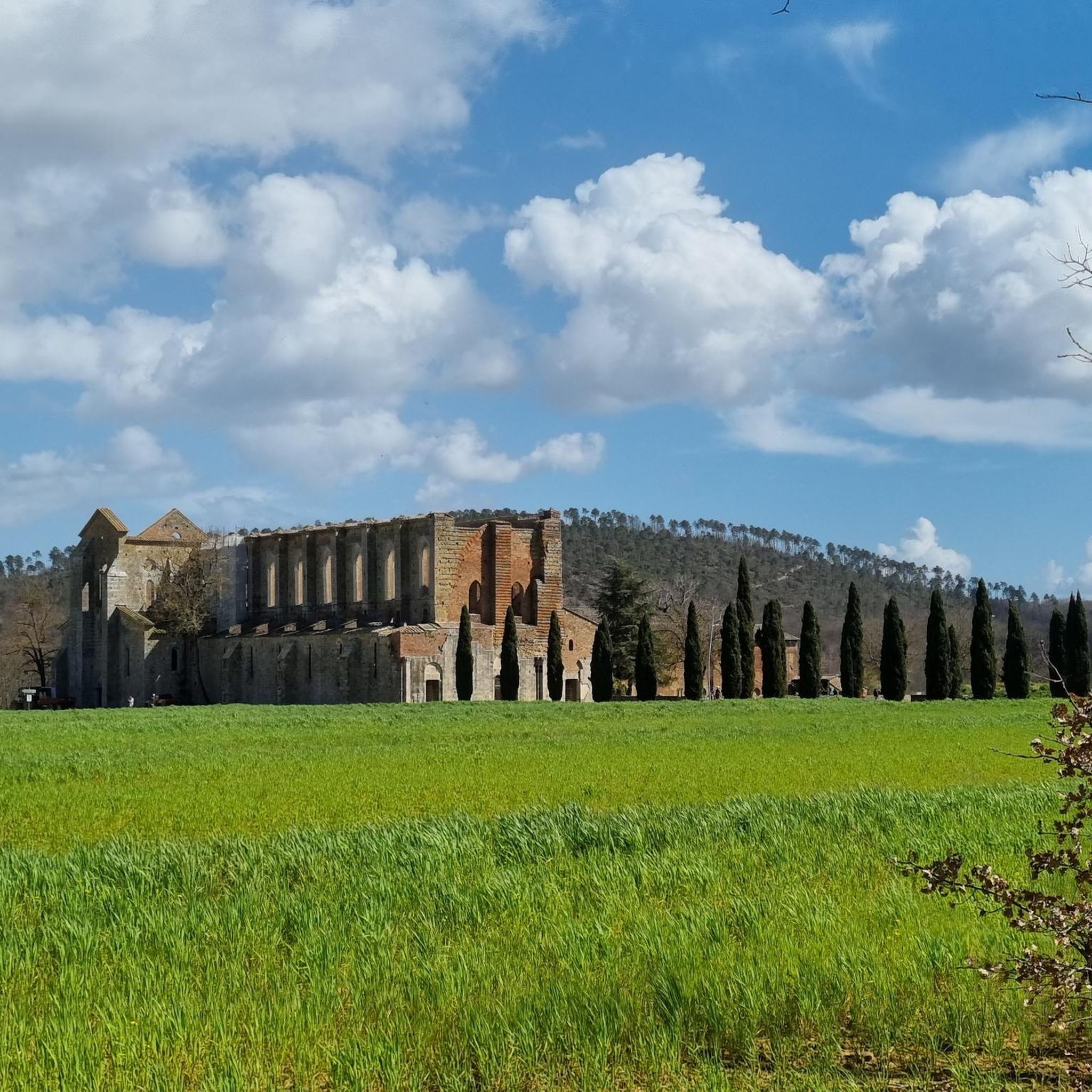
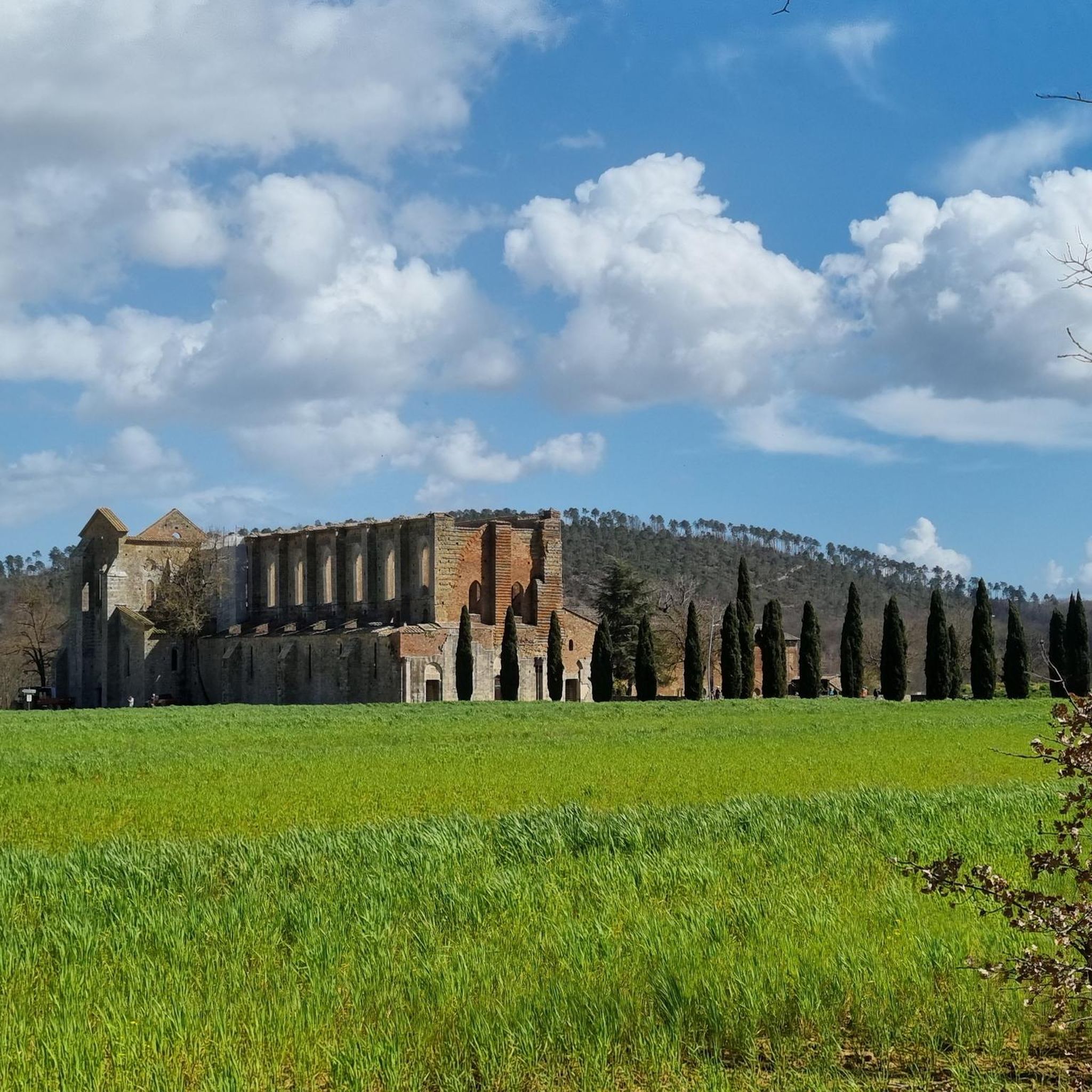
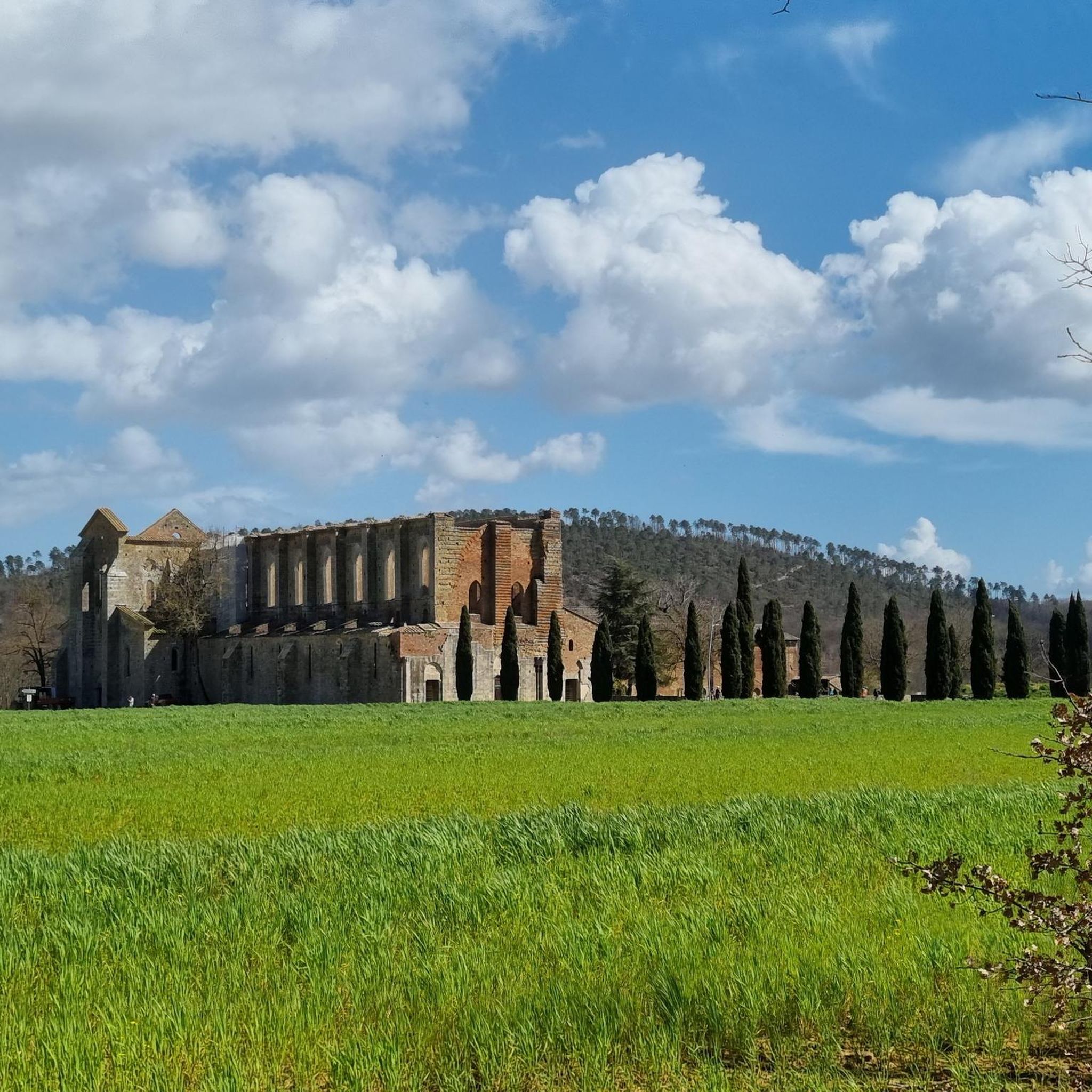
- The most popular gravel bike trail is Abbey of San Galgano – Abbey of San Galgano loop from Monticiano, a 34.1 miles (54.8 km) trail that takes 4 hours 41 minutes to complete. This challenging route explores the area around the historic Abbey of San Galgano.
- Another top favourite among local gravel bikers is Abbey of San Galgano – Abbey of San Galgano loop from Chiusdino, a difficult 30.6 miles (49.3 km) path. This route also features the Abbey of San Galgano, starting directly from Chiusdino.
- Local gravel bikers also love the Grotti Castle – View of the Tuscan Countryside loop from Rosia, a 24.4 miles (39.2 km) trail leading through the Tuscan countryside, often completed in about 2 hours 27 minutes.
- Gravel biking around Chiusdino is defined by the Sienese Hills, the Merse Valley, and the famous "strade bianche." The network offers options for different ability levels, from moderate to difficult.
- The routes in Chiusdino are highly rated by the komoot community with an average score of 4.3 stars from more than 40 reviews. More than 300 gravel bikers have used komoot to explore Chiusdino's varied terrain.
Last updated: May 7, 2026
5.0
(1)
23
riders
54.7km
03:45
840m
840m
Hard gravel ride. Very good fitness required. Mostly paved surfaces. Suitable for all skill levels.
4.8
(6)
31
riders
49.7km
03:34
990m
1,000m
Hard gravel ride. Very good fitness required. Mostly paved surfaces. Suitable for all skill levels.

Sign up for free
4.6
(5)
26
riders
39.2km
02:27
420m
420m
Moderate gravel ride. Good fitness required. Mostly paved surfaces. Suitable for all skill levels.
4.7
(6)
15
riders
31.3km
01:56
200m
200m
Moderate gravel ride. Good fitness required. Mostly paved surfaces. Suitable for all skill levels.
5.0
(1)
6
riders
36.5km
03:11
810m
810m
Hard gravel ride. Very good fitness required. You may need to push your bike for some segments of this route.
Get access to more routes and recommendations from other explorers.
Sign up for free
Already have an account?
Our route recommendations are based on thousands of hikes, rides, and runs completed by other people on komoot.
Start today with a free account
Your next adventure awaits.
Login or Signup
Tips from the Community

The Cippo is located at the entrance of the Strada Bianca on the SP99 side
0
0

The Montesiepi Hermitage was built immediately after the saint's death, over the ancient hut where San Galgano lived during his last year (1181). The hermitage was consecrated in 1185 by the bishop of Volterra, Ildebrando Pannocchieschi. The small complex consists of the circular church interrupted only by the small apse, the chapel with frescoes by Lorenzetti, and the entrance porch. In the porch, look down to the left and look for an "original" medieval plaque that reminds the pilgrim... that he must die and that life is short. The original church was circular, then the entrance hall was added in 1200. The bell tower and Lorenzetti's chapel were added in the following century. The rectory dates back to the 18th century. The dome, constructed from alternating rows of white stones, is extremely elegant. Inside the Hermitage, in the center of the Rotonda, there is the famous Sword of San Galgano, stuck in the rock for over 800 years.
0
0

Nice single track very easy that runs along the river and is very shaded
0
0
Beautiful white road in the shade of the trees, perfect to do in the summer
0
0

Built in the 13th century in Gothic style and dedicated to the saint from Chiusdino, today it is completely in ruins: only the walls remain standing, with the apse still in evidence, perfectly facing east, while on the upper part of the facade there are two pointed windows. The roof of the Abbey of San Galgano is no longer there today. The "official" version says that it deteriorated and then fell over the centuries, while an alternative version, according to some legend and according to others truth, states that it was originally made of lead, and was sold by Girolamo Vitelli in 1550. Whatever the truth behind the roof of the abbey, after some restoration attempts that went badly, at the end of the 18th century it was deconsecrated and left to the elements until the present day. The ruins of the Abbey of San Galgano, with its profile still intact and immersed in the Tuscan countryside, offer a truly incredible and particular view. In addition to the roof, the floor is also missing, which during the summer turns into a grassy blanket, while you can still see a transept with three naves and 4 chapels with cross vaults. Next to the Abbey of San Galgano there is the cloister, which was rebuilt at the beginning of the last century, using the original materials. Some accessory rooms are also very beautiful, which can also be visited with the entrance ticket to the abbey, including the chapter house, where the monks originally met to deliberate the main rules of the community, and the scriptorium, which was the place where the monks copied the manuscripts.
2
0

Wonderful road, very shaded and perfect in the summer months. Road with little traffic.
1
0
Along the dirt road on our left we can admire the Tenuta di Spannocchia which is located in the Alto Merse Nature Reserve
0
0
Beautiful path immersed in nature that runs along the Merse river, very easy, suitable for everyone.
0
0
Frequently Asked Questions
What kind of terrain can I expect on gravel bike trails around Chiusdino?
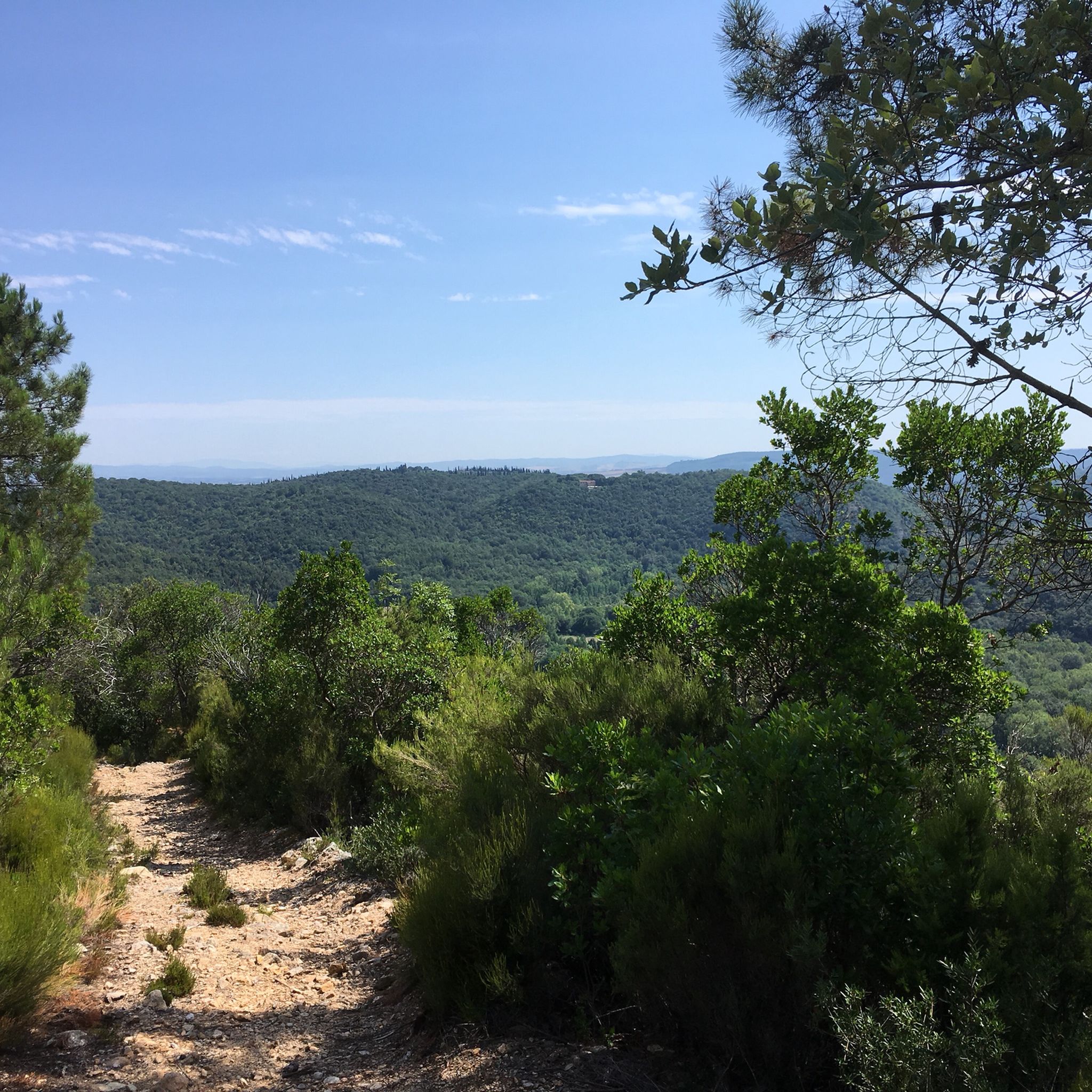
Gravel biking around Chiusdino offers a diverse landscape. You'll encounter the characteristic "strade bianche" (white gravel roads) of Tuscany, winding through the Sienese Hills, the Merse Valley, and the Colline Metallifere. Expect a mix of rolling hills, some challenging climbs, and shaded routes through extensive wooded areas. The terrain varies from gently rolling to more technical sections with rocky climbs.
Are there any beginner-friendly gravel bike routes in the Chiusdino area?
While many routes in Chiusdino are rated moderate to difficult, there are options suitable for those looking for a less strenuous ride. For example, the La Vidritta gravel – Vridritta gravel section loop from Rosia is a moderate 31.3 km trail with less elevation gain, offering a good introduction to the region's gravel paths.
What are the typical distances and durations for gravel bike trails near Chiusdino?
Gravel bike trails around Chiusdino vary significantly in length and duration. You can find routes ranging from around 30 km to over 50 km. For instance, the Grotti Castle – View of the Tuscan Countryside loop from Rosia is about 39 km and takes roughly 2 hours 27 minutes, while the Abbey of San Galgano – Abbey of San Galgano loop from Monticiano covers 54.8 km and typically takes around 4 hours 41 minutes.
Can I access the Abbey of San Galgano and Hermitage of Montesiepi by gravel bike?
Yes, the Abbey of San Galgano and the nearby Hermitage of Montesiepi are popular destinations easily accessible by gravel bike and are often featured on local routes. The Abbey of San Galgano – Abbey of San Galgano loop from Chiusdino is a challenging 49.3 km path that starts directly from Chiusdino and explores the area around this historic site.
What historical sites or natural attractions can I see along the gravel bike trails?
The Chiusdino area is rich in history and natural beauty. Along the trails, you might encounter medieval villages like Chiusdino itself, or pass by significant landmarks such as the Spannocchia Castle or the Fosini Castle. Natural highlights include the Canaloni Waterfall and Natural Pools, and the La Buca delle Fate cave.
What is the best time of year for gravel biking in Chiusdino?
The best time for gravel biking in Chiusdino is typically during the spring (April-May) and autumn (September-October) months. During these seasons, the weather is generally mild and pleasant, and the landscapes are particularly beautiful. Summer can be quite hot, though the extensive wooded areas offer some shaded routes. Winter can bring cooler temperatures and potentially wet conditions on the gravel roads.
Are there any family-friendly gravel biking options in the Chiusdino region?
While many routes are rated moderate to difficult, families can find enjoyable sections, especially on the less challenging "strade bianche" or dedicated cycling paths within the Val di Merse. Look for routes with lower elevation gain and shorter distances, or consider breaking longer routes into smaller, manageable segments. Always check the route's difficulty and terrain description before heading out with children.
Where can I find parking for my car when starting a gravel bike tour in Chiusdino?
Chiusdino, as a medieval village, has designated parking areas for visitors. You can typically find parking in or near the town center, which serves as a convenient starting point for many routes. For tours starting from other nearby villages like Monticiano or Rosia, similar parking facilities are usually available. Always look for public parking signs upon arrival.
What do other gravel bikers enjoy most about the Chiusdino area?
The Chiusdino area is highly rated by the komoot community, with an average score of 4.3 stars from over 40 reviews. Reviewers often praise the stunning Tuscan countryside, the extensive network of "strade bianche," and the blend of natural beauty with historical landmarks like the Abbey of San Galgano. The varied terrain and challenging climbs are also frequently highlighted by experienced riders.
Are there any loop gravel trails available around Chiusdino?
Yes, many of the gravel bike trails around Chiusdino are designed as loops, allowing you to start and end your ride in the same location. Examples include the Abbey of San Galgano – Abbey of San Galgano loop from Monticiano and the S.Lorenzo a Merse – La Vidritta gravel loop from Tocchi. These circular routes make planning your ride and logistics much simpler.
Are there any sections of the famous 'Strade Bianche' or 'L'Eroica' routes near Chiusdino?
Yes, the Chiusdino area is renowned for its "strade bianche" and includes sections that are part of the professional *Strade Bianche* race and the *L'Eroica* route. The region's extensive network of white gravel roads provides an authentic Tuscan gravel biking experience, allowing you to ride on the same iconic paths as these famous cycling events.
Can I find cafes or restaurants along the gravel bike trails in Chiusdino?
While some routes might pass through small villages with cafes or trattorias, it's advisable to carry sufficient water and snacks, especially on longer or more remote sections. Chiusdino itself, and other medieval towns in the area, offer a good selection of cafes, pubs, and restaurants where you can refuel before or after your ride.
Most popular attractions around Chiusdino

Get inspired with the komoot mobile app


Explore more
Browse the best Gravel rides in other regions.
