The best gravel rides around San Giacomo Vercellese
4.0
(5)
61
riders
13
rides
Gravel biking around San Giacomo Vercellese features routes through the agricultural plains and along river systems of the Piedmont region. The terrain is generally flat to gently rolling, with occasional low hills and historical landmarks such as castles. Riders can expect a mix of unpaved farm tracks, quiet country roads, and riverside paths. The area provides a network of trails suitable for various skill levels, connecting rural villages and scenic landscapes.
Best gravel bike trails around San Giacomo Vercellese
- The…
Last updated: May 24, 2026
3.5
(4)
26
riders
48.2km
03:18
290m
290m
Moderate gravel ride. Good fitness required. Mostly paved surfaces. Suitable for all skill levels.
4.0
(1)
30
riders
53.5km
03:20
320m
320m
Moderate gravel ride. Good fitness required. Mostly paved surfaces. Suitable for all skill levels.

Sign up for free
4
riders
40.5km
02:50
140m
140m
Moderate gravel ride. Good fitness required. Mostly paved surfaces. Suitable for all skill levels.
6
riders
Moderate gravel ride. Good fitness required. Mostly paved surfaces. Suitable for all skill levels.
5.0
(1)
3
riders
39.3km
02:29
120m
120m
Moderate gravel ride. Good fitness required. Mostly paved surfaces. Suitable for all skill levels.
Get access to more routes and recommendations from other explorers.
Sign up for free
Already have an account?
Our route recommendations are based on thousands of hikes, rides, and runs completed by other people on komoot.
Start today with a free account
Your next adventure awaits.
Login or Signup
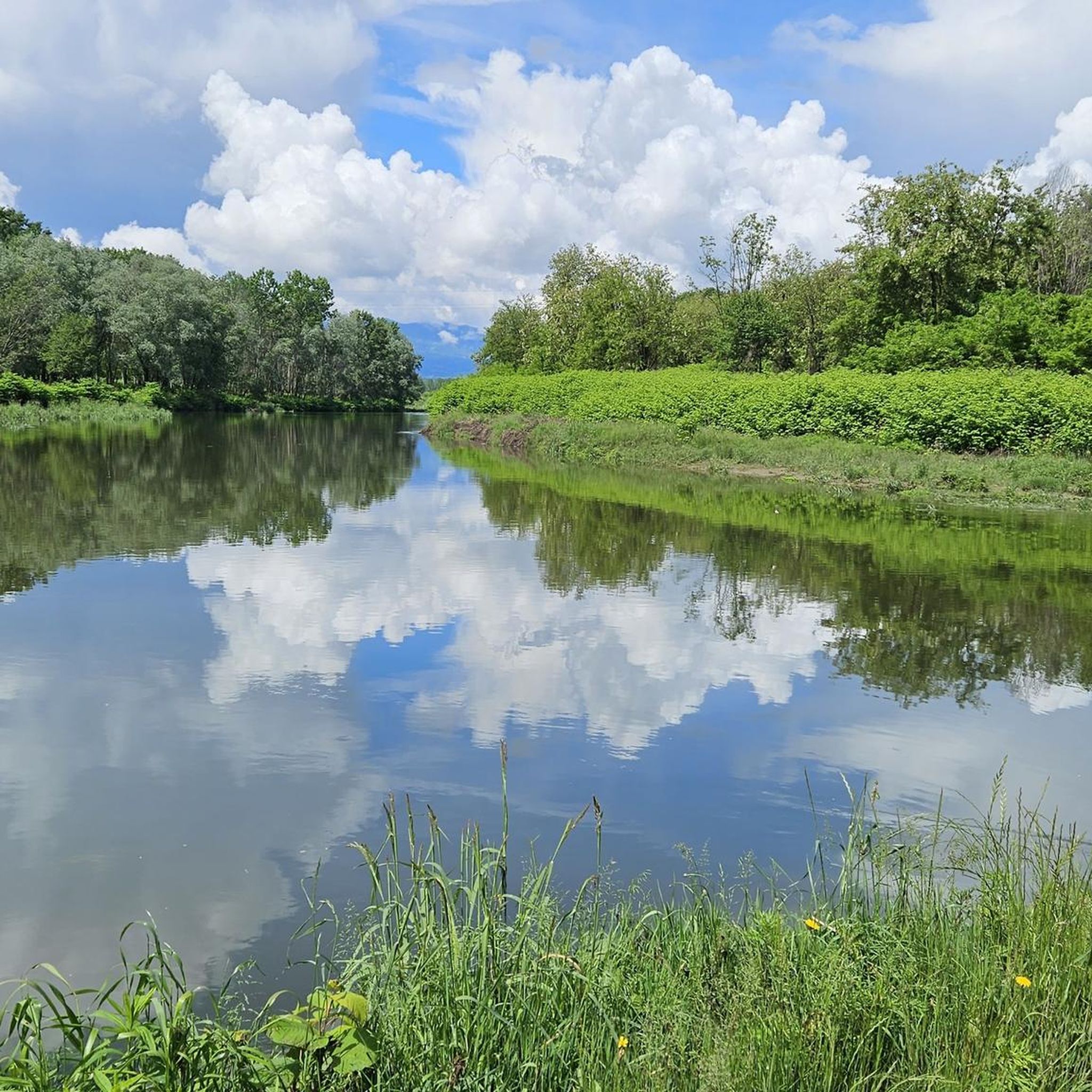
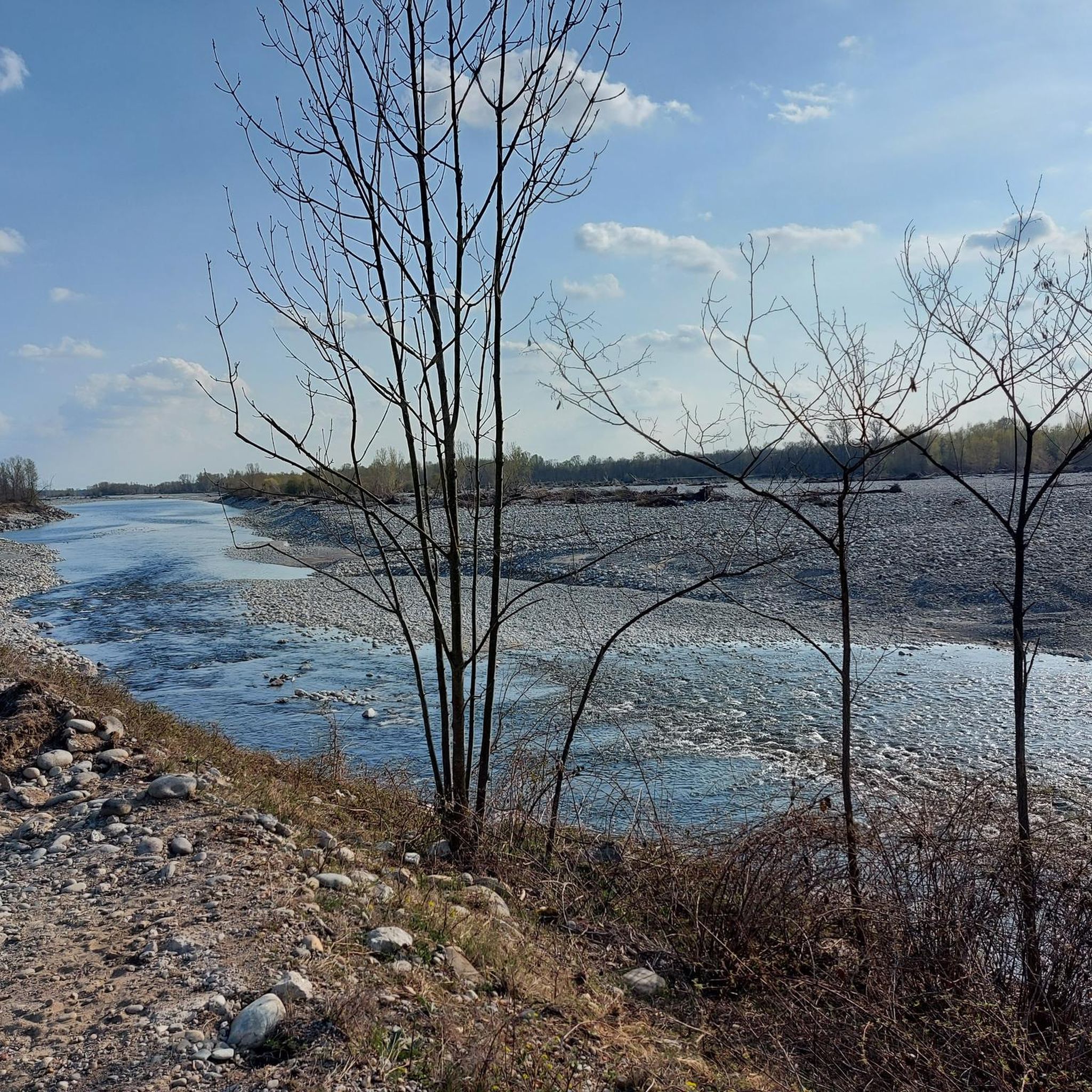
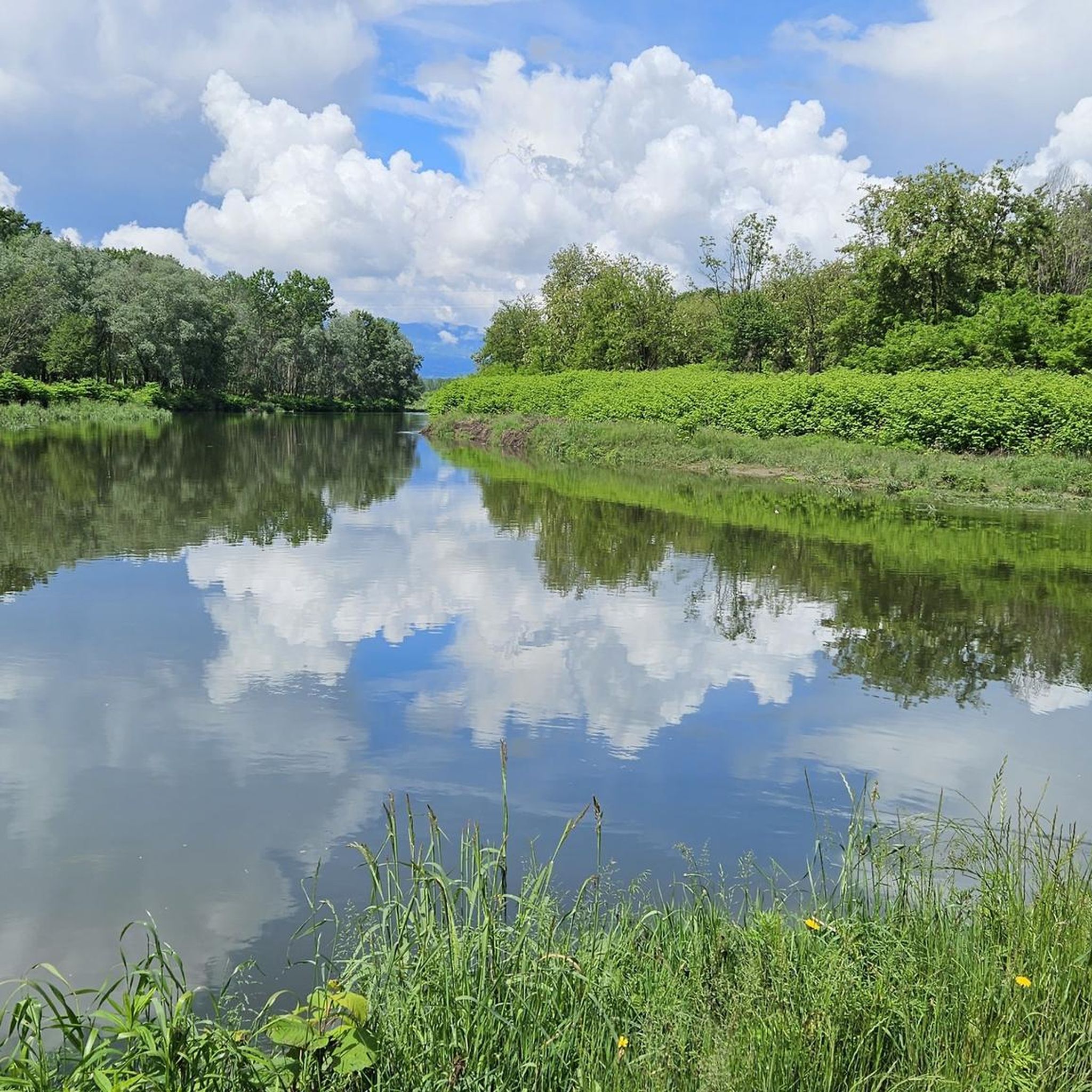
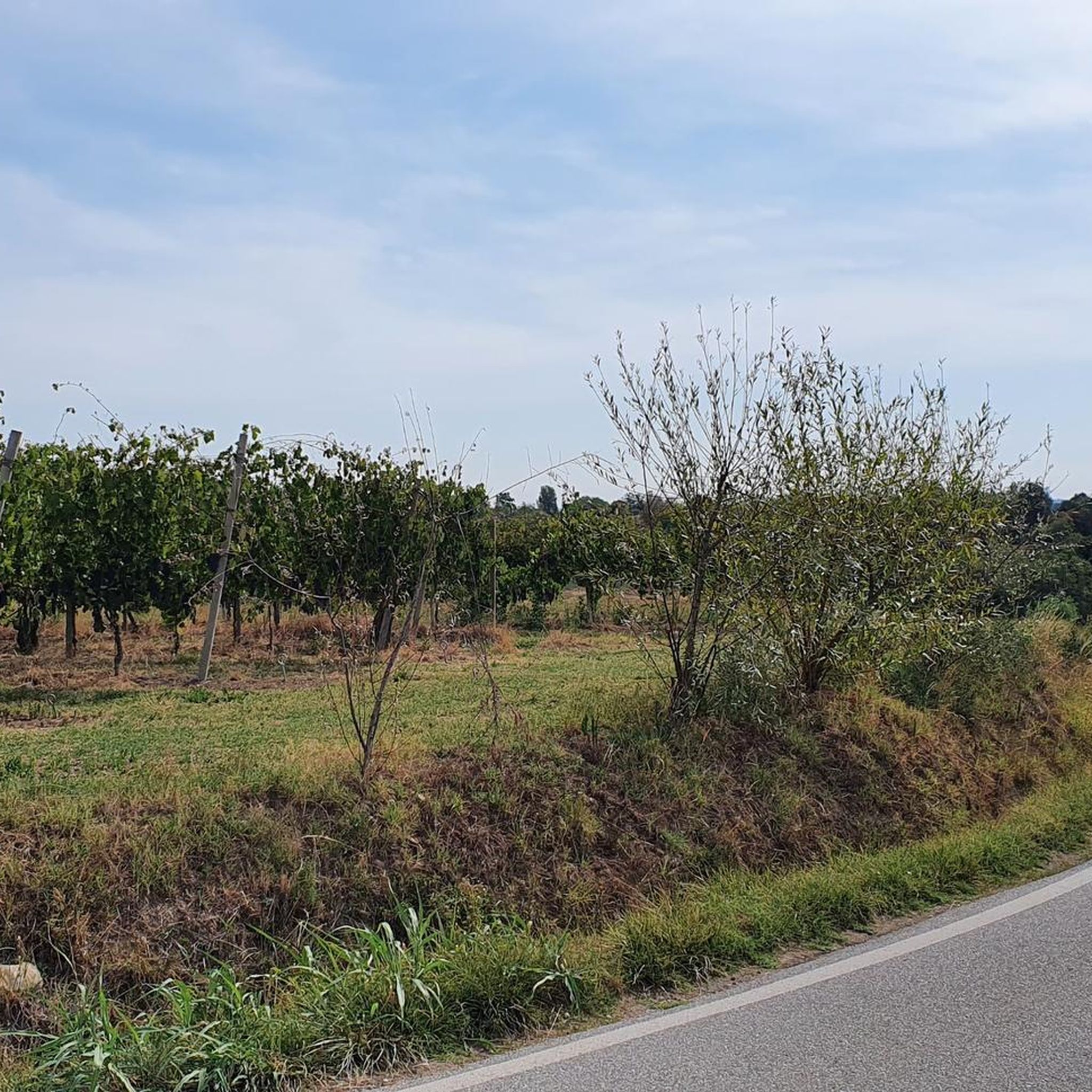

Tips from the Community

The Castello di Barengo stands on a hill behind the town, in an elevated position overlooking the surrounding plain, along the road that originally connected the Via Francigena with the fords on the Sesia river. The original fifteenth-century structure has undergone numerous modifications and alterations over the centuries, and was already partially in ruins at the beginning of the nineteenth century. In 1849, the fortress underwent a restoration that altered its original layout. In the aftermath of the First World War, the property passed to Count Gaudenzio Tornielli di Borgolavezzaro, who commissioned the architect Carlo Nigra to reconstruct the complex according to the stylistic canons of the Middle Ages. Further restorations were subsequently carried out by the Boroli family, the current owners. Despite the reconstructions, however, there remain several testimonies of the original construction, such as the walls of the stands, the foundations and some entrance doors.
0
0

Domenico Piemontesi, known as the "Boca Cyclone," was born in 1903 and raced professionally from 1922 to 1938. During his career, he won eleven stages in the Giro d'Italia out of twelve editions, and in 1927 he took third place at the World Championships, sharing the podium with cycling legends such as Alfredo Binda and Costante Girardengo. He also achieved first-place finishes in the Giro di Lombardia (1933), the Giro della Provincia di Milano (1934), the Tre Valli Varesine (1922), the Giro dell'Emilia, and the Milano-Modena (both 1927). He participated in the Tour de France twice, but withdrew both times before the finish. He passed away in 1987. Ermanno Vallazza raced professionally. Born in 1899, he became Italian amateur champion in 1923. His professional career began the following year. In 1926, he won the Placci Cup and participated in every Giro d'Italia between 1924 and 1929.
1
0

An ancient noble chapel with an astronomical orientation: the sun sets on the façade on the feast of Saint Maurice. The medieval brick and stone herringbone façade (12th century) has been restored to its former glory thanks to a recent restoration.
0
0
Rice Fountain sculpture "Between Water and Sky" by artist Ruben Bertoldo. The work is made of Cortex steel and stainless steel.
0
0

Castello Consortile di Buronzo is a rare example of a complex of fortified houses and towers that stands in the heart of the Baraggia.
26
0
“Gattinara – city of wine”, as the sign that welcomes us as we approach the town says. Wine has, in fact, been one of the major resources of this territory since ancient times. According to some, the cultivation of vines was introduced to this territory by the Gauls, who succeeded the Ligurians and the Celts (the first inhabitants of the territory starting from the 6th century BC); according to others, however, it was introduced by the Romans in the imperial age.
25
0

outside the center is a good place to start the tour
2
0

Frequently Asked Questions
What kind of terrain can I expect on gravel bike trails around San Giacomo Vercellese?
The gravel bike trails in this region primarily traverse agricultural plains and follow river systems. You'll encounter a mix of unpaved farm tracks, quiet country roads, and riverside paths. The terrain is generally flat to gently rolling, with some routes featuring occasional low hills.
Are there gravel bike routes suitable for beginners?
Yes, there is at least one easy gravel bike route available. While many routes are moderate to difficult, beginners can find suitable options to explore the area's scenic landscapes.
What options are available for experienced gravel bikers seeking a challenge?
Experienced gravel bikers will find several challenging routes. For instance, the Castello di Barengo – Briona Castle loop from Ghislarengo is a difficult 43.7-mile (70.4 km) trail connecting historical castles via varied gravel paths, offering a substantial ride.
What is the typical length of gravel bike routes in the area?
The gravel bike routes around San Giacomo Vercellese vary in length, generally ranging from approximately 25 miles (40 km) to over 40 miles (70 km). This provides options for both shorter excursions and longer, more demanding rides.
Are there any circular gravel bike routes?
Yes, many of the gravel bike routes in the area are designed as loops. For example, the Agriturismo La Biandrina – Cavaglio Climb loop from Carpignano Sesia is a moderate 33.3-mile (53.6 km) circular path exploring agricultural areas.
What historical landmarks can I see along the gravel bike trails?
The region is rich in history, and many routes pass by historical landmarks. You can encounter various castles, such as Castello di Buronzo and Rovasenda Castle. The Castello di Buronzo – Rovasenda Castle loop from Rovasenda specifically connects these two notable sites.
Are there any natural attractions or points of interest along the routes?
Yes, the routes often follow river systems, offering scenic views. You might encounter natural areas like the Lame del Sesia Natural Park or the Confluence of the Cavour Canal and the Sesia River. The Murals of Gattinara – Trail Along the Sesia River loop from Rovasenda is a great option for riverside exploration.
What is the best time of year for gravel biking in San Giacomo Vercellese?
Spring and autumn are generally ideal for gravel biking in this region, offering pleasant temperatures and vibrant landscapes. Summer can be hot due to the open plains, while winter might bring colder, potentially wetter conditions, making some unpaved sections muddy.
What do other gravel bikers enjoy most about the trails in San Giacomo Vercellese?
The area is highly rated by the komoot community, with an average score of 4.5 stars. Reviewers often praise the varied terrain, the connection between historical sites, and the peaceful agricultural landscapes. Many appreciate the network of trails that cater to different skill levels.
Is it possible to find cafes or refreshment stops along the gravel bike routes?
While specific cafes are not listed for every route, many trails connect rural villages and pass by agricultural areas, increasing the likelihood of finding local establishments for refreshments. Planning your route to pass through larger villages is advisable for guaranteed stops.
Are there family-friendly gravel bike routes around San Giacomo Vercellese?
Given the generally flat to gently rolling terrain and the presence of quiet country roads, some of the easier and moderate routes can be suitable for families. It's recommended to check the specific route details for elevation and surface conditions to ensure it matches your family's skill level.
Where can I park when starting a gravel bike tour?
Most gravel bike tours in the region start from towns or villages such as Ghislarengo, Carpignano Sesia, or Rovasenda. You can typically find public parking available in these starting locations, often near town centers or designated parking areas.
Are there any routes that feature unique local art or cultural elements?
Yes, the Murals of Gattinara – Trail Along the Sesia River loop from Rovasenda offers a cultural highlight, allowing you to explore the murals of Gattinara while enjoying a scenic ride along the Sesia River.
Most popular routes around San Giacomo Vercellese
Most popular attractions around San Giacomo Vercellese

Get inspired with the komoot mobile app


Explore more
Browse the best Gravel rides in other regions.
